
My favorite quote :" Knowledge is power " ! ! Connecting #crypto 🤝!
Joined January 2016
- Tweets 17,523
- Following 1,070
- Followers 2,484
- Likes 36,746
4,309 Photos and videos





Pinned Tweet
12 of June will be the biggest extraction in the history of financial markets
63

Jun 12
Xx9x8PEiv51FqzDsamPWRrbCiPFmLrHCrF8UbpjSPCX
This can go bonkers today
Rewards are working
Nice gem, aped more in the dip

1
4
379
Jun 12
Xx9x8PEiv51FqzDsamPWRrbCiPFmLrHCrF8UbpjSPCX
Aped this
Space X stock rewards
Tek works 🫡
Let's see
65k
NFA
Jun 12

$SPCX - The most anticipated IPO in history happens today.
While everyone else waits for the opening bell, $ROCKET holders have been accumulating on-chain the entire time.
Welcome to the largest accumulation project ever created.

1
107
Jun 12
solana:DNhQZ1CE9qZ2FNrVhsCXwQJ2vZG8ufZkcYakTS5Jpump
Insane
Keep building 🫡🚀
Jun 12

my most recent task has been building our agentic pentesting into a team. rather than one agent scanning your site, we'll soon have a swarm of them. they crawl in parallel, share intel on a shared blackboard, and chain each others findings into real exploits. one agent grabs a verified session, drops it on the board, another picks it up and pops an IDOR. an entire agentic red team.
today i made that possible. vector used to render as one flat terminal log, which is criminal for the coolest thing i've ever built. so... i've built the war room. a live command deck, every agent is a card with its current move and turn count. you watch auth, xss, authz, ssrf and injection all working at once. the blackboard sits center stage and fills in real time as agents post sessions and confirmed bugs. every finding traces back to which agent found it and how the team chained it.
sneak peek for the future, this will be used much further than pentesting clients one at a time. we will have the largest and most effective swarm of white-hat agents on the internet.
i look forward to blowing you away.
59
Jun 11
Legend 🙏
This guy never stops clicking
The result!🚀🫡
11
Jun 11
JUST IN: 🇺🇸🇮🇷 President Trump says the US will take Iran's Kharg Island and "assume total control of their Oil and Gas Markets."
Kharg Island handles 90% of Iran's oil export.
Trump is the biggest scammer of all times
1
46
Jun 11
solana:DNhQZ1CE9qZ2FNrVhsCXwQJ2vZG8ufZkcYakTS5Jpump
I you fade this, i can't help you....

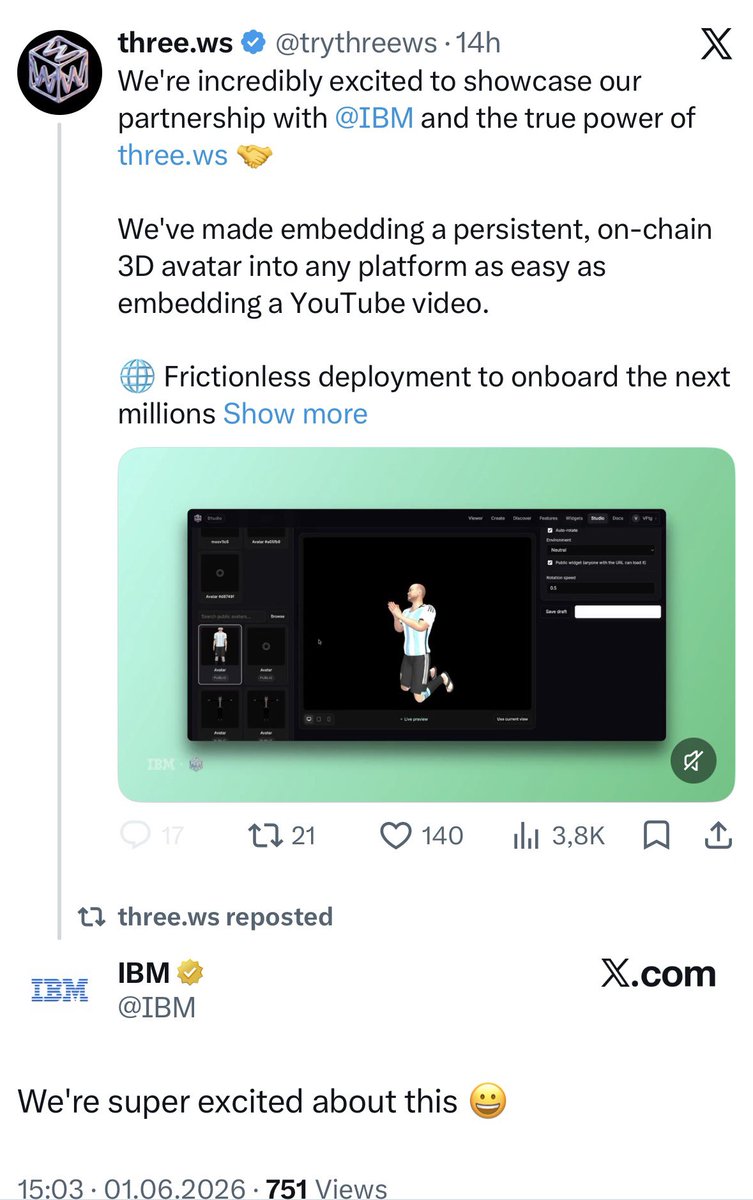
The agentic internet is growing beyond 2D.
Proud to partner with @trythreews and their 3D ecosystem where agents come alive.
A bigger surface means more to secure. We're here to make cybersecurity accessible to everyone building on it.
65
Jun 11
Gm legends
solana:DNhQZ1CE9qZ2FNrVhsCXwQJ2vZG8ufZkcYakTS5Jpump 👽👀
Zauth Zauth Zauth Zauth
36
3GVntiigVVNEsQy7L1f8Yw8kzC1ef8oYtoDi5UE4pump
I'm bullish here
solana:3GVntiigVVNEsQy7L1f8Yw8kzC1ef8oYtoDi5UE4pump
3GVntiigVVNEsQy7L1f8Yw8kzC1ef8oYtoDi5UE4pump
Aped this gem
Let's see
40k
NFA
2
137
3GVntiigVVNEsQy7L1f8Yw8kzC1ef8oYtoDi5UE4pump
Aped this gem
Let's see
40k
NFA
Jun 9

Raw footage of a user accessing the new observatory.
Here's a full thesis:
The agent payment stack assembled itself in 12 months.
Coinbase shipped x402, making HTTP 402 a real payment rail for agents paying APIs in USDC on Base, Solana, Polygon and others. x402 is stablecoin native, runs on Base, Ethereum, Polygon, Solana, Avalanche and Sui, and charges zero processing fees beyond onchain gas.
Stripe and Tempo launched MPP in March 2026 to handle the high frequency session use case and add fiat via Shared Payment Tokens. Google's AP2 added cryptographic mandates for intent. L402 covers the Lightning side. Stripe explicitly supports both MPP and x402
What's missing from every one of those is the buyer side question.
The endpoint wants your agent to pay:
The agent has 200ms to decide whether to. Nothing in the protocols tells the agent whether the endpoint is what it claims to be, whether the wallet has ever delivered, whether the price is the going rate, or whether the domain is a typosquat of the real provider.
Attest is the layer that answers those questions before a single cent moves.
Coinbase's Bazaar is the closest thing to a discovery layer, and it indexes payable endpoints with semantic descriptions, payment metadata, and trust signals derived from onchain activity.
But Bazaar is a catalog. It describes. It does not grade.
And the catalog itself is attackable:
Attack IV in the published x402 security audit shows that adversaries can shape metadata or multiply their presence through Sybil listings to nudge an agent toward an attacker controlled endpoint before the agent ever reasons about the market. So buyer side scoring is not optional.
Attest is here to actually prove we fill this gap by launching the observatory for all $ATST holders.
1
2
345
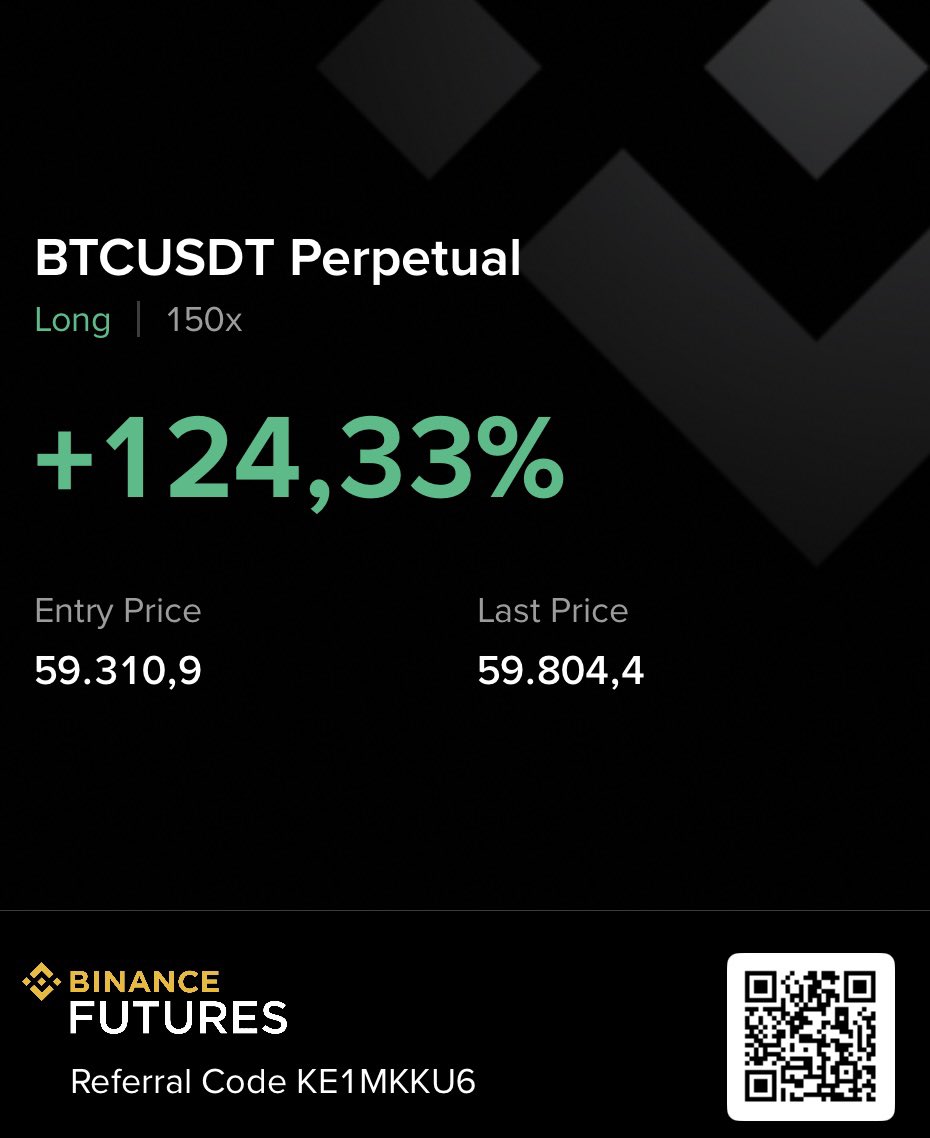
I'm a demon levarage
bitcoin:native
solana:So11111111111111111111111111111111111111112
65
solana:6hKtz8FV7cAQMrbjcBZeTQAcrYep3WCM83164JpJpump 🫡
Jun 5

And you can buy on every protocol with us
Nothing left behind, any stable or route works.
No service you cant get and no service you cant sell, with MPP32.
1
1
1
132
Gm legends
solana:SV151D5pjygAKA8aJJcKzm4wFnRX5G92Fye94jQJk7g
Don't forget who Meteora chads are!
Trump/Melania was launched trough Meteora
They are experts in criming coins
I doubled my bag this morning
🙏 LFG
198
solana:SV151D5pjygAKA8aJJcKzm4wFnRX5G92Fye94jQJk7g
I'm heaving a good feeling about this one 🙂
113
4cVBZtFXb3jb1u82b9oh9By5SGM7SBLih4dhpNvHw7cY
Aped this gem here
5 agents are interacting with dev and he is the pet
Get in the Tg and see
Hahahaha
16k
NFA good dev, should be good
2
2
215
solana:SV151D5pjygAKA8aJJcKzm4wFnRX5G92Fye94jQJk7g
Don't sleep on it
SV151D5pjygAKA8aJJcKzm4wFnRX5G92Fye94jQJk7g
Meteora guys are masters in criming coins
🫡👀

A new kind of onchain asset live on Solana via @sunrisedefi, $SV151 is the first Dynamic Asset by @MeteoraAG.
Tokenized shares of sealed Pokémon packs, backed by real packs in audited custody by @BedrockFndn.
3
984
Yes
solana:SV151D5pjygAKA8aJJcKzm4wFnRX5G92Fye94jQJk7g
Aped
Let's see
Meteora founder launched this ?
SV151D5pjygAKA8aJJcKzm4wFnRX5G92Fye94jQJk7g
$sv151
?
1
2
726