
Crypto old guy experiencing his first crypto cycle - constant learner and respectful. Looking for the 100X crypto and have learned to love NFTs. SUI SOL & all.
Joined February 2025
- Tweets 25,338
- Following 2,753
- Followers 1,120
- Likes 37,108
944 Photos and videos













crypt-willie.sui retweeted

Mystic Yeti NFT holders unite!!!
It’s time to blankets this posterboard with your Yeti images. Today it’s 20 Yetis.
This week it becomes 200 yetis and next week we hit 500 Yetis.
DM your Yeti images to @abu__amsha who has jumped in to help pull this together.
Let’s do it Yeti fam.
Like and repost and let’s start sending in those images.
2
7
15
72
crypt-willie.sui retweeted

Nobody is ready for the inevitable parabolic $Sui run
Position accordingly

2
3
6
24
crypt-willie.sui retweeted

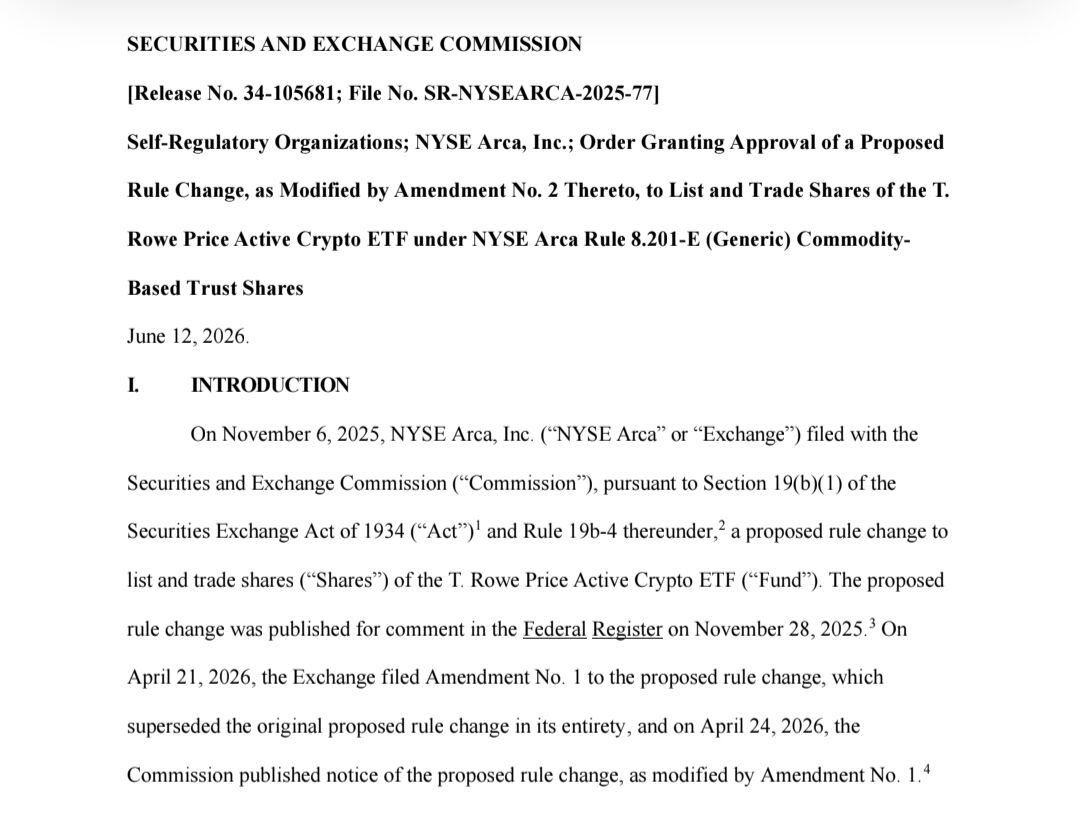
🇺🇸HUGE: SEC APPROVES $1.8 TRILLION T. ROWE PRICE'S ACTIVE CRYPTO ETF
The new $TKNZ ETF will actively rotate between 5–15 cryptocurrencies, including BTC, ETH, SOL, XRP, ADA, SUI, DOGE and more.
One of the first actively managed multi-asset crypto ETFs from a legacy Wall Street giant.
The fund can rebalance holdings without shareholder votes and won't have to disclose positions for up to 45 days.

50
119
467
29,221
crypt-willie.sui retweeted

Jun 13
BREAKING 🚨
$SUI is the youngest blockchain ranked as a TOP 10 Blockchains & Protocols as recently published by @FortuneMagazine


Jun 10

JUST IN 🚨
We're thrilled to announce that the United Nations has selected $SUI as a key advisor for its blockchain program 👀


7
34
246
12,153

edited after feedback that the previous one was too combative:
the devil is in the details with privacy. zinc has chosen 3 servers in london to protect privacy. imo 3 is basically centralized (so might as well use a TEE), but the absolute minimum is choosing servers in 3 different countries, especially considering uk is the most anti-privacy democracy in the world

1
2
17
1,048

agree 🤝 x.com/Sui_Bets/status/206612…

We deployed 3 oracle engines on @SuiNetwork mainnet. Each one does something the old betting model thought was impossible.
⚡ WARP - Weighted Atomic Resolution Protocol
512 bets. One PTB. One gas fee. Zero partial states.
When the oracle fires, it doesn't loop through bets one-by-one. It assembles a Programmable Transaction Block with 512 instant_settle_bet calls and drops one atomic transaction. Either all 512 settle - or none do. Rollback is free.
Gas amortised across the batch = ~97% cheaper per bet vs sequential settlement.
This is what Sui's PTB architecture was built for.
🌊 FLUX - Fractional Liquidity Under eXecution
P2P odds markets, but with infinite depth.
A maker posts an offer. Takers don't have to fill the whole thing - they take FluxShard<T> slices. Each shard is an independent owned object. Oracle settles shards in parallel across PTBs. No shared-object contention between shards.
Sui's owned-object fastpath = shard settlement at single-validator speed (~50ms). No consensus overhead for what's already yours.
🔵 PULSE - Pari-mutuel Under-Liquidity Shifting Engine
No fixed odds. No house. Just a pool.
Side A vs Side B. Everyone's stake goes in. Oracle locks the pool pre-match, settles post-result. Winners claim proportional share. Fee goes to the protocol.
pulse_lock_pool → pulse_settle_pool → pulse_claim_winnings. Three calls. Fully on-chain. No off-chain payout logic.
WARP stats: 17 batches, 25 bets settled.
FLUX stats: 5 batches, 5 shards.
PULSE stats: 2 batches, 5 pools.
Live. Mainnet. Now.
@Sui_Bets - P2P sports betting. Just Sui. @SuiNetwork @EmanAbio @Mysten_Labs @EvanWeb3
Most betting protocols use Sui like Ethereum with faster blocks.
We didn't.
Three on-chain engines. Each one exploits a different primitive that only exists on Sui.
WARP exploits PTBs as a settlement bus.
Not composability. Not chaining. Mass atomic settlement.
One PTB. 512 independent P2PMatchedBet objects. 512 oracle calls. One signature. One gas fee.
If input 301 fails — all 512 roll back. No partial settlement. Ever.
No other chain can do this. EVM processes one state transition per tx. Move on Sui processes N with the same atomicity guarantee.
We're running 97% cheaper per bet at batch size 100. Not an estimate — live on mainnet.
FLUX exploits the owned-object fastpath.
FluxShard<T> objects are owned, not shared. When the oracle settles a shard — no consensus. Single-validator execution. ~50ms.
Shared-object bets need validators to agree on ordering. Owned-object shards don't. That's a 8x latency gap baked into the data model.
The fractional liquidity is the product feature. The owned-object fastpath is the engineering reason it works at scale.
PULSE exploits cross-package capability auth.
PULSE is a separate deployed package. It calls p2p_betting::OracleCap from the original package - no upgrade, no migration, no re-deployment.
One cap object. Three packages. One oracle wallet.
That's Move's type system doing access control across package boundaries without a proxy contract, a multisig, a governance vote.
@SuiBets - the first betting protocol that was designed around Sui's execution model instead of ported onto it.
1
2
2
42
crypt-willie.sui retweeted

Jun 13
Builders gonna build
Jun 11

As we gear up for mainnet,
we have opened up a waitlist for our early believers.
Join the waitlist at waitlist.heirlm.xyz
5
10
38
2,487

crypt-willie.sui retweeted

5h
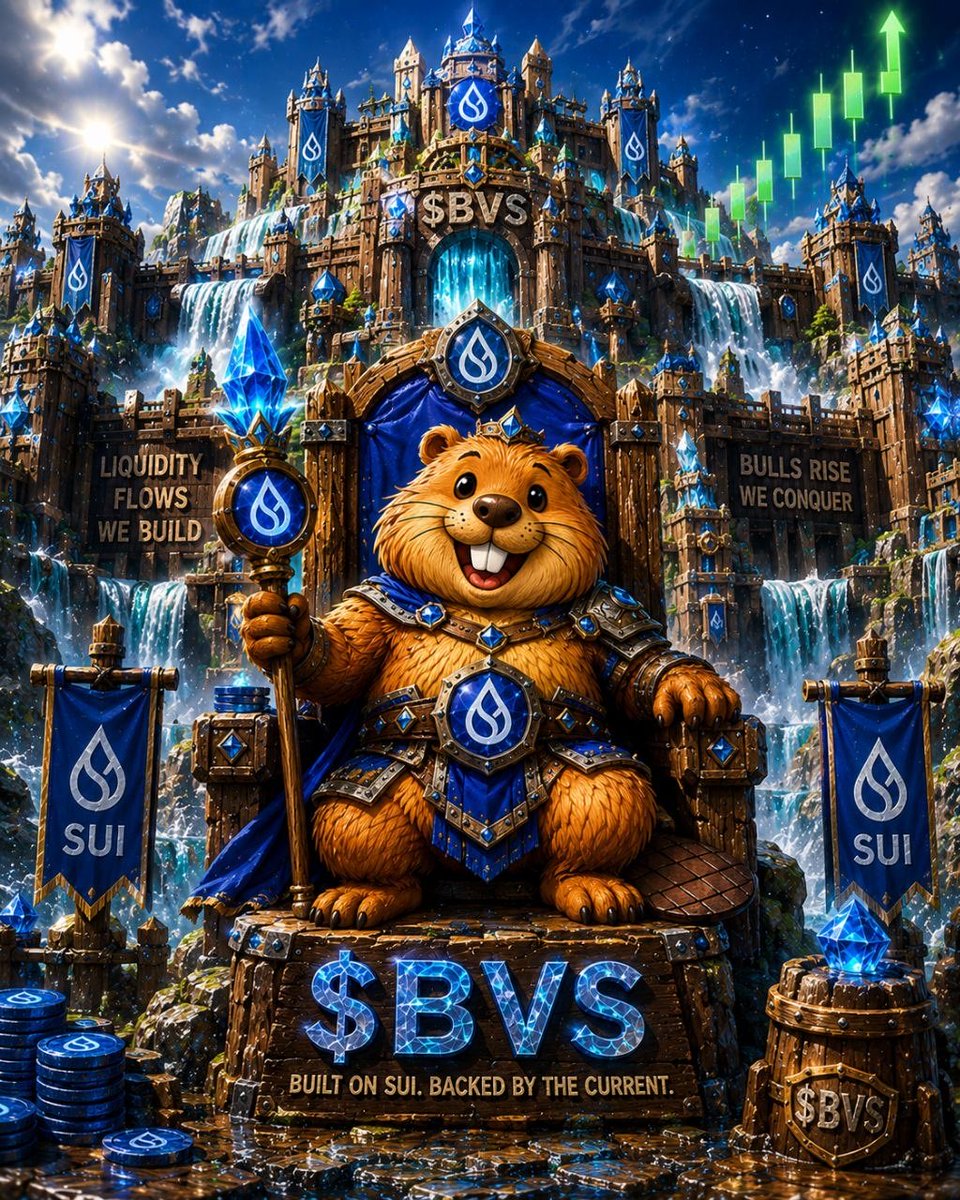
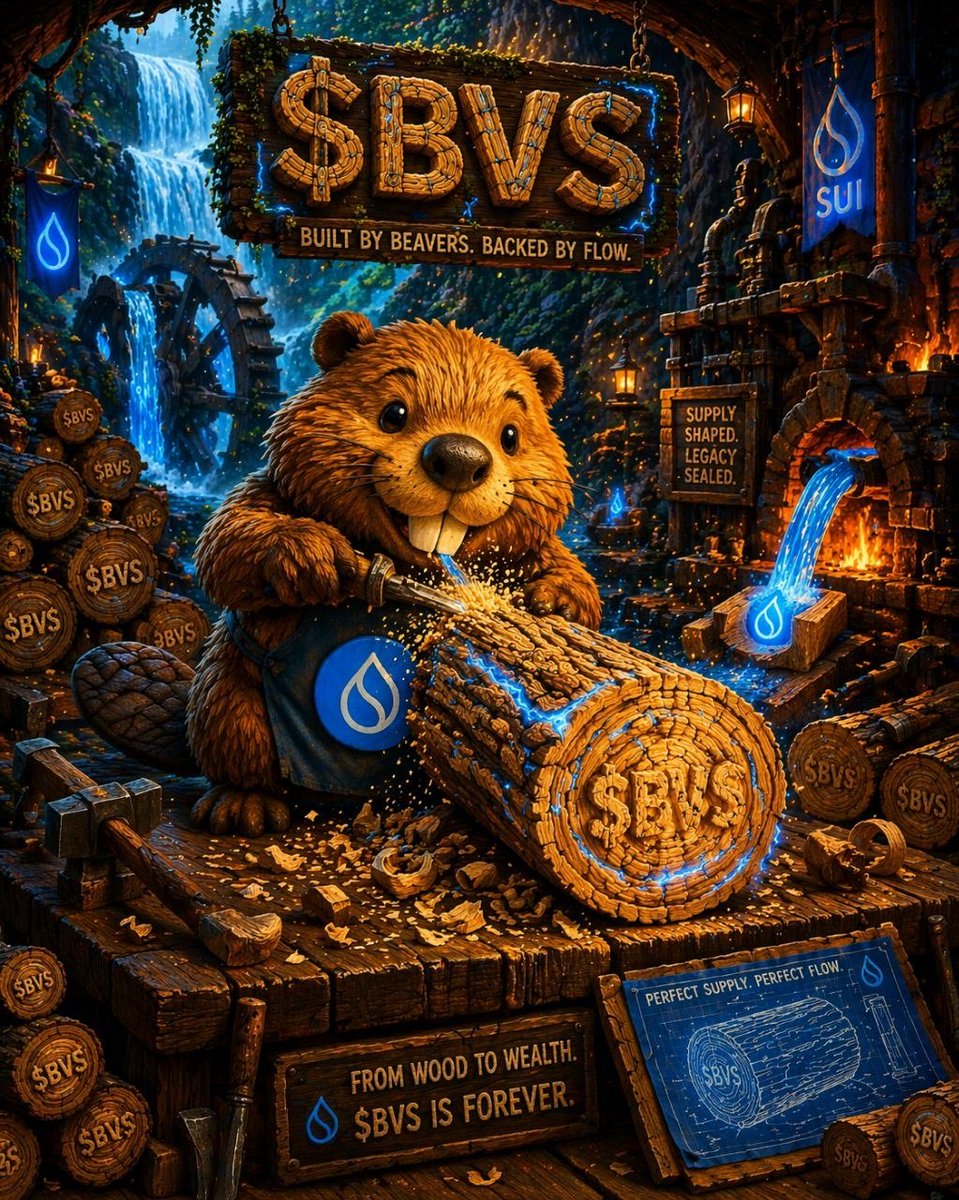
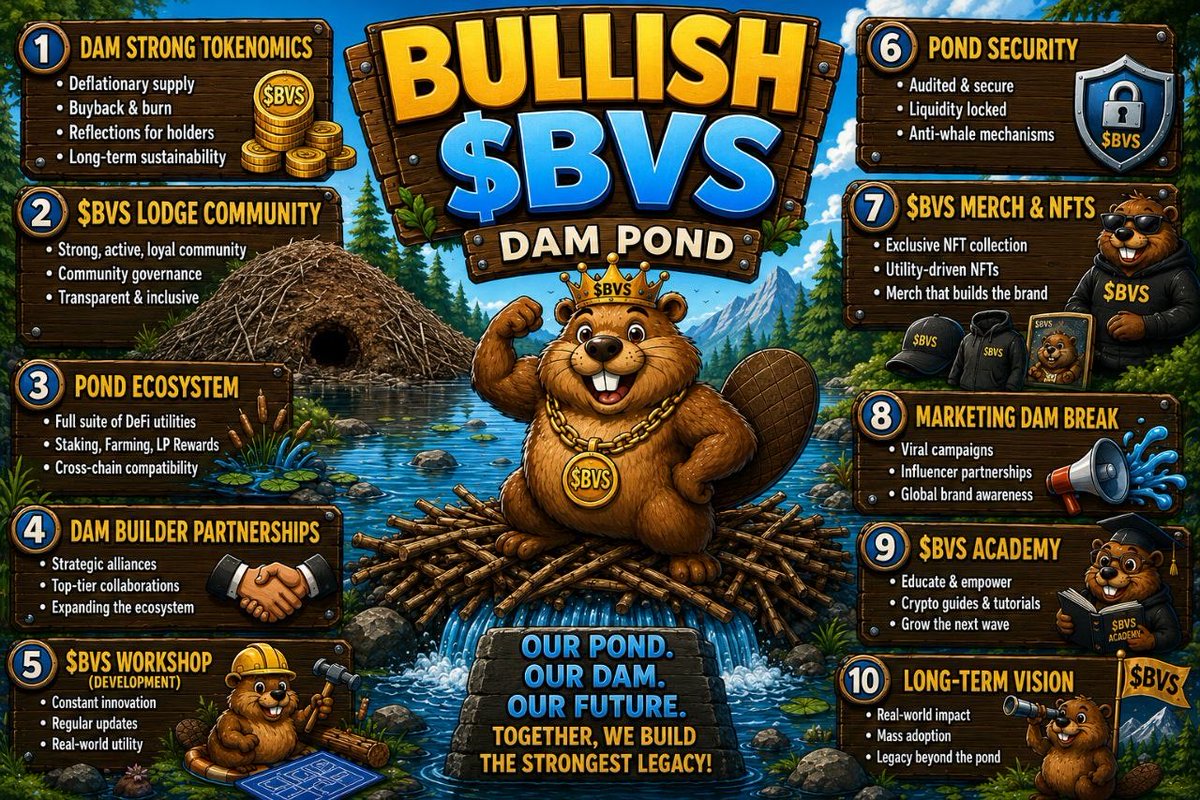
How about $BVS making this awesome list!!!
Hats off to the Beaver Sui community. Let’s stay active!
Some great names on the list. Congrats to all.
4
5
5
44
crypt-willie.sui retweeted

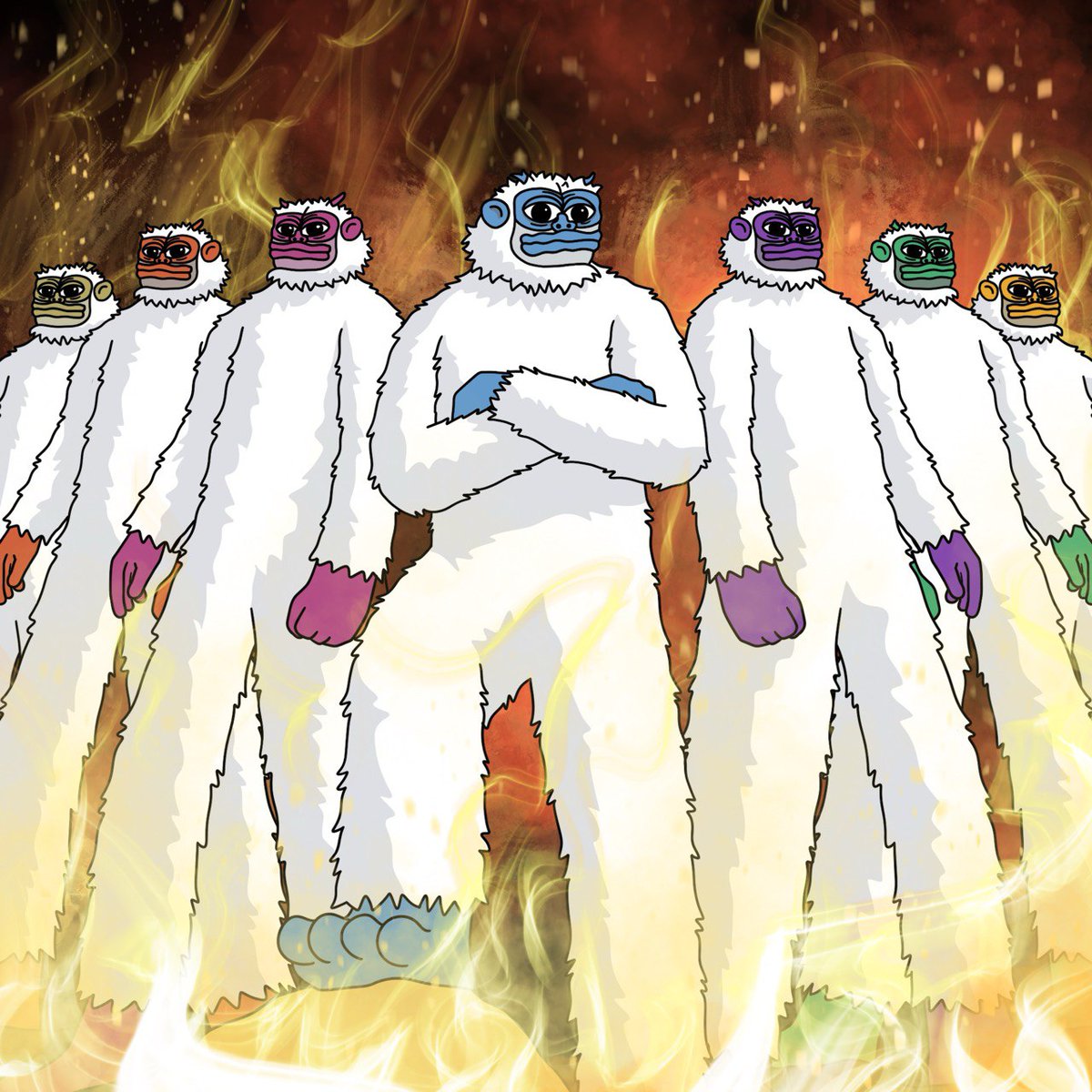
Most people think communities are built during exciting moments.
I think they're built on ordinary days.
The days when nothing special is happening and people still choose to show up.
That's where culture is built.
That's one of the reasons @lofitheyeti feels different
GM 🥶
4
6
16
292


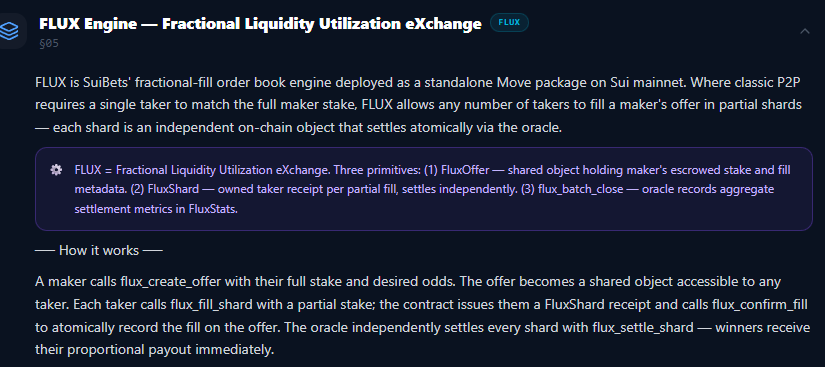
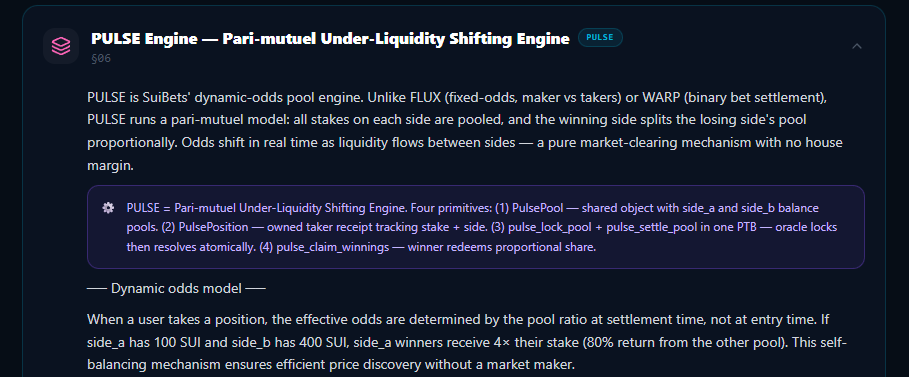
Introducing FLUX and PULSE - two new on-chain engines for SuiBets on @SuiNetwork 🧵
FLUX solves the liquidity fragmentation problem.
One large bet offer sitting with no taker is dead capital. FLUX breaks it into fractional shards - 100 takers can each fill a slice. A hot-potato receipt object enforces atomicity at the VM level. One batch TX settles all shards.
PULSE solves the imbalanced book problem.
Fixed odds with no taker on one side = locked funds forever. PULSE runs a pari-mutuel pool instead - odds reprice live as volume flows in. Both sides always get filled. Your position is a transferable NFT you can trade or collateralise.
FLUX: fractional fills, one oracle key, one PTB to close the batch.
PULSE: dynamic odds, tradeable positions, proportional payouts. @Mysten_Labs @SuiNetwork
2
4
9
230
crypt-willie.sui retweeted

13h
What’s up YETIs!
Crypt love you and everything you do for @lofitheyeti 🥶❄️
1
3
21
crypt-willie.sui retweeted

We’re all broken to some degree 🤐
Intended for mature audiences. $SUI

2
5
8
97
crypt-willie.sui retweeted

17h
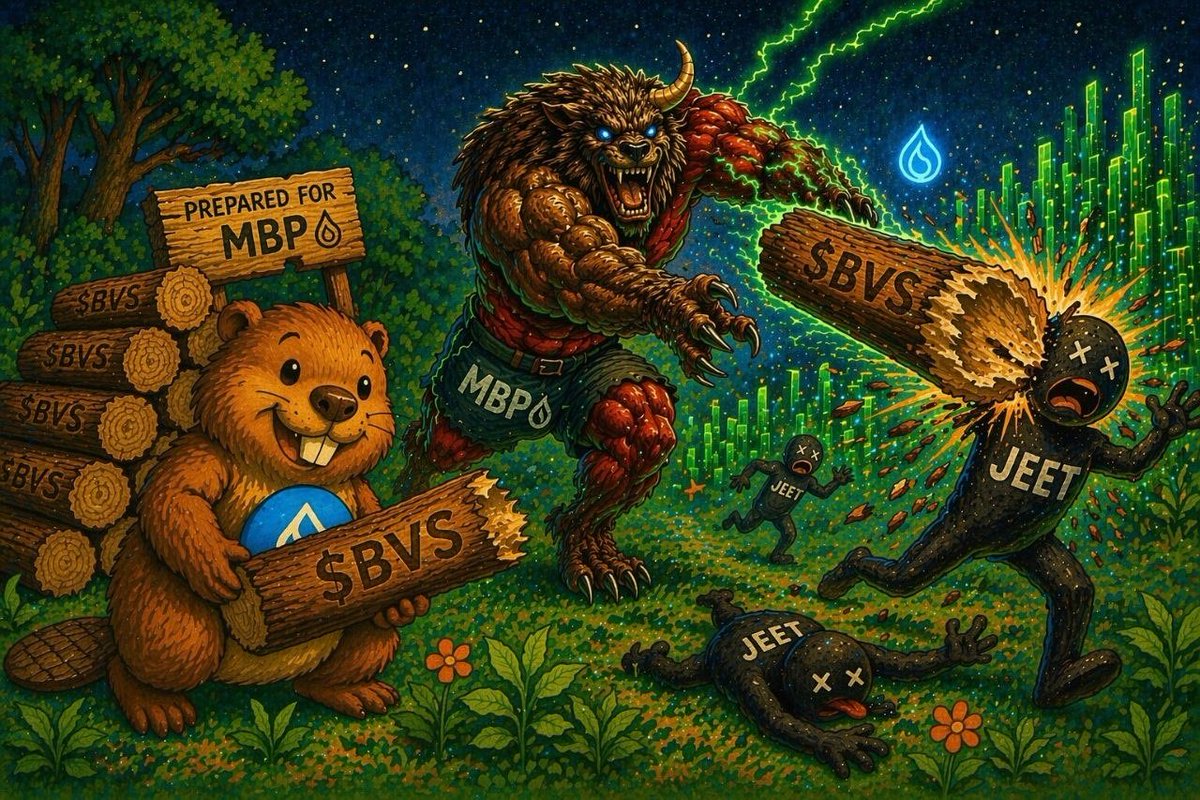
$Pans ecosystem have a strong lineup of bullish tickers, making any selection a viable choice🔥 $MBP @ManBearPig_25 @0xkylinSUI $POORS $BVS $EGS $CKS

1
2
3
69
crypt-willie.sui retweeted
17h
$MBP is a sleeping giant gearing up for a massive breakout 🔥🔥 @ManBearPig_25

1
2
3
90
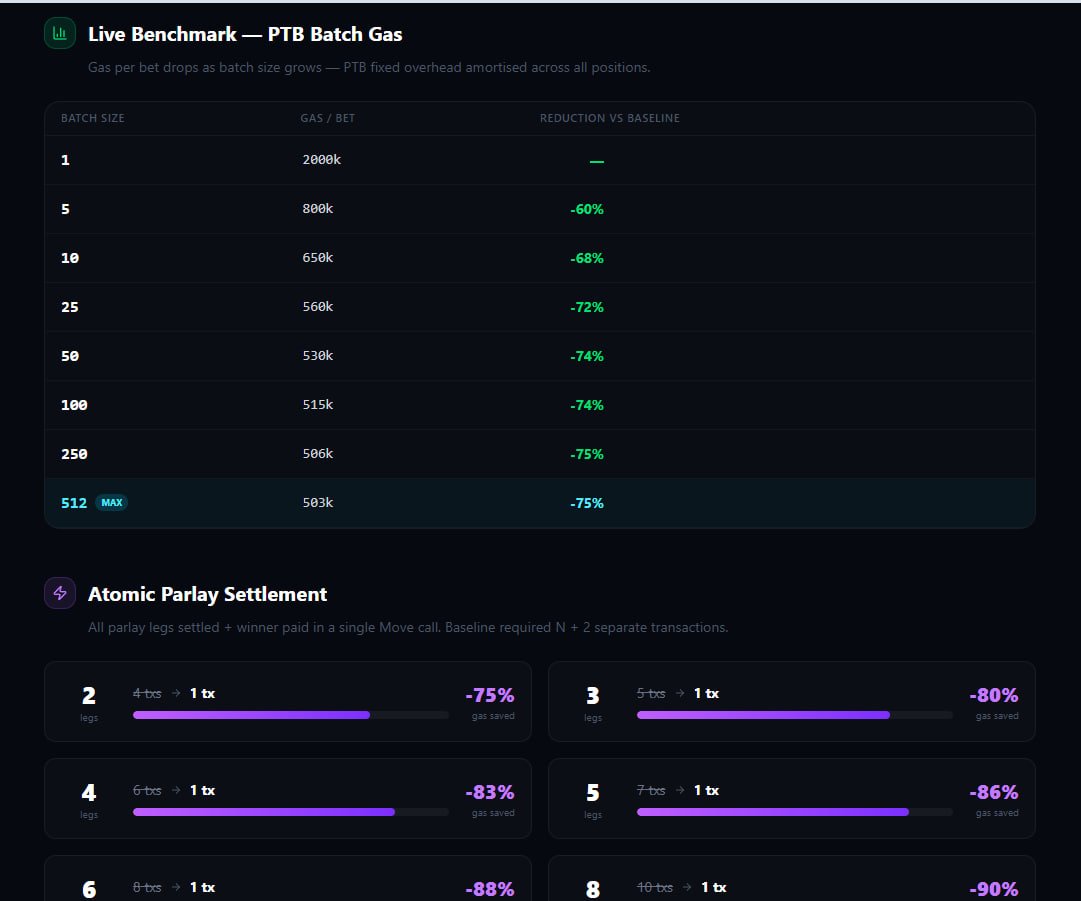
WARP Engine is live on @SuiNetwork mainnet
Weighted Atomic Resolution Protocol -high-throughput P2P bet settlement
📊 Real benchmark numbers:
• 512 bets in 1 atomic transaction
• 75% gas saved at max batch size
• 4-leg parlay: 6 txs → 1 tx (-83%)
• 8-leg parlay: 10 txs → 1 tx (-90%)
• 1,280 bets/sec theoretical throughput
#Sui #DeFi #Web3 #SuiBets #WARP @SuiNetwork @Mysten_Labs
3
3
7
263
crypt-willie.sui retweeted
19h
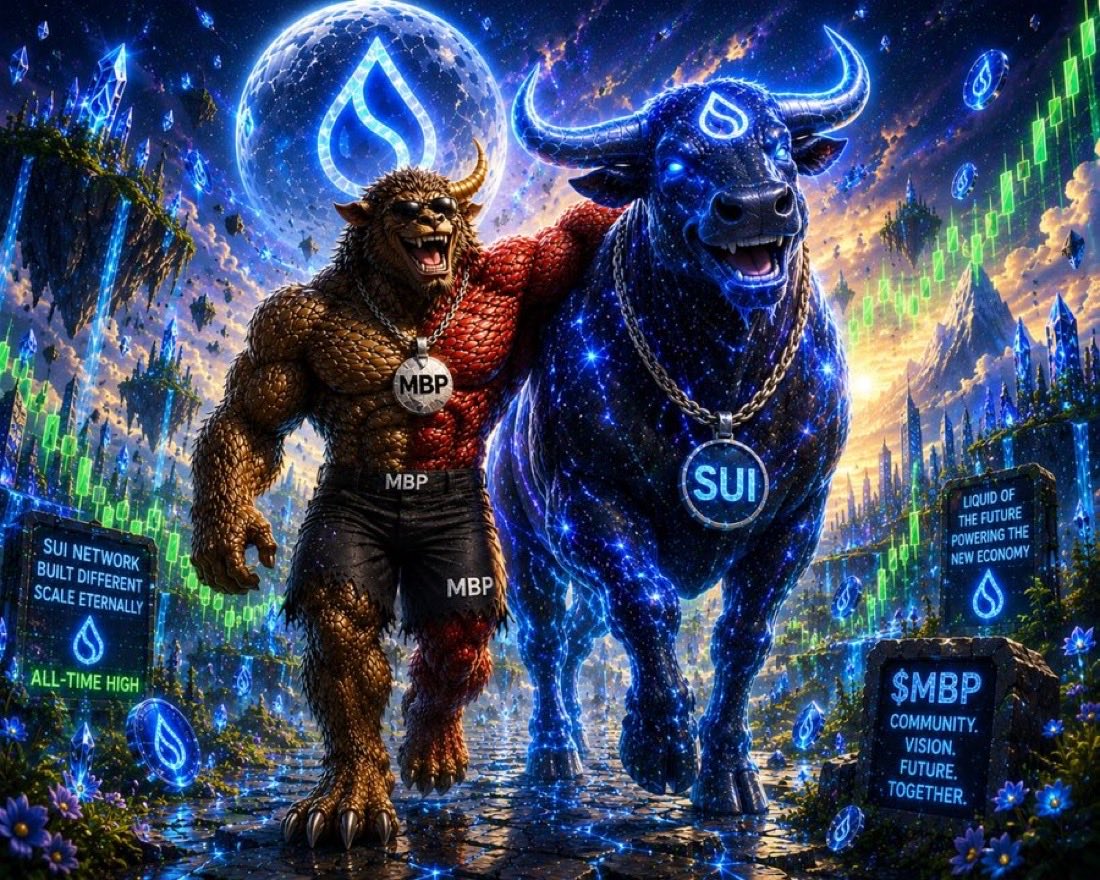
$MBP remains resilient. We leverage setbacks as opportunities and maintain forward momentum 😤🔥 @ManBearPig_25
1
2
4
48