TAs 🛑 phages ('96), phages ➡️ persisters, E. c. CRISPR 🛑 cryptic prophages, indole=interkingdom signal, AI2 incr biofilm & TqsA exports (Prof. Thomas K. Wood)
Joined February 2022
- Tweets 662
- Following 266
- Followers 769
- Likes 1,026
74 Photos and videos

Pinned Tweet

biorxiv.org/content/10.64898…
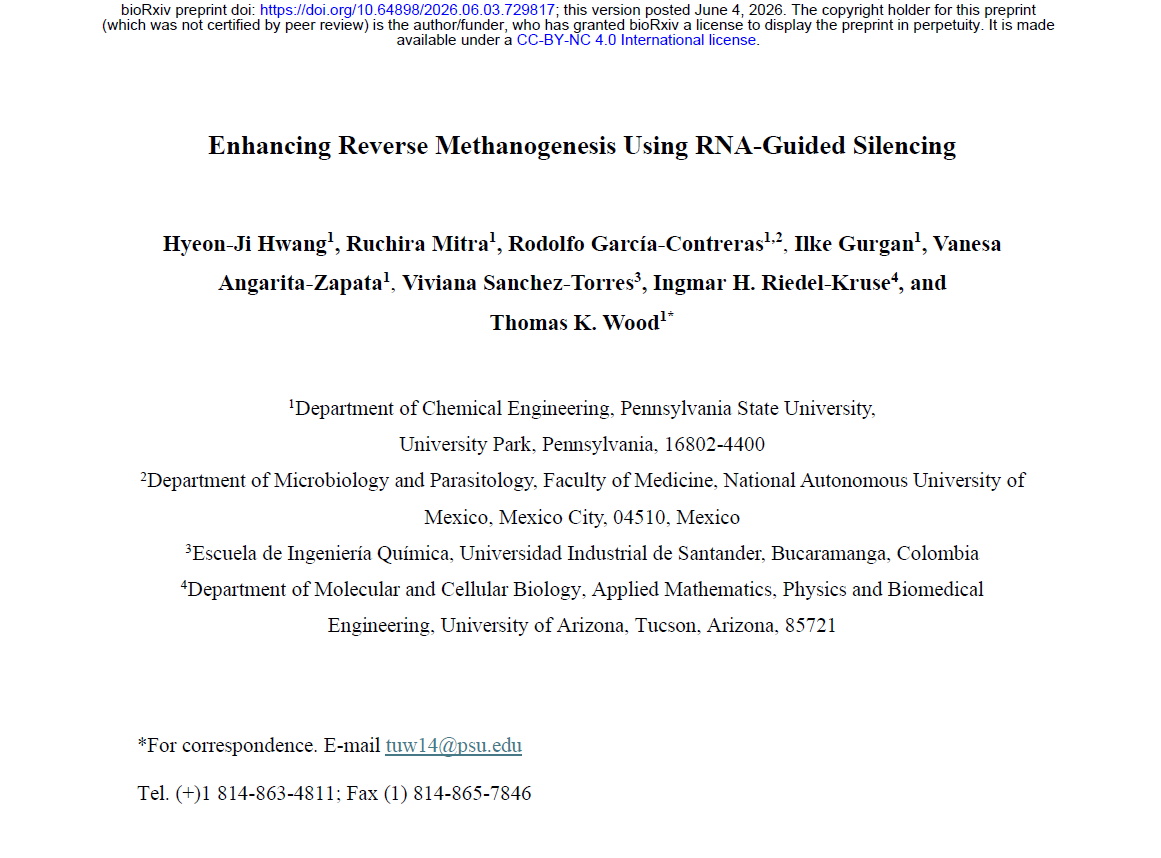
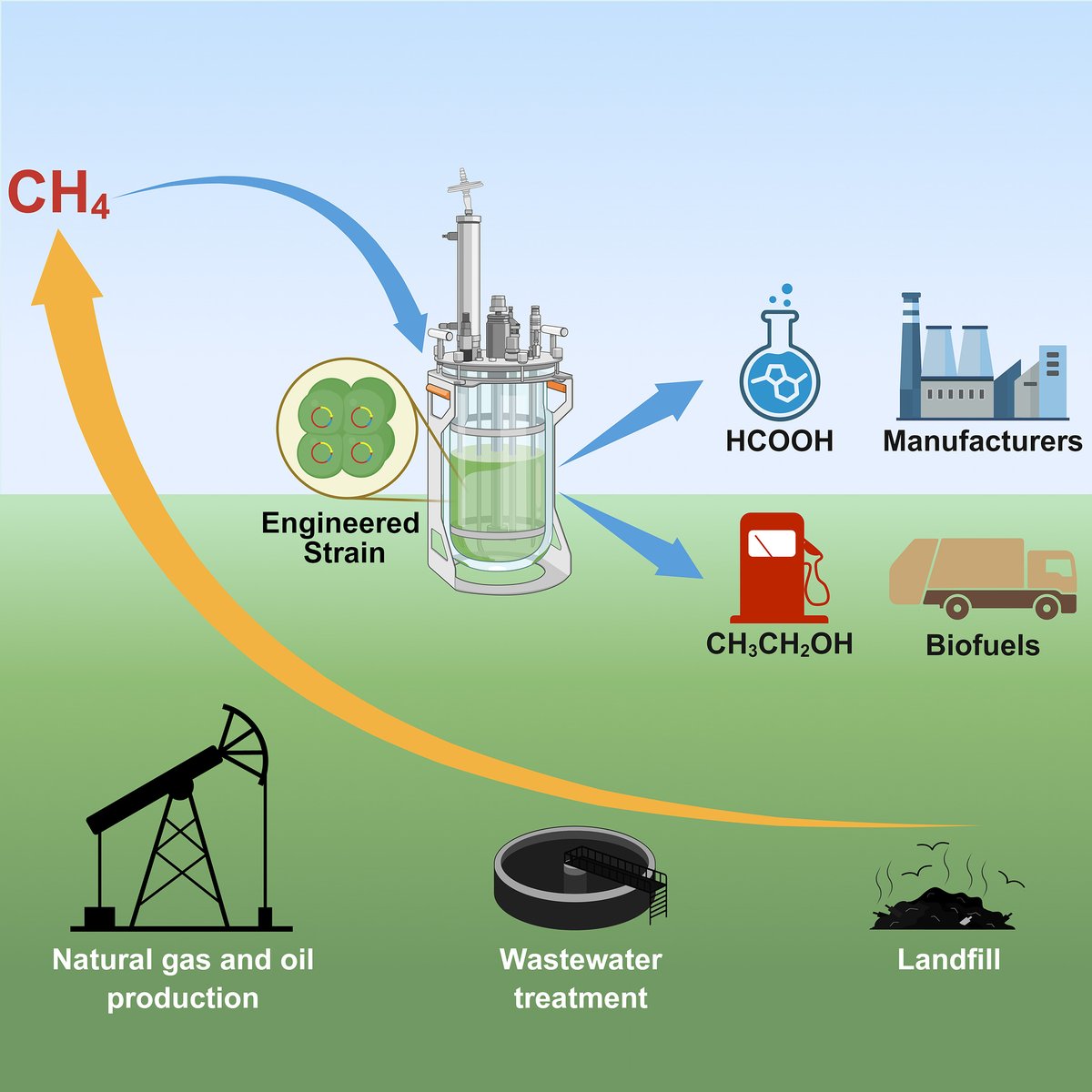
We use RNAi silencing to inhibit the activity of the host methyl-coenzyme M reductase (Mcr) that primarily produces methane such that the cloned ANME-1 Mcr enzyme can capture 14-fold more CH4 and produce 14-fold more ethanol, during growth on CH4.
1
6
10
1,286
journals.asm.org/doi/full/10…
Colanic acid and biofilm regulator McbR that we discovered in E. coli K-12 in 2008 (DOI: 10.1038/ismej.2008.24) now shown to regulate virulence in EHEC by binding dihyrofolate. Previously, McbR was induced by toxin MqsR & by deletion of AI-2 regulators.
2
161
nature.com/articles/s41564-0…
Most-prevalent phage inhibition system, toxin/antitoxins, demonstrate extraordinary malleability (DOI: 10.1038/srep04807) again by fused CapRel having distinct triggers (here, T7 Gp0.4 FtsZ complex vs. capsid previously).
1
8
393
nature.com/articles/s41467-0…
More evidence of importance of ribosomes in dormancy (here, for spores). Compare 5 previous publications for relevance of ribosomes in persistence (dormancy). Unfortunately, 🧐, follows usual practice in Nat. Comm. of not citing the relevant literature.
1
1
7
435
papers.ssrn.com/sol3/papers.…
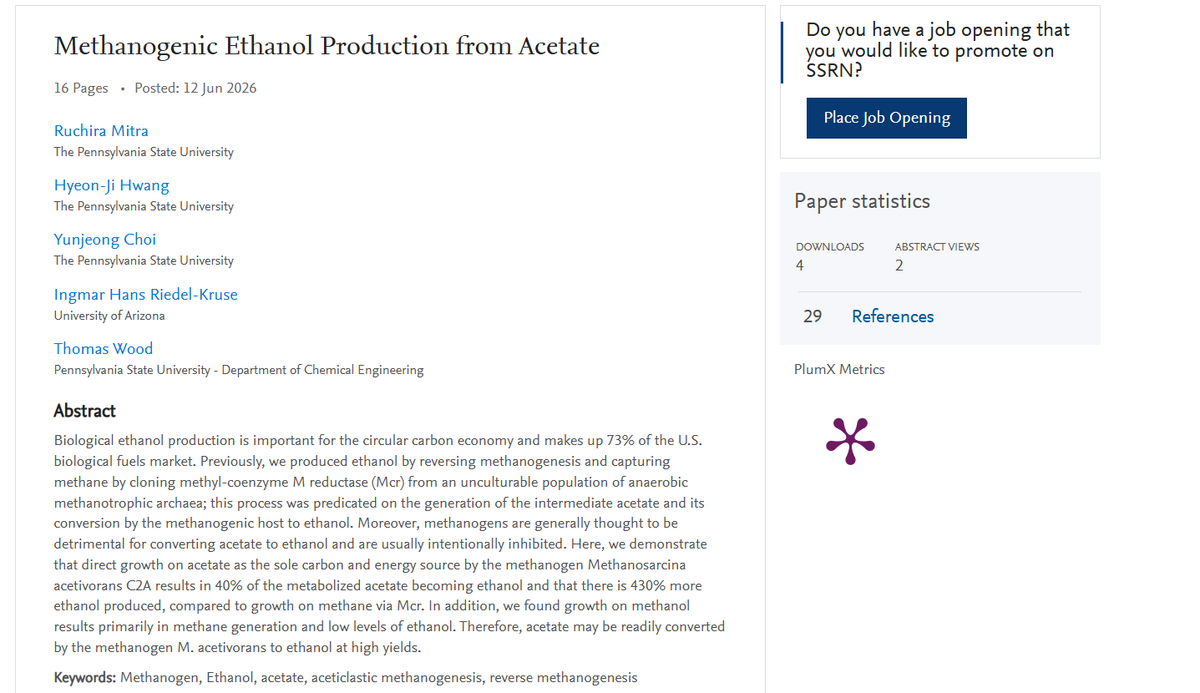
We demonstrate the methanogen Methanosarcina acetivorans can make ethanol from acetate whereas currently this strain is considered to only make methane and carbon dioxide from acetate (aceticlastic methanogenesis).
3
5
518
biorxiv.org/content/10.64898…
We use RNAi silencing to inhibit the activity of the host methyl-coenzyme M reductase (Mcr) that primarily produces methane such that the cloned ANME-1 Mcr enzyme can capture 14-fold more CH4 and produce 14-fold more ethanol, during growth on CH4.
1
6
10
1,286
Great job Hyeon-Ji and Ruchira! And thanks to Rodolfo, Ilke, Vanesa, Viviana, and Ingmar.
3
413
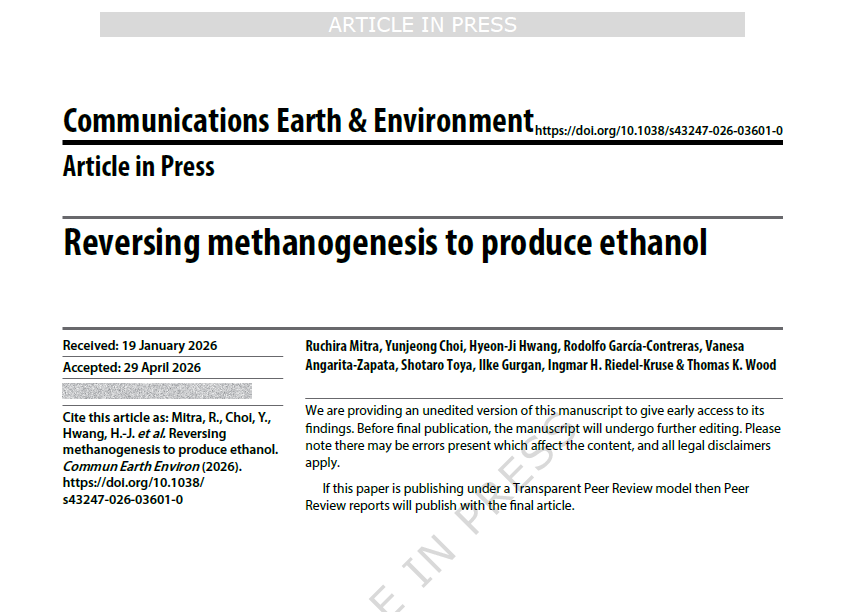
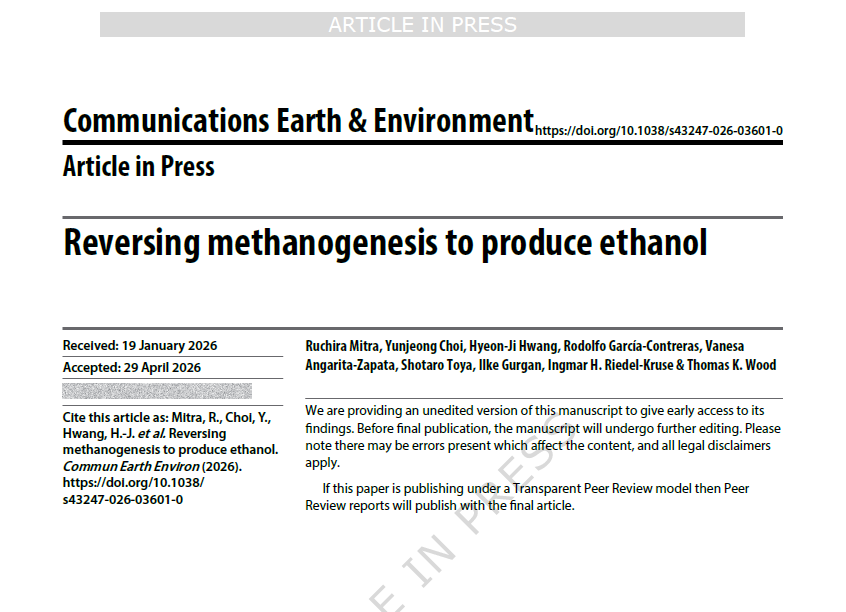
Add'l proof methanogenesis is reversed for growth by M. acetivorans using our 2016 discovery (DOI 10.1186/s12934-015-0397-z) the terminal e-acceptor Fe 3 must be used & that CH4 is converted to acetate. We also made ethanol by cloning ANME-1 Mcr (doi 10.1038/s43247-026-03601-0).
May 22

Reversing methanogenic archaea to mitigate anthropogenic methane emissions and generate value-added products
#microbiololgy #methanogens #archaea #biotechnology
@TrendsinBiotech
cell.com/trends/biotechnolog…
1
5
11
1,521
Along with Fe 3 & acetate, Ferry and Yan also use our ANME-1 methane-activated promoter from 2016, but unlike our current 2026 study, they clone two E's (Adh & Fnr) to get ethanol whereas we used the native E's of the host to go from acetate to ethanol.
1
217
doi.org/10.64898/2026.05.05.…
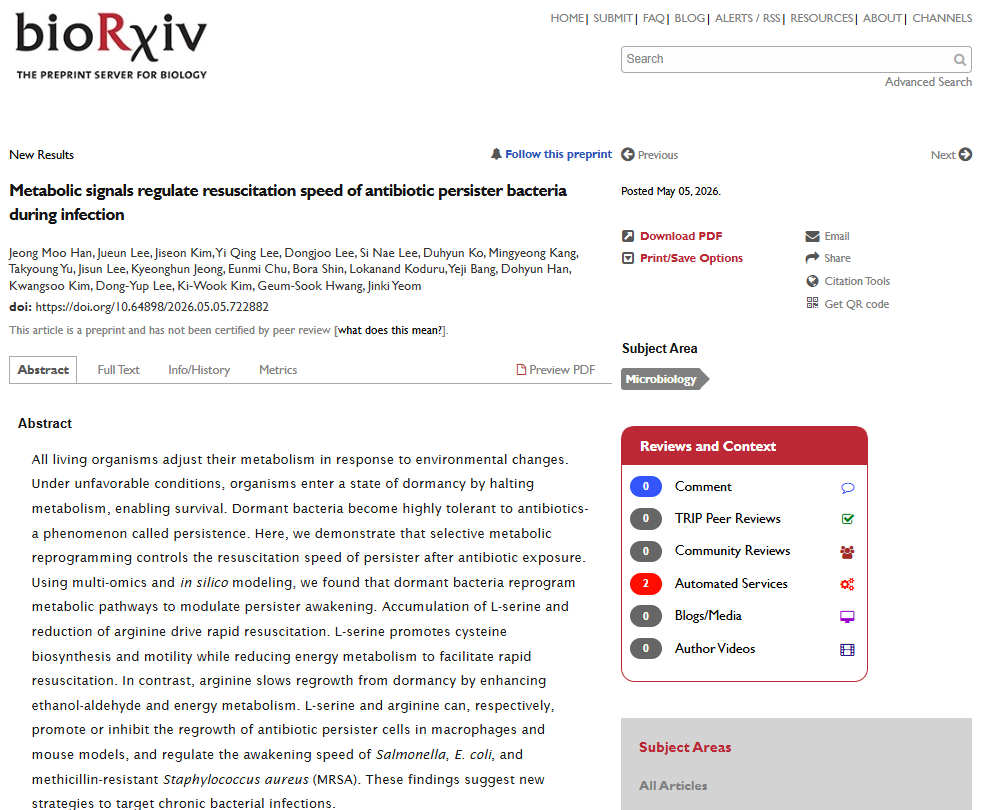
Additional evidence different amino acids influence persister resuscitation; here Ser important. We previously tested all 20 aa's and found Ala most important in 2020 (not cited, doi 10.1016/j.isci.2019.100792) and deduced mechanism.
1
4
8
974
Ser reported here to increase chemotaxis during resuscitation but we also previously reported that Ala increases chemotaxis during persister resuscitation (2020, doi 10.1016/j.isci.2019.100792).
1
171
Add'l evidence that cells in growth arrest (here stationary phase, 12 hr) recover by reviving ribosomes, as shown in 2018 for persister cells using single-cell studies (not cited) and further elaborated in 2020 (doi 10.1016/j.isci.2019.100792, not cited).

We poked E. coli while it was “taking a nap” and… turns out it’s REALLY good at hitting snooze and bouncing back 😴➡️⚡ #CeitecMasarykUniversity #Ribosome #RNA #CryoEM
Our new paper in Nat. Commun. dives into how bacteria recover from growth arrest.
nature.com/articles/s41467-0…
1
4
723
academic.oup.com/sumbio/adva…
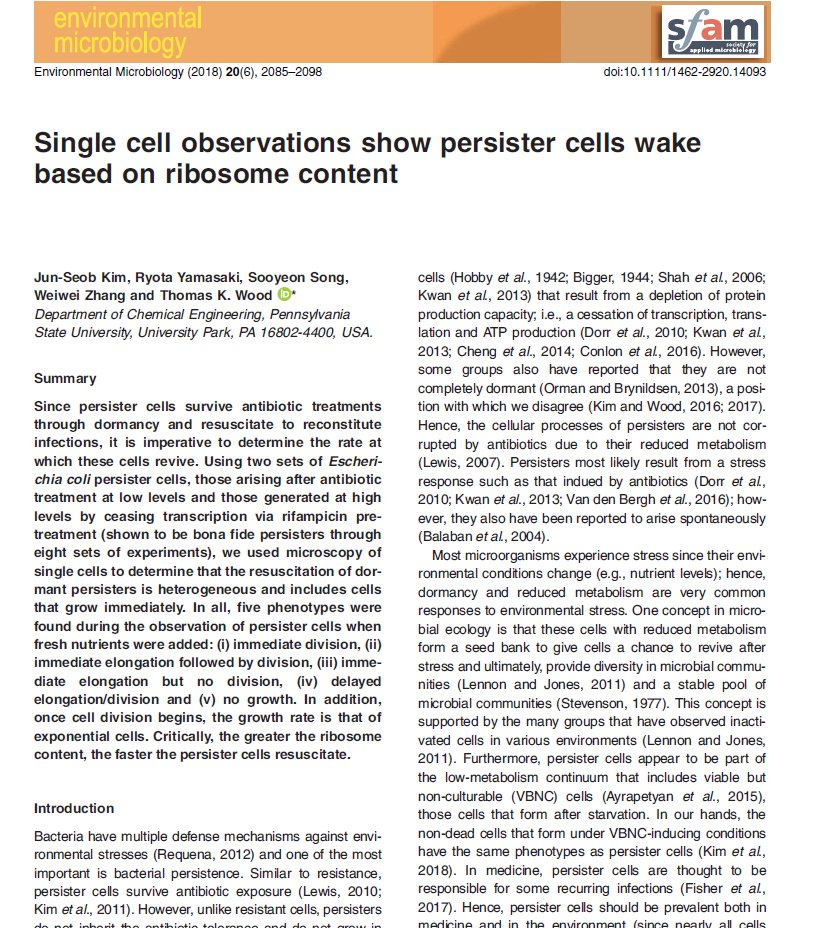
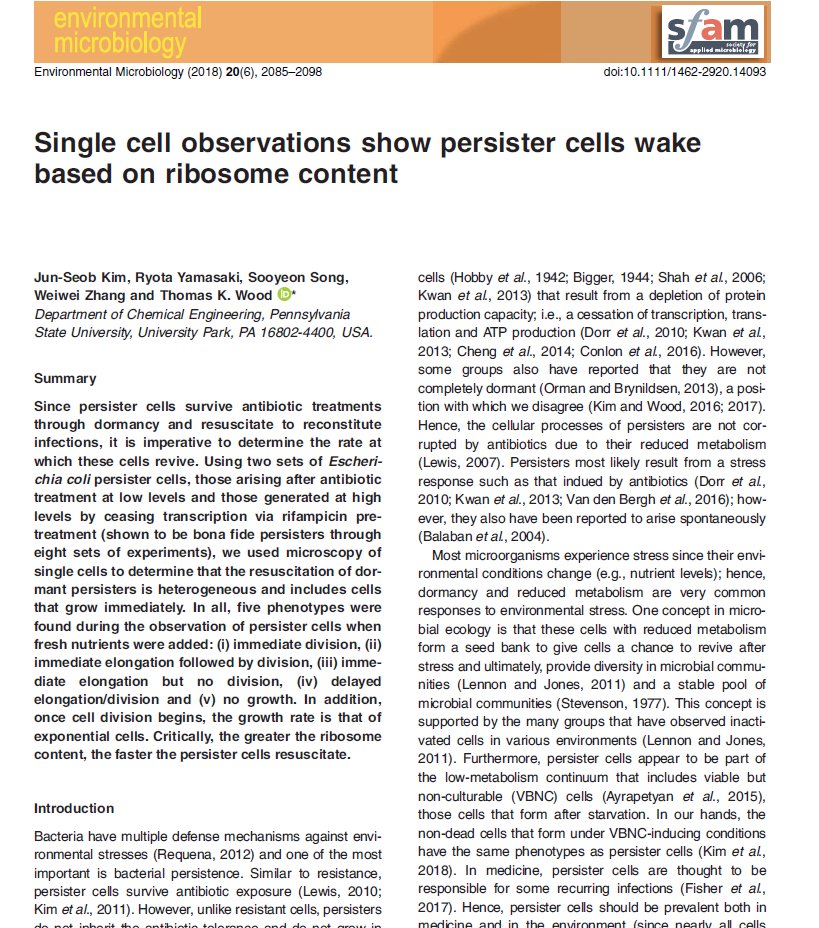
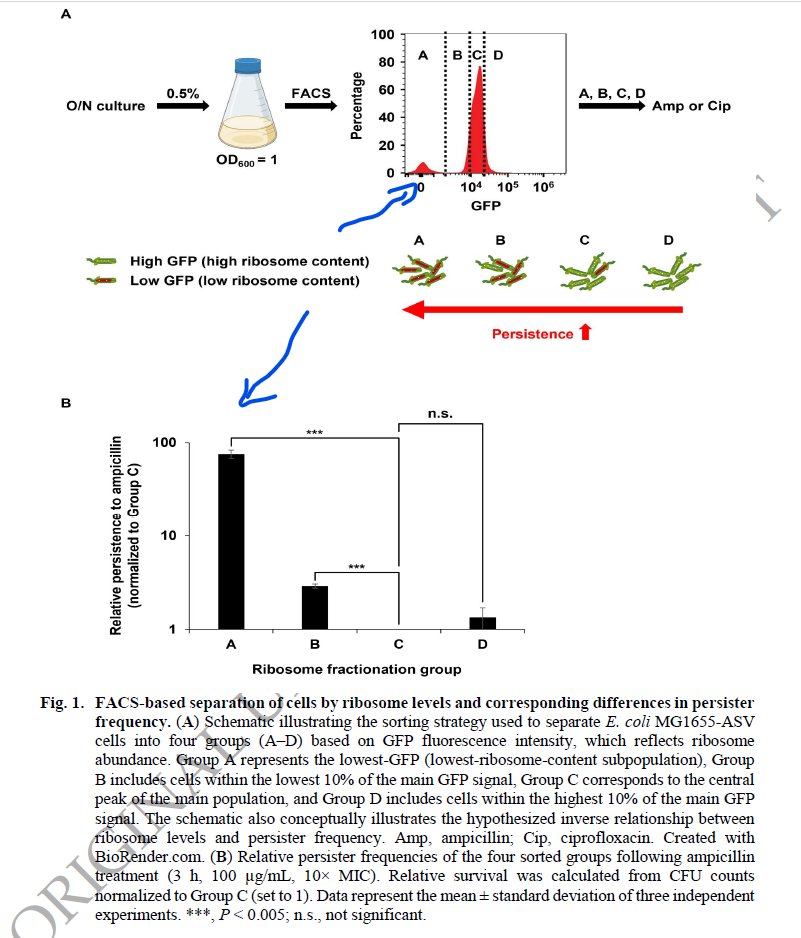
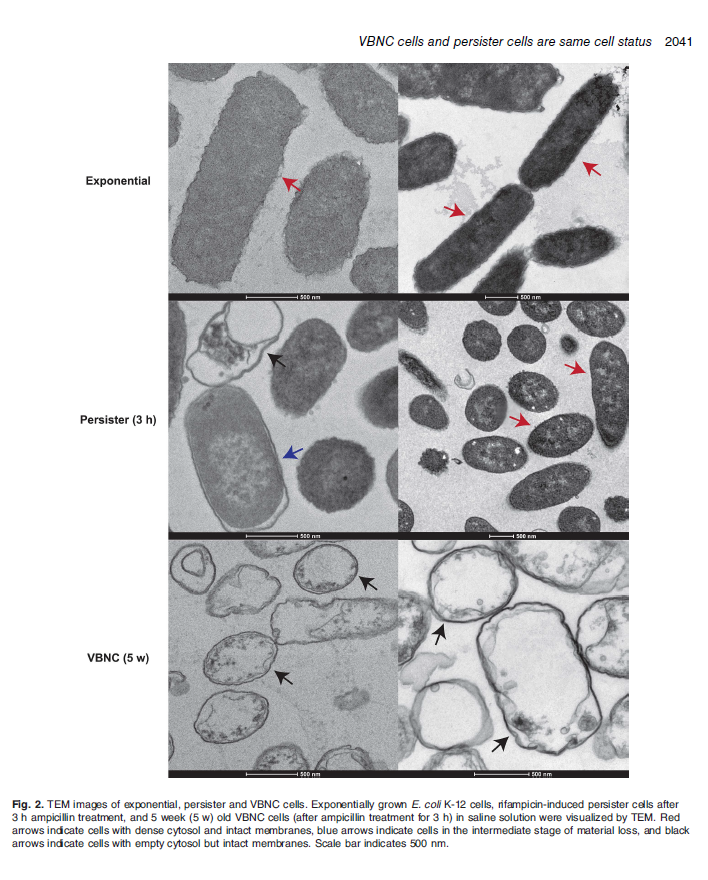
Cells with low ribosome content form persisters 80-fold more than those with normal ribosomes levels (ampicillin) & 50-fold more (ciprofloxacin). Therefore, low ribosome levels result in persistence and ribosome levels must increase for resuscitation.
2
5
750
academic.oup.com/ismej/artic…
Of 8 ribosomal proteins id'ed in the phage, 1 is an acetyltransferase (assoc. with bacterial stress response doi 10.1016/j.bbrc.2011.06.076) & 1 is related to trans-translation (ribosome rescue) so intriguing that phage may control the stress response.
1
13
1,285
Cryptic Prophage (phage 🧬🪤 in 🦠) retweeted

Persister Cells Form Based on Low Ribosome Content in Escherichia coli academic.oup.com/sumbio/adva…
2
6
1,010
doi.org/10.1038/s43247-026-0…
We clone ANME-1 Mcr to reverse methanogenesis and convert the greenhouse gases CH4 & CO2 into ethanol. We also provide additional evidence that native, methanogenic Mcr is capable of operating in reverse to capture CH4 & CO2 as we found in 2016.
6
14
1,207
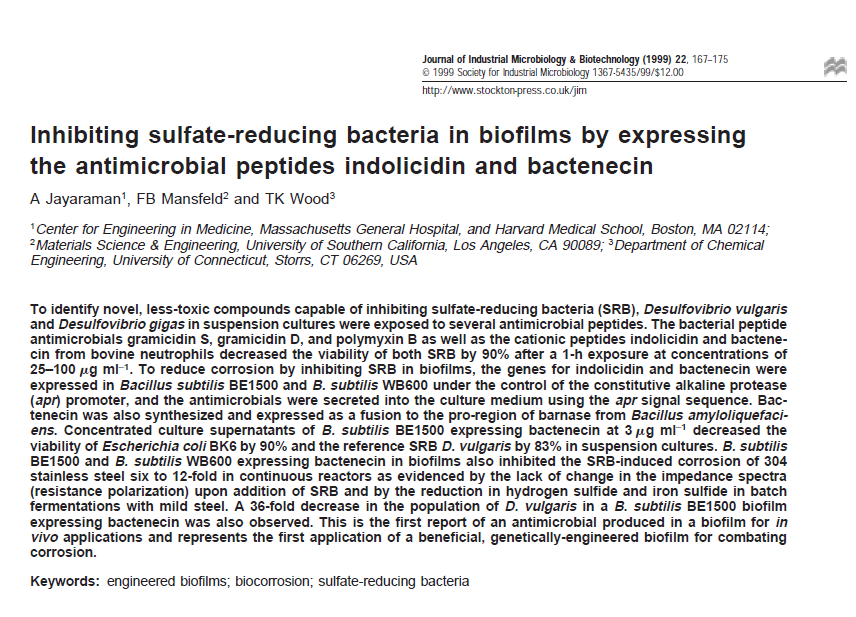
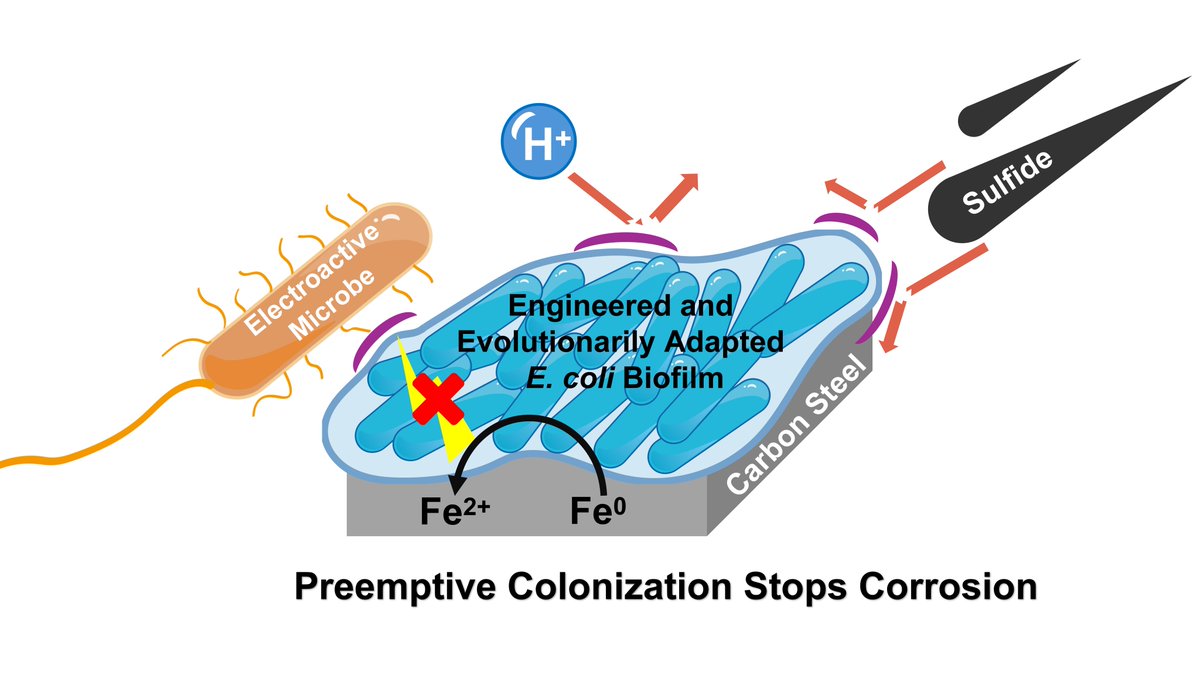
"...the ability of biofilms to thwart highly corrosive anaerobic microbes is untested" is patently false. Biocorrosion from same SRB accomplished by the 1st engr'd biofilm for any application, which secreted anti-SRB peptides in 1999.
Apr 15

"Preemptive biofilm colonization blocks microbial metal corrosion"
rdcu.be/fdDVp
“Rust never sleeps”- but engineered E. coli biofilms stop even the most aggressive microbial corrosion of steel.
Towards effective, sustainable corrosion mitigation
3
12
1,306
Cryptic Prophage (phage 🧬🪤 in 🦠) retweeted
Authors here define Abi by citing ref 21 (Sorek, Ann Rev Virol, 2020, "Abortive infection: bacterial SUICIDE...") which defines Abi solely as death. So authors define Abi as death and provide no evidence of it. We should stop using the term Abi & stop redefining it to suit needs.
1
3
438
Drinking the Kool-Aid: You indicate that ToxIN works by "an abortive infection mechanism" yet Fineran et al. themselves originally published in 2009 that there is no Abi as there was no cell lysis, even with pBAD overexpression (pnas.org/doi/10.1073/pnas.08…).
Apr 21

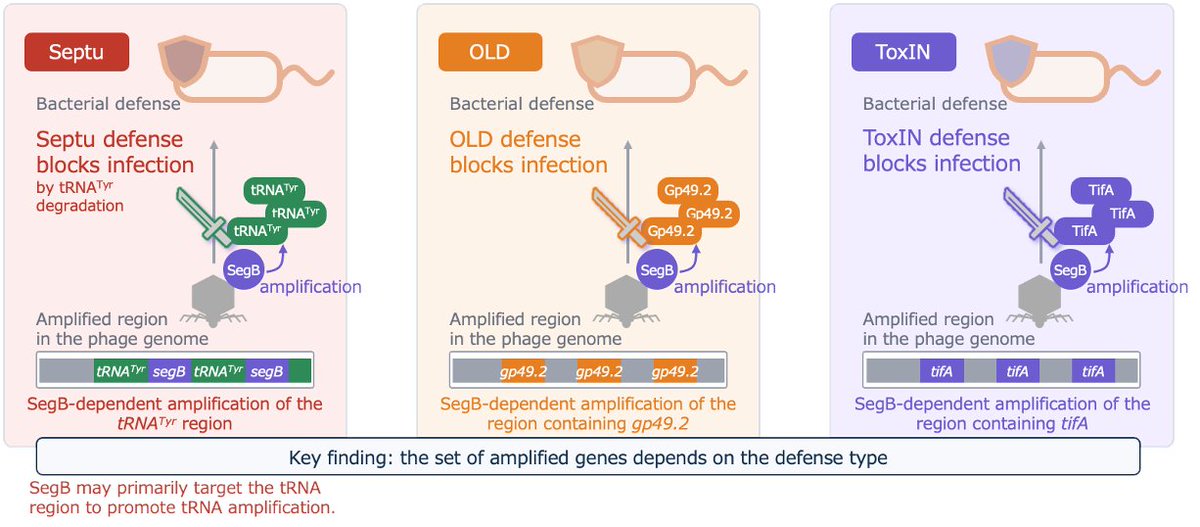
Very excited to share our new paper! Homing endonuclease SegB drives segmental amplification of anti-defense loci, enabling phages to escape multiple bacterial defense systems.
nature.com/articles/s41467-0…
Big thanks to Kotaro Chihara and to the Vasili lab.
1
2
5
1,611