🔥 Meme Coin Degen & AMA Host | Creating 100x Moonshot Vibes! 🚀 DM for collabs | #MemeCoinMadness #Creator #Crypto
Joined August 2021
- Tweets 1,901
- Following 358
- Followers 1,651
- Likes 1,325
112 Photos and videos










Pinned Tweet

20 May 2025
Men play chess, women play checkers.
When you understand this, you will understand why round pizzas are cut into triangles and served in a square box.
2
2
34

MrCryptoHimself retweeted

22 May 2025
Let’s fcking goooooooo!!!
2
5
18
22 May 2025
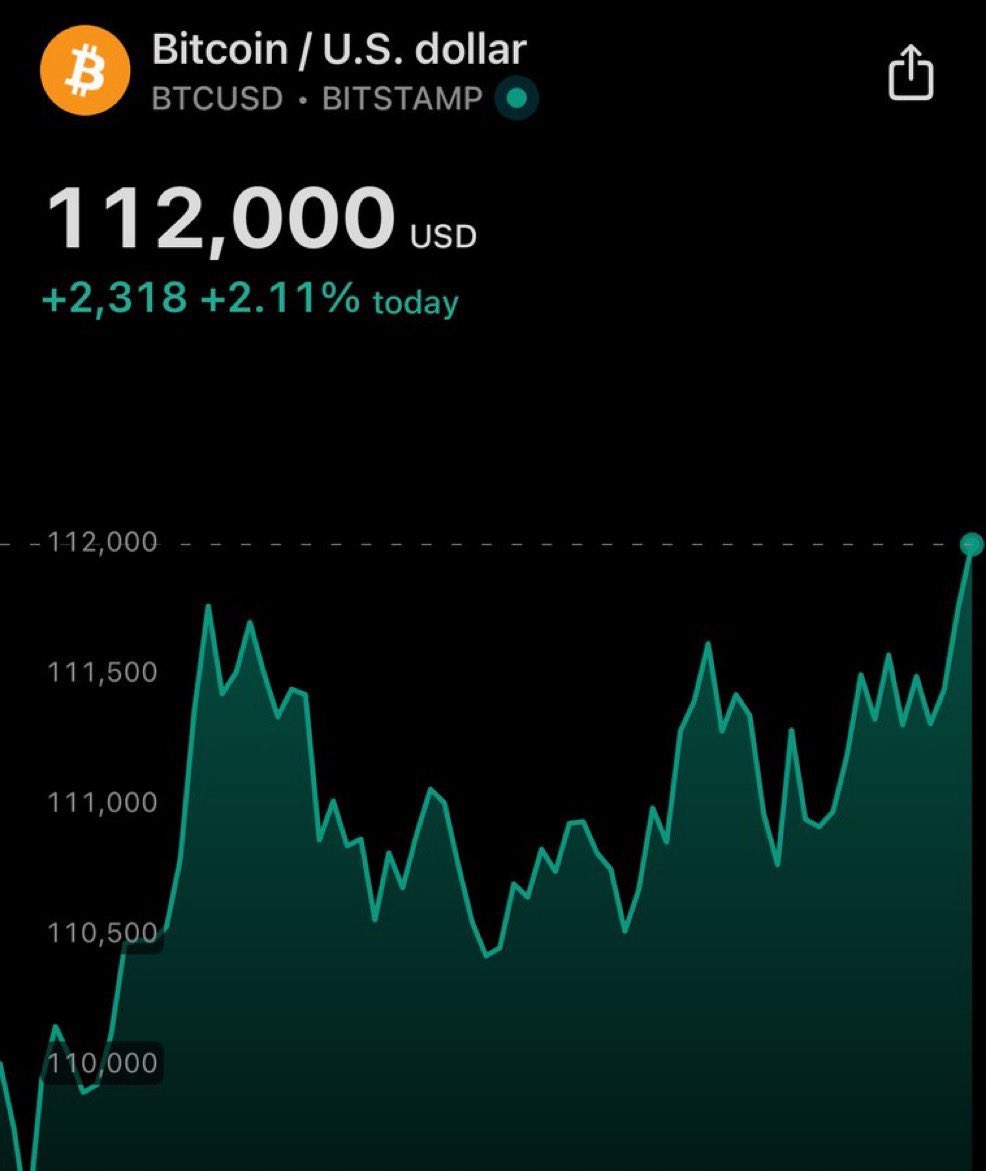
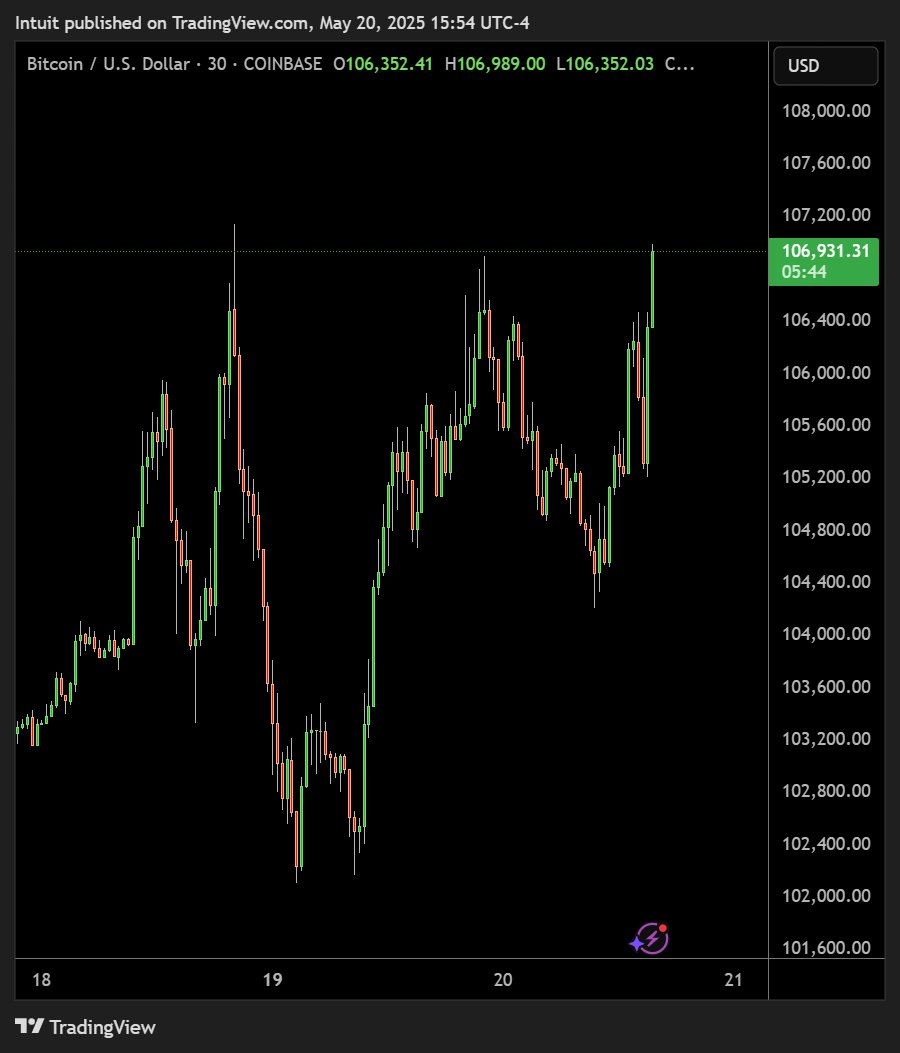
$BTC hits 112k!!! Bullish as fck!!
Are you watching closely? Or are you going to remain a brokie forever?
Wake the fck up!
2
2
3
35
MrCryptoHimself retweeted

21 May 2025
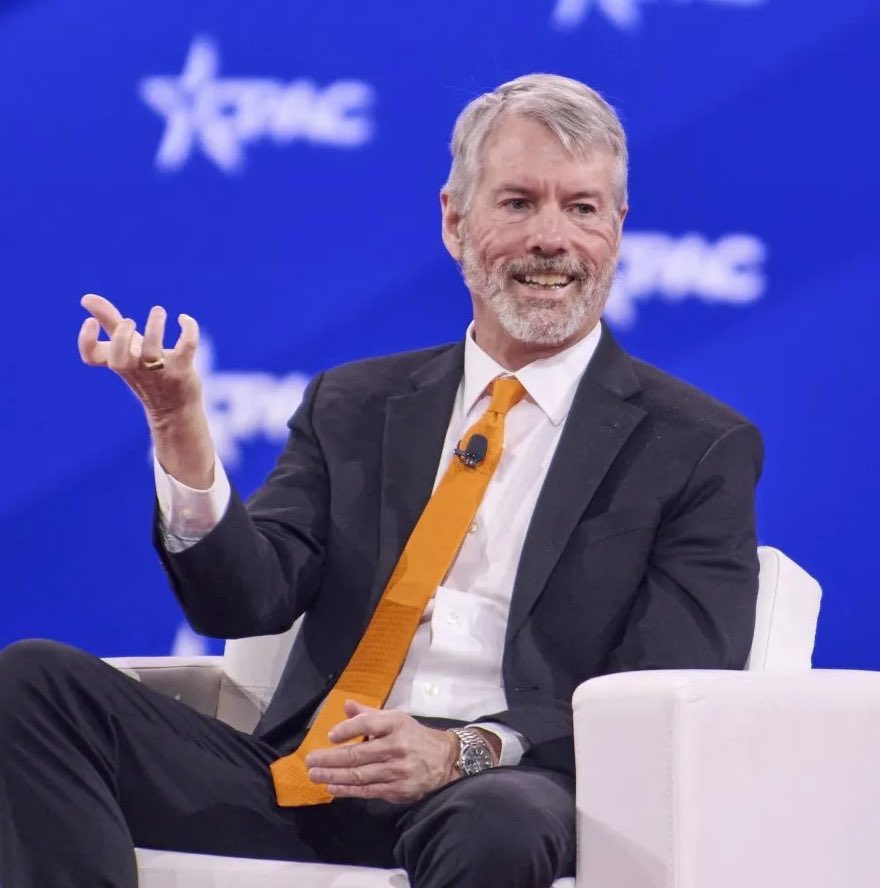
JUST IN: Michael Saylor's 'Strategy' currently has a $22.7 billion unrealized profit on its Bitcoin investment.
494
928
10,139
575,582
MrCryptoHimself retweeted

21 May 2025
JUST IN: ANTHONY POMPLIANO TELLS CNBC THAT "EVERY WALL STREET FIRM AND ASSET MANAGER" WILL ADOPT #BITCOIN AND CRYPTO
BUCKLE UP 🚀
71
232
1,622
49,201
MrCryptoHimself retweeted

21 May 2025
1,000,000,000 #USDT (1,000,292,483 USD) minted at Tether Treasury.
5
5
35
4,290
MrCryptoHimself retweeted

21 May 2025
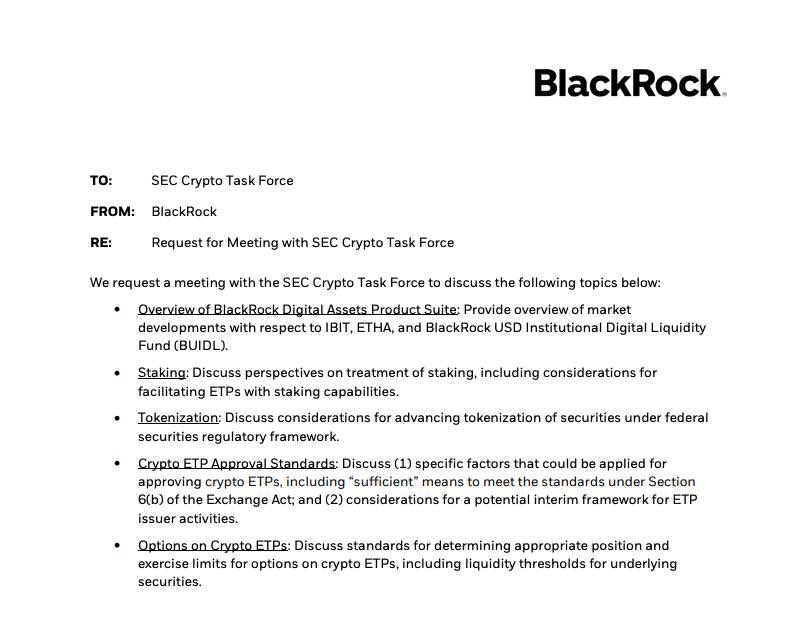
The Ethereum staking ETF will bring in billions in inflows.
This is nowhere near priced in.
27
20
129
7,227
MrCryptoHimself retweeted

21 May 2025
JUST IN: Bitcoin ETFs have bought 1.691 BILLION $BTC in the last 5 days.
93
265
1,610
88,185
MrCryptoHimself retweeted
20 Mar 2025
BITCOIN IS PRIMED FOR A VIOLENT BREAKOUT
248
800
6,359
273,415

MrCryptoHimself retweeted

20 May 2025
When I mentioned I may be giving a way some cars to my fans and followers I got a lot of questions.
To answer them briefly;
No, not the Lada, never the Lada, that is my fucking Lada.
840
200
8,402
299,802
MrCryptoHimself retweeted

20 May 2025
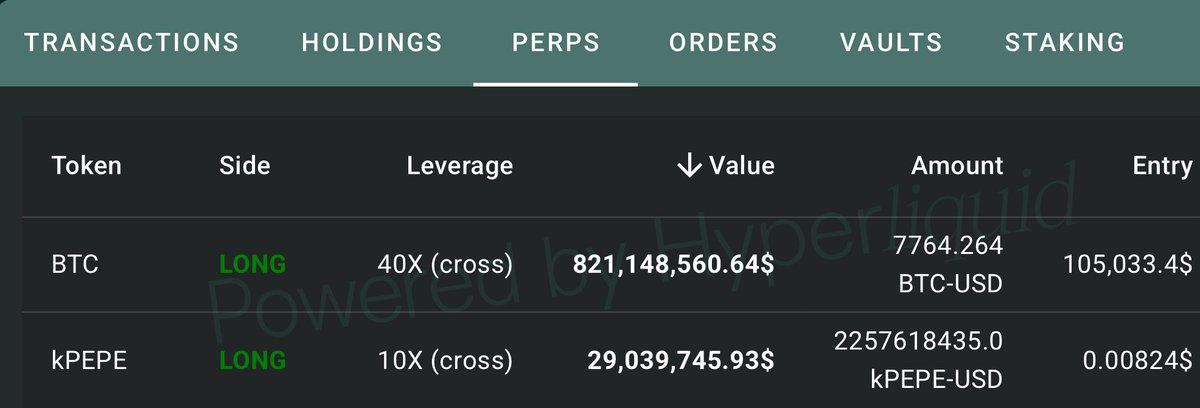
THE 40X #BITCOIN WHALE JAMES WYNN JUST INCREASED HIS LONG POSITION TO $821 MILLION 👀
HE KNOWS WHAT’S COMING 🚀
122
314
2,886
206,573

MrCryptoHimself retweeted

20 May 2025
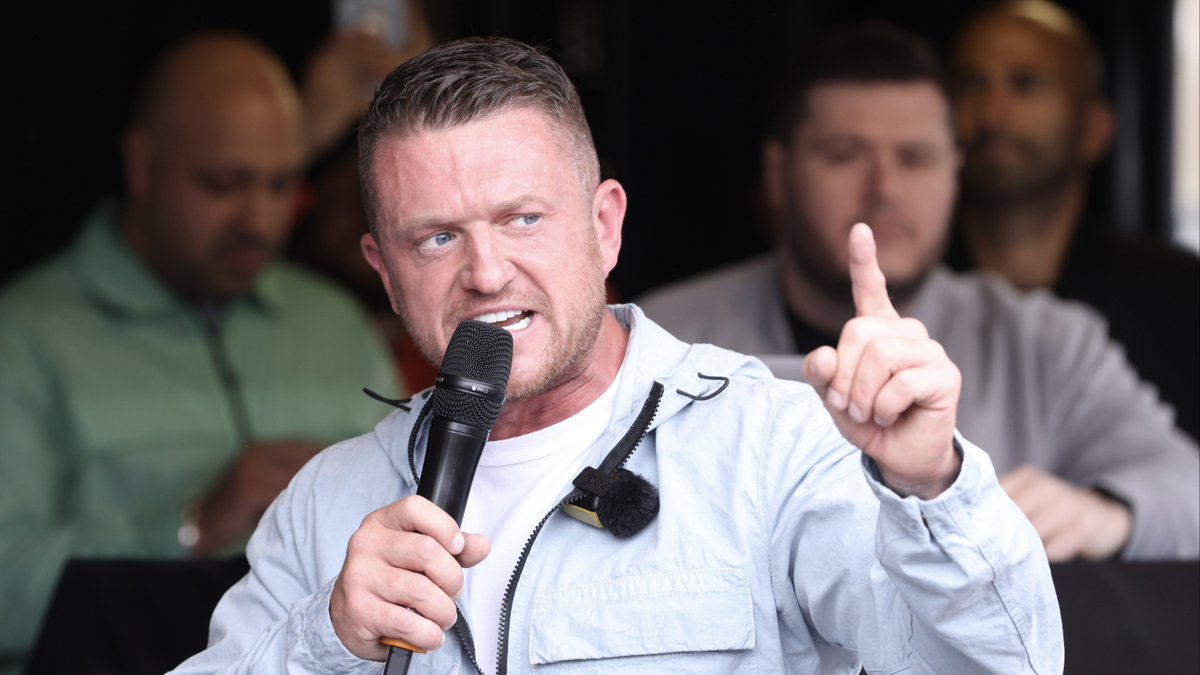
🇬🇧 TOMMY ROBINSON SET TO WALK FREE AFTER SENTENCE CUT
Tommy Robinson is expected to be released from prison within days after the High Court slashed 4 months off his 18-month contempt sentence.
He admitted breaching an injunction linked to a libel case over a Syrian migrant — a case many saw as a blow to free speech.
The judge said time could be knocked off if Tommy showed he’d comply going forward — and the court agreed.
Robinson’s release feels more like justice finally catching up with itself.
Source: GBN

16 Apr 2025

🇬🇧BRITAIN: WHERE SPEECH GETS YOU SOLITARY - TOMMY ROBINSON LOSES APPEAL
Tommy Robinson’s appeal was tossed out by judges who think repeating banned words is worth more prison time than assault.
His so-called crime? Daring to speak publicly - on YouTube, podcasts, even at a rally - about a case the media already blasted everywhere.
Locked in segregation, suffering mental health issues, denied relief - all for contempt of court over words.
Apparently, in modern Britain, saying the wrong thing gets you solitary confinement and 18 months behind bars.
Source: The Independent
44
110
483
688,100
MrCryptoHimself retweeted

20 May 2025
If you make life changing money, change your life.
16 May 2025

🧵The Problem With “Never Sell Your Bitcoin”
“Never sell your #Bitcoin"
It’s become something between a rallying cry and a religious commandment.
The phrase is repeated like gospel across Twitter, Reddit, podcasts, and conferences. And on the surface, it’s easy to see why. Bitcoin has been the best-performing asset of the past decade. It represents a rebellion against fiat debasement, a bet on freedom, and for many, a hedge against systemic failure. When you believe you're holding the future of money itself, selling can feel like sacrilege.
But beneath the surface, this meme conceals a dangerous oversimplification.
Because here’s the truth: never selling your Bitcoin is a great ideal – but it’s also a luxury.
And for most people, it’s not a practical life strategy.
The Privilege of “Never Sell”
Let’s start with the obvious: “never sell” is much easier to say when you don’t need the money.
If you’re already wealthy, or even just financially stable with strong cash flow, you can afford to lock your Bitcoin in cold storage and never touch it. You can weather volatility, ignore market cycles, and treat your BTC as an inheritance plan. For you, Bitcoin is a vault. A time capsule. A multi-generational asset.
And if you’re really wealthy, there’s an entire playbook designed for you – it’s called Buy, Borrow, Die. You buy assets like Bitcoin, borrow against them to access liquidity without triggering capital gains, and pass them on tax-advantaged when you die. It’s a brilliant strategy. It’s also a reminder: even the “never sell” crowd is still accessing value – they’re just using debt as the wrapper.
But most people aren’t in that position. Most people are working jobs, raising families, paying off debt, and trying to build a future. And for those people, Bitcoin often represents not just a long-term belief – but a potential escape hatch. It gives them hope that a few well-timed trades or a couple of bull runs might finally buy them freedom.
To tell those people “never sell” is like telling someone stuck in a burning building not to use the fire escape because the steel might be worth more in the future. It’s a seductive idea – but sometimes, the exit is the point.
Spending Bitcoin Is Part of the Mission
Here’s something that often gets ignored in these ideological conversations: if you truly believe Bitcoin is money, then at some point, you have to spend it.
You can’t argue that Bitcoin will replace fiat – and simultaneously treat every transaction as betrayal. That’s not how money works.
Currency must move. Economic systems require velocity. You don’t build a new economy by locking your assets away forever. You build it by using them. Transacting. Circulating. Choosing Bitcoin when you could have chosen dollars.
In other words, spending is not failure – it’s function.
Satoshi didn’t invent Bitcoin so we could all sit on it forever. He spent it. Laszlo famously spent 10,000 BTC on pizza. Early adopters used it to buy domain names, electronics, t-shirts, even flights. They literally gave it away to facilitate adoption. Were those good trades in hindsight? Maybe not financially. But they were critical in proving that Bitcoin was more than just an idea – it was money.
You don’t create a circular economy by hoarding. You create it by trusting the system enough to use it.
The Highest ROI Isn’t Always Financial
Let’s go even deeper.
What is the point of wealth? What is the purpose of investing in the first place?
It’s not to die with the largest stack. It’s to enhance your life. To provide freedom, fulfillment, opportunity, and time.
And those things – those currencies – are often worth far more when you’re young and healthy than when you’re old and rich.
If selling Bitcoin now allows you to do something that meaningfully improves your life – to start a business, take a once-in-a-lifetime trip, escape a soul-crushing job, move your family somewhere better – then what exactly are you waiting for? A few more basis points on your net worth?
Let’s be real: happiness has a half-life.
The value of adventure, connection, and freedom doesn’t rise over time. It often fades. Your body changes. Your kids grow up. Opportunities vanish. The dream trip you want to take at 35 won’t hit the same at 65. The company you want to build now may be impossible when life gets more complicated later.
The “return” on those moments is exponential – because they shape who you are, how you live, and what you remember.
Bitcoin can fund those moments. And that’s a good thing. It has given you the opportunity to live the life of your dreams and to do it now.
There’s a Difference Between Selling and Surrendering
To be clear, this isn’t an argument for panic selling or abandoning conviction. I’m not saying you should sell your entire stack every time you want to buy a car.
What I’m saying is that intentionality matters.
There’s a massive difference between selling out of fear – and selling to fund your freedom. One is reactive. The other is strategic.
Too many people in this space confuse conviction with rigidity. But true conviction allows for nuance. It allows you to use your assets to build your life, not just your Ledger balance.
Sell responsibly. Rebalance when it makes sense. Take profits when they materially change your circumstances. Build, live, and then – yes – buy back in if and when it aligns with your values and your goals.
Bitcoin isn’t going anywhere. But your youth is.
A Healthier Bitcoin Philosophy
So let’s rewrite the meme.
“Never sell your Bitcoin” becomes: “Don’t sell your Bitcoin lightly – but don’t be afraid to use it to build the life you want.”
Yes, be a long-term thinker. Yes, have conviction. Yes, protect your wealth from inflation and debasement.
But also: say yes to the business idea. Say yes to the move. Say yes to the adventure. Say yes to the opportunity to spend more time with your kids.
Bitcoin is freedom tech. Use it to be free.
Because the true flex isn’t never selling.
The true flex is having built a life so rich in meaning that selling a little Bitcoin was absolutely worth it.
27
12
136
28,587
MrCryptoHimself retweeted

19 May 2025
Michael Gigaballs Saylor just bought the dip.
STRATEGY has acquired 7,390 Bitcoin worth $765 million.
They now own a total of 576,230 $BTC.

113
86
438
45,763
MrCryptoHimself retweeted

19 May 2025
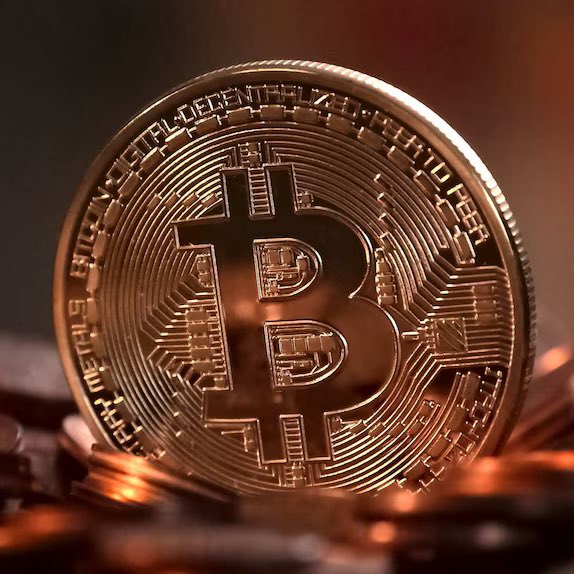
JUST IN: Global investment firm, Millennium Management, increases BTC holdings to $1,600,000,000.

106
126
719
41,531
MrCryptoHimself retweeted

19 May 2025
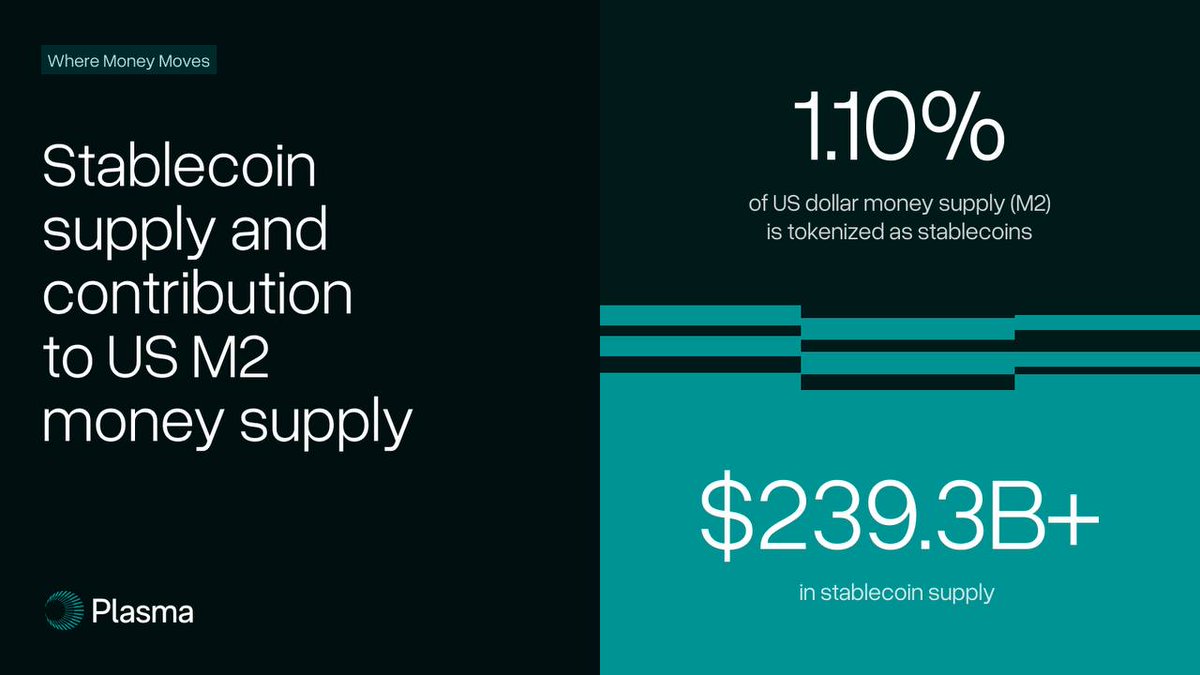
Interesting metric to track
19 May 2025

⚡️ LATEST: 1.1% of the US dollar supply is tokenized as Stablecoins.
161
154
1,530
134,076