Joined February 2024
- Tweets 401
- Following 240
- Followers 257
- Likes 5,339
43 Photos and videos













Pinned Tweet

3 May 2025
Spirit #bear is believed to possess supernatural powers and is often depicted as a guide or guardian. Stories tell of these bears leading lost individuals back to safety and guiding people to enchanted lands filled with love and peace .
4
5
24
688
Criptocharla retweeted

Jun 11
pDAI Renaissance | Telegram Voice Chats 6 and 7 Alpha | @cryptocilla , @dr_pegger, oSprey, @FREED0M_777, @BudPilch
The $pDAI Telegram has been transformed! It has become a beautiful, calm, loving space with the right kinds of minds. The degenerates have gone silent, and the believers and custodians of this world are carrying forth the spirit of pDAI. These voice chats are a joy to listen to and FILLED with alpha from some of the brightest minds in our community.
youtube.com/watch?v=j8UAunx9…
5
10
74
6,207
Criptocharla retweeted

Jun 10
Just tested pbank.info on Maria's wallet. Loaded in under 10 seconds 🚀
That's faster than DeBank ever managed for me.
Try it yourself with Maria's wallet:
0xBF182955401aF3f2f7e244cb31184E93E74a2501
6
13
31
606
Criptocharla retweeted

Apr 21
⚠️ IMPORTANT - Something big is about to happen.
Why I'm writing this - I love ♥️ to help. It makes my life better.
You have the power to change your life forever if you decide what you want and why you want it. Once you define what and why, you must take action. Inexperienced people lose money like I did in the past. After ten years I'm almost break even. There are different strategies to reach that.
Be in the moment, in the present... The actions you take today determine all the outcomes of your future self.
To many, dreams and goals seem unrealistic because they seem so far away. Building a successful business takes at least 10 years. You have to assume that. Skills, knowledge apply them to get good at it. To get compensated for something, you have to create value.
Losers give up after the shortest amount of time if they see even a small, harmless setback. you've seen the tweets all these last years by losers. I've seen them in real life. I thought they were smarert than me, over the process I found unbelievable strength inside of me.
your so called friends which you have try to sabotage you, urging you to give up just like they have, so they can feel better about their own lack of success. They even mask it and stab the knife 🔪 in your back. The clue? I never felt stabbed in the back. Misery loves company. Your inner circle should ideally consist of people who are just as committed to their own greatness and who celebrate and encourage your victories and visions.
These losers are convinced of their own misery and try to discourage you and keep you stuck with them in that little box. “It’s stupid, don’t be so unrealistic, you’re delusional… get a job... ” Because they convince you to give up like they did but guess what… you just gave them justification for their mediocre lives.
Don’t be someone else's justifications for their own mediocrity. Sadly, sometimes you have to leave such people behind in your life. don't let somebody else limitation that they imposed on themselves become your own limitations.
If you have a shitty peer group, find a new one. Go with the flow. trust. Life is hard and success takes a really flong time.
mediocre people Say: "go get your job and punch your clock" lol fuck that shit. hahaha. loser.
it's Painful. Ups and downs through life. the crazy part is as an observer of my own self... many people would love to be in my skin... I'm still hungry... I love success I envision stuff. Time is limited... my motivation is high. I am walking through fire, a state where your whole nervous system burns, I even pissed blood cause of a great lesson, I stood up again.
I'm obsessed with it becoming better. Every day you get better and reach the results and you changed for a bit from day to day.
Let's get this.
TLDR:
$pdai to 1 Dollar. 💲
$HEX $eHEX $INC $PLS $PLSX $PWBTC $PRVX

7
9
103
1,457
Criptocharla retweeted

Mar 29
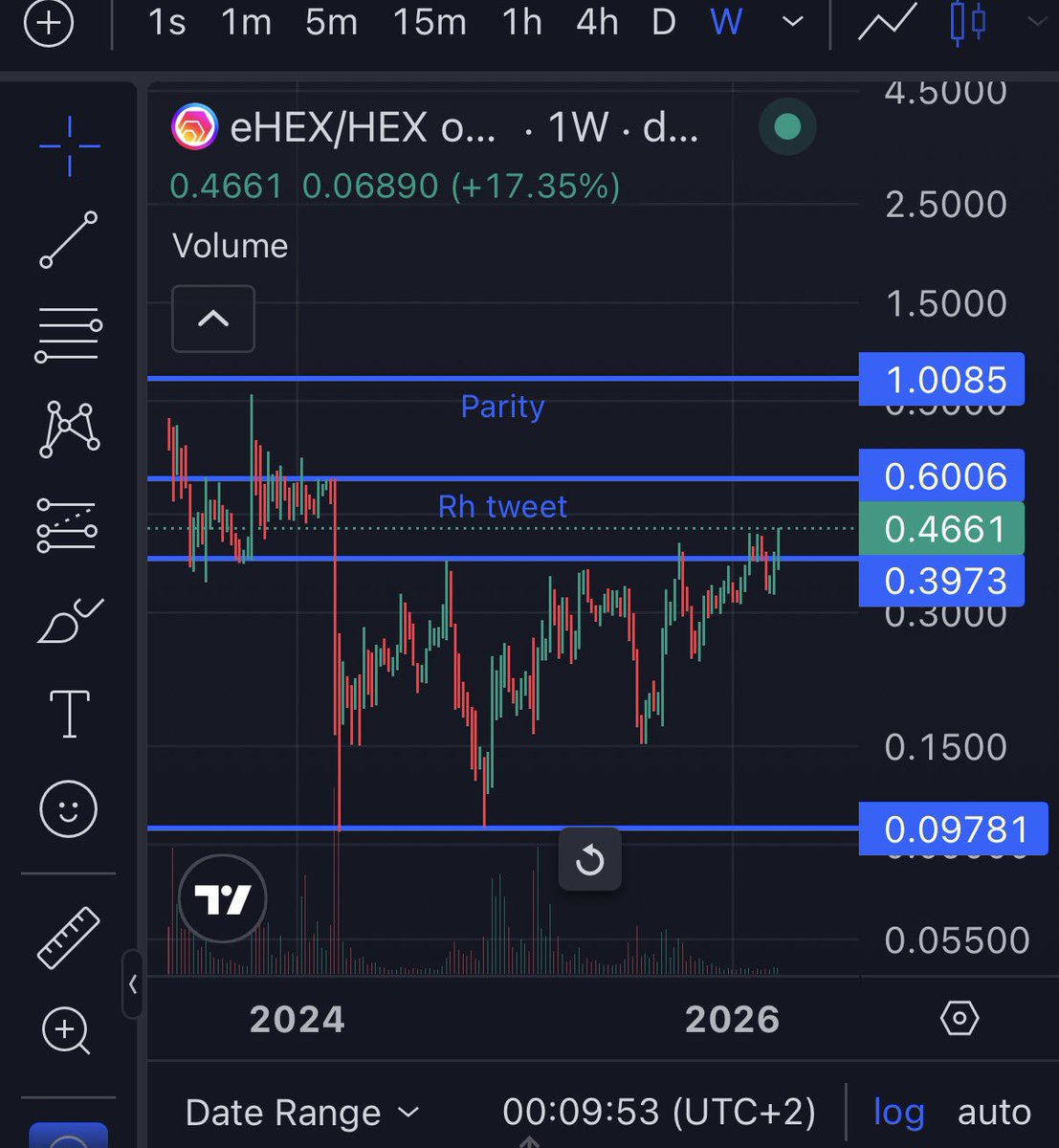
eHex reached a new all-time high ratio 2 hours after my video, the highest since the RH tweet 2 years ago. Coincidence? 👀 Or are people finally waking up?
16
33
236
5,814
Criptocharla retweeted
Mar 29
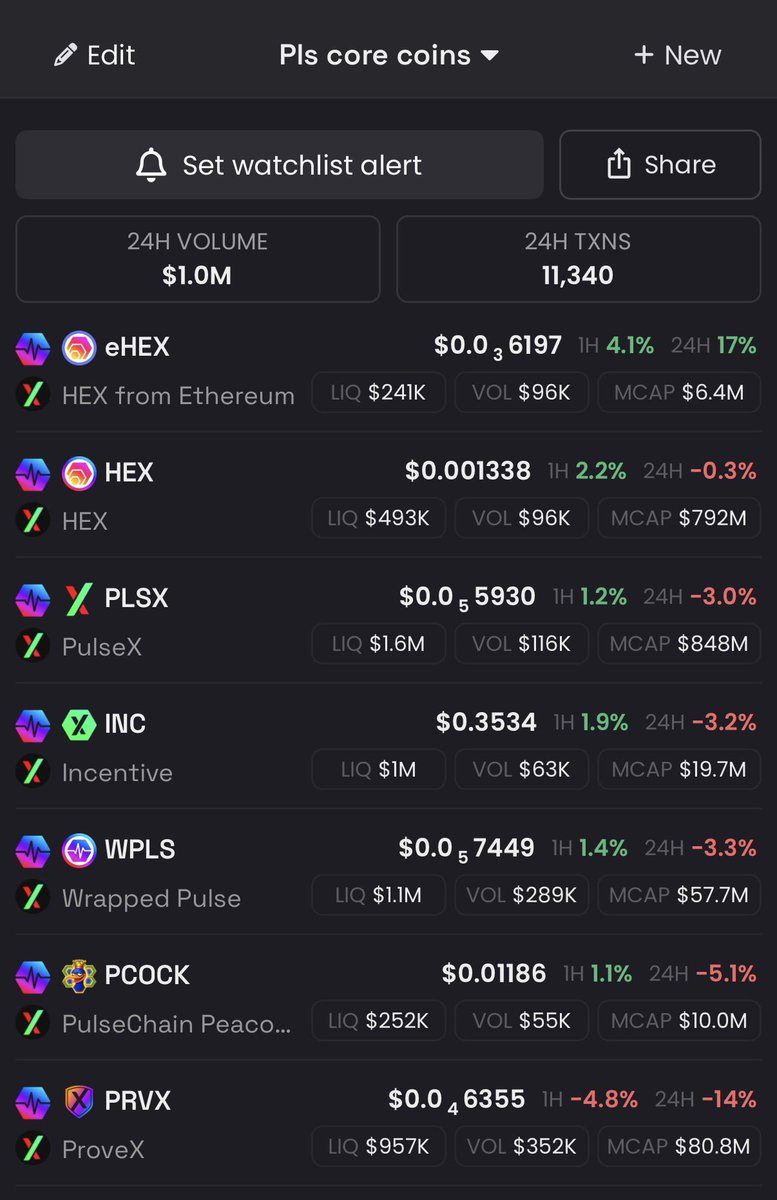
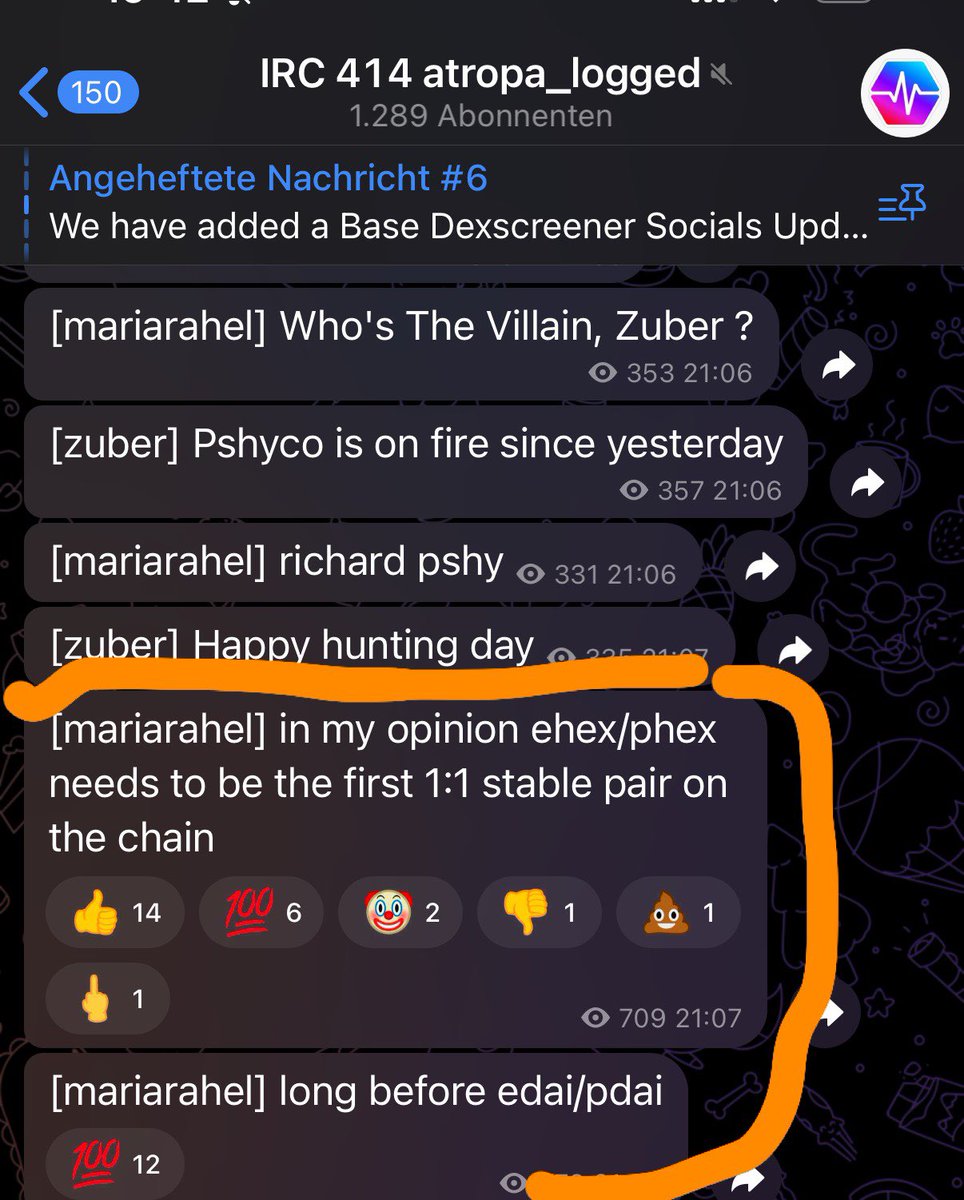
Interesting what is happening on Pulsechain right now.
The alpha is right in front of you
Control your emotions and try to understand what is happening with a clear mind.
One word: Parity.
20
30
212
13,688
Criptocharla retweeted
GM friends,
Drop your crypto wish to the teddy bear. 👇

13
19
98
1,763
Criptocharla retweeted

Feb 2
Every chain has that one meme the whole ecosystem rallies behind.
On PulseChain, that meme is $BEAR 🧸

10
18
90
1,474

Criptocharla retweeted
Slowly, Coinbase will do the heavy lifting and make PLS, HEX, PLSX, PCOCK, and thousands of PulseChain native assets tradable on their apps.
We just need to focus on infrastructure. They will take care of bringing attention to PulseChain assets.

BREAKING: Coinbase, $COIN, announces it has integrated Jupiter Exchange directly into its onchain trading stack.
This means that millions of Solana-based tokens can now be traded on Coinbase for the first time ever, all through Jupiter.
Rather than the slow, manual process of listing tokens on a centralized order book, Coinbase is now using onchain technology to grant instant access to Solana-native assets.
Under the new integration, users can deploy existing Coinbase balances and payment methods to trade tokens from a self-custodial wallet.
Even centralized exchanges are moving onchain.


7
37
231
5,556
Criptocharla retweeted
This February, we complete Phase 1 of development, connecting PulseChain with 40 blockchains. Instantly. In and out.
We are now testing LibertySwap 2.0, integrating new cross-chain components.
Make PulseChain Great Again
#MPGA
Jan 23

It really is a solid chain with sooo much functionality. Anecdote: I did a bridge today on Polygon. I used the native bridge with no 3rd party hops and it took 48 minutes.
Using native bridge on PulseChain takes ~22 minutes.
That doesnt mean PulseChain is better, but it is clear to anyone looking objectively that PulseChain is a true ecosystem that has never gone down and does WTH it says it will do WITHOUT MIDDLE MEN!
#truedefi
19
40
234
6,206
Criptocharla retweeted
I first encountered the idea of bank run private blockchains around 2016 to 2017. Almost all of those initiatives failed, and the reason is structural, not accidental.
A private blockchain adds complexity without adding new trust guarantees. If a single institution controls participation, validation, and governance, the system offers no meaningful advantage over a conventional centralized database running on AWS or similar infrastructure.
Blockchains are fundamentally designed for public coordination among parties that do not trust each other. Their value comes from openness, shared incentives, and external verification. Once you remove those properties, you remove the core reason a blockchain exists.
Operating a private blockchain imposes heavy costs. Custom infrastructure, consensus maintenance, identity management, and ongoing coordination overhead. Yet it delivers none of the benefits of decentralization, censorship resistance, or credible neutrality.
As a result, private blockchains tend to collapse under their own weight. They are more expensive than centralized systems, less efficient, and solve no problem that modern databases cannot already solve better.
Jan 19

The smart influencers are posting about how NYSE launching their own blockchain is good for everyone else's blockchain. Or at least trying, so I'll try and do so better. Every private blockchain has failed to get adoption. So if one ever does get adoption it will just feed more users to the real stuff, where the real potential is. :)
3
22
156
5,571
Criptocharla retweeted
Good news: users from Base and Solana can move to PulseChain freely and trade alongside other small investors.
Base and Solana can remain the playground for institutions and VCs dumping on each other.
PulseChain is where real investors gather, build, and grow together.
4
10
98
1,342
Criptocharla retweeted
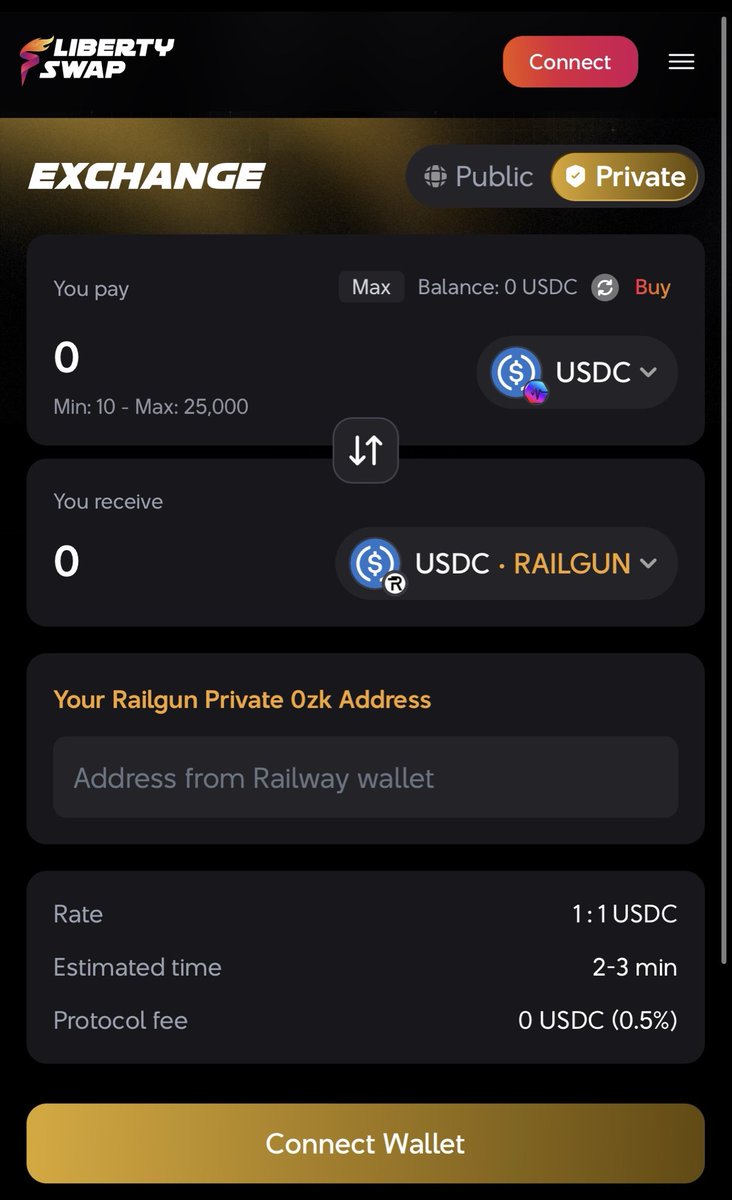
Ethereum privacy for all chains.
One anonymity set to rule them all.
1
2
74
1,642
Criptocharla retweeted

Jan 14
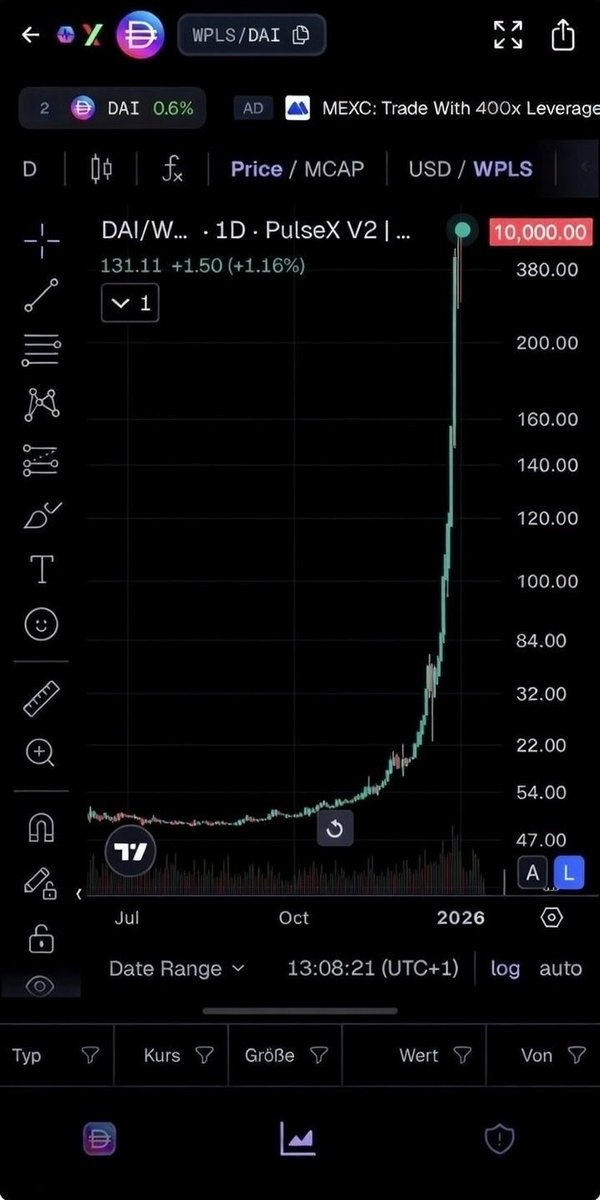
Core Maxis who only realize too late that they shouldn’t have been Core Maxis.
#pDAI #PulseChain
3
2
47
1,398

Jan 11
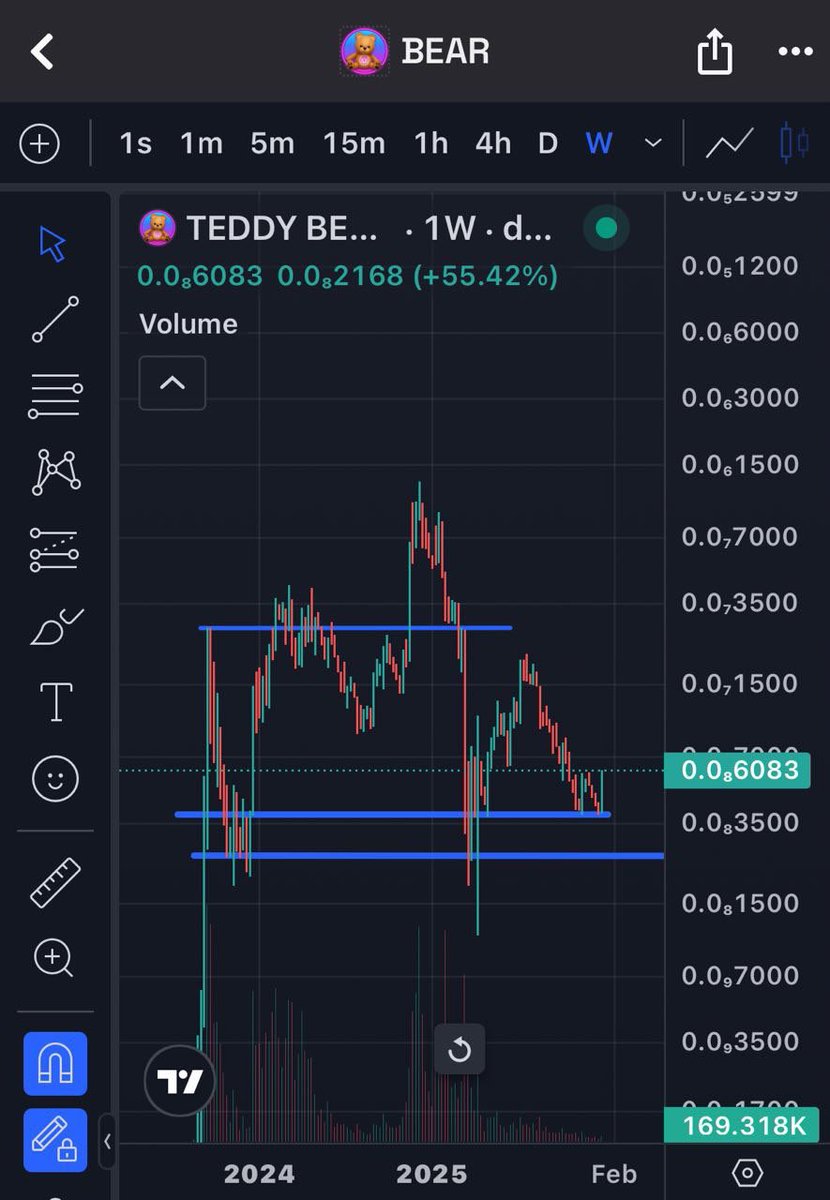
Teddy #Bear has been forgotten by a lot of ppl, but the hardcore believers like me won’t leave, because they know the inmense potential he with holds. Seems like there is a new confirmed bottom, let’s see where the journey takes us from here. NFA, LFG
9
18
69
1,715
Criptocharla retweeted

9 Dec 2025
Are we about to do the amazon move and go up forever?
29
68
447
17,777

