
CRYPTO PH
Joined March 2024
- Tweets 175
- Following 126
- Followers 14
- Likes 60
5 Photos and videos


CryptoPH retweeted

Mar 22
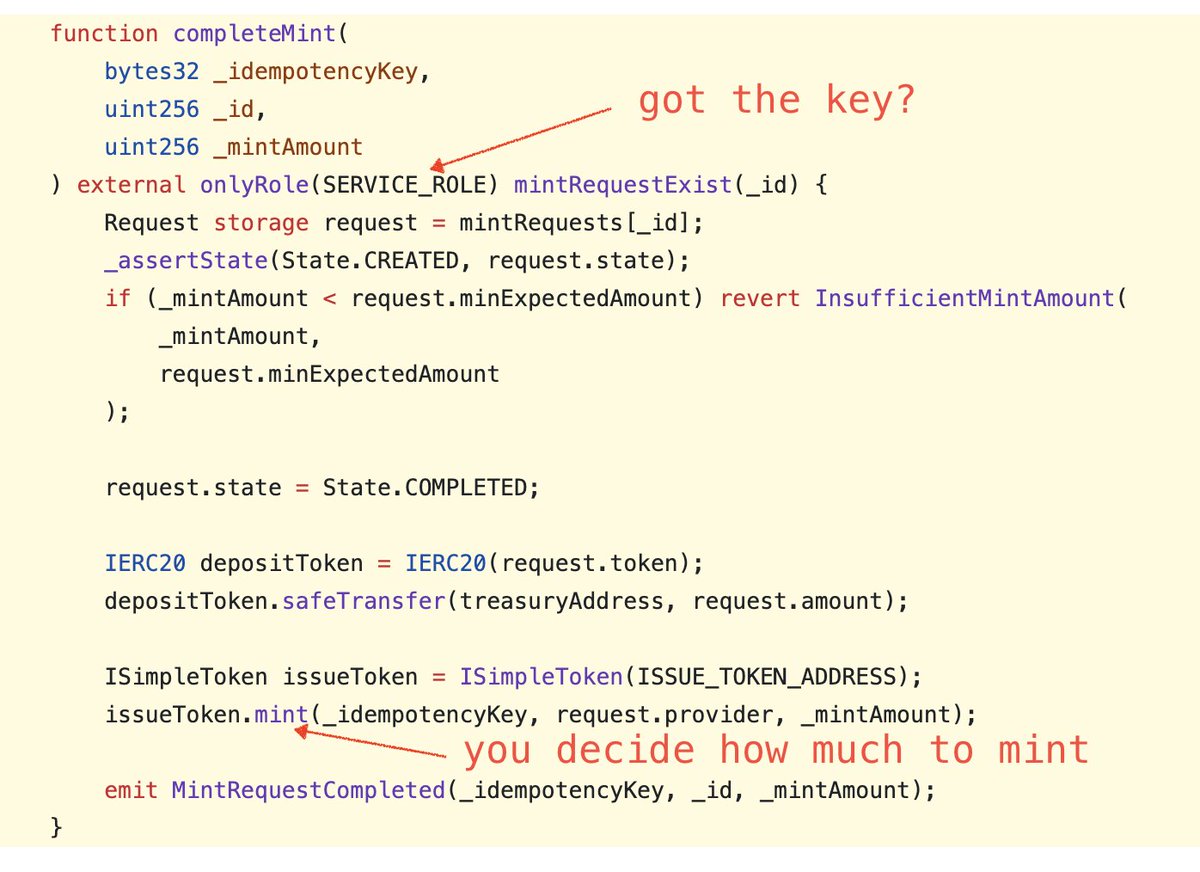
The Resolv USR exploit wasn't a bug - it was a feature working exactly as designed. And that's the problem.
How USR minting works: you deposit USDC, then an off-chain service with a privileged key decides how much USR to mint for you. The contract checks the minimum but has no maximum. No cap. No ratio to collateral. Whatever the key holder says - gets minted. You could deposit $1 and mint billions.
This design was live since day one. It wasn't a code bug. The threat model was simply: "the key won't leak."
It did.
Attacker got the key. Deposited $200K across two txs, minted 80M unbacked USR. Dumped on DEXes, walked away with ~$23M in ETH.
Single point of failure: one private key, no on-chain sanity checks. No max mint ratio, no multisig, no timelock. One compromised key = unlimited money printer.
The contract worked perfectly. That's the scariest part.
Mar 22

We are currently investigating a security incident involving unauthorized minting of USR.
At this stage:
The collateral pool remains fully intact. No underlying assets have been lost.
The issue appears isolated to USR issuance mechanics.
Our immediate priority is to:
1) Contain the incident
2) Assess impact
3) Ensure legitimate users are not affected
We are actively investigating and will share more updates shortly.
75
80
701
174,705
CryptoPH retweeted

Mar 22
I traced the Resolv $USR exploiter's full funding chain onchain. The root wallet behind the $25M hack was seeded directly from @Binance. They have KYC on this person. Tagging @zachxbt because this rabbit hole goes deeper than just Resolv 🧵
(sorry for the tag bro)
(1/4)
5
3
20
4,444
CryptoPH retweeted

Feb 24
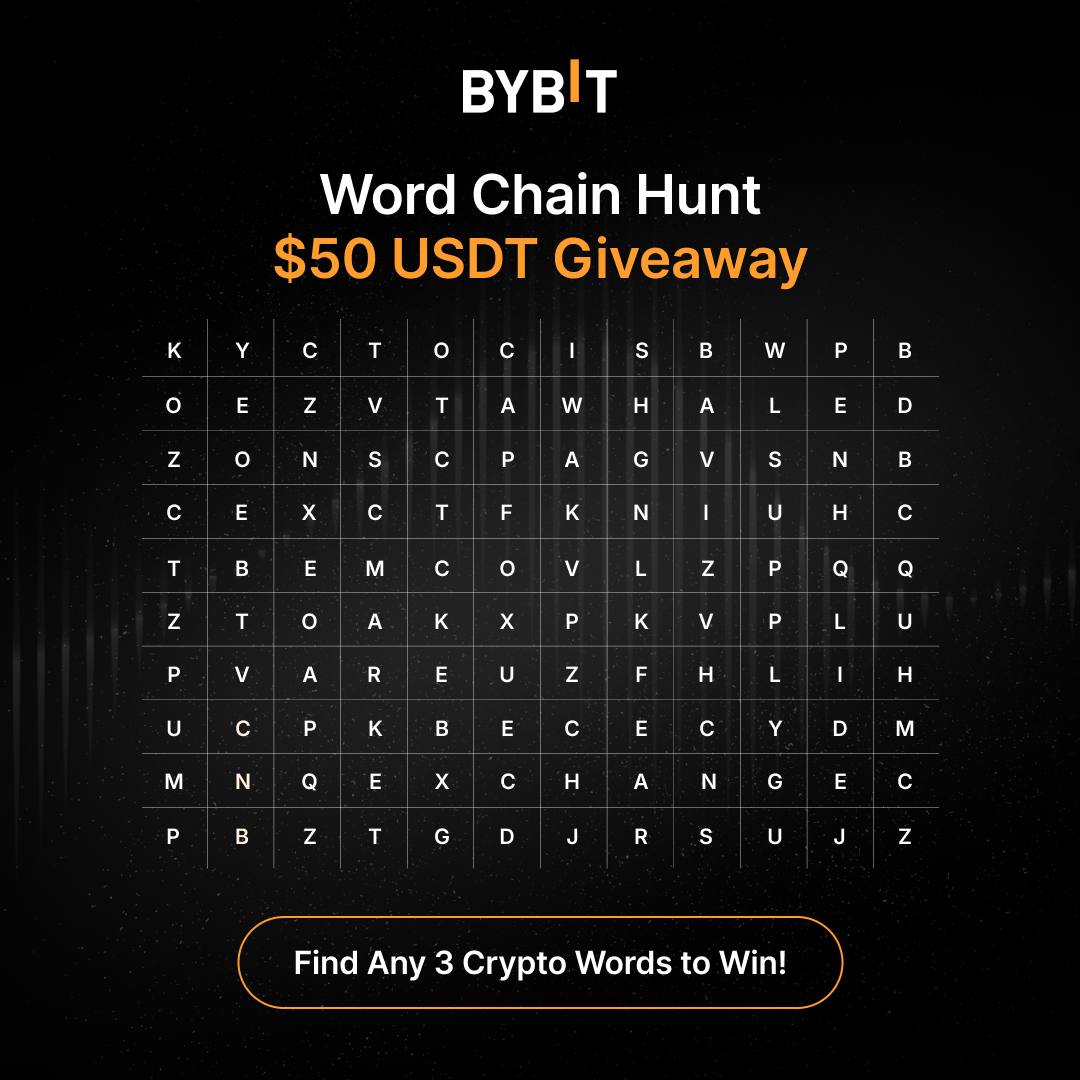
🎉$50 USDT Giveaway 🎉
BYBIT Word Chain Hunt
Think you’ve got sharp crypto eyes? 🔍
🧩 How to Enter:
➕ Follow @BybitSouthasia
❤️ Like & Repost 🔁 this Post
💬 Comment Your 3 Words & 👥 Tag 2 friends
🏆 Random Winners will be selected from correct entries.
📅 Deadline: 28 Feb 2026 11:59 PM UTC
Dive into our puzzle grid and find ANY 3 crypto words to win!
#CryptoPuzzle #CryptoGiveaway #WinUSDT
937
843
982
38,295
CryptoPH retweeted

Feb 24
CONGRATULATIONS!!! 🥳
︎
︎
︎
︎
︎
︎
︎
︎
︎
︎
You found this tweet
︎
︎
︎
︎
︎
︎
︎
︎
︎
so that means
︎
︎
︎
︎
︎
︎
︎
︎
︎
︎
︎
︎
︎
︎
︎
︎
︎
You can take part in our giveaway by Retweeting and following @BloFin_Official.
466
801
1,353
68,220
CryptoPH retweeted

Feb 23
Follow us @Bybit_Official and repost this post.
20 winners will share 2000 USDT prize pool.
📆 From Feb 4 till Feb 28
6,514
13,003
9,111
358,175

CryptoPH retweeted

22 Jun 2025
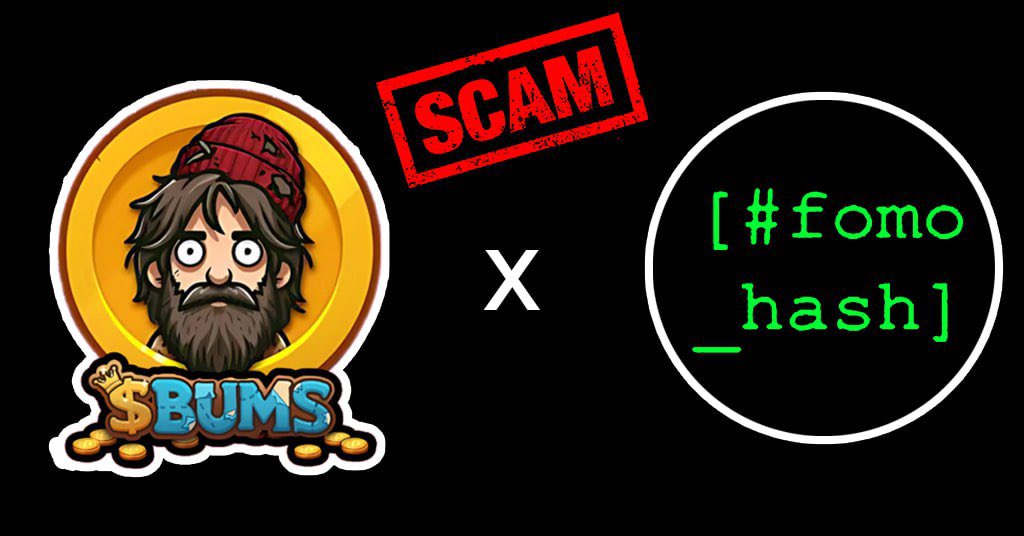
🚨 #Bums and #Fomohash Scam Alert
Do not invest in these two projects. As many of you know, both projects are run by the same team. They’ve been scamming people for a long time, continuously collecting money. Even I personally invested $200 in Bums and $50 in Fomohash in the early stages.
Let’s start with $Bums. The listing was supposed to happen 4–5 months ago. But to steal more money, they delayed it by 45 days. After 45 days, they extended it to 66 days. When 66 days passed and still no listing, they started Season 2 immediately after Season 1 ended, which we played for nearly a year. Now they’re saying maybe it will be listed after Season 2 ends—who knows when that will be.
Now on to Fomohash. All 1 billion tokens were supposed to be mined by now. But they’ve been intentionally dragging out the mining process. Just a week ago, they slowed it down again. Now, each block takes 75 seconds to mine. That means we’ll need at least 70 more days to finish mining the remaining blocks—at the current rate. But they could easily slow it down more and stretch it to a year if they want.
Here’s my point: I don’t even think they plan to list. They’ll probably try to keep stealing money for another 6–7 months, then completely abandon the project and vanish. Unfortunately, this is becoming a pattern with many Telegram-based projects.
Even if they list, it’ll likely only be on a DEX with very little liquidity. They might add just 1% of the funds they collected as liquidity. So people won’t get anything but dust. If I ever get my $250 back, it’ll probably be just $3–5 at best.
So my final message is clear: Absolutely do not invest money into these two projects. If you want to keep playing, do so without putting in any funds.
That’s all I wanted to say. Thank you.
75
29
158
17,249
CryptoPH retweeted

22 May 2025
Join the #Port3 Social Mining on #BinanceSquare
📅 May 22 - June 21
🎁 650,000 $PORT3
To join:
Complete tasks to earn points — the more you earn, the bigger your share!
✔️Binance Square Tasks: Follow, write original content, engage with #Port3 posts
✔️X Tasks: Follow, share content
Join Now:
port3.io/social-mining
1,454
4,875
9,223
125,512
CryptoPH retweeted
3 Apr 2025
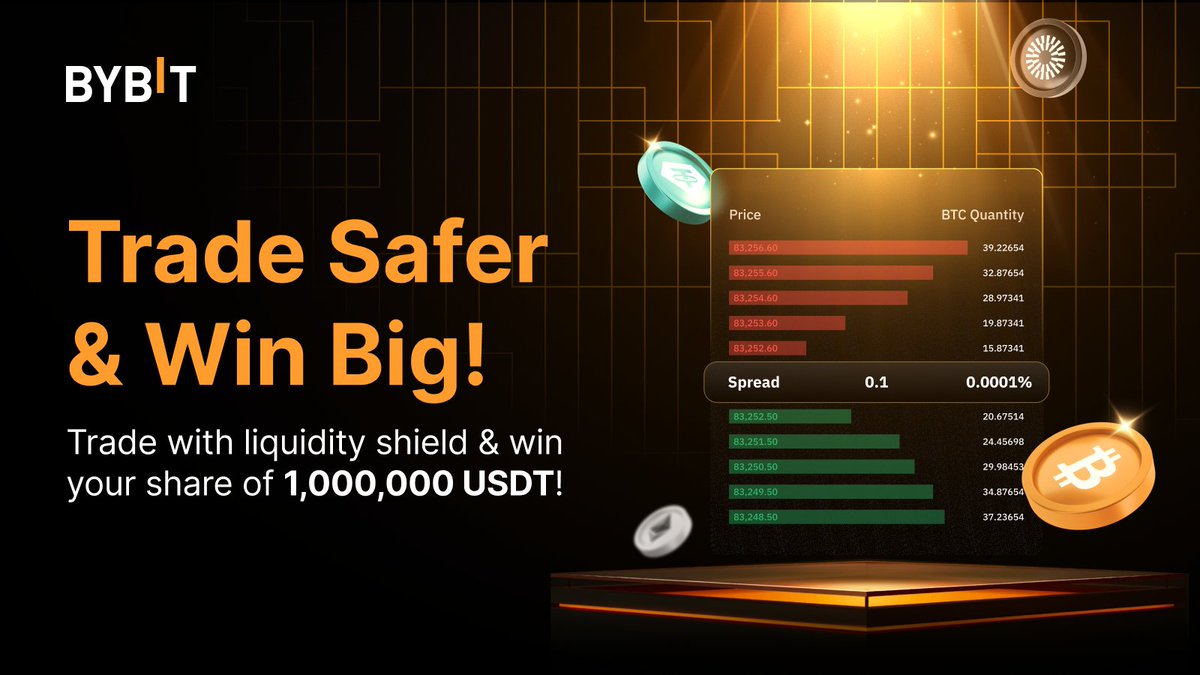
🔥 Trade safer & grab your share of 1M USDT in the Liquidity Shield Trading Frenzy with Bybit!
💰 Liquidity Shield: 300K USDT
🏆 Ultimate 100: 300K USDT
🚀 Power Boost: 500K USDT
Join now: i.bybit.com/1euTabA9
Learn More: i.bybit.com/1UqabtAi
#BybitTrading #TheCryptoArk
182
102
361
473,910

12 Mar 2025
I'm backing Venice Token (VVV) at Bybit AI-DOL SUPERSTAR. Join forces with me for a chance to share $1,000,000 in rewards! bybit.com/en/web3/aidol2025/…
17
CryptoPH retweeted

10 Feb 2025
꧁MIMBOKU TAKEOVER꧂
The call to arms has begun and WLs will soon be finalised. We're not just here to take part – we're here to take over. Let the mims begin.
568
8,019
3,577
79,889
CryptoPH retweeted

10 Feb 2025
꧁PLAYARTS GENESIS꧂
The First On-chain AI Creative Layer
We don't just make art - We own the future of creation
• Generate & Mint
• Creator Royalties
• Remix & Earn
Your Prompts. Your Art. Your Ownership. The revolution begins.
ALT Playarts - The AI Creative Layer
464
8,143
3,362
97,053
CryptoPH retweeted

25 Feb 2025
🎬 Get ready for the ultimate AI showdown! AI-DOL SUPERSTAR premieres on Feb 28, 2025.
Over 30 AI projects gather together. Only 4 debut spots up for grabs in a battle of talent.
Mentors: @luna_virtuals, @TopHat_One, @cookiedotfun, @ai16zdao, @alchemistAIapp
💰 $1,000,000 prize pool
Battle begins soon ➡️ i.bybit.com/1abaAW90
#BybitWeb3 #AIDOL
1,349
547
1,039
96,088

We are aware of the situation currently evolving with Bybit and are continuing to monitor developments.
As a reminder: all spot assets backing USDe are held in off exchange custody solutions, including ByBit via Copper Clearloop for this precise reason.
Not a single dollar of spot backing value is held on any exchange, including Bybit.
Currently there is <$30m of aggregate unrealised PNL relating to Bybit hedge positions, which is less than half of the reserve fund.
USDe remains more than fully collateralised at this time.
We will provide updates as we receive them.
81
218
1,667
462,503
CryptoPH retweeted
18 Feb 2025
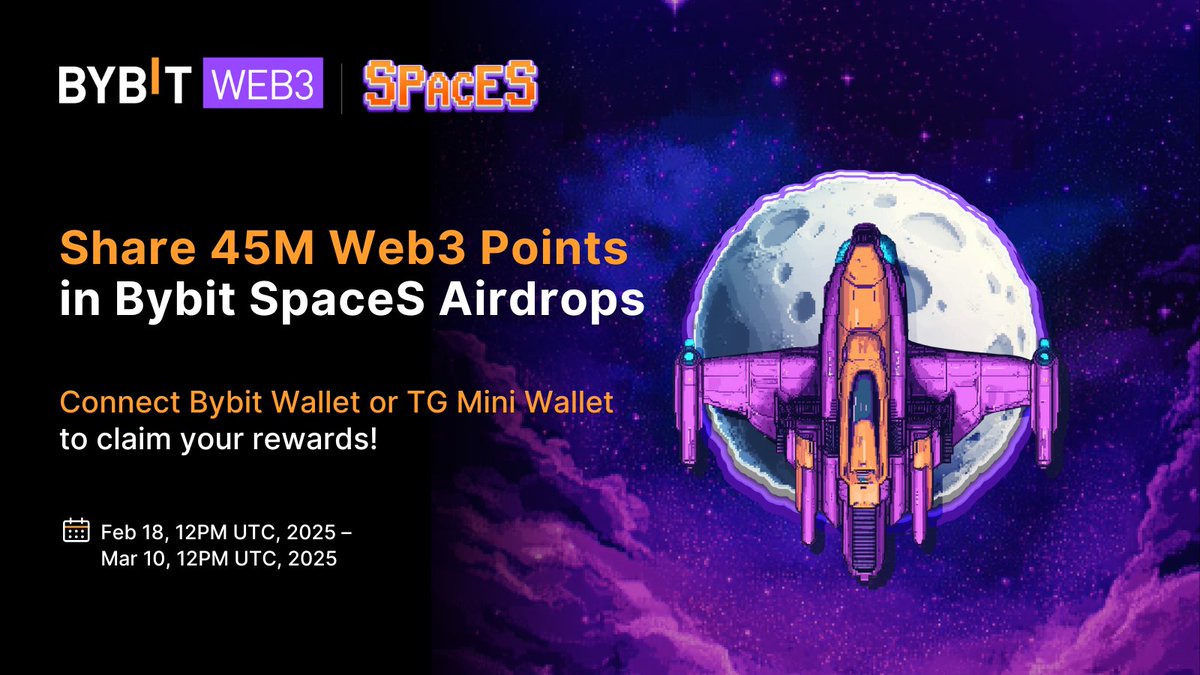
Web3 Points Airdrop is LIVE on Bybit SpaceS FarmX! 💥
🏆 Farm SpaceS Points and grab your share of the 45,000,000 Web3 Points prize pool!
❗️ This week’s prize pool: 15,000,000 Web3 Points. Only 30,000 slots available, first come, first served!
🗓️ Web3 Points schedule:
Feb 18 – Feb 24, 2025
Feb 25 – Mar 3, 2025
Mar 4 – Mar 10, 2025
🧧 Unlock a lucky draw with every 1,000 Web3 Points, earn from a prize pool of 100,000 $MNT and 10,000,000 $PENGU!
Plus, we’ve got exclusive rewards for you from @Yescoin_Fam, @CatizenAI, @TanssiNetwork, @RiverLand_Game, @Pineye_, @thebananagameee, and @BoinkersIO! Simply repost and engage for a chance to win 1,000 Web3 Points!
🔹 Learn more about Web3 Points: i.bybit.com/jJsabIV
🌾 Start farming now: t.me/bybit_spaces_bot
#BybitWeb3 #SpaceS #FarmX
361
257
460
177,017

@animix_tech is crushing it in its 1st month:
( ) 400k Animasters playing the 1st GenAI pet fusion game on Telegram
( ) The 1st native token launch on Sophon
And now Animix’s new PvP Arena game mode is live.
Learn more & start playing below 👇
284
6,228
1,881
78,156
CryptoPH retweeted

19 Jan 2025
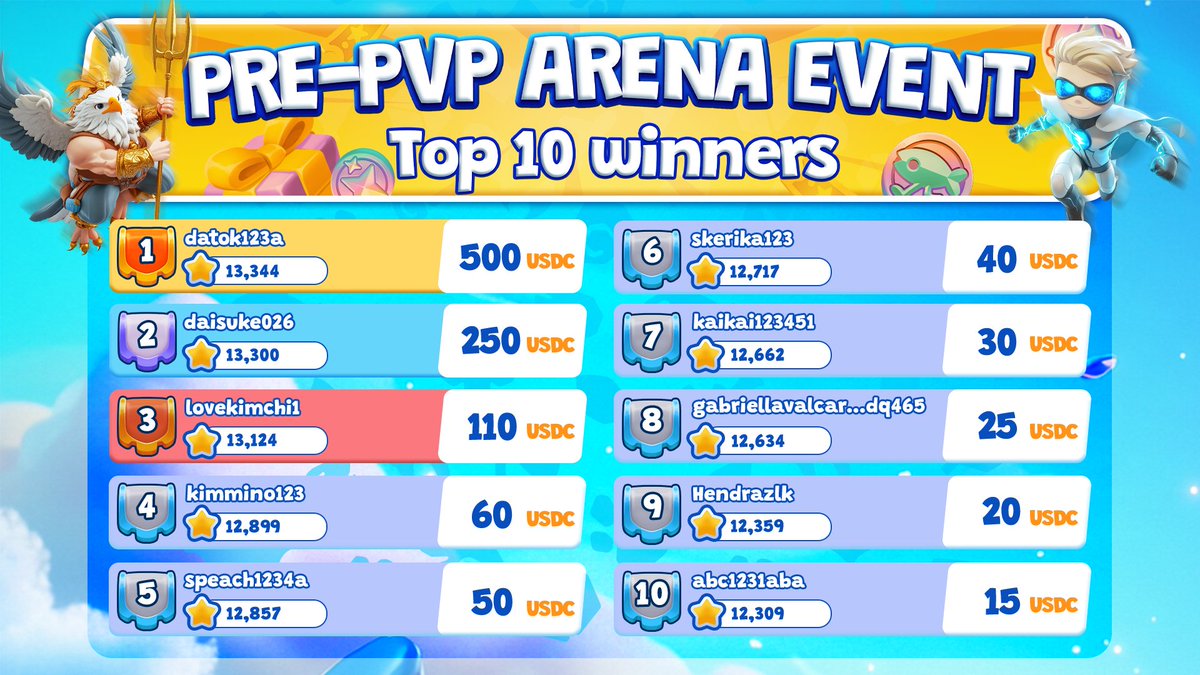
🎉 THE PRE-PVP ARENA EVENT HAS WRAPPED UP!🎉
🔥 Animasters, what an incredible battle it’s been! Huge congratulations to the Top 10 Winners who rolled their way to victory!
🎁 Rewards will be distributed directly to the wallet you’ve connected to the game tomorrow.
Thank you for being part of this epic celebration! 🌟
Stay tuned—the PvP Arena game mode launches at 8 AM UTC on January 20, 2025.
Important information related to the Arena Tiers in PvP Arena Season 1 will be shared in the Animix Telegram Updates group. Don’t forget to check it out and get ready for the launch tomorrow! 🚀
Get ready to dominate! 💪🔥
11 Jan 2025

🎉 Roll to Victory: The Arena Celebration Event is LIVE! 🎉
It’s time to roll, Animasters! Gear up for the upcoming PVP Arena launch with this exciting event!
Event Timeline:
📅 Start: 3 AM UTC, January 11, 2025
📅 End: 3 AM UTC, January 19, 2025
💰 Reward Pool: $1,100 USDC for the Top 10 Players
How to participate:
🔵 Access the “Gain New DNA” feature and start rolling!
🔵 Each DNA has a star rating from 2⭐ to 7⭐—your total points are determined by the total of all DNA’s star ratings you roll during the event period.
🔵 At the end of the event, the Top 10 players with the highest total points will share the cash prize!
P/s: High-ranked players will enter the top Arena rank with exclusive benefits revealed at the PVP Arena launch—stay tuned!
🎟️ The New ‘Arena Champion’’ Limited-time Season Pass has arrived!
Unlock the special Season Pass for the Pre-PVP event to earn massive god power from your total star rolls and earn up to 1,000 Airdrop points. 💎
Let’s roll and win big! 💪

257
5,668
1,425
65,893
CryptoPH retweeted
20 Jan 2025
Animasters! 🐾 The PvP Arena is NOW live in the Animix mini-game app! 🏆
The battle for glory begins—set your Defense Team, dominate 3-round matches, and rise through Platinum, Diamond, Master, and Champion Tiers!
⚡ Quick Reminder: Reload your page to unlock the new game mode!
🗺️ Arena Guide: animix.tech/arena-guide
📜 Season 1 Rules: t.me/animixtech/71
Don’t forget to check this info to fully master the new game mode!
Let’s get it!!! 🔥
🧬 Stay Updated: Follow 👉 t.me/animixtech
363
5,901
1,760
71,301