
Joined November 2024
- Tweets 5,612
- Following 171
- Followers 5,412
- Likes 1,722
1,132 Photos and videos






Cryptosolv retweeted

Jun 11
He's trying to bait people into buying back in so he can get better exit liquidity.
4
1
62
3,411
Jun 10
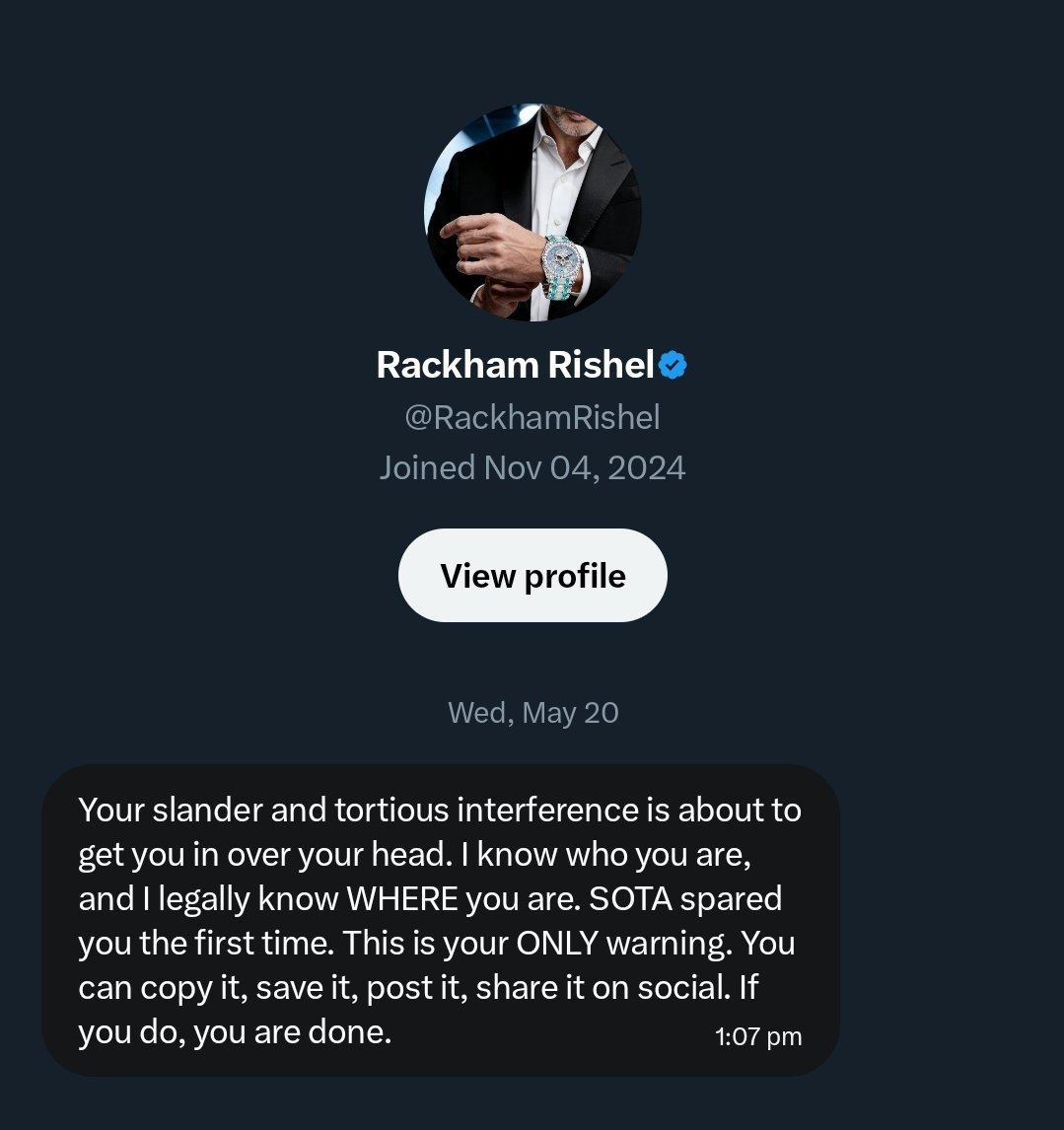
Hey fellas, let's all band together and start a class action lawsuit.
Make dumb decisions. Threaten legal action. Repeat.
The American way.

17
4
89
5,516
Jun 10
Sergey to GPT: Do you think I have a case
GPT: I am not a lawyer, consult a lawyer, it’s generally possible to sue someone in theory
Sergey to CT: there is a strong case against Richard Heart
1
13
847
Jun 8
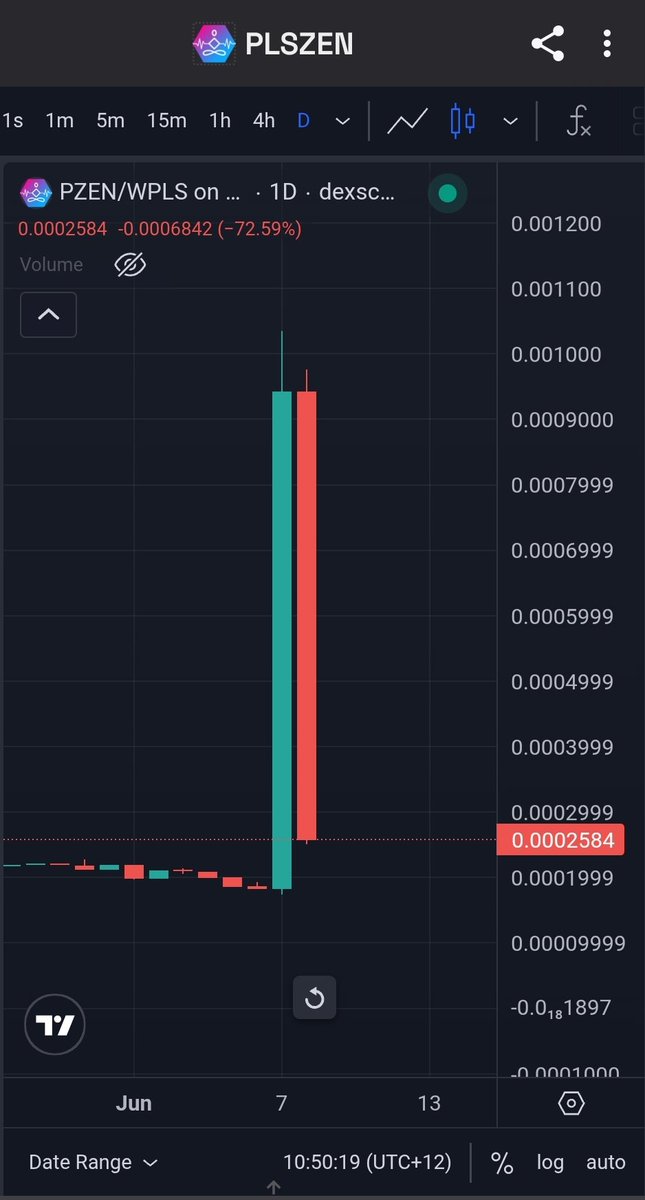
People fomo-buying $PZEN after recent events got absolutely rinsed.
There was lots of reporting that "Conrad was pumping his coin" despite being zero evidence of this.
It's a low-liq shitcoin that saw some speculative fomo, that's it. Be careful who you believe.
19
9
112
4,533
Jun 8
Whoops 905m $HEX left
pulsechainstats.com/portfoli…
Jun 8
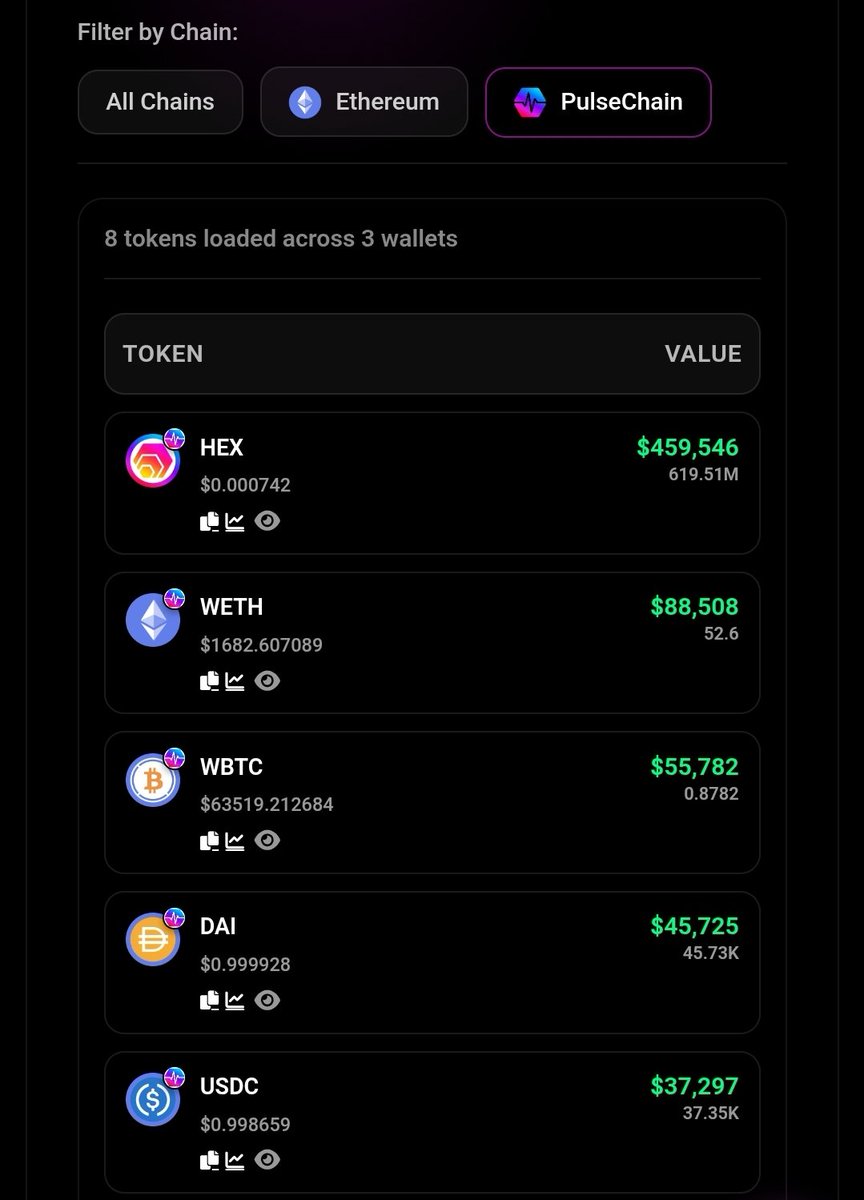
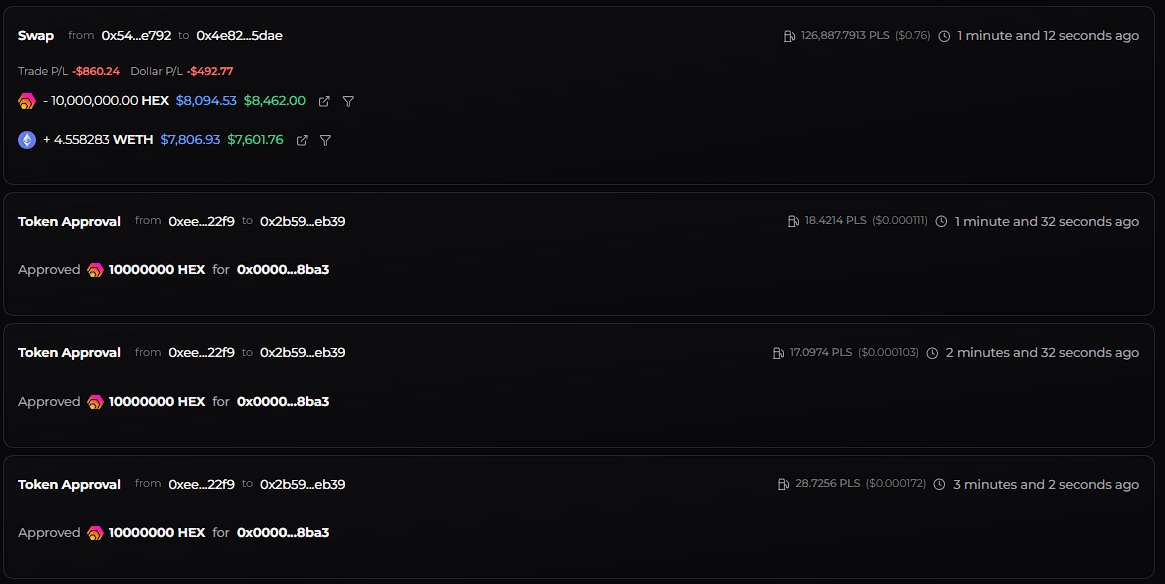
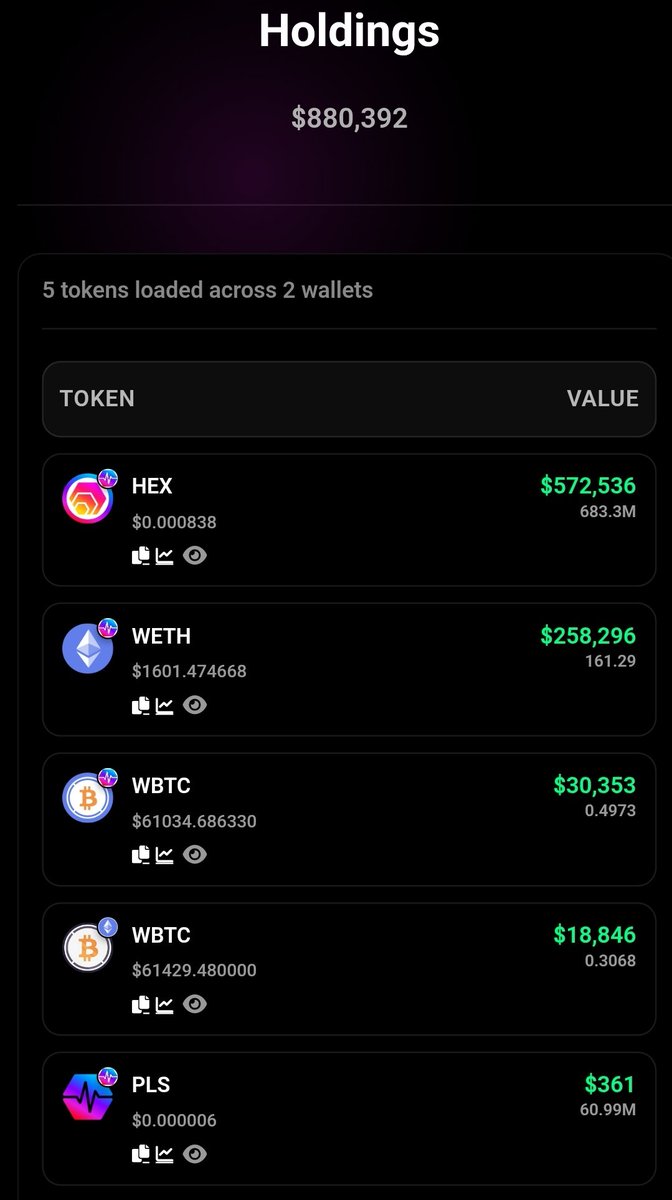
The $HEX dumper has at least 619m $HEX left (no eHEX), might be missing one or two smaller wallets from this mix, but this incorporates the bulk of the supply.
Here's the wallets with the bulk of the ammo:
pulsechainstats.com/portfoli…
16
17
113
14,017
Jun 8
The $HEX dumper has at least 619m $HEX left (no eHEX), might be missing one or two smaller wallets from this mix, but this incorporates the bulk of the supply.
Here's the wallets with the bulk of the ammo:
pulsechainstats.com/portfoli…
21
12
129
14,648
Jun 8
One of the @9mm_pro V3 HEX/USDC pools (0xec1ff11b2e75278271458e074205d3a396362da5) has been flagged as malicious by @wallet, meaning with certain protocols if that pool exists in the order routing then you simply can't bypass the warning and make the swap without either:
- Repeatedly fetching new quotes and hoping the pool doesn't appear in the updated routing
- Changing what you're buying/selling and going through multiple steps to get to the intended token
- Switching protocols
- Switching browser wallets
@piteasio you guys theroetically have toggles for liquidity sources in your settings, but they don't actually work. @SwitchDotWin allows you to toggle off 9mm V3 which bypasses the issue.
6
11
76
4,371
Jun 7
Fellas I think we also took off a bit of skin when we ripped the band-aid off.
22
12
191
6,389
Cryptosolv retweeted
Jun 3
No, Mati, you fucking idiot.
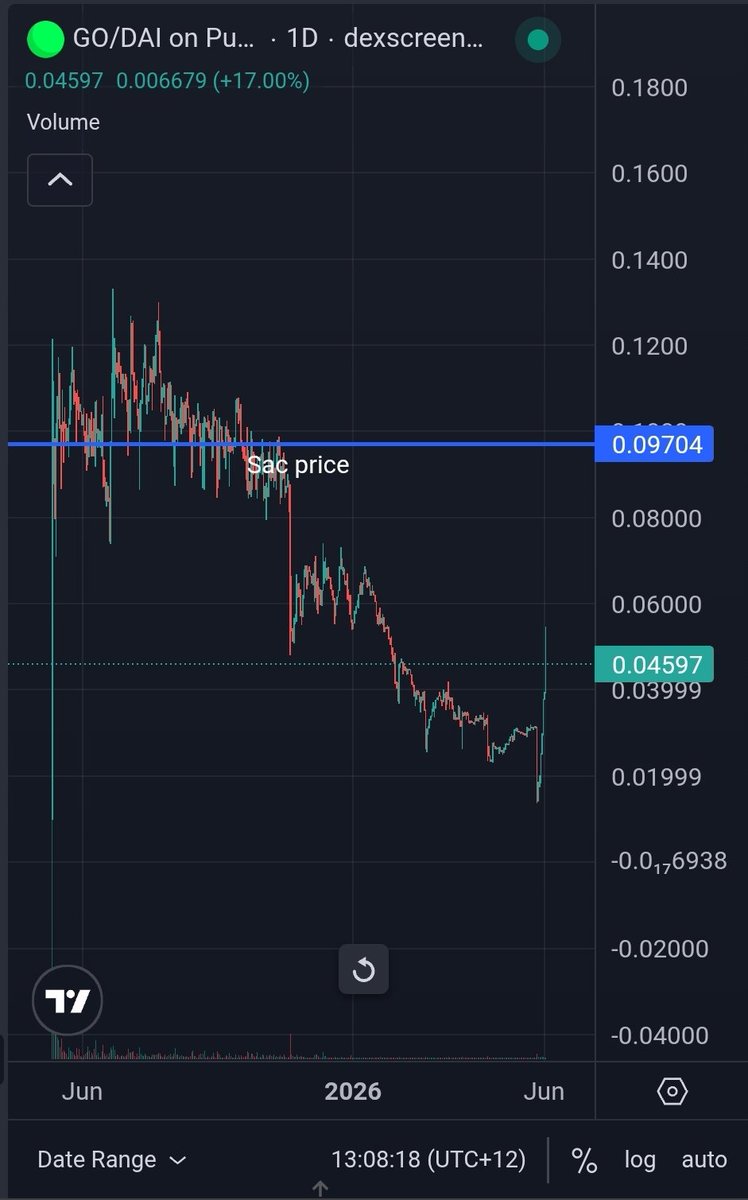
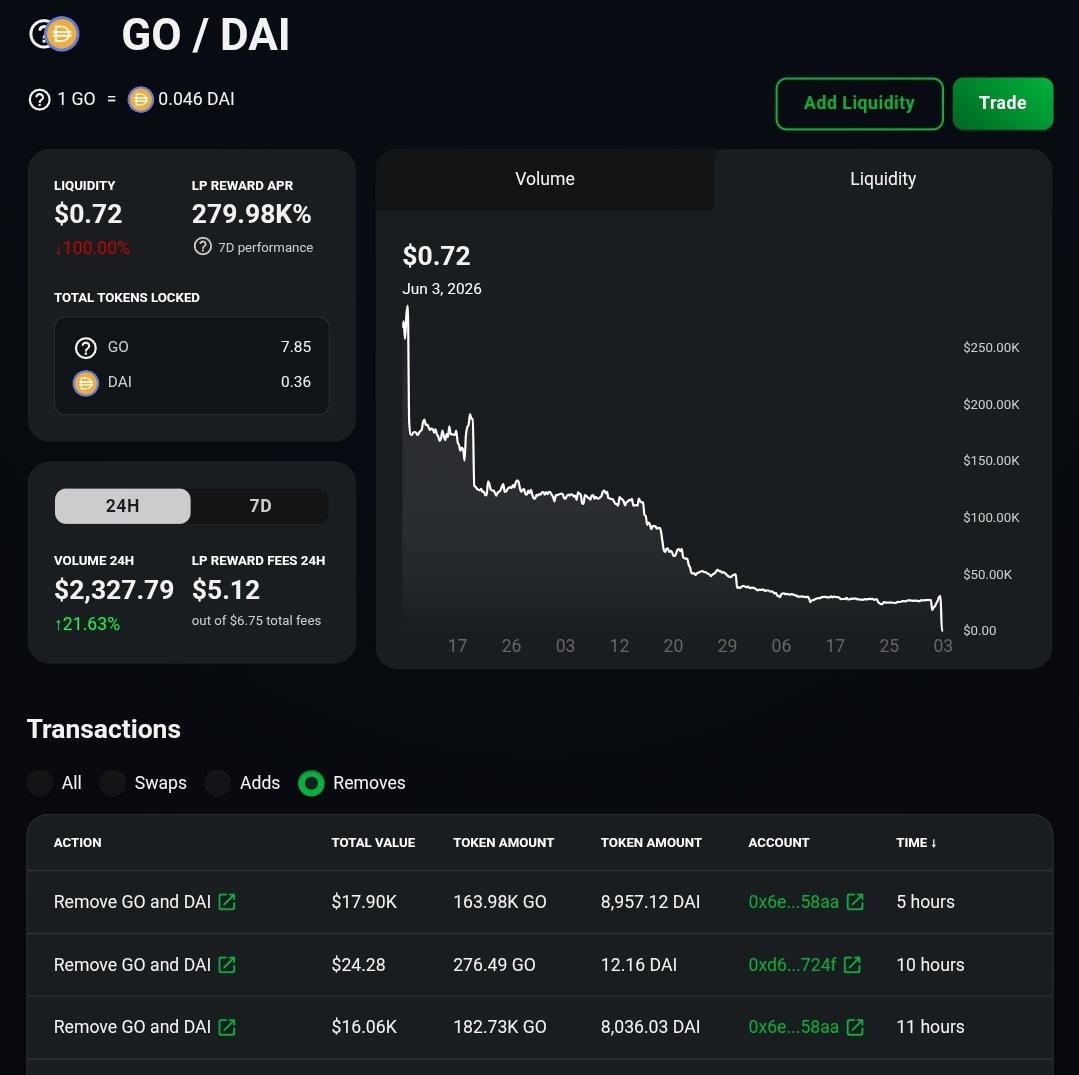
The $GO token that's down >50% vs sac price and >60% down from ATHs. That's not 'melting faces'.
The $GO token that's had it's entire primary liquidity pool slowly drained since launch, and finally completely removed today.
The $GO token that took in >$600k of sacrifice funds, before GoPulse basically disappeared off the face of the earth.
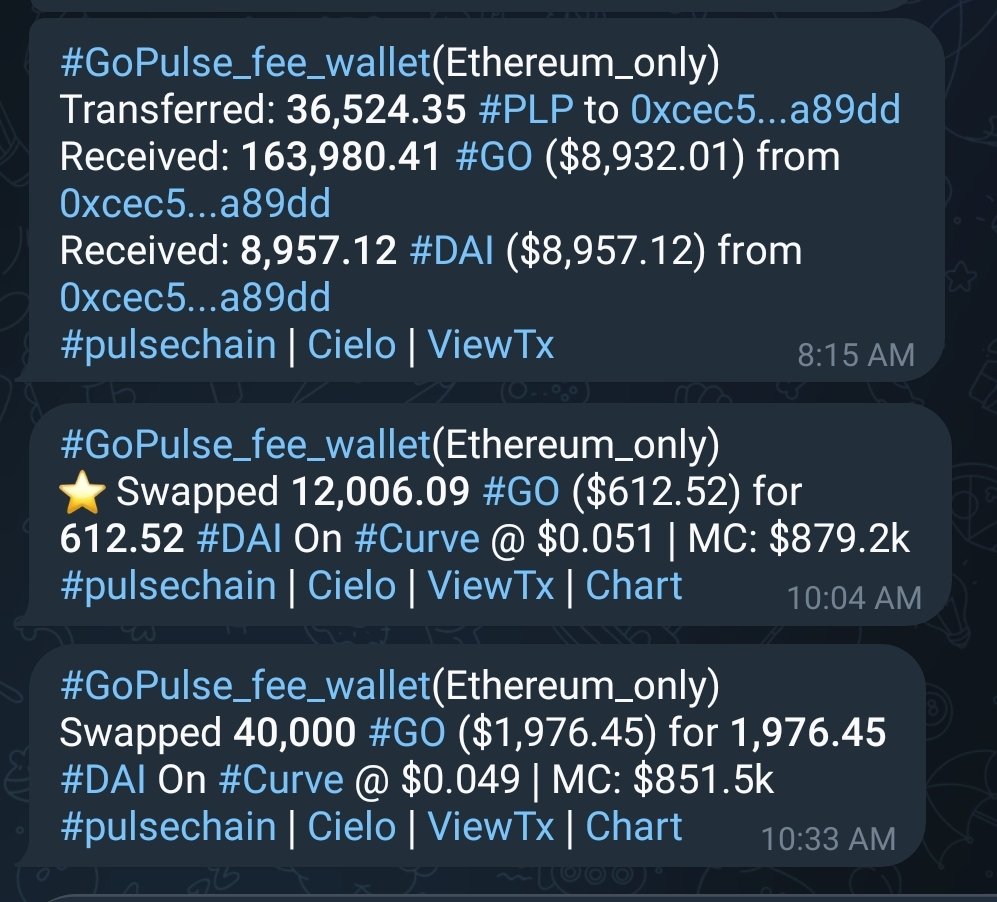
GoPulse was an absolute long-grift. An undisclosed 2.97% DEX swap fee which fed ecosystem tokens being dumped into stables and bridged out for years - to the tune of $50-100k a month for the majority of that time. The sac was the icing on the cake.
Irrespective of what LibertySwap does from here on out, the historic actions of GoPulse were pretty appalling for the health of the ecosystem. For a period of time, they at least delivered a decent stats/portfolio site, but they stopped development updates a loooooong time ago.
Get a grip.
31
22
255
9,488
Jun 2
Looks like @GoPulsecom have decided they've had about enough of supporting $GO now that the domain deal has been done.
5
4
82
5,201
Jun 2
A large $PRVX dumper exits the chat.
Jun 2

304k $eUSDC (304k USD) bridged to Ethereum apphex.win/@/#/tx/0xdf983ce4…
3
29
1,248
Cryptosolv retweeted

Don’t worry, we have everything you had but more and won’t rug the community for millions :)
Everyone who has been effected by the shutdown check us out at -> PulseChainStats.com
4
11
112
2,529
Jun 1
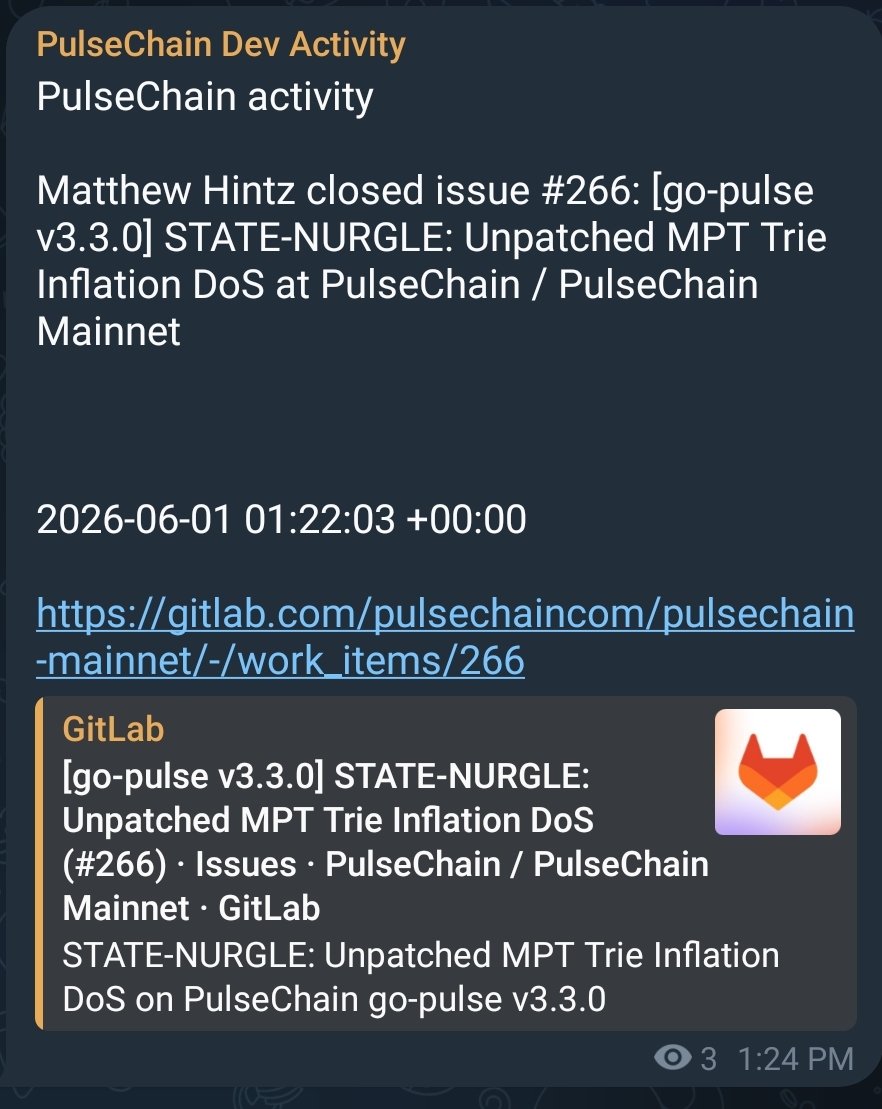
⚠️ Someone just posted a GitLab issue claiming PulseChain has a serious unpatched vulnerability that lets attackers permanently bloat the network. We dug into it. It doesn't hold up.
(original post/thread for context - x.com/i/status/2061184032222…)
✍️ tl;dr for below? AI slop 'bug bounty' attempt, Opus 4.8 has picked it a,part below.
1/ The report says go-pulse v3.3.0 is "missing three upstream patches" from Ethereum: EIP-8032, EIP-8038, EIP-7612.
Problem: all three are still drafts. They're proposals for a future Ethereum upgrade. Ethereum mainnet doesn't have them either. You can't be missing patches that don't exist yet.
2/ One of them (EIP-7612) isn't even a fix for the problem described — it's the long-term plan to eventually replace Ethereum's entire state structure with Verkle Trees. Citing it as a "missing patch" misrepresents what it is.
3/ The core claim is that an attacker can write junk data to the chain, and even after they delete it, it stays on every node's hard drive forever — slowly killing performance.
This was true of old Ethereum software. It was fixed in geth v1.13 (Sept 2023) with a new storage system called PathDB. Geth v1.14 made it the default.
4/ On 1 Oct 2025, @RichardHeartWin announced Go-Pulse v3.3.0 rebased from geth v1.13.13 to v1.16.3 — inheriting every state-management improvement Ethereum has shipped since.
5/ We had Claude repeatedly check the actual go-pulse source code to be certain. In core/rawdb/accessors_trie.go, the ParseStateScheme function explicitly defaults new nodes to PathDB:
"State schema set to default, scheme: path"
PulseChain didn't override the upstream default. The fix is active.
6/ The "proof of concept" code in the report actually has to manually force the old storage method (rawdb.HashScheme) to make the bug appear. A real v3.3.0 node doesn't use that method by default. The PoC is essentially demonstrating a bug in software no one runs.
7/ The underlying idea — that you can spam a blockchain with junk data to slow it down — is real and well known. It applies to every EVM chain, including Ethereum. PulseChain is no more vulnerable than mainnet.
8/ Bottom line: theoretical attack dressed up with scary-sounding invented terminology ("STATE-NURGLE") and citations to draft proposals as if they were missing fixes.
May 31

I am doing a security research audit of your blockcbain where do I submit any findings for bounty?
11
19
181
8,990
Jun 1
What an absolute joke.
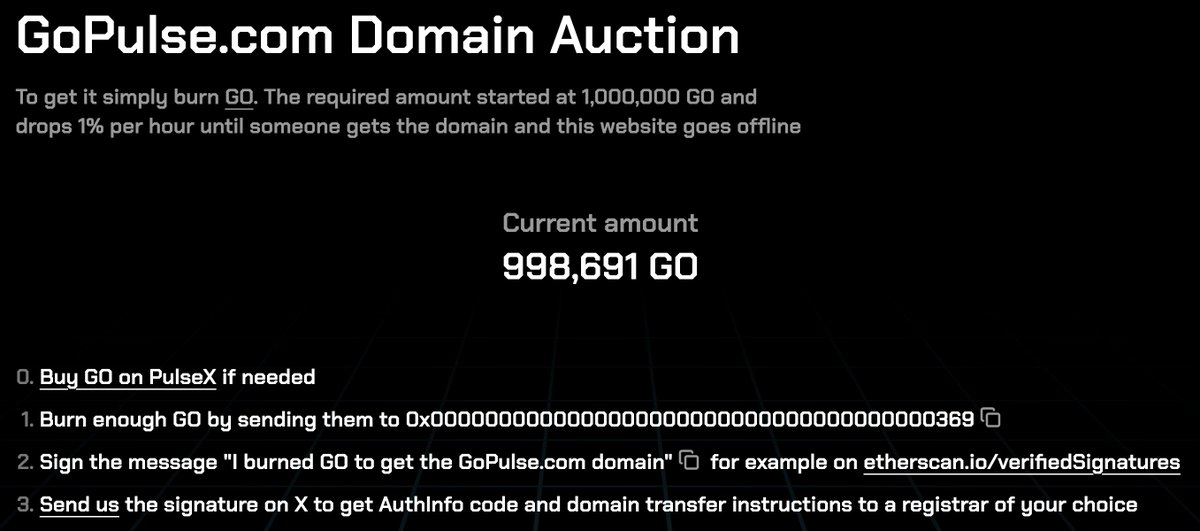
Dude wants someone to burn $38k of $GO (and buy it first if they aren't already left holding from sac) to acquire a domain name.
Last-ditch exit liquidity grab.

GoPulse.com has shut down
📈 The $GO price is at ATH (up from 3000 to 5300 $PLS in a little over a year) - congratulations to all holders!
🔥 12,947,709 / 17,233,000 (~75%) of all GO have been burned
The domain will get gifted to the whoever is willing to burn the most $GO
Best of luck to everyone on #PulseChain
1
25
2,024