
Jew. Legendary CISO. Author, 1% Leadership. Parent, Board Director, Investor, Leadership Coach. USAF veteran. 🎗️🤟🏼
Joined February 2009
- Tweets 84,305
- Following 860
- Followers 18,473
- Likes 10,224
6,308 Photos and videos




Pinned Tweet

5 Dec 2018
We often tell stories from the point of view of the hero. But heroes don't notice everything; examining a story from the point of view of the villain can be informative. Let's look at Harry Potter. 1/20

16
44
249
Jun 5
Nothing blows up more than a Jewish group chat trying to coordinate just before Shabbat.
Well, except maybe Hizb’allah pagers.
4
201
Jun 4
This applies not just to names that are from a different place. “Andy” is hard. Sometimes I’d be Sandy, or Randy (both understandable), or even Matty, or … it got crazy.
When asked for my name, now, I am Fantastic. The cashier gives a double take. The expediter laughs. My food is delivered with a smile.
At @GilletteStadium, I know that when I walk up to a food service station for the first game of the season, I’ll be greeted, “welcome back, Mr. Fantastic.” My wife will get greeted as Mrs Fantastic.
Names hold power.

In America, a stranger will rename you in a single breath, and you are simply expected to come when called.
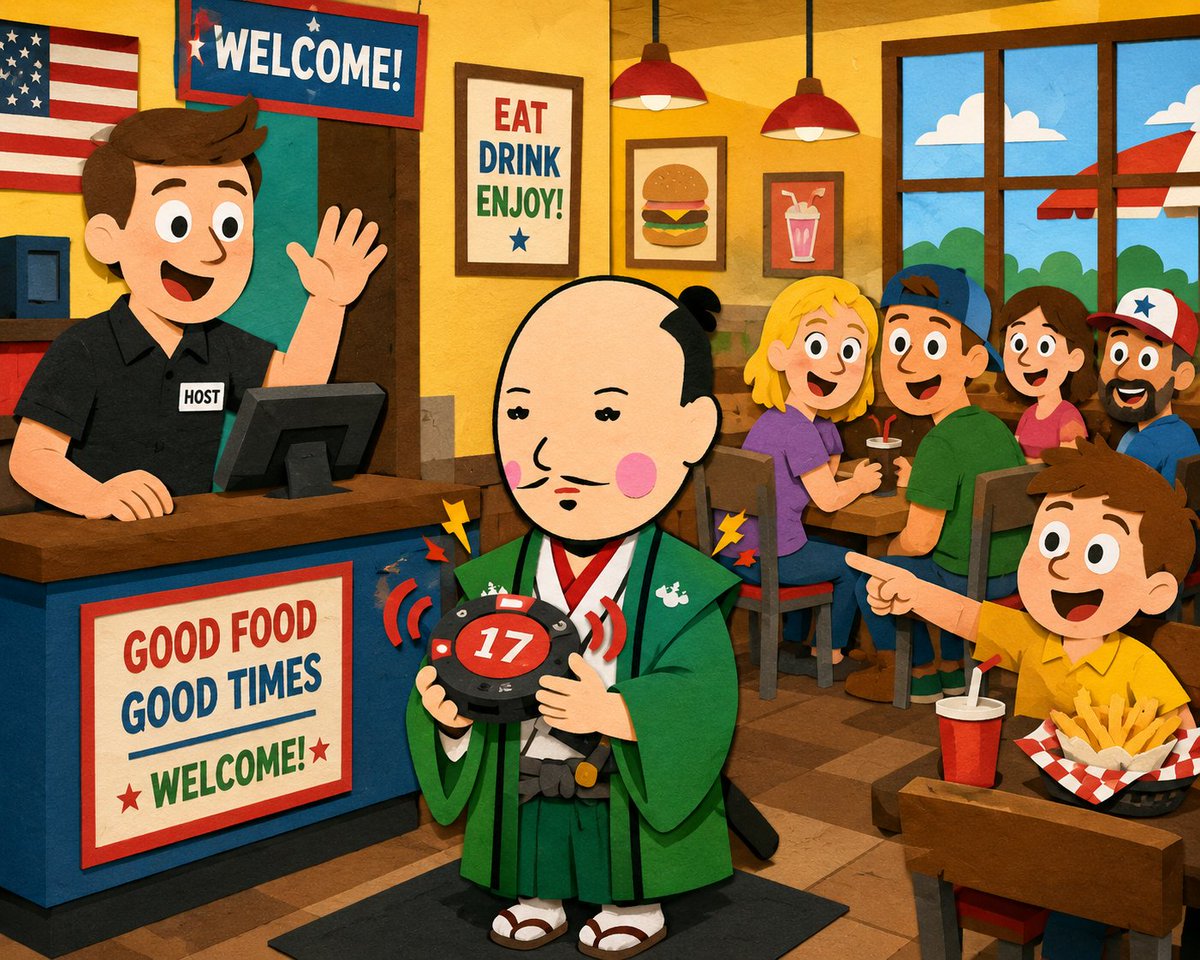
I went to eat at a busy restaurant. A young man at the front asked for my name, to mark my place in line. I gave it the weight it has carried for eight hundred years.
"Nobunaga."
He smiled, nodded, and wrote it down with great confidence. Then he read it back to me, to be sure he had honored it correctly.
"Perfect. Banana, party of one."
Banana. He had heard my name, held it a moment, and returned to me something rounder and more cheerful. To refuse the name a host gives is to refuse his welcome. I bowed. I was Banana now.
Then he handed me a small black disc, said it would "light up and buzz" when my table was ready, and turned to the next guest as though he had not just placed a living thing in my hands.
I held it in both palms, the way one holds a small sleeping beast that may wake. I found a place to stand. I waited, ready.
It woke.
It screamed. It flashed red. It leapt and shook in my hands like a captured spirit demanding release. A lesser man would have dropped it. I did not. I gripped it, steady, looked into its blinking lights, and told it, in a low voice, that its time had come. Then I carried it back to the host with both hands, the way one returns a hawk to its master.
He took it without looking and shouted across the entire room.
"BANANA! Party of one, your table's ready!"
A hundred strangers turned. I rose. I crossed that floor as Banana, spine straight, chin level, a man answering to his name. A child pointed at me. I gave the child a small bow. He had recognized me.
All through the meal they kept me. "How's it tasting, Banana?" "More water, Banana?" The check, when it came, said Banana, and thanked me for visiting. By the end the whole staff knew me. They waved as I left. "Night, Banana!"
So tell me honestly.
For eight hundred years my clan answered to one name. Tonight I answered to a fruit, calmed a screaming relic in my bare hands, and ate among people who were glad I came.
When the little disc lights up, is the table truly mine, or am I only keeping it warm for the next Banana?
Because I have already decided to return on Friday, and to ask, very humbly, for the same disc.
3
252
Jun 4
Congrats, @SteveBurtonWBZ! Remember: do not accept any alligators they try to hand you.
Jun 4

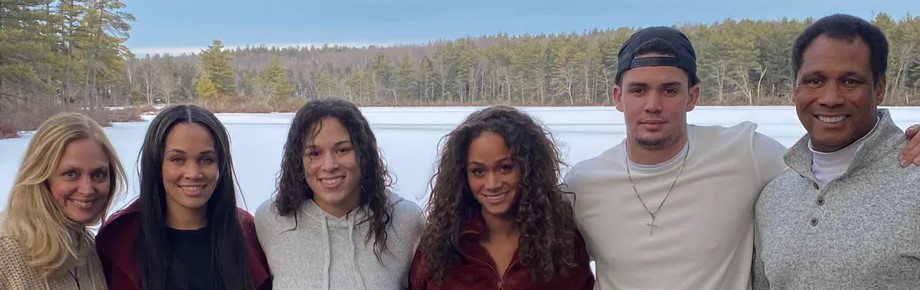
Congrats to @SteveBurtonWBZ for being inducted into the @MABroadcasters Hall of Fame today @JoeGiza @Kay_Breezy22 @BurtTalksSports @MikeReiss @pfwpaul @Patriots
1
151
May 30
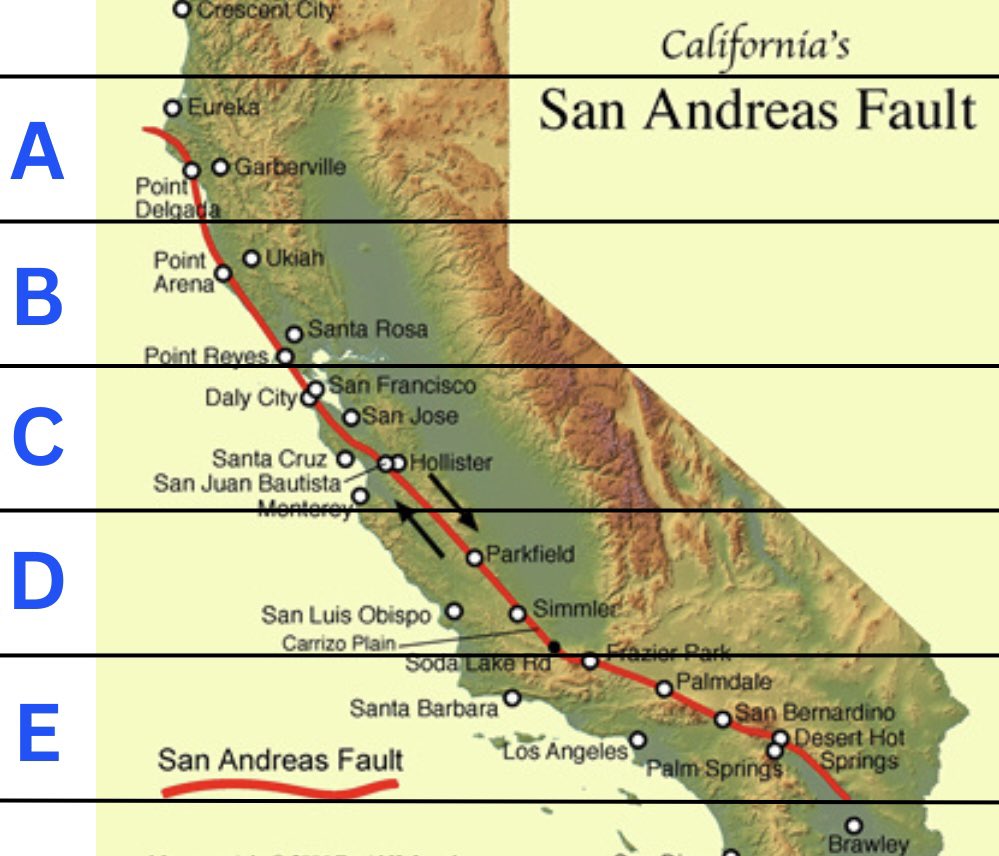
All expense? B. Definitely B. Healdsburg is *right* there. There will be nothing left in @jordanwinery’s cellar when I’m done.

You just won a 2-week, all-expenses-paid vacation to somewhere within my glorious crack. But there’s a catch: you have to stay within one region the whole time. What are you picking?
1
2
407
May 30
“Dad, why are weather people called meteorologists?”
“Every once in a while, son…”
May 30

Meteor explodes off Massachusetts coast, causing loud boom, meteorologist confirms cbsnews.com/boston/news/mass…
2
389
May 30
That’s a longer run than the Grey Cup belonging to Canada.
May 30

For the 33rd consecutive year, the Stanley Cup belongs to the United States of America! 🇺🇸🦅
196
May 26
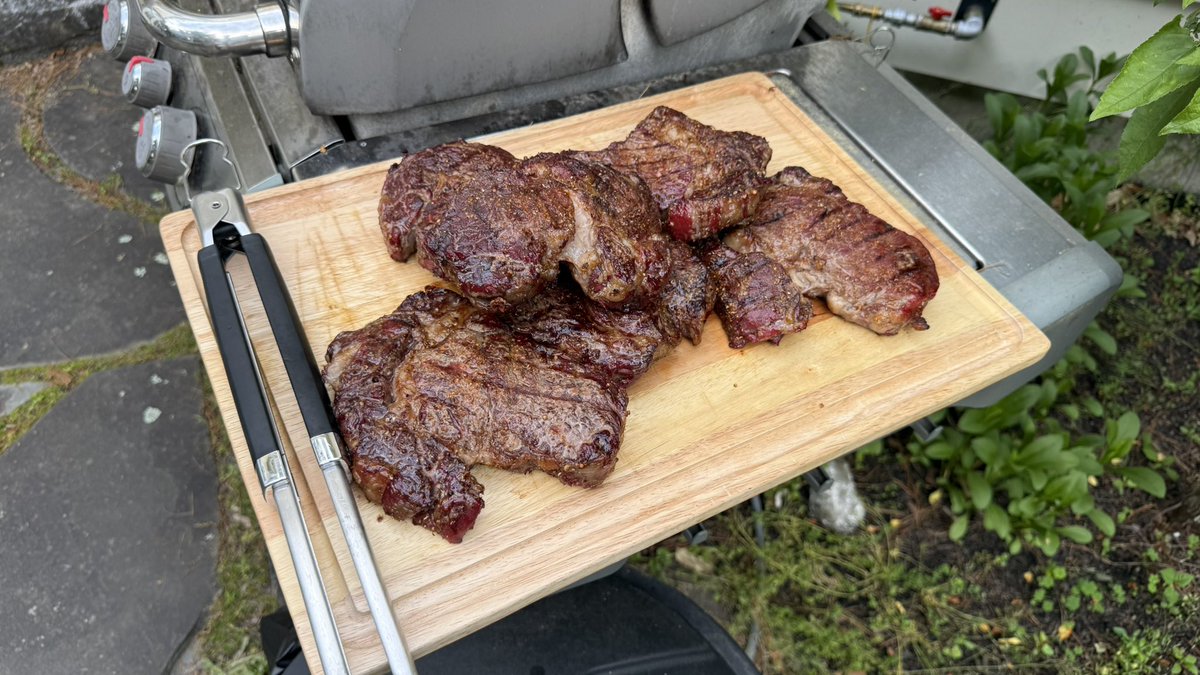
One should always share the finished steaks! This would be about 9 adult dinners, but the leftovers (after the 3 of us ate our fill) get cut into strips and will be the protein for probably closer to a dozen meals.
May 26

You all fell for it.
So there was this whole engagement-bait driven argument last week (driven by one of the Internet’s worst humans, citing questionable data), about how younger generations (who also happen to be less well-off financially) use expensive meal delivery services more often.
No, I’m not tagging the originator, or citing any of the awful (or even funny) posts on either side of the divide, because *that was the whole point*: to create engagement focused on divisiveness.
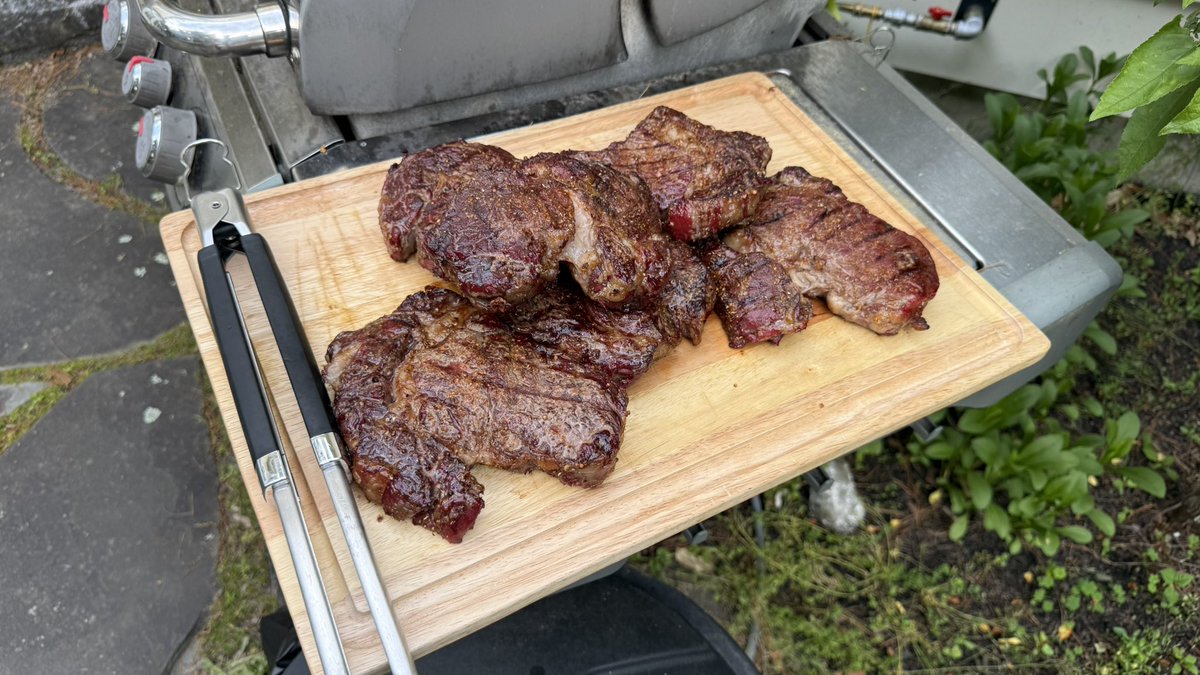
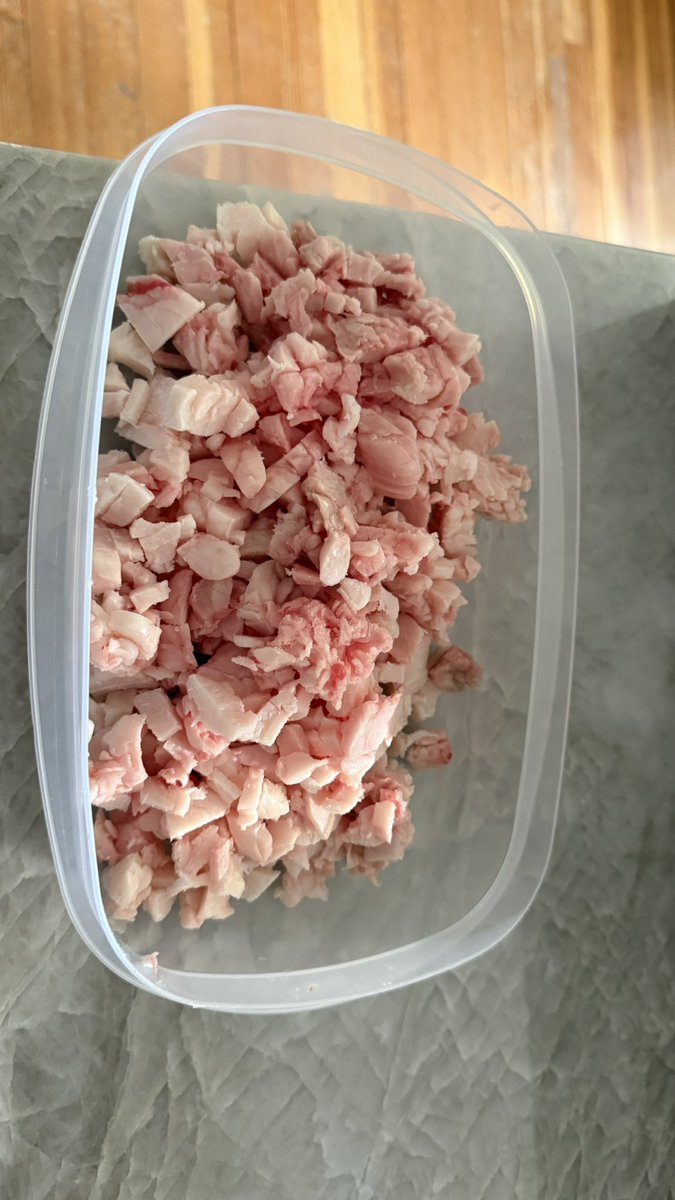
Today, I took a ribeye roast, and rendered into steaks, ribs (not pictured), and fat for tallow. This is a step in the meal prepper dream: buy food in bulk, driving down the price, and using all the parts.
This isn’t even, really, the argument about cooking your own food; because this is the step beyond. I’ll save the rib bones and make beef stock, which will later be the base for beef stew. I’ve got bags of chicken bones and veggie skins already in the freezer for the next wave of chicken stock.
Here’s where Sam Vimes Economics kicks in: it takes money to save money. I can do this because we have four freezer (three fridge-combos, one deep freeze). I always have the space to buy a large piece of meat, or buy the Costco size bag of something.
My kid, who just moved into his first apartment, would be happy to do deep food prep, even more than me. But it’s a tiny apartment, with a kitchen slightly larger than a shoebox, with four bedrooms. When he was last visiting, he wouldn’t take back as much food as we wanted to send, *because he couldn’t store it*.
While I’m not going to defend using meal delivery services for all of someone’s meals, let’s recognize that the depth of someone’s larder *is* inversely correlated with wealth.
If someone gets sick in our house, we’ve got a week’s worth of chicken soup in the freezer ready to go. Younger urban folks? They may have to DoorDash a bowl of soup.
Let’s just be charitable.
2
287
May 26
You all fell for it.
So there was this whole engagement-bait driven argument last week (driven by one of the Internet’s worst humans, citing questionable data), about how younger generations (who also happen to be less well-off financially) use expensive meal delivery services more often.
No, I’m not tagging the originator, or citing any of the awful (or even funny) posts on either side of the divide, because *that was the whole point*: to create engagement focused on divisiveness.
Today, I took a ribeye roast, and rendered into steaks, ribs (not pictured), and fat for tallow. This is a step in the meal prepper dream: buy food in bulk, driving down the price, and using all the parts.
This isn’t even, really, the argument about cooking your own food; because this is the step beyond. I’ll save the rib bones and make beef stock, which will later be the base for beef stew. I’ve got bags of chicken bones and veggie skins already in the freezer for the next wave of chicken stock.
Here’s where Sam Vimes Economics kicks in: it takes money to save money. I can do this because we have four freezer (three fridge-combos, one deep freeze). I always have the space to buy a large piece of meat, or buy the Costco size bag of something.
My kid, who just moved into his first apartment, would be happy to do deep food prep, even more than me. But it’s a tiny apartment, with a kitchen slightly larger than a shoebox, with four bedrooms. When he was last visiting, he wouldn’t take back as much food as we wanted to send, *because he couldn’t store it*.
While I’m not going to defend using meal delivery services for all of someone’s meals, let’s recognize that the depth of someone’s larder *is* inversely correlated with wealth.
If someone gets sick in our house, we’ve got a week’s worth of chicken soup in the freezer ready to go. Younger urban folks? They may have to DoorDash a bowl of soup.
Let’s just be charitable.
1
4
495
May 22
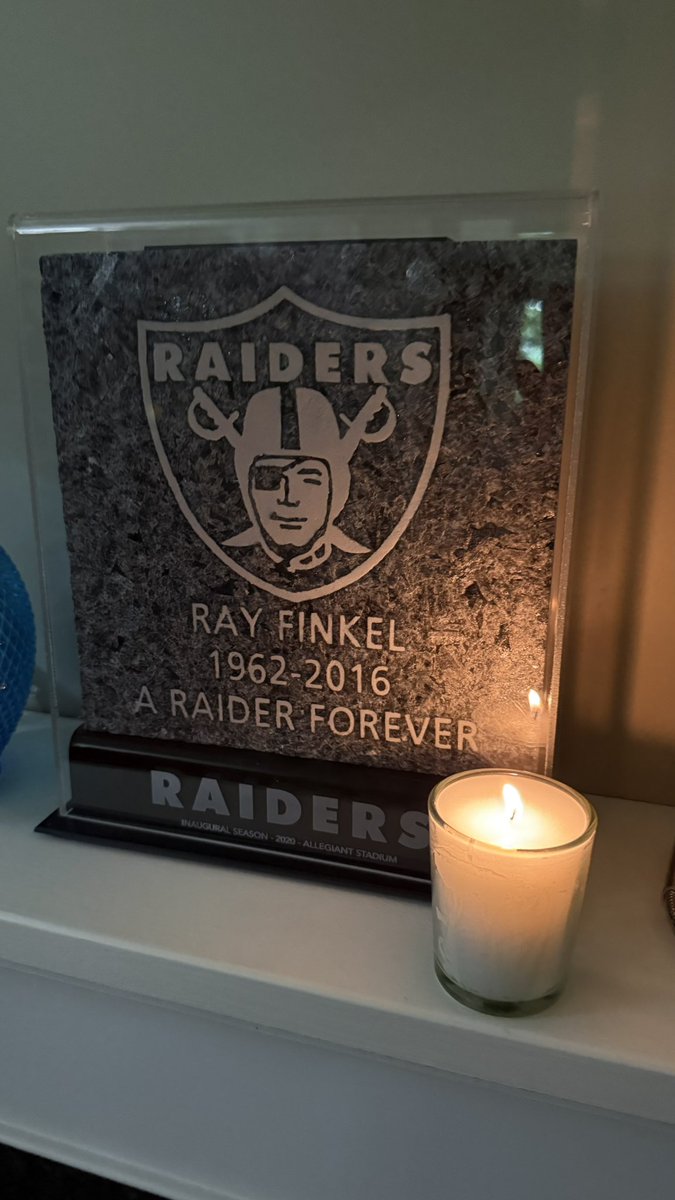
Ten years ago, Ray passed. This is his first yahrzeit where I’m older than he was.
If you visit Allegiant Stadium, you’ll find the other copy of this stone about five rows out from the doors of the shop.
2
280
May 22
Introduce yourself with 10 bands you’ve seen live?
1. Jackson 5
2. Pat Benatar
3. Indigo Girls
4. Matisyahu
5. Train
6. Snoop Dogg
7. Blackpink
8. Taylor Swift
9. The Chorallaries
10. The Boston Pops
May 21

Introduce yourself with 10 bands you’ve seen live:
1. Nine Inch Nails
2. R.E.M.
3. TwentyOne Pilots
4. Sting
5. Counting Crows
6. Live
7. Billy Joel
8. Everclear
9. B-52s
10. Violent Femmes
2
515
May 20
Attending a house of worship security summit (including several LE speakers), and there is a repeated message that "asking about clergy arrival time" is a warning indicator.
Clearly these folks have never been to Shabbat morning services. 😂
1
173
May 20
I used to do this (to myself) for fun. When I'd get sent the summarized survey results for my team, I'd create a demographic spreadsheet of my team, and do differential analysis of the subgroups to extract my own inputs. (Yes, I could have done this for a lot of folks in my team, but I didn't actually want to break their anonymity, just demonstrate it was possible.)
The response was always some form of shock that I would even think of doing something like this. Like, folks, I was the head of security, what did you expect?

468
May 20
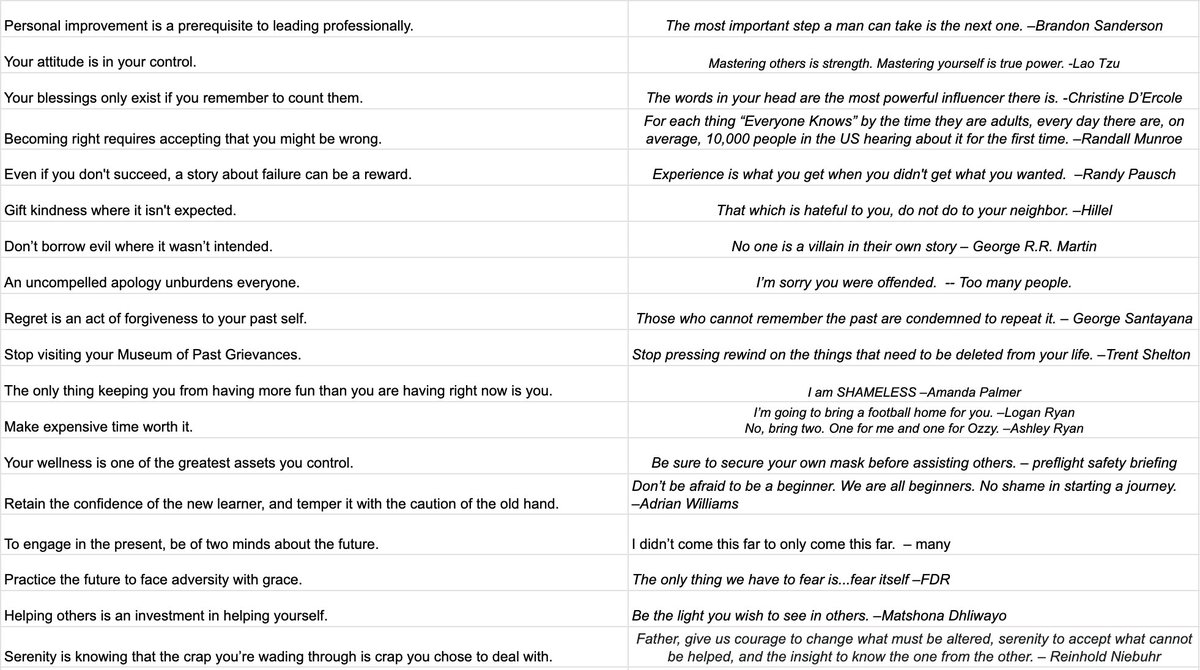
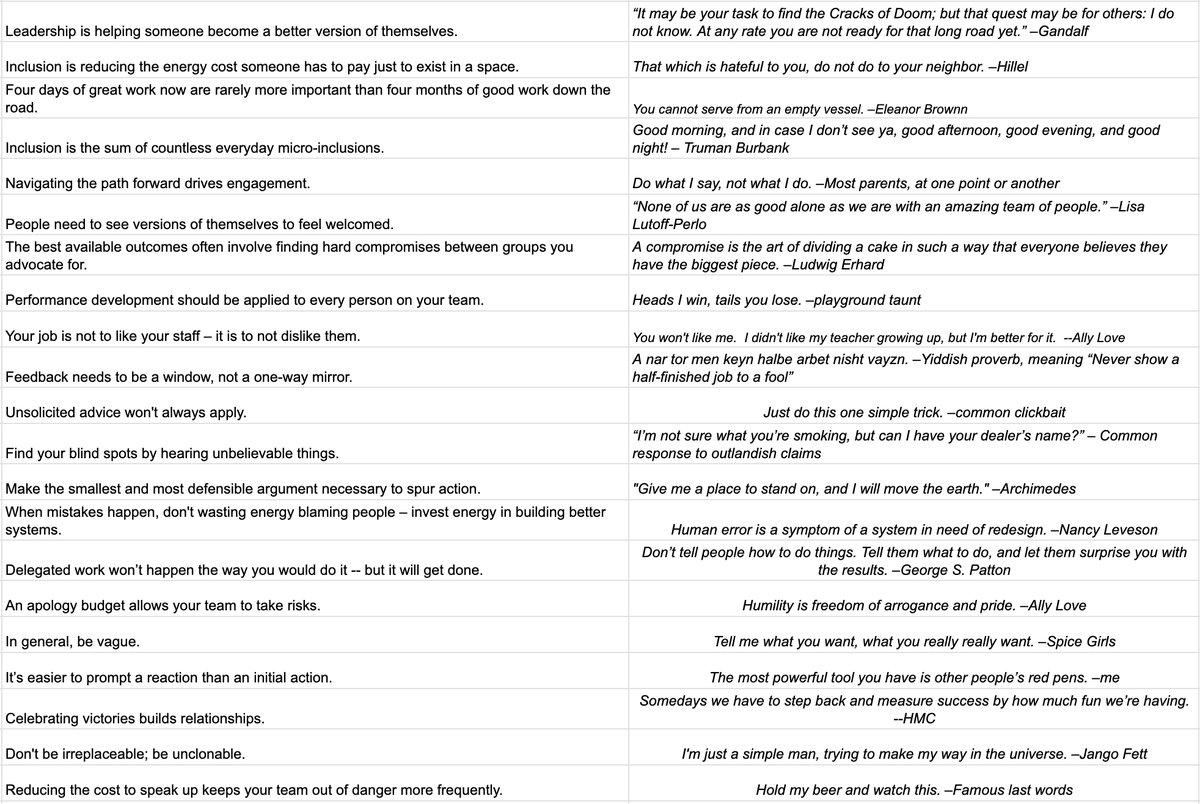
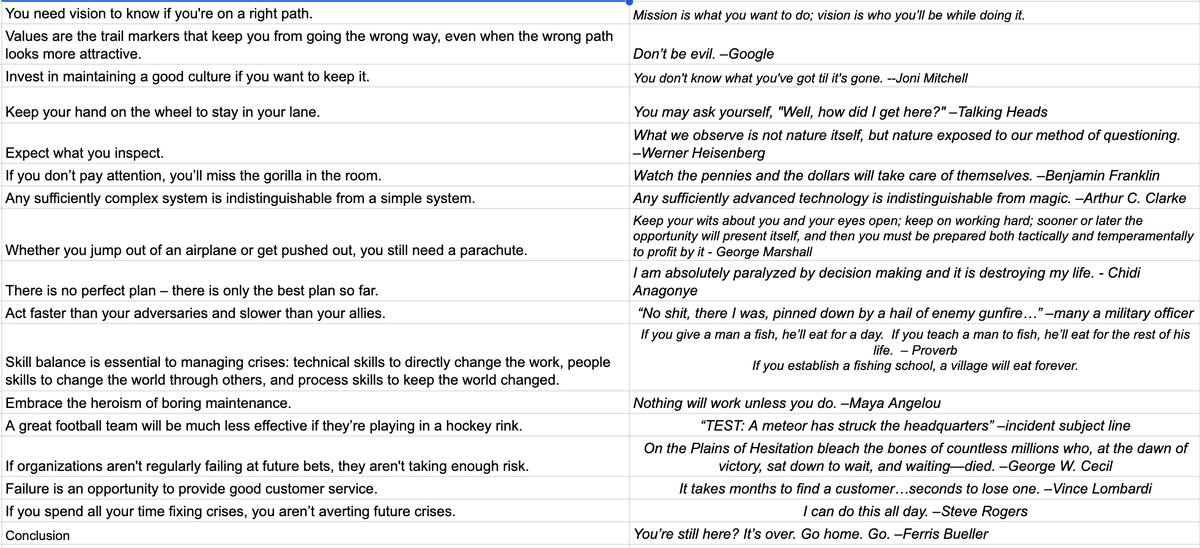
When I was writing 1% Leadership, my original plan for each chapter was that it’d have a 1 or 2 word title, and then have a quotation of a piece of common wisdom from someone else. I think I still have the spreadsheet of those: from other leadership works, random novels, fitness instructors, you name it.
My publisher insisted (correctly) that I’d have to correctly cite each one, providing references to make sure we got it right. And this isn’t even science, it’s pop wisdom.
So instead, each chapter just has a novel, tweet-length title. Some of them are familiar, uncited aphorisms (“Expect what you inspect”), but most are original framings (“If you don’t pay attention, you’ll miss the gorilla in the room,” a nod to @cfchabris’ work).
If you purport to be a scientist, and you can’t even read your own citations, then you’re actually just an alchemist.
May 17

Have you read all the sources you ever cited? During my PhD we, along with dozens of other papers, cited a paper that I later found did not contain the result for which it was commonly cited. I should be banned I guess.
1
20
2,273
May 20
Ah, I found those quotations for 1% Leadership! Left column is the actual chapter title, right column was the quotations I was going to use.
5
146
May 19
There are three different views of FDR:
1: the one you’re taught in school: he’s amazing! Saved the free world! From a wheelchair! The New Deal is awesome! Best President EVER! <—Noah is here.
2: the one you get as you become more informed: did some awful things, but still did some great things, so we should treat him as a mixed bag. <— Dilan is here. As are most people who care about the opinion of people like Noah.
3: the one you get when you really start exploring the structural problems in the US: FDR is one of the worst presidents in the history of the US. WWII is his redeeming feature, barely, but only because his cast of contemporaries is truly awful (Hitler, Stalin, and Mussolini make a great foil).
Look at the biggest structural problems in the US:
Social Security, which teaches Americans not to save for retirement, but isn’t even as good or honest as a Ponzi scheme.
Commerce Clause jurisprudence, all based on Wickard v Filburn and the Agricultural Adjustment Act.
The imperial Presidency and congressional delegation to the Supreme Court of hard questions can both find their roots in FDR. Court-packing as a credible threat? That’s FDR.
Don’t like the structure of US intelligence agencies, or the way they operate? Yeah, that’s FDR.
Like, other than “was President during WWII,” there is pretty much nothing to like about his Presidency. At all.
It’s arguable that he’s better than Wilson or Carter, but those are far stretches. The presidents we don’t really remember out of the 20th century were definitely better, just for not creating so much harm.
May 19
Just to confirm, you put FDR as high as 9th (of only 17 in the 20th century!) because of … rereads … Social Security, the “billed as a Ponzi scheme, but really just a tax, that created a third rail ticking time bomb in American politics that continues to threaten our economy”?
I mean, I might put him as high as 15th.
5
281