
Mummy of 3. In love with my country ... every aspect of it.
Joined July 2012
- Tweets 1,477
- Following 592
- Followers 86
- Likes 19,067
Photos and videos
Claire Brady retweeted

Jun 14
BREAKING:
Apocalyptic scenes in Lebanon’s capital right now.
Israel is bombing residential buildings in densely populated neighborhoods of Beirut.
A ceasefire that still allows bombs to fall on civilians is not a ceasefire.
853
19,986
32,583
592,546

Jun 14

152
Claire Brady retweeted

1
1
294
Claire Brady retweeted

May 14
Cork City Council to consider tiny statue honouring mosquito linked to Oliver Cromwell’s death irishexaminer.com/news/munst…
136
668
4,673
906,066
Claire Brady retweeted
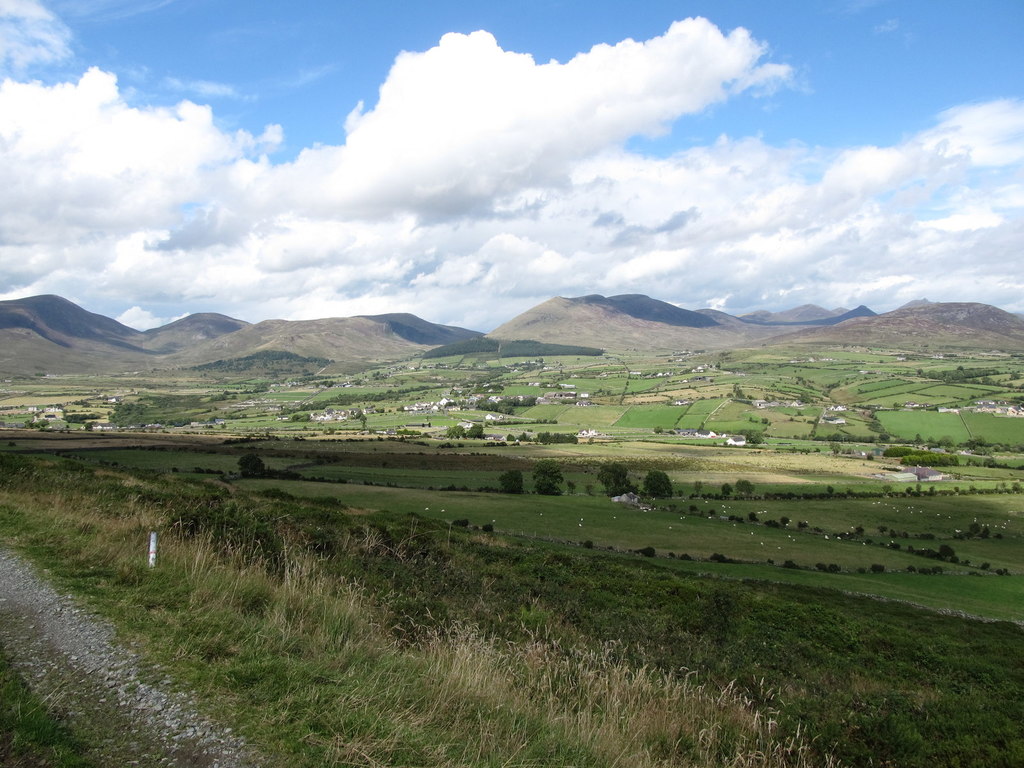
7 May: St Mo Chuaróc & St Breccán of Echdruim Breccáin/Daire Echdroma/#Aughrim, Kilkeel, Co #Down. Woodland Trust planting >110,000 trees here. A 12th C story changed location to an enchanted wood in Mayo; only sound of psalms/bell could be heard (Dr Elva Johnston)! 📷©Eric Jones
1
12
243
Claire Brady retweeted

Met Gala 2026
1,012
12,042
34,378
697,481
Claire Brady retweeted

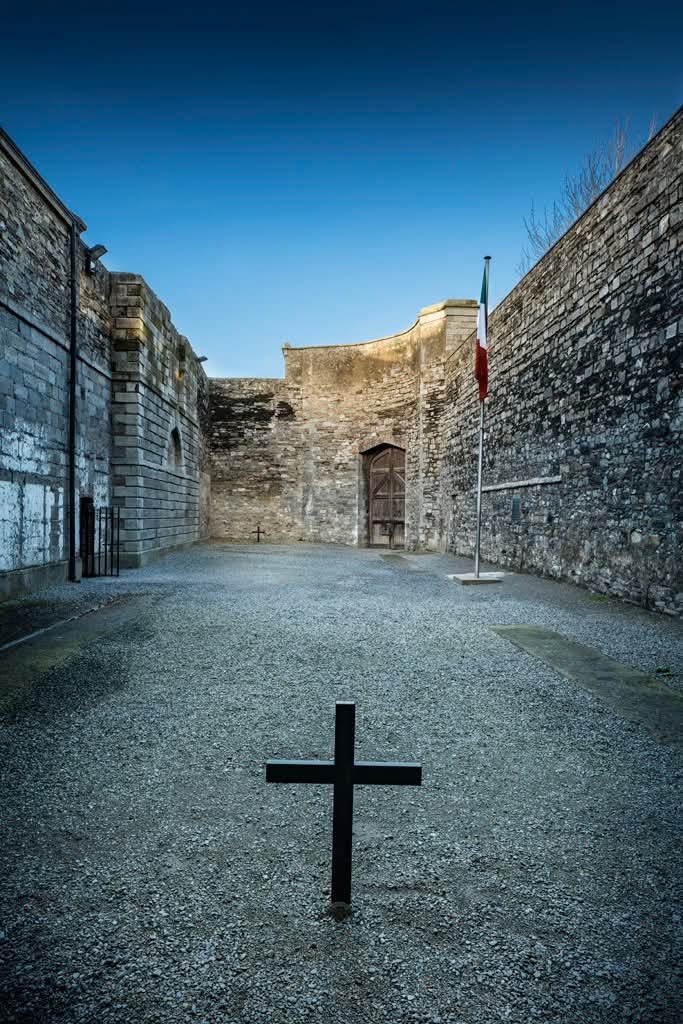
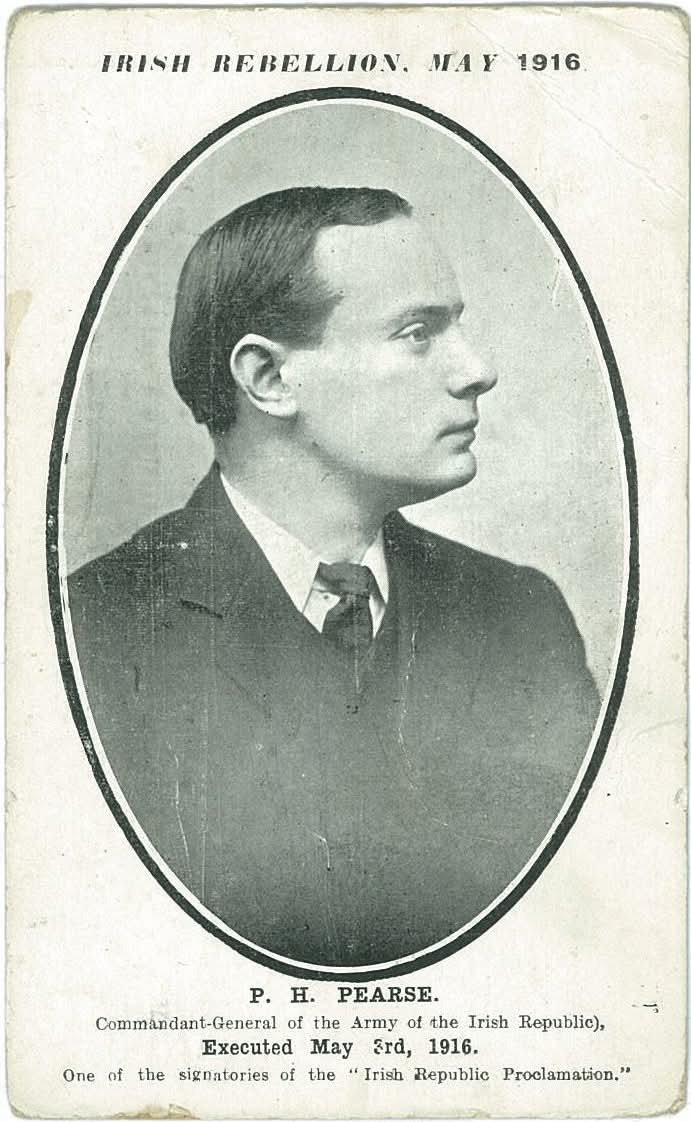
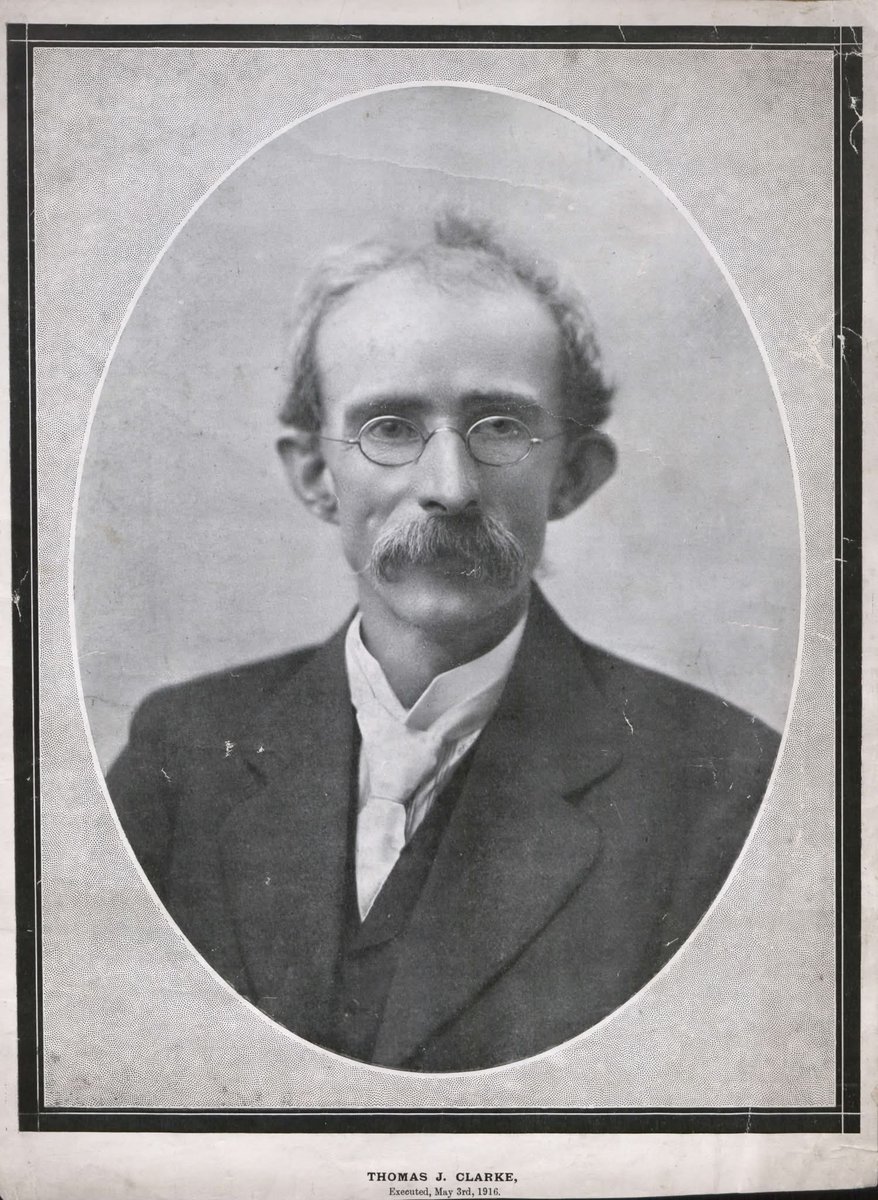
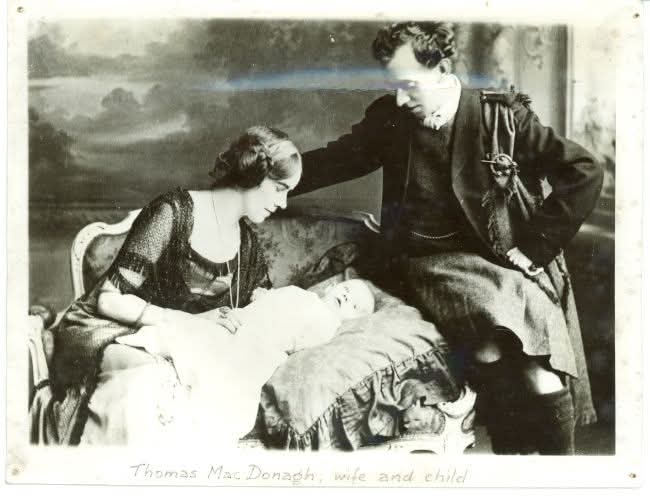
P. H. Pearse, Thomas Clarke and Thomas Mac Donagh were executed by firing squad on Kilmainham Gaol #OTD, 3 may 1916
1
36
146
2,950
Claire Brady retweeted
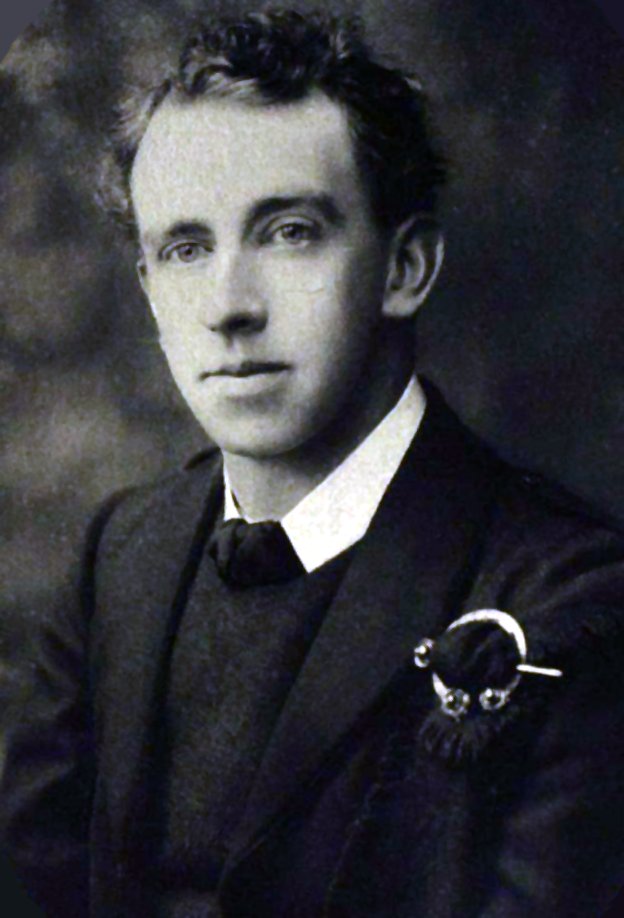
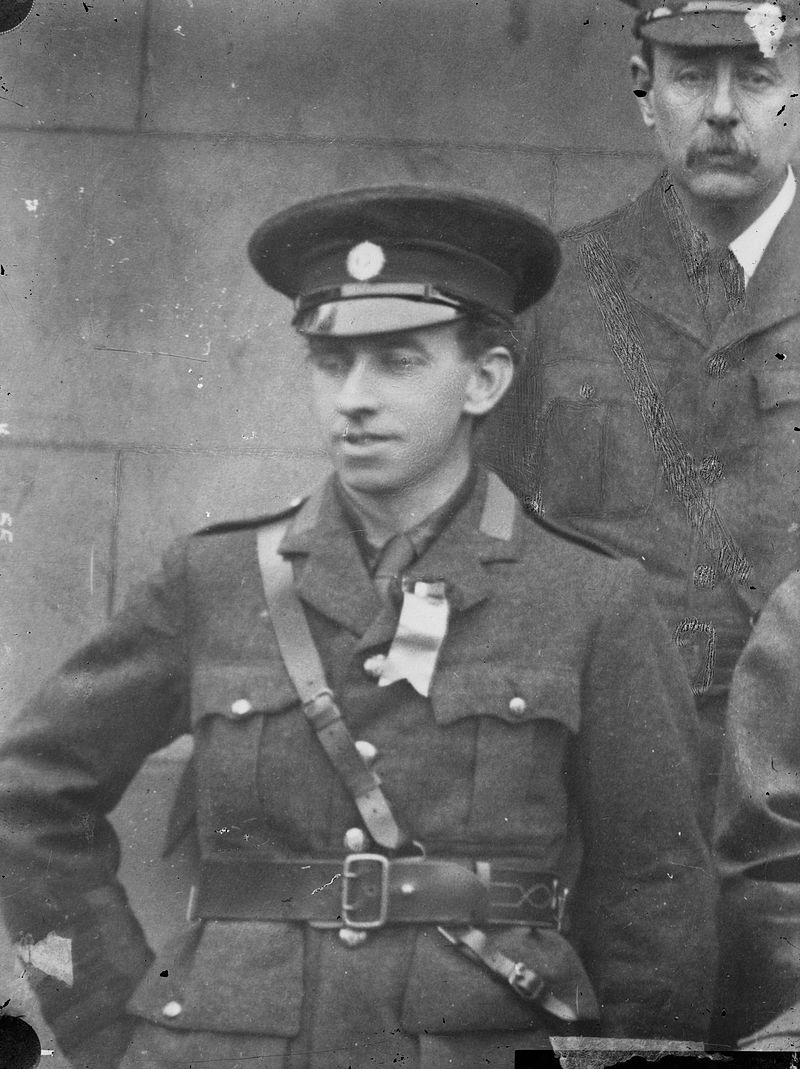
Thomas MacDonagh (1 Feb 1878 #Cloughjordan #Tipperary– 3 May 1916 executed @KilmainhamOPW 38).👨🎓@rockwellcollege. Teacher like parents @KieransCollege @colmanscollege @pearsemuseumopw @NUIMerrionSq. Wrote poetry. Leader in Rising, signatory of Proclamation dib.ie/biography/macdonagh-t…
1
5
9
526
Claire Brady retweeted

10 Nov 2025
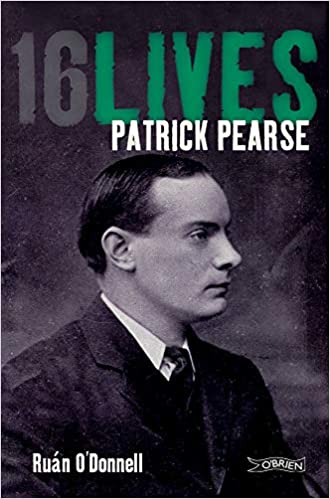
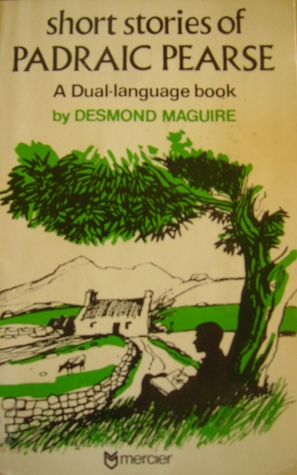
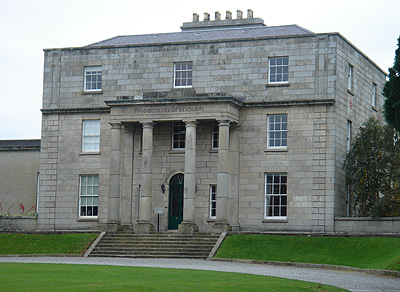
Patrick Pearse (10 Nov 1879 #Dublin-3 May 1916). Teacher, barrister, poet, writer! Set up 2 largely Irish-speaking schools: St Enda's/St Ita's! Active @CnaG. Irish Volunteer. Commander-in-Chief Rising! President of Republic! Executed but changed history! dib.ie/biography/pearse-patr…
3
5
33
1,744
Claire Brady retweeted
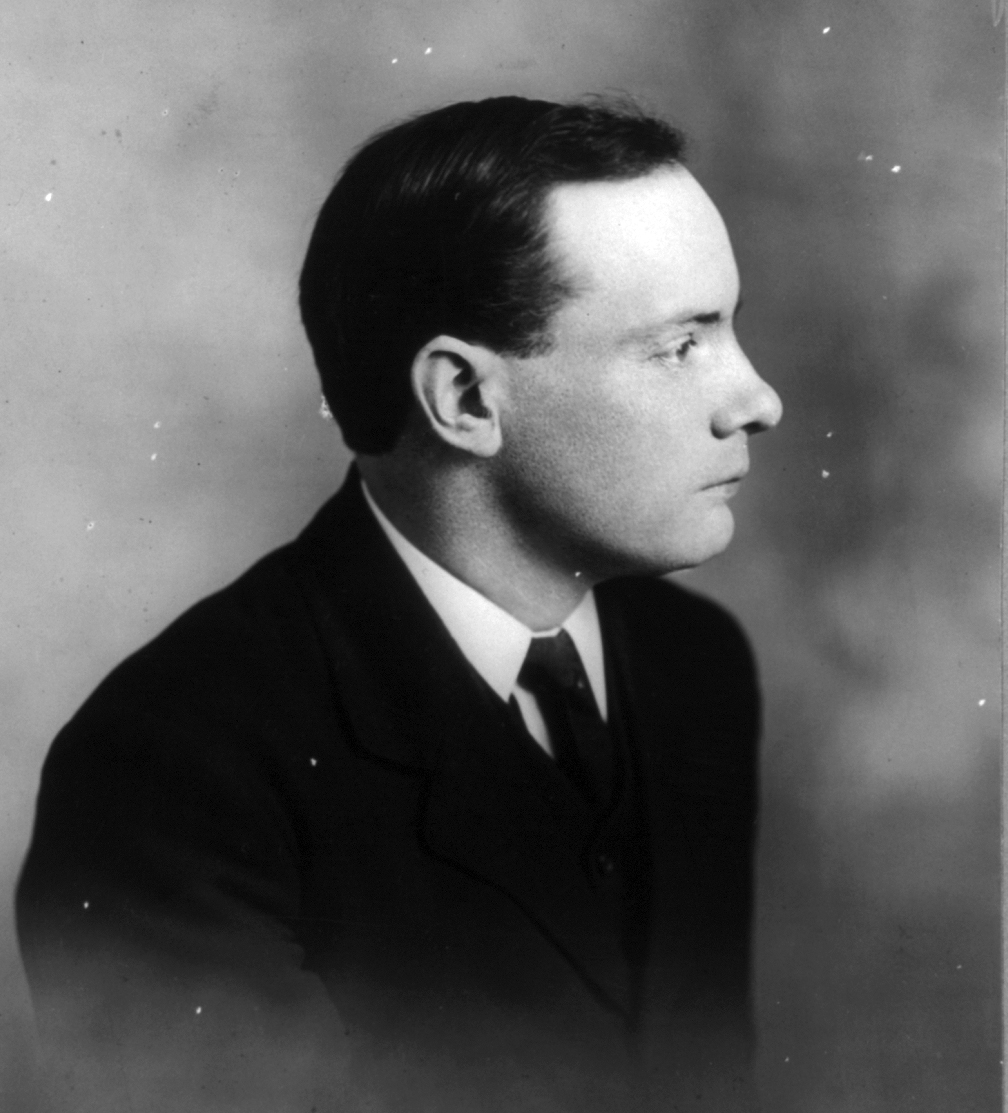
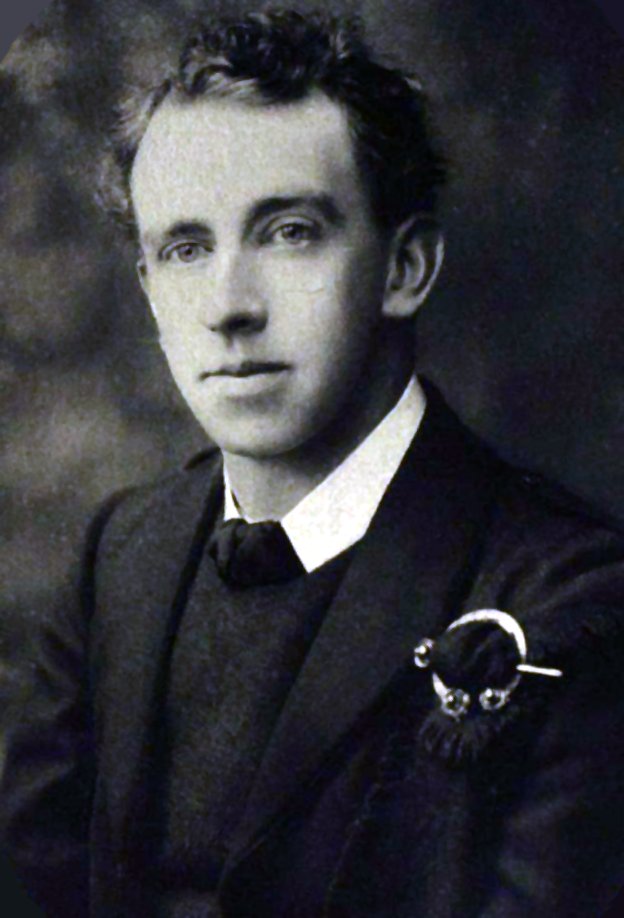
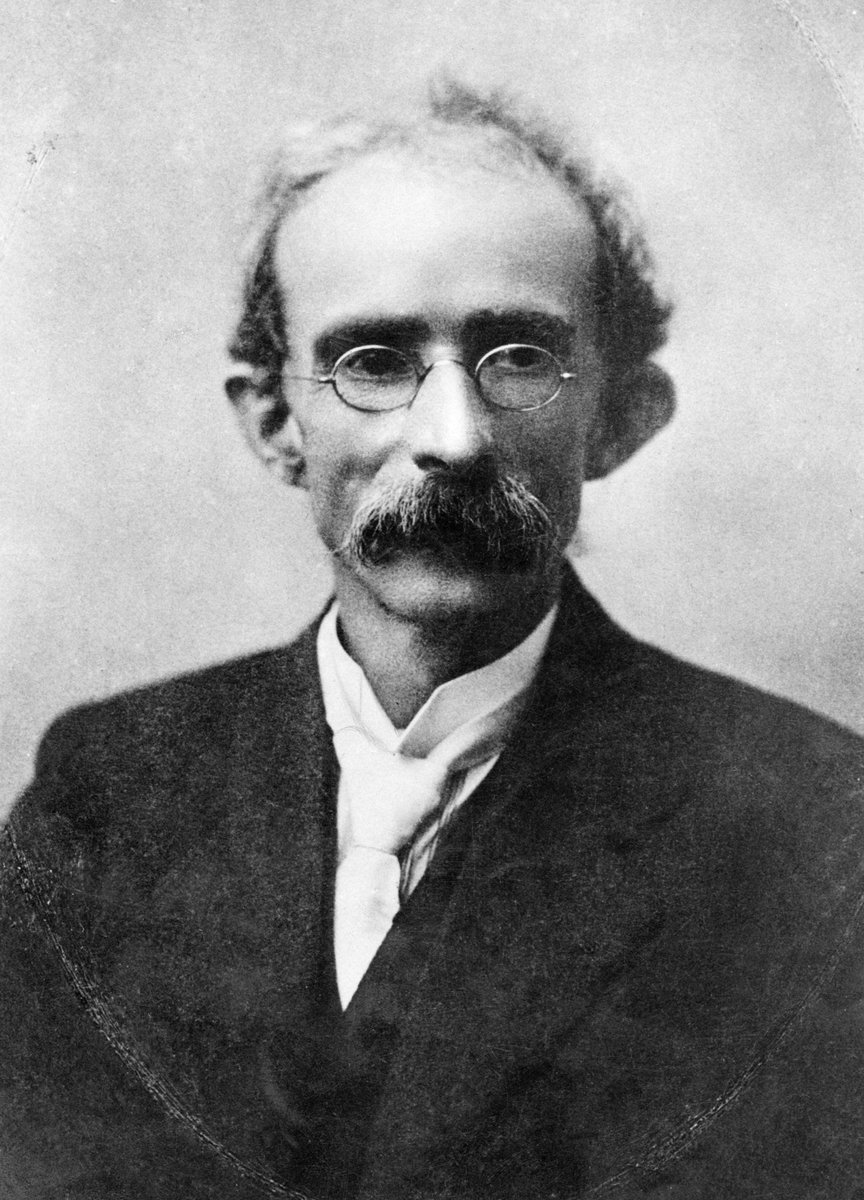
#Otd 1916: Patrick Pearse, Thomas MacDonagh & Tom Clarke were executed by firing squad in the morning, at @KilmainhamOPW.
Patrick Pearse was 36, Thomas MacDonagh was 38 & Tom Clarke was 58 at the time of their deaths. #EasterRising #IrishHistory
8
33
628
Claire Brady retweeted
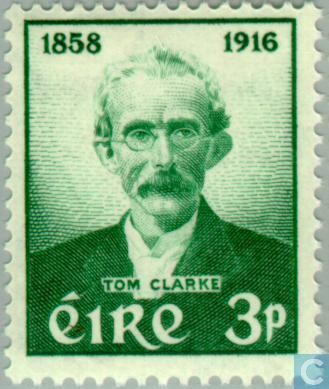
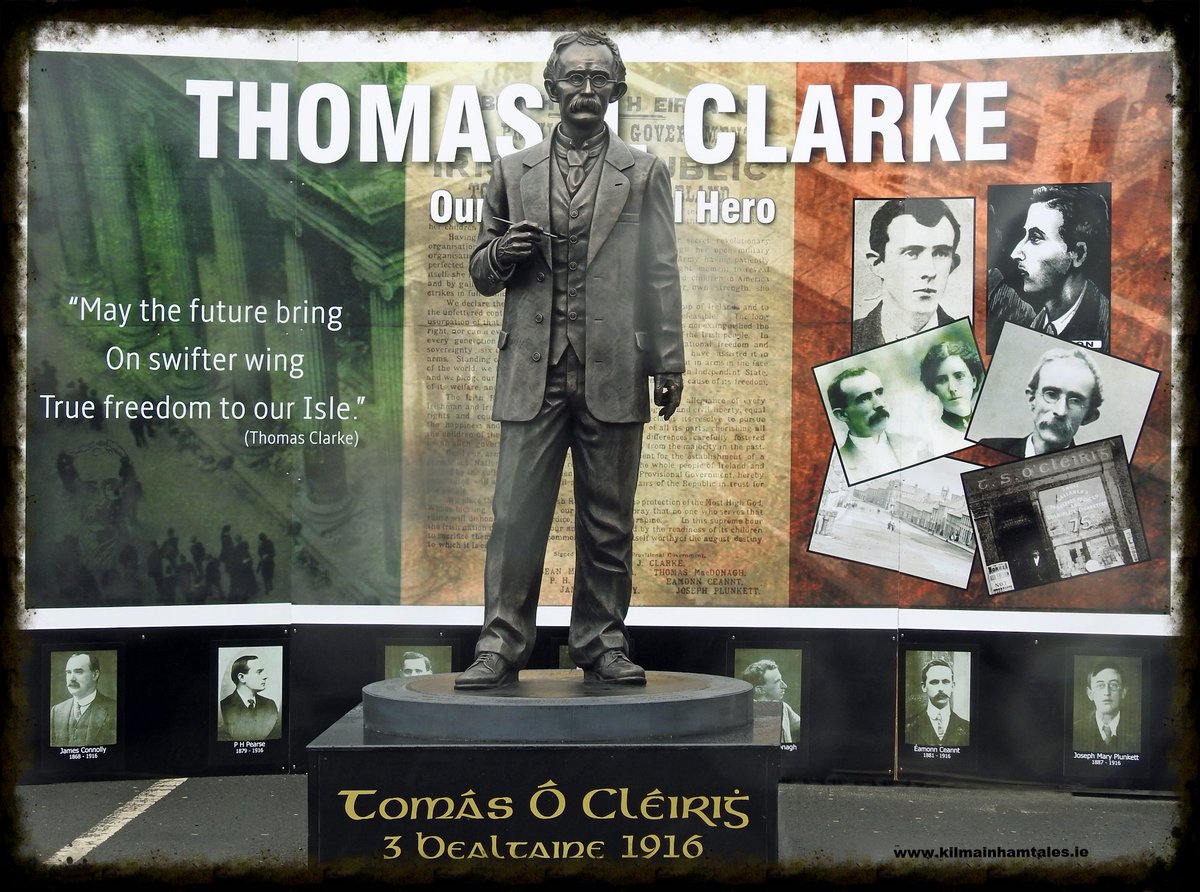
Tom Clarke (11 March 1858 England-3 May 1916). Irish parents. Raised #Dungannon #Tyrone. IRB; 15 years English prisons before Rising.👨🌾in US! Dublin tobacco shop. 1st signatory Easter Proclamation! Executed 1916; "that fight will save the soul of Ireland". dib.ie/biography/clarke-thom…
1
12
43
649
Claire Brady retweeted

You may not always like Mark Allen’s style of play, but you have to respect the man for that honest interview and his behaviour after one of the most painful defeats we’ve ever seen.
Very well done.🤝👏
#WorldChampionship @pistol147

50
140
2,572
93,713
May 2
I feel so sorry for Mark Allen but he has been part of one of the greatest snooker games I've ever watched. Unreal. #Snooker
1
8
661
May 2
This game is something else! I have watched snooker all my life and don't remember anything as tense as this. #snooker
69
Claire Brady retweeted

One of Monaghan, Armagh or Down will win an Ulster title.
They’ve not lifted the trophy in 11, 18 and 32 years respectively.
Ulster championship has had 5 different winners in last 10 years with every team reaching a final since 2009.
Probably best competition in the GAA.
27
37
962
50,868
Claire Brady retweeted

May 1
"As I roved out
on a bright May morning..."
Andy Irvine with the most heart-rending performance that is now 50 years old, with its Celtic ache as potent as ever.
15
74
333
11,784
May 1
Someone explain why Mark Allen has to play the foul there when he's ahead in this frame. Was it because Wu was happy to rerack and Allen wasn't? #snooker
9
6
14,211
May 1
This rerack decision/talk is the most interesting thing to happen in the past 50 min. #snooker
689
Claire Brady retweeted

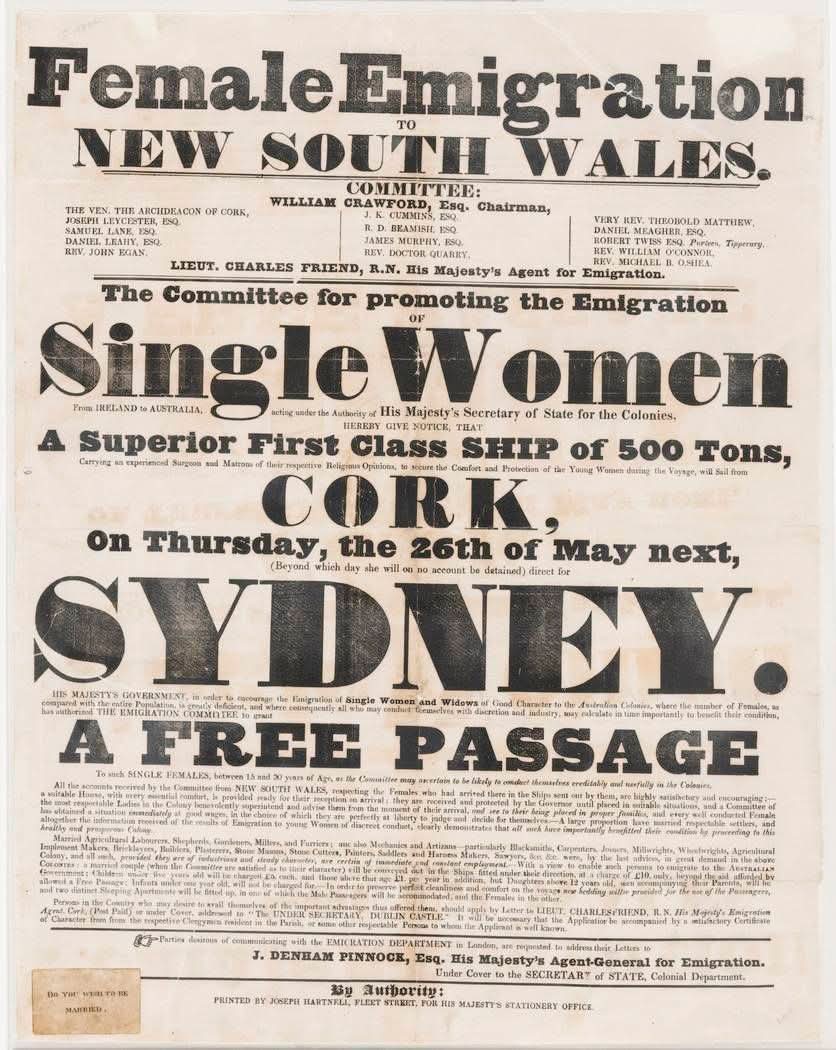
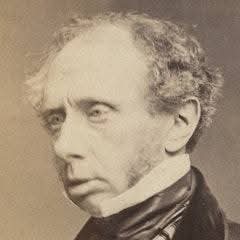
Between 1848 and 1850, thousands of young Irish girls, some as young as 14, were shipped off to Australia under the Earl Grey Scheme. Named after Earl Grey, the British Secretary of State for the Colonies, this scheme was pitched as a solution to Ireland’s overcrowded workhouses and Australia’s labour shortage.
In reality, it was a desperate attempt to offload destitute girls from famine-ravaged Ireland and supply the Australian colonies with domestic servants and potential wives.
Around 4,000 girls, mostly from counties like Cork, Galway, Clare, and Dublin, were selected based on their perceived "moral character" and health, though after years in the brutal workhouse system, many were frail and malnourished.
Between 1848 and 1850, the Earl Grey Scheme shipped over 4,000 young Irish girls to Australia to solve two crises: Ireland's overcrowded workhouses and the colonies' chronic female shortage.
Named after the British Secretary of State, the scheme was a "tidy" administrative fix for a famine-ravaged surplus of destitute girls, some only 14.
They were not volunteers. Selected via Victorian hypocrisy, they were required to be "morally pure" and skilled in domestic work, despite years spent in brutal institutions that offered no such training.
After receiving a basic outfit and a religious text, they endured an 85 day voyage to a society that viewed them with suspicion. In Australian ports, they were held in depots and selected by employers or husbands in what was essentially a market.
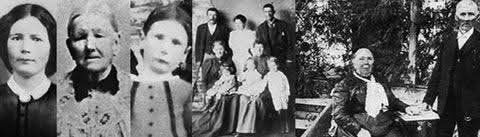
One such girl was 17-year-old Eliza Dooley from King’s County. An orphan, she arrived in Sydney in 1850. She found work as a nursemaid, married, raised 13 children, and eventually ran an inn on the goldfields.
Eliza died in 1912, having outlasted the famine, the workhouse, and the ocean.
Her story is rare only for its documentation. Most "Earl Grey girls" were absorbed into the landscape, their origins forgotten. The scheme ended in 1850 when the colonial appetite for Catholic Irish girls vanished.
Today, a memorial stands at Sydney's Hyde Park Barracks, and a new monument in Dunmanway, Cork, finally honors these girls who did not choose their fate, but were simply handed a prayer book and shoved towards a ship.
They arrived in Sydney, Melbourne, and Adelaide to a society that viewed them with suspicion. Branded as "Irish orphans," they were often met with prejudice for their Catholic faith and working-class status. While some found stable work and marriage, others faced harsh conditions, exploitation, and social exclusion.
Despite this, the Earl Grey Girls left a lasting legacy. Many of their descendants form part of Australia's Irish-Australian population today. A memorial to them stands in Sydney’s Hyde Park Barracks, and now, a new monument will be unveiled in Dunmanway, County Cork, to honour these women and their resilience.
SOURCES
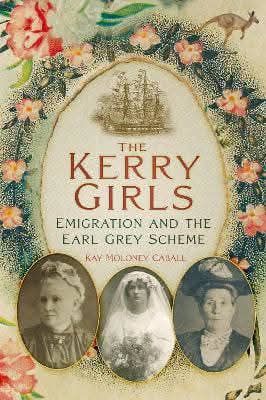
Kay Moloney Caball's book "The Kerry Girls"
womensmuseumofireland.ie/exh…
theirishpotatofamine.com/blo…
20
172
453
15,465