
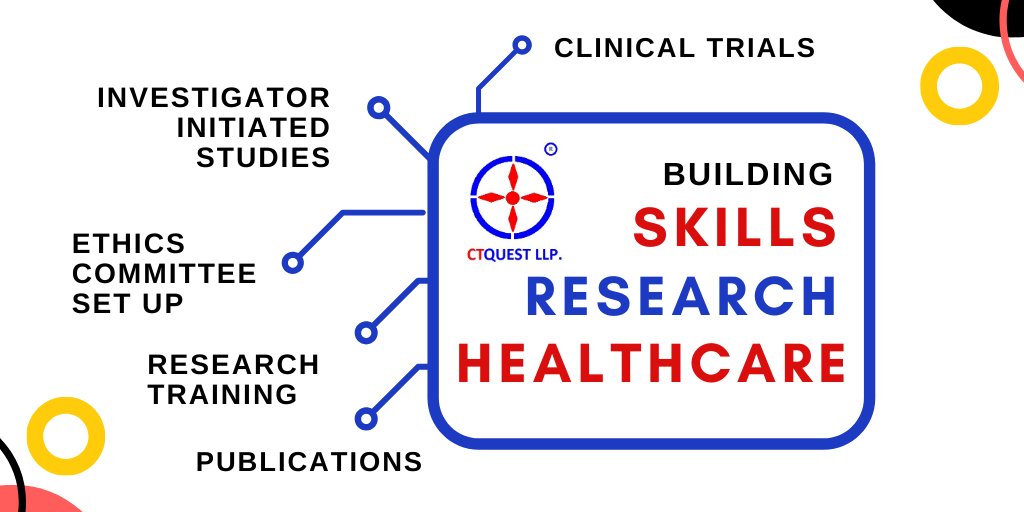
Creating a world where information, knowledge & technology deliver skill and health to all #clinicalresearch #healthcare #skilldevelopment #researchskills
Joined December 2016
- Tweets 216
- Following 33
- Followers 50
- Likes 81
61 Photos and videos


16 Oct 2023
Personal Data Protection has become more stringent in India. In Part II, we discuss the consent requirements, rights and duties of the participants, and responsibilities of research sites, CROs, and sponsors.
#ResearchLaw #DataProtection #ClinicalResearch
linkedin.com/pulse/digital-p…
1
2
30
13 Oct 2023
The Personal Data Protection laws in India. A new act came into effect in late Aug 2023. What do these new requirements mean for research stakeholders? In part I, we look at the scope, definitions, and implications of data breaches per the new law. linkedin.com/pulse/digital-p…
1
2
24
28 Sep 2023
The WHO has developed a tool to assess the Ethics Oversight of research in human participants. Ethics committees/ review boards can use this tool to align their systems, processes, and procedures to a global benchmark. #IRB #GCP #EthicsReview
linkedin.com/pulse/where-do-…
1
1
57
11 May 2022
Sharing study results with study participants has been a neglected area in medical research. Is this a lost opportunity to engage the participants, community and public at large?
#research #clinicalresearch #clinicaltrialreporting
linkedin.com/feed/update/urn…
2
9 Feb 2022
Confidentiality and privacy of study participants are sacrosanct in research. However, what are a research teams responsibilities in research involving unlawful activities or events. Some thoughts on this topic. linkedin.com/pulse/walking-t… #researchethics
1
1
1 Feb 2022
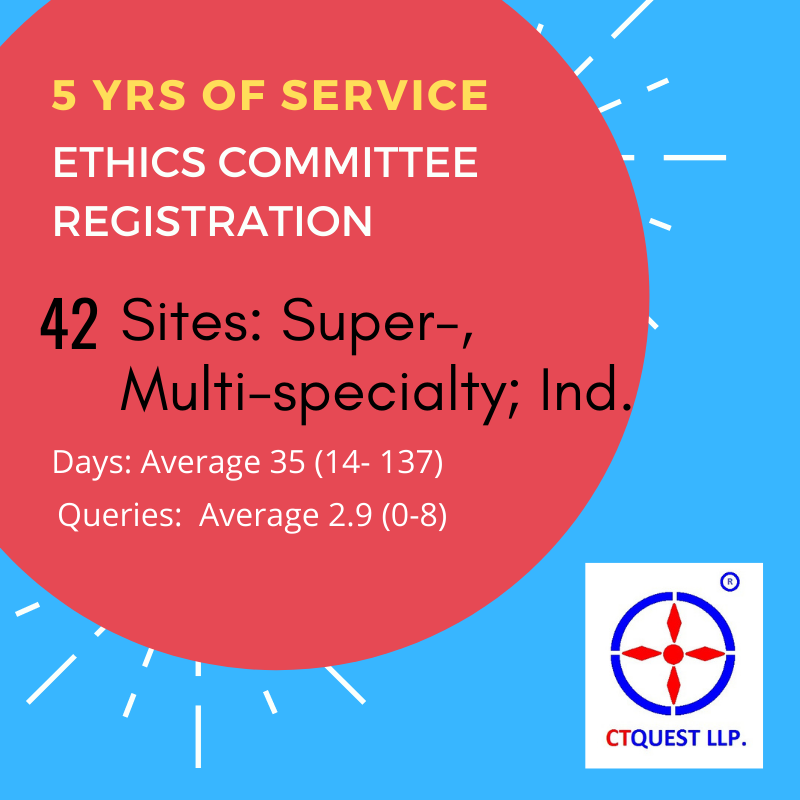
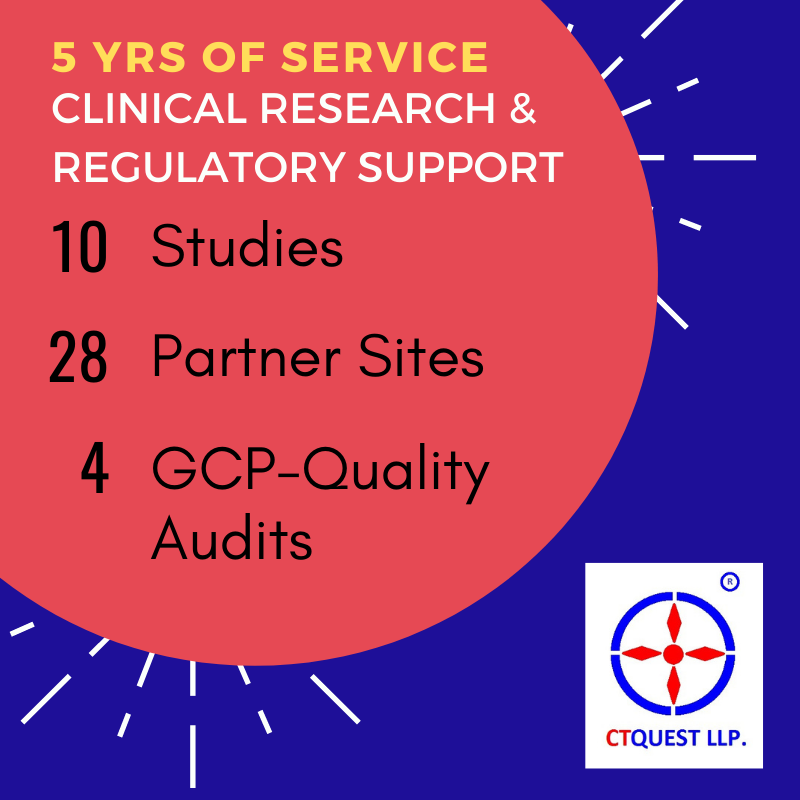
WE ARE 5 YRS OLD!
We supported national/international studies in Infectious diseases, Pediatric diseases, Infertility, Ophthalmology and Orthopedics for pharmaceutical products, nutraceuticals, and medical devices.
#clinicalresearch
2
1
3
3 Feb 2022
WE ARE FIVE YEARS OLD
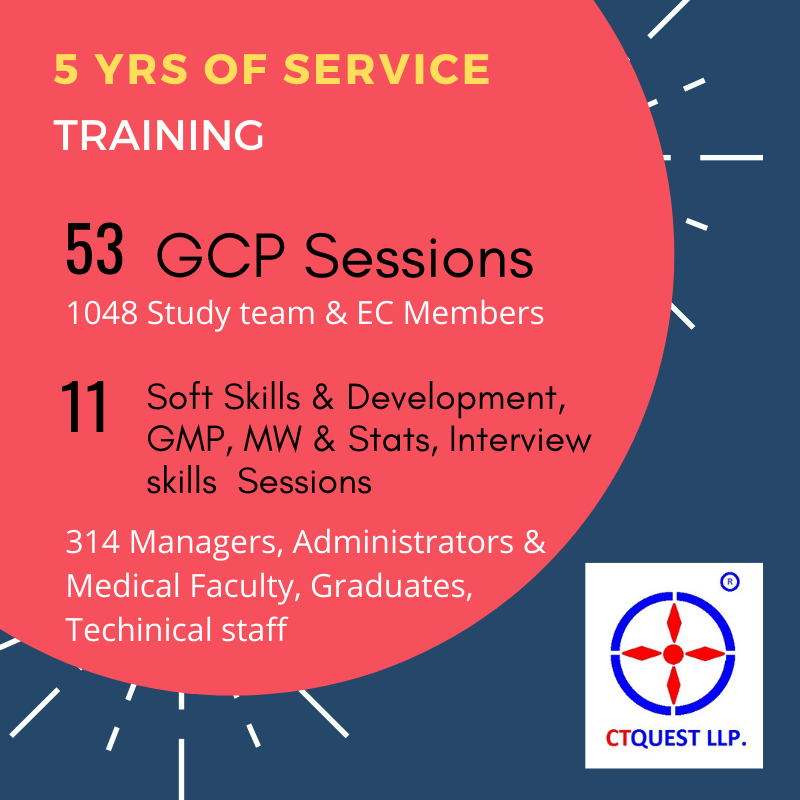
We believe in sharing our experiences and learnings. Training is our passion. This drive extended beyond GCP into areas of organisational development, quality management, mentorship, and critical research skills. #researchtraining #GCP #researchethics
1
2
1
3 Feb 2022
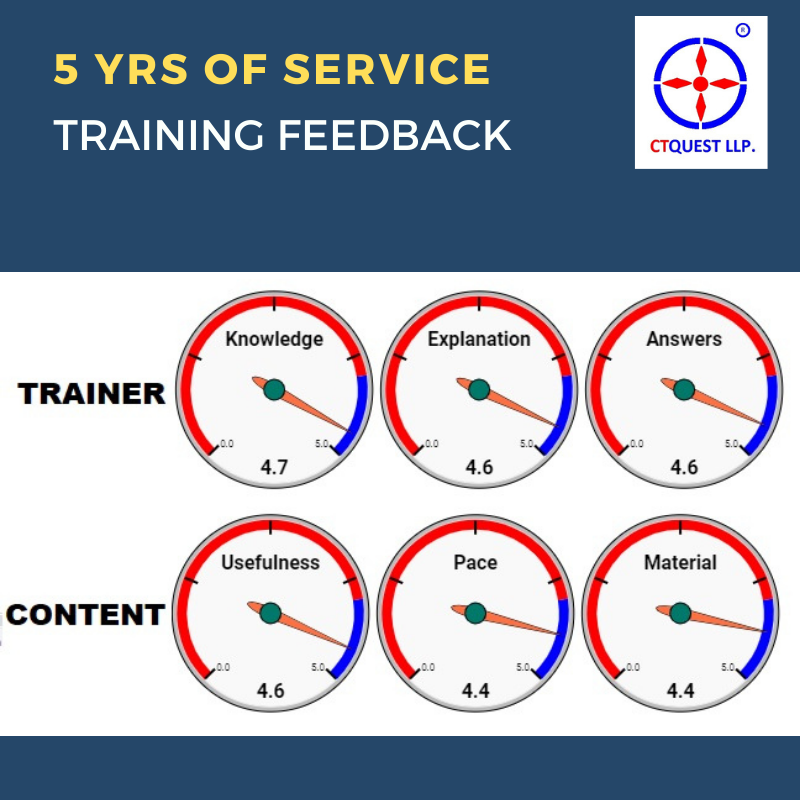
Our participants included pharmacy, biotech students, investigators, site staff, research professionals, ethics committee members, and medical professionals.
#trainingfeedback
1
1
20 May 2021
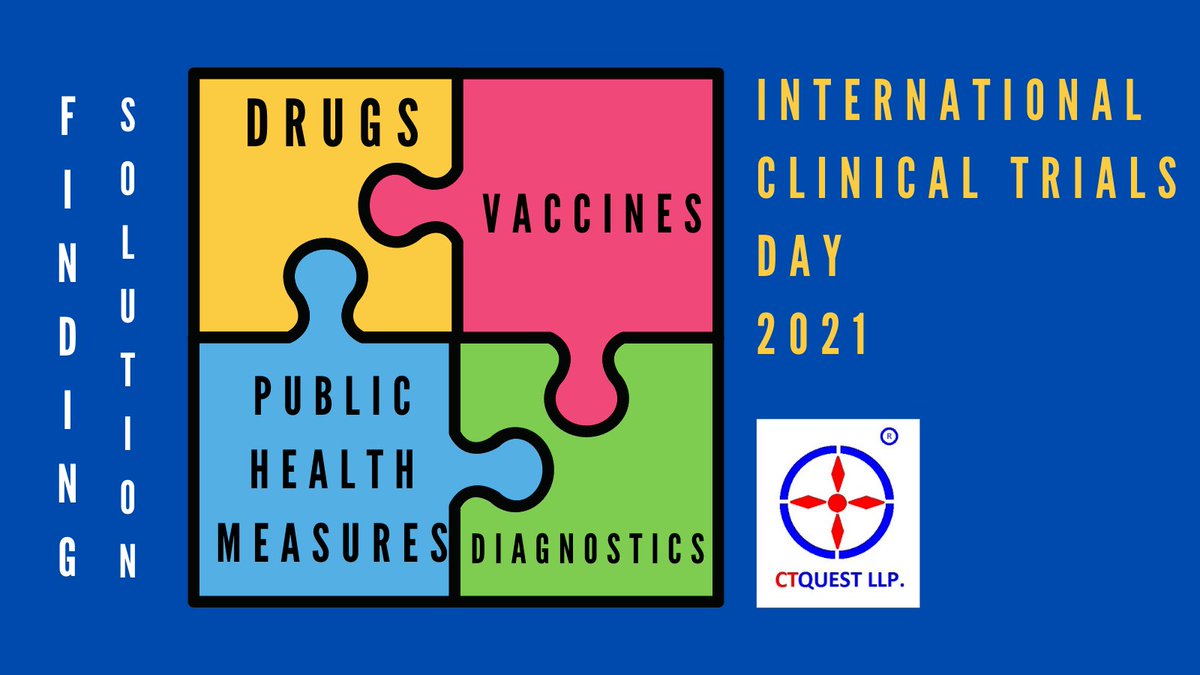
In the last 15 mnths, researchers, healthcare, & clinical trial professionals, have demonstrated the importance of their work. They have strived to find solutions to the pandemic in partnership with study participants who took on the risk & contributed to COVID studies. #ictd2021
1
17 Apr 2021
Three important questions answered here- 1) How does vaccination help? 2) Will we need boosters because of new variants? 3) Why gatherings (even small indoor parties) should be avoided? #healthcare #covid19awareness #covid19insights youtu.be/LeK65pc0wrQ
1
5 Apr 2021
Why is the work on vaccines not over? Four reasons why we need multiple vaccines for Covid-19 @wellcometrust wellcome.org/news/four-reaso…
1
21 Mar 2021
"Build relationships." A Conversation With… Dr. Ashish Rastogi, Founder udyamgyan.com/blog/2021/03/2…
1
2
12 Mar 2021
A step forward in online reporting of Serious adverse events in clinical trials in India. How daunting will it be? How do we prepare to implement this change? What challenges do you foresee? #saeindia #clinicaltrials linkedin.com/pulse/sae-repor… via @LinkedIn
1
1
ctquestllp retweeted

18 Feb 2021
Light-activated genetic therapy to treat blindness enters clinic nature.com/articles/s41587-0…
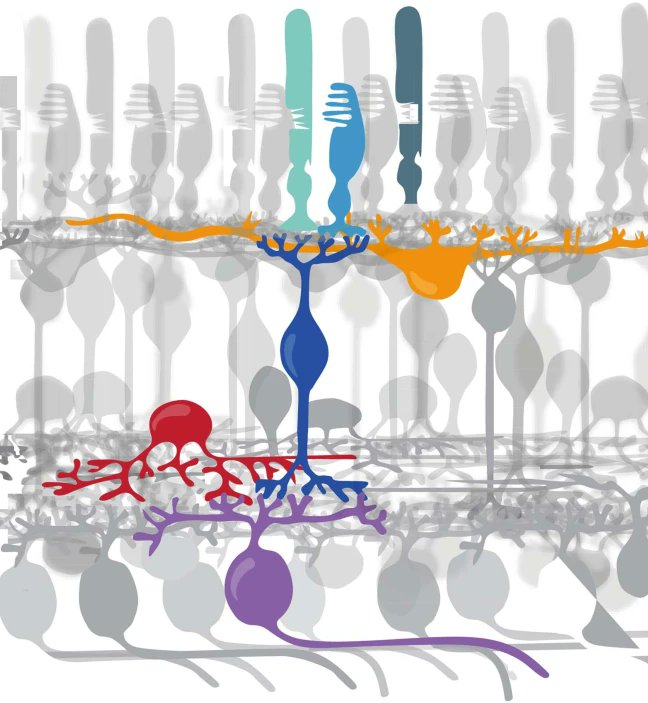
ALT In vision, retinal photoreceptor cells — rods (blue) and cones (green) — convert light to electrical signals, which are relayed to ganglion cells (purple) and then to the brain. Credit: John Flannery, UC Berkeley
4
125
437
3 Feb 2021
2017 to 2021. A journey that has helped us share our expertise with people & organizations to further research & healthcare. We thank our >100 clients, CTQ collaborators, & employees for walking with us on this journey. We look forward to your blessings for many years to come.
2
20 Jan 2021
Opthalmology examinations require in-clinic visits by patients. How can ophthalmology studies embrace technology to reduce the burden of travel for participants? #clinicaltrials #digitalhealth #clinicalresearch linkedin.com/pulse/taking-cl…
1
2
6 Jan 2021
How has COVID impacted clinical research study visits? Should the changes adopted to meet the challenge be sustained to facilitate study participation? #clinicalresearch #healthcare #clinicaltrials #digitalhealth #healthtech linkedin.com/pulse/taking-cl…
1
2