Author of Dickens & Democracy in the Age of Paper (Oxford), Creole Crossings (Cornell), Professor @TheNewSchool, writing on politics and print culture
Joined May 2011
- Tweets 2,151
- Following 542
- Followers 632
- Likes 24,726
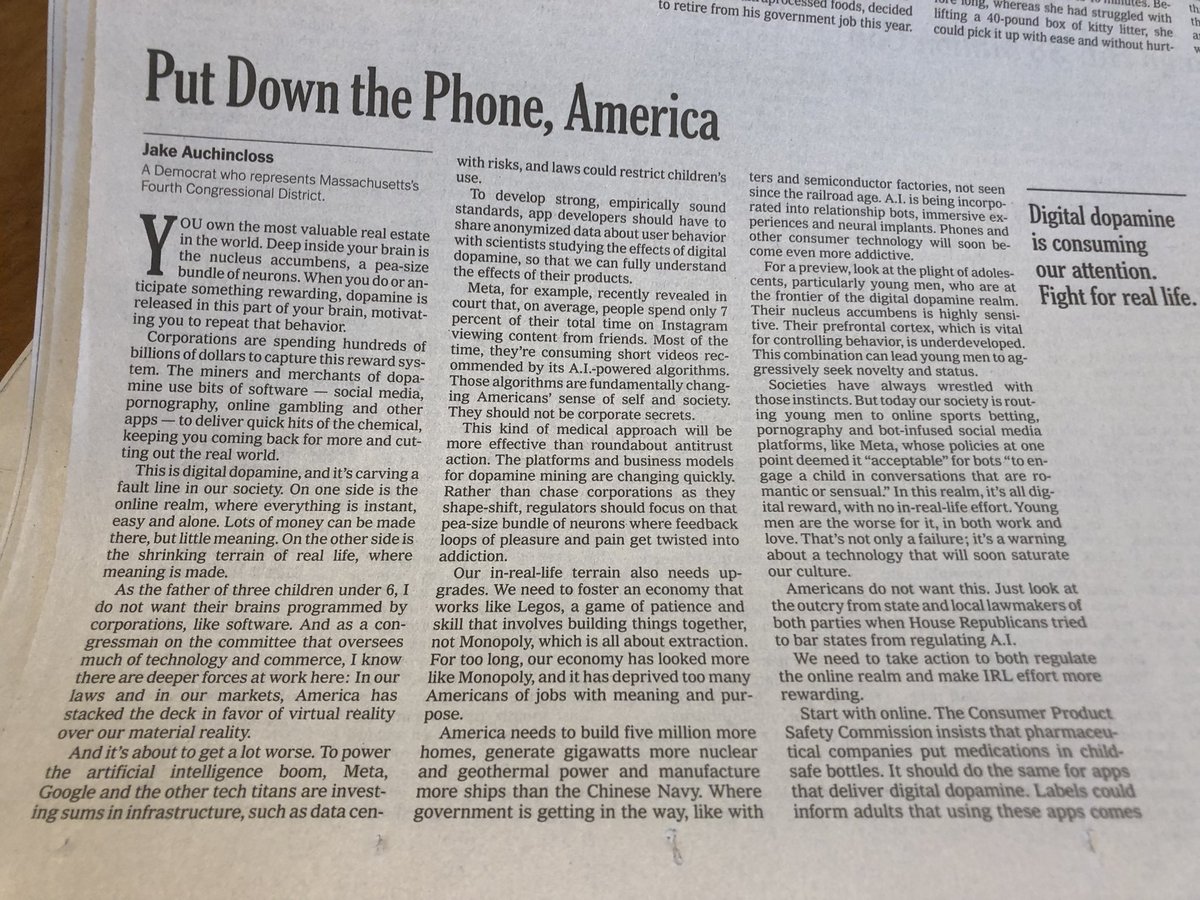
43 Photos and videos
Pinned Tweet

22 Jul 2024
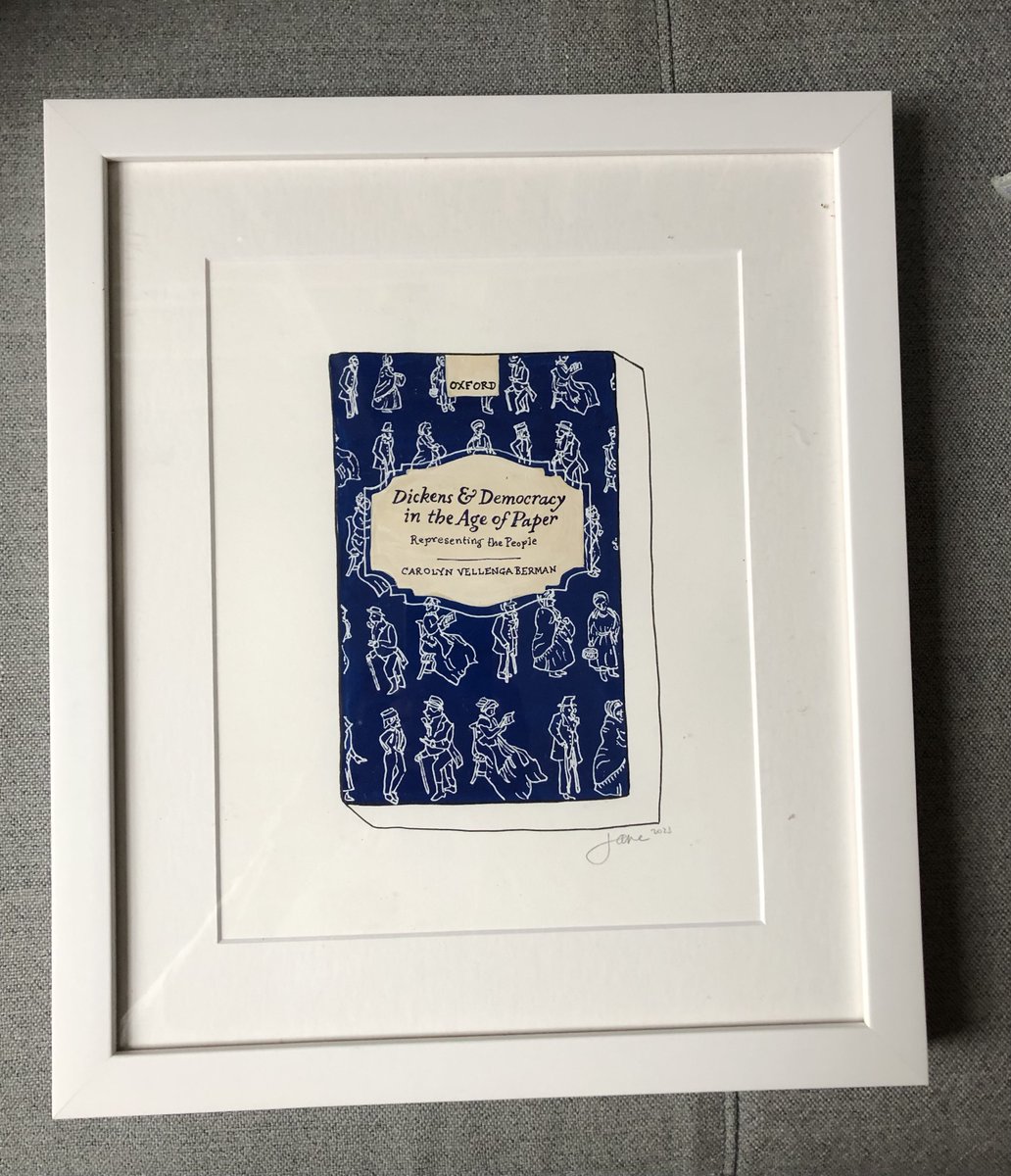
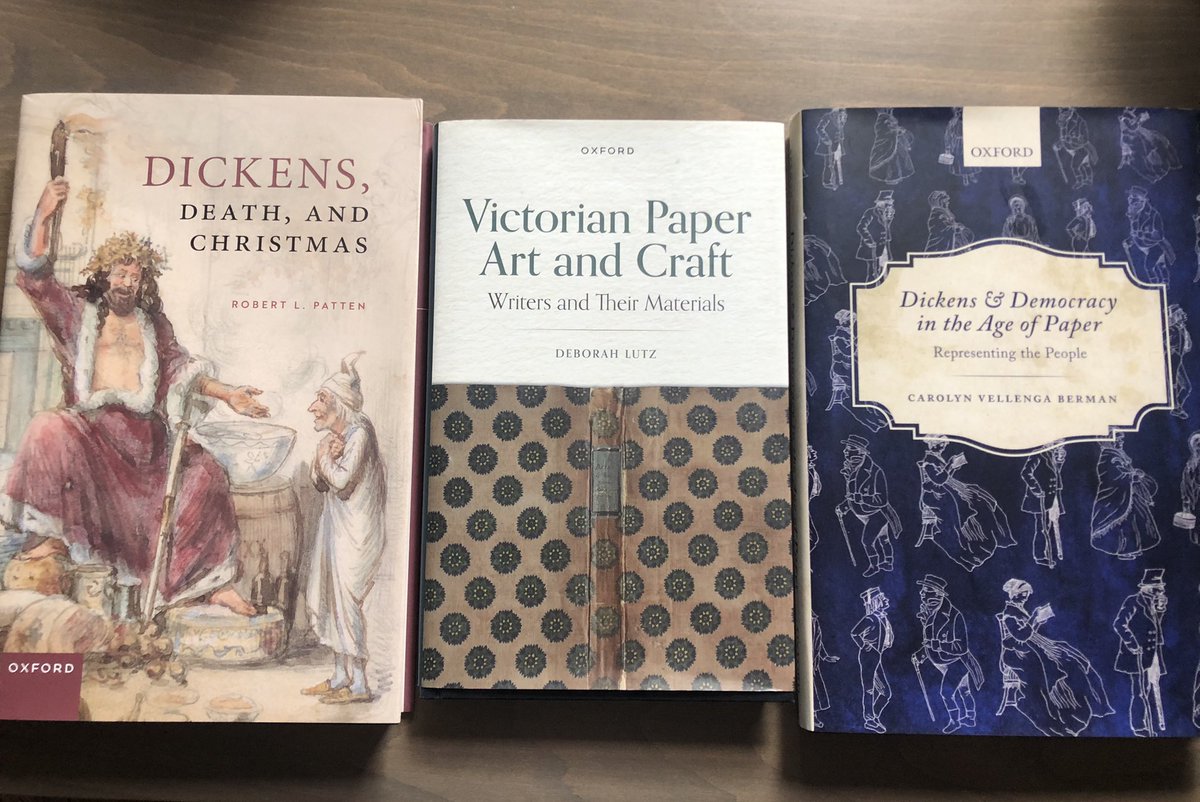
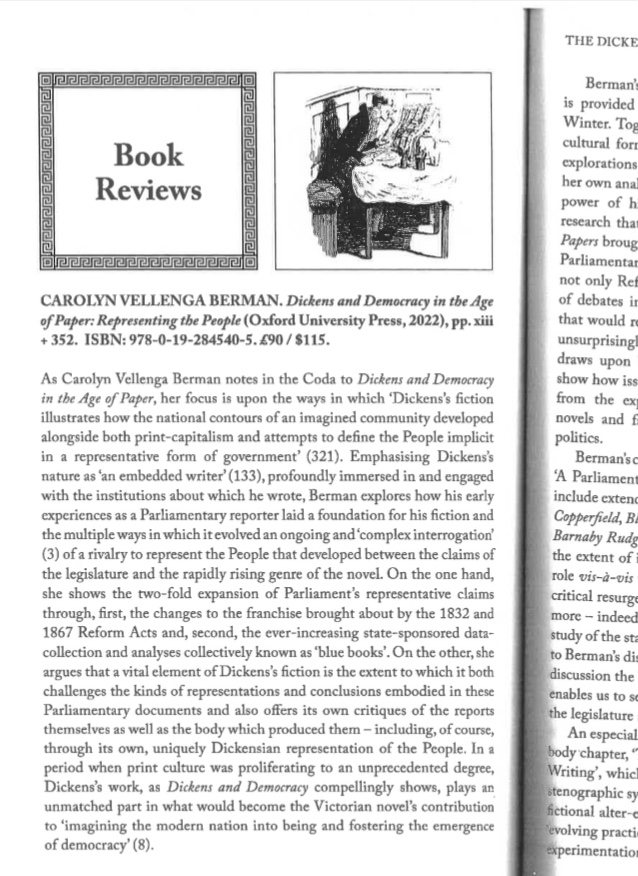
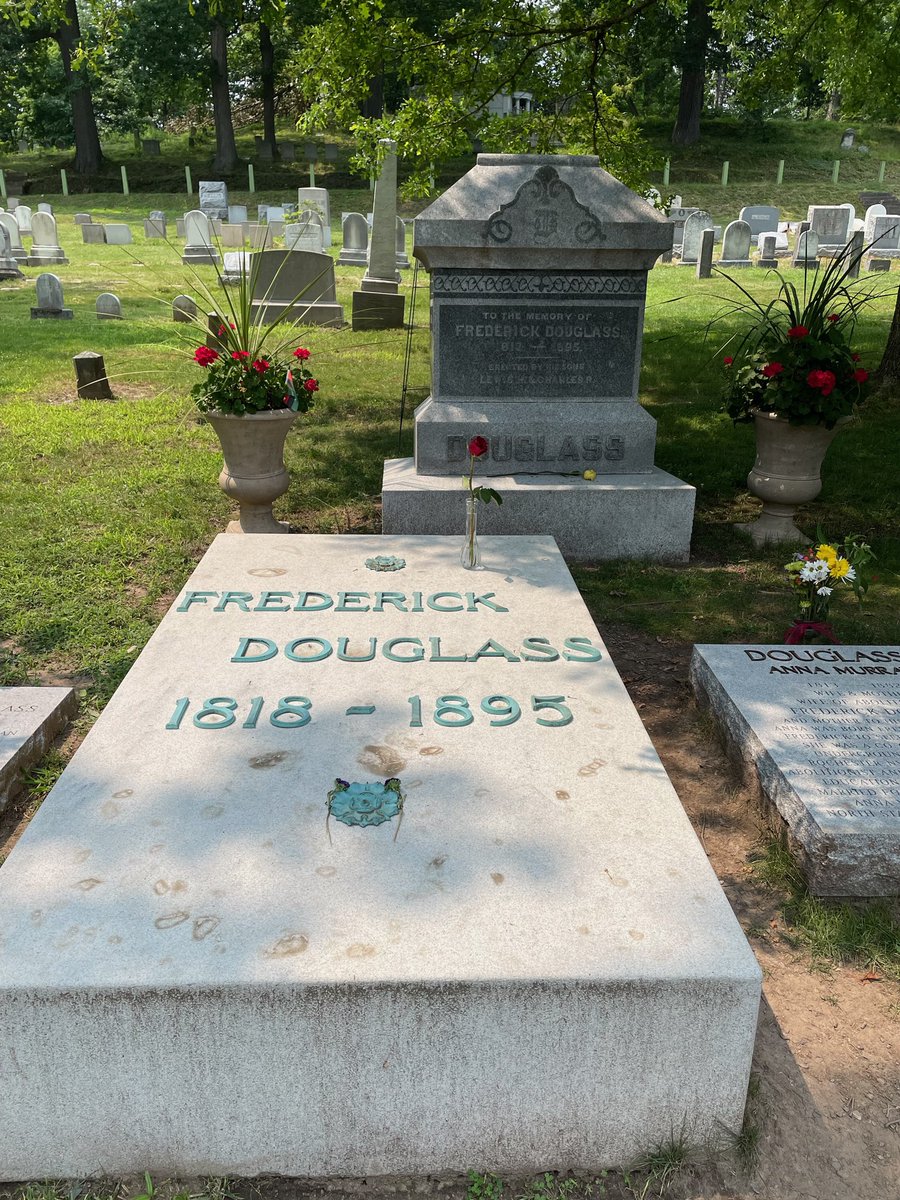
love this gift from my family: a stylized version of my book cover from Ideal Bookshelf!
1
9
592
Carolyn Vellenga Berman retweeted

28 Dec 2025
Two imperatives of human childhood: Learn to think for yourself, while also becoming a full participant in the shared moral matrix of your society.
Chatbots interfere with both imperatives. See this WSJ article from @juliejargon, about how frequently and deeply chatbots create or amplify psychosis in adults. OpenAI's own estimate is hundreds of thousands in any given week:
wsj.com/tech/ai/ai-chatbot-p…
Imagine a future in which people are less intelligent AND we each live in our own world populated by AI companions. It is a future that is a combination of two great movies: Idiocracy and The Matrix. Except that in The Matrix, the hallucination was "consensual" and shared. In our AI future, the pods may not be well connected, so everyone will construct their own reality... which is kind of the definition of psychosis.
How about if we don't put chatbots into teddy bears, or schools, or children's lives, until we understand how they affect children's development? How about if we don't let AI companies do to Gen Alpha and Gen Beta what we allowed social media companies to do to Gen Z?
36
203
722
60,119
Carolyn Vellenga Berman retweeted

23 Dec 2025
Long must read (worth it): "Education at its best sparks curiosity and critical thought. 'Bullshit education' does the opposite: it trains people to tolerate meaninglessness, to accept automation of their own thinking, to value credentials over competence" currentaffairs.org/news/ai-i…
6
79
281
7,858
Carolyn Vellenga Berman retweeted

21 Dec 2025
As I said last week, virtually every problem we have is the result of people collectively abandoning reading. Far from being a “waste of time,” literacy was the load-bearing pillar upholding democracy, reason and sanity. Without it, we are adrift in the vast night.
2
33
224
7,409
Carolyn Vellenga Berman retweeted

20 Dec 2025
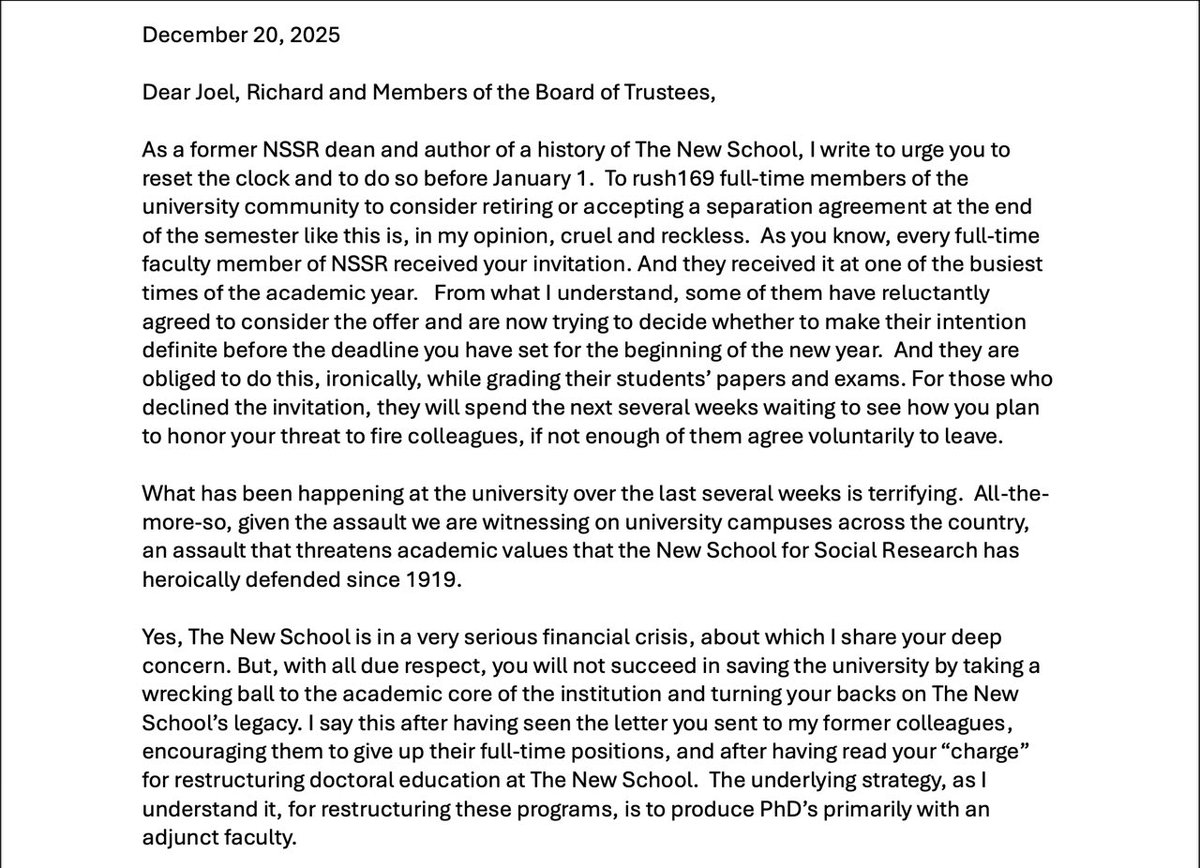
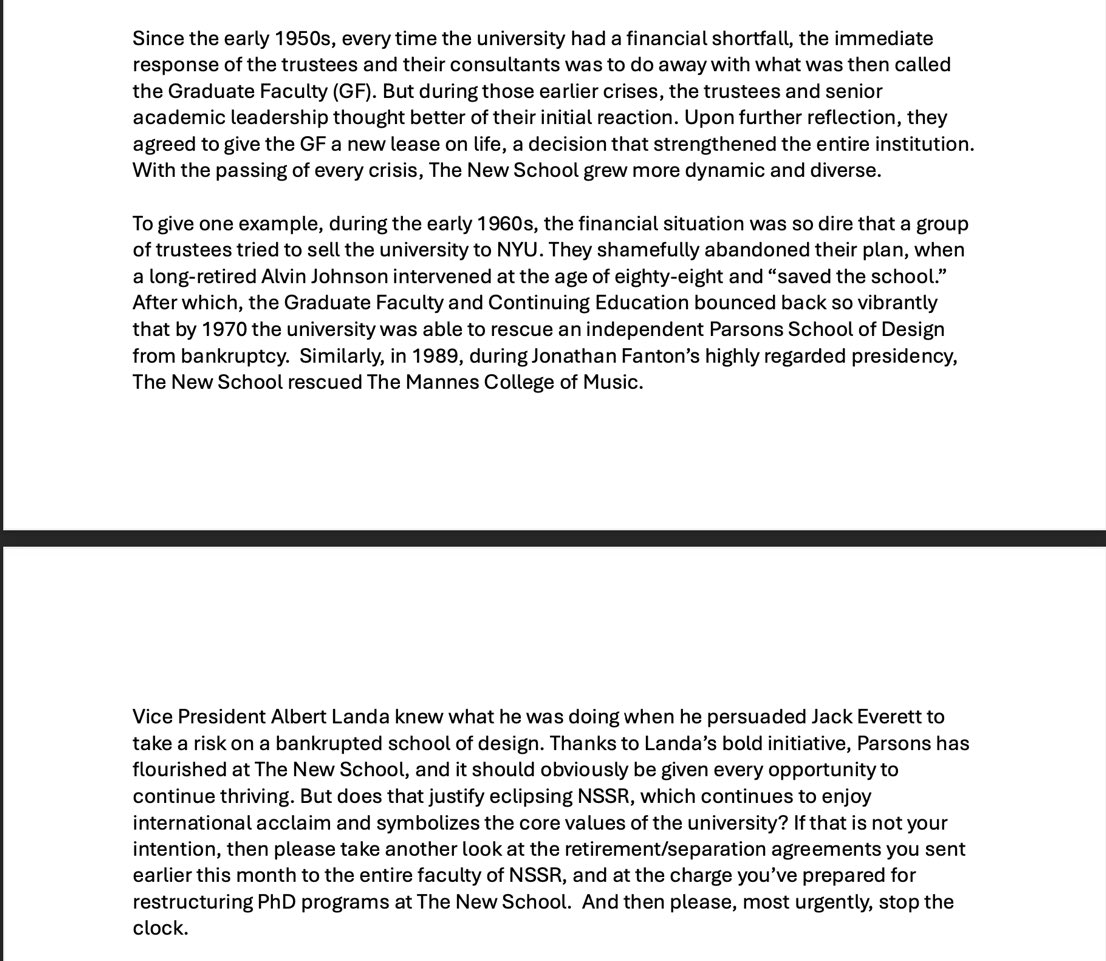
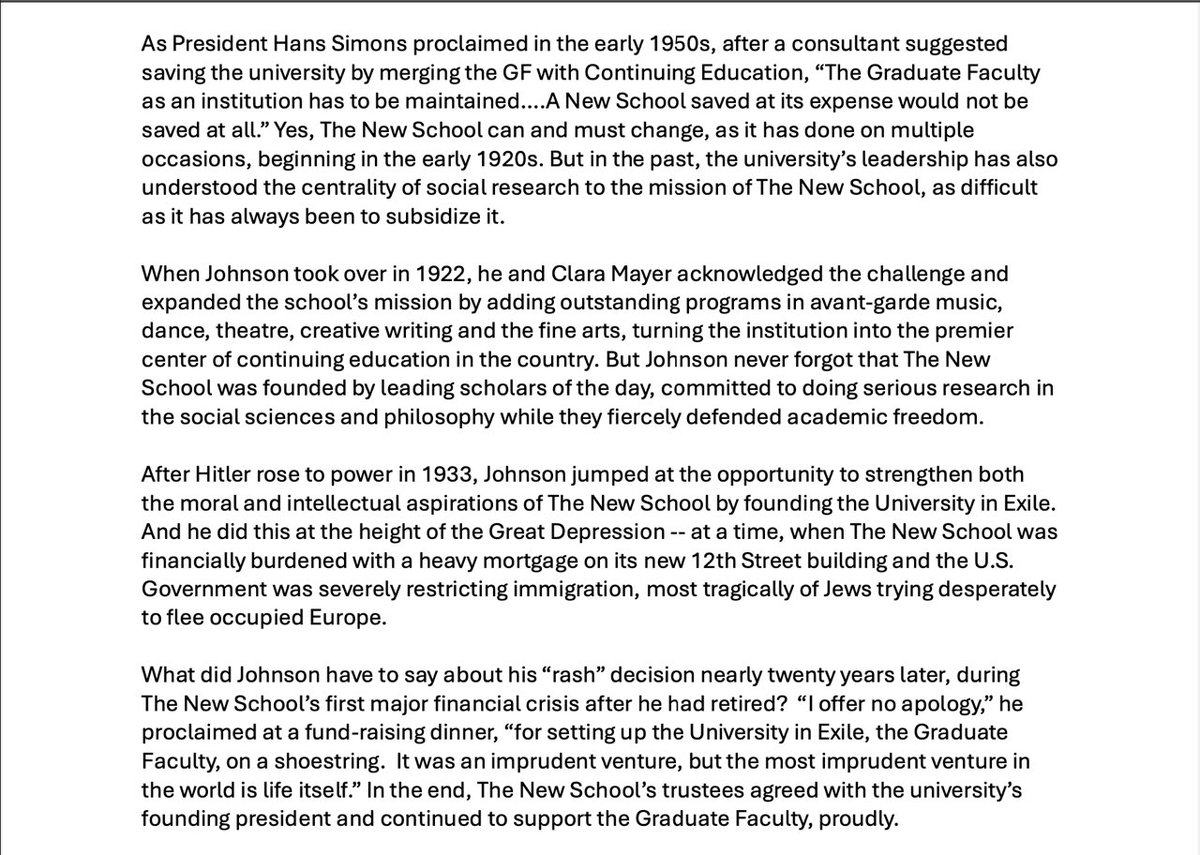
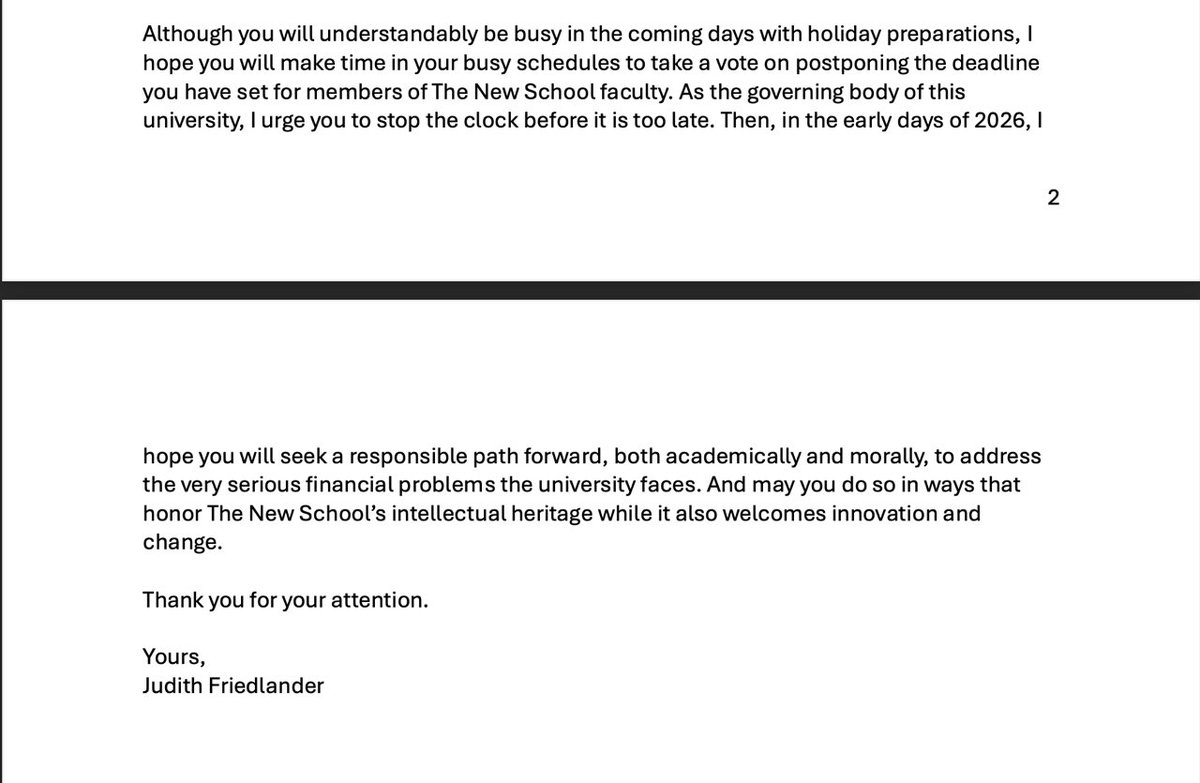
Former NSSR Dean and historian of The New School, Judith Friedlander has written to Joel Towers and TNS trustees. She minces no words.
“The underlying strategy, as I
understand it, for restructuring these programs, is to produce PhD’s primarily with an adjunct faculty.”
2
54
156
14,437
Carolyn Vellenga Berman retweeted

15 Dec 2025
An important note about plagiarism in the writing community:
Almost every day, I hear about someone stealing a piece of someone else's writing, or reposting it without attribution. Recently, a young writer took one of my poems, butchered it, and (astonishingly) republished it in a literary journal.
The journal that had originally published my poem, Rust Moth, handled the situation with perfect grace, working with me to create "A Letter to a Young Plagiarist," which turned a transgression into a teachable moment. I'll link to it at the end of this post.
But there's more to be said. Plagiarism is the cardinal sin of creativity. A writer goes into the darkness to find a few good words, often sacrificing much to do so, and the theft of that person's spirit-labor is an enormous violation.
I write poems, novels, and all my books simply to help people connect and be fully human. In our current AI-saturated world, I worry that people are beginning to think of other people's creativity as up for grabs, and thus plagiarism and posting without attribution have become rampant.
Ironically, my viral poem "To a Student Who Used AI to Write a Paper" is one of my pieces that is often shared without attribution or misattributed. My viral poem "Gallop" has been reposted so many times without attribution that I get messages from people asking me who wrote it. And the list goes on...
I'm grateful for everyone in this world who engages with poetry and literature, everyone who believes in what words can do in our troubled world. But we must protect the human endeavor of creativity, and we must not let our AI-world normalize the theft and misuse of human works.
So go out there. Take risks with your heart. Write your truth and find your voice and share it proudly. Whoever you are, if you're human, I'm rooting for you. You don't need to steal anyone else's heart. We want to hear yours. Maybe, just maybe, it can save us.
9
54
247
10,917
Carolyn Vellenga Berman retweeted

23 Nov 2025
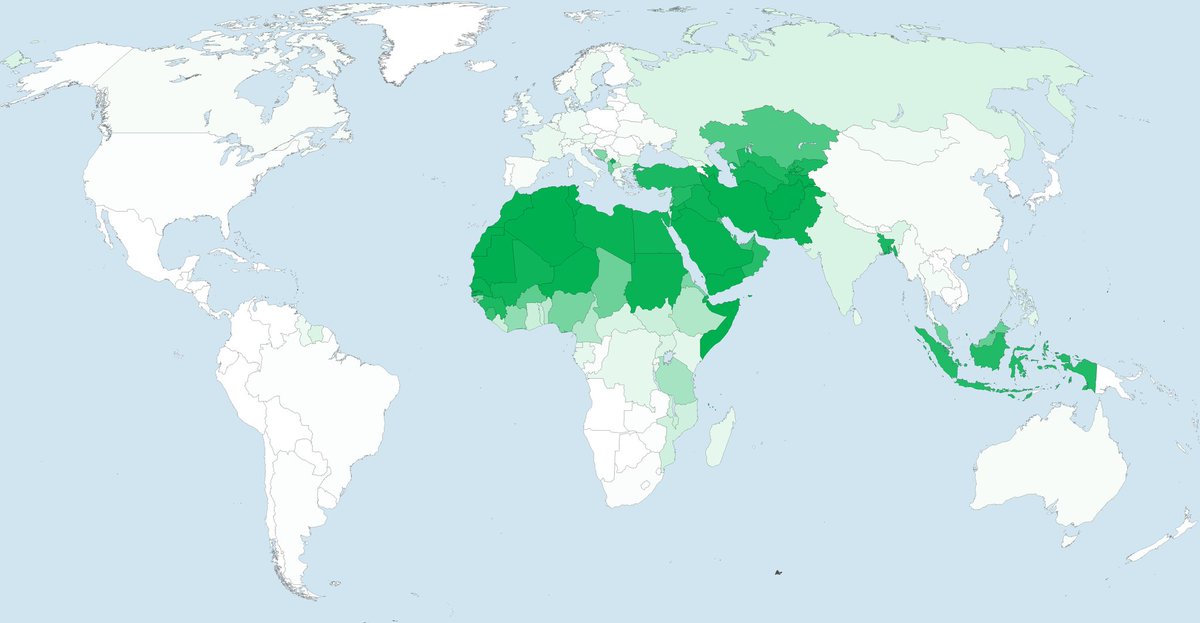
Locations of "America First" accounts
1,072
3,876
27,814
613,562
Carolyn Vellenga Berman retweeted

24 Nov 2025
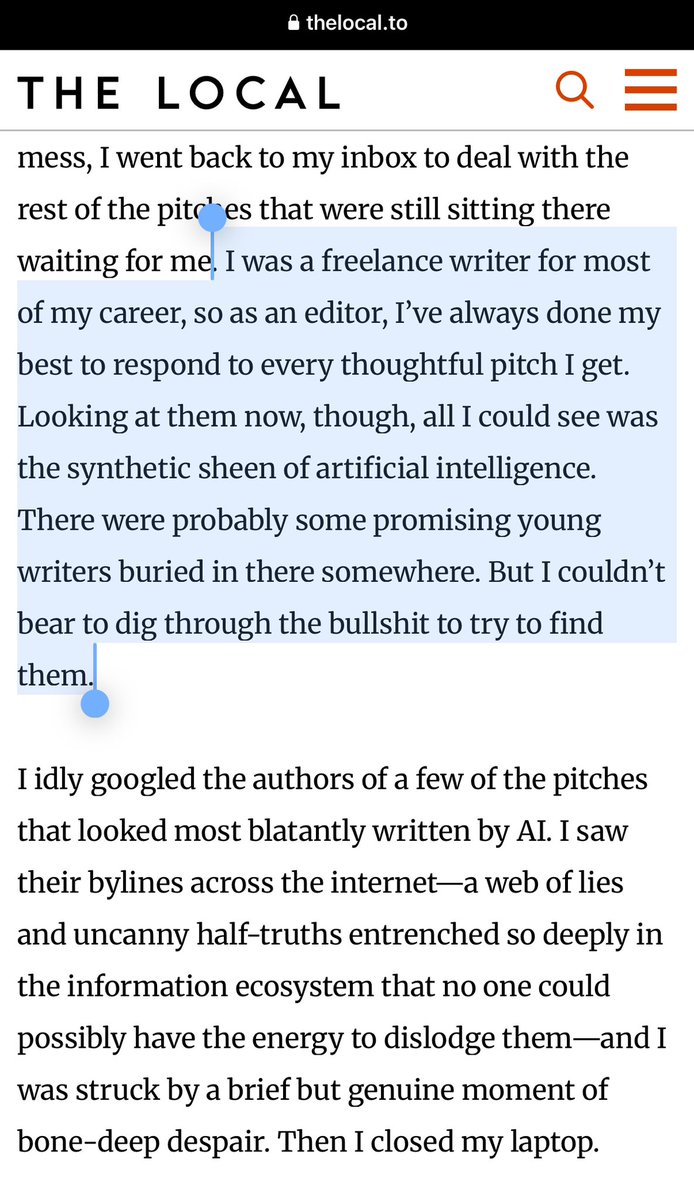
Amazing story of an editor fact-checking a young writer to find that she had completely made up sources and quotes in articles in some of the biggest news outlets in the world. One by one, those outlets took down her faked stories.
The editor's exasperation with AI stands out the most.
24
619
3,588
209,200
Carolyn Vellenga Berman retweeted
21 Nov 2025
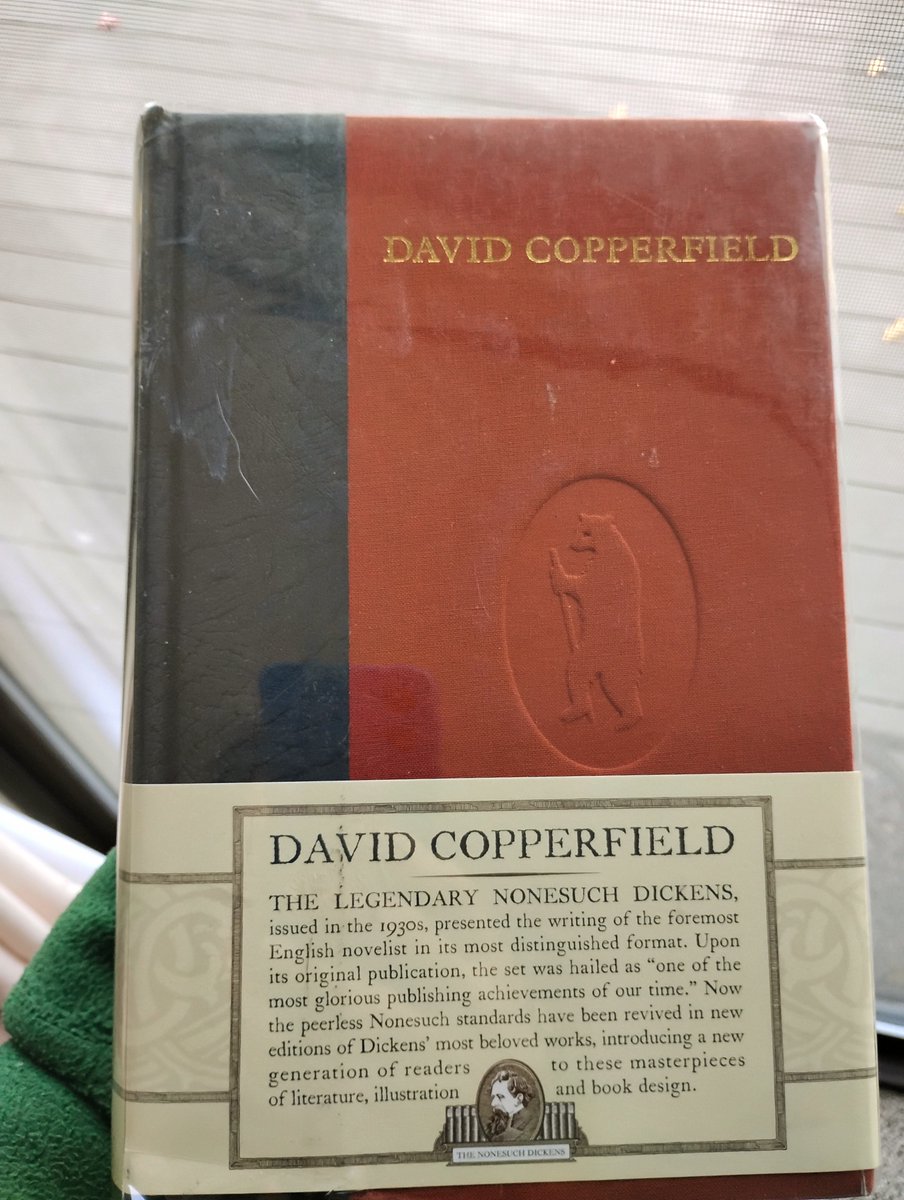
Let it never be said that only white men read great books. As a destitute person of color growing up in rural Texas, I saw myself in David Copperfield. Dickens understood me like no one else; his portrayal of abuse, isolation, poverty is universal. The classics are for everyone.
142
389
4,647
70,769
Carolyn Vellenga Berman retweeted

19 Nov 2025
Handwriting is not a motor skill. It is a reading skill.
We treat them as separate subjects, but neuroscience says they are the same circuit.
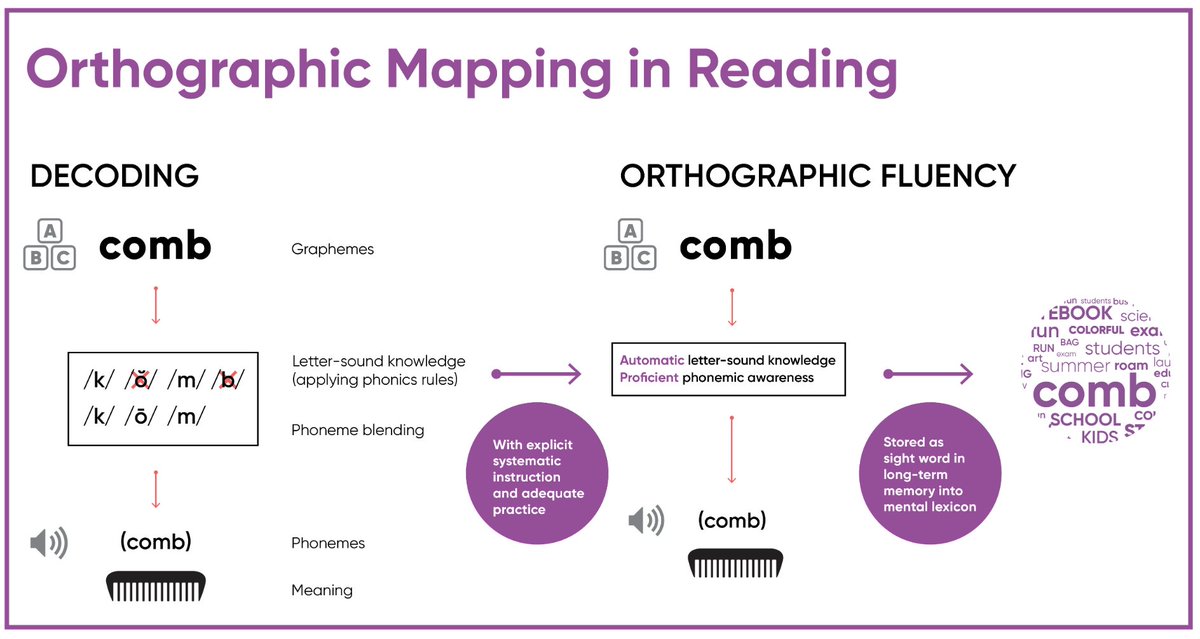
Last week I discussed Orthographic Mapping (OM). Many focus on the "sound" part, but miss the "motor" bridge. Here is why the hand teaches the brain to decode:
1. A common assumption is that writing is output (encoding) and reading is input (decoding). It turns out, they are physically linked in the brain. When literate adults read, their motor cortex (Exner’s Area) activates. You decode faster because your brain is secretly "writing" along with your eyes. It subconsciously simulates the strokes to recognize the letter instantly.
2. If a child has never physically written a letter, they lack this "motor file." They are forced to rely solely on visual memory to recognize the shape. Visual memory is notoriously weak for text because it is ambiguous. To a young kid's eye, 'b' and 'd' are the same object, just flipped (like a chair facing left vs. right). But to the hand? They are totally different. The distinct motor plan overrides the visual confusion.
3. When comparing handwriting with typing, the difference is stark. Hitting 'A' or 'B' feels exactly the same (a button press). It creates a weak map. Handwriting is constructive. You have to pull the geometry of the letter from memory. This "active construction" burns the neural pathway that makes decoding instantaneous later on. You can't easily read what you haven't physically mapped.
11 Nov 2025

Learning to read and spell is a complex process. Orthographic mapping is the brain’s way of linking sounds, letters, and meaning.
I didn’t know this concept when I was a kid learning English, but it perfectly explains why certain methods clicked for me.
36
179
818
54,220
Carolyn Vellenga Berman retweeted
9 Nov 2025
More reports of this lovely side effect seen in newly phone-free schools: Big increases in students coming into the library and ... checking out books!
A report from Oklahoma:
nationalreview.com/corner/an…
and one from Kentucky:
washingtonpost.com/lifestyle…
15
90
466
48,572
Carolyn Vellenga Berman retweeted

31 Oct 2025
This is the NYC village Parade and it’s definitely one of a kind and fantastic as they’re dancing to Thriller by the late great Michael Jackson! 👇👇👇👇
1,354
15,518
85,479
2,923,409
Carolyn Vellenga Berman retweeted

29 Oct 2025
Why Even Basic A.I. Use Is So Bad for Students nytimes.com/2025/10/29/opini…
9
37
122
11,110
Carolyn Vellenga Berman retweeted

24 Oct 2025
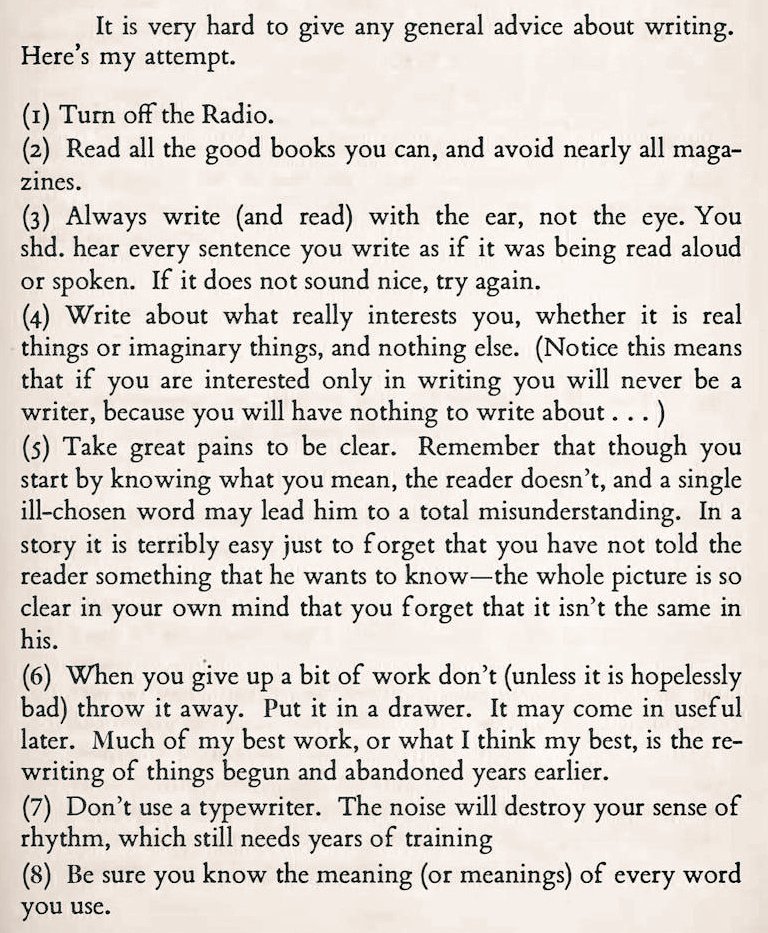
C.S. Lewis responding to a letter from an American schoolgirl asking him for some writing advice.
(Worth reading? ✅️)
102
929
5,064
187,139
Carolyn Vellenga Berman retweeted
25 Oct 2025
"AI is the 'biggest driver' of electricity use in North America.... And that might be showing up in your power bill, with AI datacenters cropping up all over the US, raising the electric bills of households nearby". Particularly the last bit is insane. cnet.com/tech/services-and-s…
5
39
94
5,683
Carolyn Vellenga Berman retweeted

14 Oct 2025
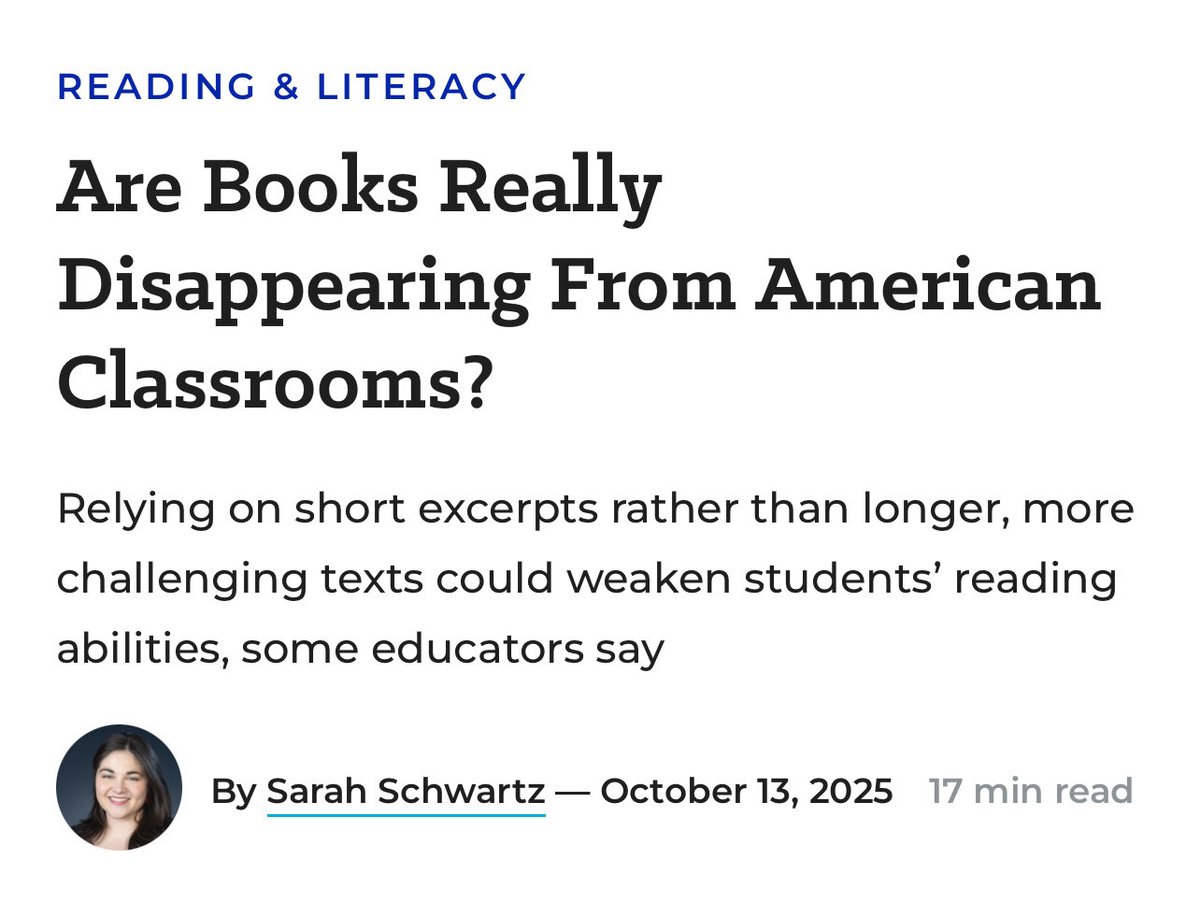
“In 2015, researchers at the University of Sussex in England asked a group of 20 English teachers in Year 8, the U.S. equivalent of 7th grade, to change their practice for 12 weeks. During that period, they would read two novels back to back, with all of the reading done in class—a much faster pace than these students, who usually read two books over the course of a year, were used to.
At the end of the 12 weeks, average reading comprehension for all students—as measured by a standardized test—improved by the equivalent of 8.5 months of regular instruction. The effect nearly doubled for struggling readers, who made 16 months improvement during that period.”
@s_e_schwartz explores the issue of books disappearing from US curriculum.
Including evidence like this study, in favor of work with whole books.
27
198
740
79,246
Carolyn Vellenga Berman retweeted

10 Sep 2025
The data story in our new issue reveals stunning facts about America's gun reality. 350-450 million guns. $557 billion annual cost. A nation in a category of its own. The numbers tell the story.
1
2
3
362
Carolyn Vellenga Berman retweeted
6 Sep 2025
New from me:
Books are going missing from school curriculum, and the issue is worse than you imagine.
The culprits might surprise you, too.
Link follows.
22
42
153
51,420
Carolyn Vellenga Berman retweeted

7 Sep 2025
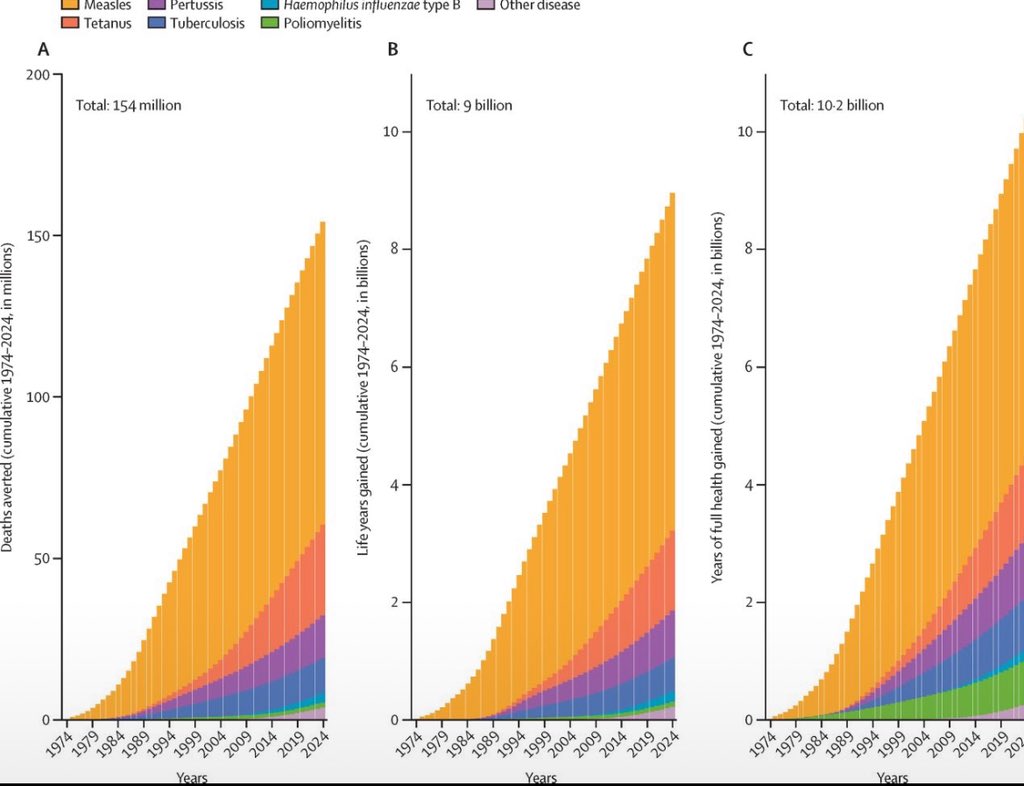
Staggering numbers by the Lancet. Vaccinations have:
- Averted 154 million deaths
- For every death averted, 66 years of full health were gained on average = 10.2 billion years total
- Accounted for 40% of the observed decline in global infant mortality
182
1,859
5,232
264,408
6 Sep 2025
Ironic that the print version of this article in the @nytimes is scrambled. Do they think we’re all reading on our phones? Took me a minute to figure out that column 2 should be column 3
1
45
27 Aug 2025
Hero Edit: On Literary Depictions of Reality TV lithub.com/hero-edit-on-lite… via @lithub
2
49