teaches and writes on history of knowledge, media, and technology & intellectual history @UVA
Joined June 2009
- Tweets 14,592
- Following 824
- Followers 4,199
- Likes 4,906
Photos and videos
Pinned Tweet

31 Jul 2021
“Permanent Crisis: The Humanities in a Disenchanted Age” out in just a few weeks. Feel the hype: “…a magisterial tour-de-force of historical scholarship…It has the potential to alter the debate over the place of the humanities…” Warren G. Breckman amazon.com/dp/022673806X/ref…
7
23
149
Jun 12
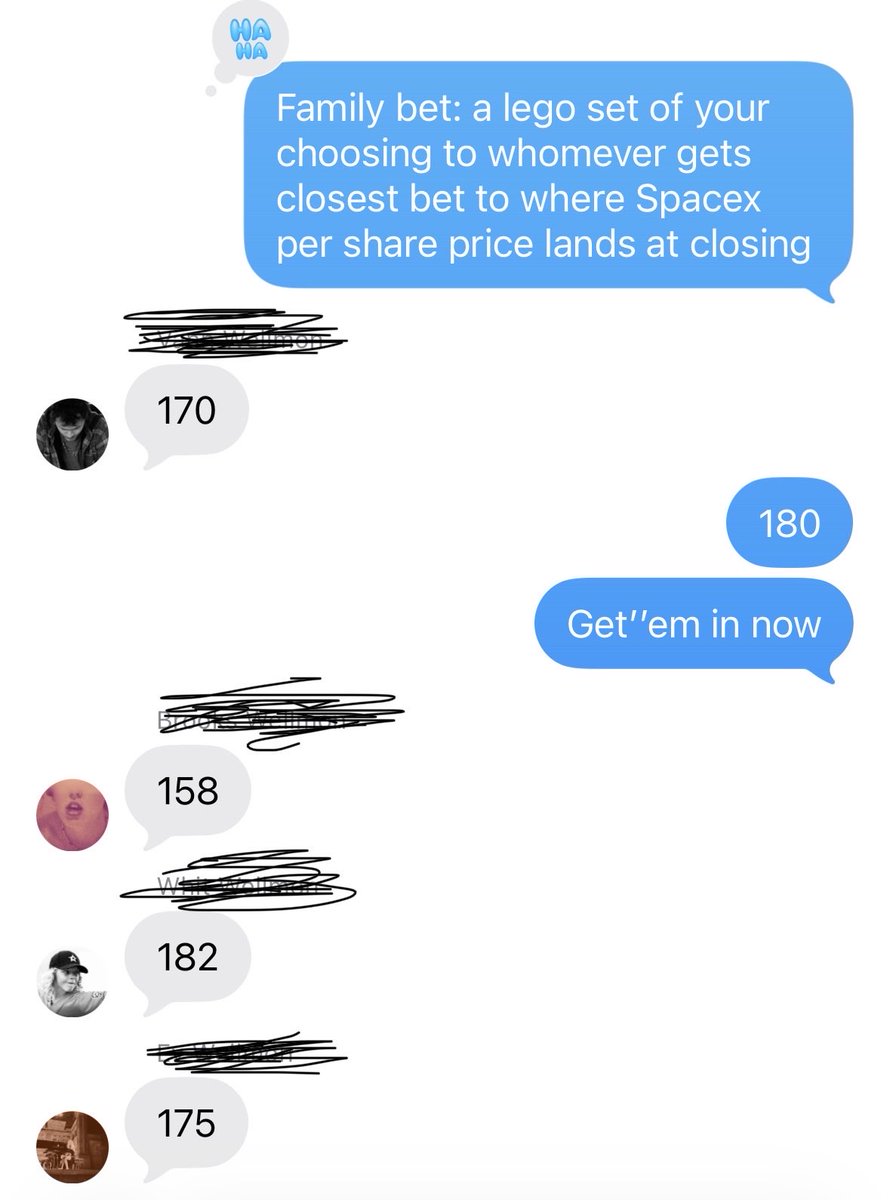
In case you’re feeling left out of the initial offering, here’s how I’m dealing: just sent to the family group chat:
4
366
Jun 12
We’re done: “What skills do you actually need when being human is the product?”
Jun 12

I absolutely loved this essay. There are a lot of cautionary points about a post-commodity, relational economy would look like, and I agree with all of them. But there is also well-argued optimism too. The closing paragraph in particular:
“What we can say is that the relational economy does not have to be the “Nosedive” dystopia. A free and plural post-commodity future of work is possible. This world wouldn’t be a utopia but it might be one where a teenager at the back of a classroom could sense, correctly, that there is more than one way to exist and be fulfilled.”
7
692
Jun 12
This is also universities’ institutional bind
in part cause education is just one of their functions: “entry-level workers and students are in a bind. To compete w/ AI-enabled productivity of seasoned workers, they must adopt, but doing so risks the dependence spiral. “
Jun 12

There’s a big, under-appreciated reason why people may have very different experiences and opinions about using AI for work — are they using it for tasks they’re already an expert at, or tasks they can’t do themselves? The former leads to a *growth cycle* and the latter leads to a *dependence spiral*.
When I use AI to do something I’m an expert at, like coding, I treat it as a tool. I can build quickly, maintaining an understanding of the code, knowing that if necessary, I can fix the code myself. It feels empowering. It frees up my time to think about the complex, judgment-oriented parts of software engineering that I can’t or won’t delegate to AI. That means my own skills improve rapidly, and I get to climb the ladder of complexity and develop higher-level skills, much more so than when I write the code myself. I feel in control. I can lock in and achieve a flow state — when AI is working, I’m reviewing, building understanding, and planning the next steps. I never get the feeling that the tool is about to replace me. This is the growth cycle.
(Of course, the growth cycle is not automatic. I still need to exercise agency to use AI responsibly. But it’s the same challenge with any productivity-enhancing technology, and those who’ve navigated such transitions before are well-equipped to navigate it with AI as well.)
On the other hand, if I use it for tasks I don’t understand and haven’t learned to perform myself, I have no choice but to treat it as a superintelligence. If something breaks, the best I can do is ask AI to fix it and hope for the best. I generally can’t evaluate the quality of the output myself. The only way to find out if it's any good is if and when the work is ultimately reviewed by an actual expert. The experience is confusing, unsettling and disempowering. And forget about flow state. By over-relying on AI, I risk losing whatever skill I had at the task in the first place, even if it boosts productivity in the short term. This is the dependence spiral.
It’s no wonder that entry-level workers and students preparing to enter the workforce find themselves in a bind. To compete with the AI-enabled productivity of more seasoned workers, they must adopt AI themselves, but doing so risks the dependence spiral. I have some thoughts on solutions that I will share in later posts, but I think having a clear diagnosis of the problem is a useful first step.
1
5
540
Jun 11
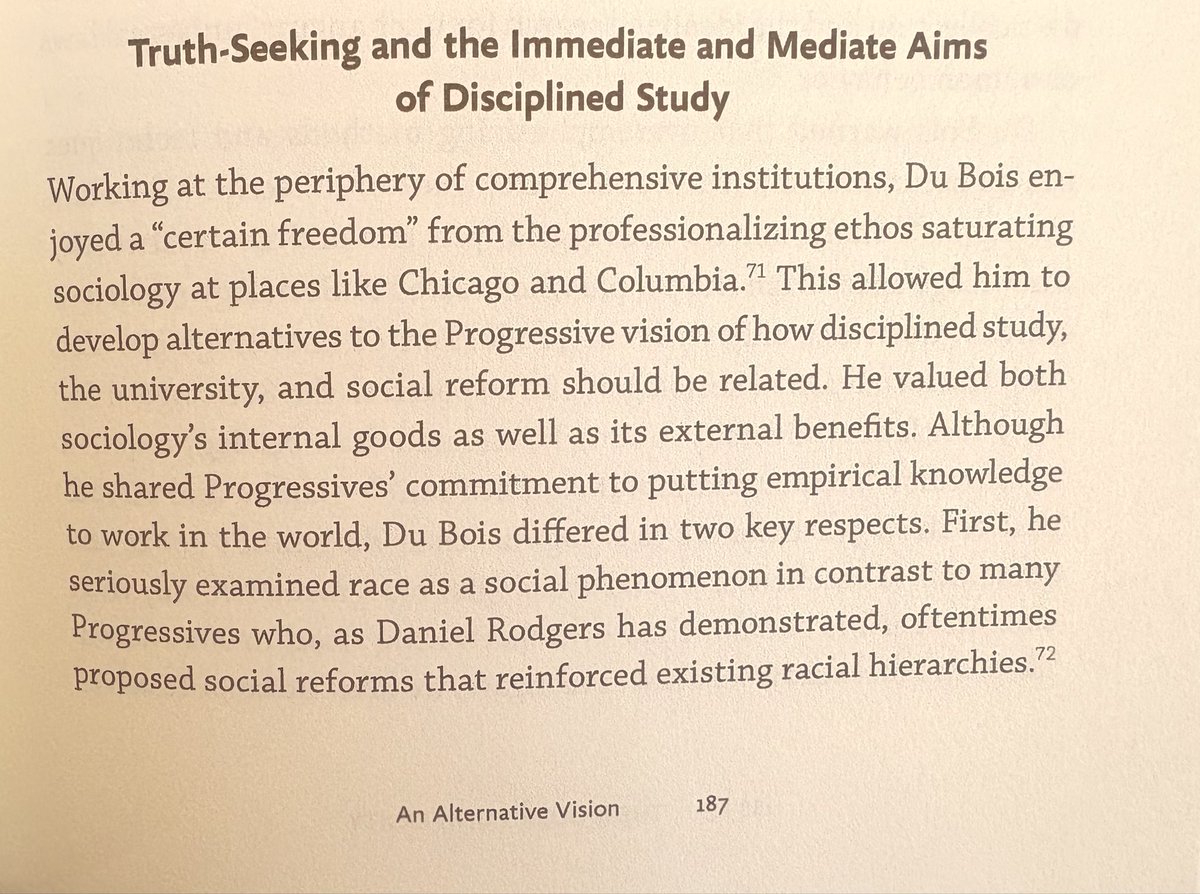
Conflicts over the lines btw scholarship & activism, social reform & who sets them just are the modern university. Du Bois committed to truth seeking & social reform. Ch. 7 of After the University focuses on this & the distinction btw mediate/immediate aims of scholarship.
Jun 10

I want to take up this challenge and offer a defense of scholar-activism that I hope, by stepping outside the confines of US domestic politics, will help opponents of scholar-activism recognize its value
1
22
2,011
Jun 11
The post below gets at similar distinctions. Real social reform, for Du Bois, required real truth seeking; real truth seeking often demanded social reform. A central function of the university *was* to manage divisions of social labor & knowledge on behalf of certain interests.
2
5
217
Jun 11
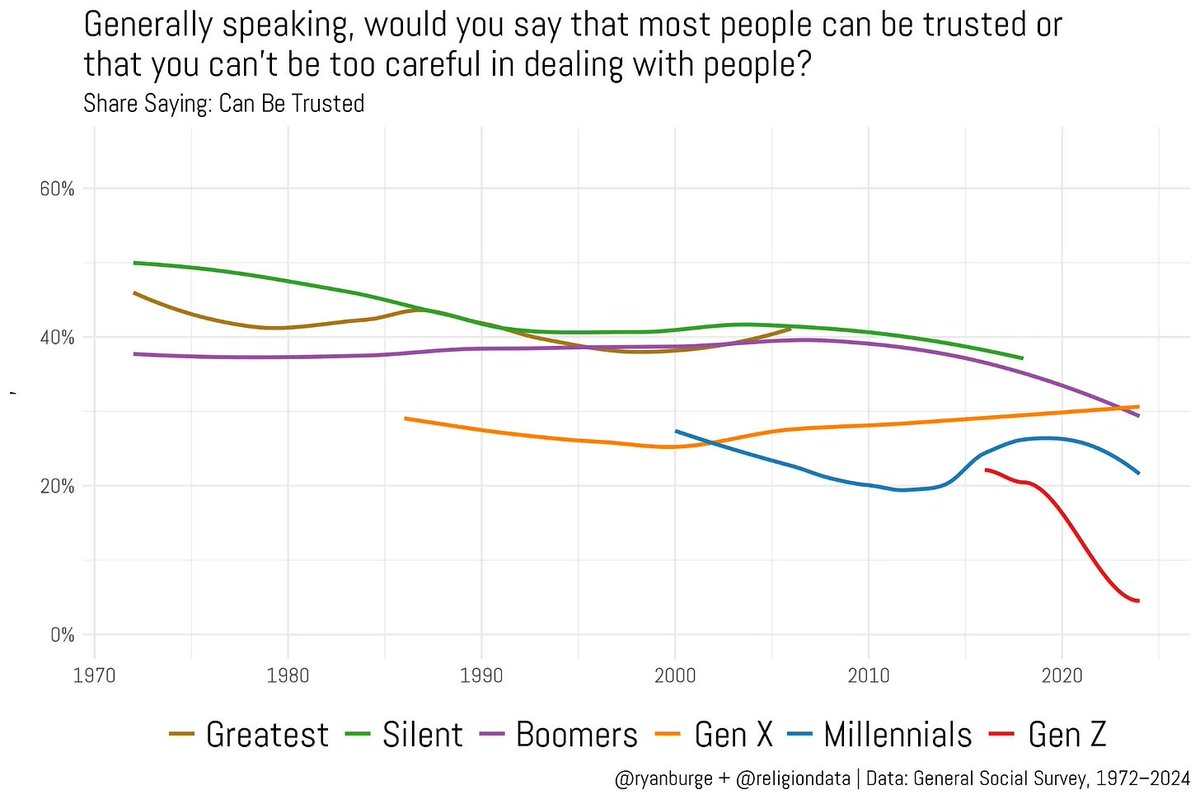
Maintaining healthy institutions very difficult if the default is ‘can’t trust nobody’

Honestly, this is scarier than the "reading for pleasure" graphs.
graphsaboutreligion.com/p/ge…
1
11
560
chad wellmon retweeted
Jun 10
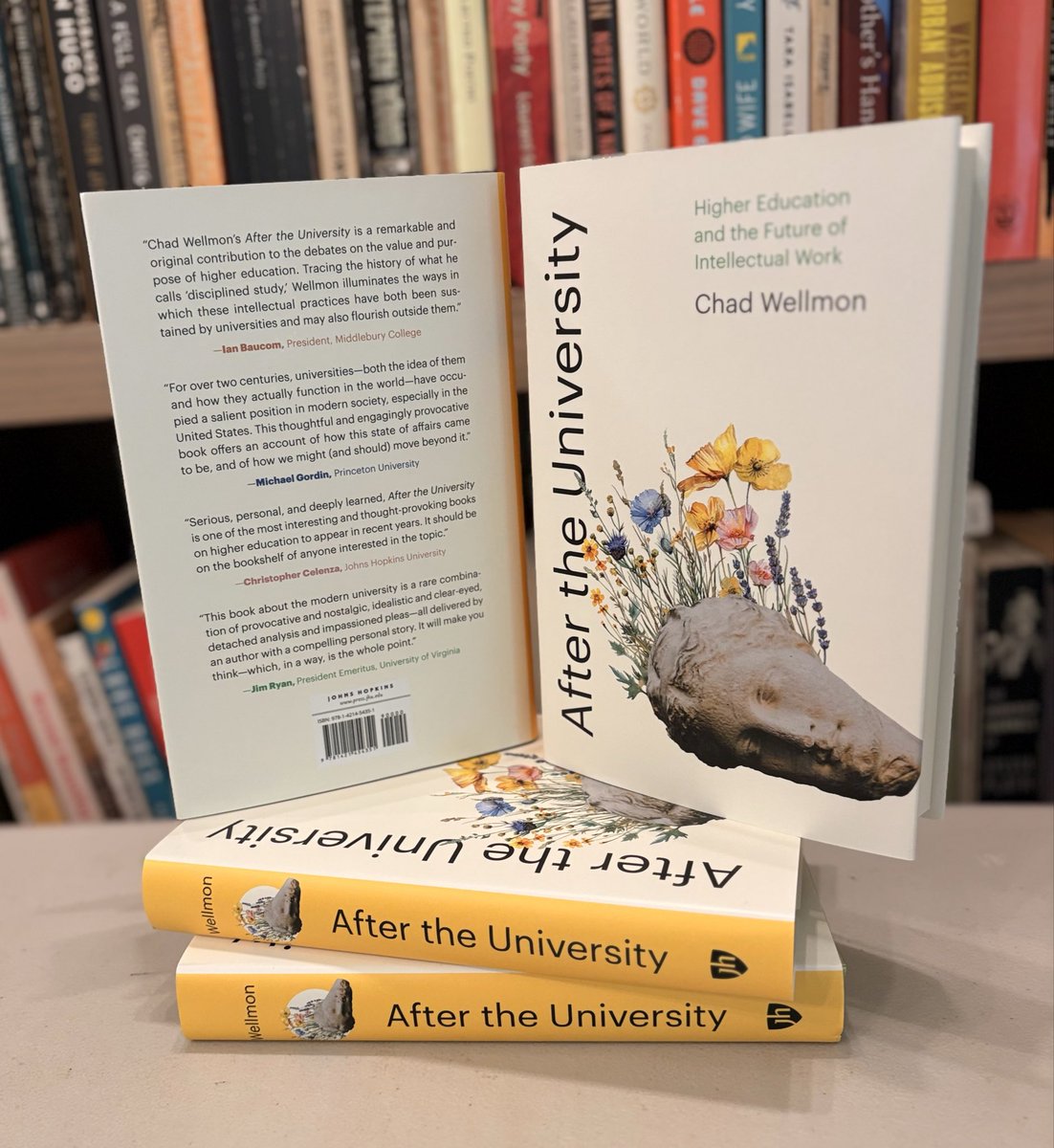
Last batch of review copies just arrived. Got yours? You can still preorder press.jhu.edu/books/title/12…
3
11
46
2,444
Jun 10
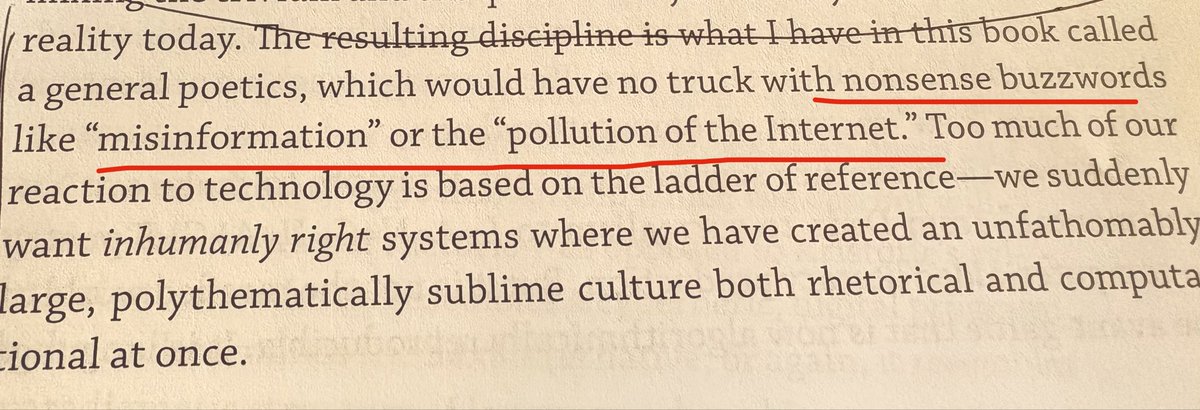
Rereading @leifweatherby’s Language Machines and his big no to “nonsense buzzwords like ‘misinformation’ and ‘pollution of the Internet’.” Error, sin, fragility, and still striving to know..that’s us.
2
3
24
1,773
Jun 10
Dude strikes out 50% of batters he faces…

Mason Miller has struck out 56 of the 110 batters he has faced this season (50.9 K%)
1
2
232
chad wellmon retweeted

Coming up: Mon. June 15 ~ 10am ET / 3pm UK
LAUNCH EVENT for our new issue:
"Towards a Critical Theory of Finance"
Melinda Cooper, Radhika Desai, and Stefan Eich with Paul North
Finance turned Marx upside-down; we need new theories to understand this.
thephilosopher1923.org/event…
1
4
7
510
chad wellmon retweeted

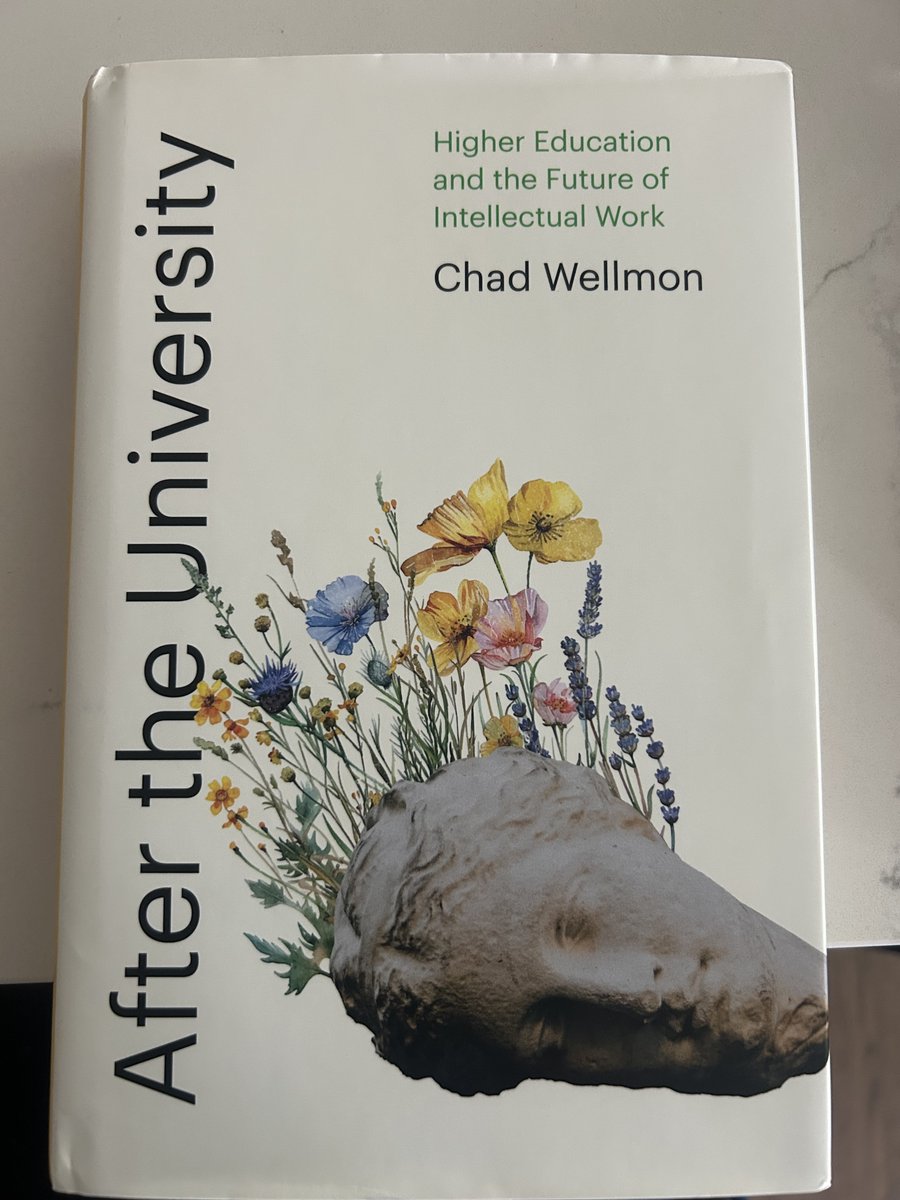
A very good book -- there is undoubtedly a future for intellectual work, but perhaps not in the form we have grown used to. Congratulations @cwellmon!
3
65
400
26,381
Jun 9
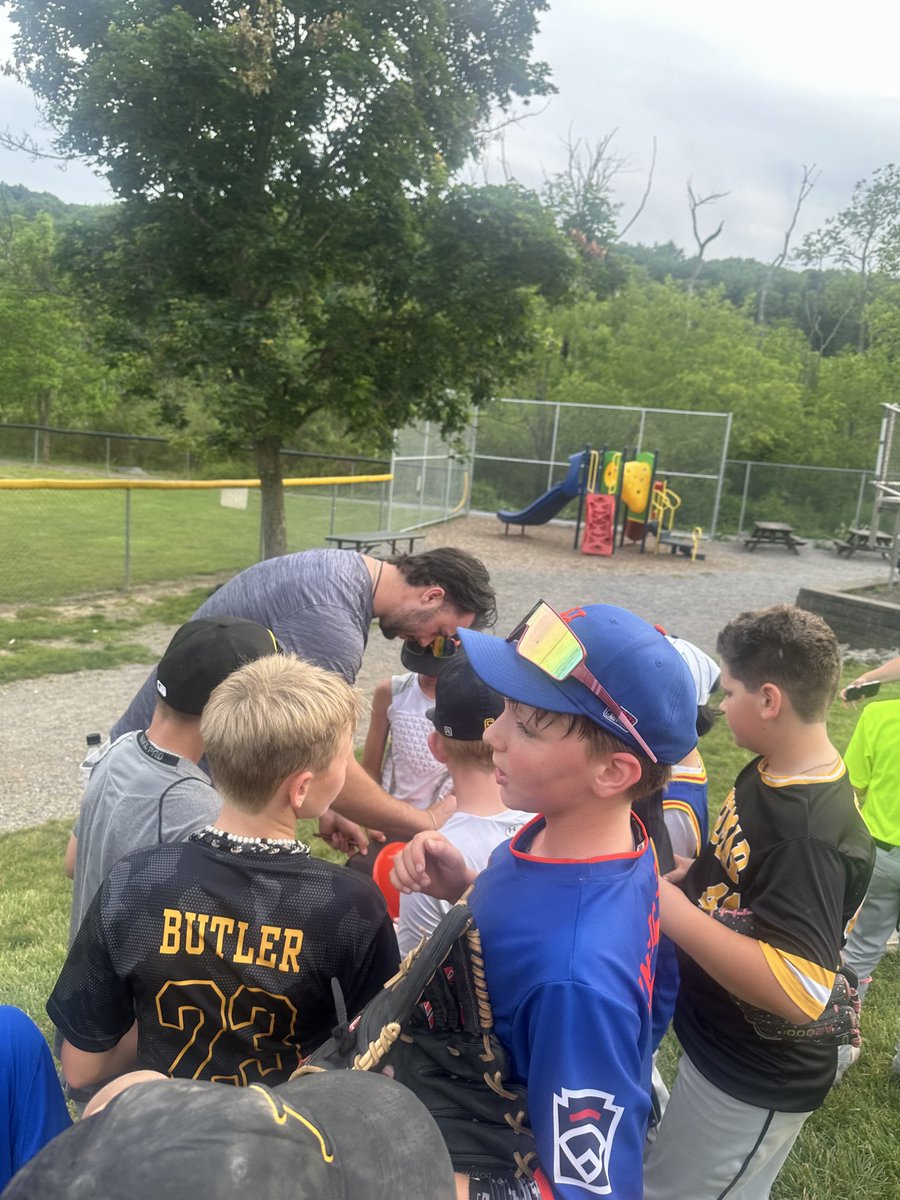
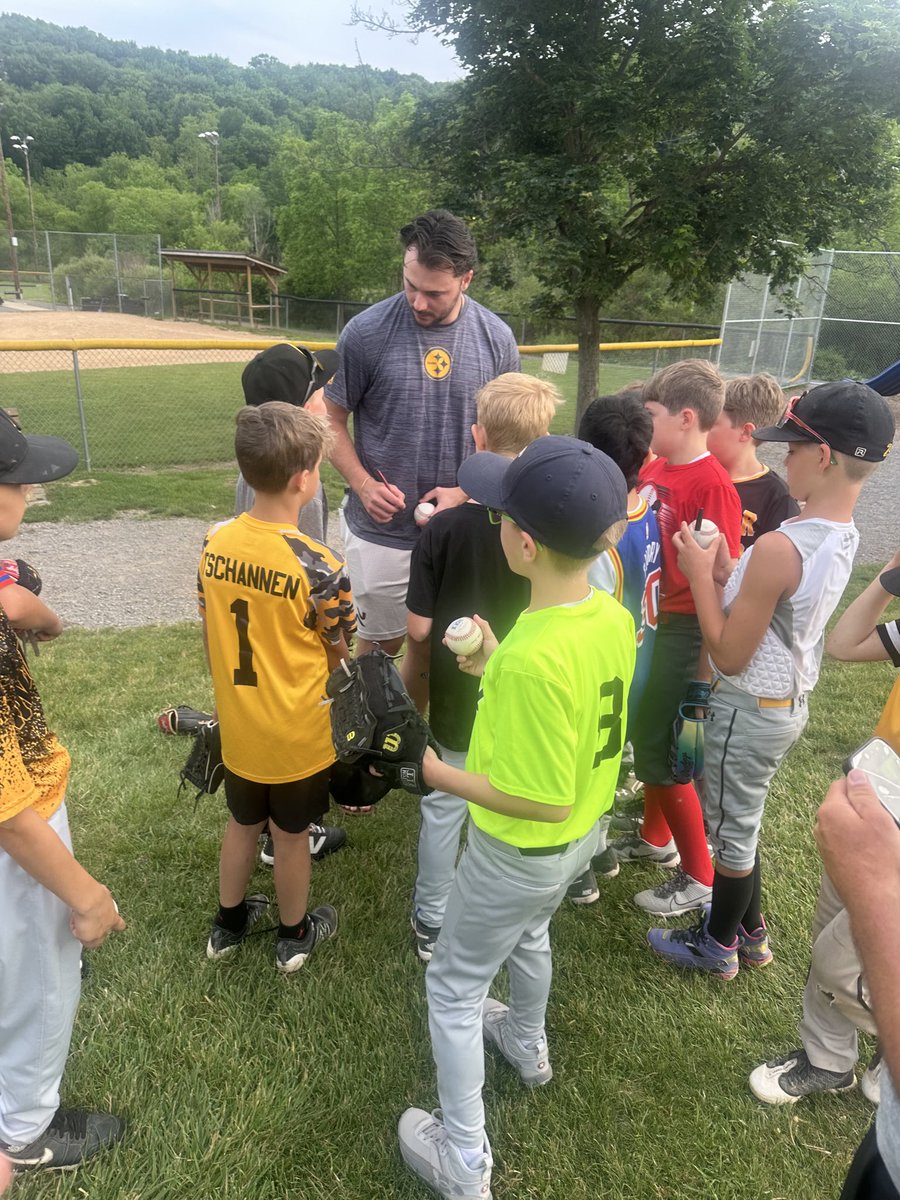
Paul Skenes out with the little leaguers showing that professionalization need not always smother a love simply in the doing

Paul Skenes is an awesome human in case anyone was wondering.
He was driving by the Ingomar Franklin Park Little League baseball fields last night and saw the lights on and just pulled on in.
He was there over 2 hours signing, taking pictures and playing catch with the kids.
2
505
chad wellmon retweeted

Here's the link to my appearance on the new @KnowYrEnemyPod, with the unenviable task of helping navigate Natural Right and History. know-your-enemy-1682b684.sim…
1
11
38
3,098
Jun 9
learning how φέρω proceeded through οἴσω, ἤνεγκα, ἐνήνοχα...ἠνέχθην may have been the moment I realized German it was gonna be for me.

The principal parts of φέρω, obvi.
1
8
1,017
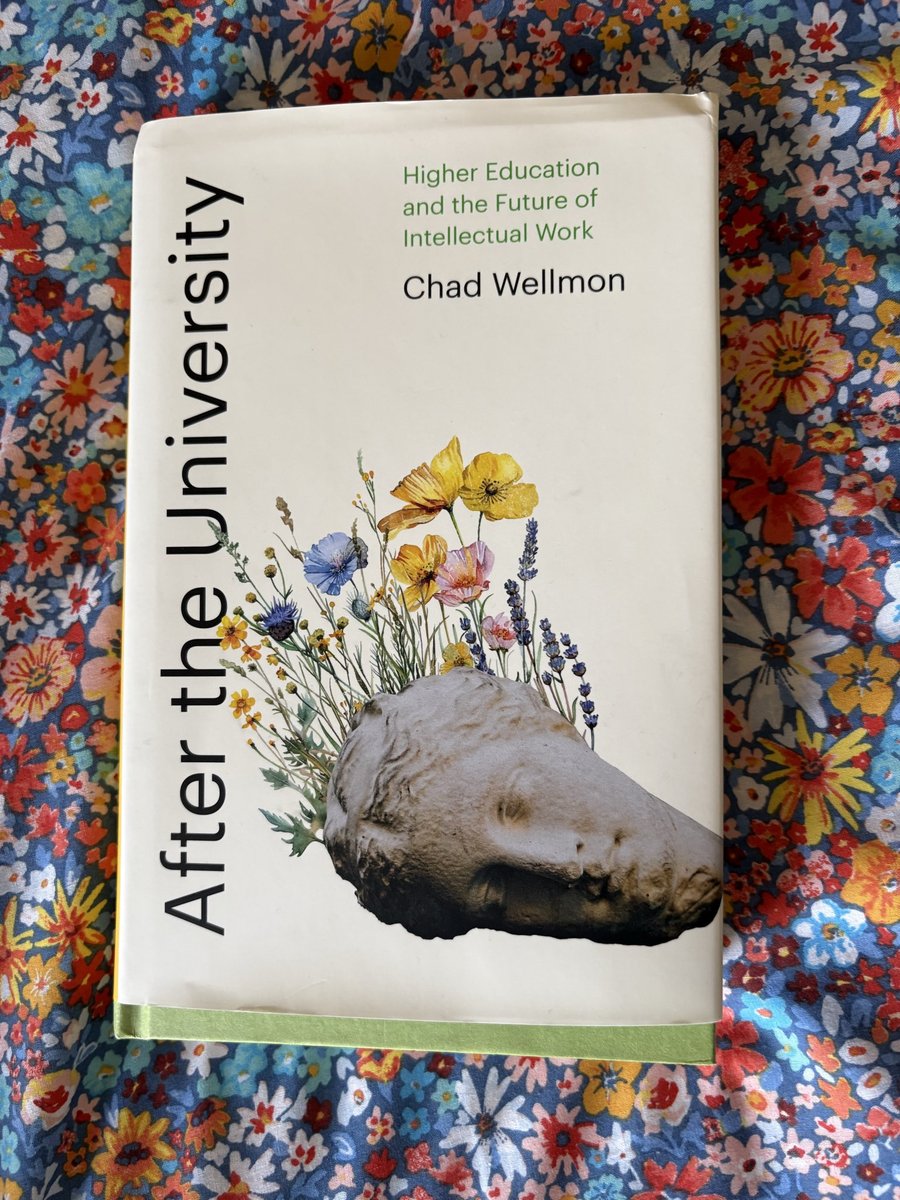
chad wellmon retweeted
May 30
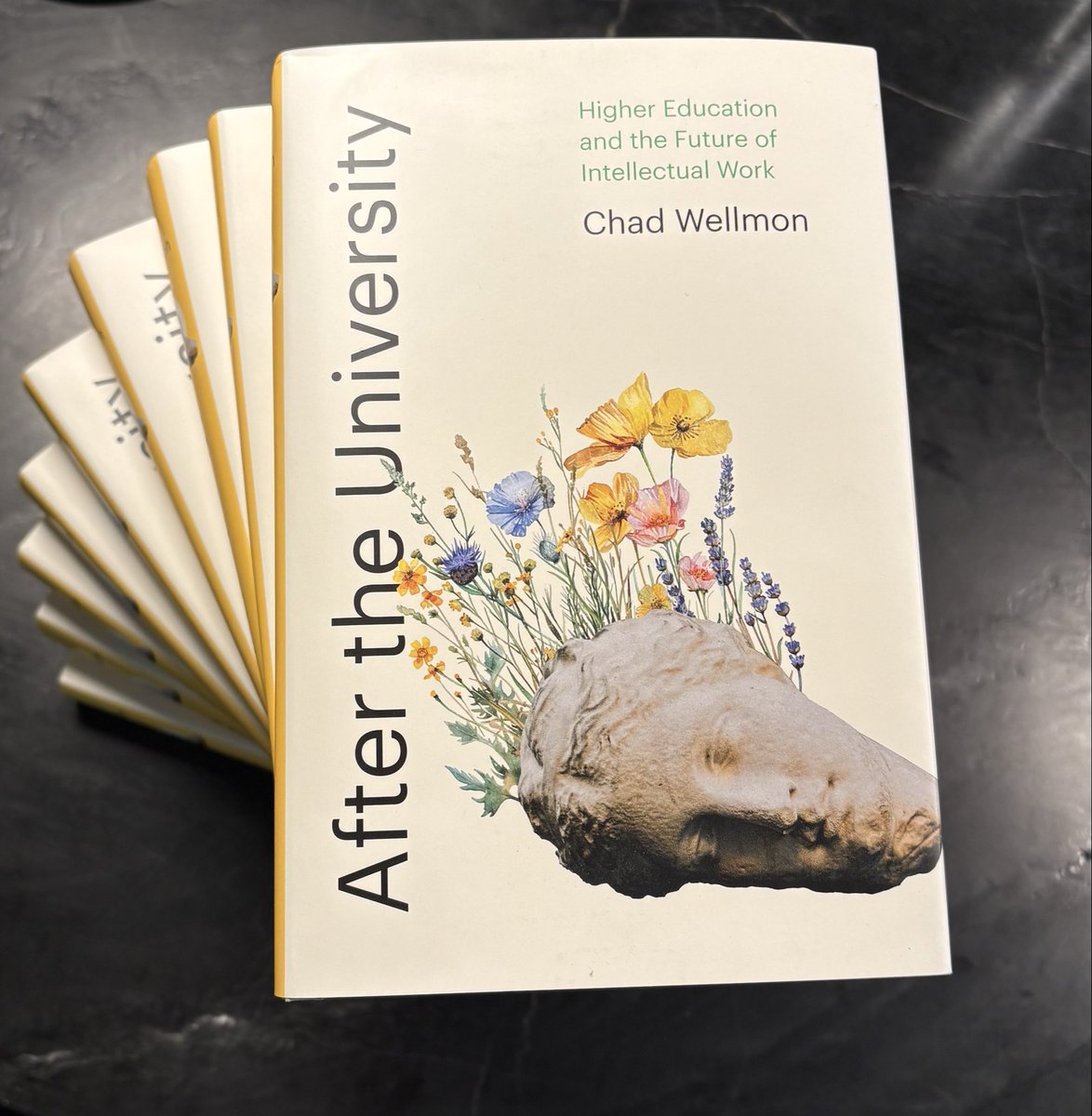
Just a few more weeks until After the University is out. Read the introduction here: chadwellmon.com/2026/04/16/i…
3
37
181
27,672
chad wellmon retweeted
Jun 9
lol the bot is onto something
1
3
860
chad wellmon retweeted
Jun 8
It exists.

A very good book -- there is undoubtedly a future for intellectual work, but perhaps not in the form we have grown used to. Congratulations @cwellmon!
3
2
36
2,191