
Joined October 2022
- Tweets 652
- Following 402
- Followers 1,510
- Likes 3,854
114 Photos and videos





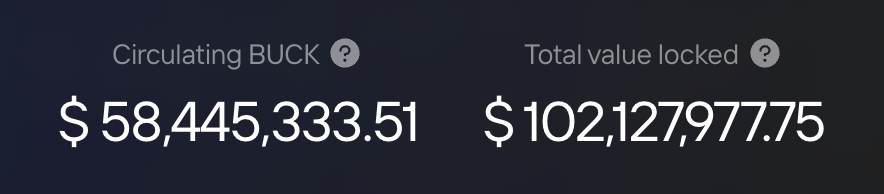


11 Oct 2025
I’m delighted I made it through this financial crisis safely — I didn’t really lose anything.
After thinking about it, there are two main reasons:
First, I’ve always focused on developing my worldview, life philosophy, and values. I constantly follow both domestic and international news to stay on top of global trends, and I carefully analyze the risk–reward ratios of different crypto opportunities. I study various indicators, never stop learning from top financial experts, and keep refining my investment experience and calm decision-making over the years. Sometimes I even revisit classic economics and finance courses from Ivy League universities to deepen my understanding of capital markets and risk management.
Second, I had no money.
10
3
63
5,635
damien.sui retweeted

16 Sep 2025
Bucket Product Upgrade is live.
Grow your returns by your vision: Simple. Predictable. Built for long-term leverage.
37
23
142
30,452
18 Jul 2025
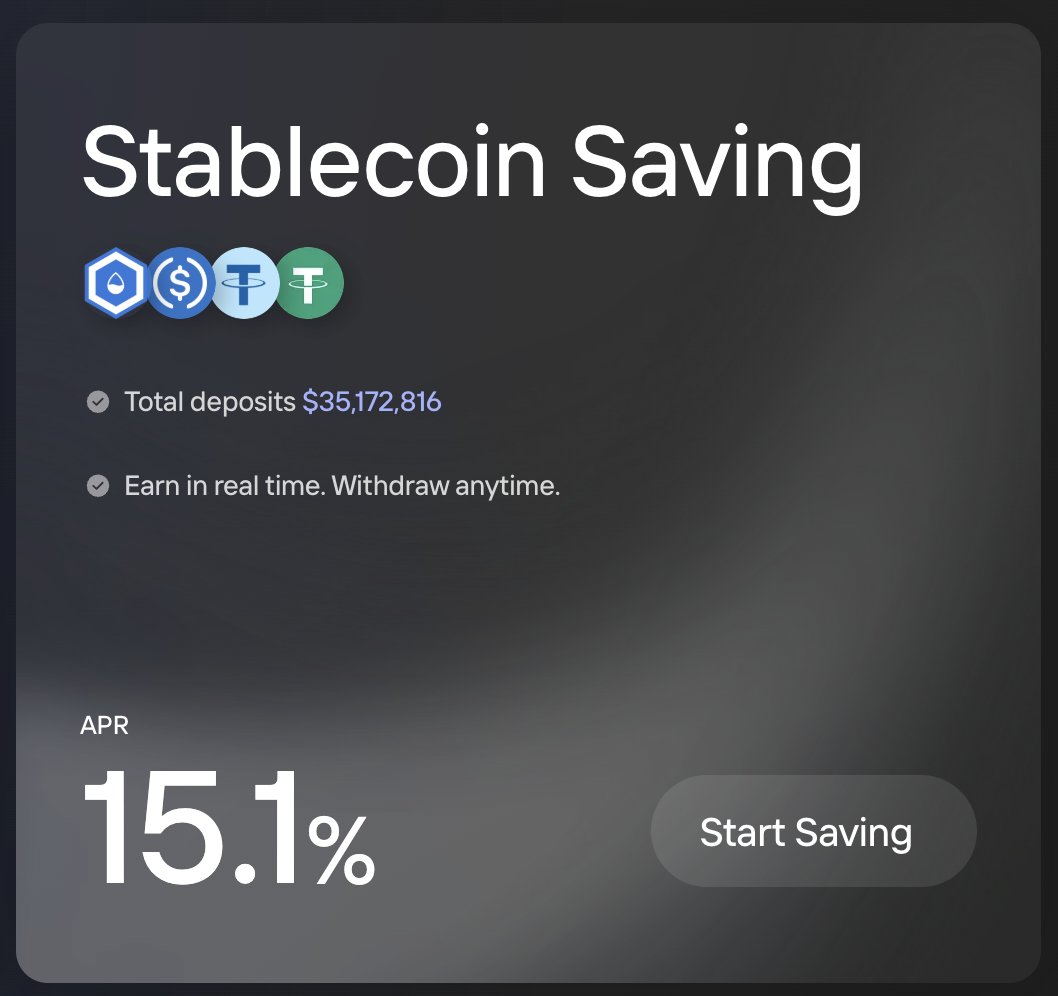
15% APR for your stablecoin deposits on @bucket_protocol
Starting earning now
👉 bucketprotocol.io/earn/stabl…
3
3
15
1,937
27 May 2025
When real issues happen, words aren’t enough — actions are what matter.
It’s been incredible to see Sui and its ecosystem step up not just with talk, but with real accountability and care for users.
This is what a responsible, long-term ecosystem looks like: one that protects its users, stands behind its builders, and shows up when it counts.
Proud to be building here.
27 May 2025

Sui Foundation is providing Cetus with a secured loan as part of a plan to quickly compensate user losses in full. The Cetus team will use these loan proceeds together with assets from their treasury to cover losses from the stolen funds that have been bridged out of the Sui network. This loan will allow Cetus to cover losses beyond what Cetus could fund on their own. These funds apply only to cover the bridged assets, and are separate from the frozen funds subject to the onchain community vote.
These are extraordinary measures taken to protect the Sui community. Taken together with the onchain community vote proposal, a full recovery is possible. Sui Foundation stands strong in its efforts to support its members.
5
5
60
3,868
25 May 2025
Hacker stole 2.13M BUCK.
Could’ve dumped it for 2.13M USDC on other DEXes.
Is this a security win or a marketing L?
Either way, BUCK holders are financially safe. Emotionally? Not so much.
Time to hire a CMO.
25 May 2025

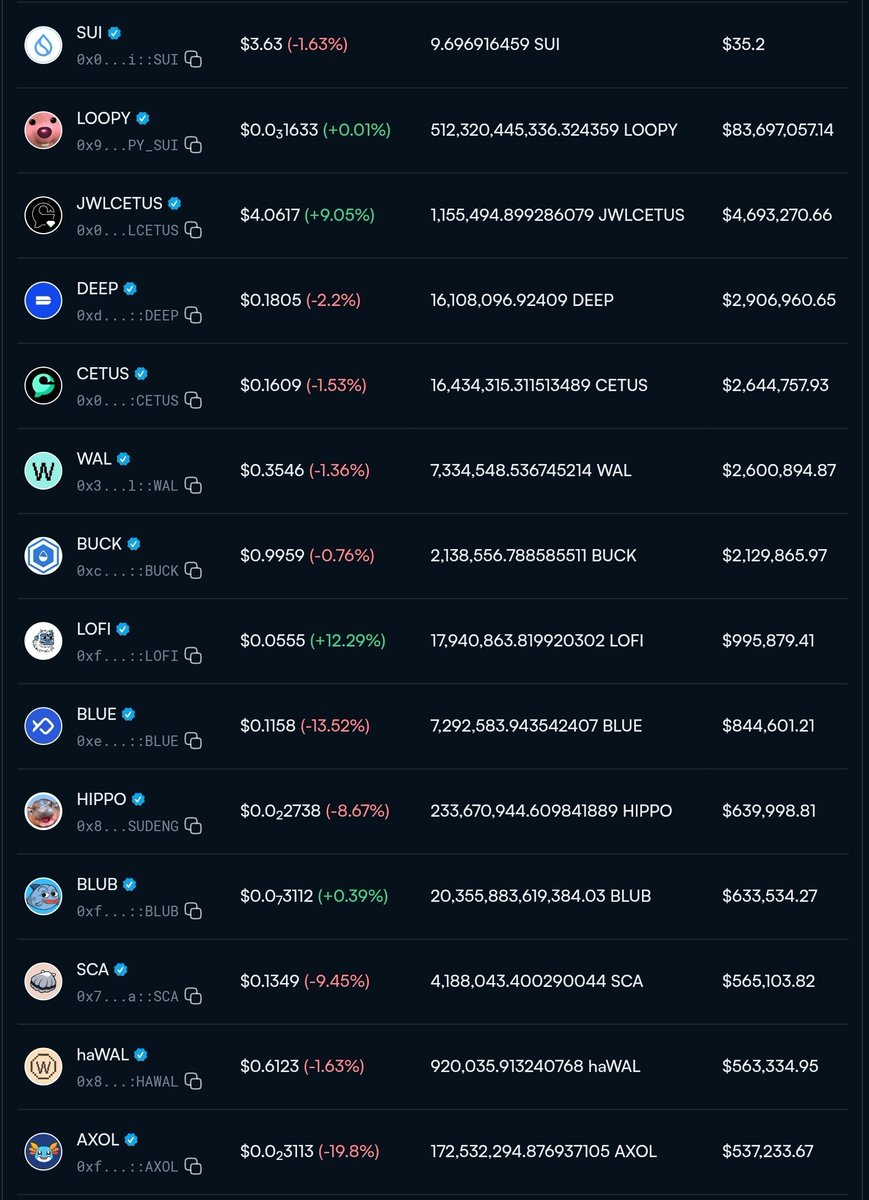
This are some SUI ecosystem tokens that got affected in the CETUS exploitation. (Wallet probably freezed)
4
22
3,405
25 May 2025
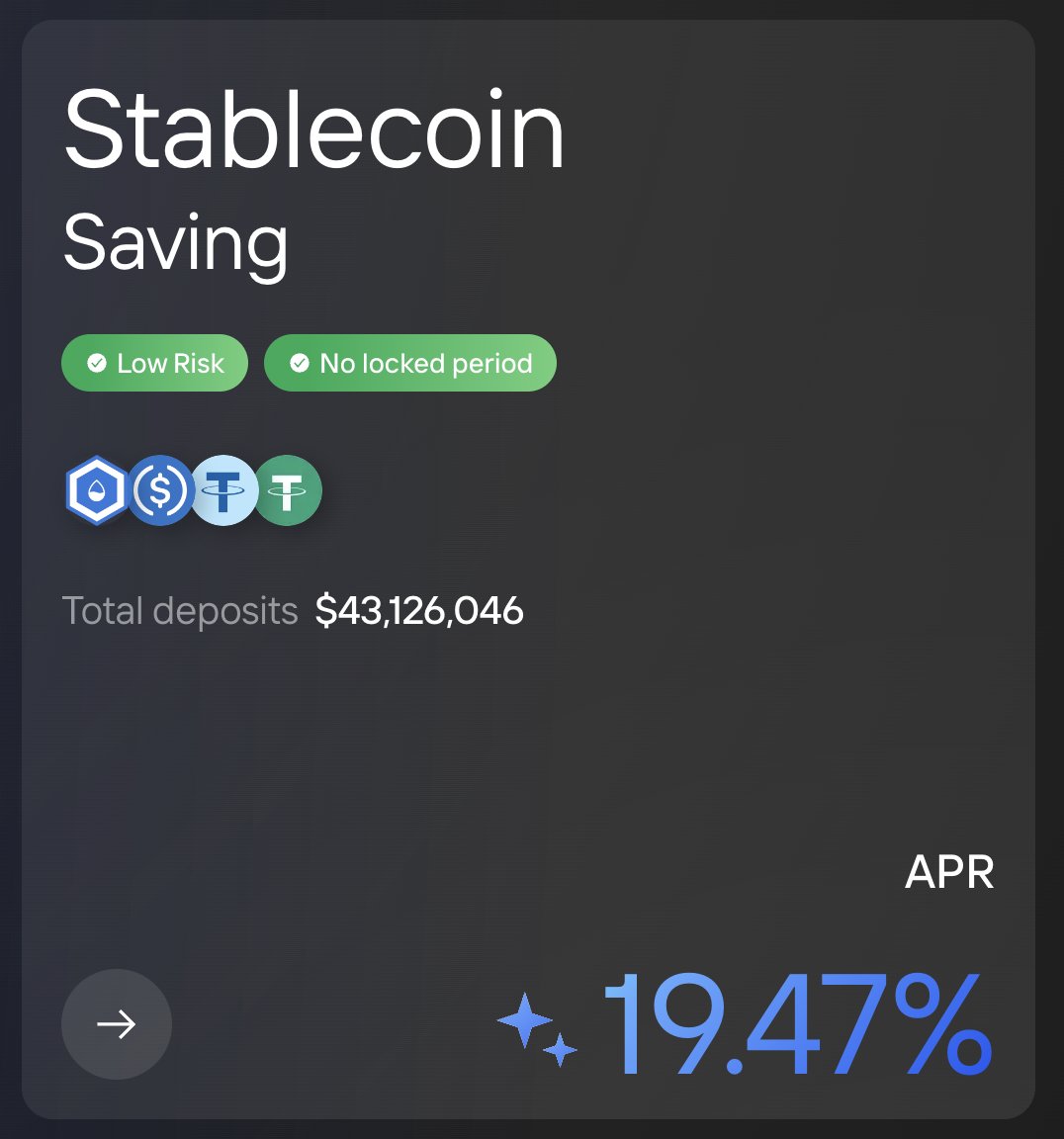
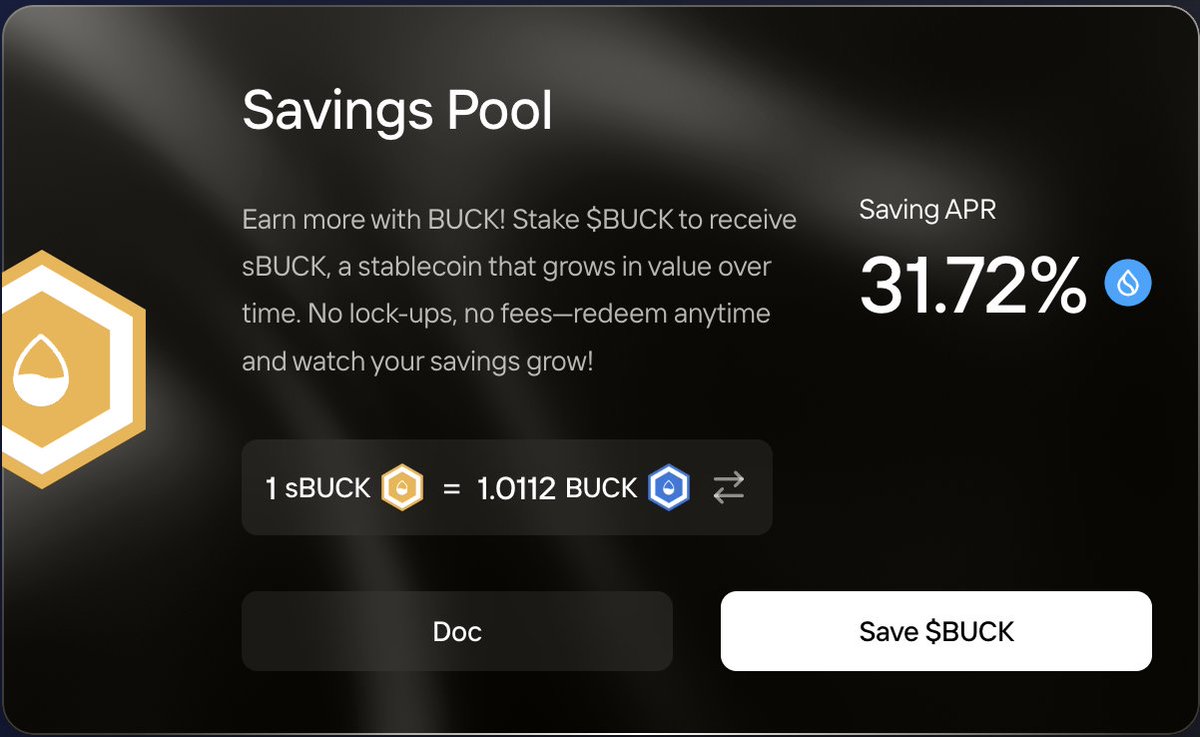
Earn 32% APR in $SUI by depositing your stablecoins (BUCK, USDC, USDT, AUSD) on @bucket_protocol
Link:
app.bucketprotocol.io/earn/s…
1
20
2,507
24 May 2025
What really matters now for Sui isn’t decentralization—it’s trust.
Not vague narratives. Not ideology. But real, tangible trust—from the people who actually matter.
1. Decentralization is a goal, not the starting point
Let’s be honest: the whole "decentralized vs centralized" debate is a distraction right now. As I said yesterday: decentralization is a destination, not the launchpad.
Every great mission needs a strong core team to make the right calls early on. That’s not anti-community—it’s anti-chaos. "Public opinion" can be valuable, but it’s often full of noise. And when every second matters, noise kills momentum.
2. Who actually matters?
In this moment, the voices that truly matter are the ones with real skin in the game:
People who locked capital into Sui,
Took market risk,
Believed in this ecosystem and put real money behind it.
Let’s be real. A lot of the people screaming about decentralization… have no capital on-chain. Sorry, but your takes don’t carry the same weight. And worse, they’re blurring the focus.
3. The real decision is simple: Should LPs get their funds back?
That’s the question. Nothing more, nothing less. Yes or no.
Everything else—voting mechanism, implementation details—is just the bridge. If the current proposal is to put it to a vote, let’s proceed with that.
4. My vote? 100% YES.
I’m not just saying this as a builder. I’m saying it as someone who lost nearly $4M providing liquidity (BUCK/USDC and BUT/SUI).
But more importantly, I want people who trusted this chain to know they’re not abandoned. That someone’s watching out for them.
If they can recover their funds, they’ll know they’re not just exit liquidity—they’re part of something worth staying in.
To those saying “this is too centralized”: Would you use a chain just because it’s decentralized? Or do you use it because it feels safe, open, and rewarding?
5. DeFi has never been about “absolute decentralization”
The value of DeFi is in its openness. In giving regular people—users, builders, dreamers—a shot at something usually reserved for the elite.
A certain level of centralization is necessary to protect users, builders, and investors. If you're more worried about whether a hacker can cash out… I’m sorry, but your motivations deserve scrutiny.
Sui never branded itself as a “hacker chain.” Yes, the hacker "played by the code"—but so did the protocol by freezing assets. You can’t have it both ways.
6. Let’s get back to first principles
The single most important thing right now is to protect the people who believed in us with real dollars. To make sure our supporters have the means—and the will—to keep backing us as we grow.
Decentralization will come. But trust and survival come first.
As someone building on Sui since day zero, I’ve seen us grow through FUD, doubt, and silence. No airdrop, no community? Look at this community now—stronger than ever.
What didn’t kill us made us tougher. So to every SUI stakeholder who has a vote: Make the choice that will keep this ecosystem alive and thriving.
Final thought
@CetusProtocol didn’t run away. They’re facing the situation, proposing solutions, and letting the community vote.
That’s what mature protocols do.
No one wanted this to happen. But they’re doing everything they can to make it right. Let’s give Sui—and Cetus—the space and support to rebuild stronger.
23 May 2025
On Wednesday, the Sui validator community acted quickly to freeze $162M of the stolen funds. Here’s how that happened:
- Each validator has a configuration file that allows it to ignore transactions from a specific address.
- Adding addresses to this file is at the discretion of each individual validator, and can be reversed at any time.
- More than ⅓ of validators by stake chose to ignore transactions from the two addresses they believed to be connected to the attack, effectively freezing the funds.
- The ability of an individual validator to ignore transactions from a specific address is not unique to Sui–any validator in any network can choose to do this, such as to operate within their individual risk tolerance or to comply with law.
- Sui validators acted quickly enough to freeze some (but not all) of the stolen funds, worth approximately $162M at the time of the freeze, before the attacker attempted to bridge them out.
- Freezing is intended as a temporary, emergency measure to slow down an attack and give the victim leverage to negotiate with the attacker. It served precisely this purpose in the Cetus attack. Unfortunately the attacker has not responded to outreach from the Cetus team.
Earlier today, Cetus called for a community vote on a protocol upgrade to return the frozen funds, without rolling back chain history or reversing transactions. This is an extraordinary request in response to extraordinary need–Cetus’s customer funds are at stake. After consideration, we support their call for an on-chain vote on two conditions:
1) We will abstain from the vote and remain neutral on the outcome – our role is to design and facilitate a process that will reflect the will of the Sui community at large. We will share design details and code soon.
2) Cetus must publicly commit to marshalling all of its financial resources to recover all funds and return them to customers until everyone has been made whole.
36
31
147
18,328
23 May 2025
這次 Sui 上的事件,一些想說的話和反思
1. 關於凍結資產這件事
我引用的這篇文章有大致說明資產是怎麼被凍結的——是驗證節點們集體配合完成的,確實比較中心化。但只要這在規則內,那又如何?
未來如果希望有更多機構進場,他們要的是資金安全,而不是看著兩億美金被洗走還無計可施。說到底,去中心化不是拿來自毀長城的。
2. 去中心化金融是相對的
DeFi 的價值不在於「絕對去中心化」,而是創造了一個開放、無許可的金融實驗場。相比傳統金融,它讓更多平凡背景的人有參與的機會,無論是用戶還是開發者。這才是它真正吸引我們的地方。適當的中心化能保障用戶、開發者與投資人的安全。
如果你在意的只是黑錢能不能轉出去,那你的動機令人存疑。
3. 去中心化是目標,而非起點
去中心化是一段過程,不是一開始就有的狀態。任何偉大的系統,在早期都需要中心化的團隊去推動與維護。因為大多數人不是菁英,決策若無效率,整個系統可能根本走不到未來。
2016 年的以太坊回滾,是最中心化的例子,但也因此保住了早期生態系的命脈,才有今日的繁榮、今日的去中心化。偉大的目標都有成長路徑,只要方向明確,有能力前行,剩下的就是控管風險,就像你們管理倉位一樣。
Sui 是這個行業的領導者,承載著太多事業與團隊的未來。我們無法想像他們的壓力,但「確保今天不死,才有未來可言」。
4. Sui 的整個生態,這次讓我非常感動
從Mysten Labs、Sui基金會、各個協議、驗證者節點間的配合中,我看到的是一個非常團結的生態,要達成這麼多不同國家的人、不同追求的個體相互扶持,想要撐起一個生態系是多麼困難,在一條相對年輕的鏈看到,讓我覺得在這條鏈上面做事業非常幸運。
作為一個開發者,我相信整個 Sui 生態會在我需要的時候給予協助;作為一個用戶,我相信整個 Sui 生態會盡力為了我的資金負責。
5. 市場對 Cetus 的一些話
有人說實力不足,有人說監守自盜。作為最早在 Sui 上開發的團隊之一,我想說:Cetus 在產品、技術與商業策略上都是我們學習的對象。這次程式出錯的確需要負責,但他們正全力補救,請給點時間。
至於「監守自盜」根本無稽之談。我認識這個團隊三年了,都是認真做事的人。撇開情感不談,一個已經做到行業龍頭、擁有穩定現金流與好名聲的項目,怎會捨穩定收入不顧,選擇自毀長城?
如果你覺得我在說風涼話——我們自己作為穩定幣的造市者,這次事件回吐了幾乎全部的創業利潤。
但請放心,Bucket 協議本身並未受損。雖然 BUT 流動性池被砸光了,我們會妥善處理,最壞的情況下,我也會親自補上流動性。
6. 一些反思
Security is not important until it becomes important.
說真的,剛起步的時候大家都想快速擴張,不會太在意那些風險邊界。但現在,我們都已經是上億 TVL 的協議了,這已經不是遊戲,是正經事業,稍不注意就會滿手鮮血。
這次讓我們警覺,我們會更重視風險管理,從智能合約,到流動性設計,再到清算系統,全面加強。也建議其他快速擴張的團隊提早注意。
至於資產回撤的感覺…我覺得只要產品還在、用戶還在、方向還在,其他的都會回來的,一百天後回來看,這也只是another random day
也有可能,我只是待在 crypto 太久,早就被割習慣了 😂
希望 Sui 上的各位挺住,明天會更好!
23 May 2025

PSA- Decentralisation doesn’t mean turning a blind eye to crime.
Decentralisation means that the judgement of what’s right and wrong needs a buy in from 100s of independent entities, acting in the best interest of the network and its users.
Today, during a critical incident, 100s of independent validators on @SuiNetwork acted swiftly and collectively to stop a bad actor from stealing user funds.
If anything, this proves that decentralized networks can rival centralised systems when it comes to protecting users.
24
15
89
17,345
22 May 2025
To all the @bucket_protocol users:
Your funds are safe.
Stay strong @CetusProtocol 💪
20
3
53
2,542
22 May 2025
3 May 2025
Two years ago, Sui was a single ripple — now it’s a rolling tide, lifting builders, dreamers, and degens on waves of possibility. Here’s to every crest we’ve conquered and the deep blue still ahead.
What was your favorite water chain history moment?
1
1
18
1,545
damien.sui retweeted
14 May 2025
Introducing the New Borrow UI 🌟
Say goodbye to the cryptic chaos of “MCR/TCR/RMT”—understanding your position just got easier.
Here's what's new:
→ A vibrant rainbow risk bar 🌈
→ Real-time collateral safety slider 🎯
→ No jargon, just good vibes and streamlined leverage
16
8
62
3,337
1 May 2025
26
1
83
4,839
damien.sui retweeted
27 Apr 2025
Bucket’s heading to #SuiBasecamp! 🇦🇪
Let’s BUCK UP and build on @SuiNetwork
26 Apr 2025
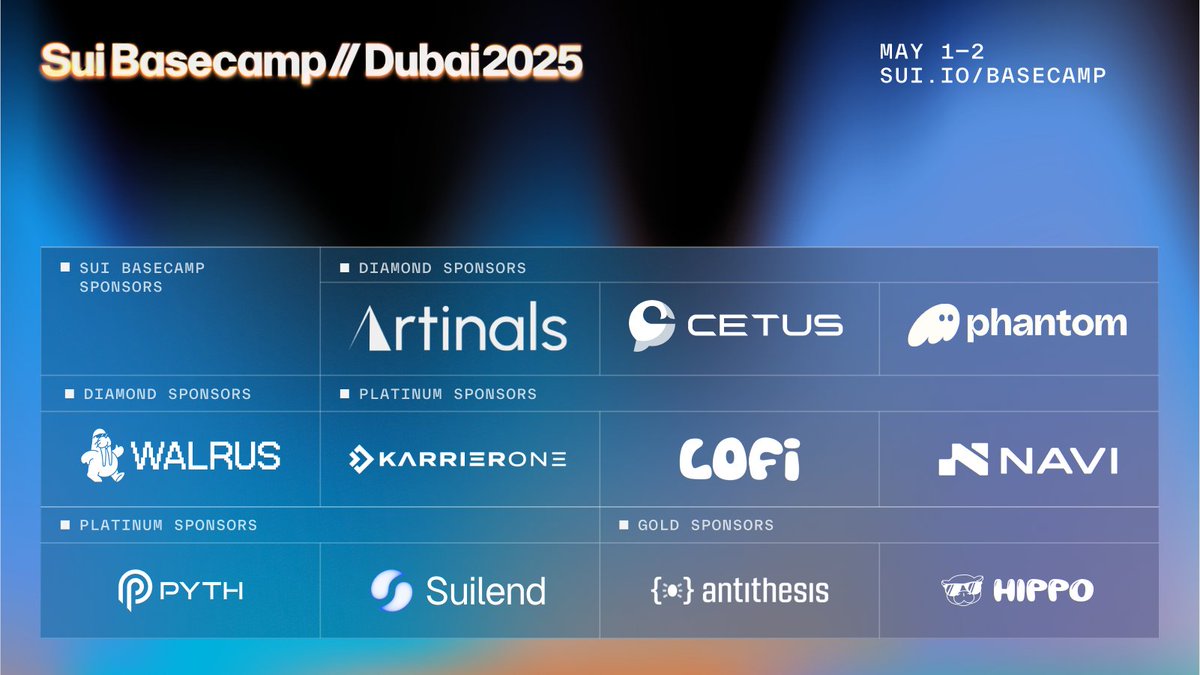
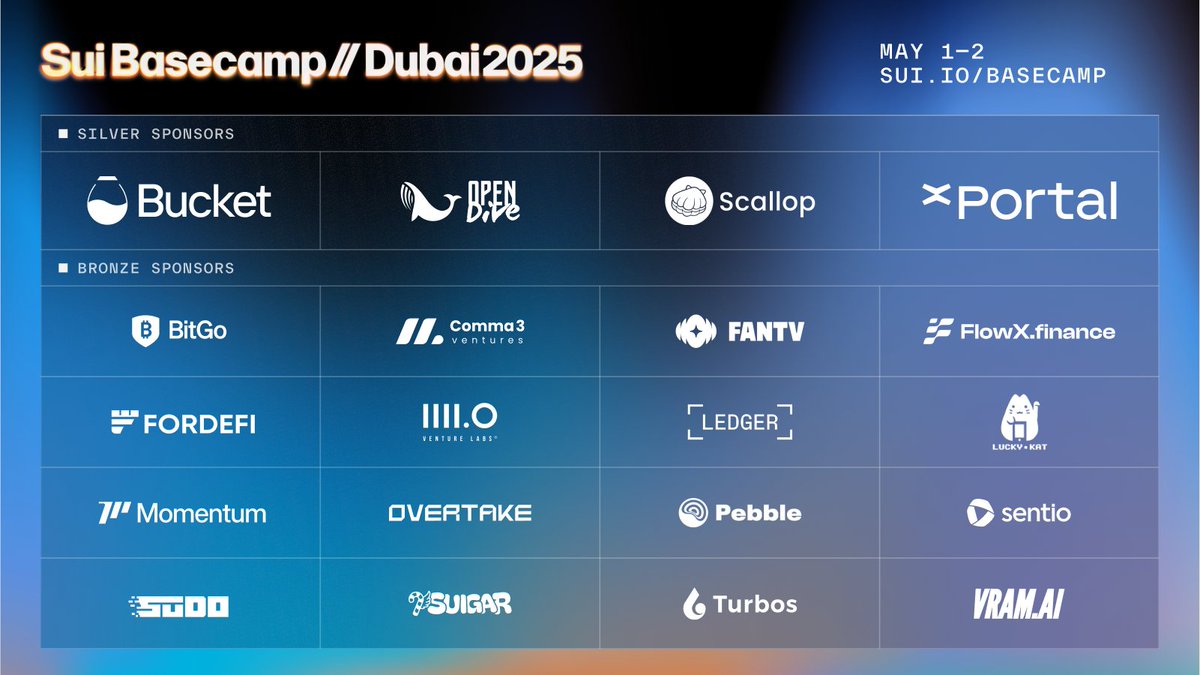
Here come the sponsors joining us for #SuiBasecamp magic in Dubai 🇦🇪
From infra and DeFi to games here’s a look at the teams showing up to support the Sui ecosystem this May.
9
3
63
5,375
damien.sui retweeted

25 Apr 2025
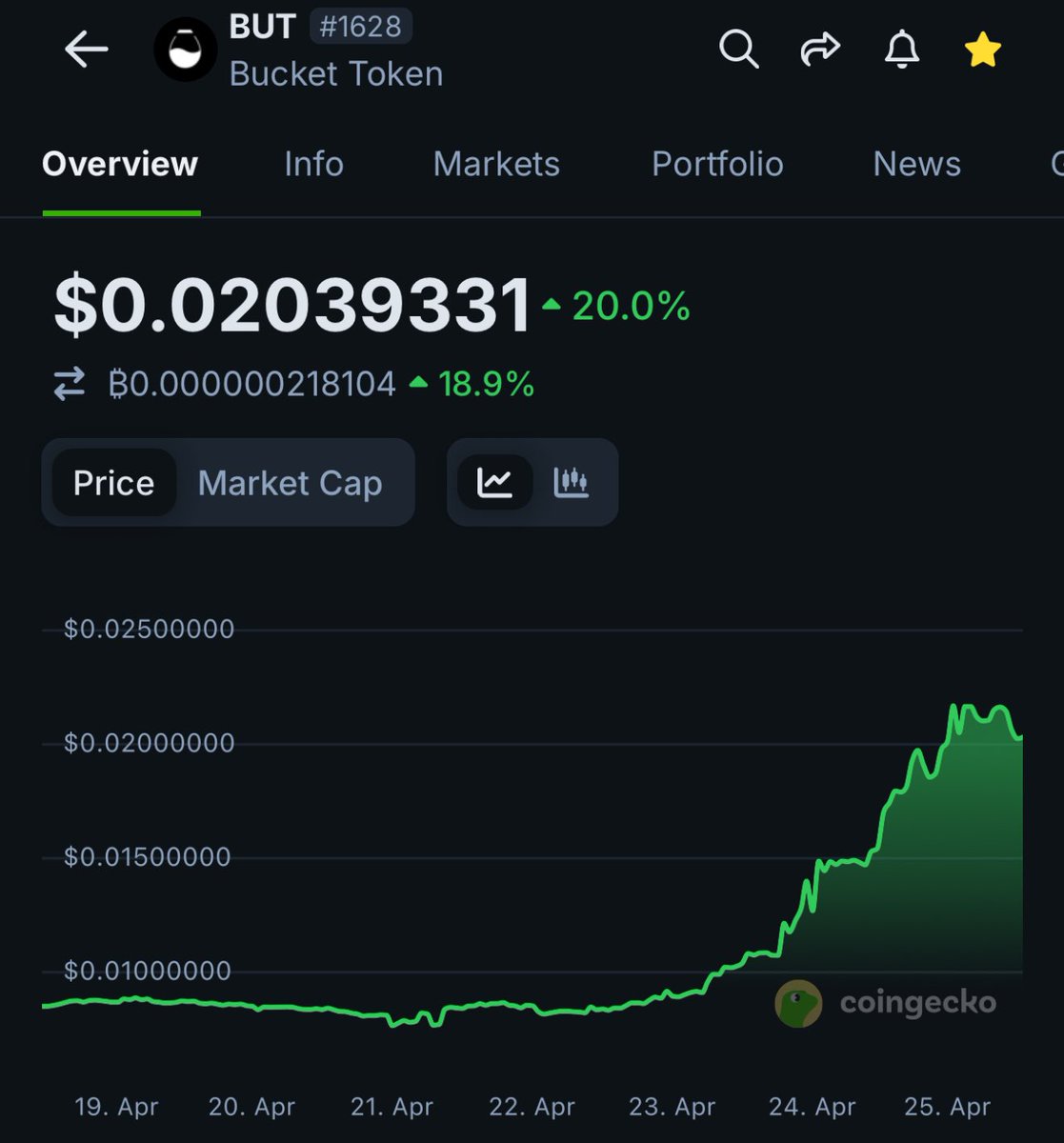
$BUT
SUI 生態最重要的協議之一,
未來還會推出除了穩定幣以外的各種產品。
加入社區👉🏻 t.me/bucket_asia
19
4
47
7,133
damien.sui retweeted

24 Apr 2025
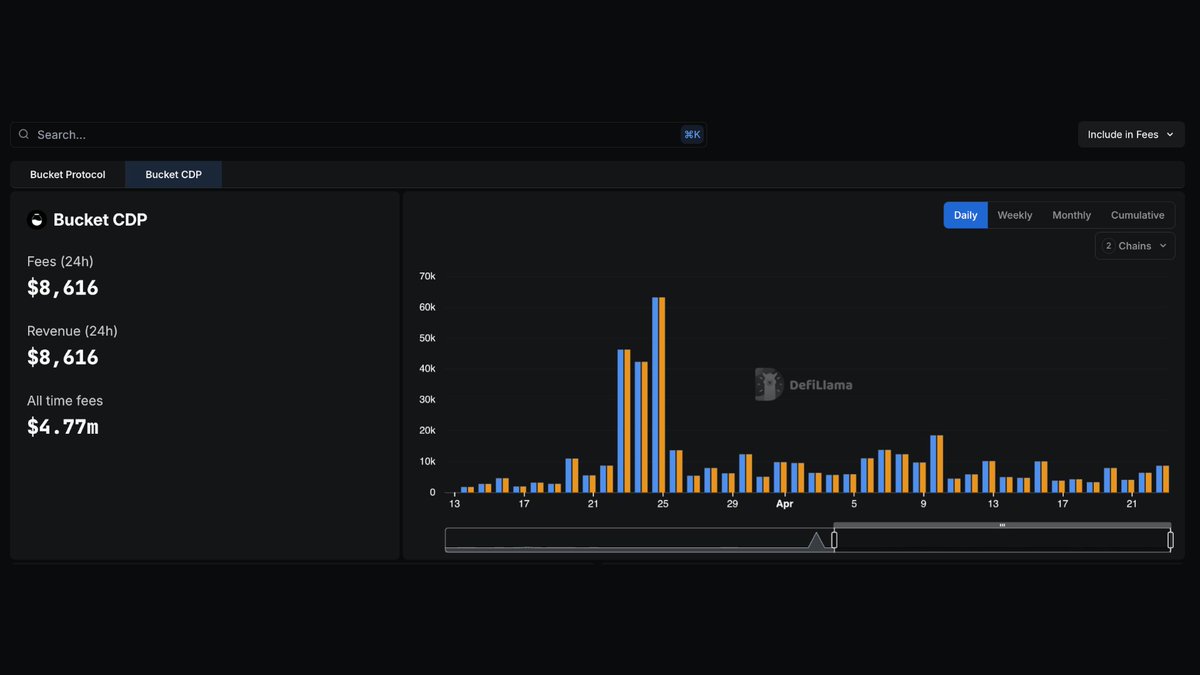
Now tracking @bucket_protocol CDP on our Fees & Revenue Dashboard
4
1
12
3,752
24 Apr 2025
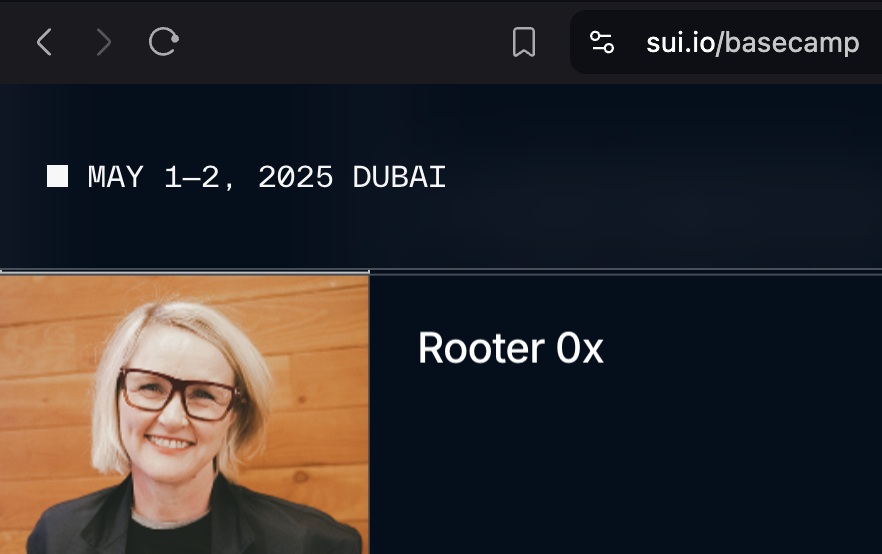
BREAKING:
@0xrooter finally decided to dox herself at Sui Basecamp 2025
Can't wait to meetup!
9
27
833
22 Apr 2025
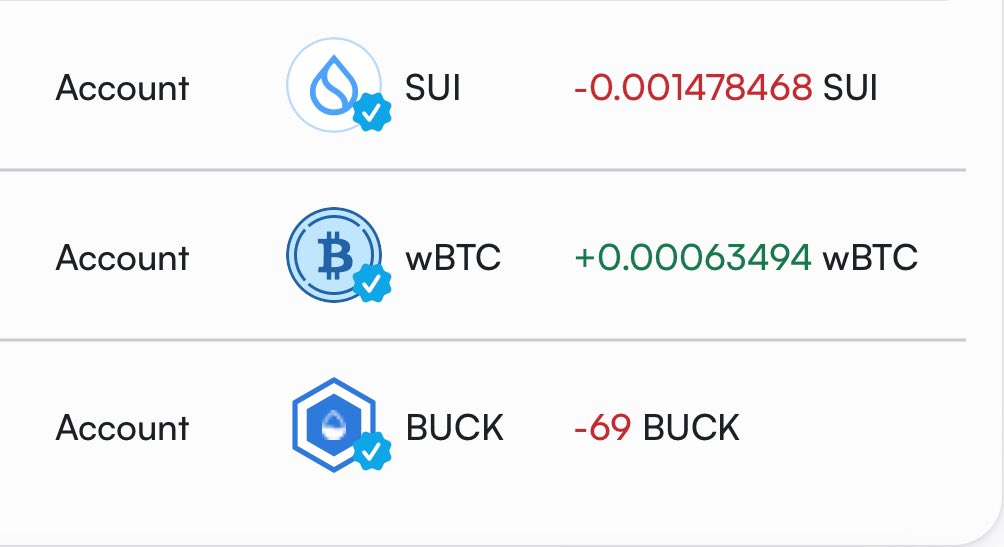
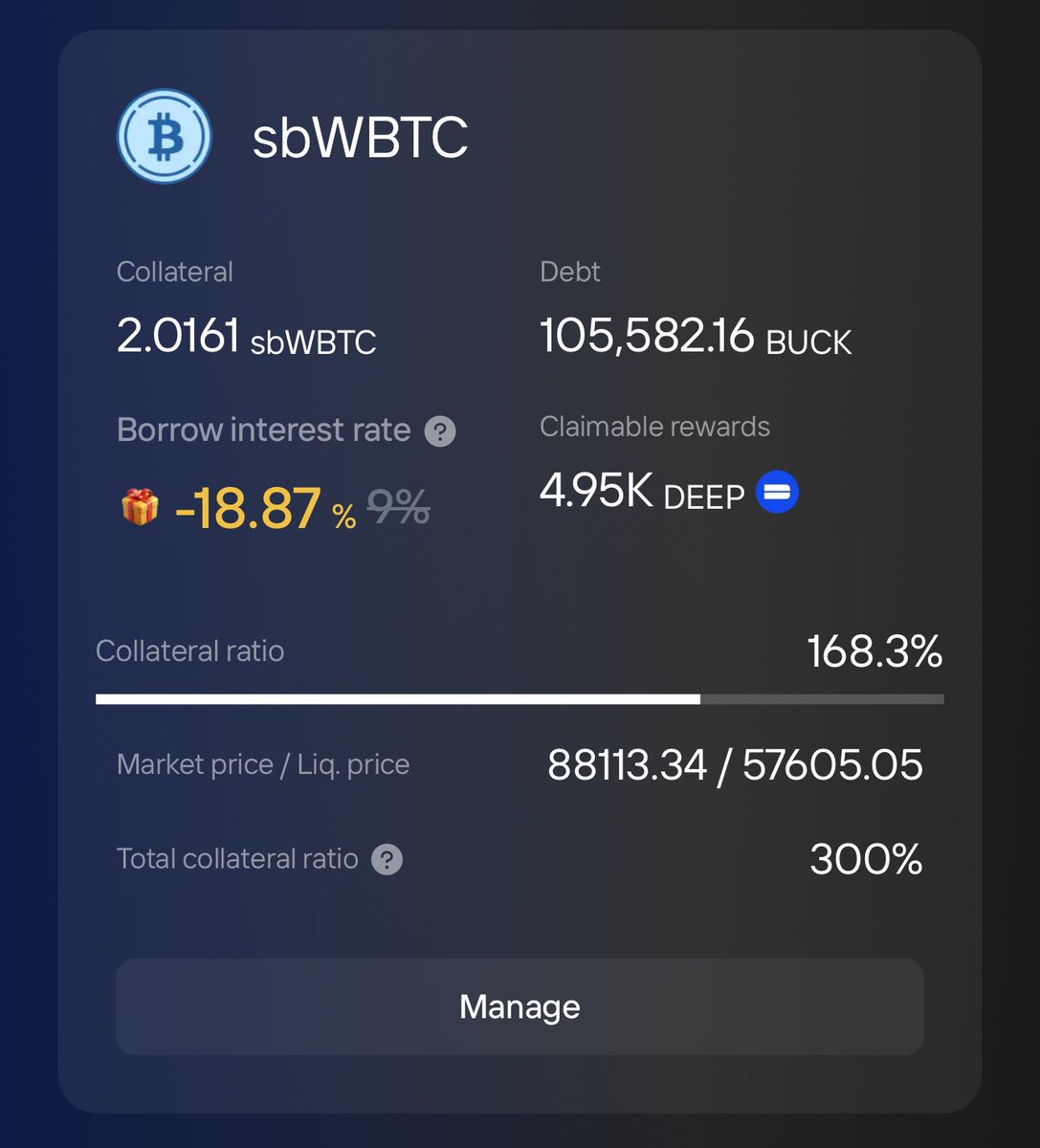
Boost your $BTC with up to 30% APR on @bucket_protocol
Step 1: Earn 18.87% APR in $DEEP by borrowing BUCK against $sbWBTC: app.bucketprotocol.io/borrow…
Step 2: Add BUCK to the Savings Pool for 12% APR in $SUI: app.bucketprotocol.io/earn/s…
1
2
18
2,662
15 Apr 2025
Just found out I can delete someone else's messages for them in Telegram DMs.
Why does this feature even exist @telegram? Who asked for this? 😂
5
9
1,129