
Sharing what I learn or have learned in my life that could potentially help you in yours.
Joined September 2020
- Tweets 5,234
- Following 49
- Followers 8,591
- Likes 5,546
138 Photos and videos


Pinned Tweet
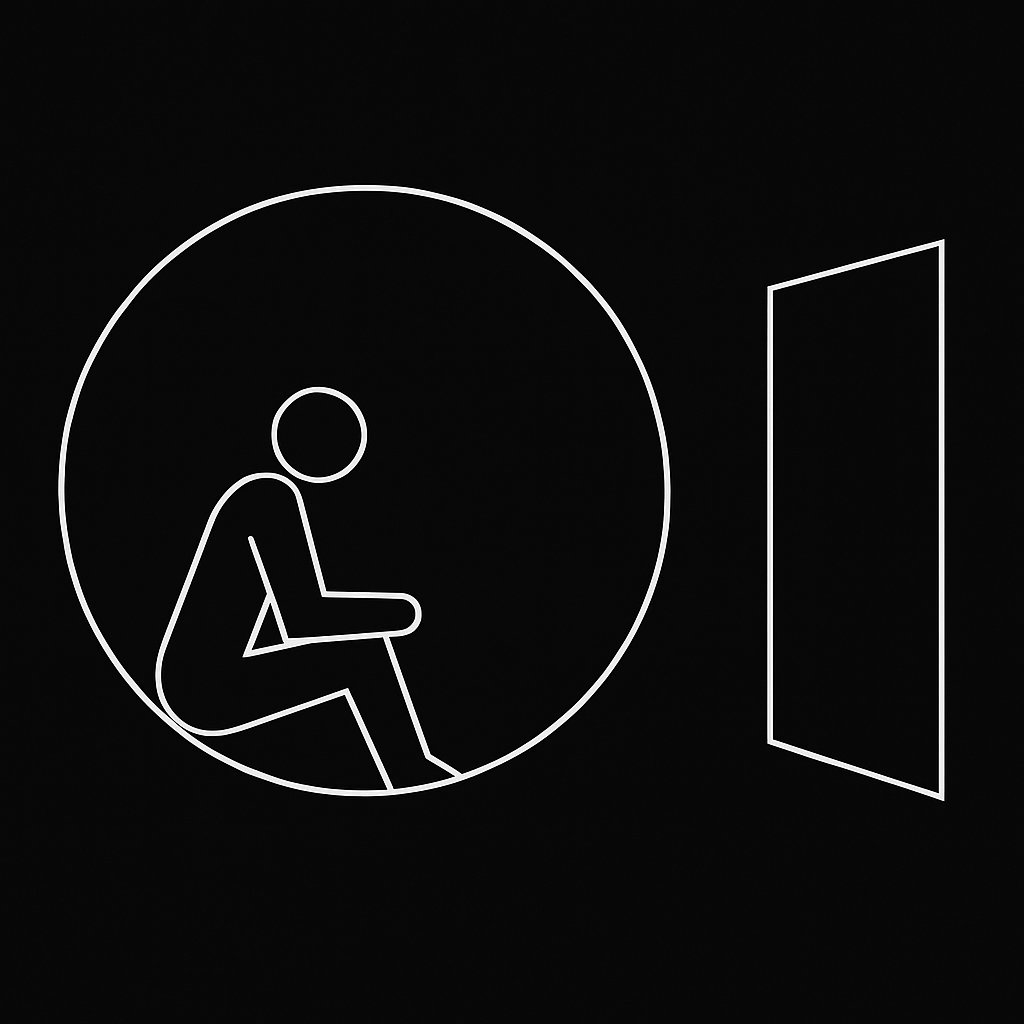
If the the only reason you learn and read is to apply and take action, you're missing the whole point.
3
21
1,774
Daniel Barada retweeted
Turn off every single notification that isn't genuinely urgent. Research shows that even notifications you don't act on still disrupt your focus. Your brain registers them and starts processing whether they require action.
1
7
20
350
Daniel Barada retweeted

15 Oct 2025
Most suffering comes from trying to hold on to a version of yourself that's already expired.
3
4
22
689
Daniel Barada retweeted
Never have a zero day. One set at the gym counts. One paragraph written counts. The bar is deliberately, almost ridiculously low. The only way to fail is to do literally nothing.
1
11
90
1,028
Daniel Barada retweeted
One task per day. That's it. One thing done every single day for a year is 365 actions in one direction. That's more focused effort than most people accumulate in three years of scattered attempts at ten different goals.
1
6
30
425
Daniel Barada retweeted
Complexity-induced paralysis is one of the biggest productivity killers there is. A system with two or three moving parts you actually follow will outperform a system with seventeen moving parts you abandon by Wednesday.
1
2
12
370
Daniel Barada retweeted
Jun 13
Building discomfort tolerance is a trainable skill. Each time you move toward the hard thing instead of away from it, you raise the threshold. Things that used to paralyze you eventually become routine.
2
5
28
492
Daniel Barada retweeted
10 May 2024
To sell your soul is the easiest thing in the world.
People do it every hour of their lives.
Keeping your soul is far more difficult.
7
20
96
2,849
Daniel Barada retweeted
Jun 13
Belief selection is more powerful than you think. In the space between "definitely true" and "definitely false," the belief you choose to lean into directly shapes the probability of your outcomes.
3
11
319
Daniel Barada retweeted
Jun 13
You don't need to feel motivated first. The motivation comes from doing the thing. A 2006 study showed that simply getting people to take action matched the results of antidepressant medication for moderate to severe depression.
2
19
459
Daniel Barada retweeted
Jun 13
Procrastination is almost always discomfort avoidance in disguise. You're not too busy. You're not too tired. You're avoiding the feeling that comes with doing the thing that matters. And that avoidance usually points directly at the highest-leverage thing you should be doing.
2
22
404
Jun 12
Protecting your energy is just as important as generating it. Learn to say no to unnecessary meetings, toxic conversations, and decision fatigue from low-stakes choices. Every drain you tolerate is stolen from your deep work.
2
6
23
442
Jun 12
The placebo effect isn't people imagining they feel better. It's actual shifts in neurochemistry tracked and replicated across studies. Your beliefs are producing physiological effects whether you're paying attention or not.
9
286