Hydrologist with the Canadian Forest Service @GLFC_CFS | Particularly interested in ecohydrology of forested watersheds. Tweets are my own opinions. 💧🌱🐢🌲🌳
Joined January 2016
- Tweets 415
- Following 587
- Followers 250
- Likes 4,447
44 Photos and videos
Danielle Hudson retweeted

11 Oct 2024
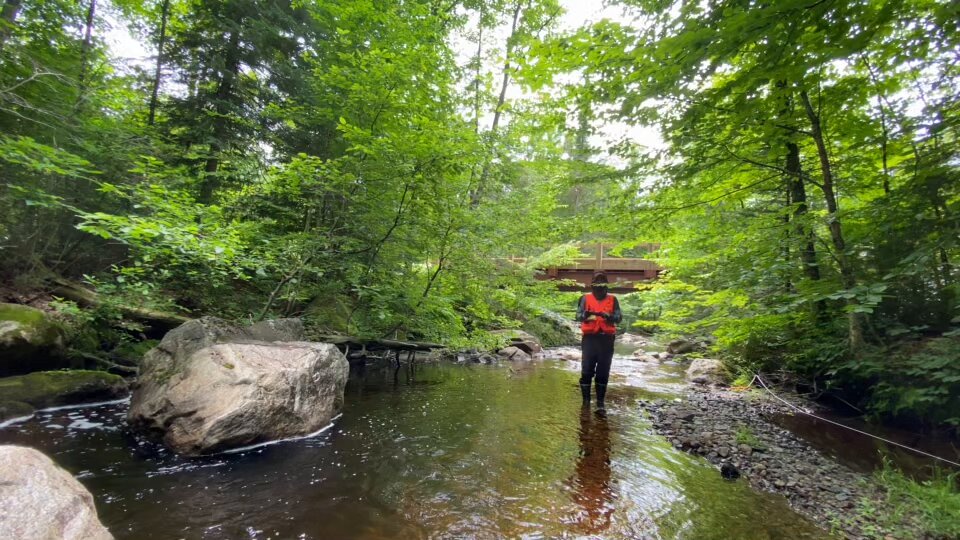
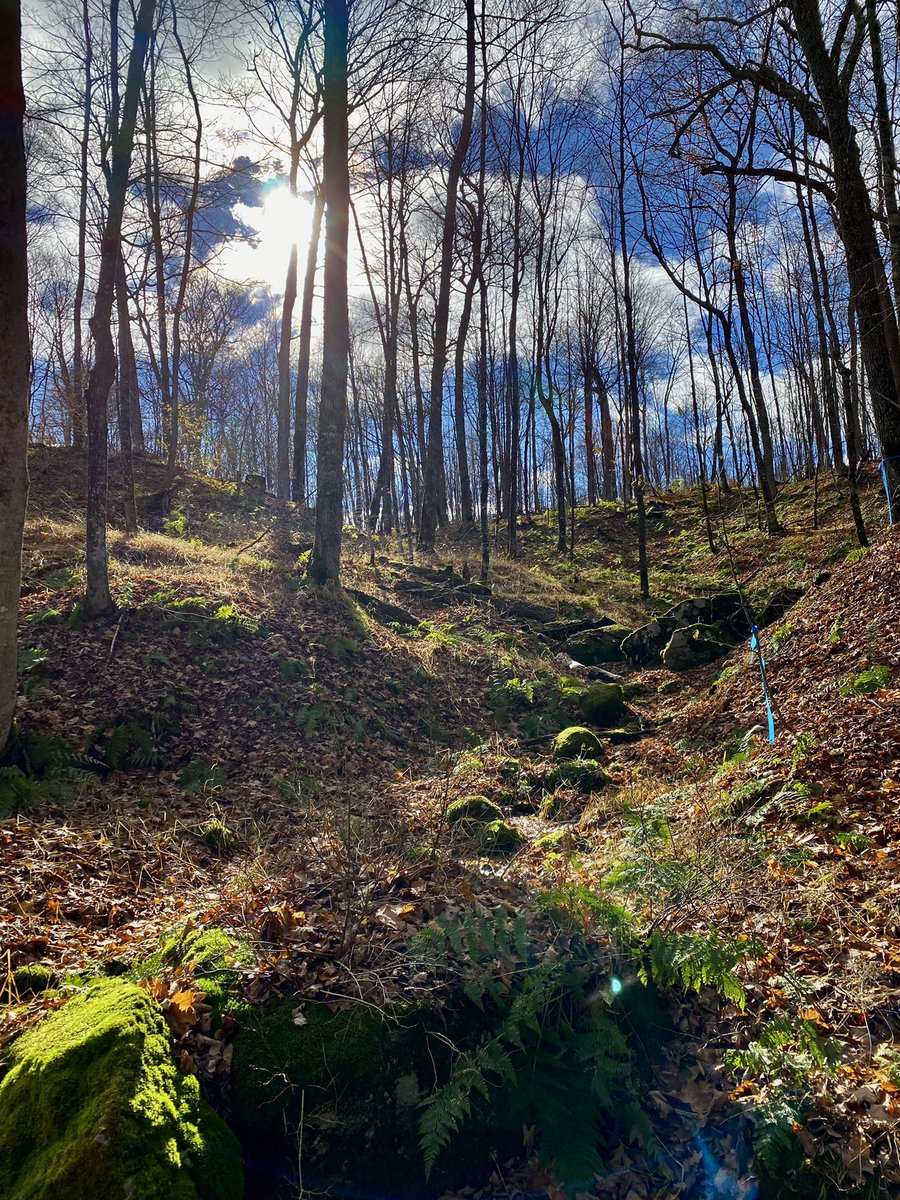
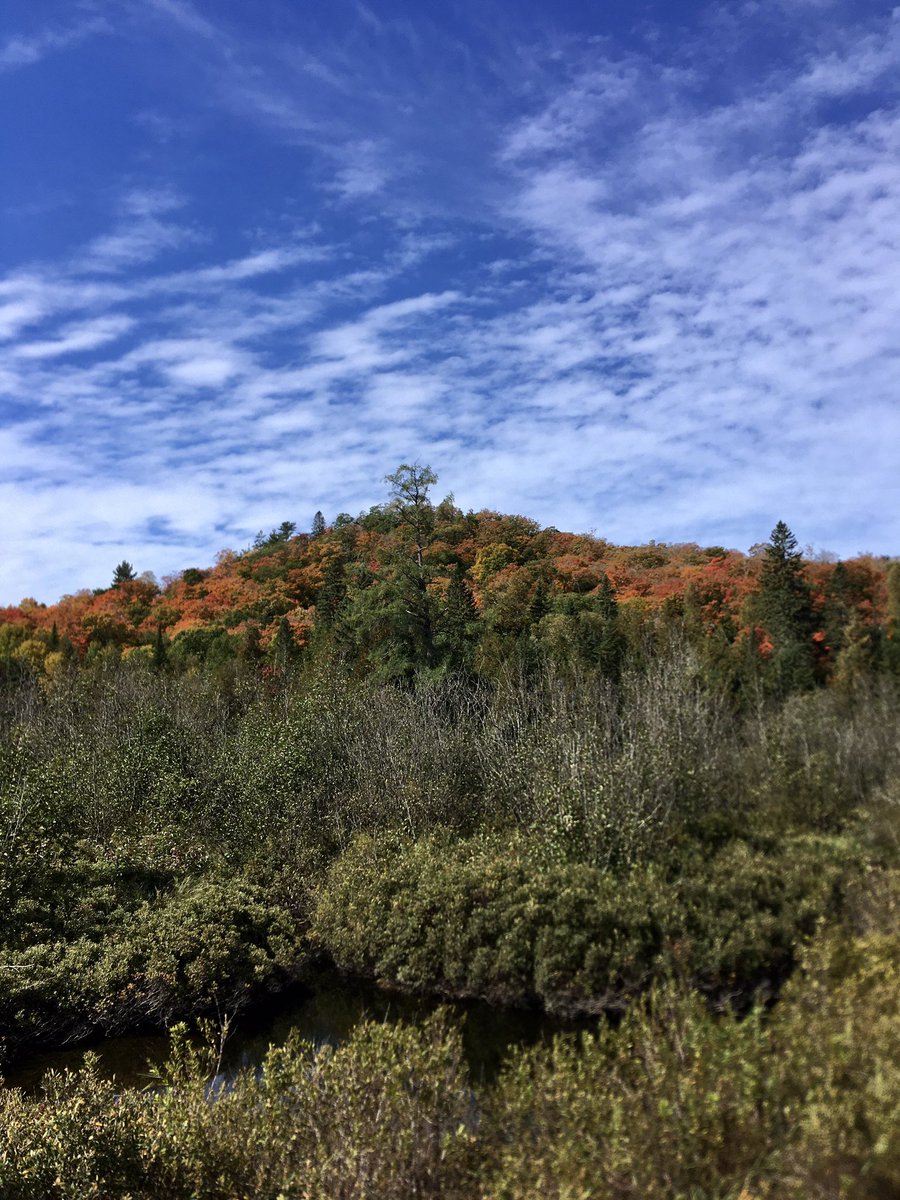
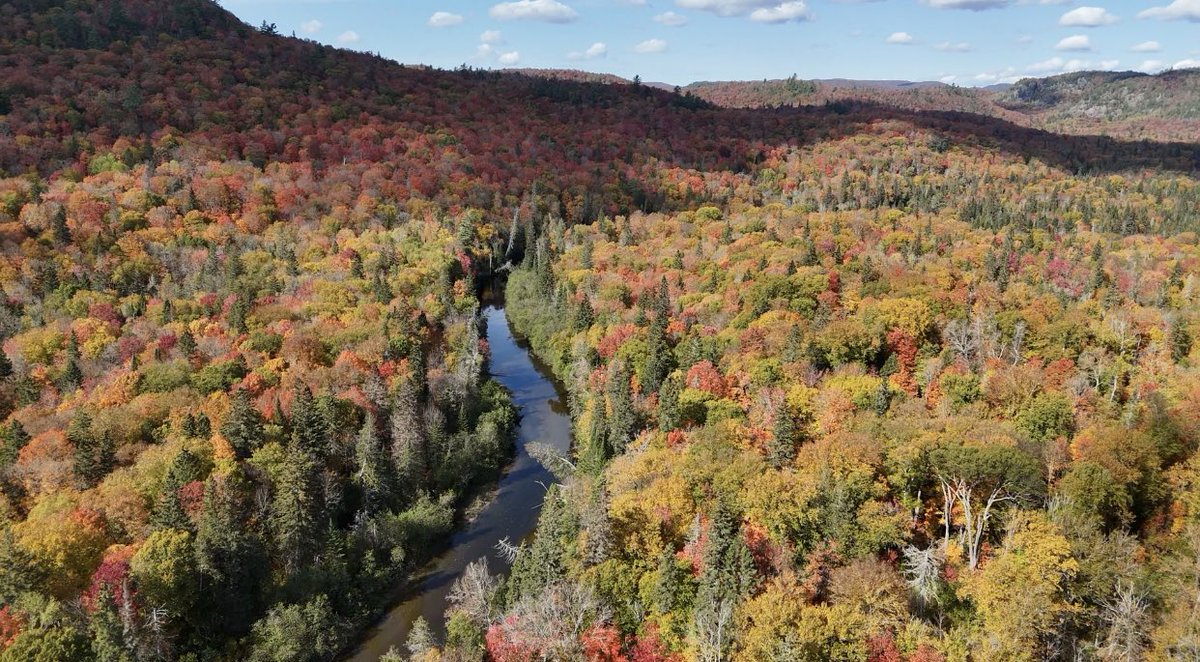
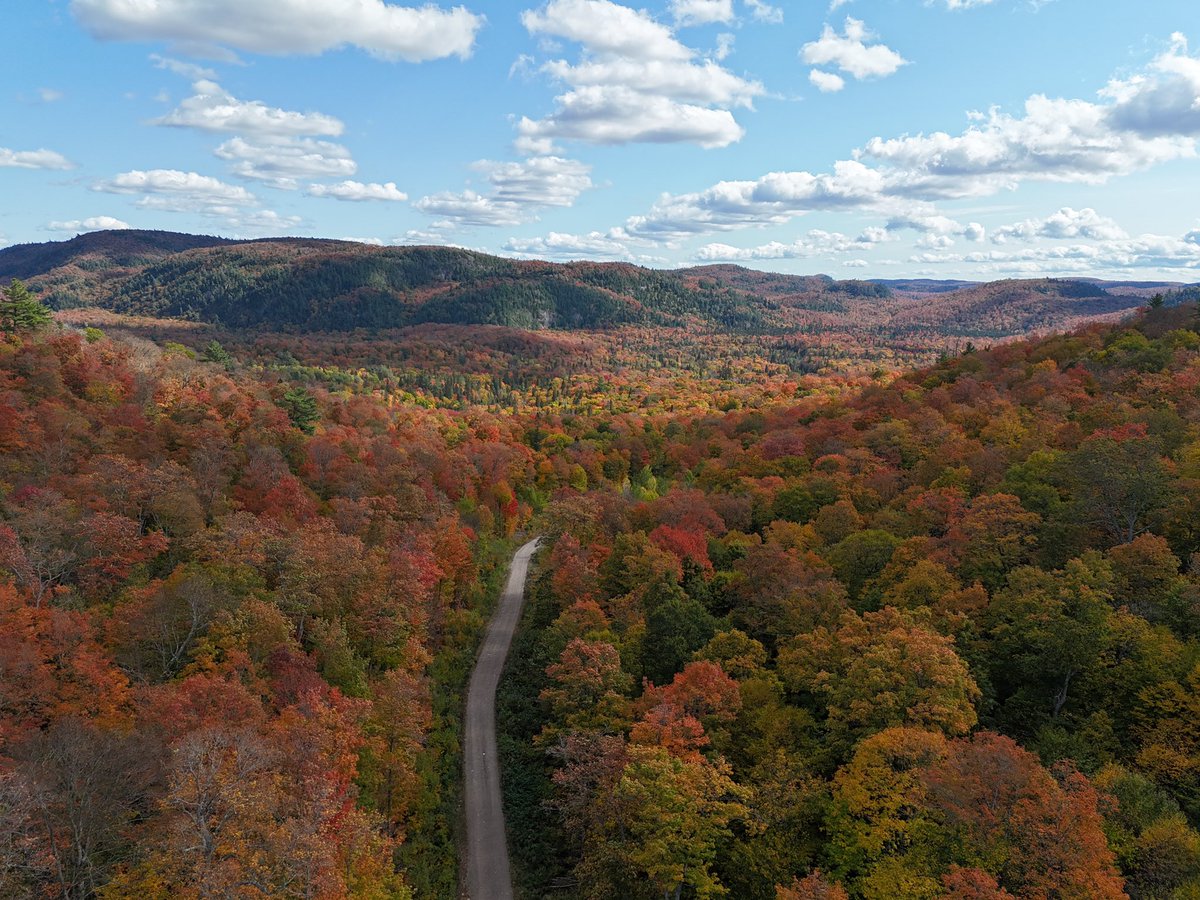
The field season is still going strong up at the #turkeylakeswatershed and we’re feeling so lucky that we get to experience the peak of fall colours in Northern Ontario! Starting to button up our sites over the next couple of weeks. P.s. stay tuned for some amazing video content!
1
10
157
Danielle Hudson retweeted

10 Oct 2024
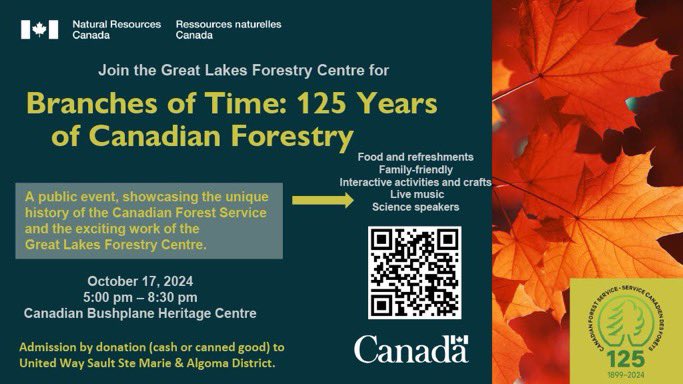
Local friends, are you curious what we do at GLFC ( or “bug lab” as it is locally known)? Stop by the @BushplaneCentre to see a display of 125 years of forestry science in Canada. And join us next Thursday for talks and family-friendly events. Info in QR.
3
9
506
Danielle Hudson retweeted
25 Sep 2024
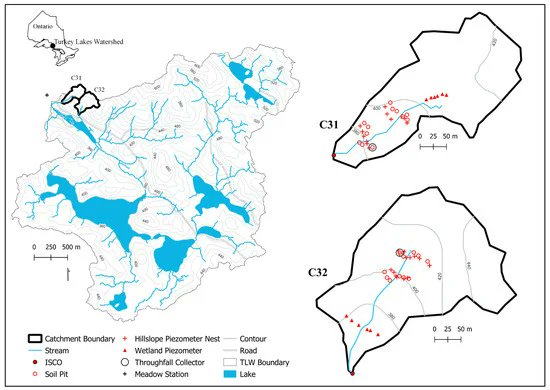
Check out the latest article to come out of the #turkeylakeswatershed. Congrats Annie!
@UWaterloo @forWaterNetwork
25 Sep 2024

🚨New research alert!
Annie Gray, Micheal Stone, Monica Emelko from @UWaterloo & partners from @TurkeyLakes share seasonal- and event-scale dissolved organic carbon dynamics from catchments impacted by forest harvesting in the journal Water.
Read more: mdpi.com/2073-4441/16/19/272…
3
4
234

18 Sep 2024
Loved this interview and love this site!! Take a listen and reach out if you have any questions about current research at @TurkeyLakes
#experimentalwatershed #collaboration #environmentalscience #canada
18 Sep 2024

New interview featuring retired TLW researcher & renowned soil scientist, Dr. Paul Hazlett. Paul shares the interesting history of TLW and the importance of the site for Canadian environmental policy. Thanks to Nicole & the SSM Museum for documenting TLW!
open.spotify.com/episode/3wg…
1
2
219
Danielle Hudson retweeted
30 Aug 2024
Did you know that well over 400 publications have come out of @TurkeyLakes? These research findings inform policies about Canada's air, water, and forests. Check out this recent article by Kara Webster et al. onlinelibrary.wiley.com/doi/…
4
3
263
23 Aug 2024
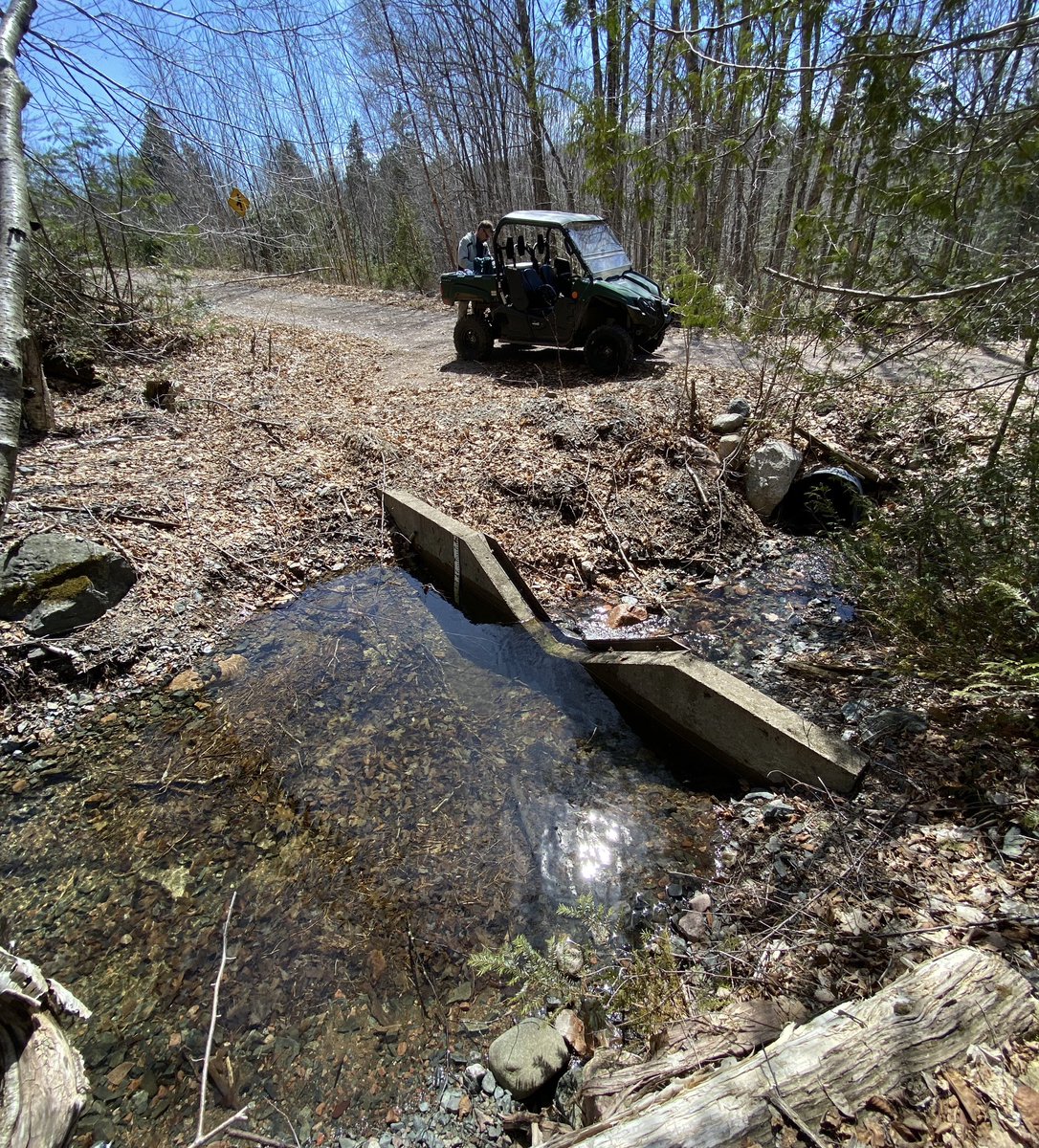
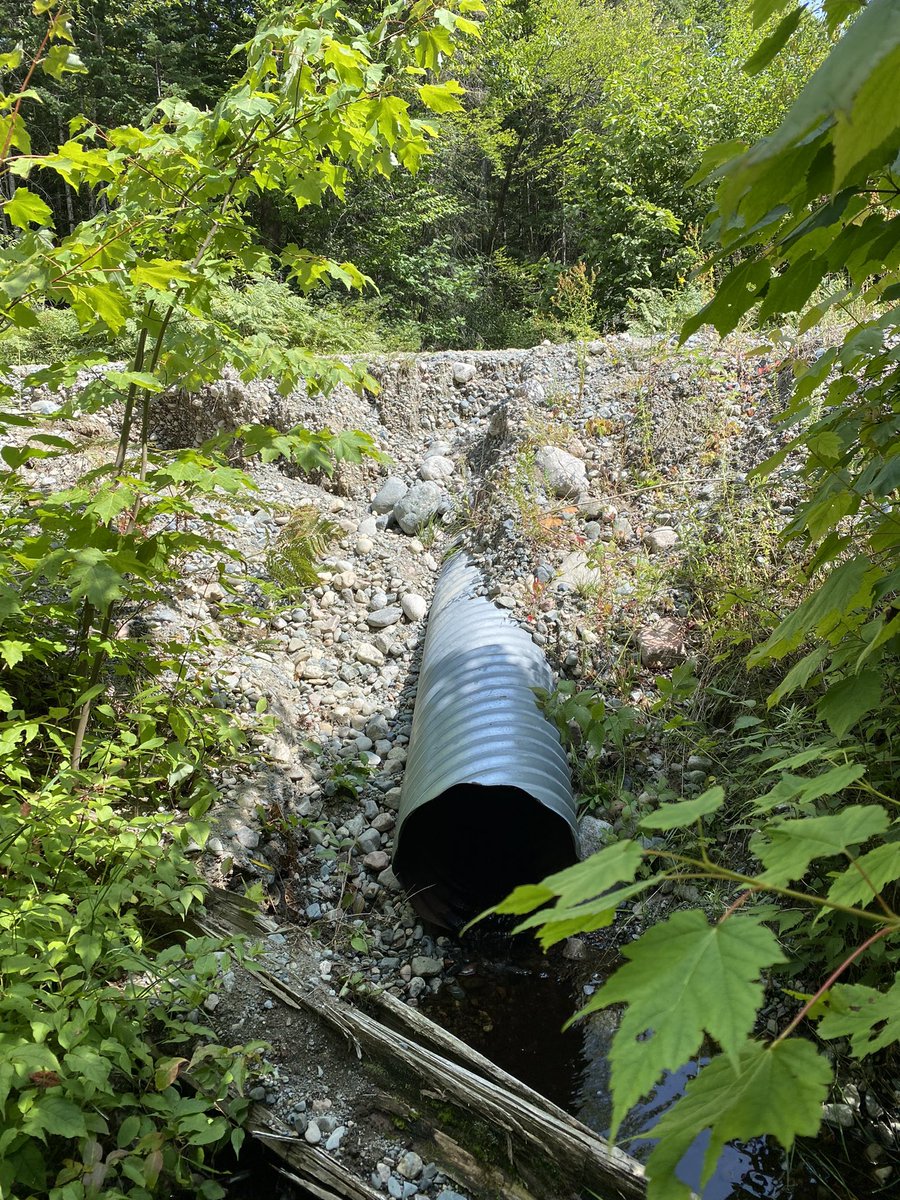
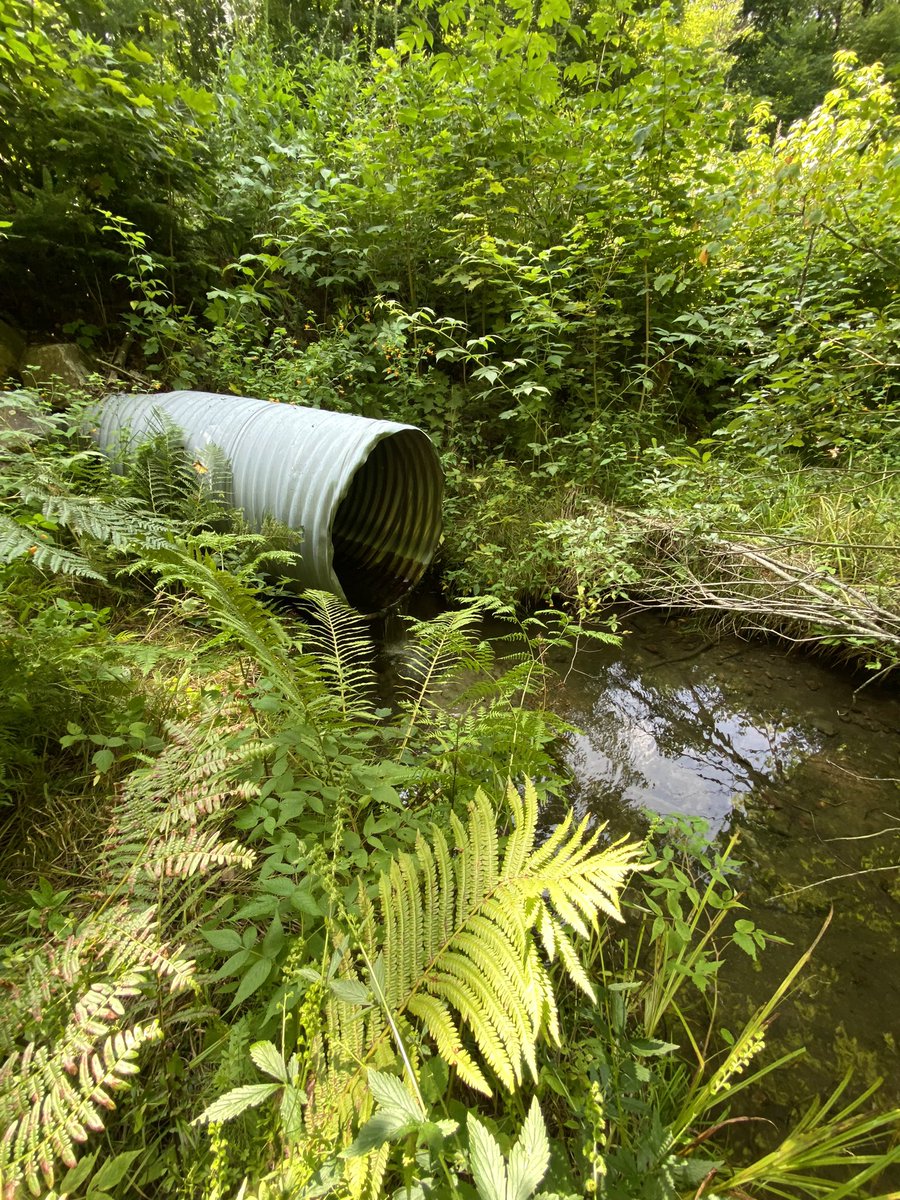
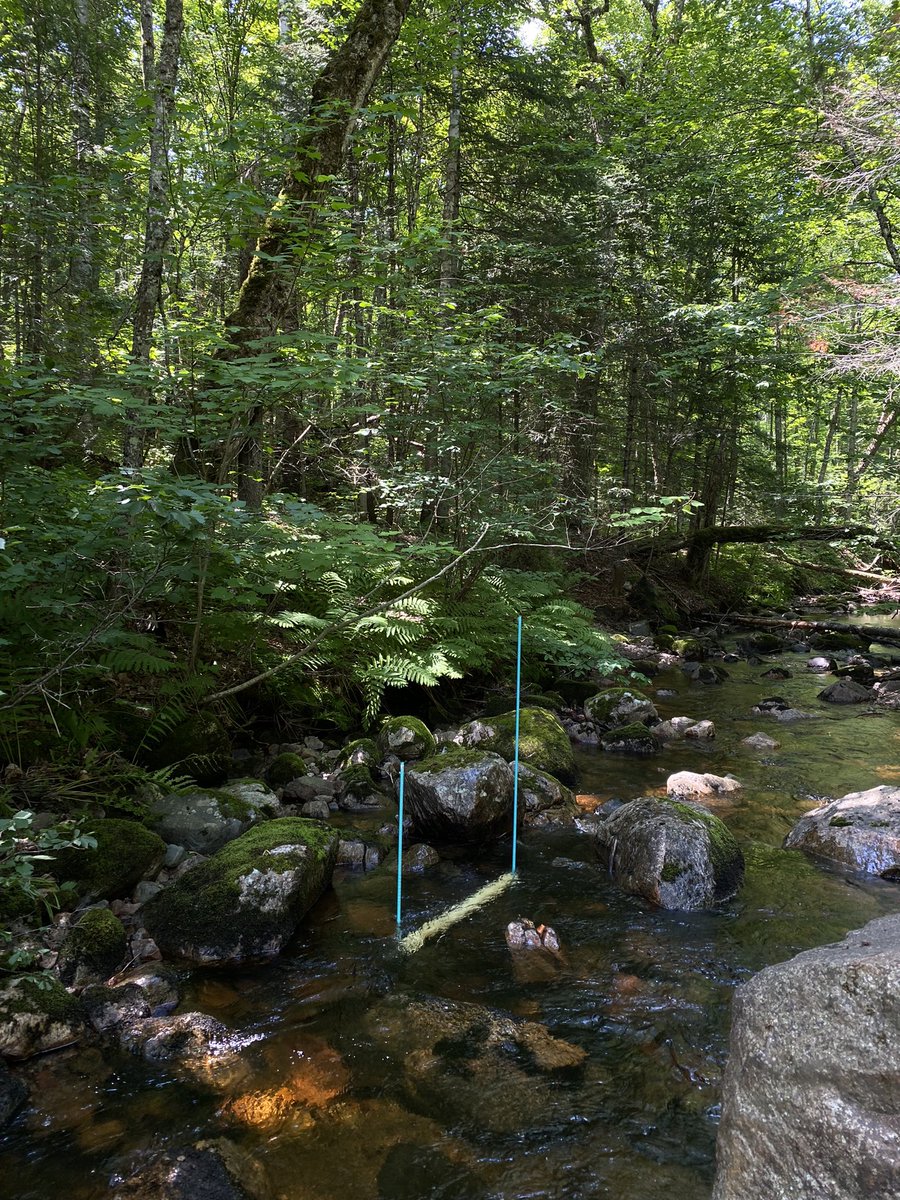
This summer we've completed installation of ~200 temperature sensors and supplemental instruments across the greater @TurkeyLakes area. These installations are part of a new project investigating forest roads & stream interactions, lead by Jason Leach. #streamtemperature #roads
2
7
309
19 Jun 2024
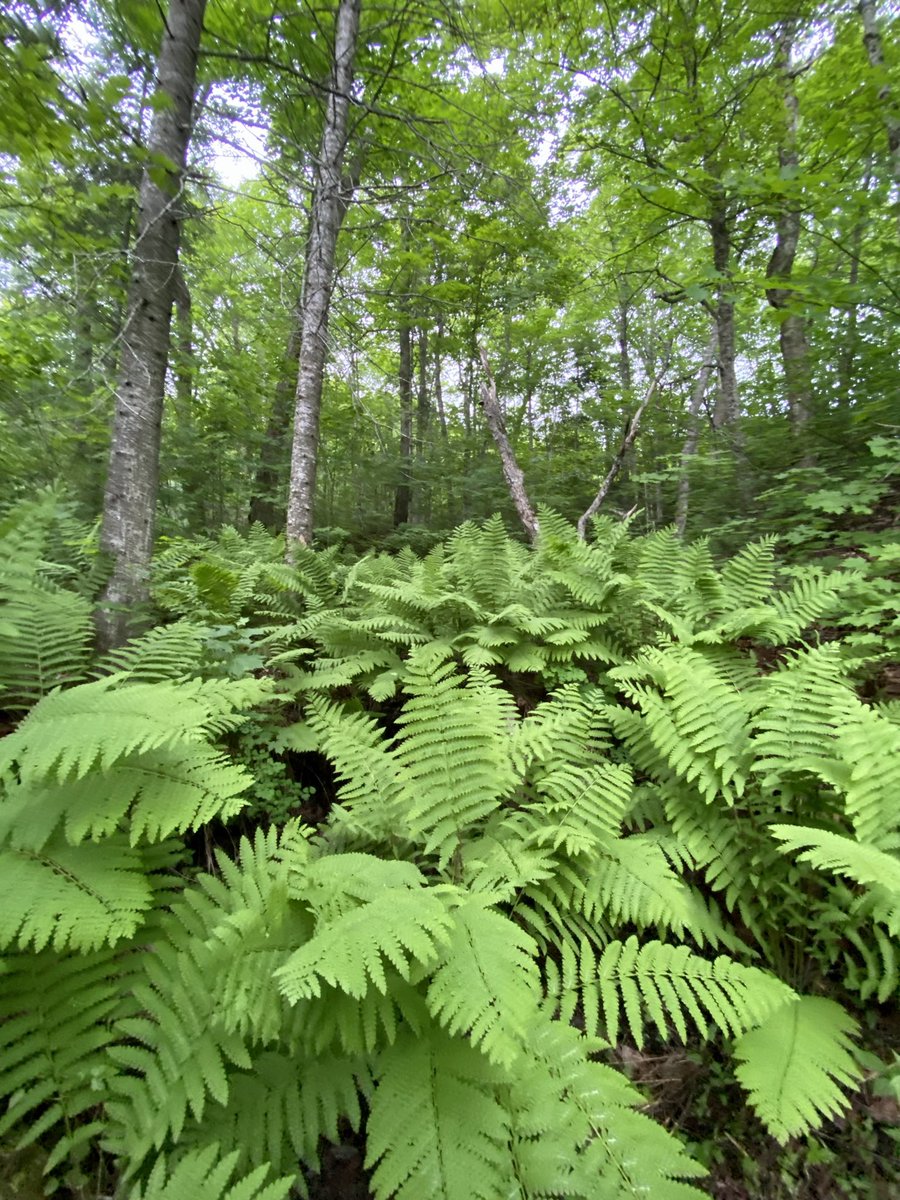
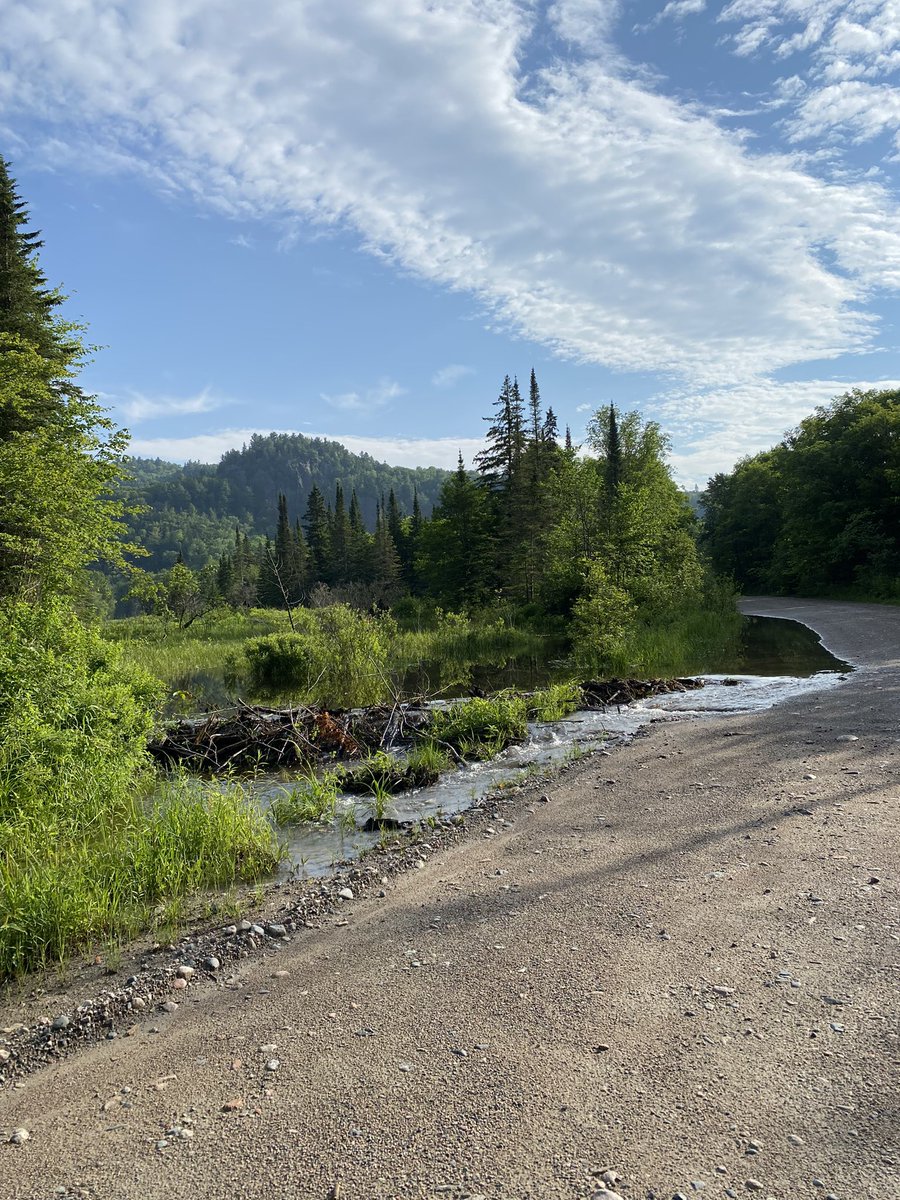
Excerpt from the most recent State of Canada’s Forests report: “Most of Canada’s drinking water is sourced from forest ecosystems. This includes most rural and Indigenous communities.” 1/2
#startwithwhy #CanadaForests #drinkingwater
1
3
13
445
20 Jun 2024
Excerpt cont’d: “Healthy aquatic ecosystems and an adequate supply of clean water are some of the most
important ecosystem services that forests provide.”.
In turn, long-term study sites like @TurkeyLakes give us the data to protect and understand this ecosystem service.
1
7
234
6 Jun 2024
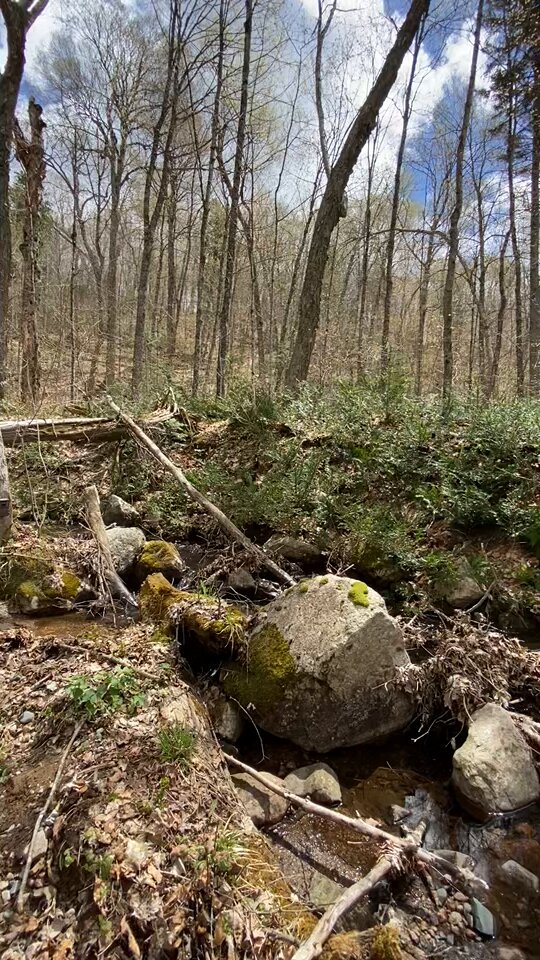
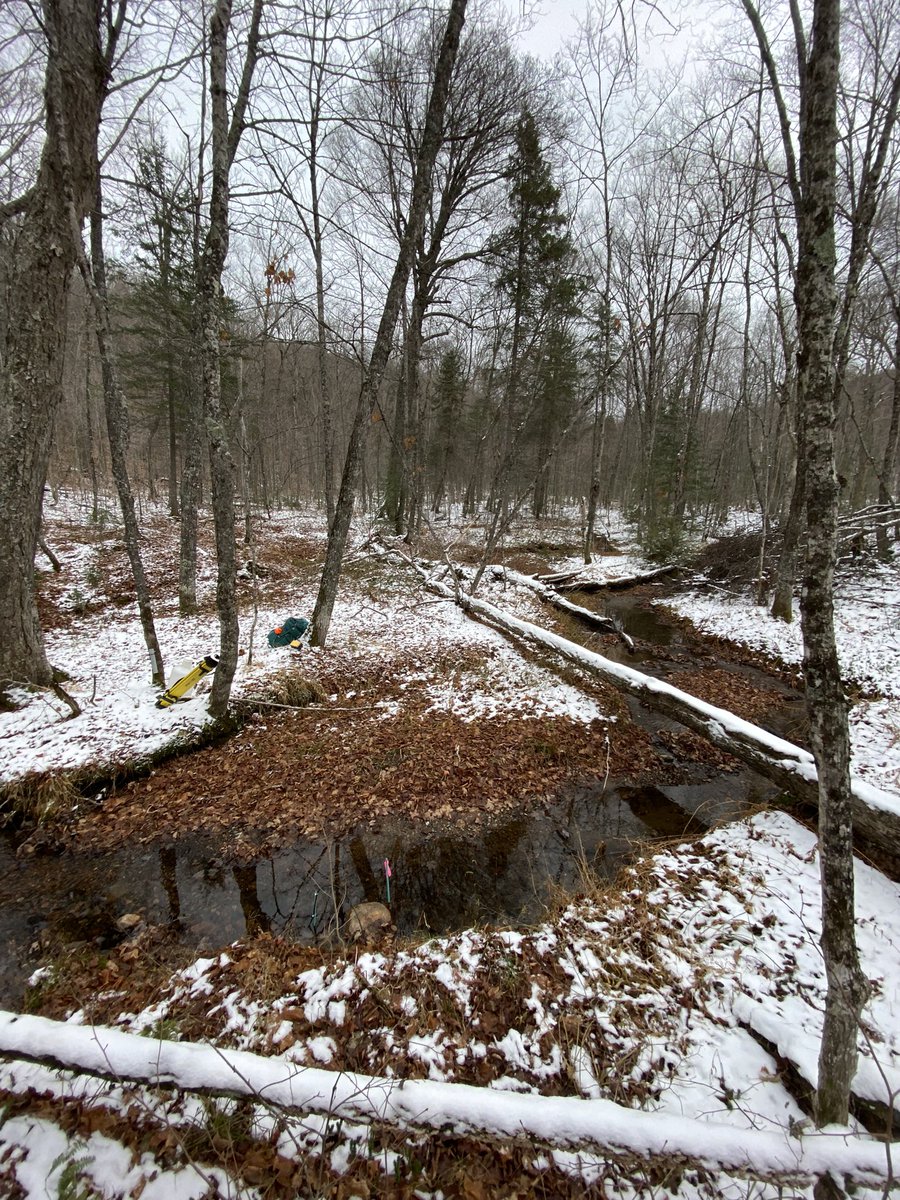
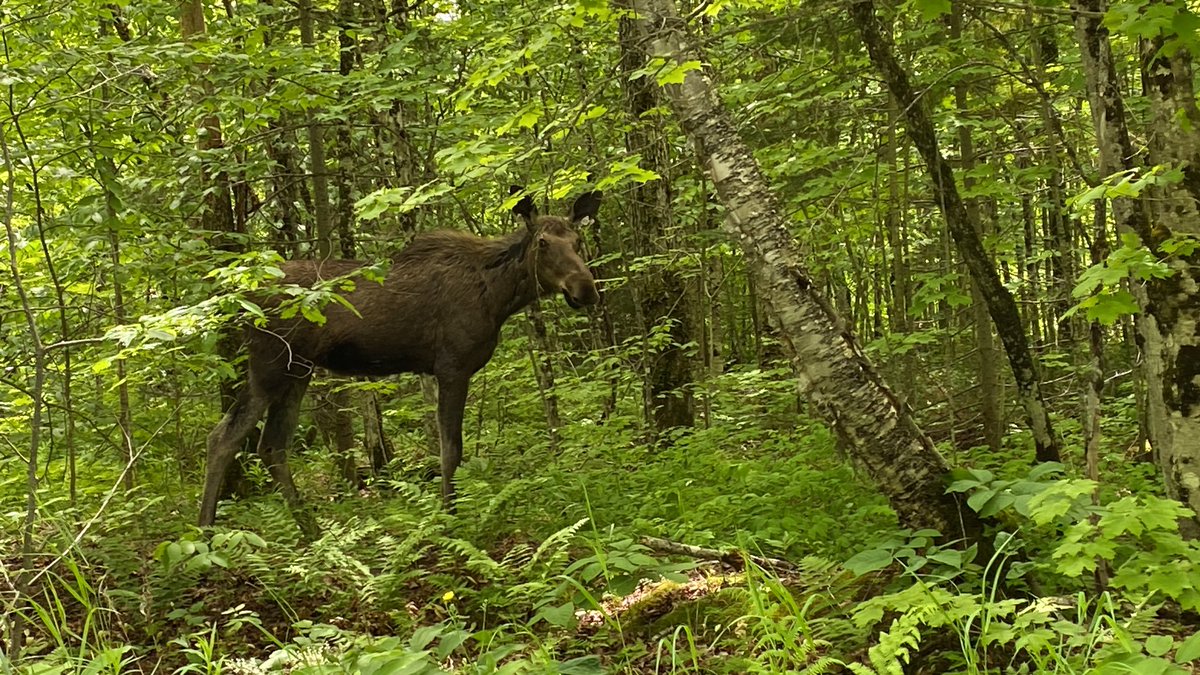
This week at @TurkeyLakes we were back in the streams! Swapped temp sensors and did channel width measurements. With some bonus wildlife sightings😍🐢 #longtermresearch #climatechangedata #aquatichabitat #streamtemperature
3
161
27 May 2024
Had a fun day at the Flowgatta to kick off #CGU2024! Nothing better than hanging out in the stream for a day doing salt dilutions.
7
301
25 May 2024
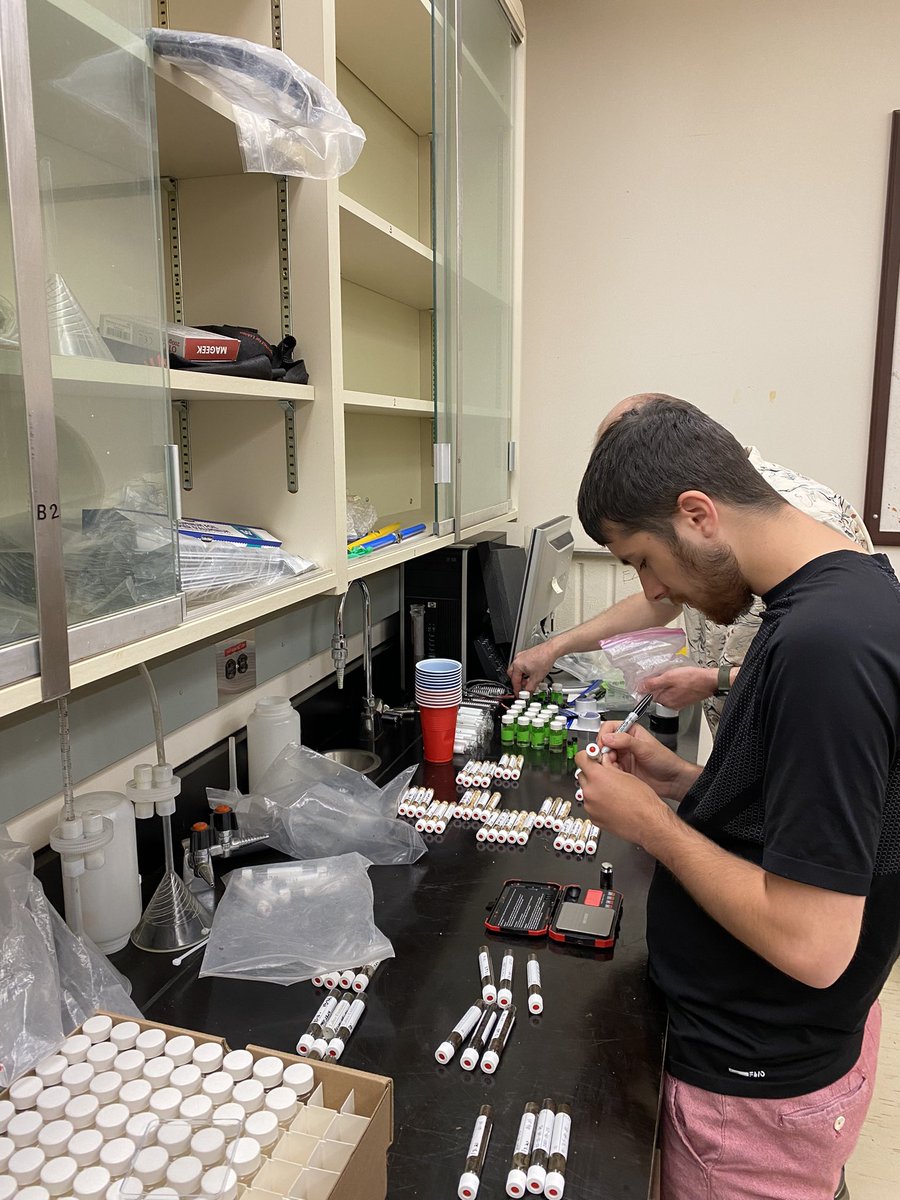
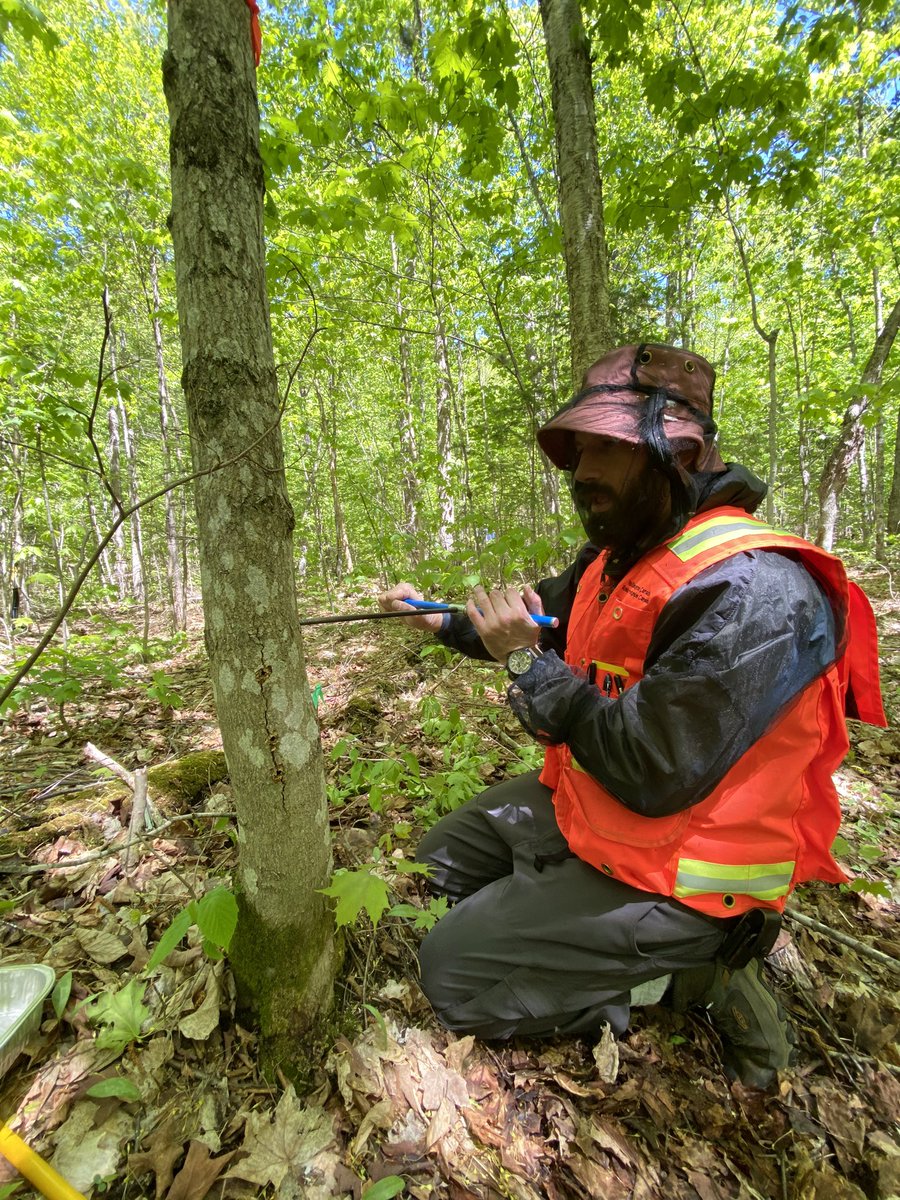
Ready for the weekend after a big week @TurkeyLakes. Under the guidance of @MagaliNehemy, @TrentUniversity students & CFS staff took hillslope isotope samples. Goal is to determine where our maple trees are getting their water from & improve our understanding of tree stress.
1
1
7
212
25 May 2024
We took samples from: xylem and phloem of maple and birch trees, varying depths of soil, soil pore water, subsurface water, stream, and precipitation. This sort of research Q benefits from the increased context that our continuous monitoring of stream and met conditions provide.
1
83
9 May 2024
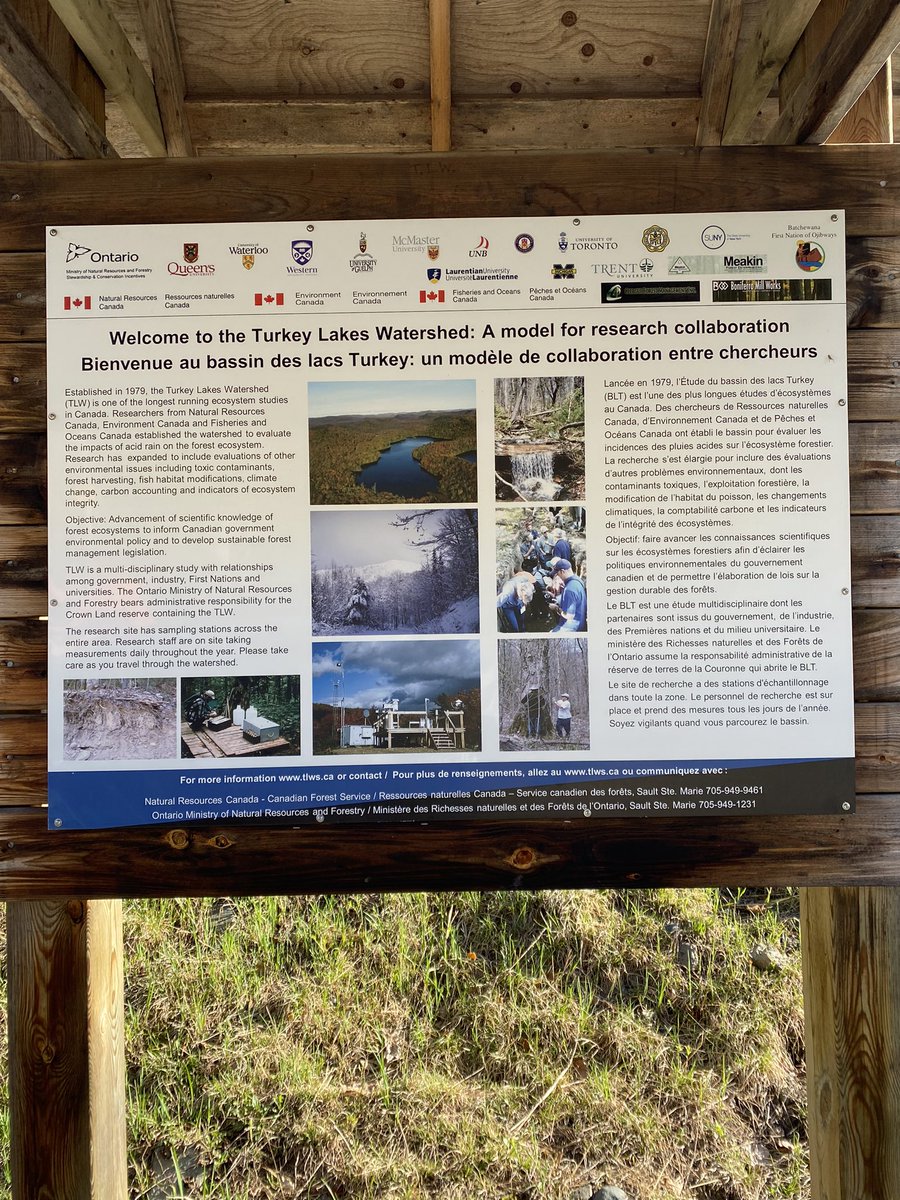
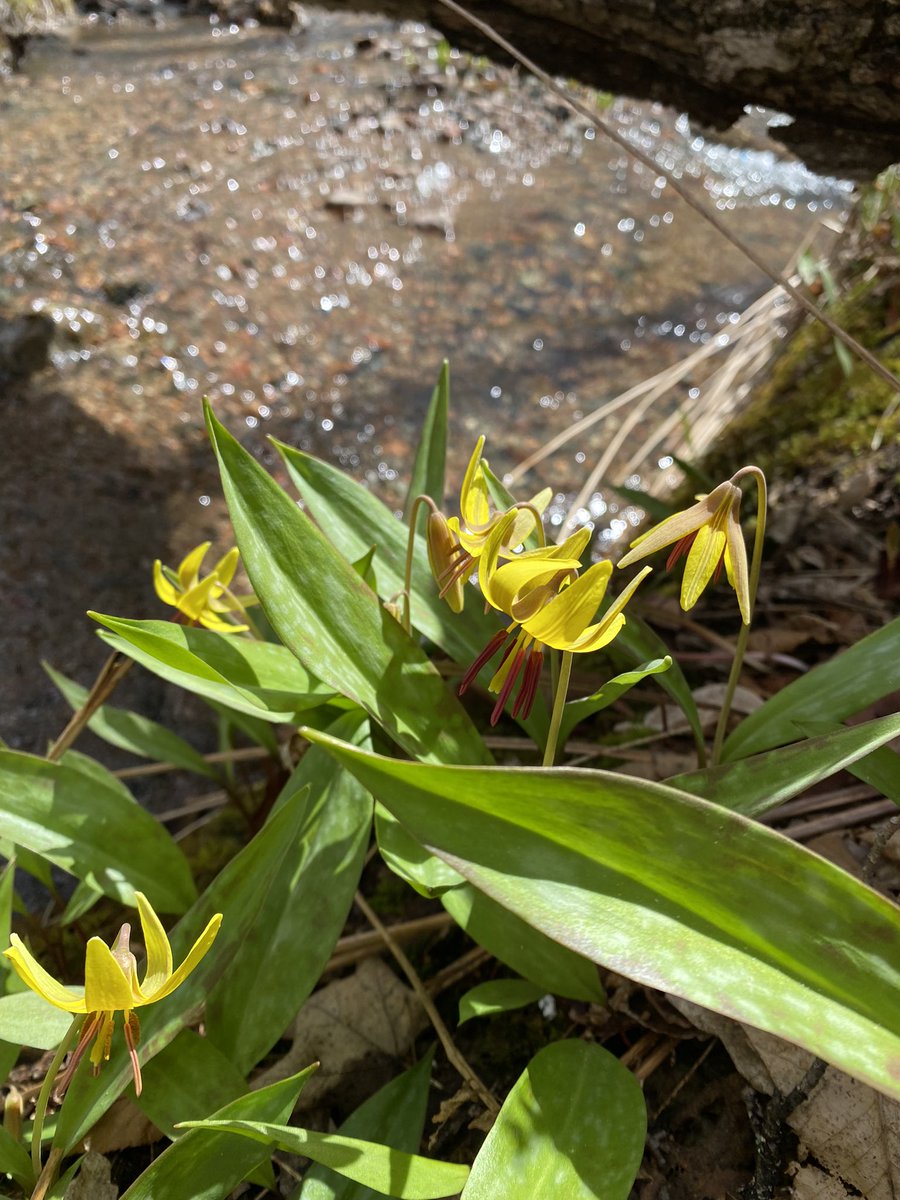
A lovely day at #TurkeyLakesWatershed, despite the black flies. We introduced this year’s summer students from @TrentUniversity to the site. And got 7 above stream met stations back up and running. I think we’re well on our way to a #smartforest!
#collaboration #partnerships
10
389
3 May 2024
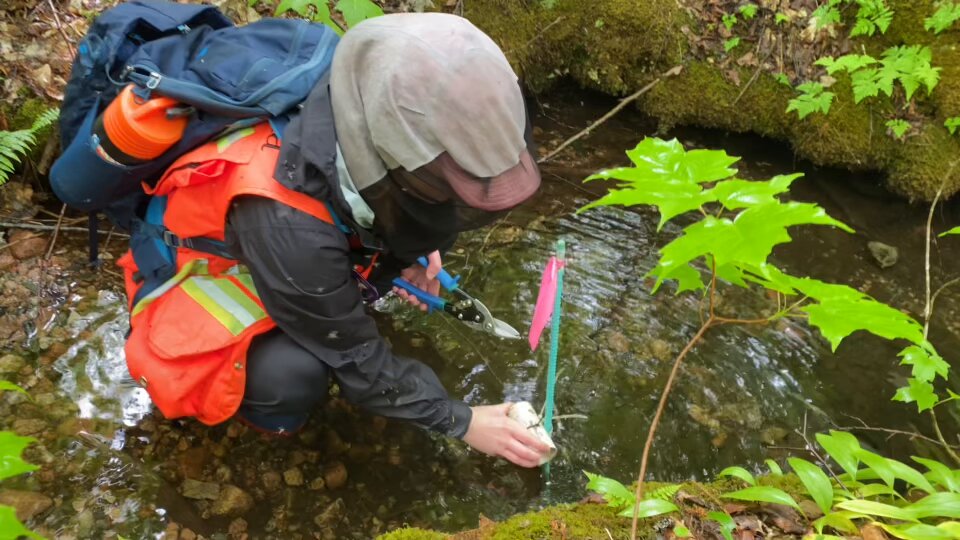
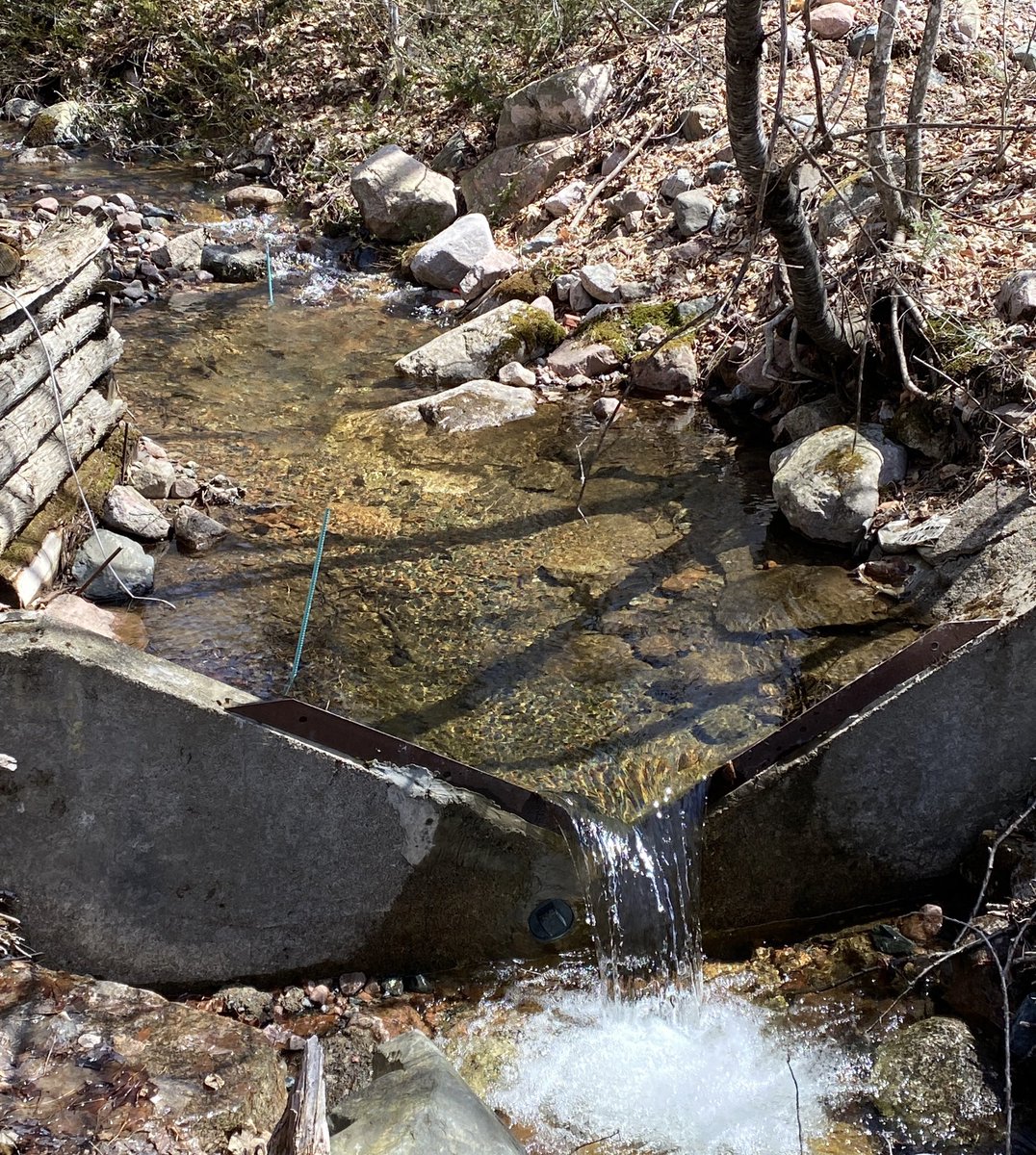
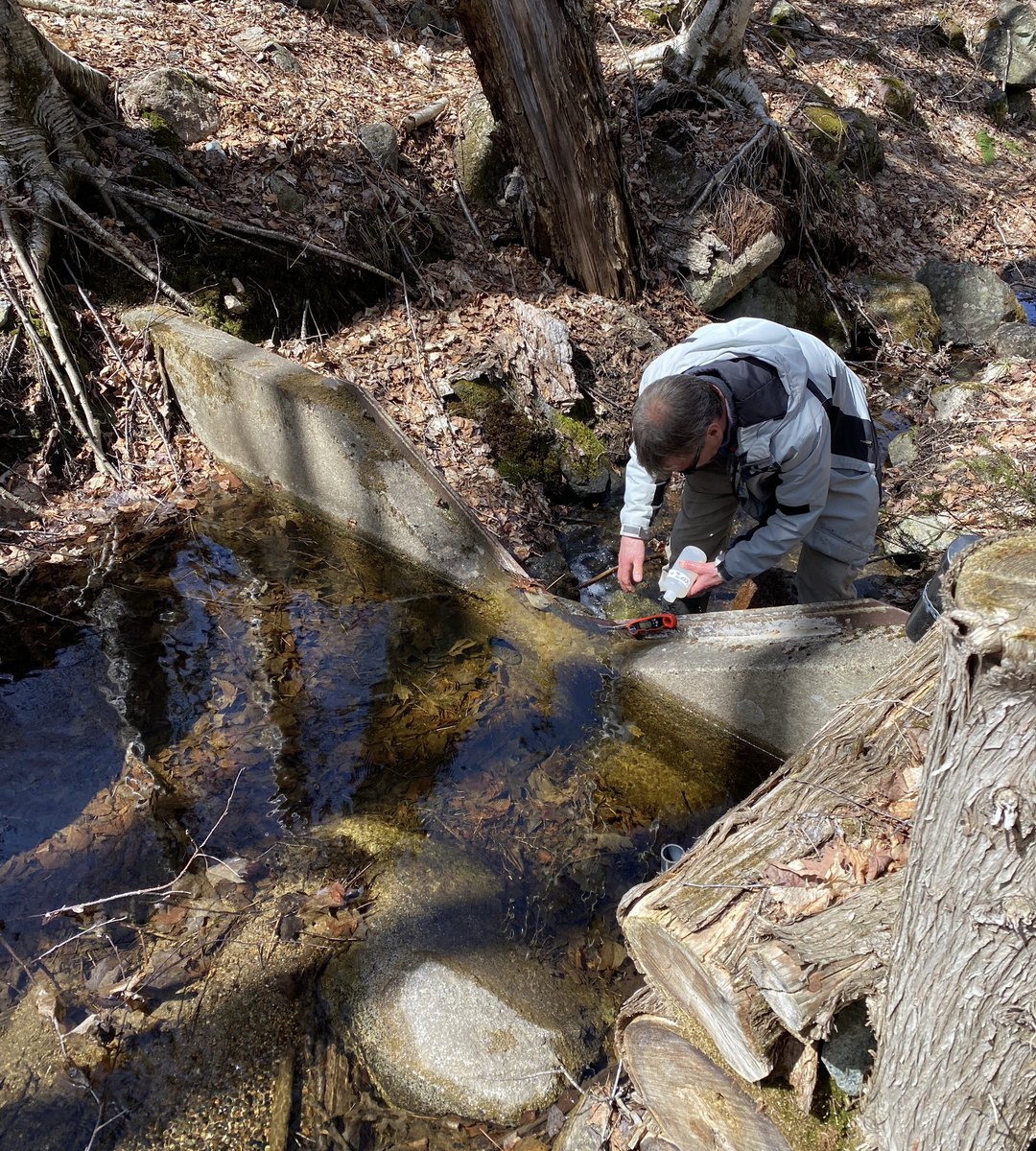
Had a great day out at the #TurkeyLakesWatershed last week collecting water samples at 13 different long-term catchments. These samples will be analyzed for DOC, N, P, isotopes and more. We also grabbed manual water temp as well as water level to support flow calculations.
1
3
13
487
3 May 2024
Long-term measurements and sample collection helps us document shifts in climate and forest quality. And we can use findings from these unique long-term sites to expand our understanding of forest ecosystems across Canada.
3
89
4 Nov 2023
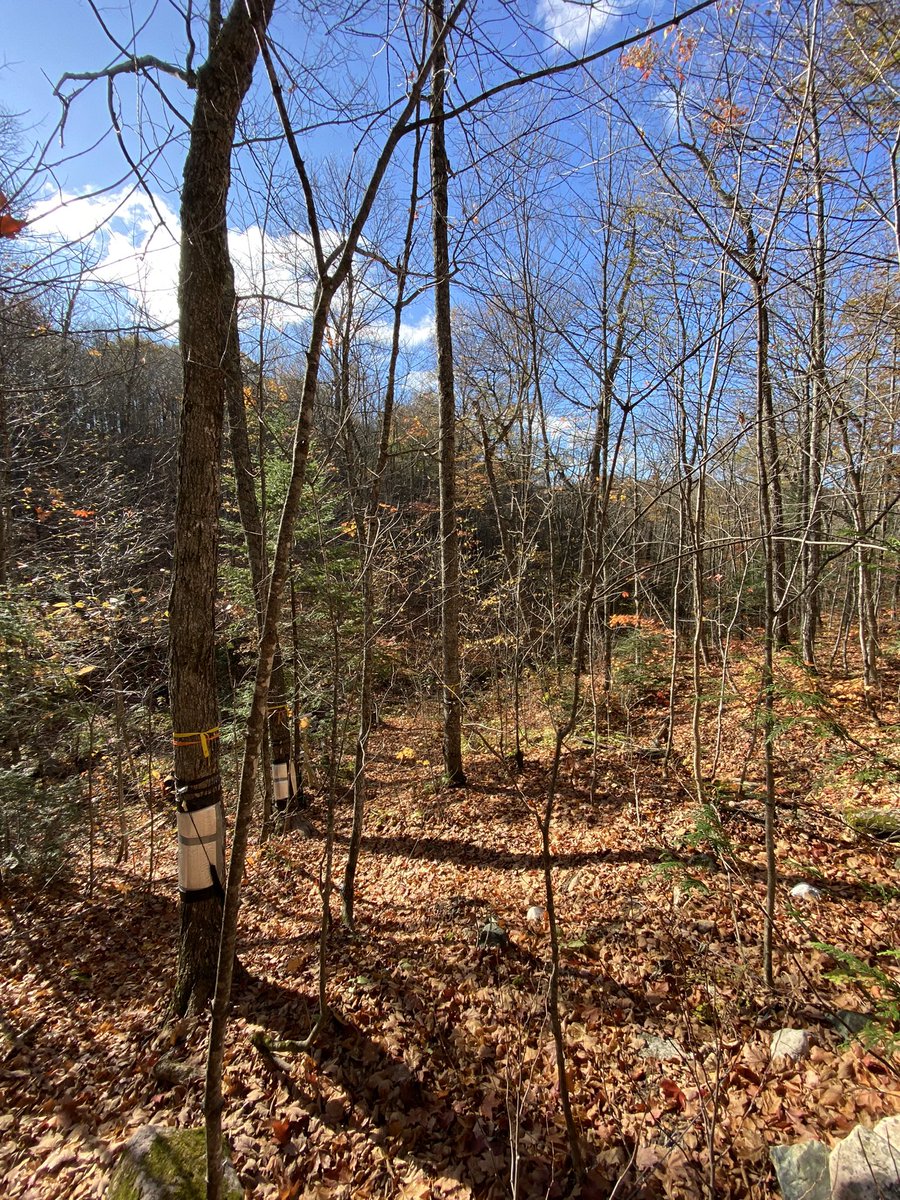
At @TurkeyLakes we’ve been busy buttoning up our hillslope monitoring sites for a long winter. However, streamflow, water chemistry and meteorological measurements continue year round.
1
1
14
582
Danielle Hudson retweeted
26 Oct 2023
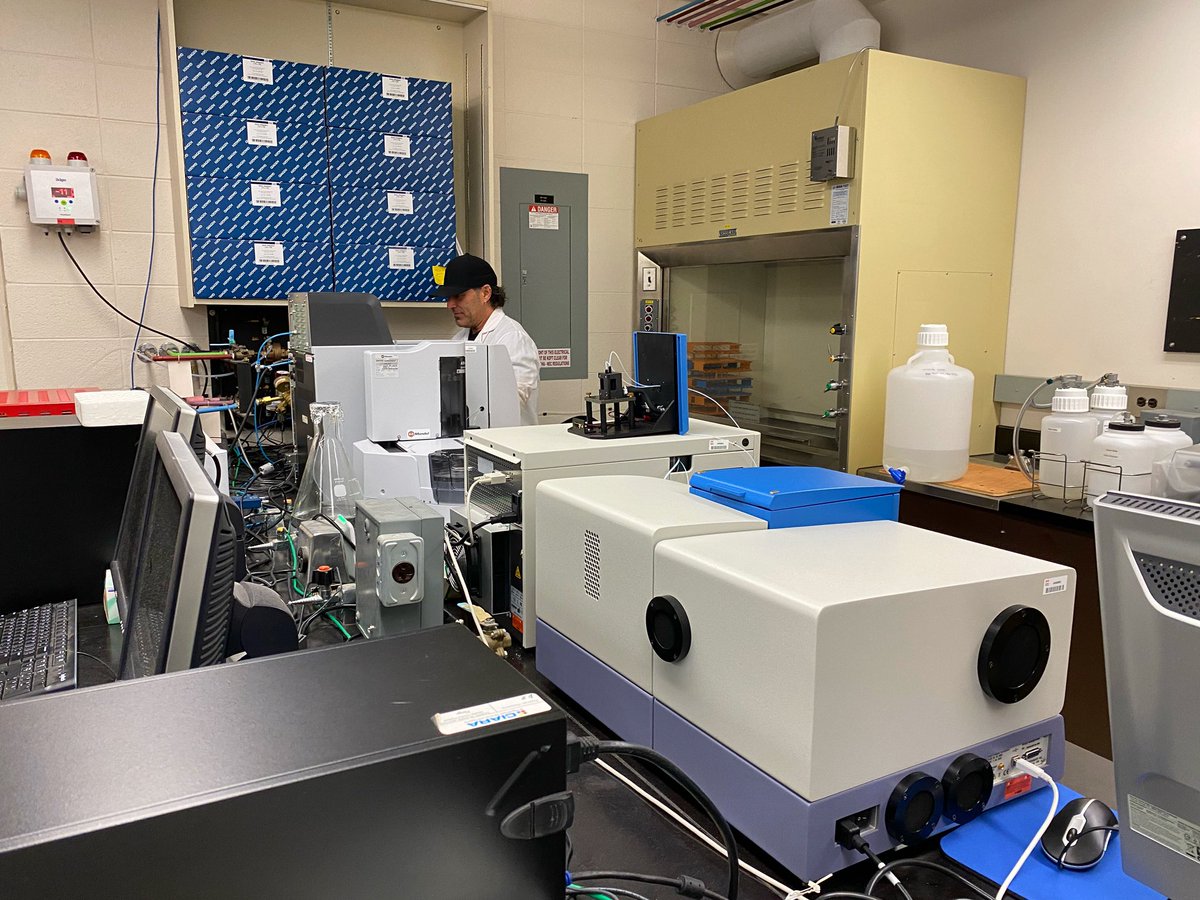
Did you know we offer analytical services? We operate a cost-recovery, non-profit model to support research that aligns with NRCan-CFS mandates. We offer TOC, TN, DIC (combustion), DOM fluorescence & absorbance for water samples. For more info, reach out! #glfcscience #nrcansci
2
4
17
2,077

The record-setting wildfires that ripped through Quebec this summer were made more likely and more intense by human-caused climate change, according to a new analysis by an international team of scientists. cbc.ca/news/climate/quebec-c…
601
86
209
152,876
16 Aug 2023
Our latest paper from @TurkeyLakes was recently published. Using a 36 yr stream temperature dataset we found that our groundwater-fed streams have had a spring warming trend while lake-fed streams have warmed in the fall. Take a read for all the details!
aslopubs.onlinelibrary.wiley…
2
16
865
Danielle Hudson retweeted
18 Jul 2023
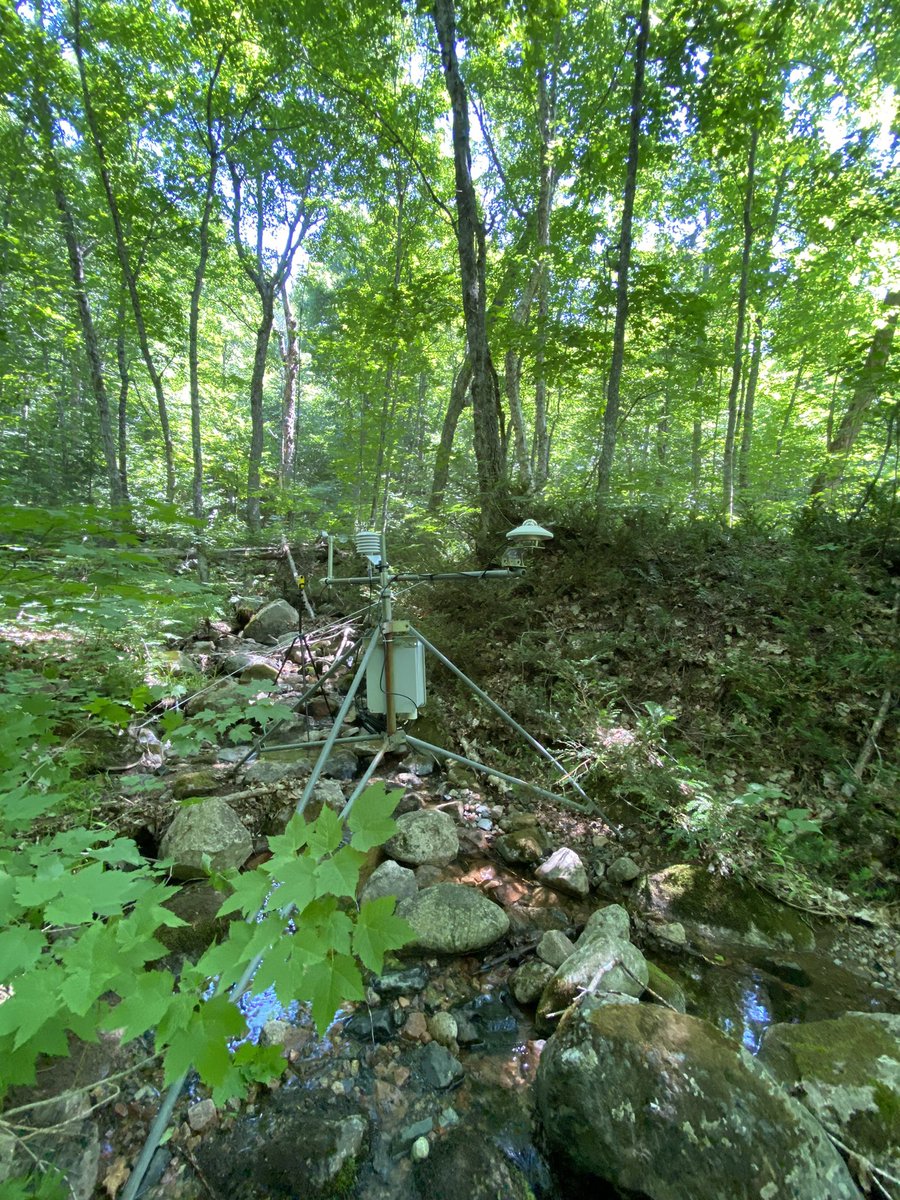
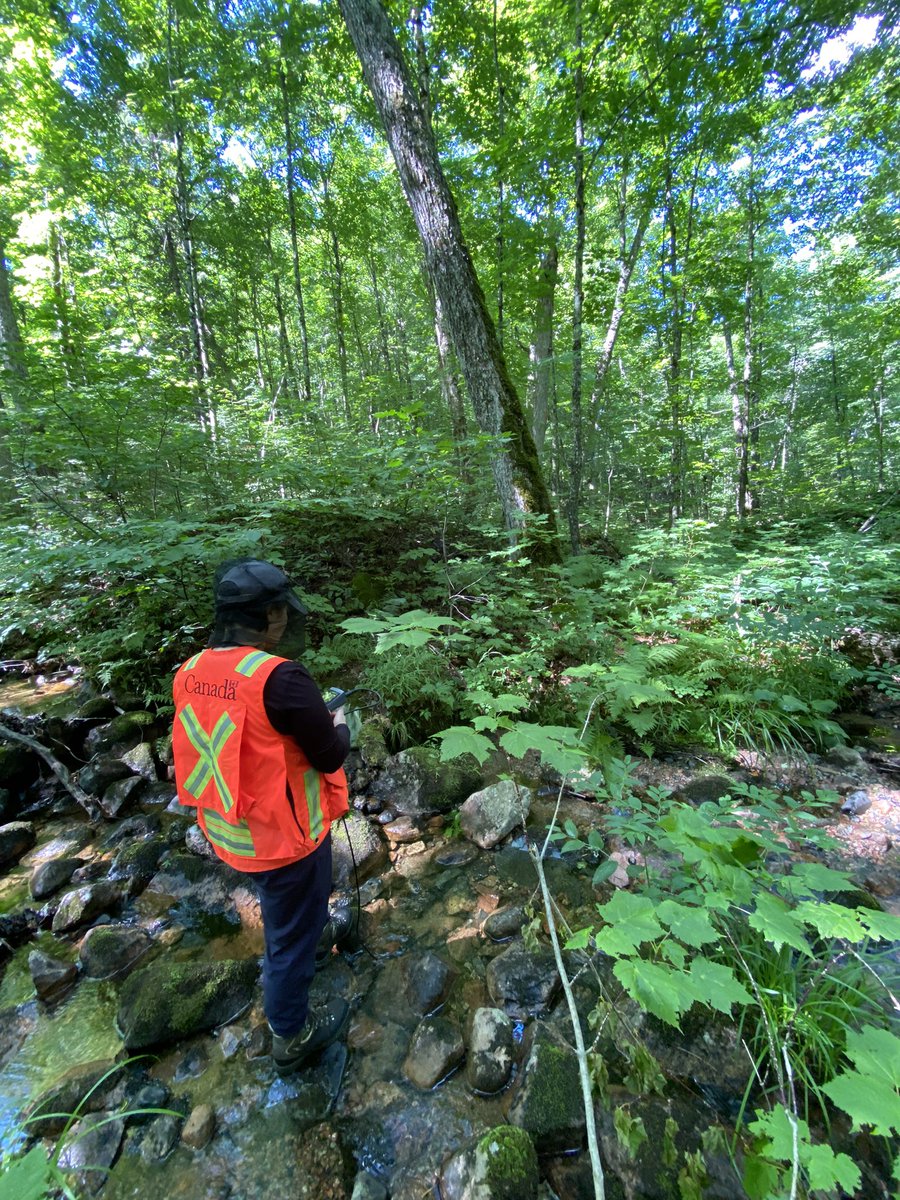
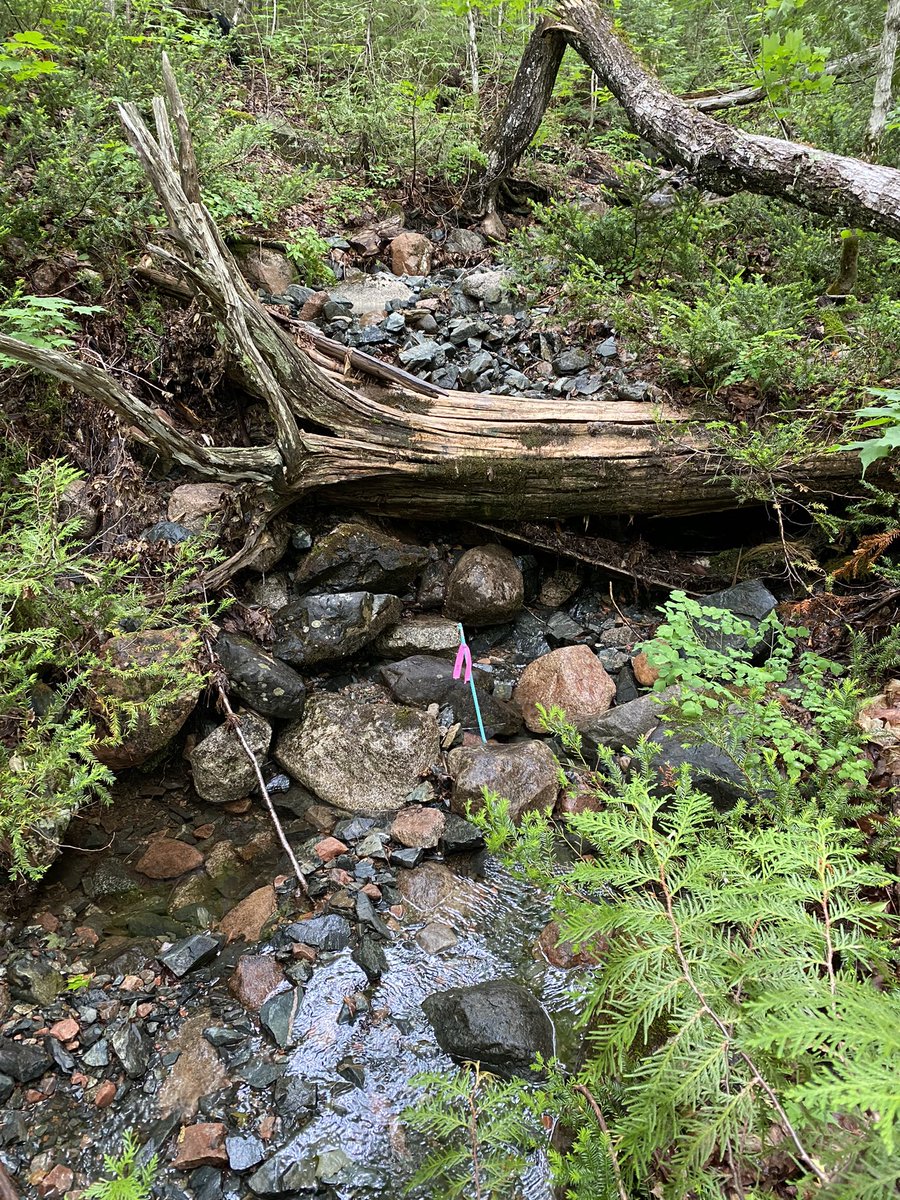
We recently installed 7 above stream Met stations and an additional hydrometric station in one of our #experimentalwatersheds. Along with our detailed stream temp measurements we’re hoping to pin down (and model) the energy balance of the stream reach.
1
1
154