
CEO at @constructive_io | 2x Exited Founder | Founded Brandcast (acq. by TIME), famo .us, now amaze.co (acq. by AMZE), @Mathapedia | @UCBerkeley EECS & Haas
Joined December 2009
- Tweets 4,730
- Following 2,182
- Followers 5,213
- Likes 5,162
438 Photos and videos
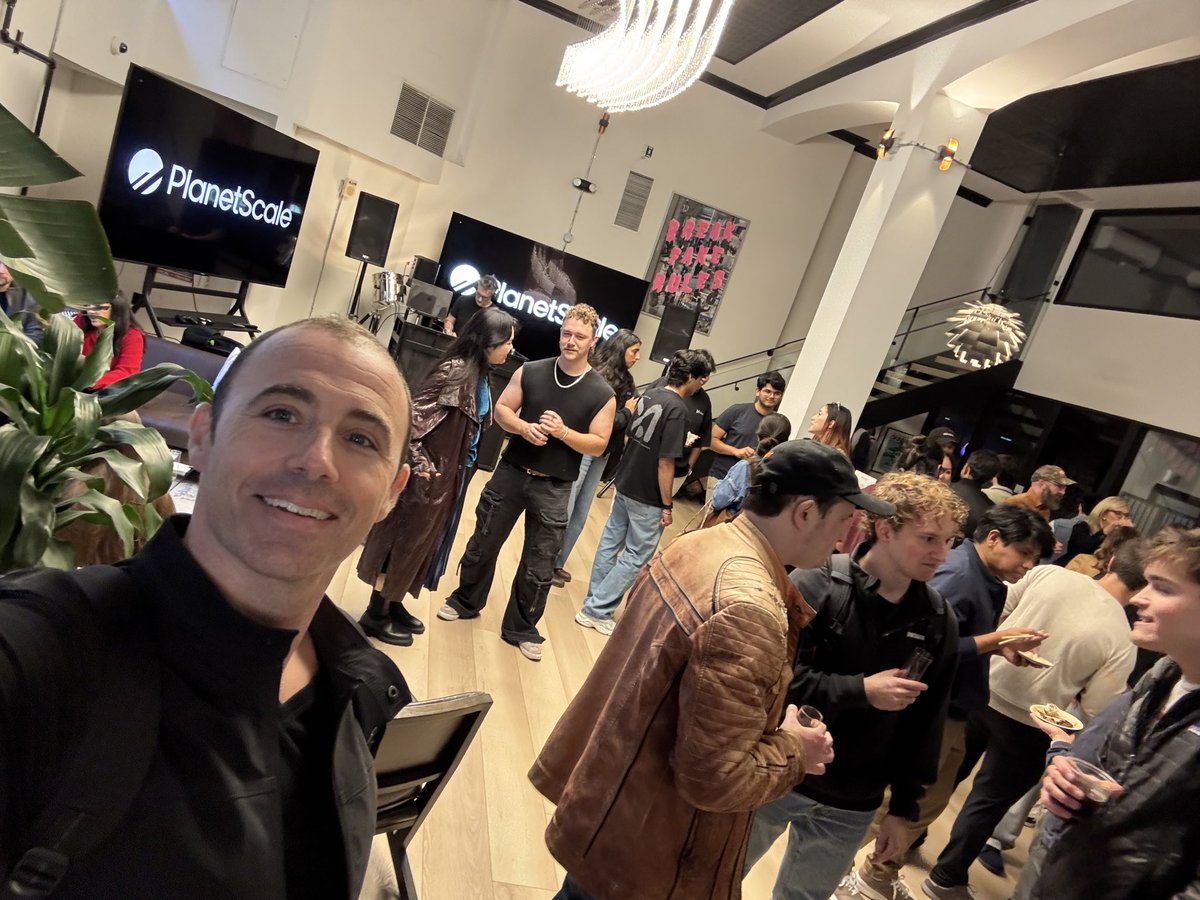
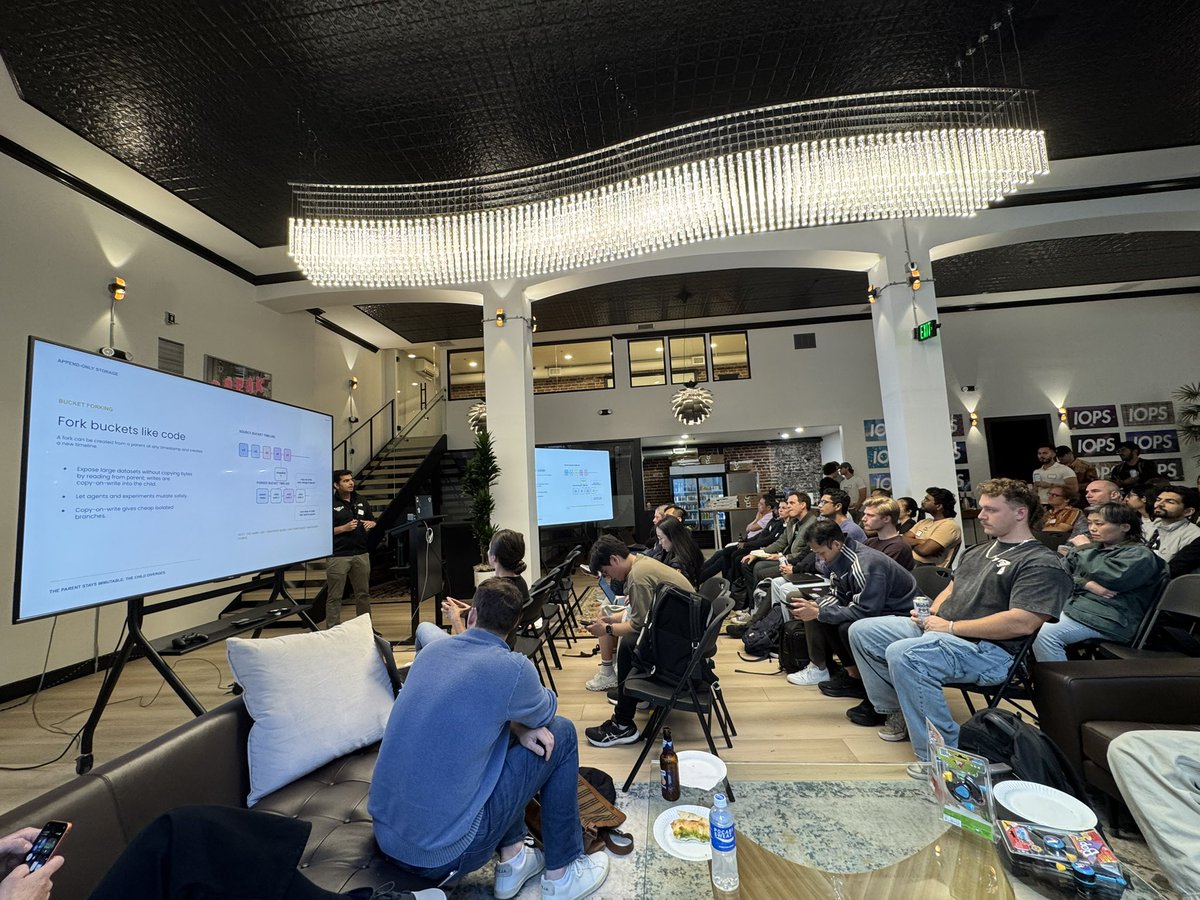






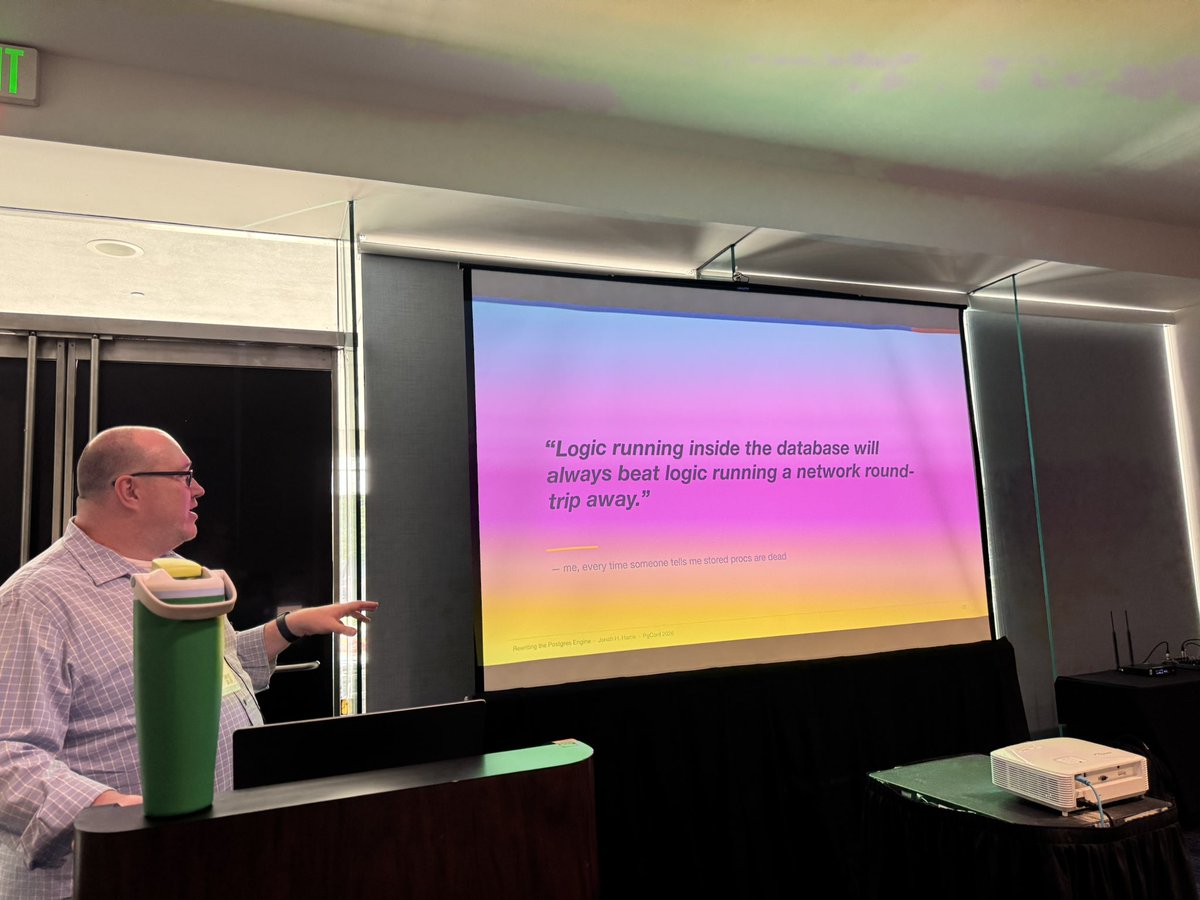
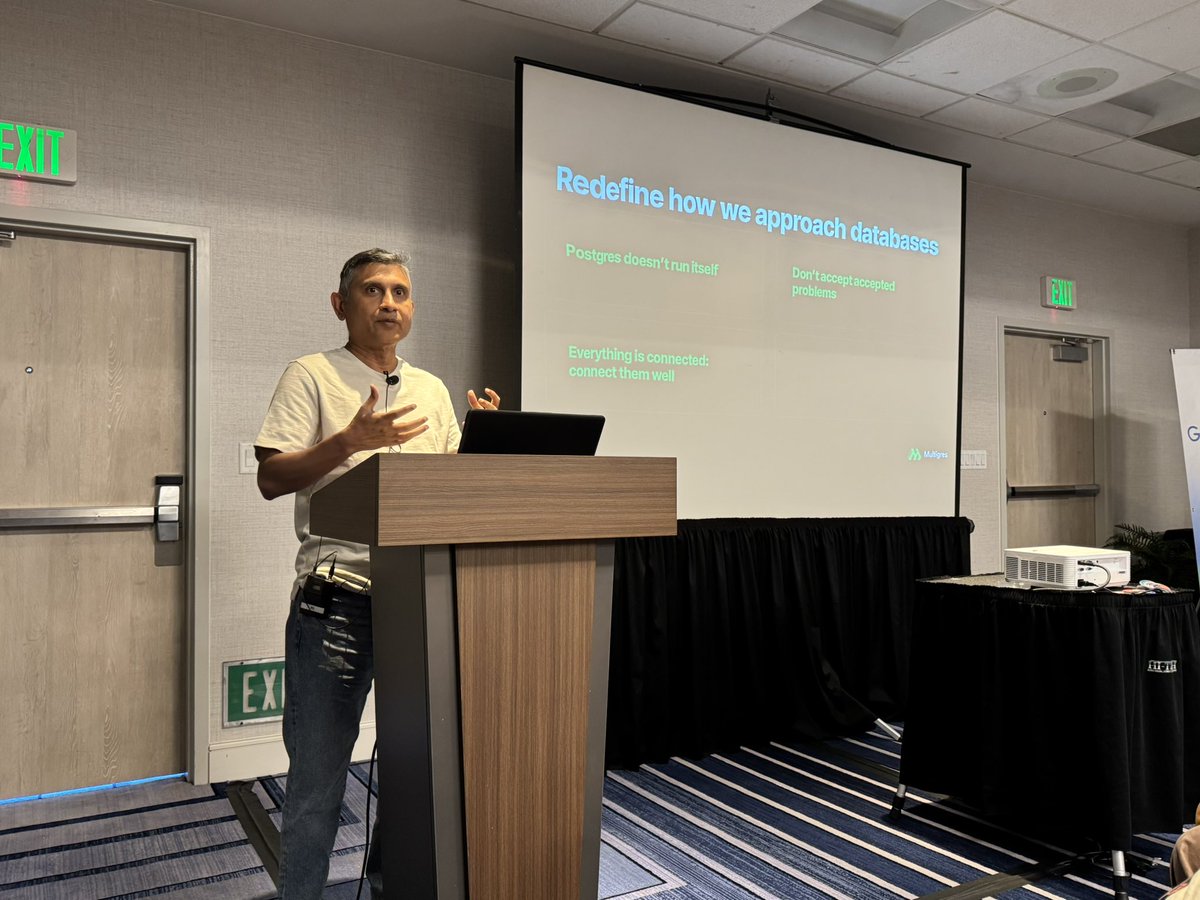

Give agents Git for your buckets: @HimankChaudhary from @TigrisData talking about time travel and buckets at @PlanetScale 🚀
2
5
247
and compilers can boost agents generating code by 100X or more imho

The creator of Linux just publicly called out the AI hype. Word for word.
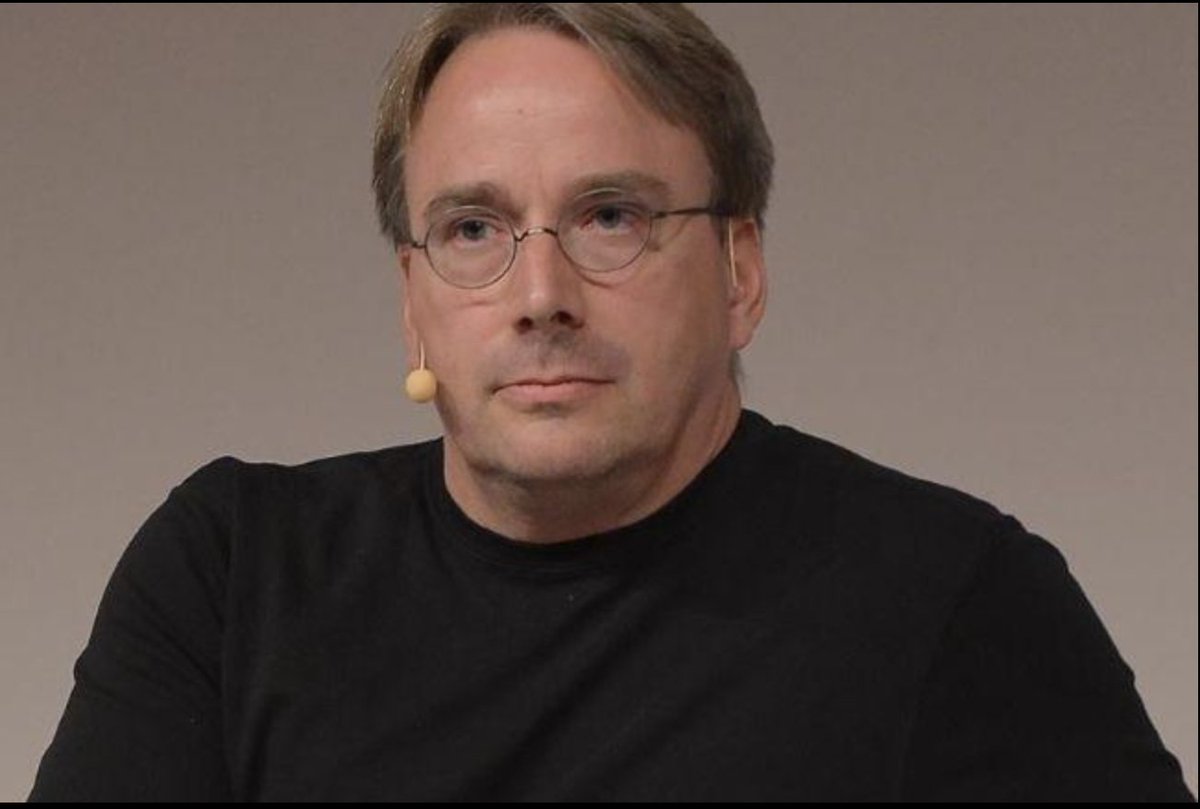
Linus Torvalds took the stage at Open Source Summit 2026 and said this:
"When I see people saying 99% of our code is written by AI, I literally get angry. Because those same people — I can pretty much guarantee — 100% of their code is written by compilers. But they never say that."
He is not anti AI. The Linux kernel saw a 20% jump in submissions this release because of AI tools. He uses it. He gets it.
His point is something most people are too afraid to say.
AI is a productivity tool exactly like compilers were. Compilers boosted programming by 1000x. AI adds another 10x on top. Enormous. But nobody says "the compiler wrote my code." So why are we saying AI wrote it?
He also flagged something nobody is talking about.
AI is flooding small open source projects with drive-by bug reports. Someone runs a prompt, files a report and disappears when asked for a patch. Maintainers with one or two people are drowning trying to keep up.
"Sometimes AI reports a bug and when you ask for more information the person has done that drive-by and does not even answer your question. That is the real burnout issue."
And his final warning was the sharpest of all.
"People who do not understand the complexity of systems will prompt systems and write processes that will fail."
The AI hype crowd is very loud right now.
Linus has been building real systems for 35 years. When he talks, engineers listen.
Full interview here:
thenewstack.io/torvalds-ai-p…
1
3
462
Been thinking about this a lot after reading @deseventral's thread...
Everyone’s racing to build smarter agents. We’ve been focused on something different: building codegen tools that help humans agents converge on trustworthy, secure systems together.

1/ There's a bottleneck in AI that hundreds of billions of dollars can't buy past: the very few people who can wield this technology well enough to matter.
There aren't nearly enough of them, and the entire buildout runs through them.
2
104

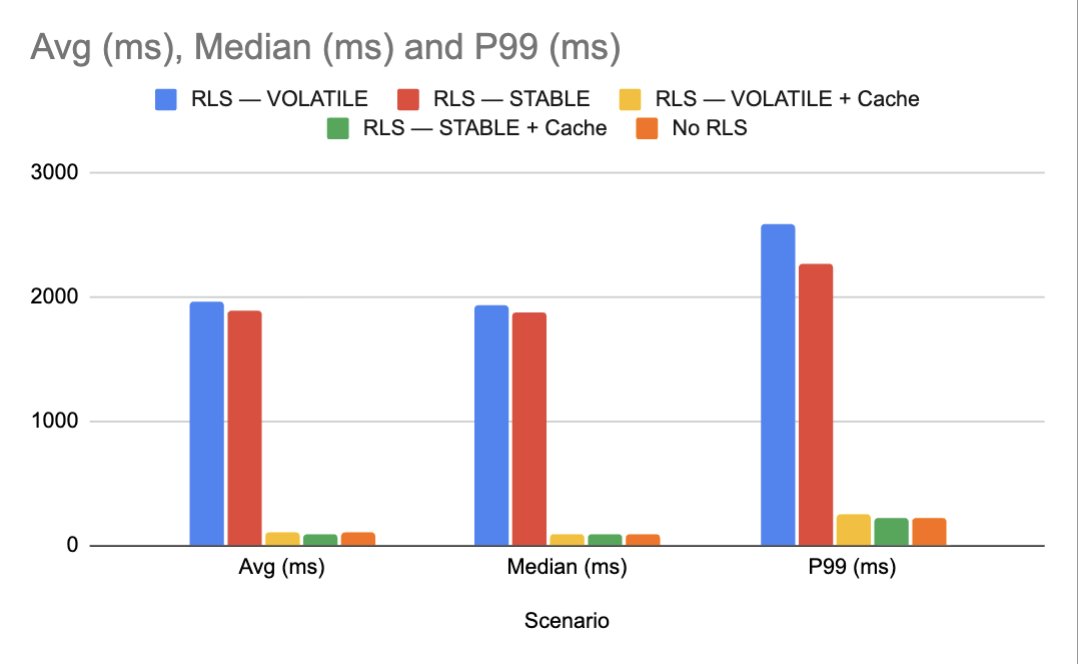
PostgreSQL RLS is the security equivalent of moving invariants into the compiler. Instead of hoping every API endpoint remembers to add WHERE tenant_id = ?, the database proves it on every query. Fewer places to make mistakes. Smaller attack surface. Better security model.
1
5
354
If your security model requires every engineer, every microservice, every agent, every job, and every future developer to remember the correct access-control filter every time, that's not a security model. PostgreSQL RLS exists specifically to eliminate that class of failure.
1
2
64
One thing I love about PostgreSQL is that security features are built by database people, not bolted on by application devs later. The engineers behind RLS spent 10, 20, even 25 years on PostgreSQL internals. That's a very different level than "we added some middleware."
1
3
307
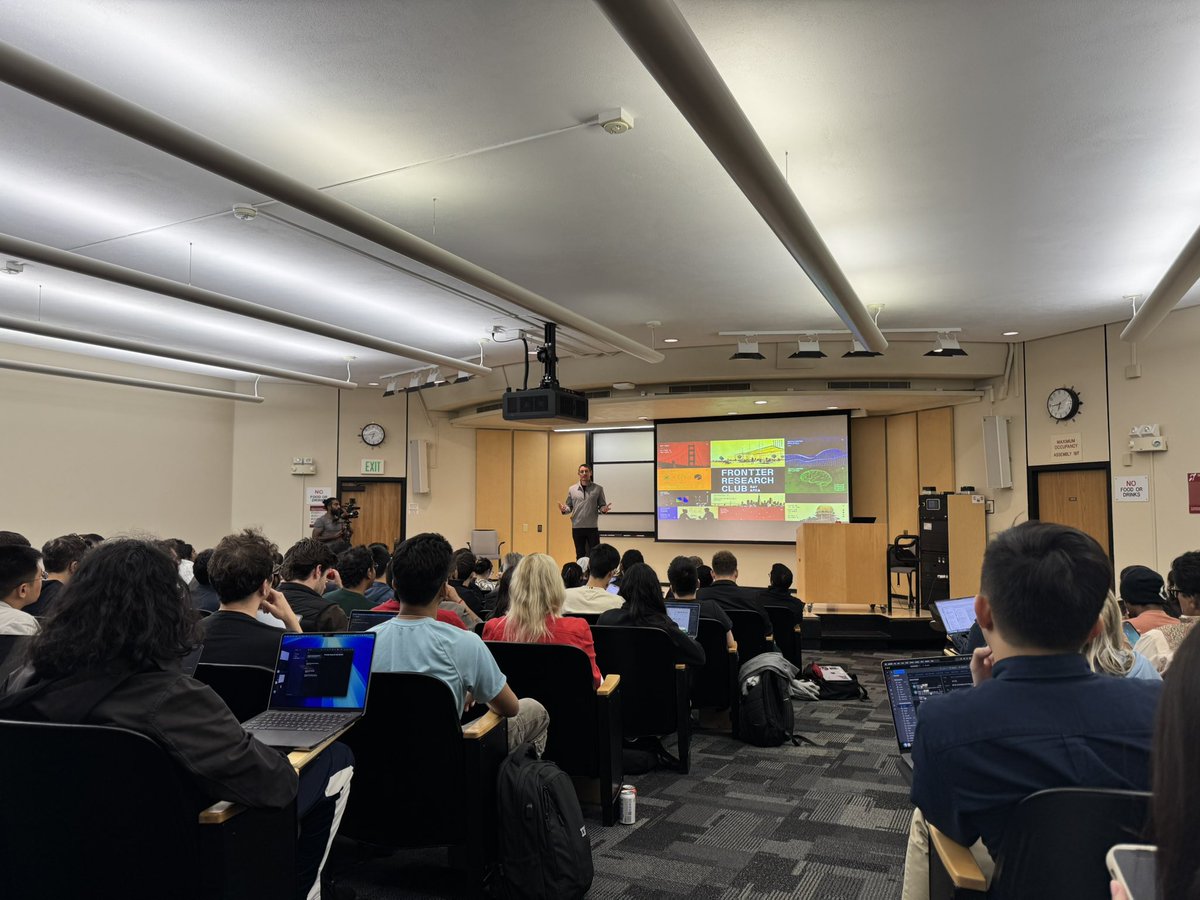
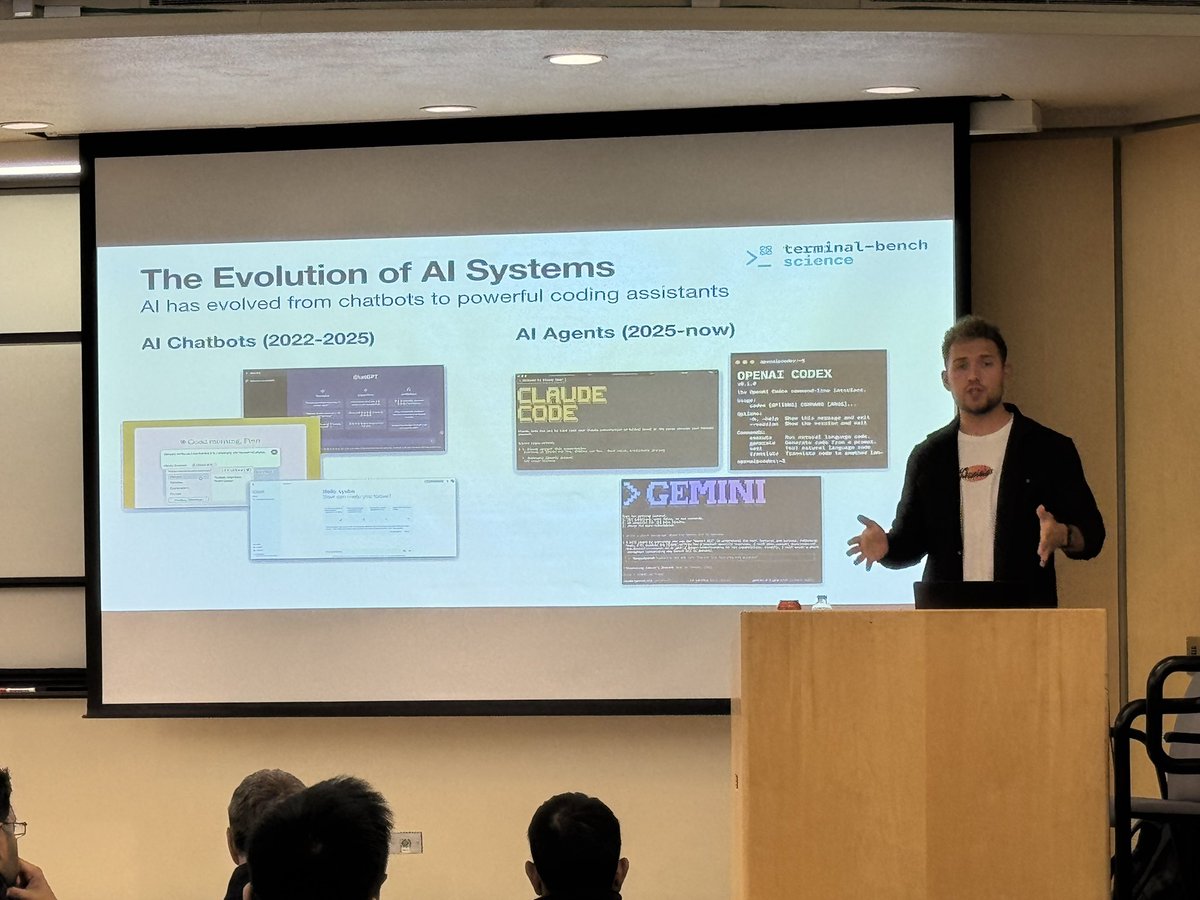
Vibing on @Stanford campus today so I can join @Kristopherfloyd and the Frontier Research Club ⚡️
8
241
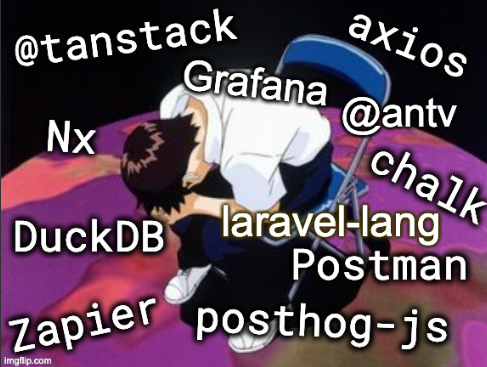
damn, we need a post mortem.

1
1
2
352
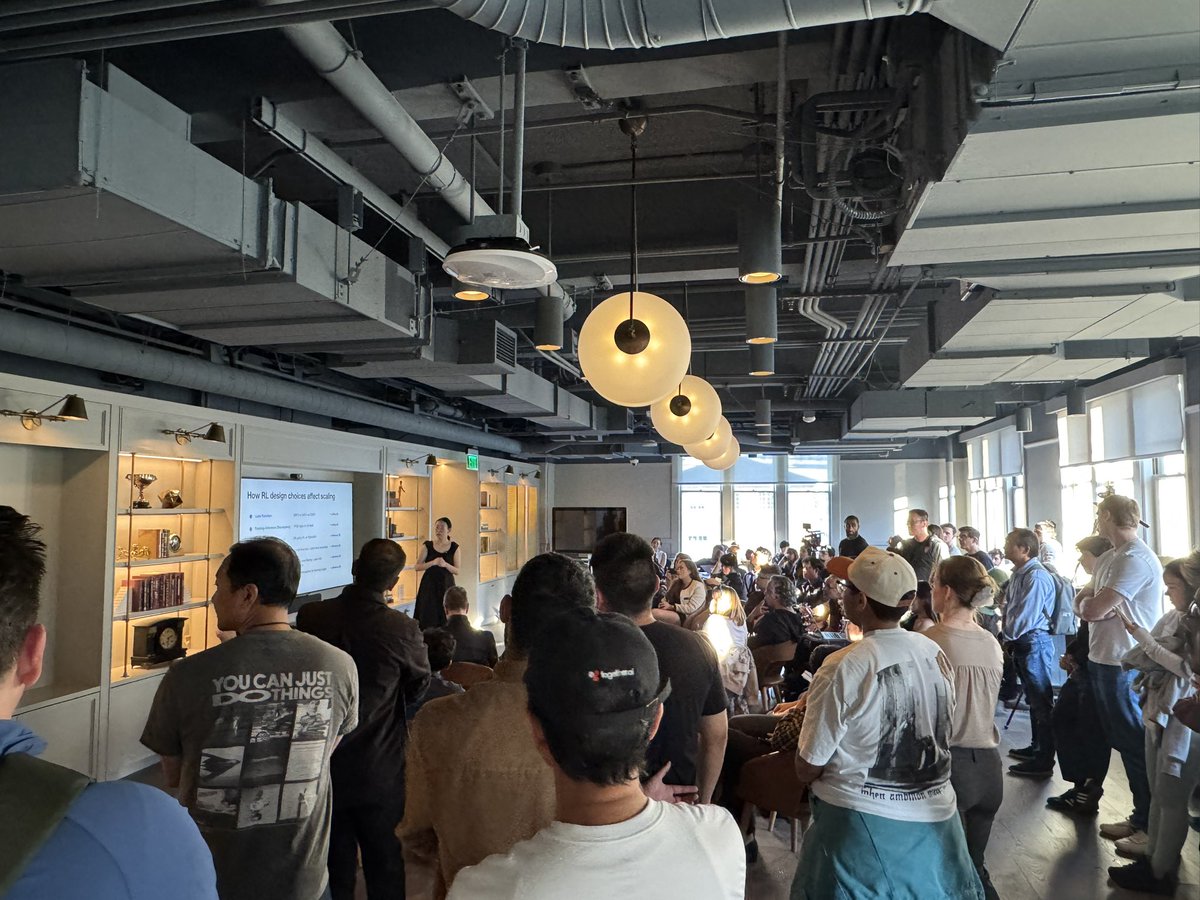
Packed house for Bonnie Li from @GoogleDeepMind at Frontier Research Club (cc @Kristopherfloyd )
2
4
133