
Joined February 2015
- Tweets 3,345
- Following 367
- Followers 114
- Likes 2,071
186 Photos and videos






Darian Sable retweeted

6 Aug 2024
Lil bro got saved by the windshield
2,031
17,383
193,207
21,137,275
Darian Sable retweeted

6 May 2024
The cats facial expressions 😍
1
63
504
65,910
Darian Sable retweeted

4 May 2024
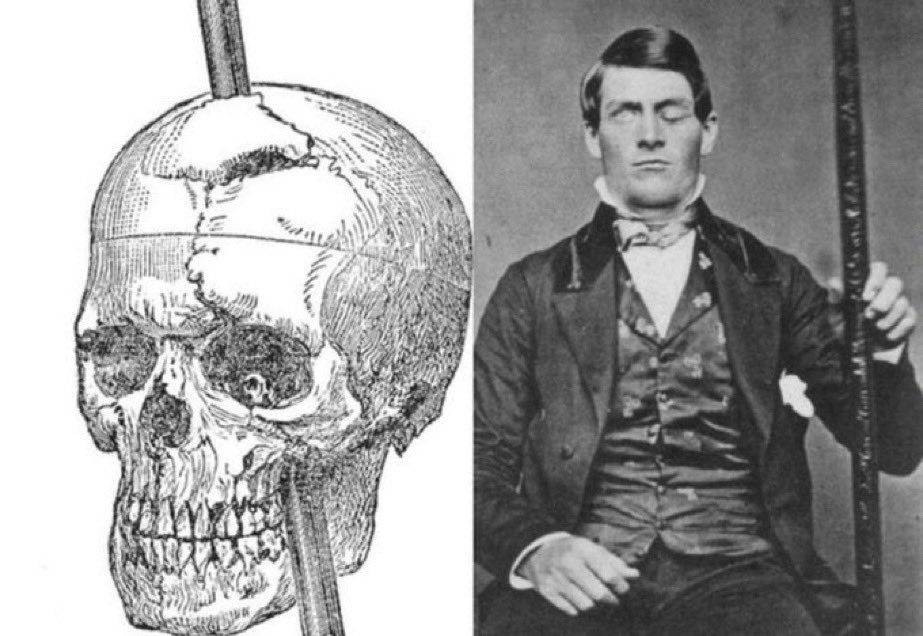
Phineas Gage is often referred to as the "man who began neuroscience,” because he experienced a traumatic brain injury when an iron rod was driven through his skull, destroying much of his frontal lobe.
On September 13, 1848, 25-year-old Gage was working as the foreman of a crew preparing a railroad bed near Cavendish, Vermont.
He was using an iron tamping rod to pack explosive powder into a hole.
Unfortunately, the powder detonated, sending the 43-inch-long, 1.25-inch-diameter rod hurling upward.
The rod penetrated Gage's left cheek, tore through his brain, and exited his skull before landing 80 feet away.
Gage not only survived the initial injury but was able to speak and walk to a nearby cart so he could be taken into town to be seen by a doctor.
He was still conscious later that evening and able to recount the names of his co-workers.
Gage even suggested that he didn't wish to see his friends since he would be back to work in "a day or two" anyway.
After developing an infection, Gage spent September 23 to October 3 in a semi-comatose state.
On October 7, he took his first steps out of bed, and, by October 11, his intellectual functioning began to improve.
In the months that followed, Gage returned to his parent's home in New Hampshire to recuperate.
When the doctor saw Gage again the following year, he noted that while Gage had lost vision in his eye and was left with obvious scars from the accident, he was in good physical health and appeared recovered.
74
148
1,909
842,204
Darian Sable retweeted

28 Mar 2024
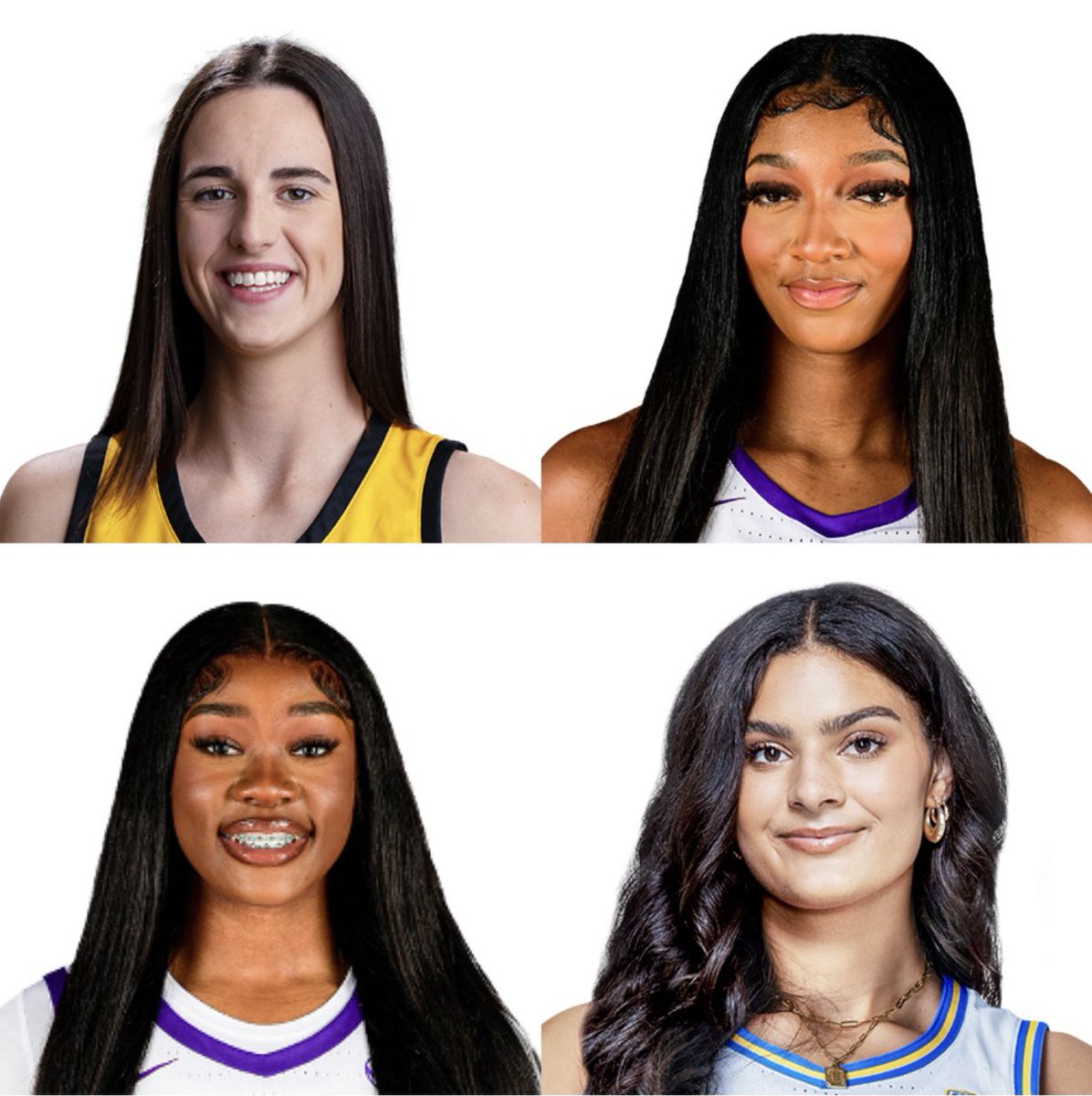
The top 10 Remaining Players in Albany Regional 2, Ranked:
1. Caitlin Clark (Iowa)
2. Angel Reese (LSU)
3. Aneesah Morrow (LSU)
4. Lauren Betts (UCLA)
5. Charisma Osborne (UCLA)
6. Kiki Rice (UCLA)
7. Jaylyn Sherrod (Colorado)
8. Flau’Jae Johnson (LSU)
9. Mikaylah Williams (LSU)
10. Hannah Stuelke (Iowa)
Thoughts?
64
48
611
145,430
Darian Sable retweeted
17 Mar 2024
Baby chameleon changing colour for the first time immediately after hatching
228
1,522
25,089
11,119,550

Thousands swear by the morning routine in The 5 AM Club book. I gave it a go to see what all the fuss was about.
8
7
216
1,647,591
Darian Sable retweeted

17 Mar 2024
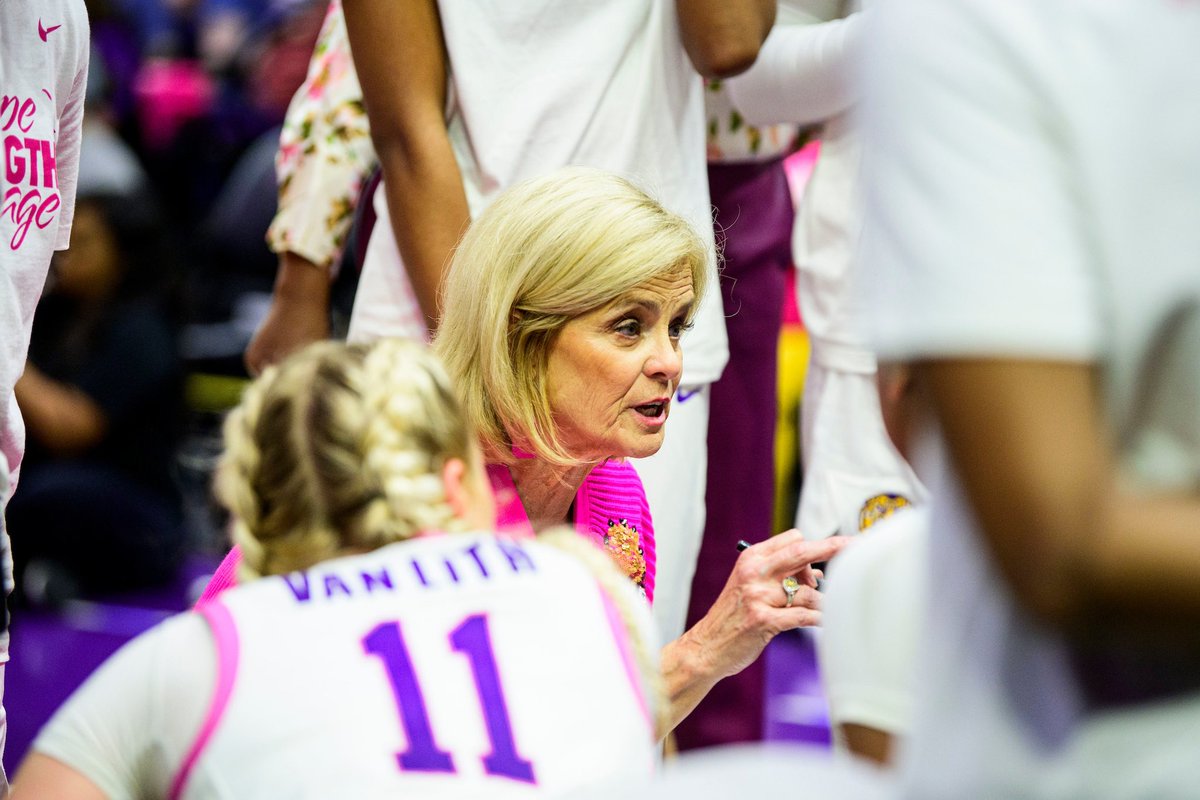
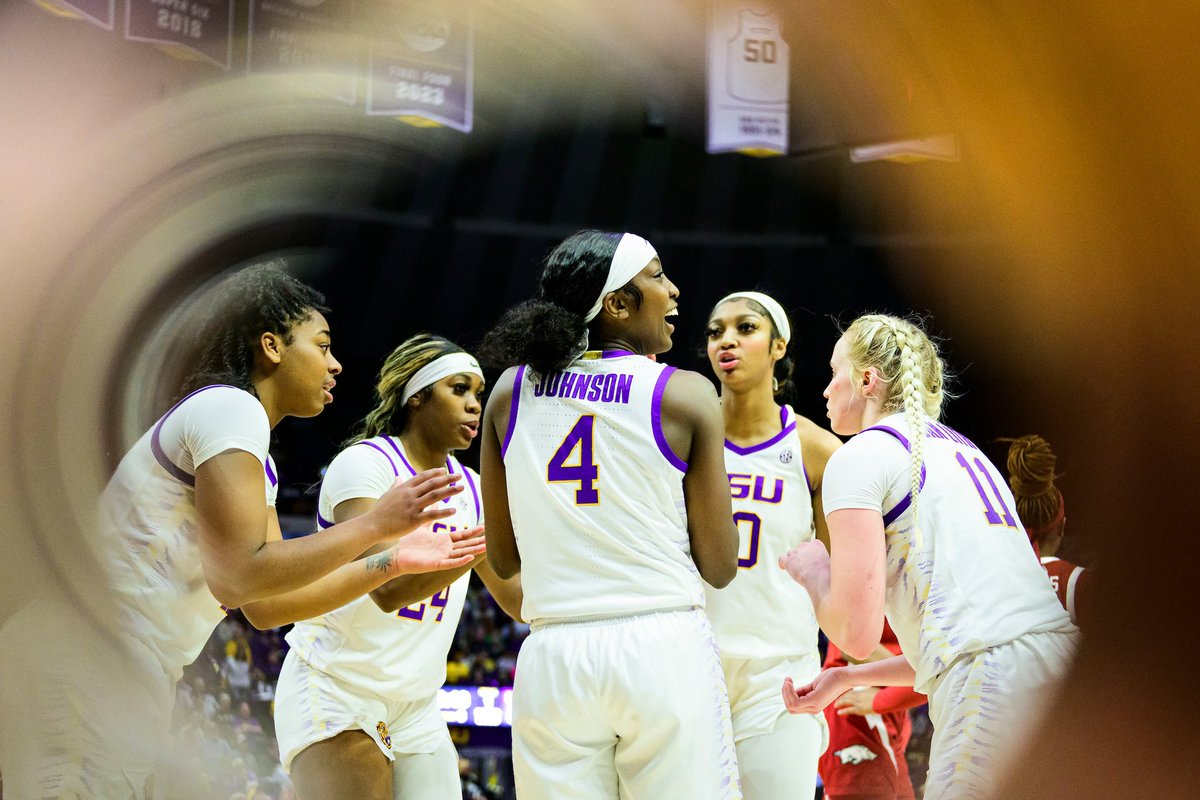
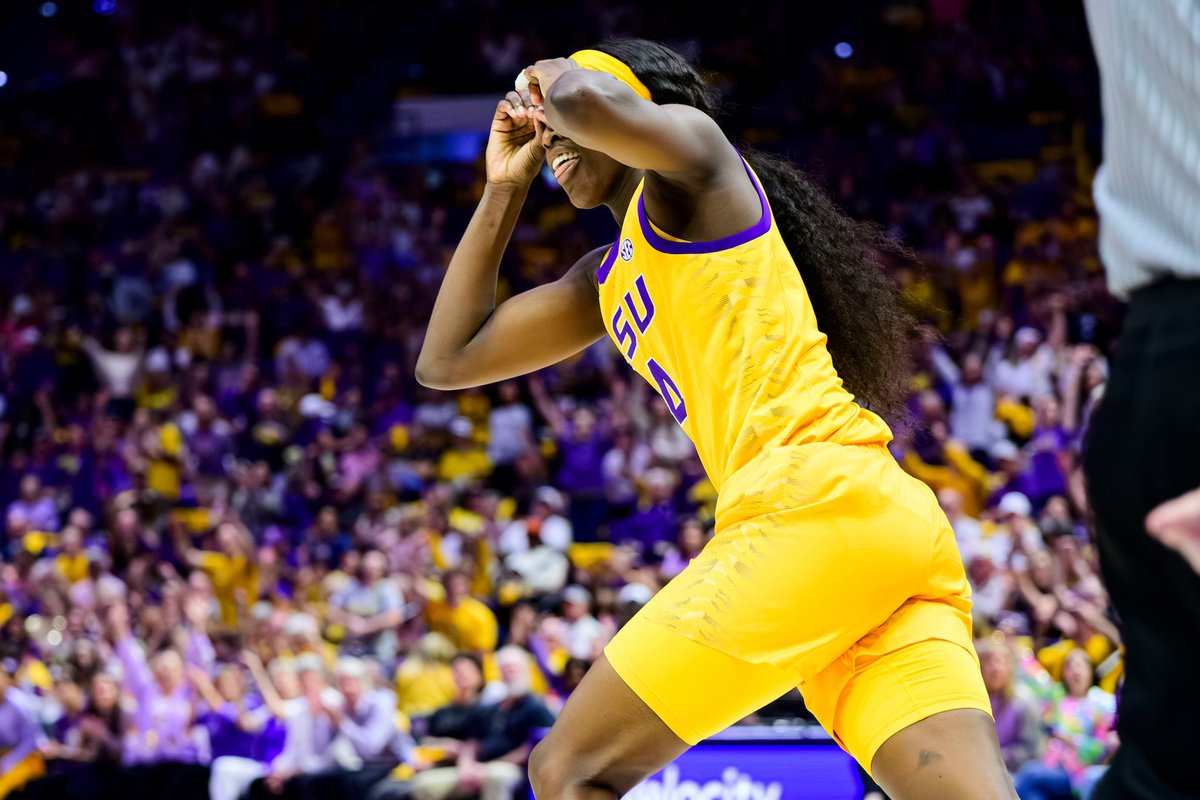
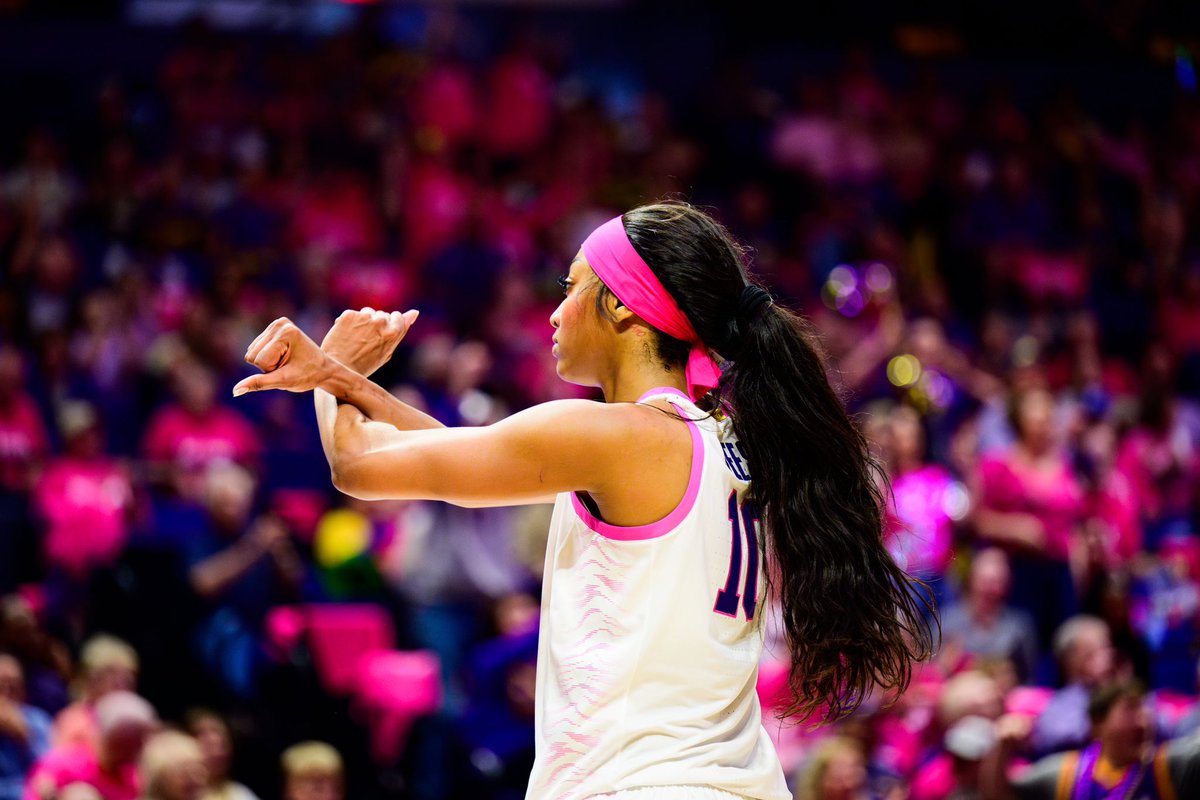
Selection Sunday
Our 2024 March Madness journey begins tonight 🍿
13
118
1,098
70,803
Darian Sable retweeted

10 May 2022
You can’t find baby formula in the United States right now but Congress is voting today to send $40 billion to Ukraine. Let’s put America First for a change.
10,068
24,656
151,037
Darian Sable retweeted

17 Jun 2021
Juneteenth is soooo lame.
Democrats really need to stop trying to repackage segregation.
I’ll be celebrating July 4th and July 4th only.
I’m American. 🇺🇸
5,932
7,004
50,420
Darian Sable retweeted

2 Mar 2021
BREAKING: Governor Greg Abbott has said "it is now time to open Texas 100%"
More info: bit.ly/3kCqWES
59
413
1,608

31 Jan 2021


1
Darian Sable retweeted

2 Dec 2020
Happy birthday to Aaron Rodgers, one of the OGs of the no-look pass 🔥 @AaronRodgers12 @packers
27
315
3,685
3 Dec 2020
2 Dec 2020
Yes what they said!!!
Darian Sable retweeted

18 Nov 2020
Come see me at Red House Winery Friday at 6:00!!
18 Nov 2020

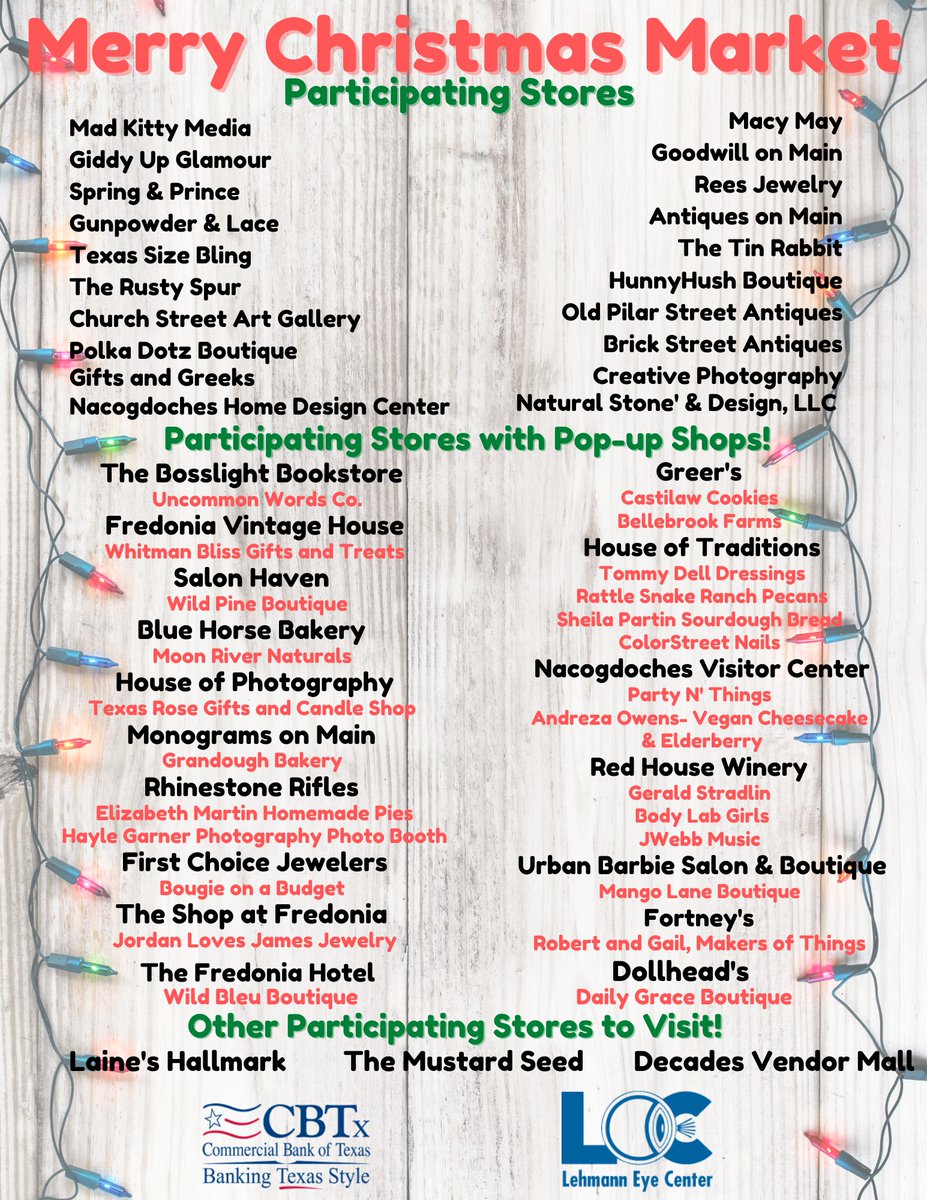
We can't wait for Merry Christmas Market this weekend 🤩
Here are the participating stores so you can start planning your shopping haul! 🎄
1
1
Darian Sable retweeted
9 Nov 2020
Here's the plan for this week!! Be sure on Wednesday to thank a Veteran for their service for keeping us safe and providing a blanket of freedom to be able to do things like this!! Now spread the word!

3
3
Darian Sable retweeted

10 Nov 2020
Turnpike Troubadours | Good Lord Lorrie
1
151
422
Darian Sable retweeted

6 Nov 2020
36
100
680
Darian Sable retweeted

4 Nov 2020
Imagine if 138,000 votes had appeared out of thin air all for Trump, not a single 1 for Biden. Could you imagine the media outrage?
1,880
14,215
68,827