Medical Doctor, Mandela Washington Fellow and Founder, Snakebite Control Network (S-CONET)
Joined August 2013
- Tweets 54
- Following 371
- Followers 44
- Likes 51
5 Photos and videos
Agom DI retweeted

18 Oct 2024
6 Communication skills every doctor needs to build trust with patients.
Most patients barely get through their first sentence before being interrupted by their doctor—on average, just 18 seconds into the conversation.
This constant interruption can derail the flow of information and leave patients feeling unheard.
Here’s how to turn that quick interruption into a memorable consultation:
1. Make Eye Contact: Show you're truly present and engaged.
2. Practice Empathetic Listening: Hear beyond the words—understand their concerns and emotions.
3. Avoid Judgment: Let them speak without fear of being dismissed or corrected.
4. Ask Open-Ended Questions: Encourage fuller, more revealing answers.
5. Use Plain Language: Swap out the jargon for simple, clear explanations.
6. Validate Understanding: Ensure they grasp what’s being discussed by having them recap and reflect on it.
Think of communication as a bridge—not a barrier.
Build that bridge with your patients, and you’ll find that the care you deliver is not only more effective but also more compassionate.
3
7
240
Agom DI retweeted
19 Sep 2024
Saving Lives Every Day, But Who’s Looking Out for Ours?
After a gruelling 24-hour shift, I was back covering the emergency department the next day, with another 8 hours to go before handover. In the early hours, my registrar called for help—a woman was brought to the labor ward, bleeding. We rushed into emergency surgery.
While in the theater, dizziness hit me hard. I was lightheaded and struggling to focus, and my colleagues had to step in and support me. I was grateful for their help, but once I recovered, the questions started swirling in my mind:
What’s the point of reaching the top if it costs me my health, my family, and my sanity?
I still can’t wrap my head around how doctors are expected to function after a 36-hour shift, followed by another day without rest, hungry, and barely able to brush their teeth. How can anyone think this is sustainable? It’s inhumane.
What’s worse is, after all that, we’re still broke at the end of the month. The system seems to think that because older generations of doctors suffered through it, the younger ones should too. But we’re human, with families and lives to live outside the hospital.
Would you trust a pilot who hasn’t slept in 36 hours to fly your plane?
That’s exactly what resident doctors do—except we’re responsible for people’s lives. Many leave the profession, not because they don’t want to help others, but because the working conditions are unbearable.
I don’t know the solution, but if you’re reading this, maybe you have an idea. You don’t have to be a doctor to see that this isn’t right—you just have to be human.
Please share this message. Maybe together, we can spark the change that’s so desperately needed.
1
8
13
457
Agom DI retweeted

17 Sep 2024
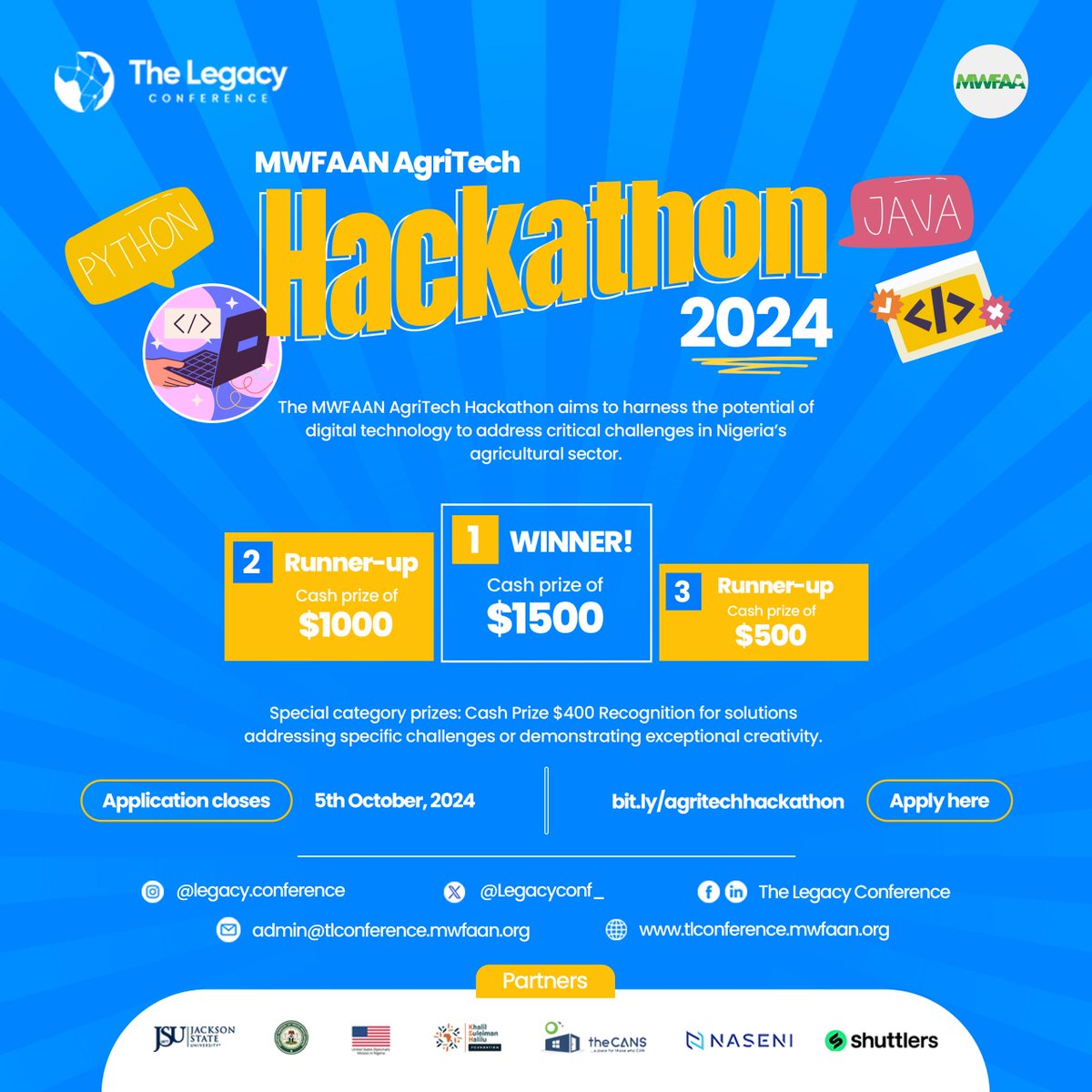
🌾 Join the AgriTech Hackathon by MWFAAN! 🌾
To mark its 10 years anniversary and celebrate a decade of impact and legacy MWFAAN is hosting an AGRITECH HACKATHON as part of its @10 Legacy Conference!
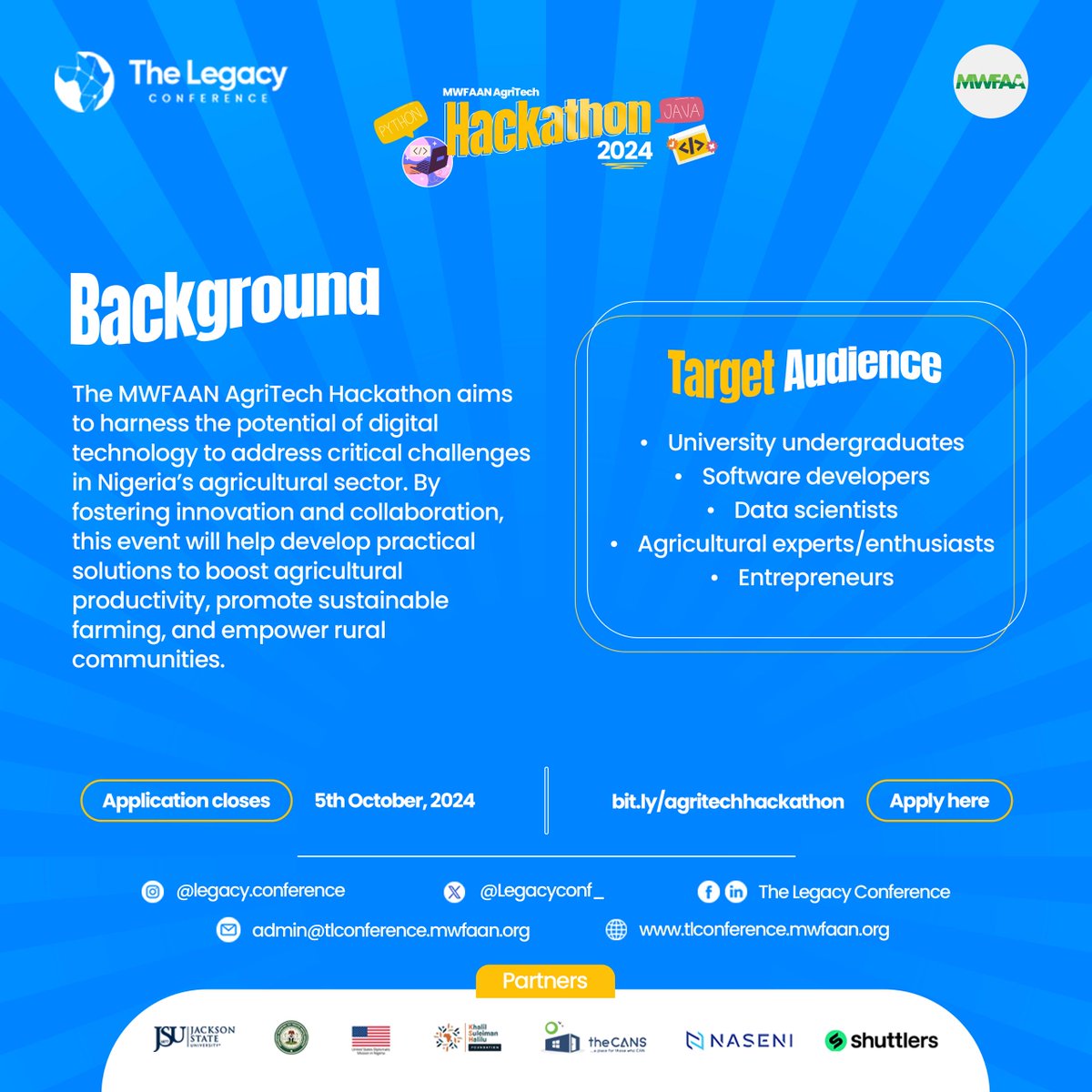
With a target audience of the young youthful leaders of tomorrow we wish to show our commitment to the development and empowering of the youth with the aim of helping shape a better future for our country and Africa at large by addressing one concern at a time.
Are you ready to revolutionize Nigeria’s agricultural sector?
OR
Do you have a game-changing idea for the future of agriculture?
This is your moment!
Join us at the Legacy Conference MWFAAN@10 Agri-Hackathon and turn your passion into action.
Whether you're a coder, a problem solver, or just hungry to make a difference, this is your chance to create real impact!
What We Look For: Innovative solutions in:
* Crop monitoring and management
* Soil health assessment
* Supply chain optimization
* Climate-smart farming
* Market access and farmer empowerment
Teams: Form teams of up to four members with diverse expertise to tackle these challenges.
Prizes:
* Overall winner: $1500
* 1st Runner-up: $1000
* 2nd Runner-up: $500
* Special category prizes: $400
Requirements:
* Register as individuals or teams
* Must be at least 18 years old
* Prior coding and software development experience encouraged
* Basic understanding of environmental issues in Nigeria beneficial
Application Deadline: October 5th, 2024.
Use the link in bio or below to register:
forms.gle/jgUzKDD9en1re7oG8
#TheLegacyConference #MWFAAN10Agrihackathon #MWFAAN@10 #MWFAANLegacyconference #DecadeofLegacy #Leadership #AfricaRising #registernow

5
10
465

25 Jul 2024
The fact that citizens are afraid to go out and exercise their legitimate rights to PROTEST speaks of the evil that has become of our democracy.
#EndBadGovernanceInNigeria
30
Agom DI retweeted

16 Jul 2024
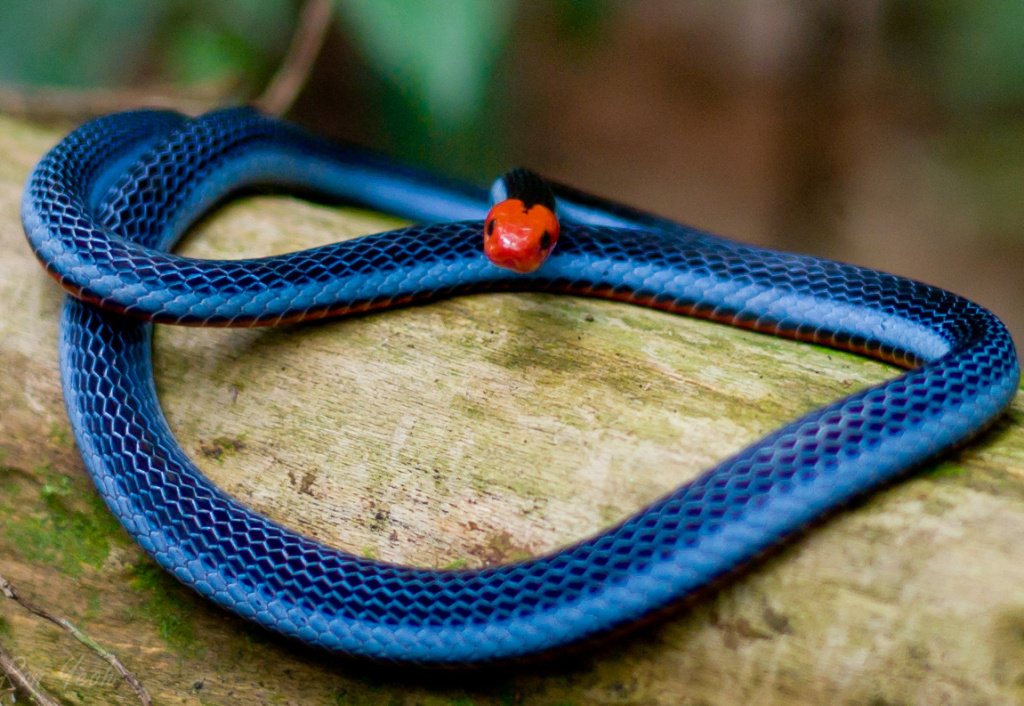
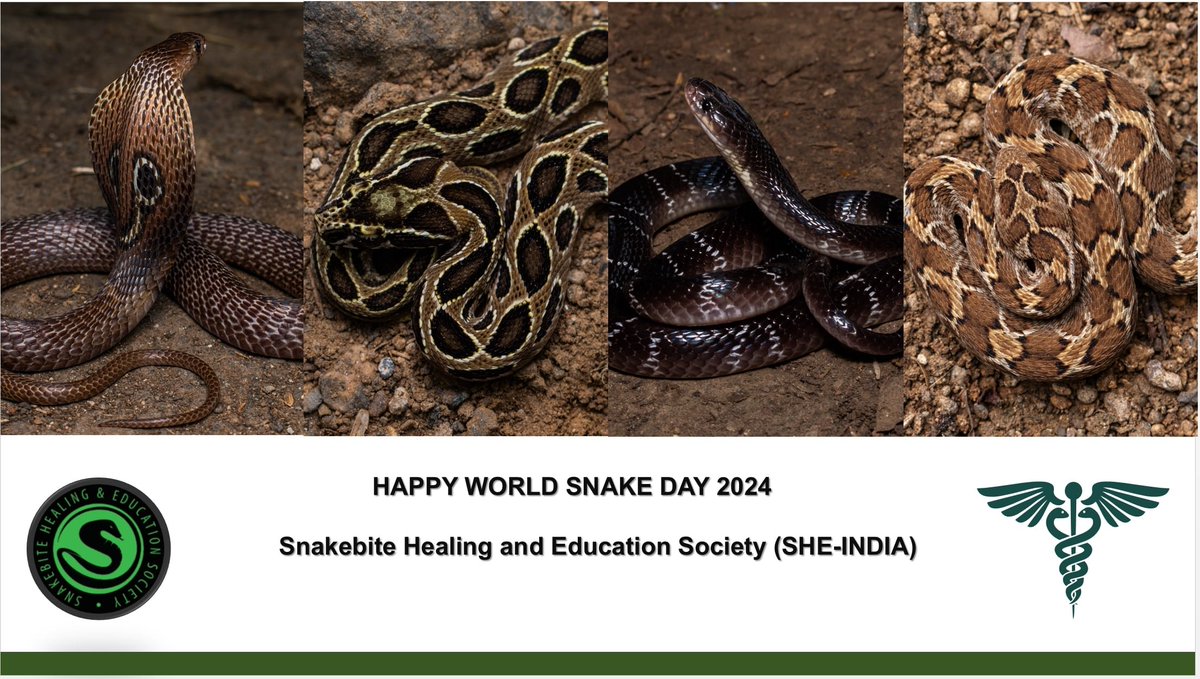
Happy World Snake Day 2024.Snakes maintain the ecological balance in nature by controlling pests,thereby protecting crops & helping reduce spread of certain diseases.Awareness is key in changing perspectives regarding role of snakes and how to live consciously to avoid snakebites
8
18
399
Agom DI retweeted

13 Nov 2023
PRESS RELEASE
EX-PRESIDENT BUHARI CONGRATULATES APC ON RETAINING IMO AND KOGI STATES
Former President Muhammadu Buhari congratulates the All Progressives Congress @OfficialAPCNg on winning the Governorship elections in Imo and Kogi States, and thanks the people of the two States for reaffirming their confidence in the nation’s biggest political party.
The former President thanks particularly the party leaders and the workers who laboured tirelessly to ensure the re-emergence of Senator Hope Uzodimma @Hope_Uzodimma1 for his second term in Imo State, and Alhaji Usman Ododo @OfficialOAU as the new Governor of Kogi State.
“My best wishes to them for their tenure," the former President says.
Garba Shehu
November 13, 2023
769
518
2,256
203,335
29 May 2023
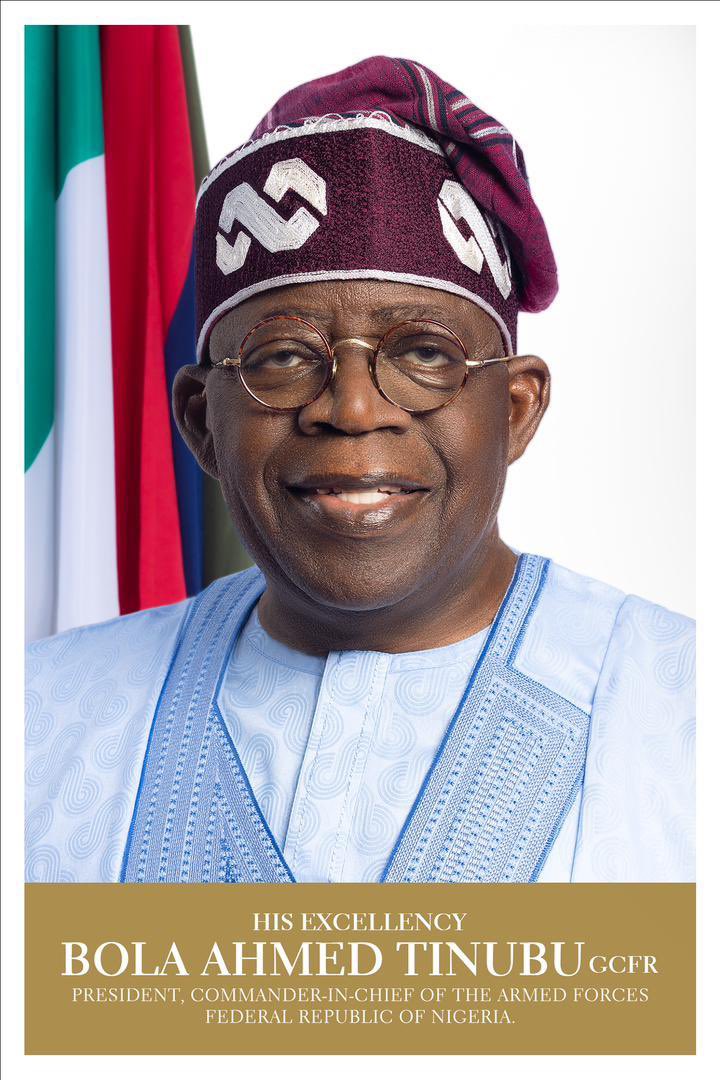
Congratulations to President Bola Ahmed Tinubu.
May Nigeria succeeds
1
40
Agom DI retweeted

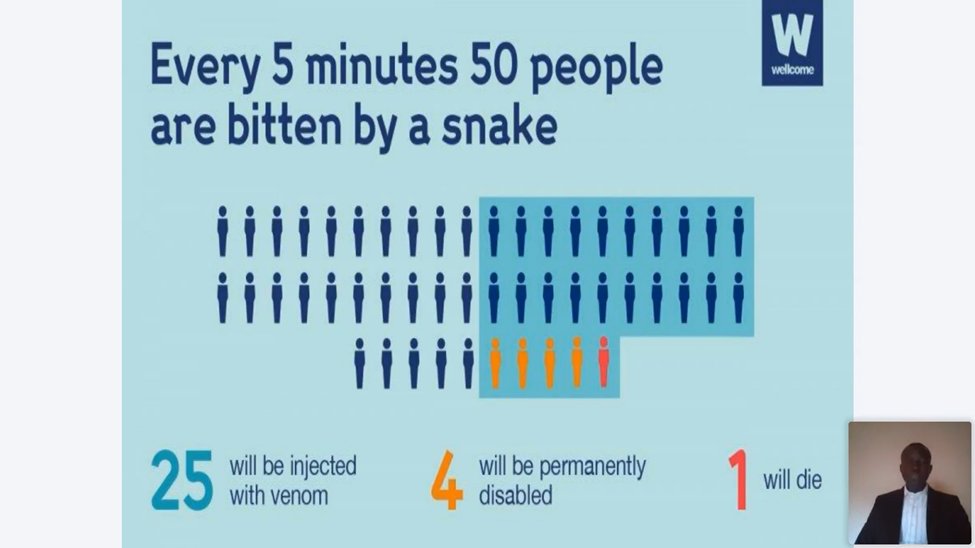
🙏🏼@ISNTD_Press for yet another wonderful webinar on NTDs, this one featuring #snakebite🐍. Some key take-aways:
6 Dec 2022

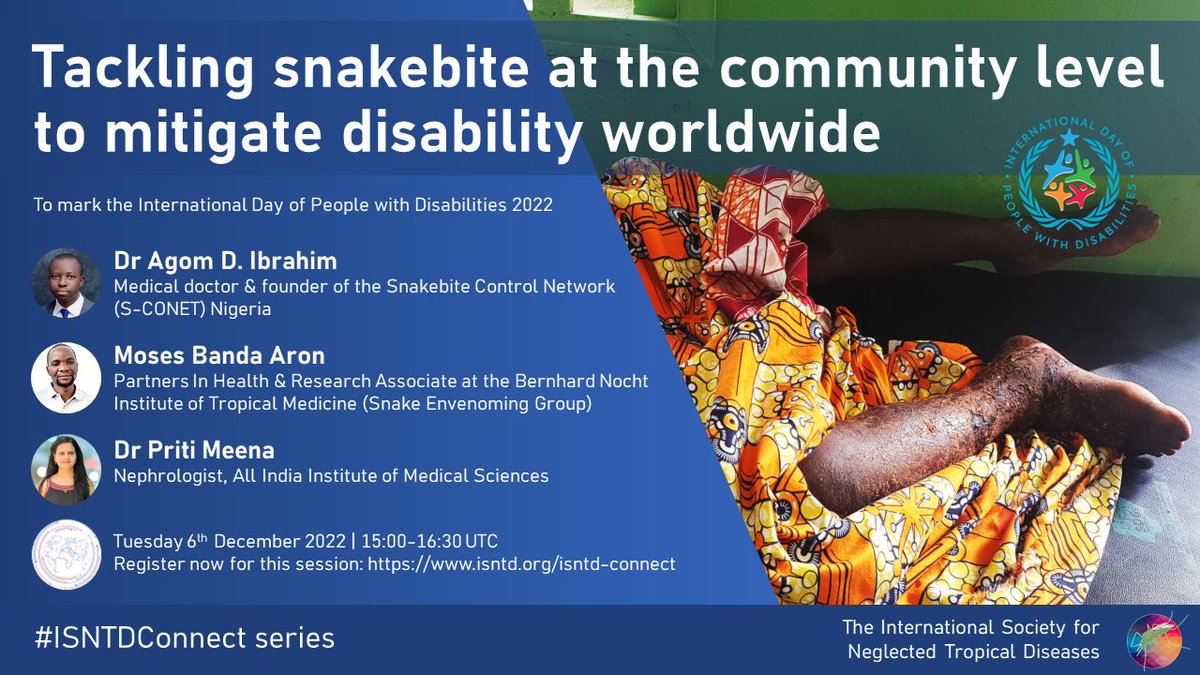
📢Starting in one hour, #ISNTDConnect 15:00-16:30 UTC ! "Tackling #snakebite and snakebite envenoming at the community level to mitigate disability worldwide"
👉event.webinarjam.com/channel…
2
4
8
Agom DI retweeted

3 Dec 2022
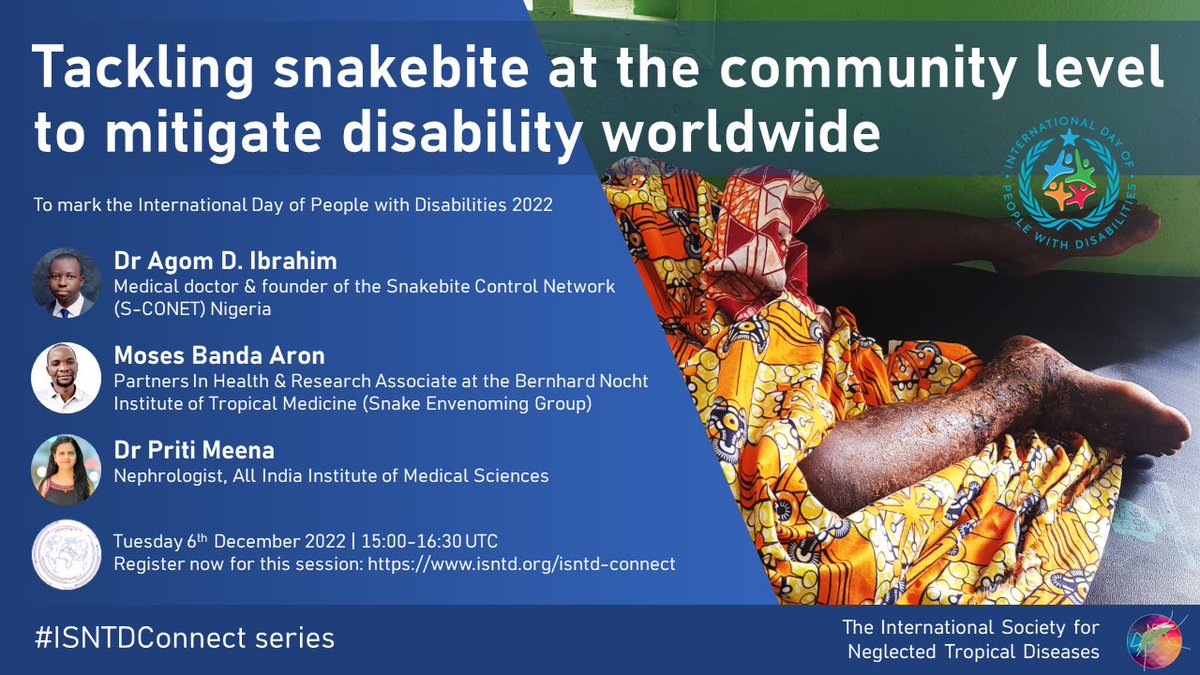
Today is International Day of People with Disabilities! #Snakebite envenoming, listed as part of the Neglected Tropical Diseases, remains a significant cause of permanent #disability worldwide. Find out more about tackling this 👉 isntd.org/isntd-connect #IDPWD2022 #ISNTDConnect
1
10
28
Agom DI retweeted

14 Apr 2021
Very happy to be part of this piece focusing on snakebite and efforts to tackle this NTD bbc.com/future/article/20210…
1
5
8
Agom DI retweeted

12 Apr 2021
Don't miss out!
Today is the last day to enrol for our Research Writing in the Sciences #MOOC!
Enrol now: authoraid.info/rws-2021
2
1
Agom DI retweeted

17 Mar 2021
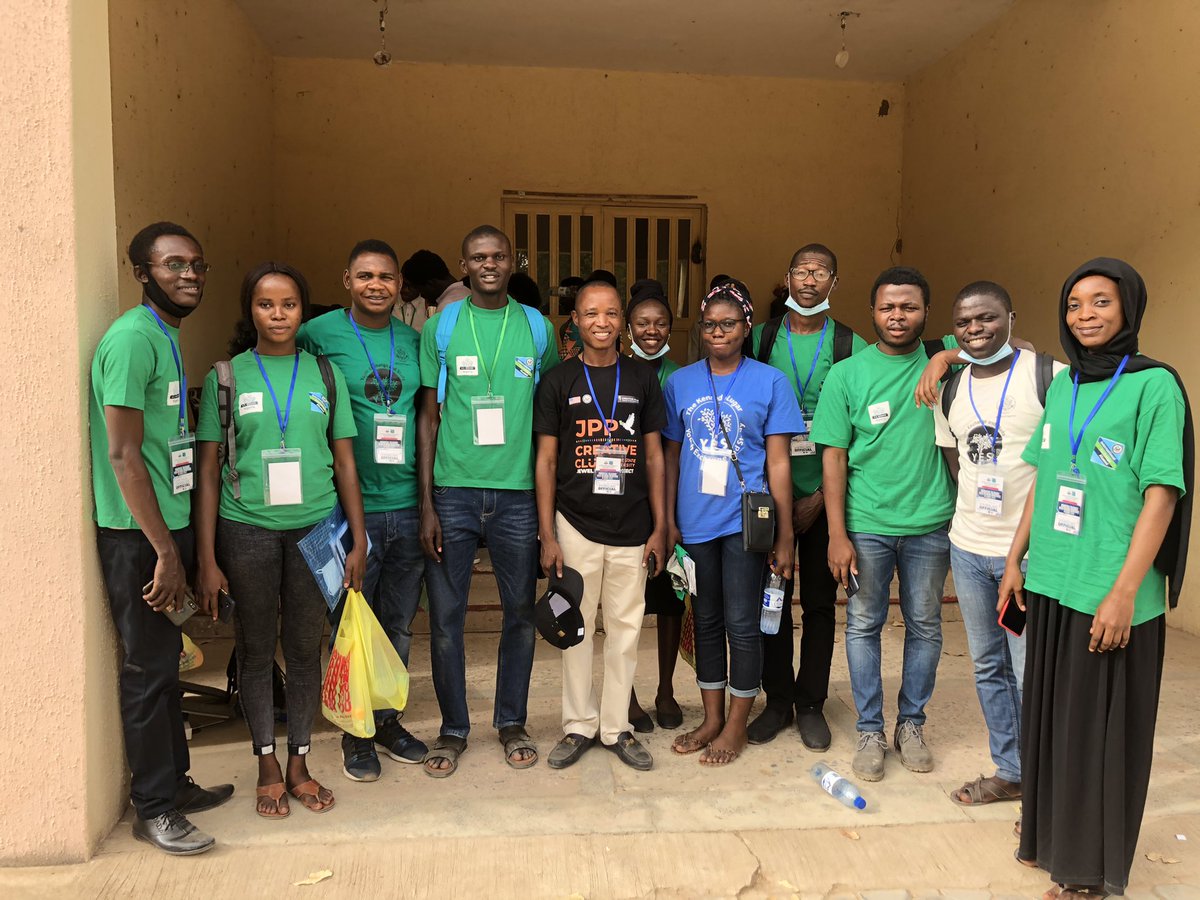
Volunteers don’t get paid, not because they’re worthless, but because they’re priceless.
@ShakNG @DavidMosesOlofu @harouner01 @MiemieA98
4
24
Agom DI retweeted

9
27
12 Mar 2021
A unique crop of scientist/clinicians across the world driven by empathy are responding to health needs of the poor the world over. Join in the discussions
12 Mar 2021
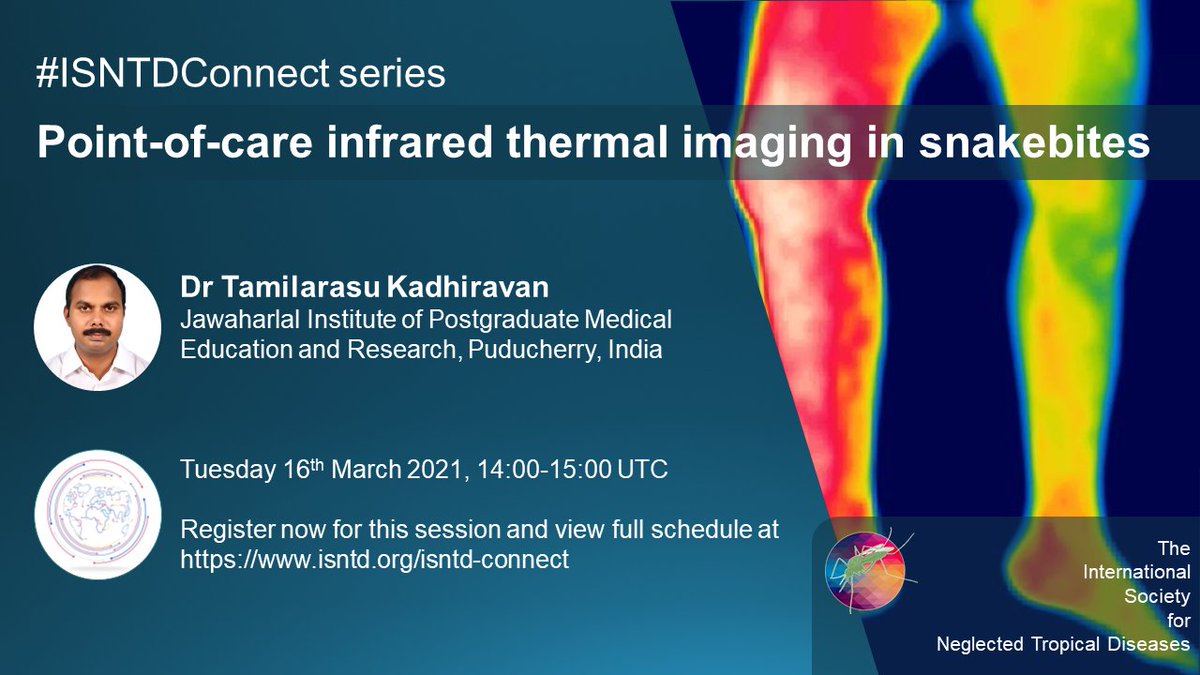
Don't forget to register for the next #ISNTDConnect on Tues 16 looking at the potential of thermal imaging for point-of-care assessment of #snakebite with Dr Tamilarasu Kadhiravan @OfficialJipmer #diagnostics
Register👉isntd.org/isntd-connect
3
6
Agom DI retweeted

15 Nov 2020
He won because the Election was Rigged. NO VOTE WATCHERS OR OBSERVERS allowed, vote tabulated by a Radical Left privately owned company, Dominion, with a bad reputation & bum equipment that couldn’t even qualify for Texas (which I won by a lot!), the Fake & Silent Media, & more!
33,773
18,888
97,495

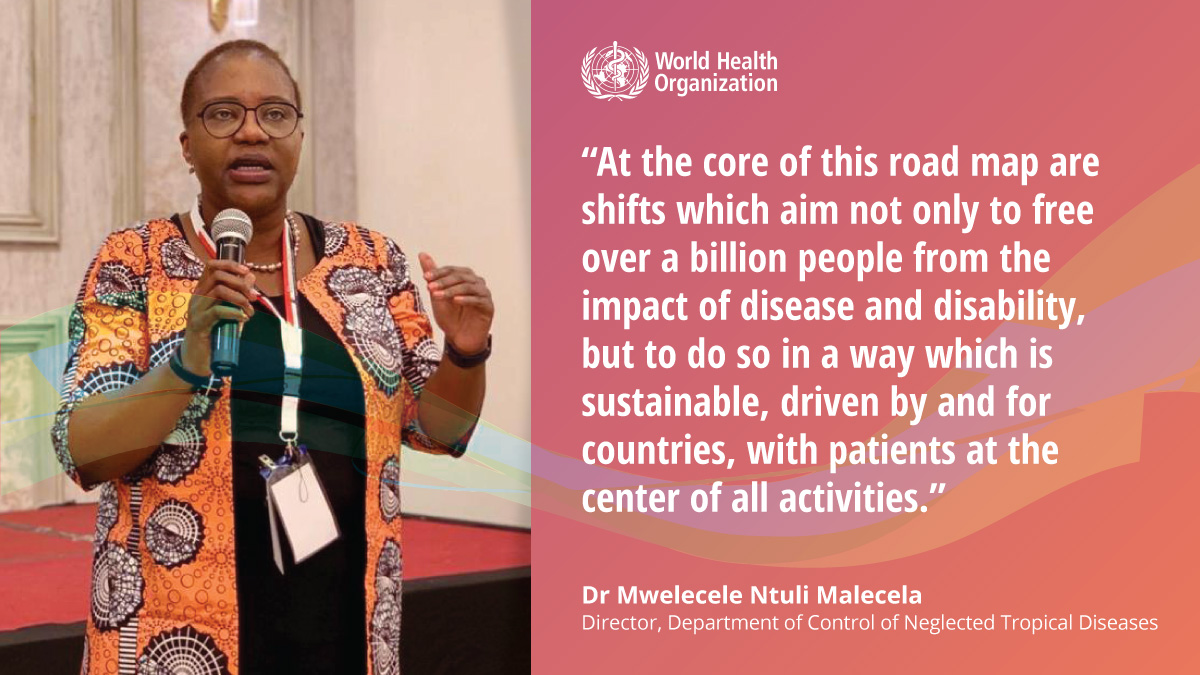
🎉 ICYMI: Historic and superb news yesterday for #GlobalHealth as the #NTDRoadMap2030 was adopted at #WHA73! The road map sets global targets & actions to #beatNTDs (neglected tropical diseases).
Read more here: bit.ly/32rhc8R
#UHC #NTDs #SDGs @mwelentuli @NTDworld @WHO
1
5
29 Oct 2020
The young man still thinks like an actor. He's yet to get a grasp of the real world.
29 Oct 2020

Desmond Elliot with a warped view on social media. This is very disappointing. Willful ignorance like this in 2020 is disturbing. 🤦🏾♂️😒