
#neurosurgeon at the #UofM working to #translate #neuromodulation into therapies for #neurologic and #psychiatric #diseases
Joined November 2008
- Tweets 484
- Following 878
- Followers 1,268
- Likes 1,015
137 Photos and videos
David Darrow, MD retweeted

"Metric choice matters for reliably understanding brain networks, and brain networks matter for understanding neurological and psychiatric disease," said Kate Dembny.
Read about new University of Minnesota research on measuring brain networks: bit.ly/3S6fVR3.
2
3
158

Jun 12
New TN guideline stakeholder episode: Anna Williams, Melissa Baumbick, Marshall Holland, MD, and Donald Nixdorf, DDS, MS discuss patient-centered priorities with @facialpainassoc .
youtube.com/watch?v=Ou4uZaYe…
#TrigeminalNeuralgia #FacialPain #PatientAdvocacy
1
4
248
Jun 11
We are extremely excited to build an AI brain collaboration with our partner site in Korea #SNU

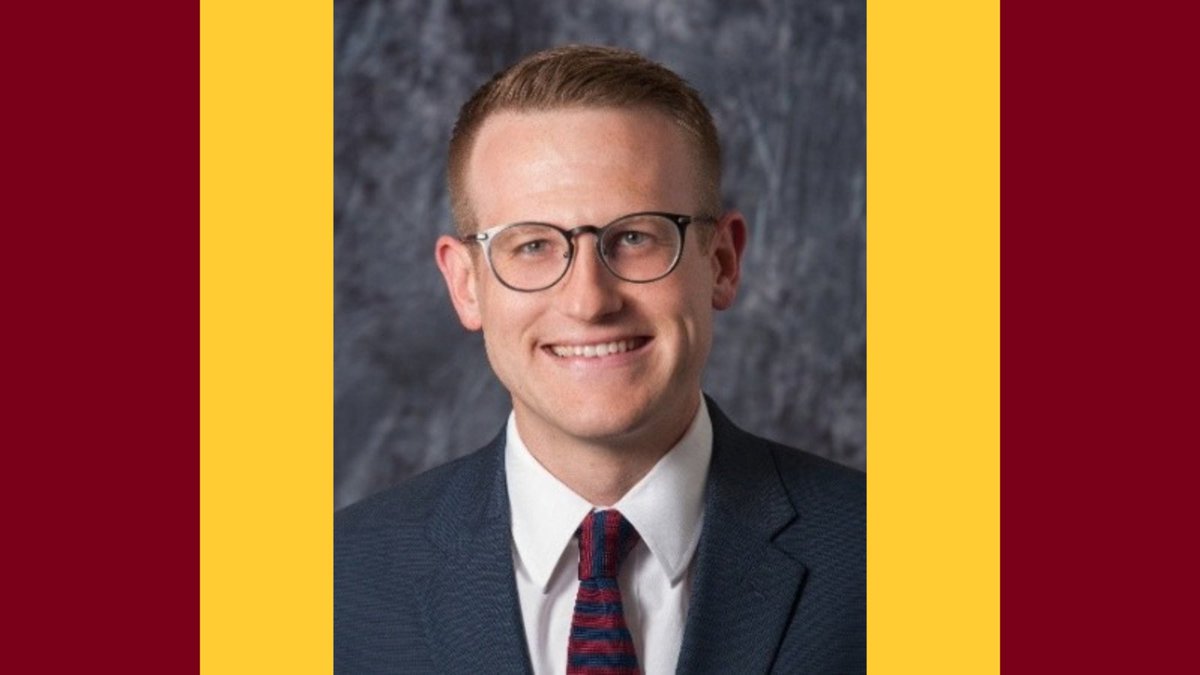
Congratulations to Dr. David Darrow of @umnneurosurgery, whose project was selected as one of just four awardees in the inaugural UMN–SNU Research Partnership Seed Grant Program! 🎉
Read more: bit.ly/4ukkmVX.
@daviddarrow #UMNproud
2
1
12
2,627
May 18
New trigeminal neuralgia guideline episode: @vishadsukul and I speak with neuroradiologist Ajay Malhotra about MRI protocols, neurovascular compression, secondary causes, recurrence, and imaging standardization. @painsection
youtu.be/TyFj0hpSTv0
#TrigeminalNeuralgia #MRI
1
3
257
May 18
New paper out in Journal of Neural Engineering.
We tested effective connectivity metrics against simulated brain networks with known ground truth.
Takeaway: if brain communication has time delays, zero-lag methods can fail. Metric choice matters.
doi.org/10.1088/1741-2552/ae…
1
4
581
2
10
907
David Darrow, MD retweeted

Apr 29
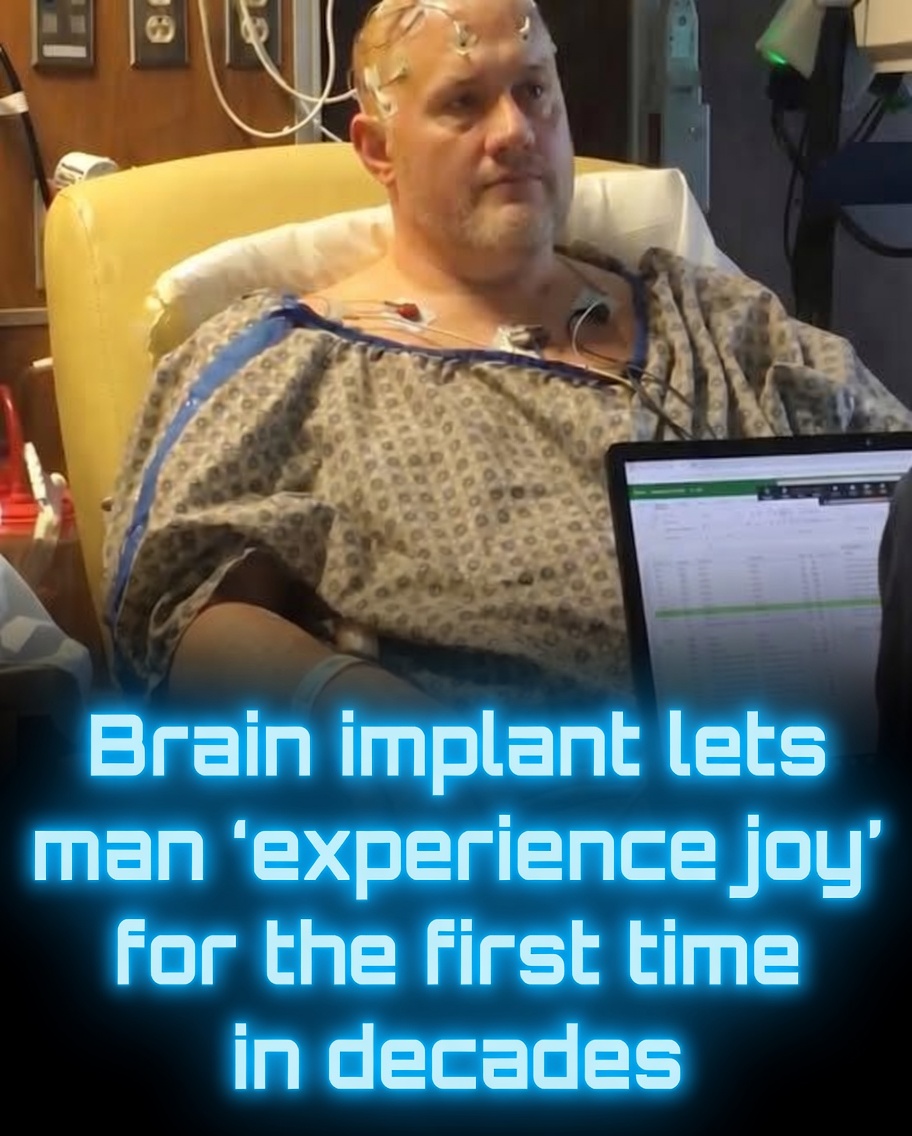
A groundbreaking custom brain implant has successfully lifted a man’s 30-year battle with severe depression, placing his condition into full remission.
For the first time in decades, the patient experienced genuine feelings of joy after receiving a highly personalized brain “pacemaker.” Developed by researchers at the University of Minnesota, the experimental treatment,called Personalized Adaptive Cortical Electro-stimulation (PACE), uses the patient’s own brain mapping to deliver targeted electrical stimulation.
Using functional MRI scans, scientists identified the unique neural pathways associated with his depression. Electrodes were then precisely implanted to stimulate those specific regions. Unlike standard “one-size-fits-all” approaches, this device adapts in real time, delivering tailored pulses that restored emotional access and well-being.
The results were dramatic: suicidal thoughts disappeared within seven weeks, and the patient achieved full remission after nine months. This success highlights a promising shift toward precision medicine in psychiatry, offering new hope for the millions of people with treatment-resistant depression who have not responded to antidepressants or other conventional therapies.
The case demonstrates how deeply individualized brain stimulation could become a powerful new tool for treating some of the most challenging mental health conditions.
23
57
241
25,973
Apr 27
Good paper on radiosurgery for refractory cluster headache. Meaningful relief, but recurrence over time raises a mechanistic question: are normal pain/autonomic circuits adapting, or is the radiation effect recovering?
doi.org/10.1227/neu.00000000…
3
13
1,959
Apr 26
First stakeholder conversation for the AANS/CNS Section on Pain trigeminal neuralgia guideline effort is live. @StaudtMD and I spoke with Dr. Gary Klasser about orofacial pain, TN vs neuropathy, imaging, dental misdiagnosis, and patient-centered care.
youtu.be/reYNipKY3WM
1
9
1,064
Mar 17
New in Neurosurgery: 23-year MVD series (n=523) for Type 1 TN
~70% pain-free at 15 yrs — highly durable
• Worse outcomes in women → phenotype/diagnostic mixing?
• Vein sacrifice: small risk, more complete decompression
journals.lww.com/neurosurger… @NeurosurgeryCNS
6
43
3,469
Perhaps the most provocative implication: Some patients classified as “TN with continuous pain” or TN2 may actually represent temporomandibular disorders rather than primary trigeminal neuralgia. We have known for a while but now the discourse begins!
journals.lww.com/neurosurger…
5
312
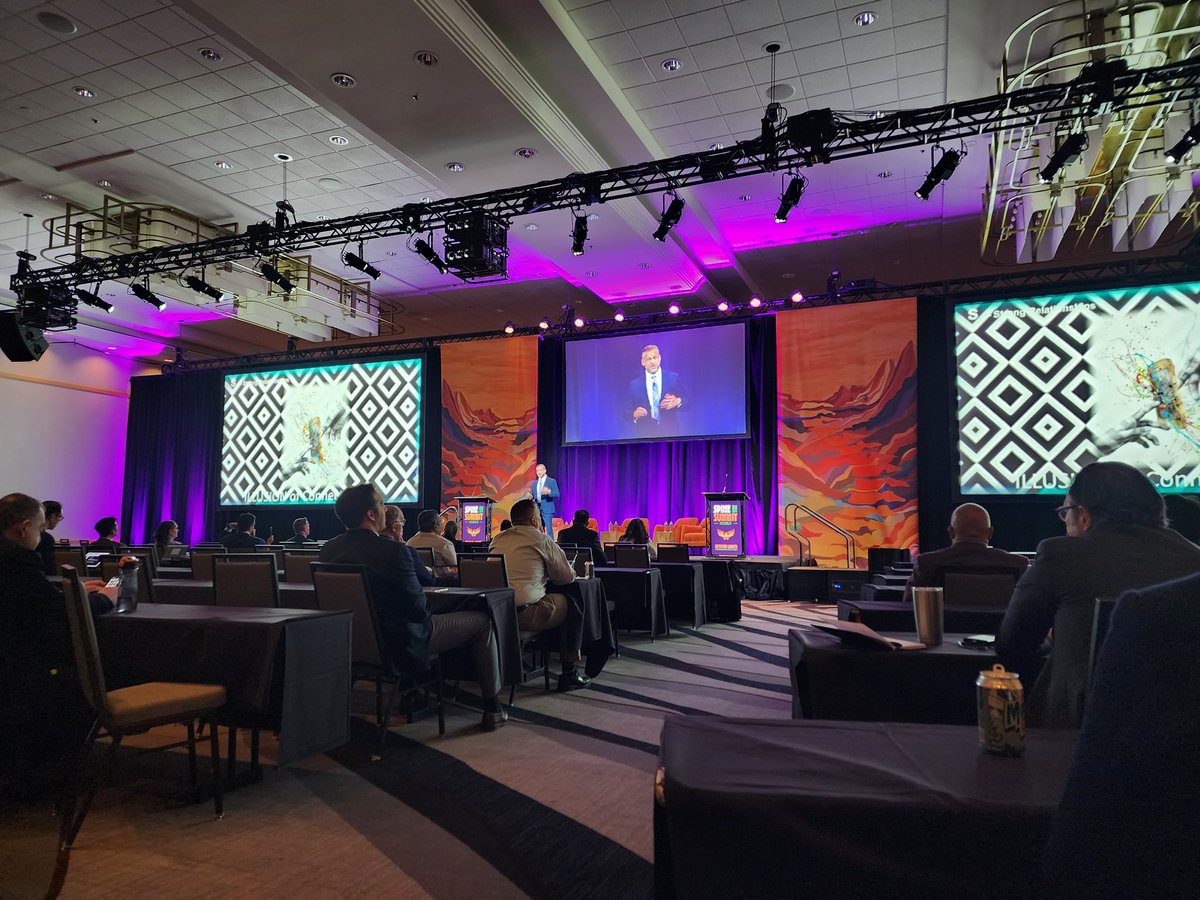
While it was certainly different to attend a spine conference #spinesummit as a pain and functional neurosurgeon, I was honored to contribute to the stellar momentum for the future of functional in spine surgery
1
1
3
756
Daryl Fields, @yiluspine , and Joe Neimat put on a fantastic course
Modulating the spinal cord for #spinalcordinjury amongst many other disorders is just the beginning for a true partnership of @spinesection @painsection and @ASSFNeurosurg for the greater good!
1
80
Feb 23
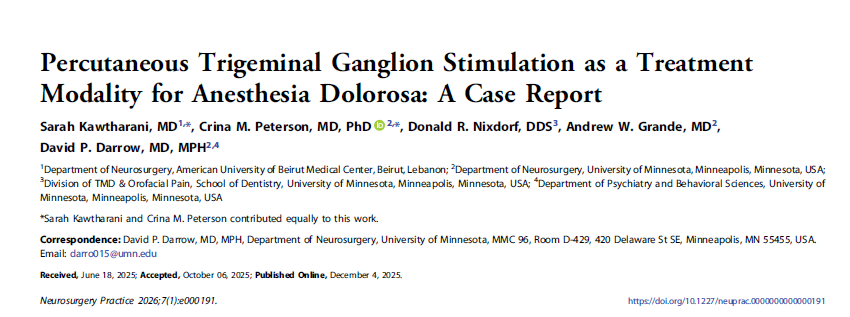
Our case report on percutaneous trigeminal ganglion stimulation for refractory anesthesia dolorosa is now live. #Neurosurgery #PainMedicine all inspired by Nick Boulis journals.lww.com/neurosurgpr…
2
3
13
1,126
Feb 23
This raises a novel idea: Can we modulate central targets (e.g., thalamus) through the remaining afferent fibers? Instead of only targeting the brain directly like we have found beneficial through cortical stim #Neuromodulation
1
1
102
Feb 23
targeting the gasserian ganglion is challenging from an anchoring perspective and these leads are tricky to get just right. Despite this there is real potential for such an isolating pain disorder @facialpainassoc
1
60
Feb 17
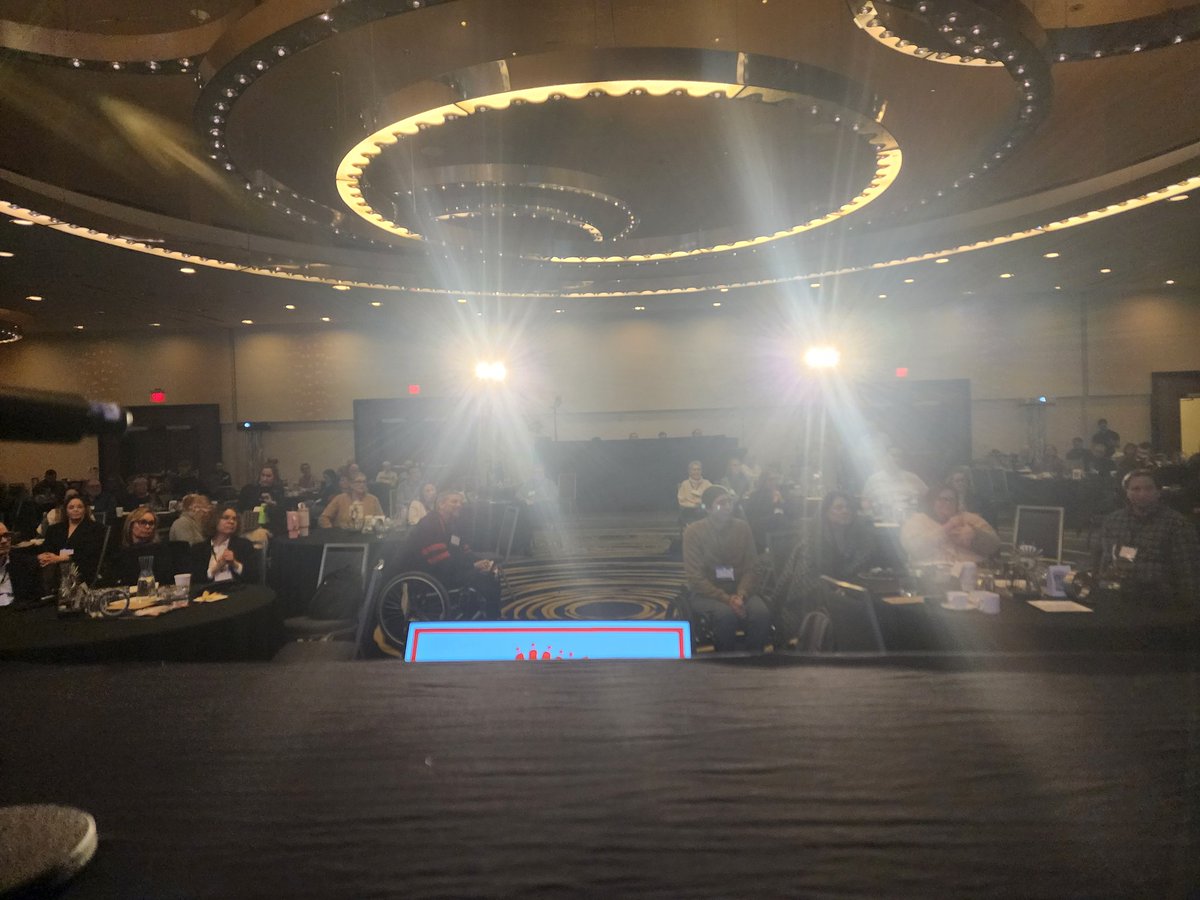
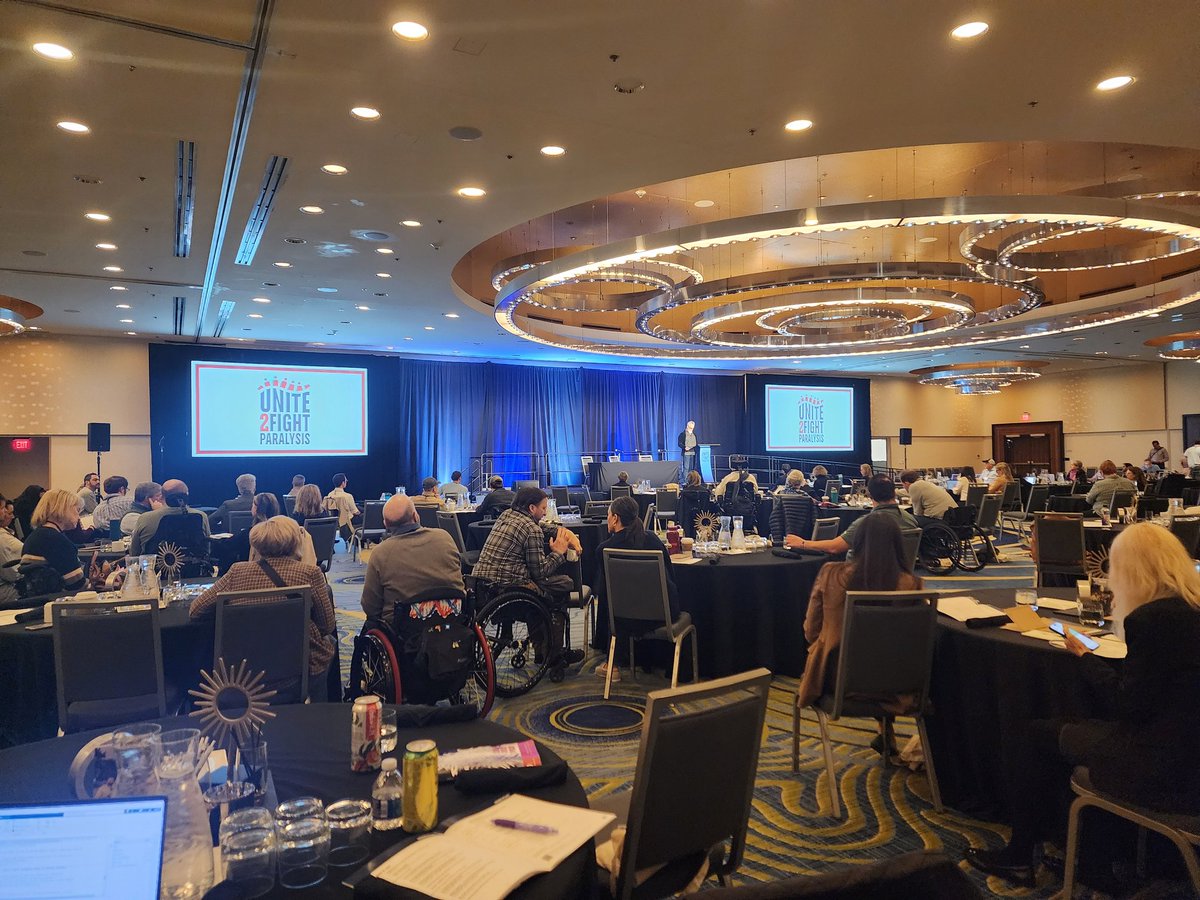
Thank you @U2FP_CureSCI for inviting me to talk about the future of #neuromodulation for #spinalcordinjury. It is always a different view from the stage! This year really galvanized a cohesive direction for the future
2
1
12
420
David Darrow, MD retweeted

I have been at a loss for words. Sanjeet was not only a colleague & my main collaborator, but also one of my best friends. His enthusiasm to push the boundaries of science were unmatched. So little of our work would have been possible if it weren’t for his openness and bravery to do something new, but also his patience with us as we worked through MANY challenges! Sanjeet was a true advocate and pioneer for what we do in imaging, particularly our functional and 7T fields. He always sought even the tiniest advantage he could have to ensuring his patients have the best outcome. It is hard to express the impact his loss will have on his family, friends, colleagues, and medicine.
Feb 11

We grieve the untimely and heartbreaking loss of Dr. Sanjeet Grewal — a beloved husband, father, son, friend and an exceptionally gifted stereotactic and functional neurosurgeon.
Read more: bit.ly/3ZrhQjJ
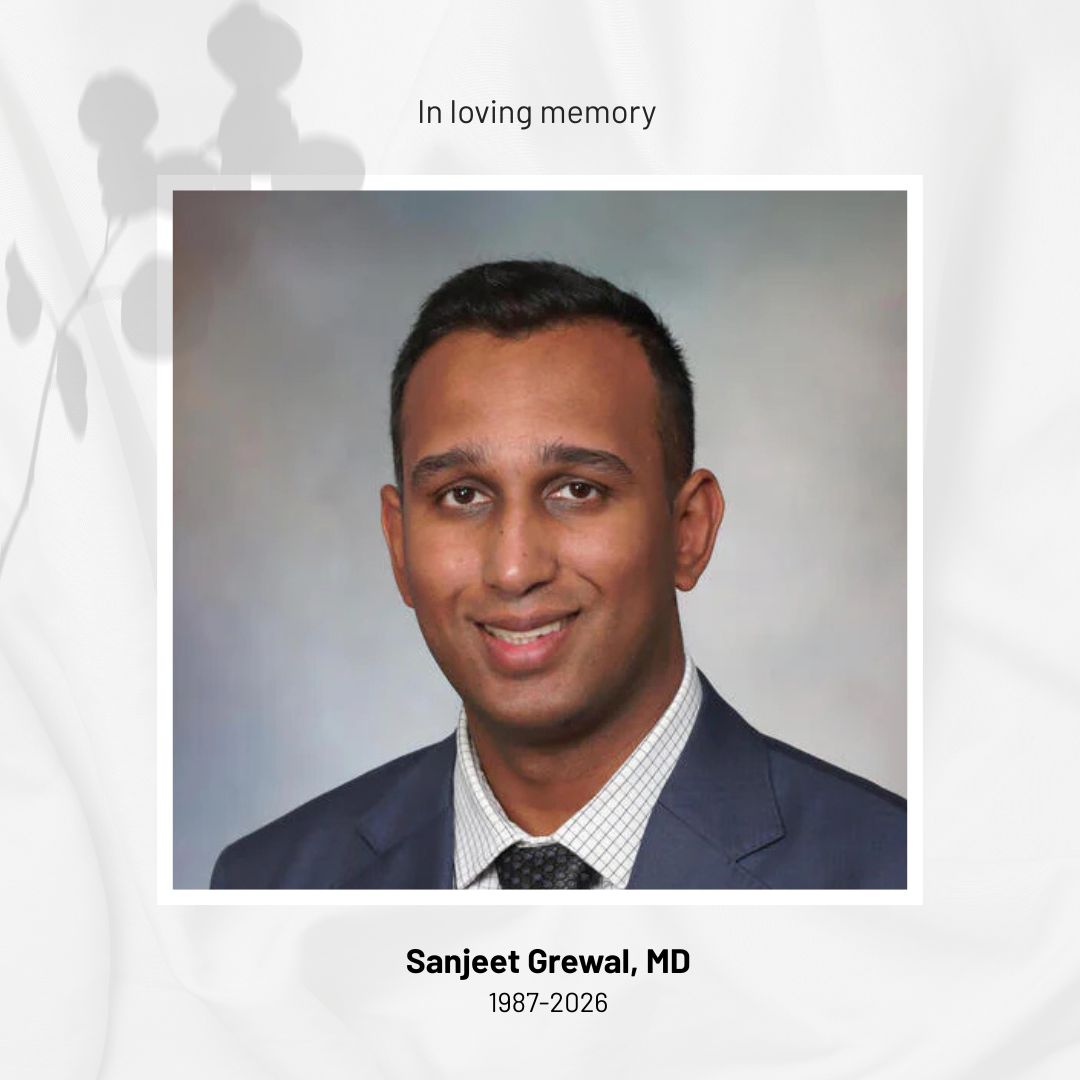
ALT Memorial graphic reading “In loving memory” above a professional headshot of Sanjeet Grewal, MD, with the dates 1987–2026 displayed below his name.
10
18
148
79,814
Feb 12
A truly tragic loss. Sanjeet was such an amazing person, physician, neurosurgeon, and friend amongst many. It was a privilege to know and work alongside him. My heart goes out to his family and everyone touched by his kindness and expertise during this incredibly difficult time.
Feb 11
We grieve the untimely and heartbreaking loss of Dr. Sanjeet Grewal — a beloved husband, father, son, friend and an exceptionally gifted stereotactic and functional neurosurgeon.
Read more: bit.ly/3ZrhQjJ
ALT Memorial graphic reading “In loving memory” above a professional headshot of Sanjeet Grewal, MD, with the dates 1987–2026 displayed below his name.
1
17
1,942