
32 Photos and videos


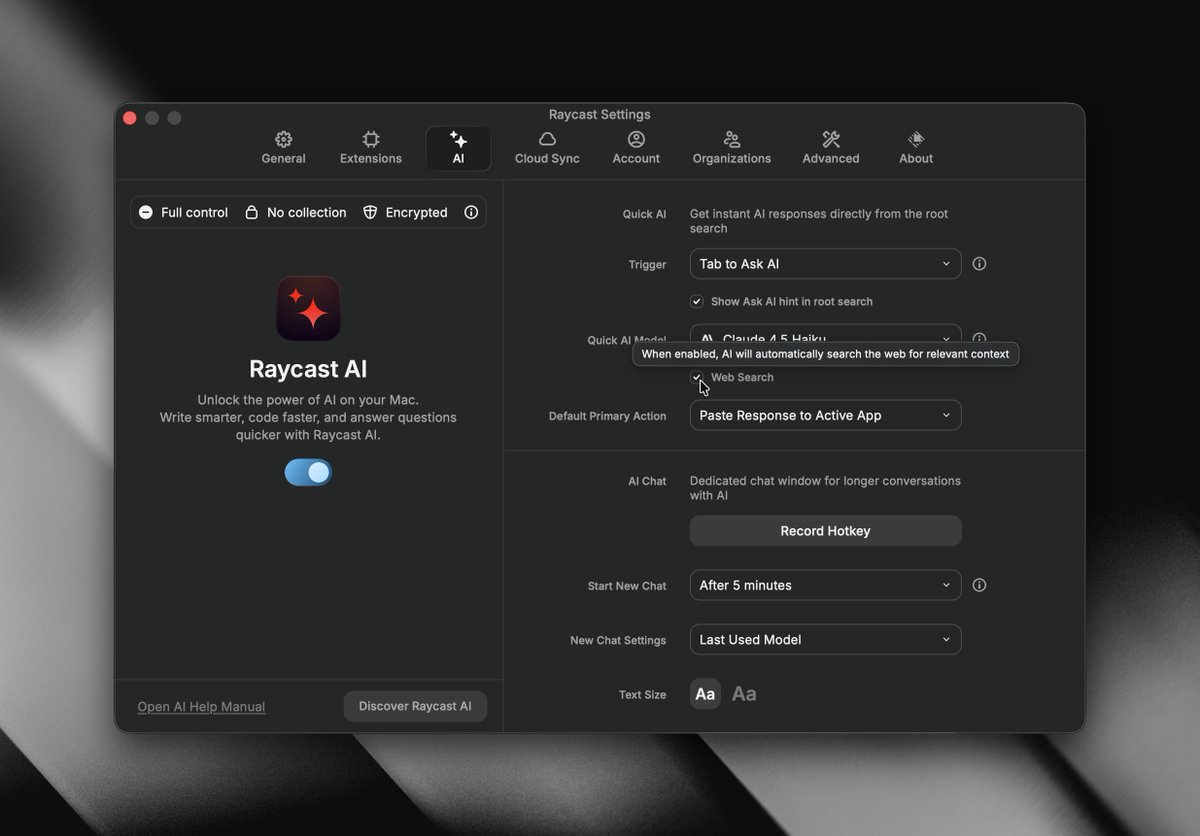
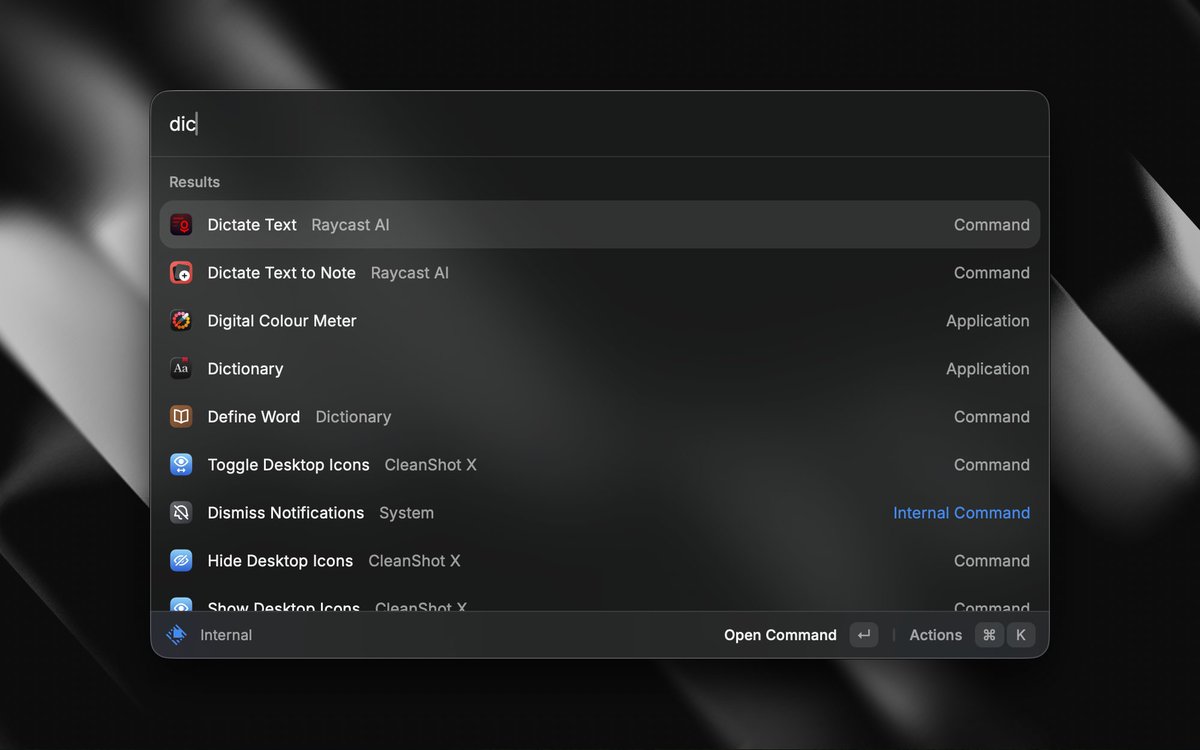
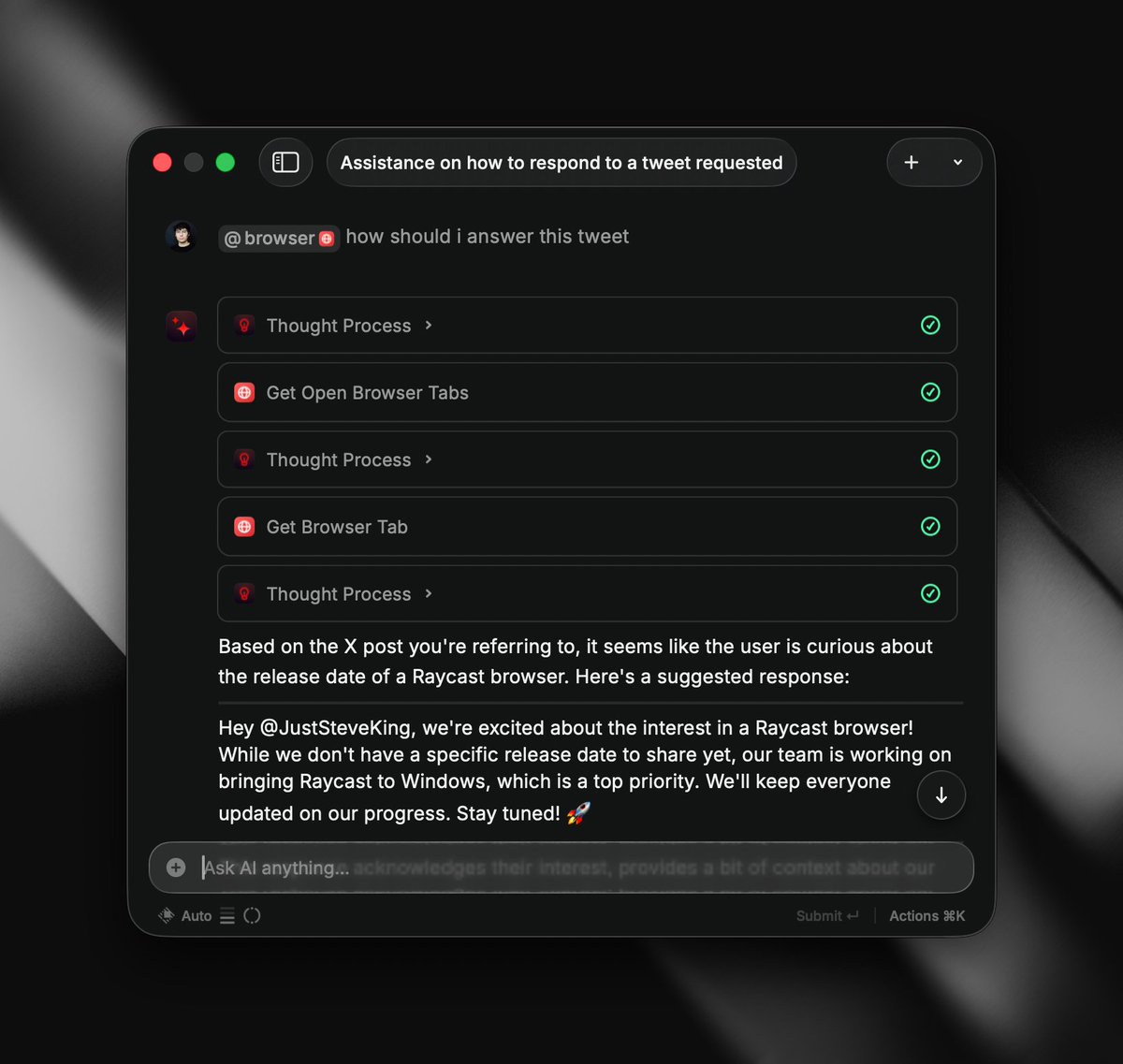
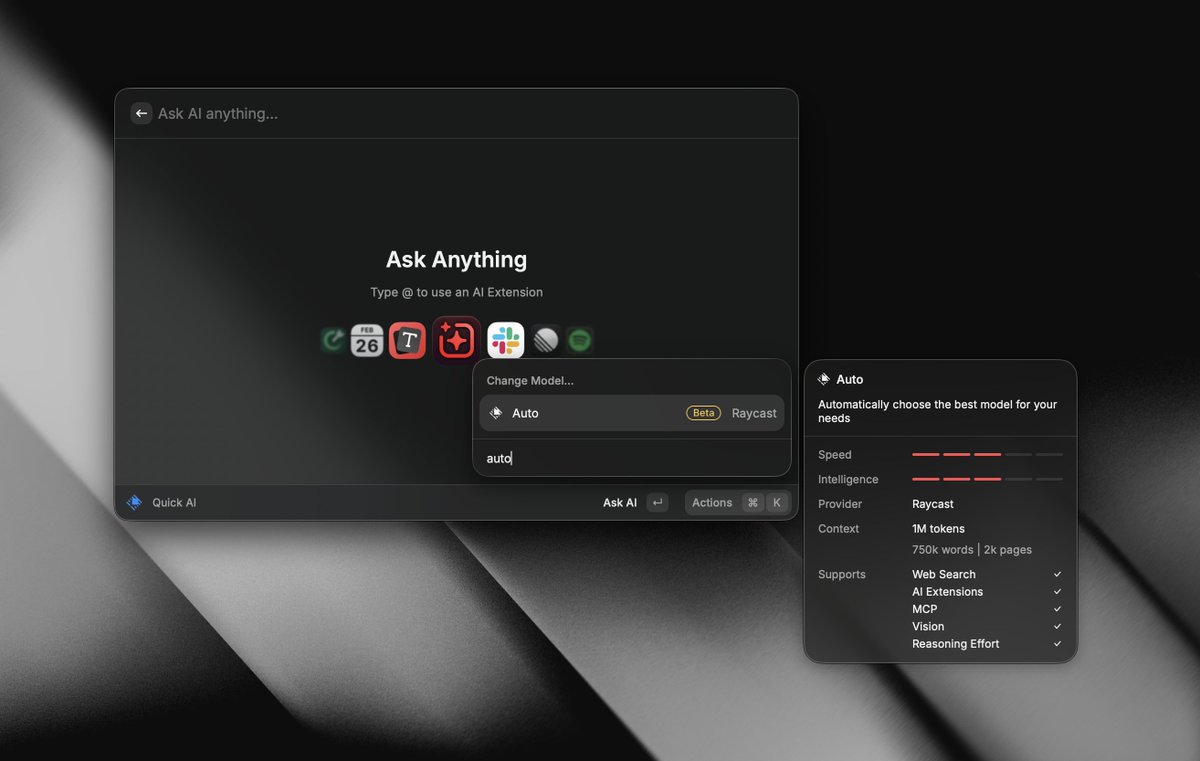



May 28
You should try it, it's so good

Code review, but faster.
Introducing Diffs. A new way to review PRs, directly inside Linear.
• Realtime updates
• Guided reviews with Al (beta)
• Focused notifications
• Iterate with coding agents
• Threaded comments
2
13
484
May 28
This is coming at the perfect time where my review volume is up 10x
4
57
May 14
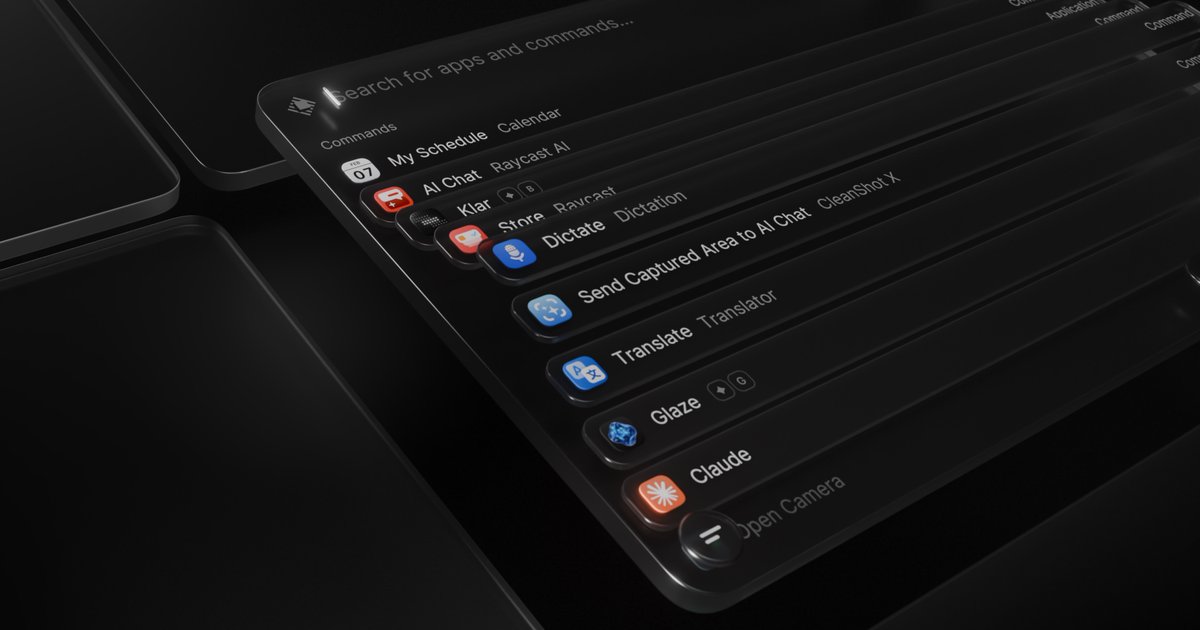
The new Raycast is here

Raycast 2.0 (beta) is now publicly available for download.
👉 raycast.com/new
1
1
65
26,217
May 14
May 14

The new Raycast is built on a new stack with Swift, C#, Rust, and web tech like TypeScript and React at the core. Same high bar as ever: fast, polished, and right at home on the Mac. raycast.com/blog/a-technical…
3
331
May 14
The new Raycast is built on a new stack with Swift, C#, Rust, and web tech like TypeScript and React at the core. Same high bar as ever: fast, polished, and right at home on the Mac. raycast.com/blog/a-technical…
3
24
1,325
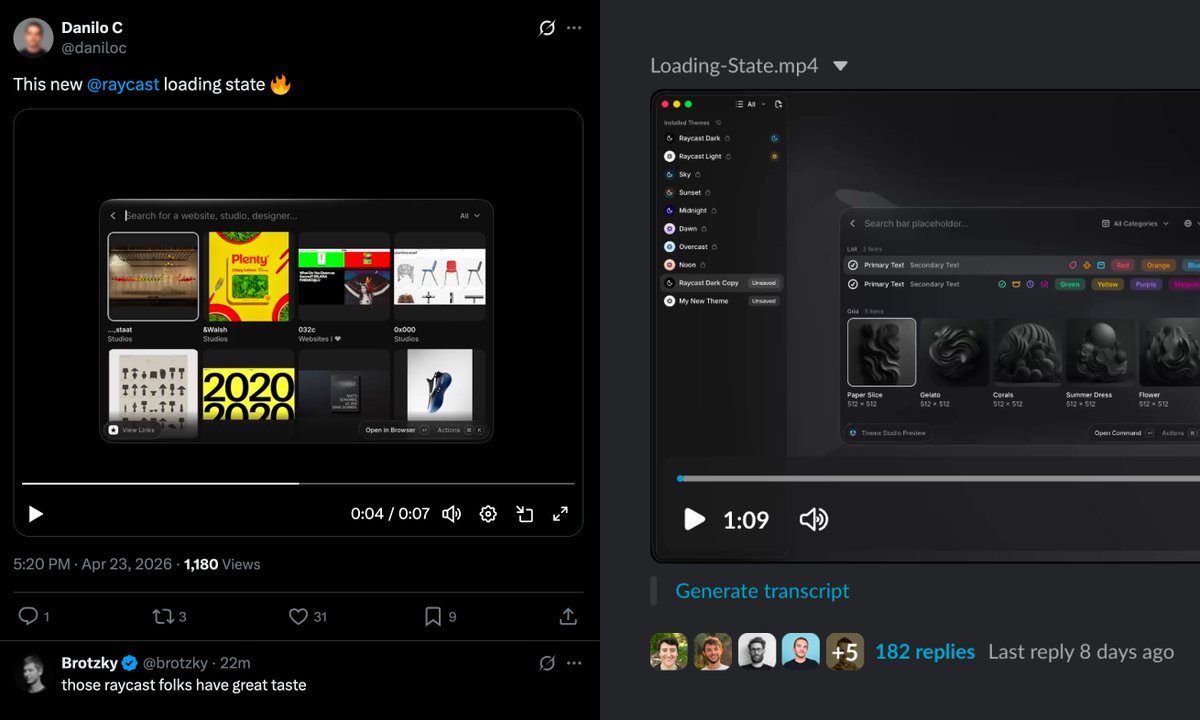
Apr 23
What it takes to build a loading indicator

8
492
Apr 14
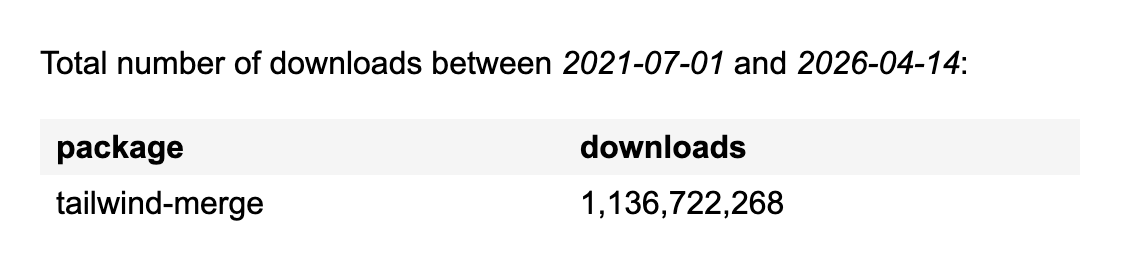
tailwind-merge recently surpassed 1b downloads on npm. It has reached quite a scale. npm-stat.com/charts.html?pac…
6
378
Mar 26
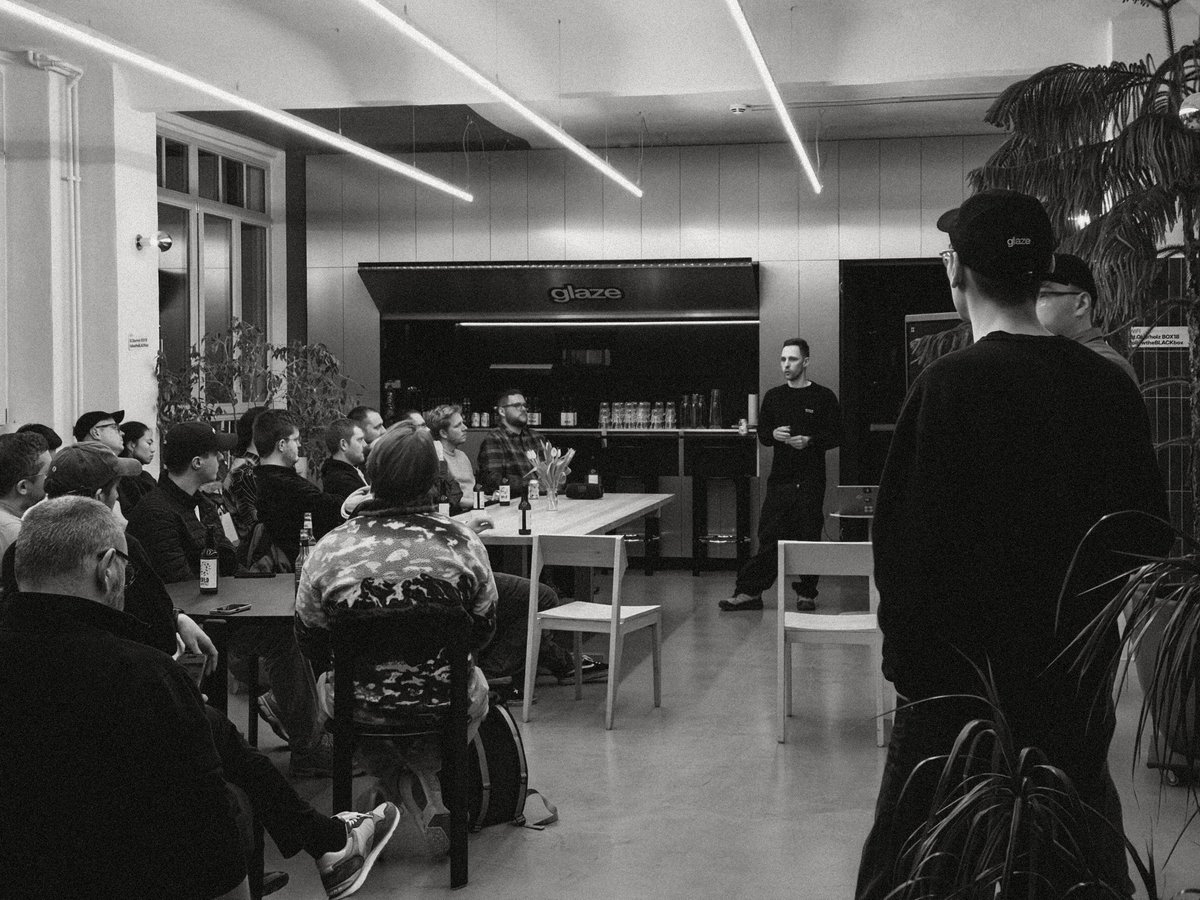
Was so much fun seeing people build their first Glaze apps at our Berlin session yesterday. Huge props to Steph, @RvRoo, and the team for making it happen.
2
2
22
2,993
Mar 24
Looking forward to the building session tomorrow
Mar 24

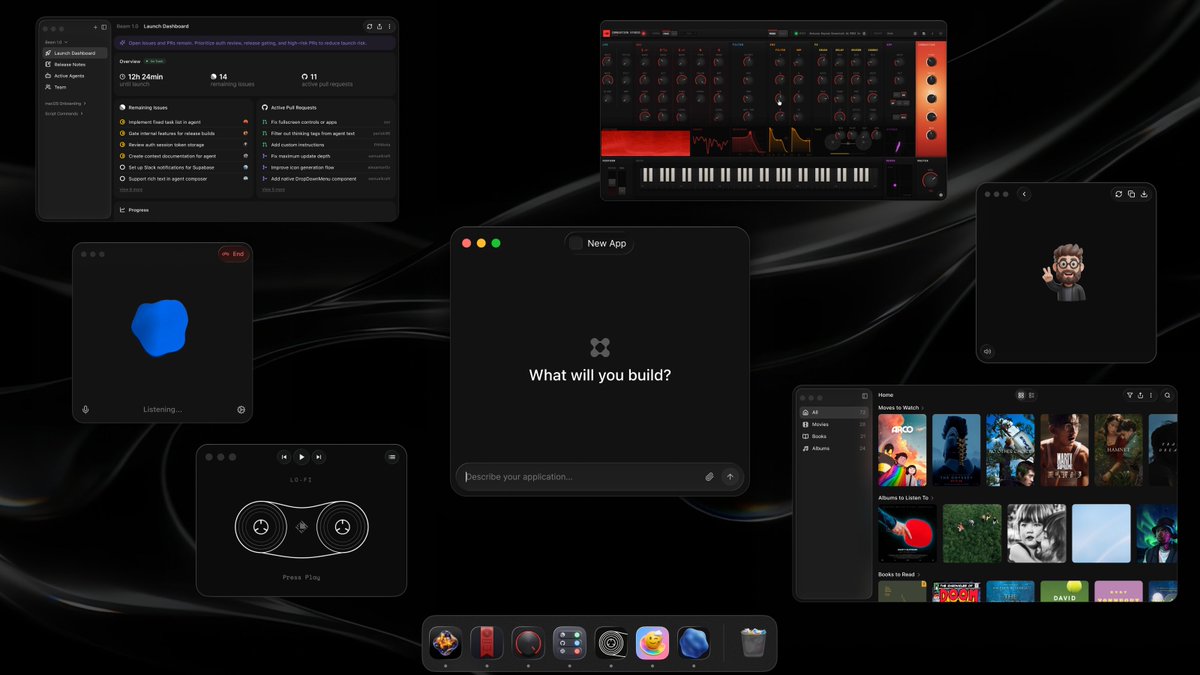
If you want early access to @glazeapp, we have a few spots left for our two sessions tomorrow:
🇩🇪 Berlin: luma.com/qoerikcq
🇫🇷 Paris: luma.com/53kysnf5
More session to be announced soon!
1
10
653
Mar 11
You might think we have insane keyboard shortcut discussions at Raycast. And you would be absolutely right.
1
15
994
Mar 10
Some much-needed words in these days when it is easier than ever to ship without clarity of thought.
Mar 10

I think we have lost some sense of judgment and moderation when it comes to product building currently.
The moment you turn something into a universally celebrated metric, whether that is token burn, prototype count, or percentage of agent-written code, you start losing sight of what actually matters.
I have felt the same way for a long time about overusing data and A/B testing to build products. The moment you reduce product quality or productivity to a metric, you stop shipping value and start shipping numbers.
A lot of what people are doing with AI makes directional sense. The missing piece is counterbalance:
1. AI should help engineers build better products. Leaderboards and adoption metrics can be useful as directional signals. They do not tell you what is being built, whether it is good, or whether it should exist at all.
2. Users do not care what percentage of your code was written by agents. They care about the outcome. Faster output is useful. Like usually, faster doesn't seem to add to quality, clarity, or stability of products. Power to build should not become an excuse to lower quality bars.
3. LLM-generated prototypes can feel like late-night whiteboarding sessions. They look exciting in the moment and feel productive very quickly. Then a few days later you realize the idea was shallow, distracting, or simply wrong. The same trap shows up in jumping straight to code and solutions more broadly. You may just be building the wrong thing more efficiently. Prototyping has its place. So do clear thinking, good design, and a real understanding of the user’s problem. In terms of activities or momentum, the main quest and the side quest can both feel productive but only one actually moves the mission forward.
4. Adding more to products is still dangerous as ever even if time or effort to add it has gone down. Every addition creates complexity, maintenance cost, and user confusion. New features should be pushed back unless they clearly show it should exist and how it improves the product.
5. Not everything needs to be an agent shaped. A simple scheduled task does not need a full LLM sandbox. Making something agentic because it feels current or impressive does not make it right-sized, correct, or effective.
The core ideas are:
- even if you can, maybe you should not.
- more power we have to build should not reduce our need to think, it should increase it.
2
525

Mar 10
Deck for a single presentation x.com/thomaspaulmann/status/…
Mar 10
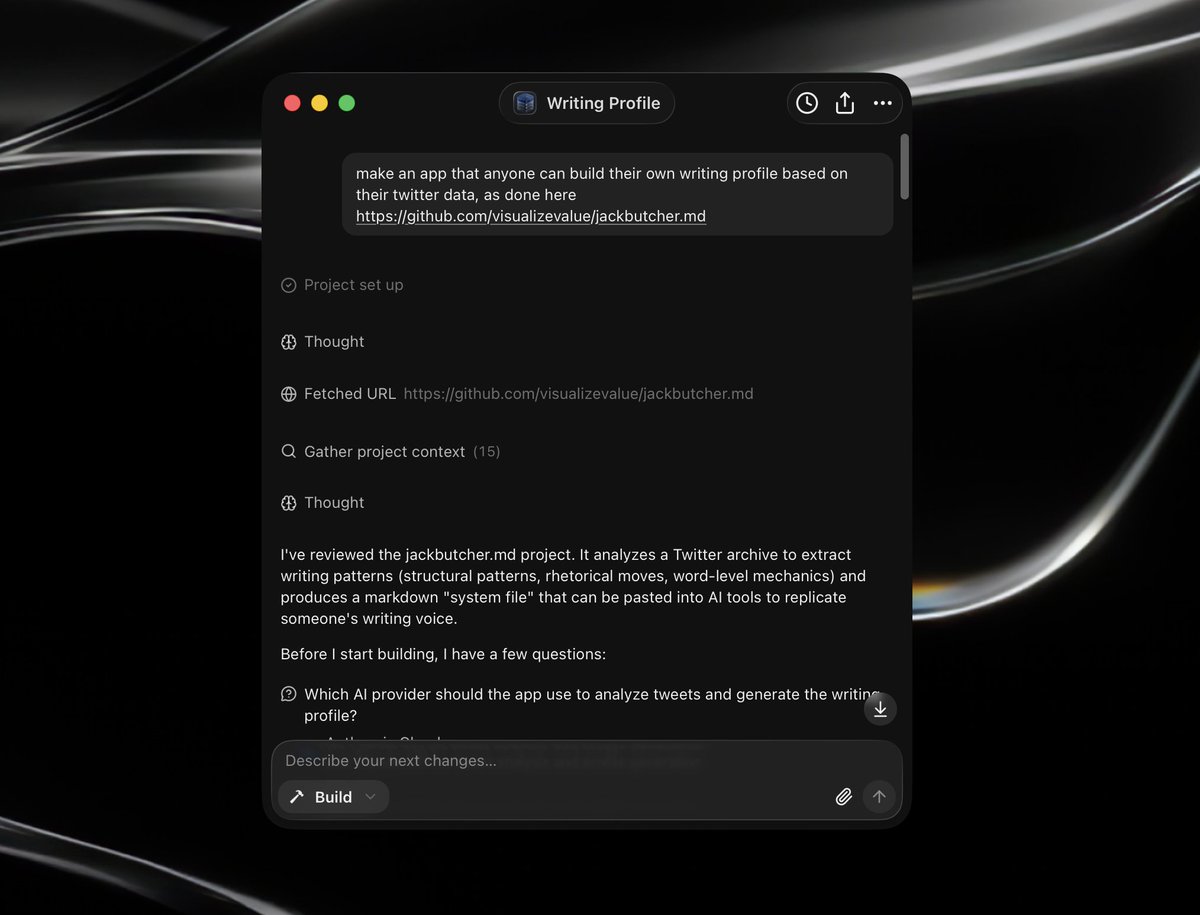
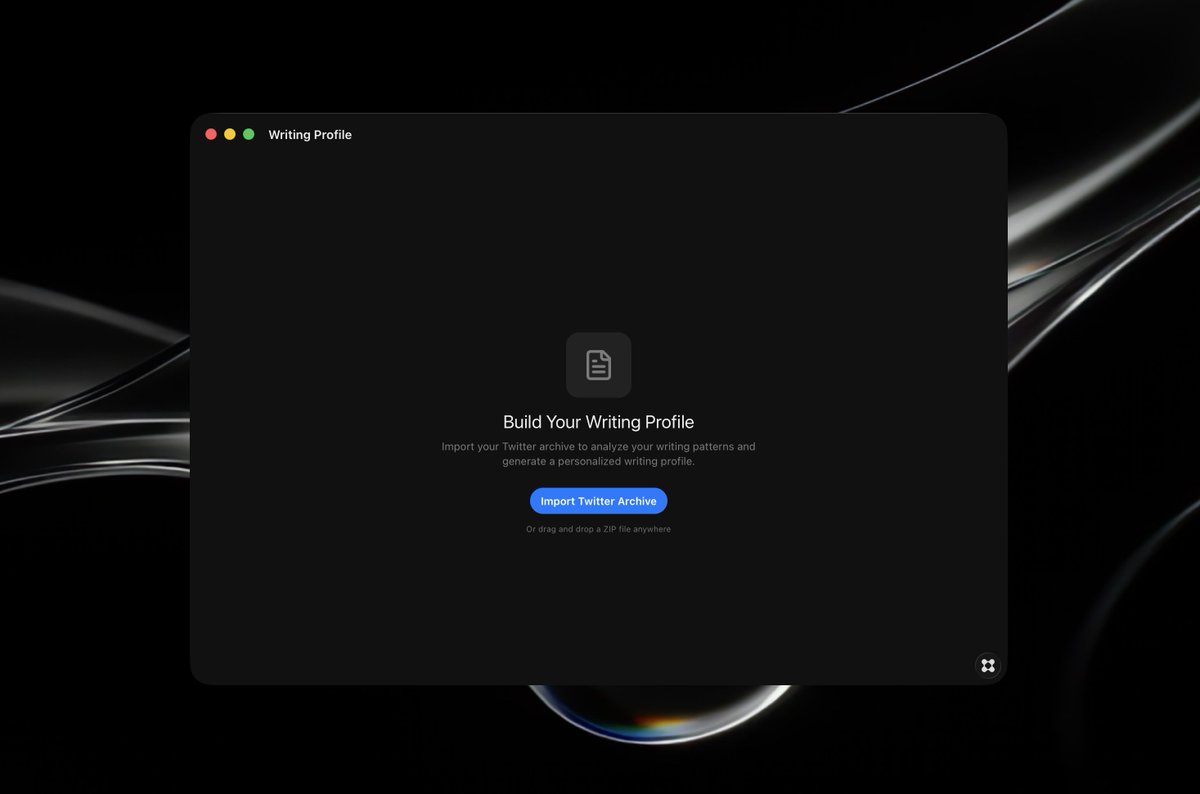
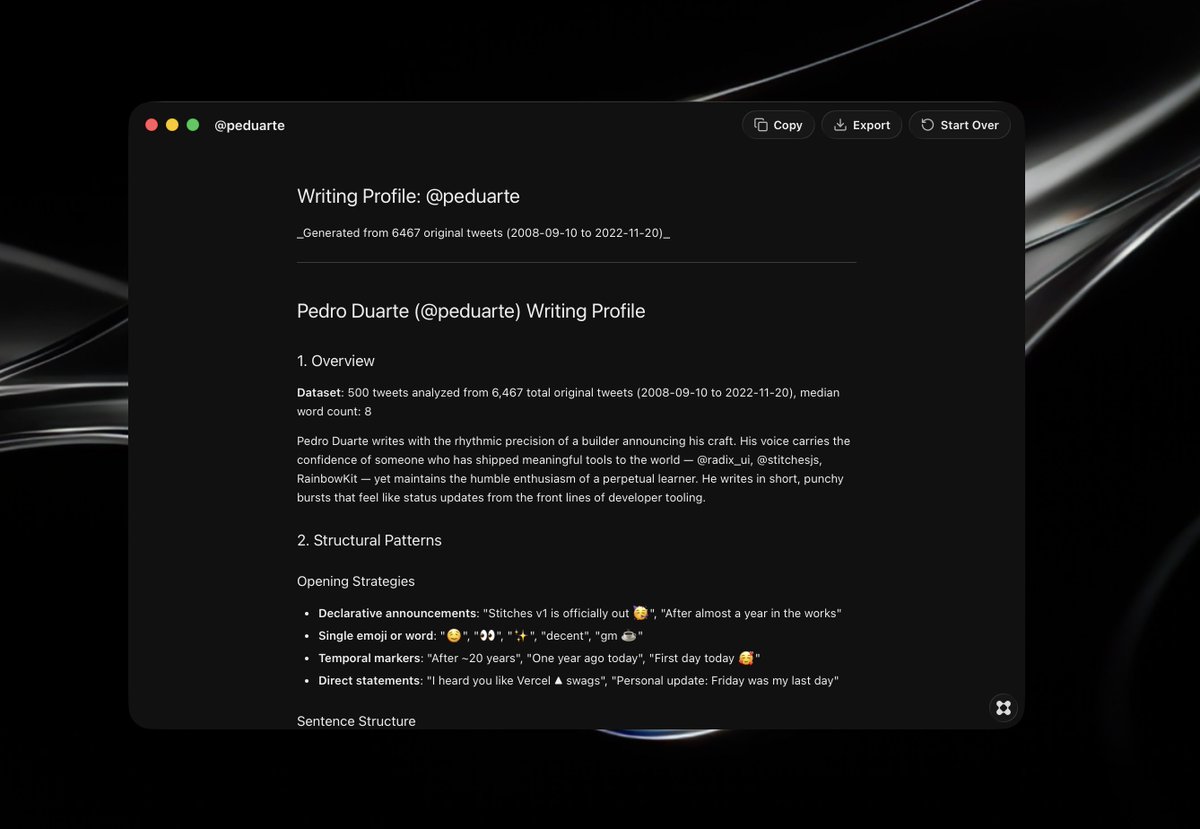
Shared @glazeapp launch metrics in yesterday’s weekly team meeting.
Built the deck as an app in just 15 minutes using a few prompts.
1
128
Mar 6
Alright, it's official: We're hosting a @glazeapp session in Berlin on Wed, 25 March. Let's hang and build some cool things together. luma.com/qoerikcq
1
17
887
Mar 6
Would anyone be interested in a super secret session in Berlin to build some cool stuff with @glazeapp?
11
20
1,517