Assistant Professor @HeriotWattUni, Edinburgh. I like machine learning and imaging inverse problems.
Joined December 2019
- Tweets 46
- Following 168
- Followers 159
- Likes 281
2 Photos and videos

DeepInverse has joined the PyTorch Ecosystem, making imaging with deep learning easier and more reproducible across research and industry.
DeepInverse is an open source framework for solving imaging inverse problems in medical imaging, computational photography, remote sensing, astronomical imaging, microscopy and more. DeepInverse makes imaging with deep learning easy and is developed by a passionate community of researchers, practitioners and engineers.
🔗 Learn more & explore how to get involved: hubs.la/Q03RKyHJ0
#PyTorch #OpenSourceAI #DeepInverse #Imaging #DeepLearning

2
12
87
13,232
Dongdong Chen retweeted

26 Nov 2024
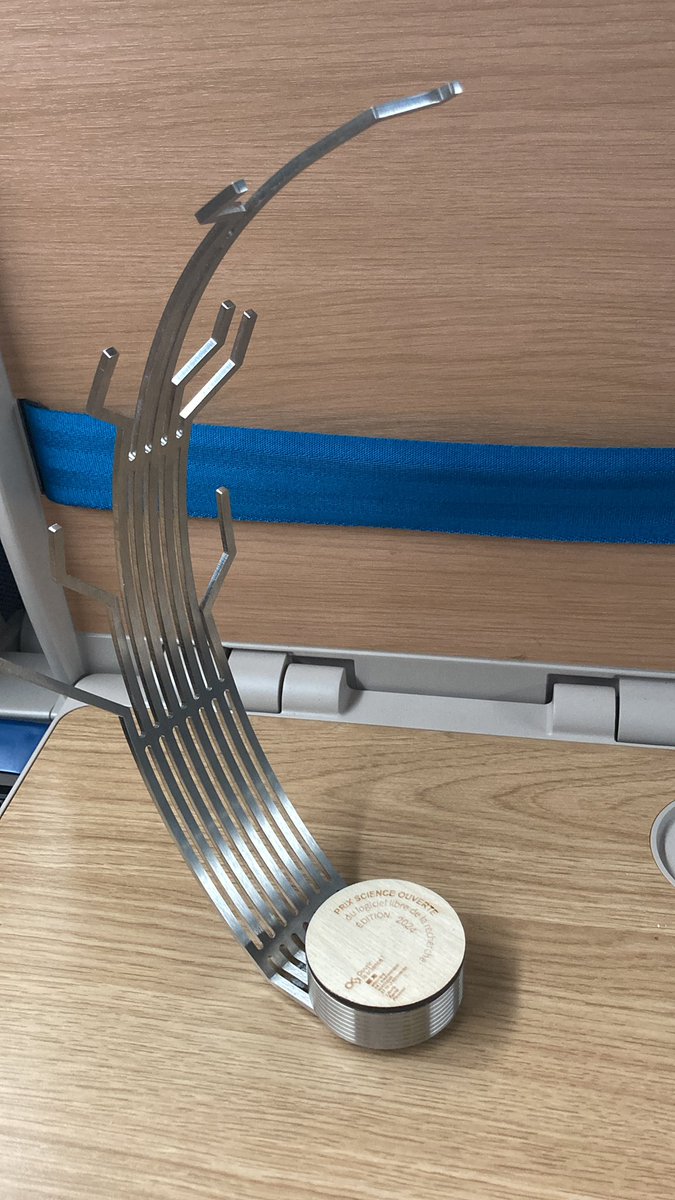
Not coming back from Marseille empty handed #DeepInverse @TachellaJulian @MatthieuTerris @ddongchen @minhhai712
4
20
1,005
Dongdong Chen retweeted

26 Nov 2024
Toutes nos félicitations aux deux espoirs des prix science ouverte du logiciel libre de la recherche qui travaillent dans des laboratoires rattachés à @CNRSphysique : @TachellaJulian (DeepInverse) et Sébastien Weber (PyMoDAQ) 👏
Pour en savoir plus ⤵️
inp.cnrs.fr/fr/cnrsinfo/deep…
1
6
7
834
Dongdong Chen retweeted

30 Oct 2024
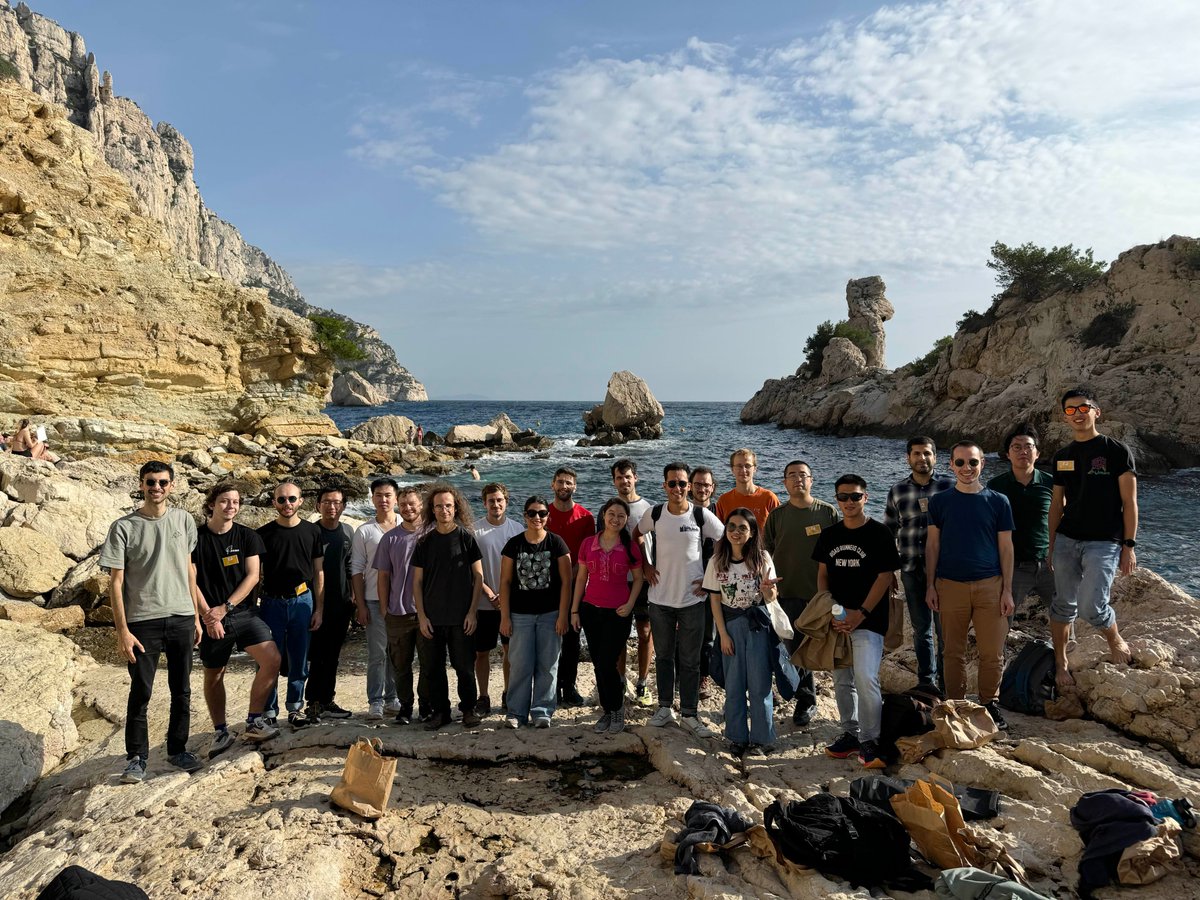
🚀 deepinverse hackathon🚀
We just finished a couple of days working on deepinverse in the beautiful CIRM venue.
deepinv.github.io/deepinv/
Immensely grateful to the dream team of contributors that participated in the hackathon!
A thread 🧵
2
7
26
1,631
Dongdong Chen retweeted
5 Sep 2024
📢New preprint 📢
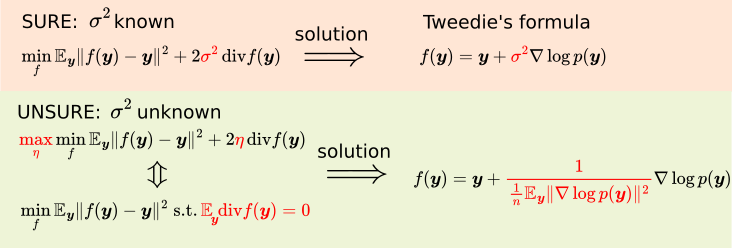
UNSURE: Unknown Noise level Stein's Unbiased Risk Estimator
arxiv.org/abs/2409.01985v1
Optimal self-supervised losses (SURE, R2R) require exact knowledge of the noise distribution, and alternatives like Noise2Void are suboptimal.
There is middle ground🧵
2
17
145
13,647
Dongdong Chen retweeted
10 Jun 2024
Tomorrow we are giving a deepinverse computational imaging tutorial in Bologna, Italy, with fellow deepinverters @HuraultSamuel @MatthieuTerris @ddongchen
site.unibo.it/mathematical-m…
2
5
29
1,946
Dongdong Chen retweeted
4 Jun 2024
Attending EUSIPCO'24 in Lyon?
You can attend a 3-hour tutorial on self-supervised learning for imaging, given by Mike Davies and myself.
eusipcolyon.sciencesconf.org…
A thread with some of the contents 🧵
2
6
22
2,794

26 Apr 2024
"pip install deepinv" to solve your inverse problems🥳🥳
25 Apr 2024

📢 DeepInverse v0.2 is out!
New features:
📏 Physics for blind inverse calibration problems
🕸️ Advanced blurs
💣 Random physics generators
🤖New modular Trainer
🪂 Phase retrieval
🎉 Patch and 3D priors
by new contributors!
A🧵
deepinv.github.io/
5
474
Dongdong Chen retweeted
24 Feb 2024
🤗You can now check out some deepinverse denoisers with this interactive huggingface demo
huggingface.co/spaces/deepin…
More demos are coming!
1
1
15
813
Dongdong Chen retweeted
12 Feb 2024
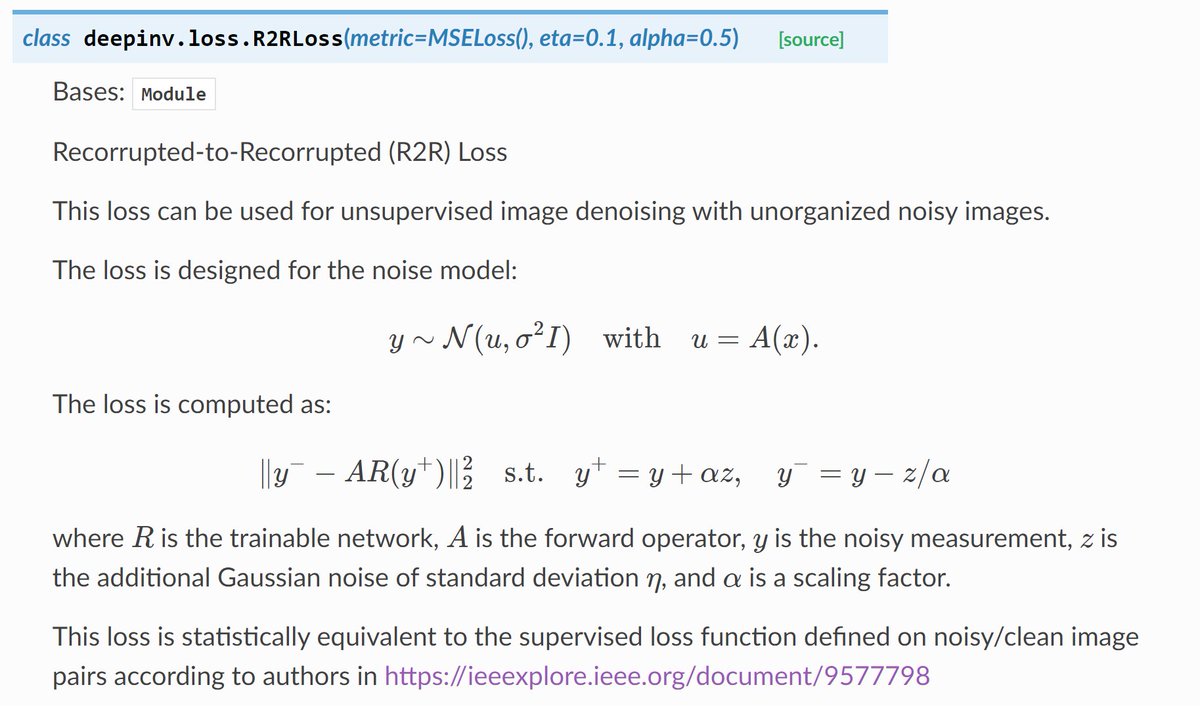
💣The deepinverse library keeps growing!
Now you can train your model with the self-supervised loss 'recorrupted2recorrupted' by choosing the R2RLoss
1
4
26
1,320
Dongdong Chen retweeted
30 Nov 2023
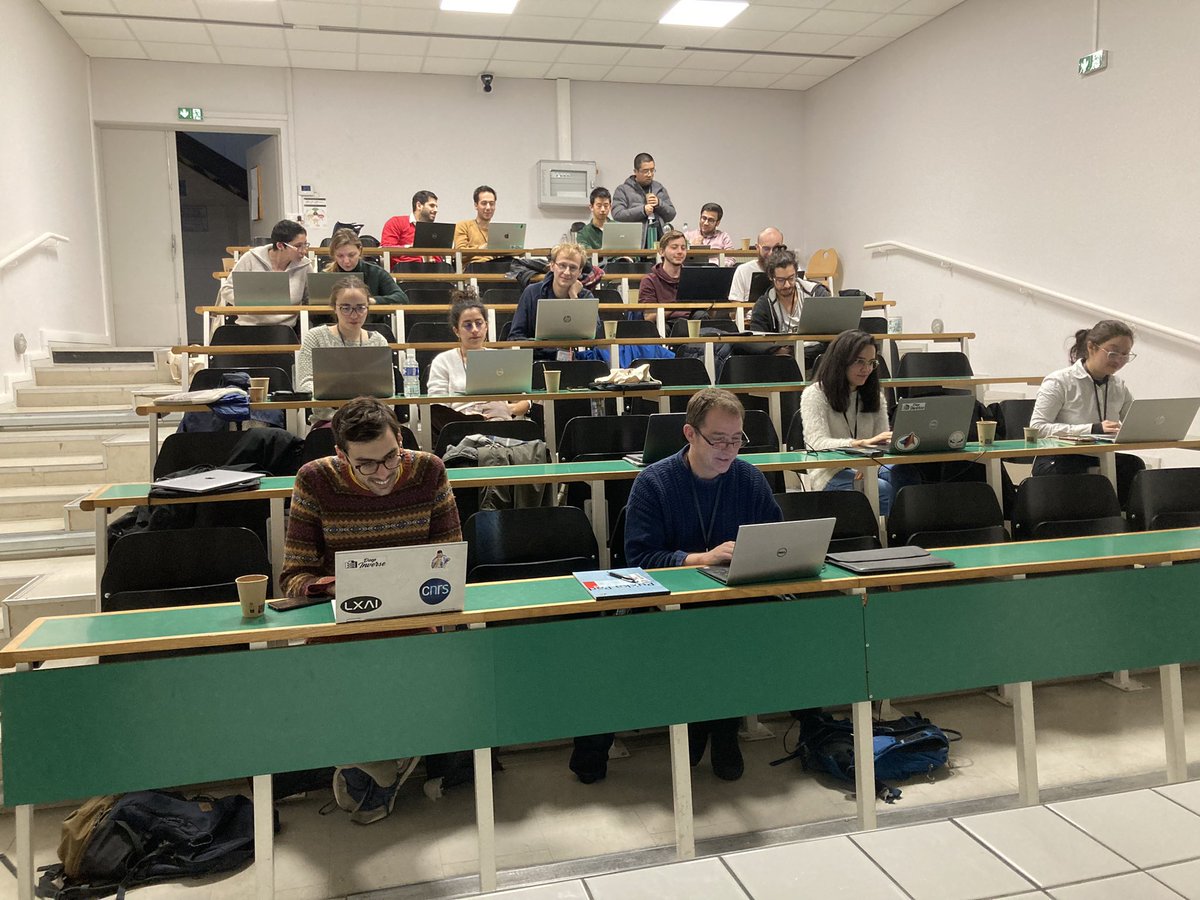
People DeepIng into DeepInv at the DIPopt workshop 🤗
4
22
1,289
Dongdong Chen retweeted
30 Nov 2023
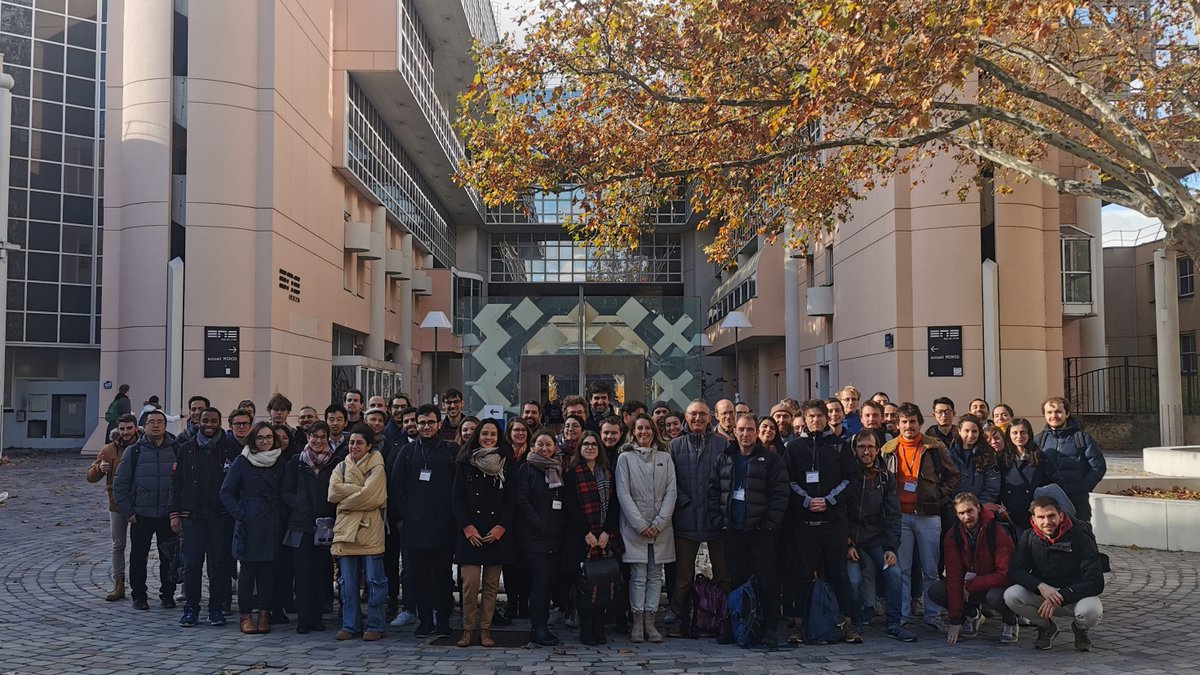
The group photo for DIPOpt at ENS Lyon, thanks everyone for coming and sharing ideas and research!
4
32
2,335
3 Nov 2023
Update: Diffusion Posterior Sampling (DPS) is now integrated with deep inverse library (deepinv.github.io). Thanks @hyungjin_chung for the contribution!
'import deepinv as dinv' - one line of code to play with DPS.
2 Nov 2023
🎁Diffusion Posterior Sampling (DPS) is now part of the deepinverse library.
Big thanks to @hyungjin_chung for the contribution!
The list of deepinv contributors keeps growing 🎉
10
1,377
Dongdong Chen retweeted
2 Oct 2023
🚆On my way to #ICCV2023
Tomorrow I'll be giving an intro to the deepinverse library in the morning deepinv.github.io/deepinv/
13 Sep 2023

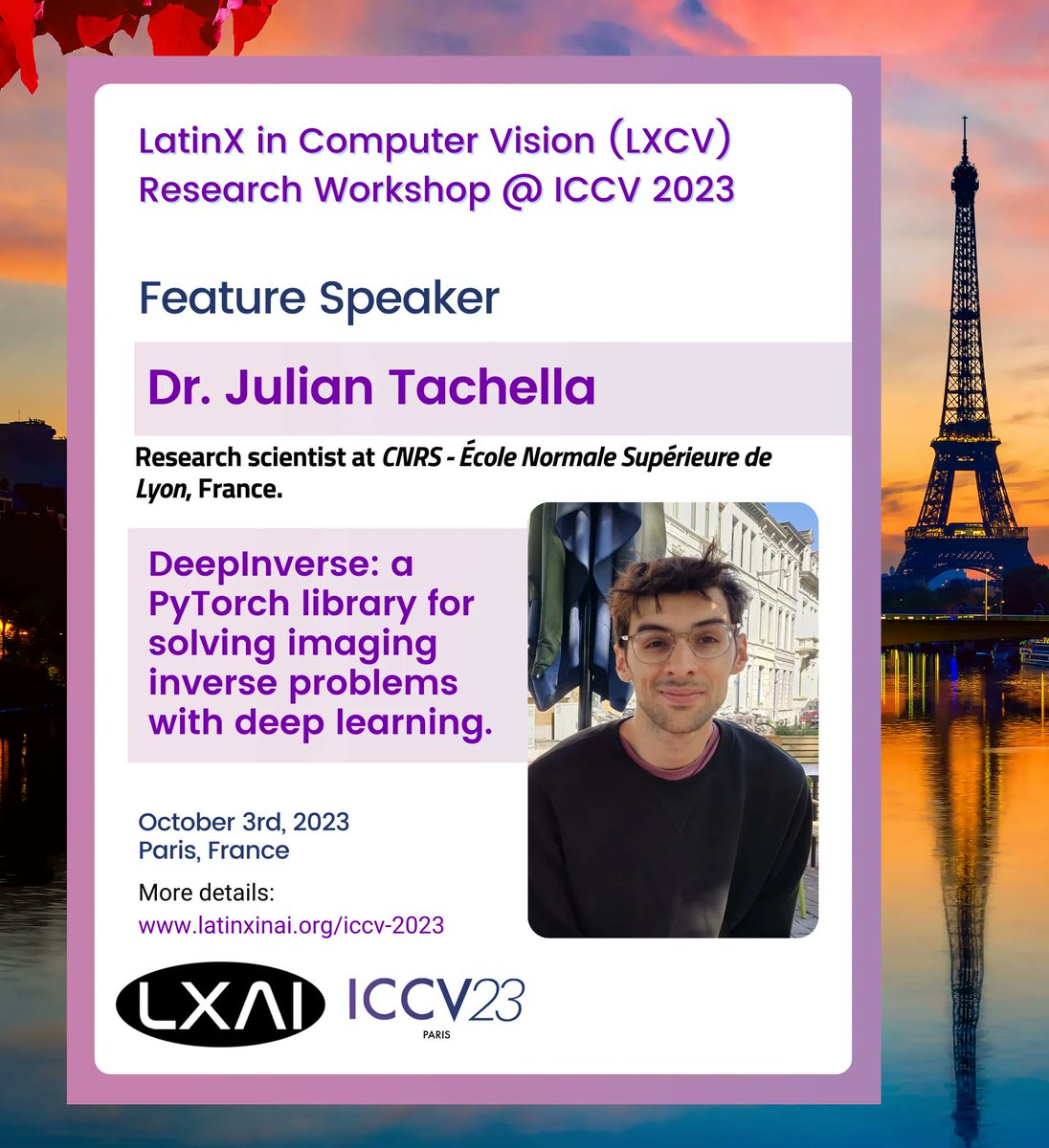
📢🚨 @_LXAI is pleased to announce Dr. Julián Tachella @TachellaJulian (CNRS Lyon, France) as FEATURE SPEAKER of the @LatinXinCV Research Workshop at @ICCVConference 2023! 🇫🇷
For more information: buff.ly/46Qc6m7
1
5
34
2,269
Dongdong Chen retweeted
23 Sep 2023
📢Happy to announce the "Deep learning, image analysis, inverse problems, and optimization" workshop on November 27-30 in Lyon, France.
perso.ens-lyon.fr/nelly.pust…
more details below 🧵

2
14
92
13,709
15 Sep 2023
Do you need a library for inverse problems, computational imaging, or image reconstruction/restoration?
try 'pip install deepinv', then
'import deepinv' is all you need! 🥳
deepinv.github.io/
#deepinverse
15 Sep 2023

DiffPIR is a pretty exciting algorithm mixing diffusion & plug-and-play algorithms. By relying on an operator splitting strategy, it does not require any restrictive assumption on the measurement operator (e.g. no SVD) 🤸
5
621
Dongdong Chen retweeted
30 Jun 2023
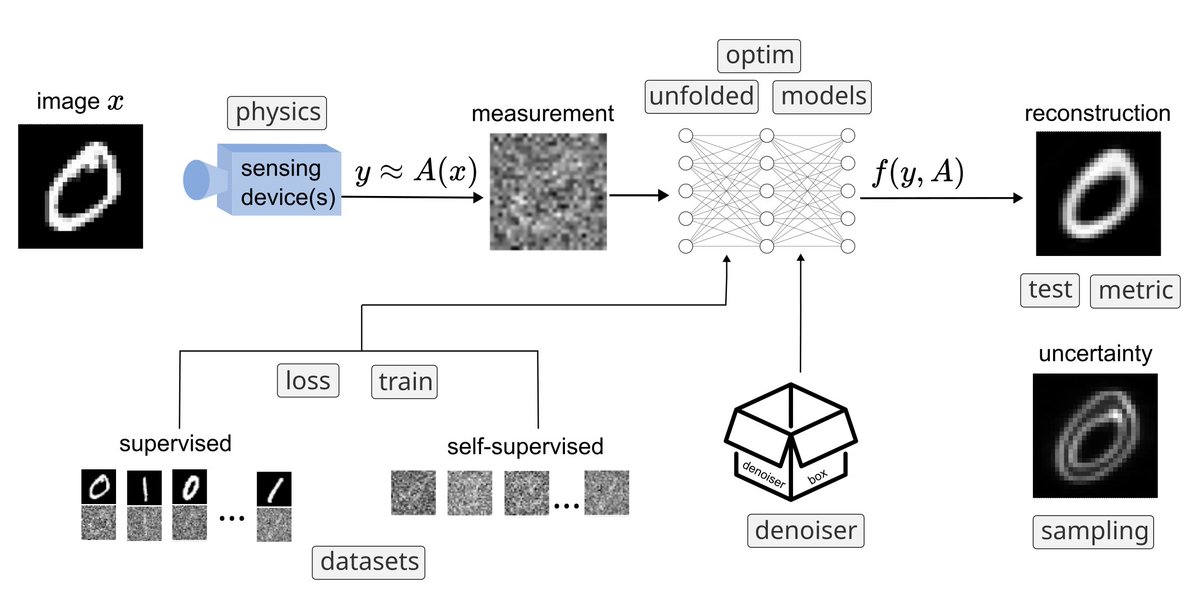
📢📢 Release of DeepInverse library 📢📢
After months of intense work, we are releasing the first stable version of DeepInverse deepinv.github.io/deepinv/, a PyTorch library for solving inverse problems with deep learning.
with @HuraultSamuel, @MatthieuTerris and @ddongchen
A 🧵
4
37
134
14,130
Dongdong Chen retweeted
22 Jan 2023
Our paper has been accepted at the Journal of Machine Learning Research @JmlrOrg and is now available in final form in jmlr.org/papers/v24/22-0315.…
Looking forward to see these ideas applied in more imaging problems!
#imaging #deeplearning #unsupervised
18 Apr 2022
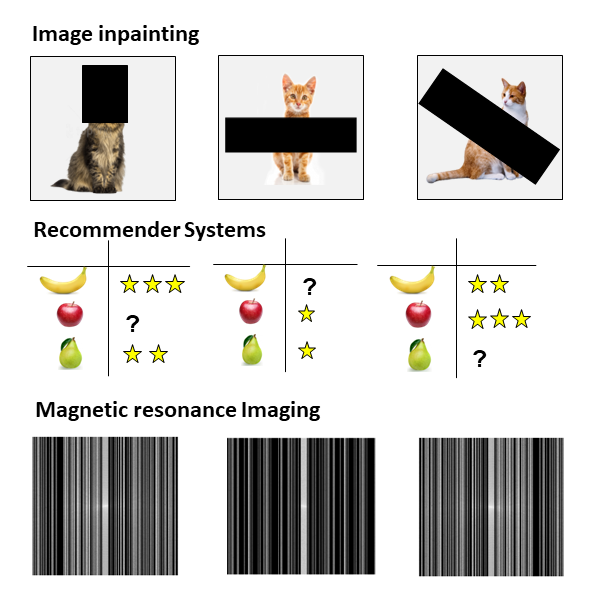
Want to solve your imaging problem with deep learning but no ground-truth data for training?
Good news🥳! Learning from noisy and incomplete measurement data alone is possible:
"Sampling Theorems for Unsupervised Learning in Linear Inverse Problems" arxiv.org/abs/2203.12513
1/4
2
15
1,601
Dongdong Chen retweeted
4 Jan 2023
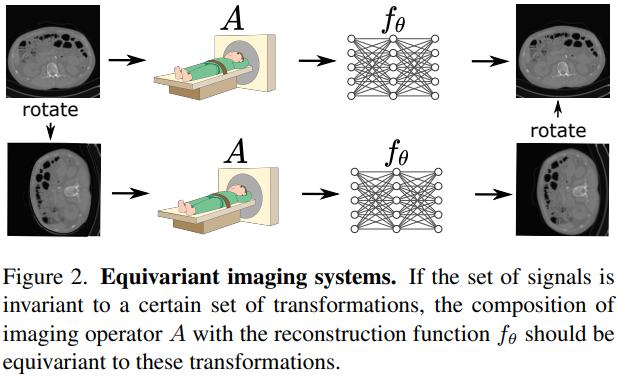
Our review paper on "Imaging with Equivariant Deep Learning" is now available in final form in
ieeexplore.ieee.org/document… !
7 Sep 2022
Our paper "Imaging with Equivariant Deep Learning" has been accepted at IEEE Signal Proc. Magazine🥳
with @ddongchen, Mike Davies, @caromitreka @MJEhrhardt and Ferdia Sherry.
We review how equivariance is used in deep networks for imaging. A thread🧵!
5
24
3,100
Dongdong Chen retweeted
1 Dec 2022
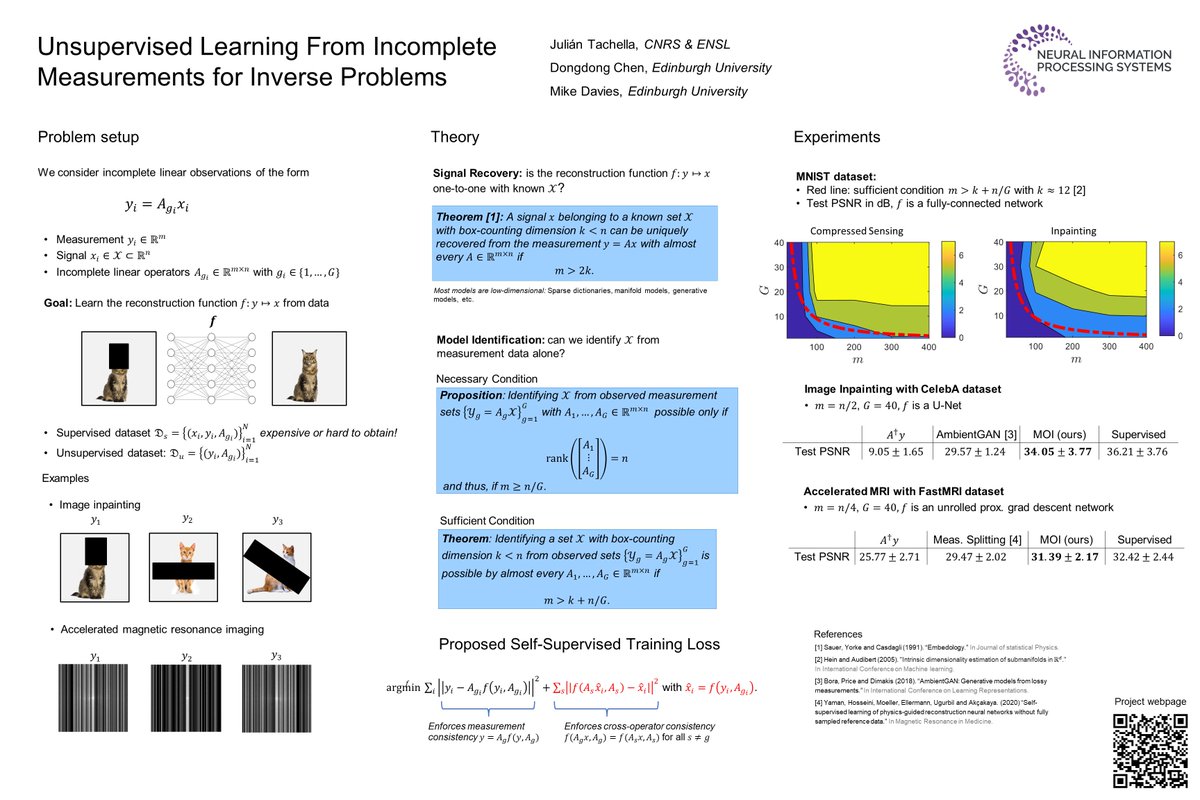
Are you interested in inverse problems, learning from incomplete data or how to use deep learning for scientific discovery?
Come along to our poster #415 in the morning poster session today at #NeurIPS2022!
16 Nov 2022
📢📢
Our paper "Unsupervised Learning From Incomplete Measurements for Inverse Problems" is accepted at
#NeurIPS2022!
We present
- theoretical analysis for learning from incomplete measurement data alone
- self-supervised loss which obtains SOTA results
A thread!
1/n
1
4
28