
తెలుగు స్వరం, తెలుగు రక్తం, తెలుగు దేశం. 🇮🇳 #TDPTwitter #NaraLokesh #TDPAustralia
Joined October 2011
- Tweets 8,075
- Following 457
- Followers 874
- Likes 12,466
879 Photos and videos

POGO retweeted

Jun 10
#HappyBirthdayNBK
Wishing my dear mavayya, Nandamuri Balakrishna Garu, a very happy birthday. What makes today even more special is seeing him celebrate it with the children at Basavatarakam Cancer Hospital - a place that embodies compassion, hope, and service. His bond with the hospital and the countless lives it touches reflects the generosity and kindness that define him.
May he be blessed with good health, happiness, and many more years of inspiring and serving society.
32
514
3,514
35,111
POGO retweeted

Melbourne Mahaanadu 2026 🇦🇺
Chief Guests:
• Sri Appala Naidu Kalisetti Garu, MP – Vizianagaram
• Sri Arimilli Radha Krishna Garu, MLA – Tanuku
• Sri G. M. Harish Balayogi Garu, MP – Amalapuram
📅 Date: June 6, 2026 (Saturday)
⏰ Time: 6:00 PM
📍 Venue: 37-43 Graham Court
7
12
358
POGO retweeted

May 28
Though I don’t like Revanth very much (TDP taking a hit in Telangana, not the right occasion now...),a few things about him stand out:
• Never ashamed to talk of his TDP past (he knows TDP voters)
• Recalls political history at the right time
• Comes prepared for discussions

NTR ఆంధ్రా నాయకుడు Hyderabad నడిబొడ్డున విగ్రహం ఎందుకు అంటున్నారు?
కులాలకు, ప్రాంతాలకు అతీతంగా వి దేశం గర్వించదగ్గ నాయకుడు NTR
- @revanth_anumula
4
34
172
6,995
POGO retweeted
May 28
Dear Keerthana garu, appreciate your proactive outreach to investors. Every Industries Minister today has to actively market their state, engage with investors, and build confidence among job creators. Hon’ble PM Shri @narendramodi ji himself has repeatedly encouraged states to become proactive and accelerate India’s growth cycle.
#AndhraPradesh will, of course, offer Tamil Nadu healthy competition! 😄
And ignore the noise - Trolls don’t create jobs. Investments do! 🙂

Tamil Nadu is not waiting for the future, we are building it.
From single-window approvals and faster clearances to AI cities, green hydrogen, advanced manufacturing, and the space economy, Tamil Nadu is creating an ecosystem where innovation meets execution.
Under the visionary leadership of Hon’ble Chief Minister C. Joseph Vijay Sir, we are committed to making Tamil Nadu the investment and innovation powerhouse of India.
The future is here. Invest in Tamil Nadu.
#TamilNadu #Industries #CMJosephVijay
341
1,545
7,666
1,260,862
POGO retweeted
May 27
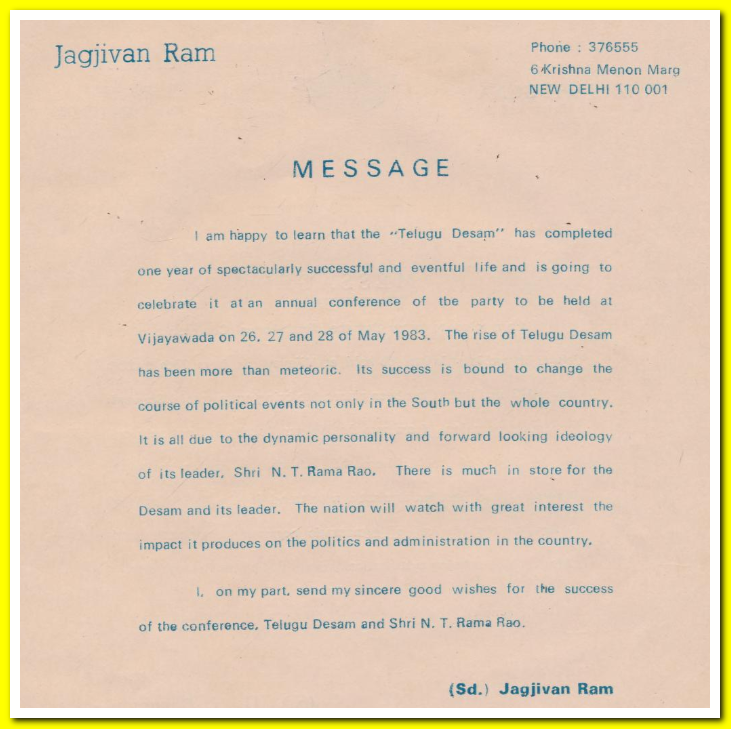
The journey that began in 1982 has become one of the greatest people’s movements in Indian politics. #Mahanadu2026
Pic
#JagjivanRam’s congratulatory message for the first #Mahanadu in 1983.
Video
#NTR and #JagjivanRam in a later meeting.
#TDP #Mahanadu
2
31
92
2,138
POGO retweeted
May 27
The next era of Indian politics must belong to women leadership.
At #Mahanadu2026, I proposed 33% reservation for women in TDP for the 2029 elections.
Women must not remain mere beneficiaries in politics. They must become decision-makers and leaders shaping India’s future.
TDP will lead from the front. This is not a slogan - it is our commitment.
#SthreeShakti
#NaaTDPNaaBadhyata
493
2,672
6,865
165,979
POGO retweeted

May 26
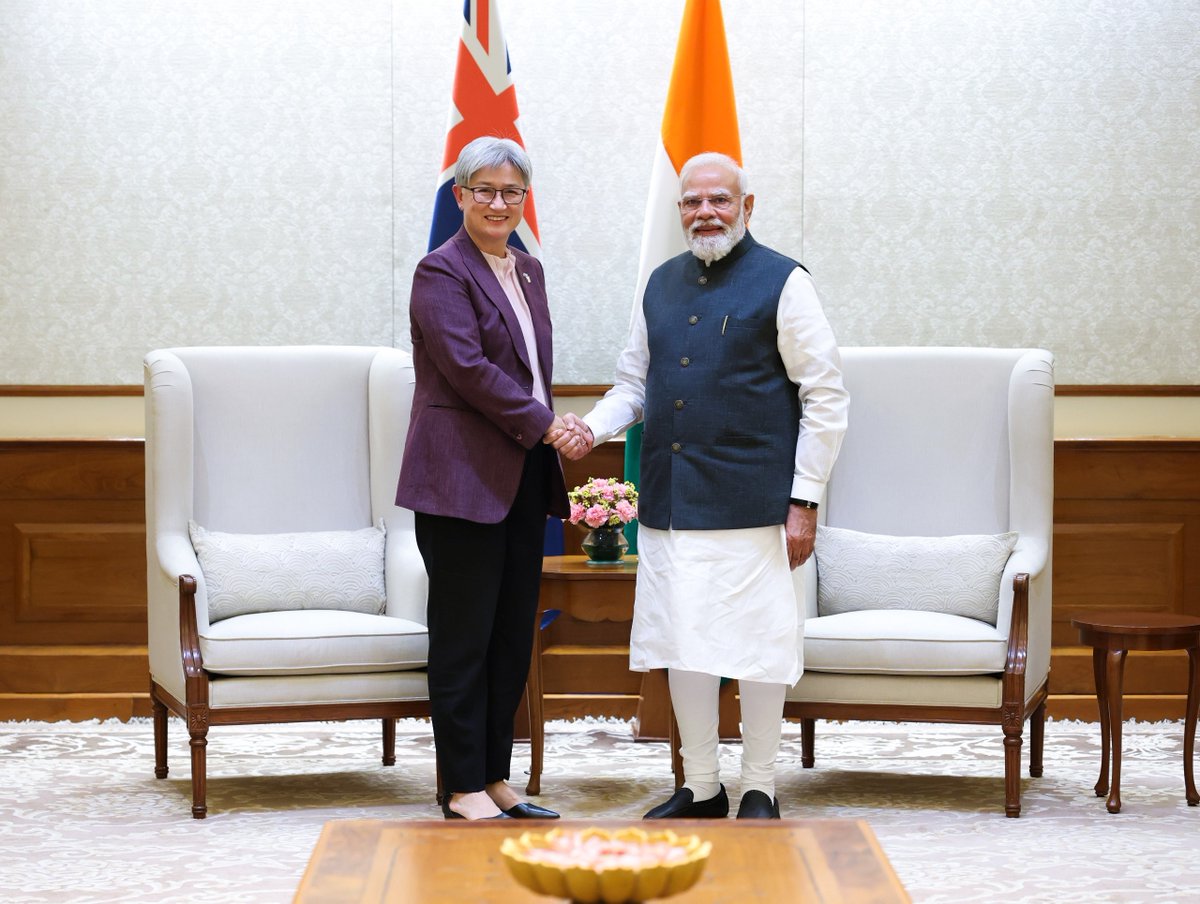
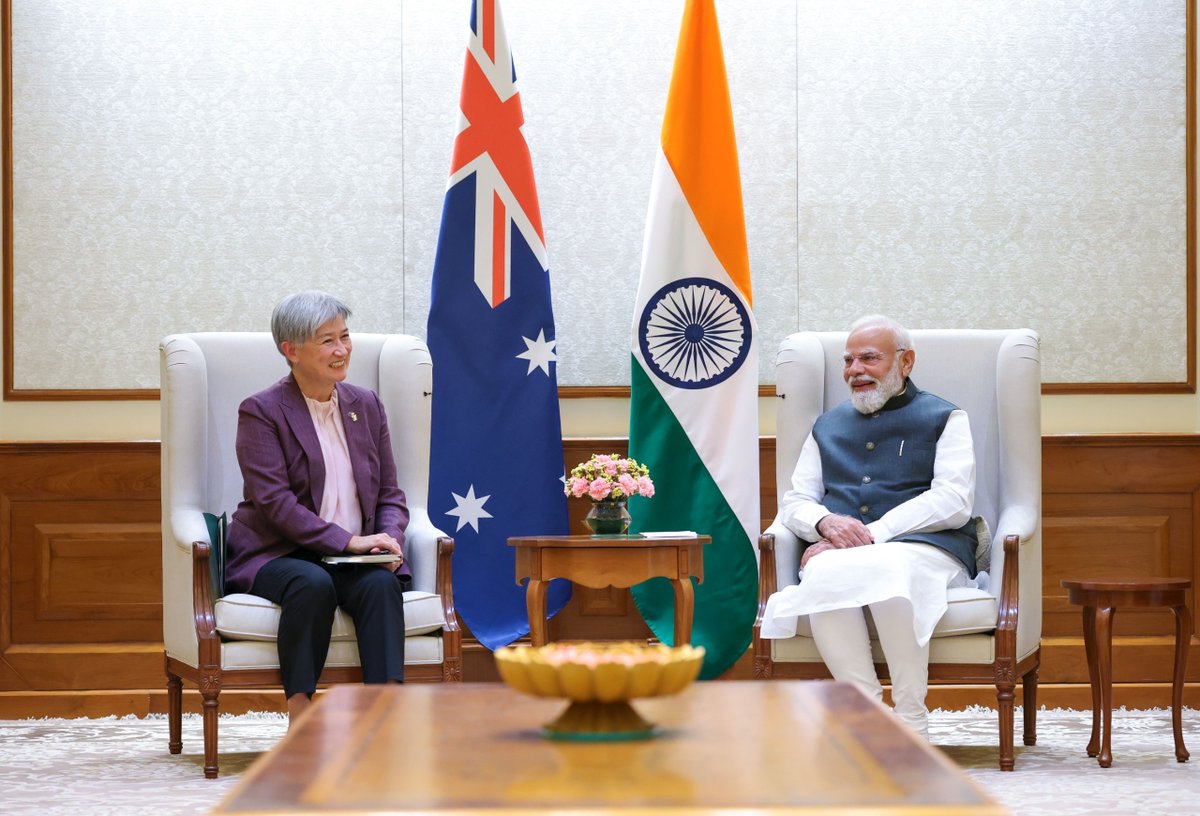
Happy to receive Senator Penny Wong, Minister for Foreign Affairs of Australia. We discussed the growing India-Australia Comprehensive Strategic Partnership in areas such as defence, trade, technology and ensuring supply chain resilience. India and Australia will continue to work for a free, open, secure and prosperous Indo-Pacific.
@SenatorWong
1,856
6,833
54,121
1,773,204
POGO retweeted
May 26
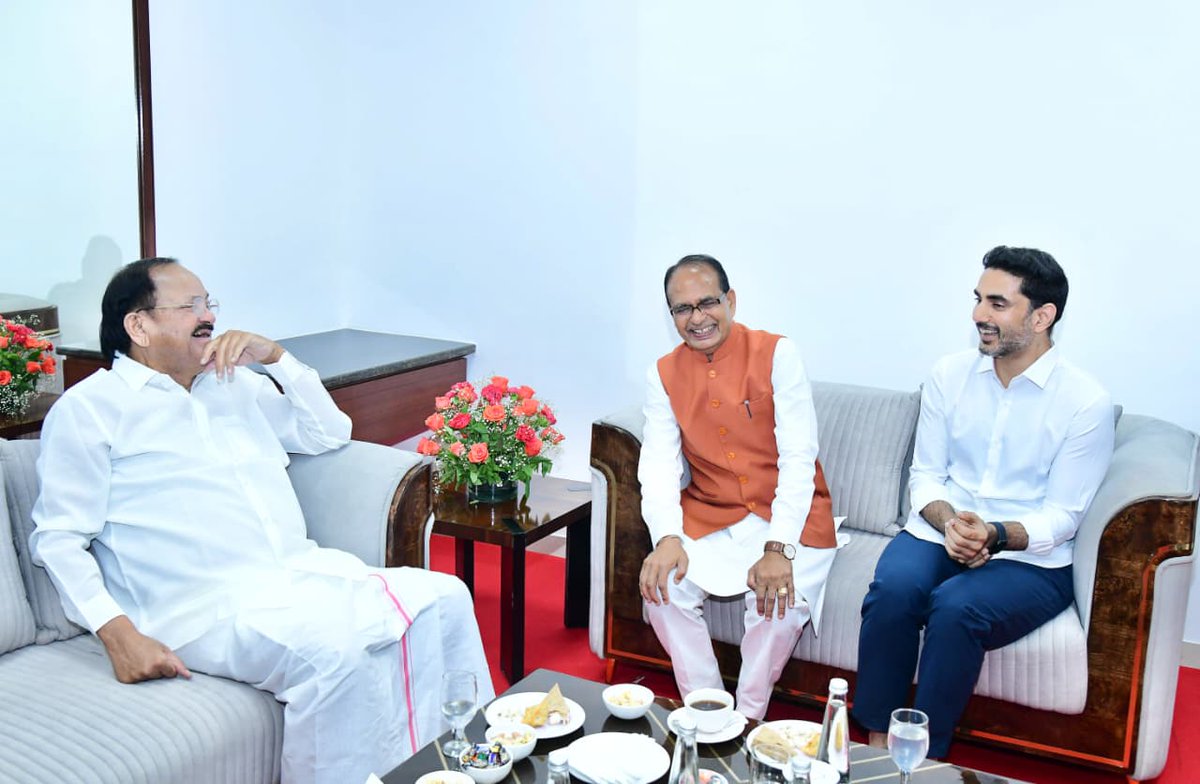
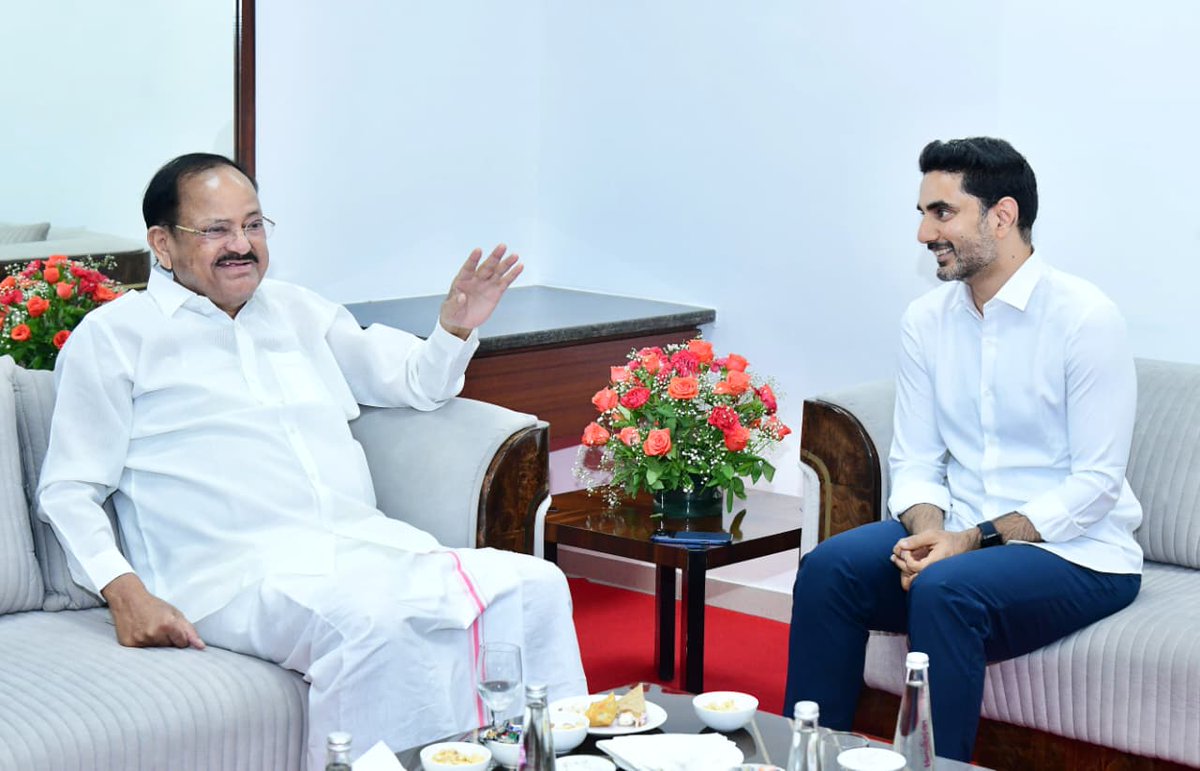
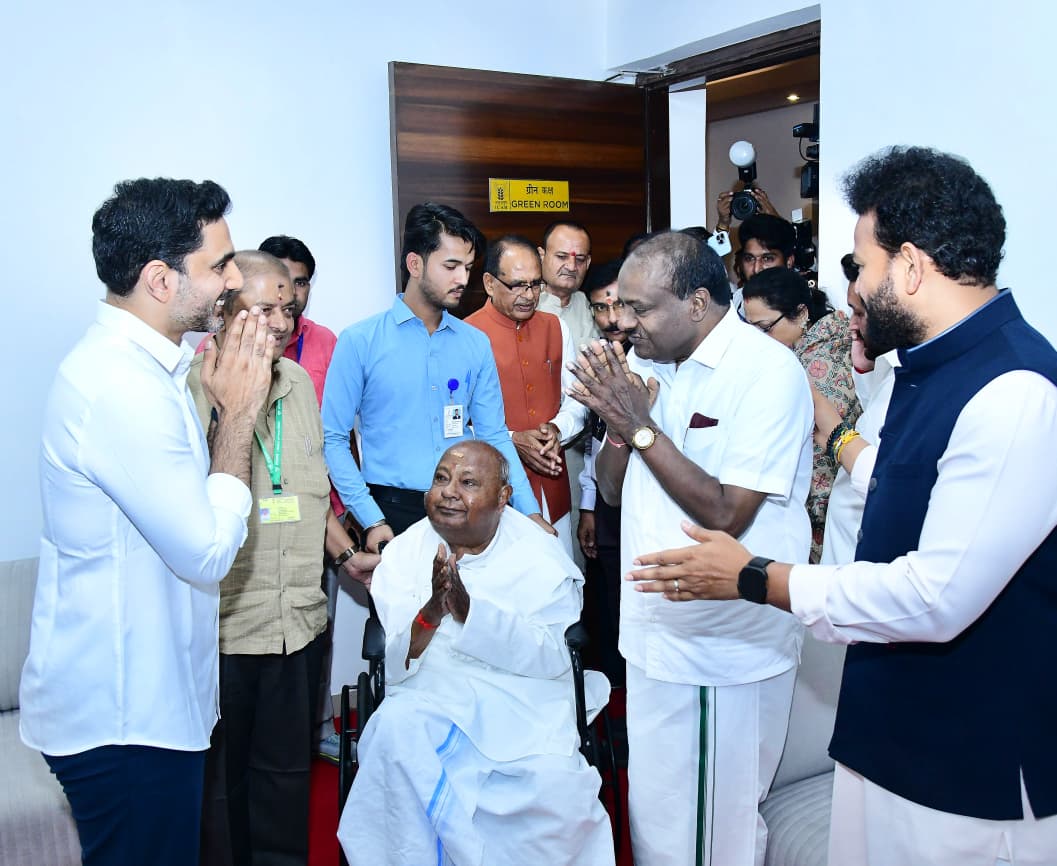
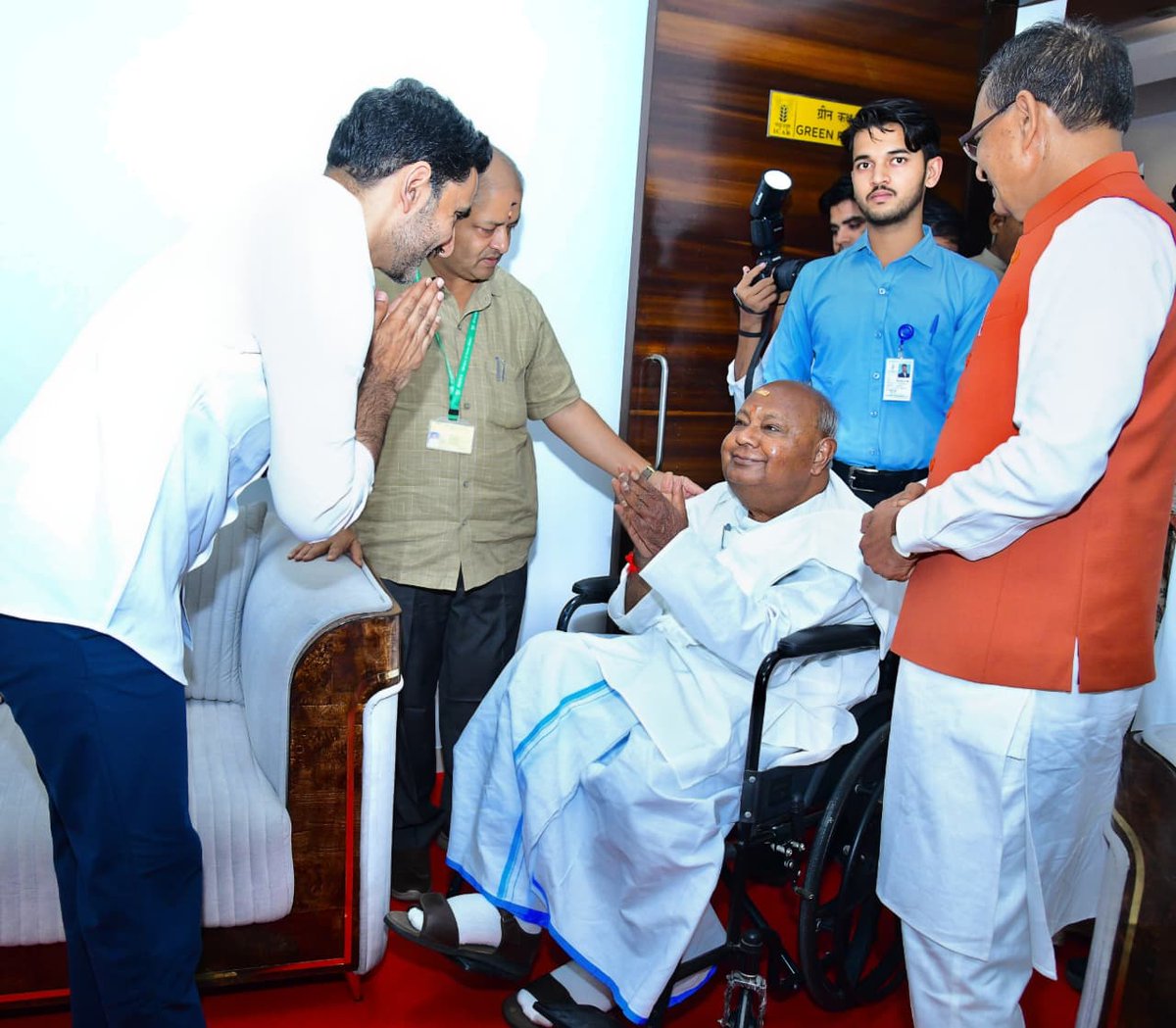
ఢిల్లీలో జరిగిన కేంద్ర వ్యవసాయ, గ్రామీణాభివృద్ధి శాఖల మంత్రి శివరాజ్ సింగ్ చౌహాన్ గారు రచించిన “అప్నాపన్: మై ఎక్స్పీరియెన్సెస్ విత్ నరేంద్ర మోదీ” పుస్తకావిష్కరణ కార్యక్రమంలో పాల్గొనడం గౌరవంగా భావిస్తున్నాను.
@ChouhanShivraj
14
145
1,070
22,756
POGO retweeted
May 27
🚨BIG announcement alert🚨
I’ll be speaking at 12 noon today in my first speech as TDP’s working president. I’ll be making a BIG announcement. Stay tuned.
#NaaTDPNaaBadhyata
#Mahanadu2026
#SthreeShakti
#TeluguDesamParty
@JaiTDP
122
506
2,962
181,441
POGO retweeted
May 22
Dear Sir,
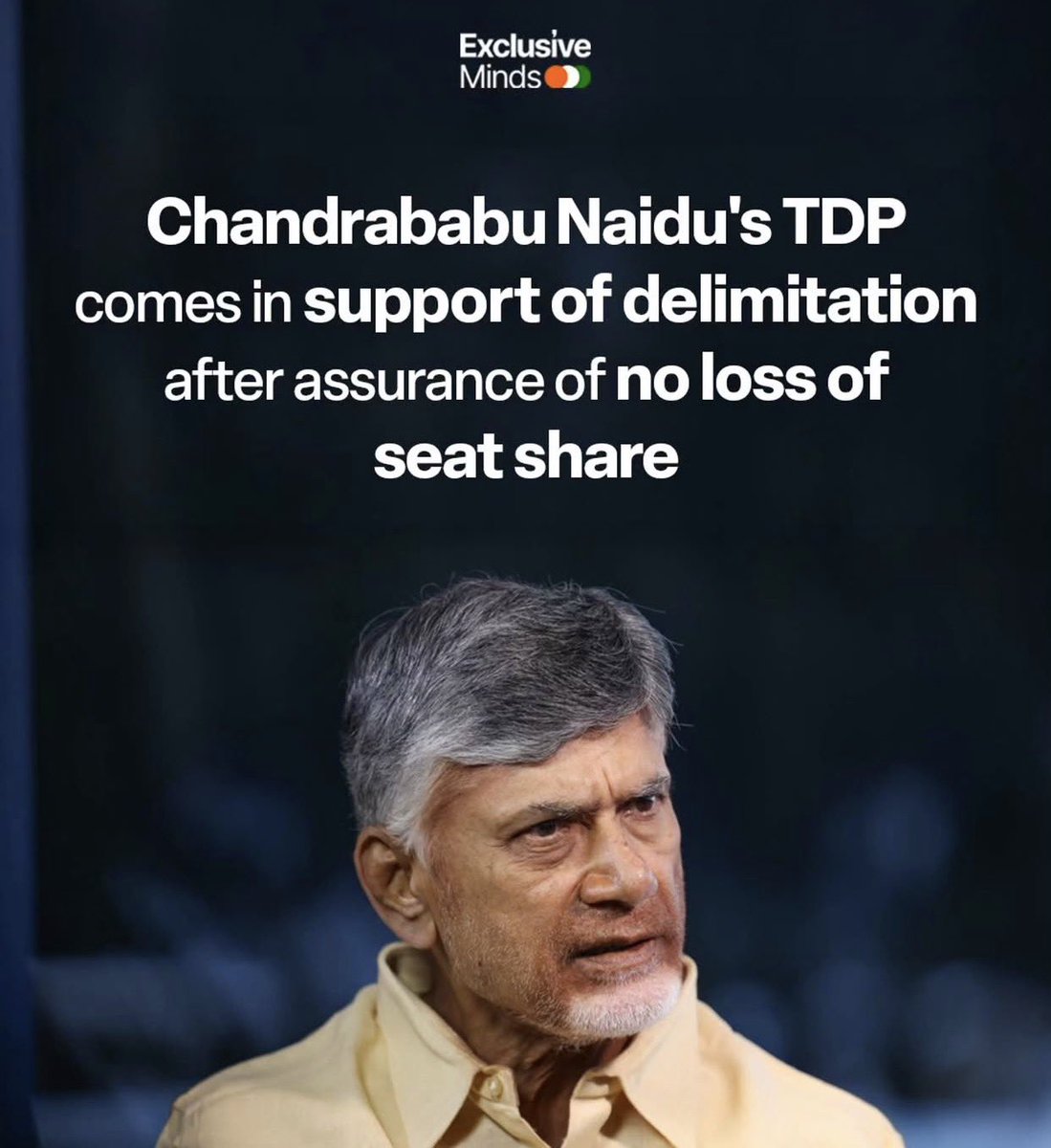
Under Article 81 of the Constitution of India, the allocation of seats in the House of the People has remained frozen based on the 1971 Census. This constitutional freeze is set to end after the first Census conducted post-2026.
Once the freeze is lifted, reapportionment becomes inevitable. Every South Indian state - without exception - stands to lose relative representation compared to the northern states. That is precisely the concern we have consistently raised, and the very imbalance the NDA sought to address through the Delimitation Bill and a proportionate increase in parliamentary seats for all states.
Surely, a distinguished legal mind such as yours is fully aware of this constitutional position. Which raises an important question: why did the Congress party oppose the Delimitation Bill in Parliament? Was it political posturing at the cost of South India’s long-term interests?
The Congress party must answer the simple questions: under Article 81, as it currently stands, what happens after the 2026 Census? Does the South not lose relative representation vis-à-vis the North? If that is indeed the case, why oppose a constitutional mechanism intended to prevent precisely that outcome?
May 21

My young friend, Mr Nara Lokesh, Minister in Andhra Pradesh should do his math before talking about delimitation (interview to the HINDU)
The Opposition parties opposed and defeated the Constitution Amendment Bill because the math showed that the five Southern states will lose representation in the LS in terms of RELATIVE strength (if Art 81 is applied without a change)
The gainers will be some of the North Indian states
The BJP tried to mask the outcome by increasing the representation in LS of each State by 50%, but that was exposed as an illusion
Whether you take the representation of AP in LS at the current level of 25 seats or increase it to 38 seats, if Article 81 is applied without a change, the RELATIVE representation of AP will diminish or reduce
I urge Mr Lokesh to please do the math again
278
1,473
7,774
865,762
POGO retweeted

May 20
Thank you so much for your warm wishes Lokesh.
77
3,345
16,129
225,270
POGO retweeted

May 20
ఐటీ రంగాన్ని అభివృద్ధి చేసి, హైదరాబాద్ కు ప్రపంచపటంలో ప్రత్యేక గుర్తింపు రావడంలో చంద్రబాబు కృషి ఎంతో ఉంది
- శ్రీ శ్రీ రవి శంకర్
#ChandrababuNaidu
3
194
1,188
19,803
POGO retweeted
May 20
₹3,000 crore invested.
600 MW completed.
Built in a record 11 months.
SAEL’s mega solar project will be inaugurated on May 22 in Rayalaseema.
In Andhra Pradesh, we don’t just break ground. We break records.
#ChooseSpeedChooseAP
@SAEL_India
125
900
4,592
260,047
POGO retweeted
May 20
Heartfelt birthday wishes to @tarak9999. May God bless you with good health and success.
156
5,336
29,204
370,024
POGO retweeted
May 18
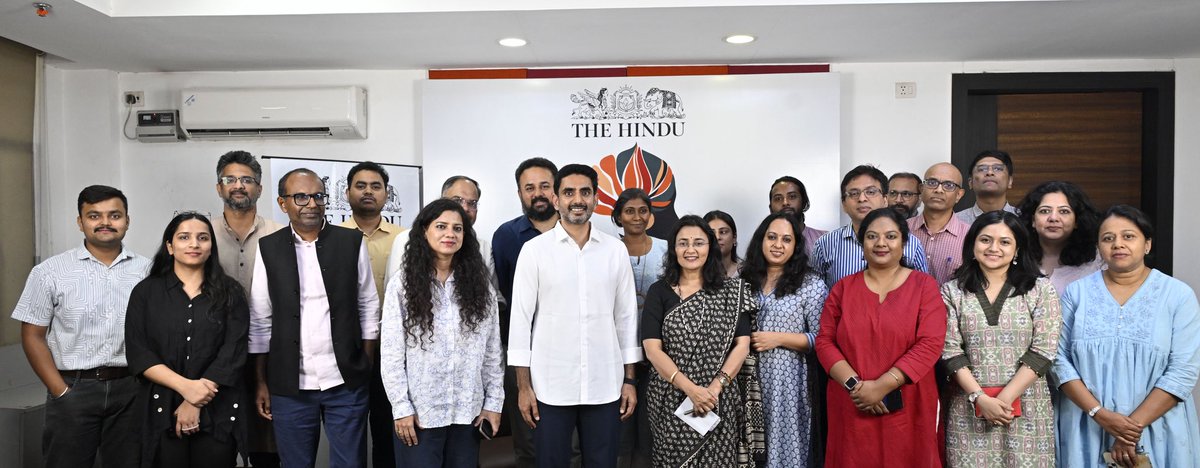
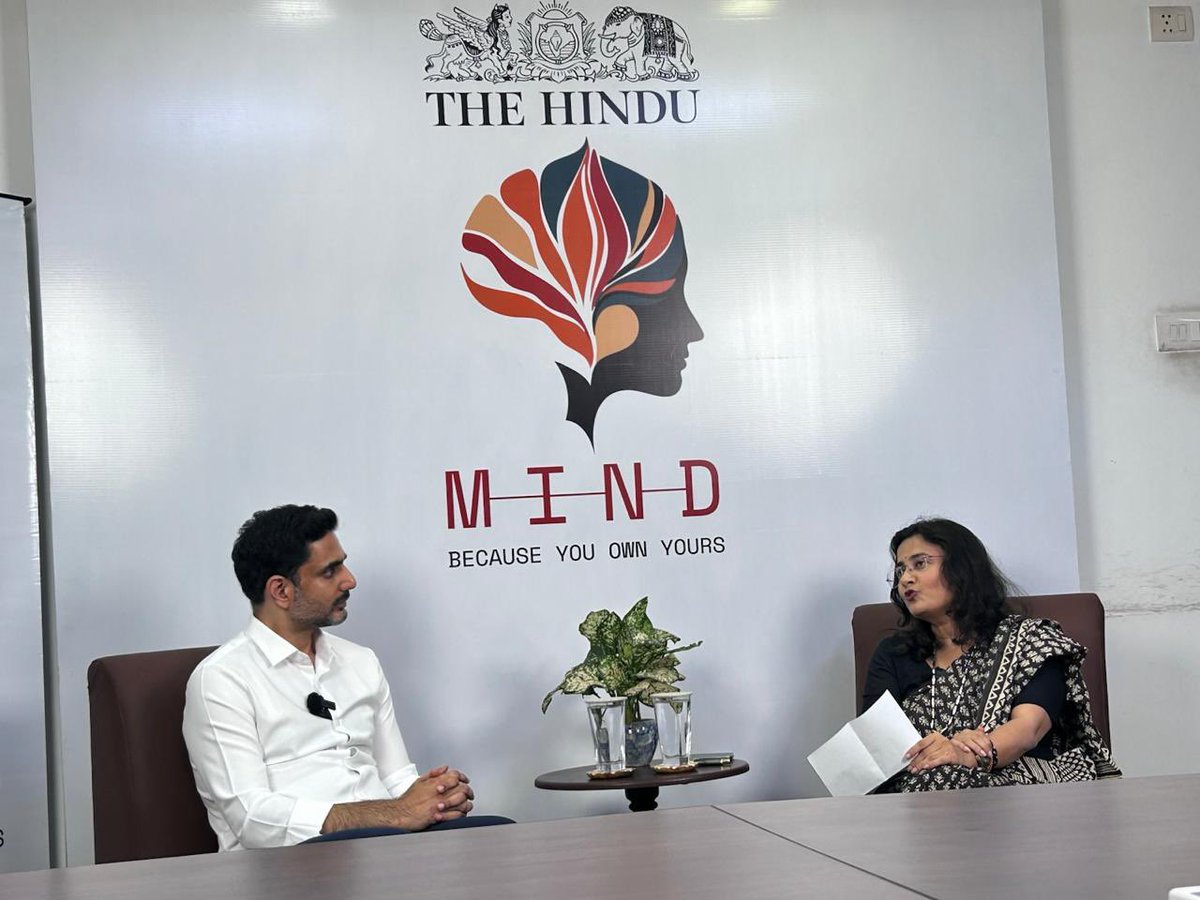
It was a pleasure to interact with such a distinguished set of journalists and address questions on a wide range of issues. Thanks for having me over!
May 18

It was wonderful to have as a guest, minister in the Andhra Pradesh government and the new working president of @jai_tdp , Mr @naralokesh at @the_hindu office for The Hindu “Mind” series of conversations. He took all questions and has a sharp yet an open & relaxed manner, a rarity in today’s politics! The video of the interaction will be up this week as well as the report in the newspaper soon!
23
155
871
28,389
POGO retweeted
May 18
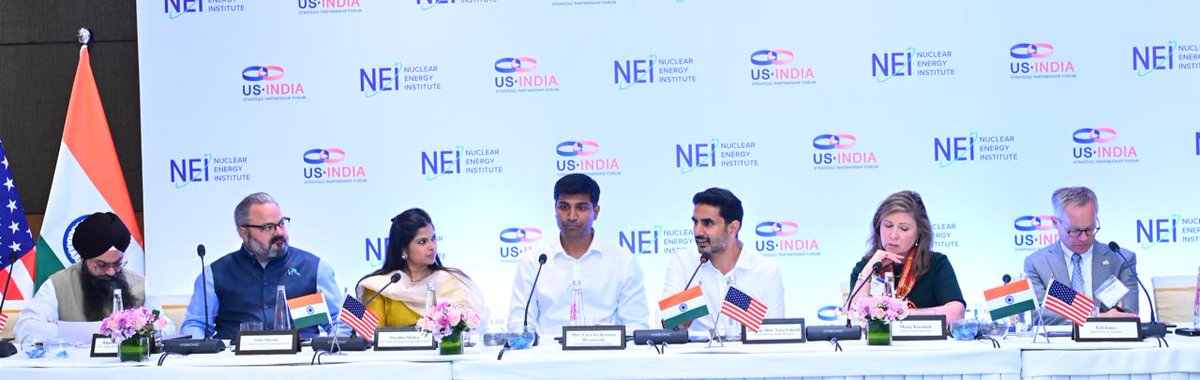
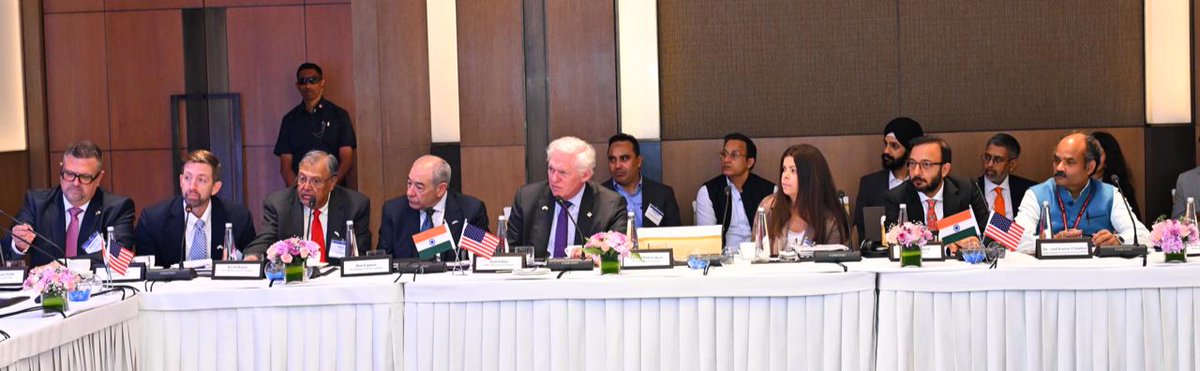
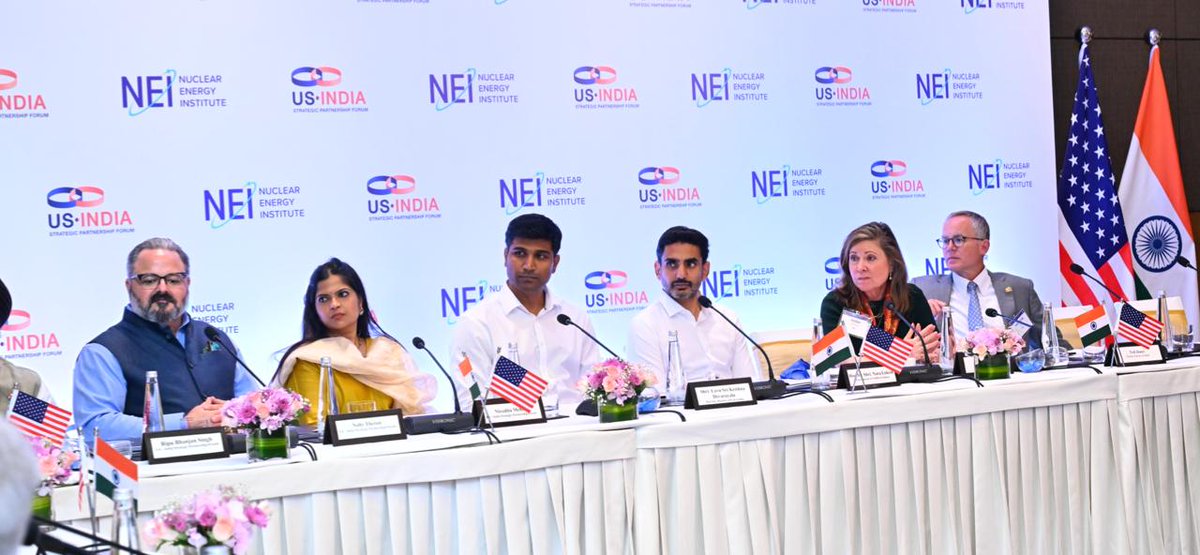
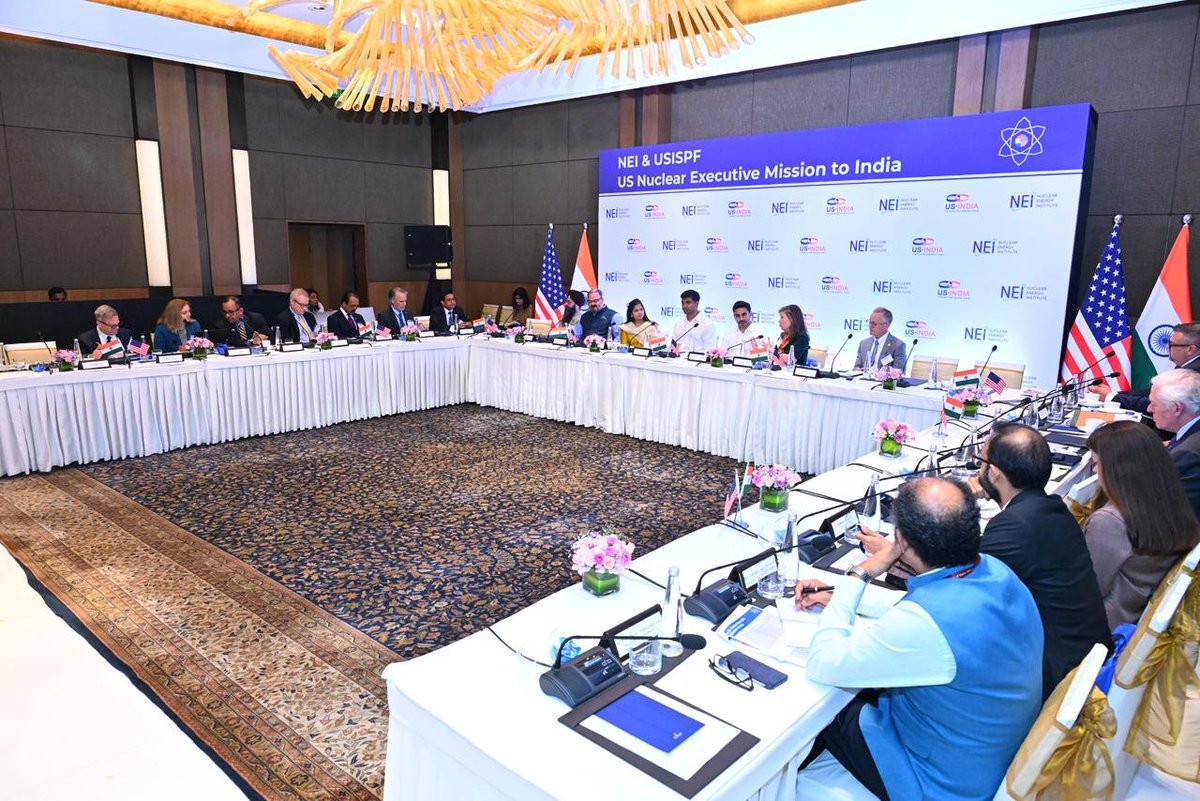
At the U.S. Executive Nuclear Mission to India summit in New Delhi today, I spoke about Andhra Pradesh’s vision to emerge as a trusted global partner in the future nuclear economy.
As AI-driven infrastructure, hyperscale data centers, semiconductors, and advanced manufacturing rapidly expand, the world will need massive volumes of reliable, clean, round-the-clock power. Nuclear energy will play a critical role in that transition.
Andhra Pradesh is preparing not just for power generation - but for the entire ecosystem around it: advanced manufacturing, engineering, supply chains, skilling, industrial infrastructure, and next-generation energy technologies.
With our ports, industrial corridors, strong execution capabilities, and Integrated Clean Energy Policy targeting ₹10 lakh crore in investments, AP is ready to partner with trusted global players to help build the energy backbone of the AI era.
@USISPForum
25
178
1,027
22,083
POGO retweeted

May 18
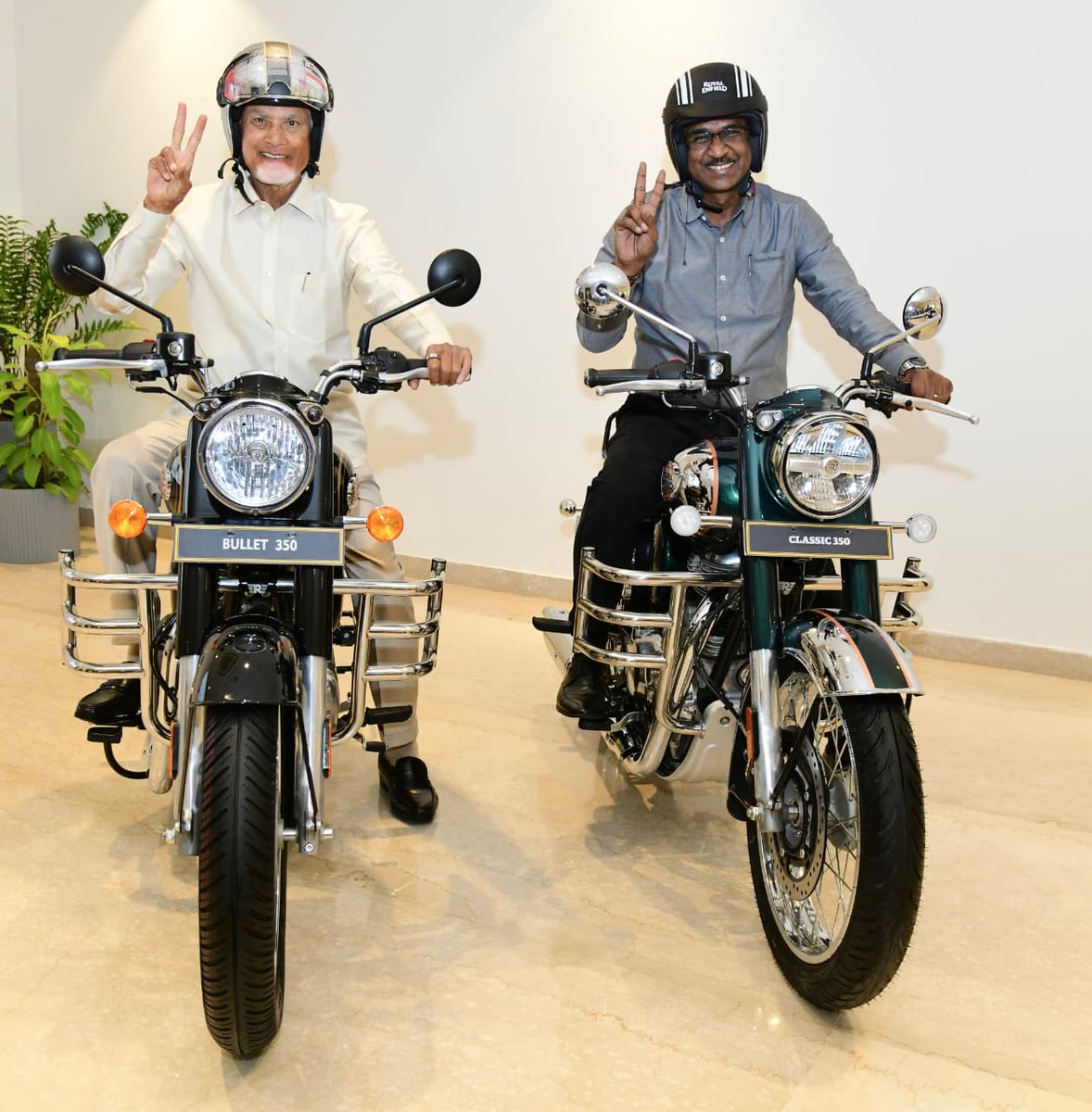
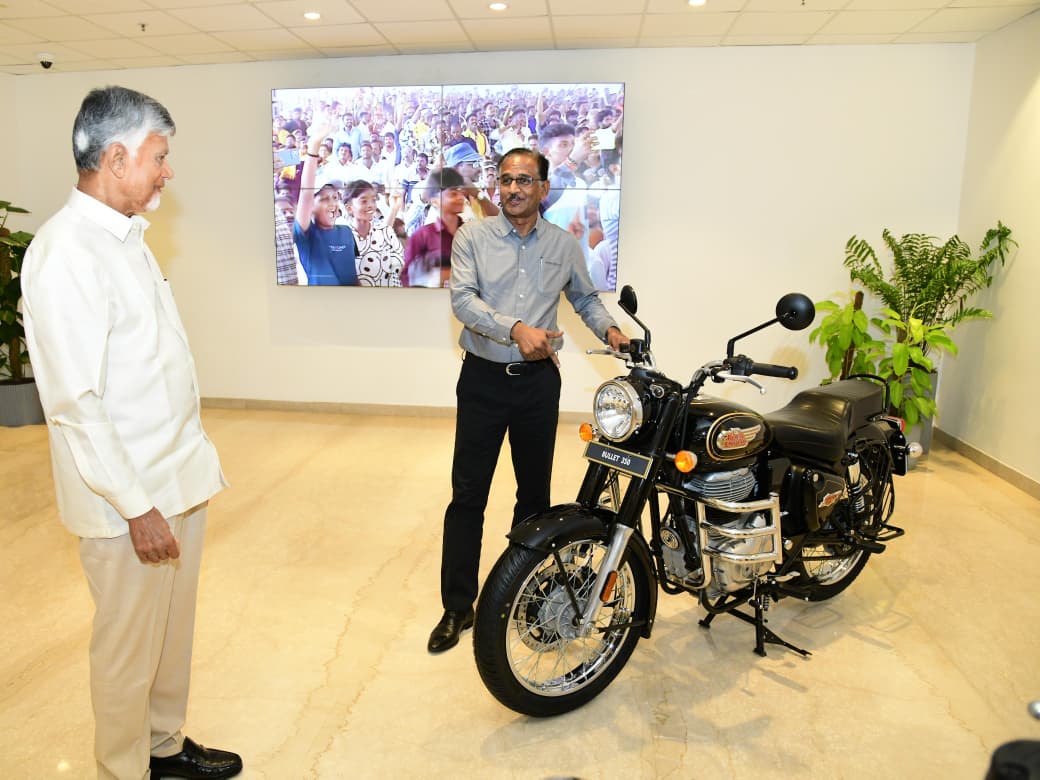
Welcome to Andhra Pradesh, Royal Enfield! Expect a smooth ride powered by our Speed of Doing Business, a strong green energy ecosystem for your EV journey, and a talented young workforce ready to drive the future of mobility.
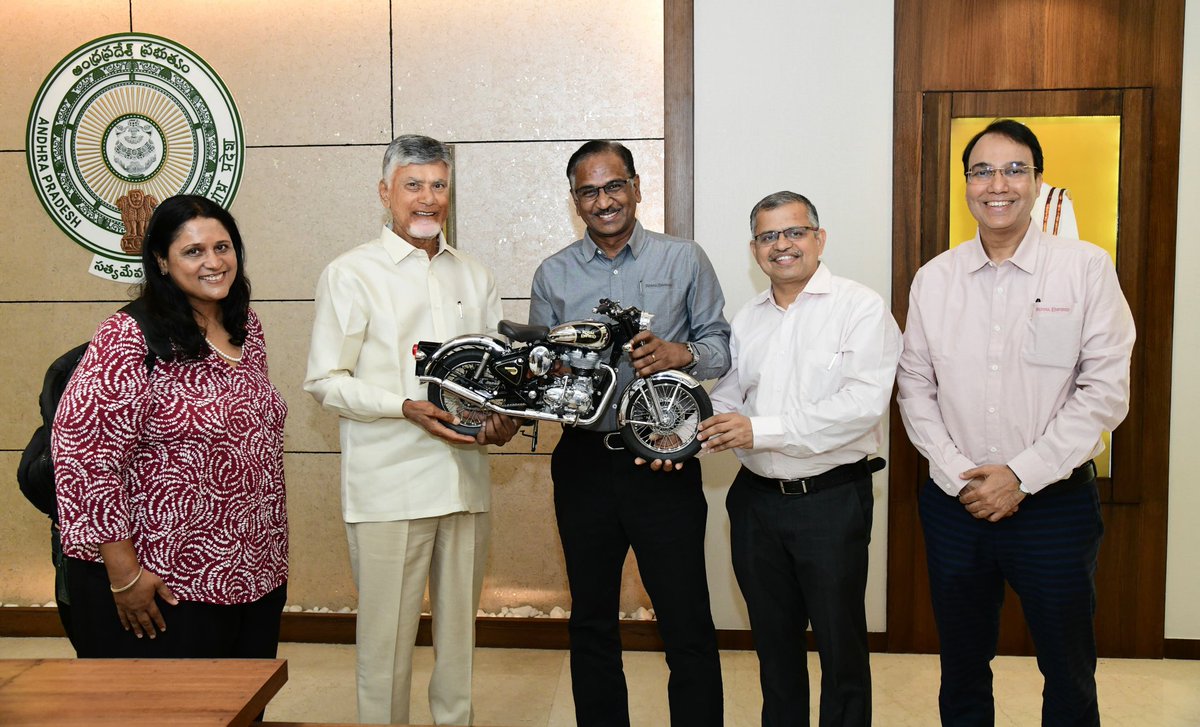
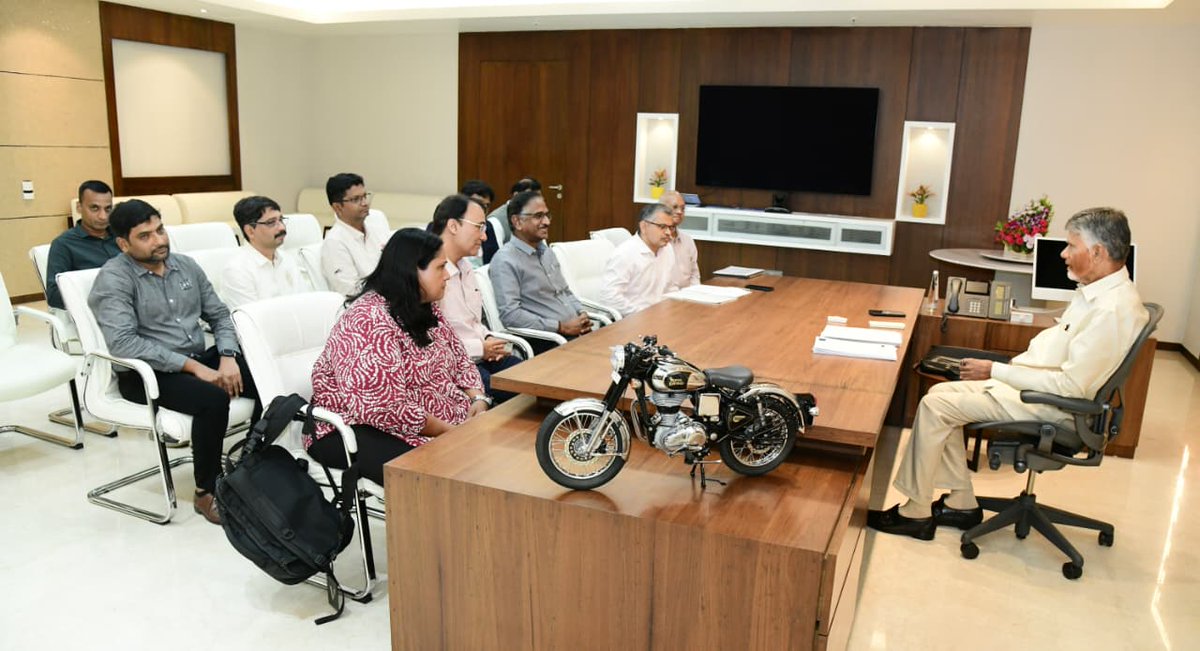
Delighted to have met the delegation led by Managing Director & CEO Shri B. Govindarajan to discuss Royal Enfield’s proposed integrated motorcycle manufacturing project at Vaneluru and Rallakuppam villages in Satyavedu Mandal, Tirupati district.
The proposed project involves an investment of nearly ₹2,500 crore and a manufacturing capacity of 9 lakh motorcycles per annum. The project will include a state-of-the-art manufacturing facility, testing track, R&D centre, and a dedicated vendor park ecosystem.
Importantly, the project is expected to generate nearly 15,000 direct and indirect employment opportunities, creating significant economic activity and industrial growth in the region.
I have assured continued support from the Government of Andhra Pradesh in ensuring speedy clearances and accelerated execution. Our goal is to help complete the project in 18 months instead of the proposed 24 months. Our Speed of Doing Business will ensure the project moves faster, and now Royal Enfield must match it with equal Speed in Project Execution.
I was also pleased to learn more about Royal Enfield’s first-ever electric motorcycle, the Flying Flea C6 (FF.C6). We further discussed the future of sustainable mobility and Andhra Pradesh’s growing leadership in the energy transition through large-scale development of solar, wind, pumped storage, battery energy storage systems (BESS), and other renewable energy ecosystems.
As India moves towards cleaner mobility and energy security, Andhra Pradesh is committed to building the infrastructure, manufacturing ecosystem, and policy support required to emerge as a major hub for future mobility, advanced manufacturing, and green industrial growth.
@royalenfield
#ChooseSpeedChooseAP
125
711
6,604
249,740

May 17
RT @Tdp_Melbourne: Melbourne Mahaanadu 2026
Join us as we celebrate the Birth Anniversary of Nandamuri Taraka Rama Rao with pride, unity &…
3
POGO retweeted

May 16
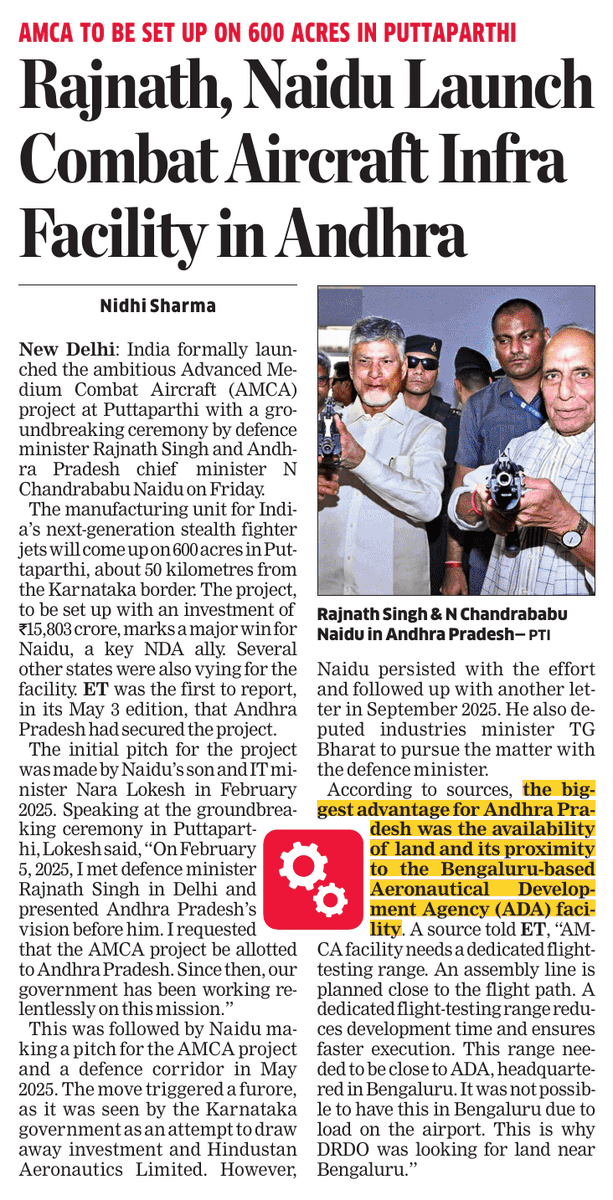
EXCLUSIVE: The backstory of how Andhra Pradesh clinched AMCA manufacturing unit. While the country was busy with Delimitation Bill and elections @ncbn was putting together a massive aerospace play behind the scenes. Daily follow-ups, technical discussions, and LOIs were moving on AMCA program — a project that could unlock billions of dollars in investments and reshape India’s aerospace manufacturing ecosystem for decades. Read in @ETPolitics
m.economictimes.com/news/def…
5
199
770
73,883
POGO retweeted
May 13
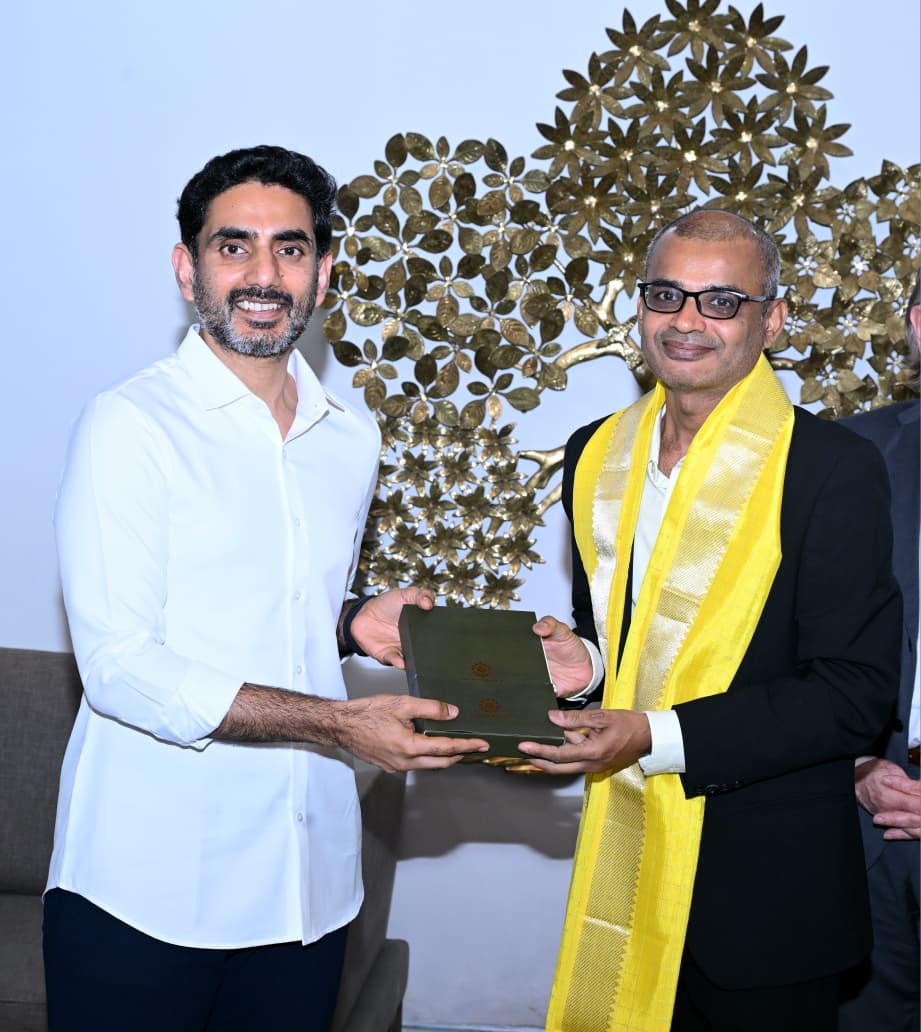
Had a productive meeting with Australia’s High Commissioner to India, Mr. Philip Green, discussing stronger collaboration between Andhra Pradesh and Australia across education, skilling, renewable energy, critical minerals, trade, and data centres. I’m excited about the possibilities ahead - from global university partnerships to next-gen investments that can create jobs and opportunities for our youth.
#InvestInAP
#ChooseSpeedChooseAP



12
212
1,845
36,999