221 Photos and videos


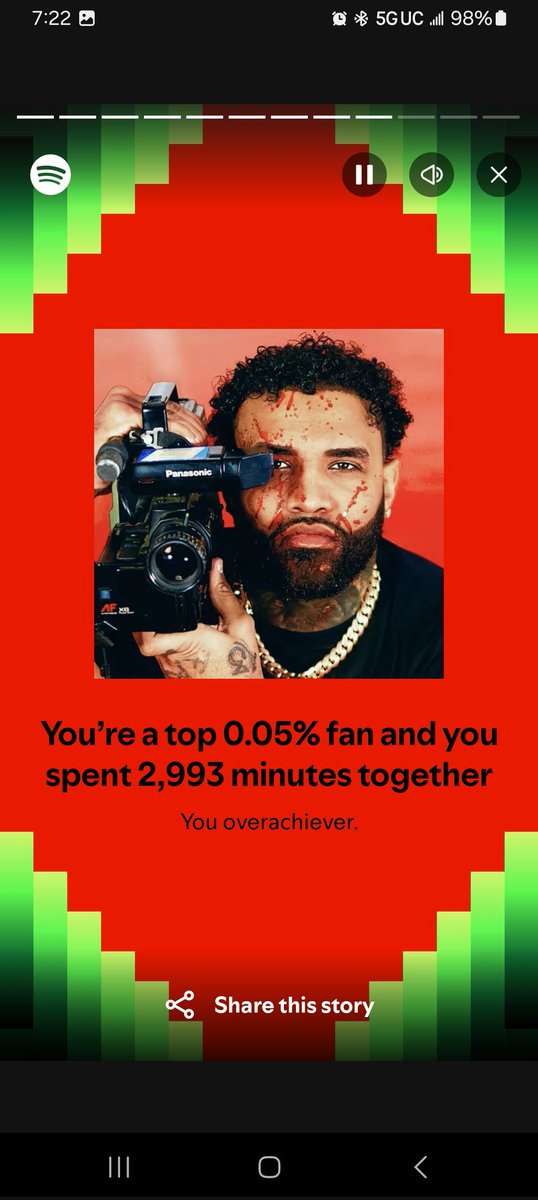
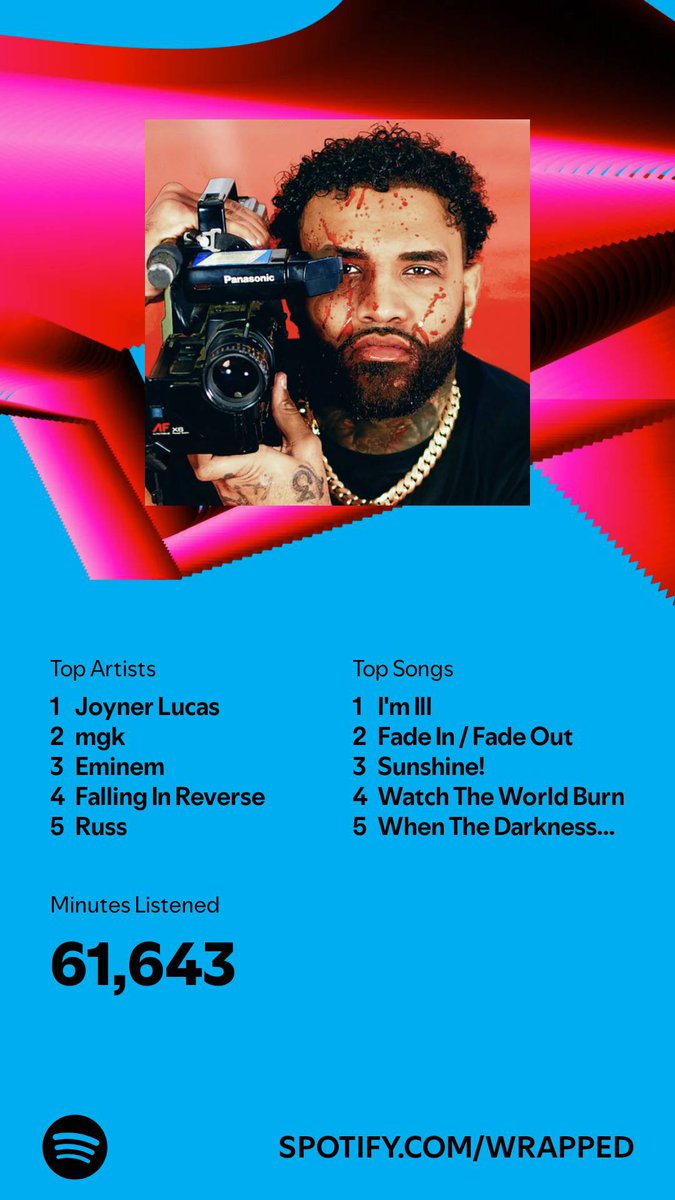
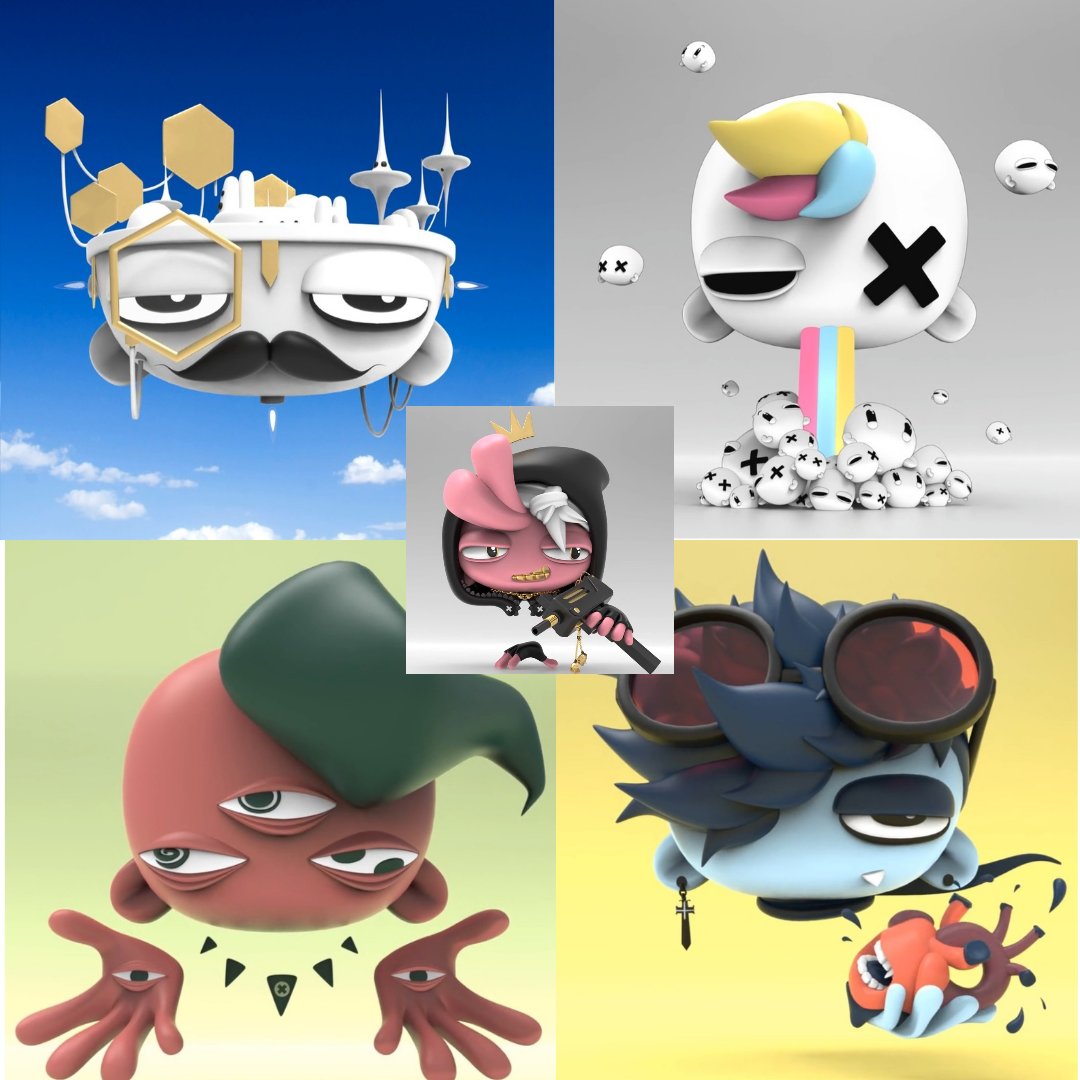
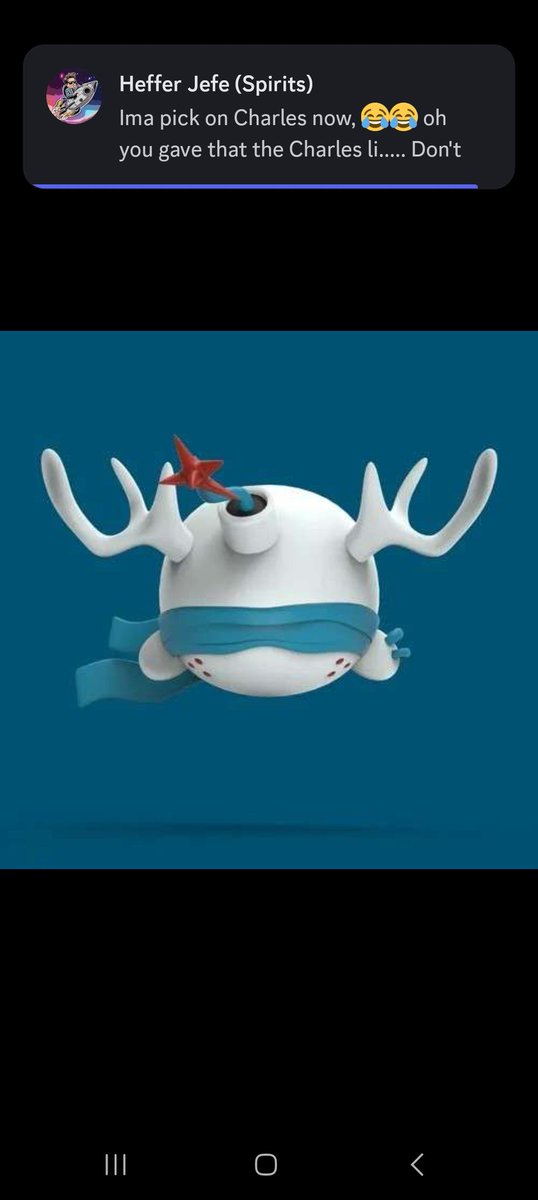

Missed the 3 year anniversary of the first song I released! Dropped this 3 years and 4 days ago! I haven't promoted it at all, except to fam. In 3 years this song has almost 1k streams. That might not be much to most artists, but it means alot to me🤙 open.spotify.com/track/3MrS5…
1
3
4
324
Music artists/song writers, what was a favorite line you've written that you don't think got the nod it deserved? Or a line you've heard from someone else that no one seems to have caught for one reason or another. #songwriter #musicwriter #drunkquestionswithdeece
39
youtu.be/-Cs3GyzRB2k?si=-JdU…
@vahtang_beatbox killed this rendition🤙 well done bro
1
82
Let's gooo broski!! It's official now😤😤😤
4 Feb 2025

Head over to Etsy 🚨
wisetoyscanada.etsy.com shop is now open.
Shout-out to @SuperNfty @SuperPrints for all the help and obviously for still creating dope AF art 👑
Digital-Physical is here 🔥
1
104
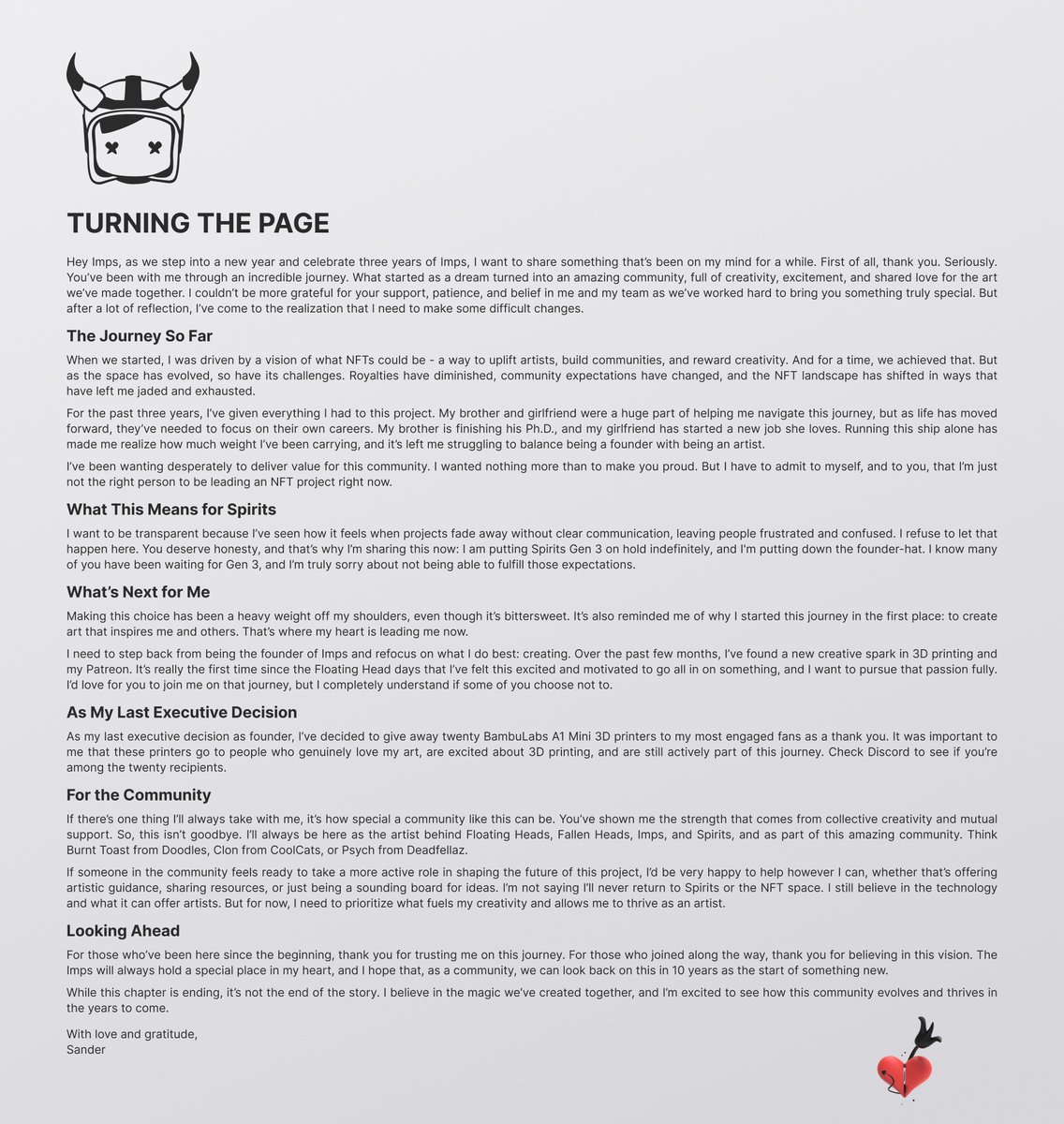
His final act as a founder is to STILL look after his community members. This level of character is hard to find on the day to day, let alone in this online ecosystem. And he's never wavered on it. Couldn't be prouder to be apart of this and what you do next bro🤝
21 Jan 2025

3
13
255
So who grabbed the coolest non 1/1 NFT of 2024?🤔
My entry's gotta be Imp #9296 by @SuperNfty
#IMPGANG😈
3
4
11
407
Oh so we just don't get the coolest one??🥹 such a banger!
29 Dec 2024
Both Variant Sicaens have been evolved.
Which means Volcaen V will never exist.🪦
Talk about a rare Spirit.
2
1
3
112
Deece retweeted

25 Dec 2024
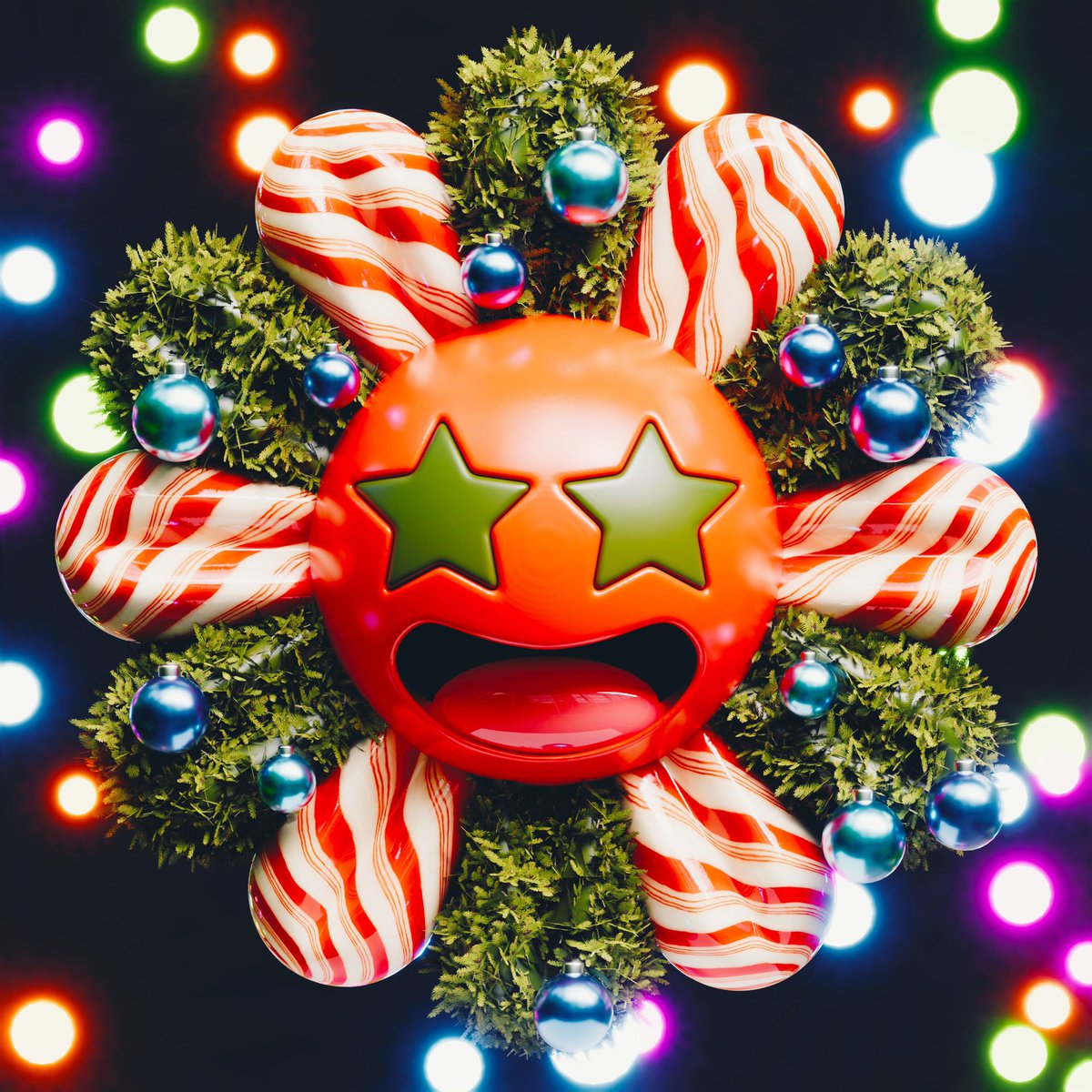
A whole new batch of Kid’s Petal Headz have been made by @hiltonvision !
25 Dec 2024

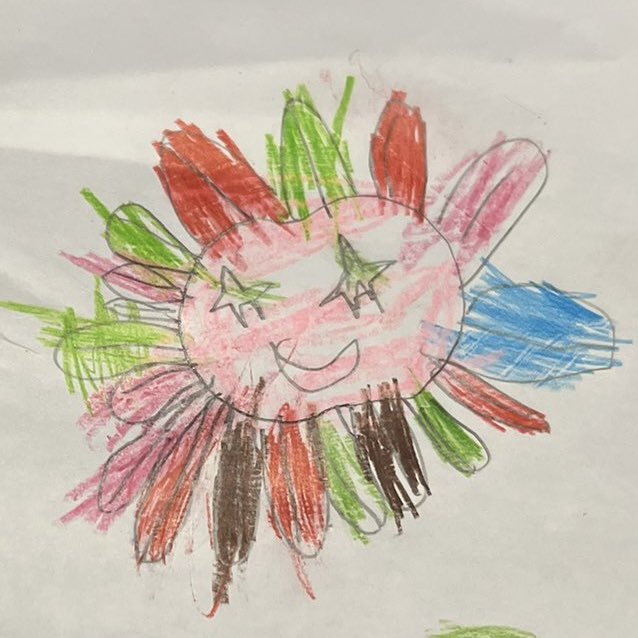
🧵This Christmas I transformed kid’s drawings into 3D, sculpting each from scratch. Inspired from the @PetalHeadz
Check them out below 👇
1. Christmas flower by a girl named Jasmine @LAMiKiNGBiNG
5
20
655
Secrets out now👀😭
24 Dec 2024

Need max $ETH for $GP value, go Floating/Fallen Heads by @SuperNfty.
You generate 2.5 $GP daily per Head. That will be NEEDED come #SpiritsGen3.
2
8
91
Deece retweeted

24 Dec 2024
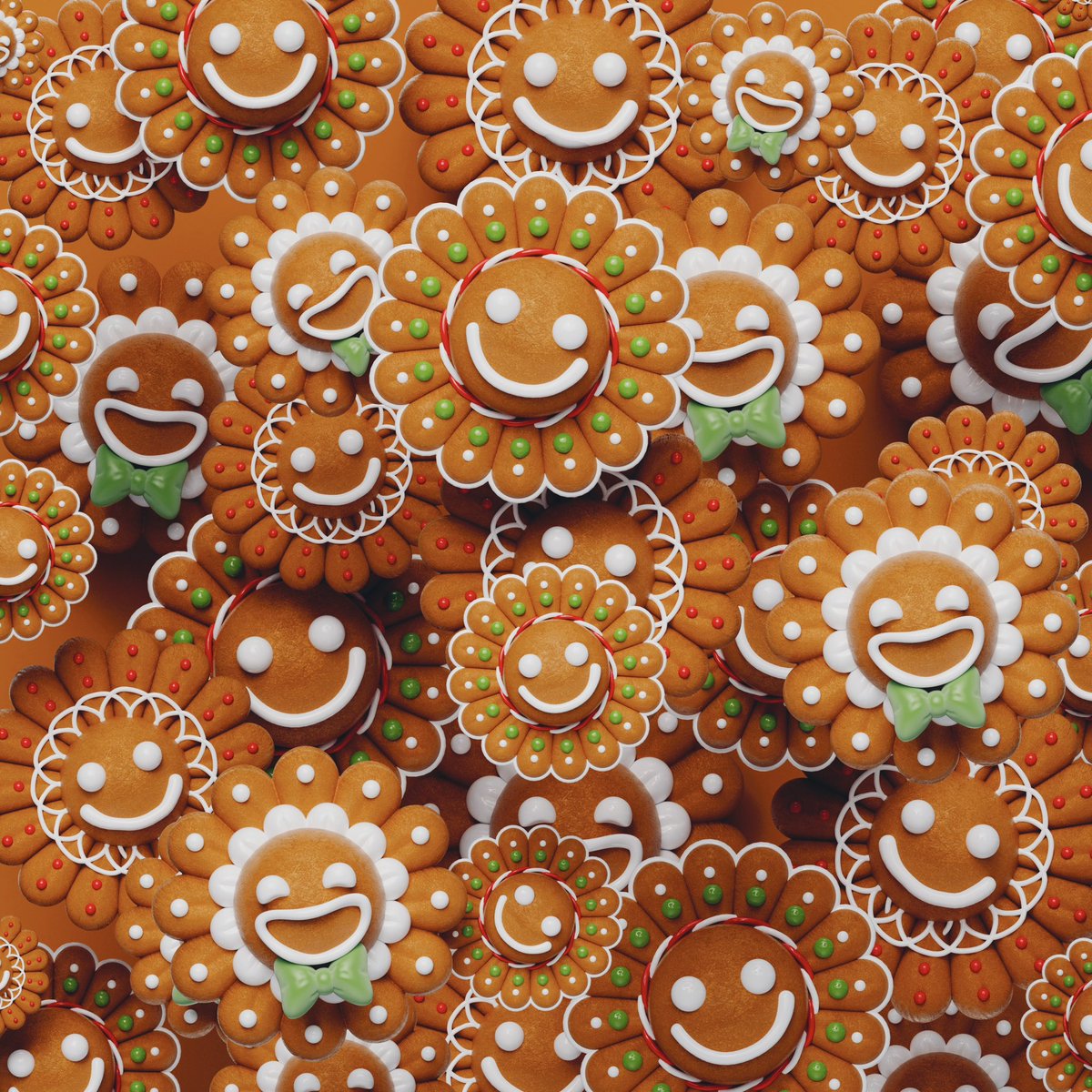
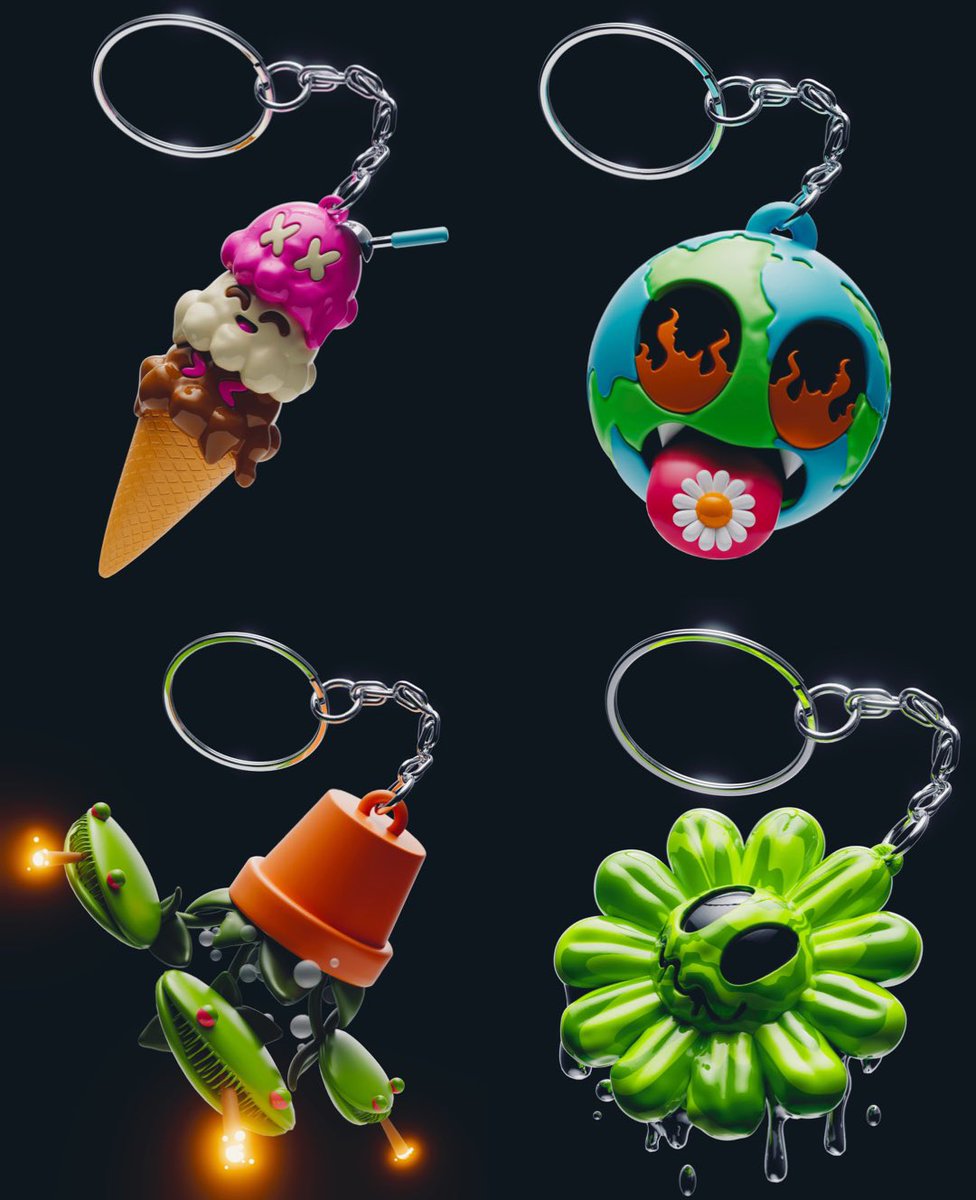
🎄HAPPY HOLIDAYS, IMP FAM🎄
We're doing a free mint of a limited-edition festive version of Conevoy!
- One for every Imp you own!
- It’s on @base, so it's super cheap and fast.
- Claim before January 1st 2025!
👉app.manifold.xyz/c/Conevoy-2…
Oh, and I heard you might be able to evolve these soon..👀
Thank you for being part of this incredible community! 💝
4
9
24
1,579

Deece retweeted
22 Dec 2024
As a crypto-native artist and early adopter, I can’t help but reflect on what made NFTs so exciting when they first emerged. They weren’t just digital assets or collectibles; they were a revolutionary idea. NFTs stood for freedom, decentralization, and, above all, being anti-establishment. They challenged traditional systems, rejected corporate structures, and empowered creators and communities in ways we’d never seen before. (R.I.P. artist royalties, for example.)
When I got into NFTs, it was through @cryptopunks (though I never managed to own one)—a tight-knit, niche community of radically open-minded people united by one core belief: decentralization. CryptoPunks weren’t just collectibles; they were a movement. They were edgy, countercultural, and defiantly anti-establishment. They meant something.
@BoredApeYC, love them or hate them now, were undeniably cool in their early days. They captured the spirit of CryptoPunks but added a layer of branding and relatability. They symbolized a community that was bored of the grind, tired of traditional systems, and ready to build something new. They were niche, subversive, and different.
@coolcats, the collection that defined the third wave, took a different approach. With their charming, whimsical art style and a focus on creating a positive, welcoming community, they still managed to feel countercultural. They didn’t rely on shock or exclusivity—they made NFTs accessible without sacrificing their creative edge. It wasn’t about mass adoption; it was about creating something genuine and heartfelt.
Fast forward to today, and it feels like the edge NFTs once had has completely vanished. Mainstream NFTs have lost everything that made them cool. The entrance of venture capitalists into the space has introduced the classic Silicon Valley playbook: take something niche and cool, strip it of its soul, and sell it to the masses. NFTs, once a symbol of rebellion and innovation, have been commodified. Revolutionary ideas have been repackaged into products that are anything but revolutionary.
While commercialization may bring visibility, it doesn’t align with the values that made NFTs special—anti-establishment, decentralization, and empowering communities. Clever marketing isn’t the same as innovation. It’s not subversive. It’s just plain old capitalism dressed up in new clothes.
Crypto was meant to reclaim power from the establishment—to disrupt the systems that keep individuals and creators out of control. It’s not too late to support the people and projects that still embody this vision. Let’s go back to championing the ones who stay true to the rebellious, innovative spirit that made NFTs cool in the first place.
3
7
25
701
Deece retweeted
19 Dec 2024
👑 SPIRIT MASTERS HALL OF FAME 👑
Today, we celebrate our first 4 inductees into the Spirit Masters Hall of Fame! These exceptional individuals have achieved the incredible milestone of completing the entire Spirits Gen 2 Codex:
- @TheSeattleOne - Minted his first Imp on December 28, 2021, and has dominated the SuperNfty charts ever since!
- Charles Li – Started his journey with a giveaway Imp on July 28, 2022, and never looked back!
- @WalterTheWise2 – Minted his first Imp on December 30, 2021, rebounded from a 2022 hack, and rose to become the #1 3D printer in the community!
- @theentwives – A loyal pillar of the community since the Floating Head era early 2021, purchasing her first Floating Head on March 19, 2022.
Each inductee has been airdropped their very own custom token of honor. Let’s give a massive round of applause for these legendary Spirit Masters! 👏🎉
5
10
28
1,662
Only need room temperature IQ to see how dope of a deal that is😂 Smooth brains will fade🤷♂️
17 Dec 2024
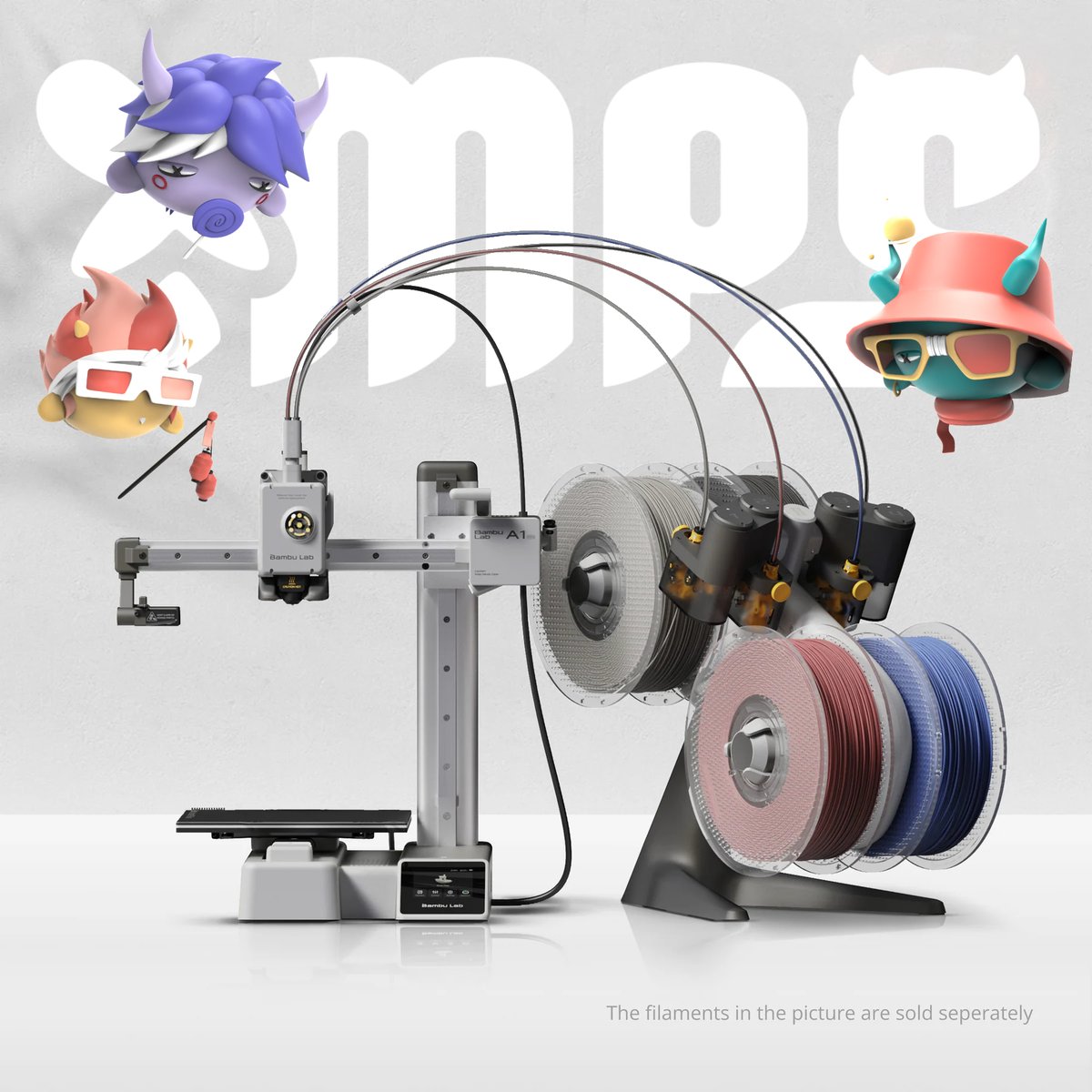
🎉Imps only 3D-printer Giveaway🎉
We're giving away a 3D printer to a lucky Imp collector! I know some of you love the 3D print files but don’t have a printer yet—so I’m giving away a BambuLabs A1 Mini Combo!🎁
Join the raffle in Discord. Link below!👇
#bambulabs #Giveaway
2
3
7
319
Deece retweeted

13 Dec 2024
Early community members had the opportunity to view Live Streams as @SuperNfty would create some of his next 2 collections in Live streams. Watching him and providing feedback for some of the final NFTs was phenomenal. I wanted/did collect the NFTs I personally influenced 🧡💙🤍
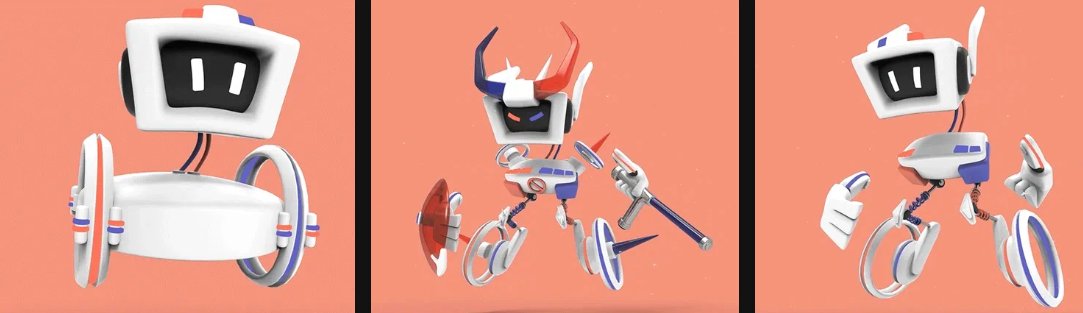
ALT Wh3el-1e evolutions. I made a comment about the lights during the live stream and it stayed through to the final. <3

ALT Caffeen evolutions & variants - my soul loves this set. Java Java Java!
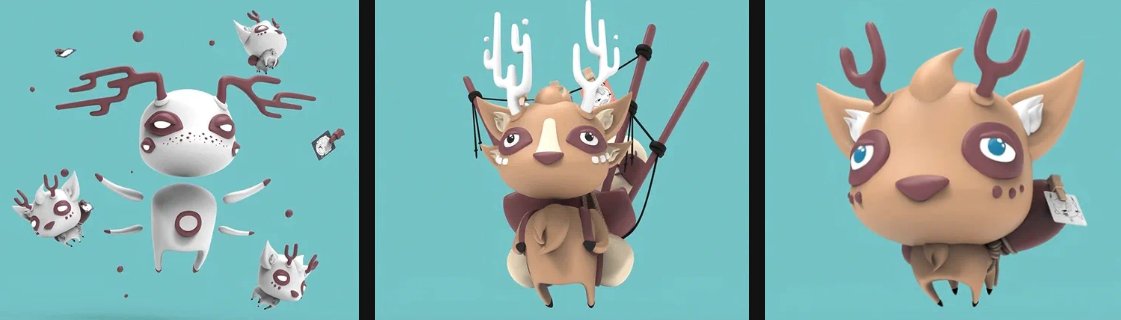
ALT Fander evolutions - my only Gen 1 full evolution set. I Love it and inspires my inner Miyazaki Forest Spirit
12 Dec 2024

Most Awe Inspiring to me at the time was @SuperNfty in Discord kicking it with the holders. The creator of this amazing 10K collection was just chilling, talking about ideas, roadmaps, anime, music, food, 3D design, brainstorming & collaborating. He valued all of our thoughts.
4
8
317
Deece retweeted
13 Dec 2024
I never wanted to learn so much about Physics until @SuperNfty and @ChewieTheDev released all the details of their next adventure - except it had to be deciphered. Countless hours lost in trying to understand it. <3 to the genius design and the resulting community collaboration.
13 Dec 2024
Early community members had the opportunity to view Live Streams as @SuperNfty would create some of his next 2 collections in Live streams. Watching him and providing feedback for some of the final NFTs was phenomenal. I wanted/did collect the NFTs I personally influenced 🧡💙🤍
ALT Wh3el-1e evolutions. I made a comment about the lights during the live stream and it stayed through to the final. <3
ALT Caffeen evolutions & variants - my soul loves this set. Java Java Java!
ALT Fander evolutions - my only Gen 1 full evolution set. I Love it and inspires my inner Miyazaki Forest Spirit
1
4
9
350
Talking about how his favorite food combo is chicken and waffles too is when he stole my heart❤️
12 Dec 2024
Most Awe Inspiring to me at the time was @SuperNfty in Discord kicking it with the holders. The creator of this amazing 10K collection was just chilling, talking about ideas, roadmaps, anime, music, food, 3D design, brainstorming & collaborating. He valued all of our thoughts.
1
3
84
Deece retweeted
12 Dec 2024
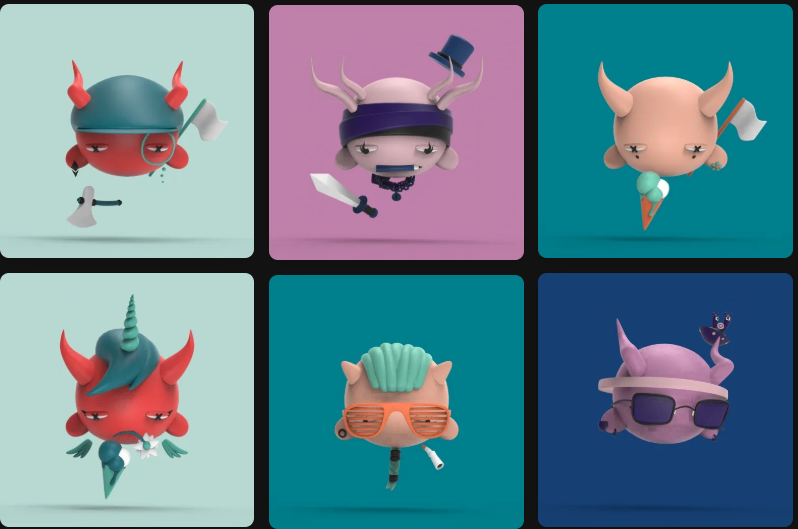
After my first imp, I was welcomed and embraced by the community. Twelve days later. I found myself with another Imp in my cart.
Then a few more days, and another Imp. The traits and the art were great and I couldn't stop. The @SuperNfty community on discord was energizing.
12 Dec 2024
On May 12, 2022, I finally listened to a friend and joined the @SuperNfty through the acquisition of an Imp. I was skeptical I soon found myself with a group of supportive and positive holders. Engaging with each other, cheering accomplishments and supporting during tough times
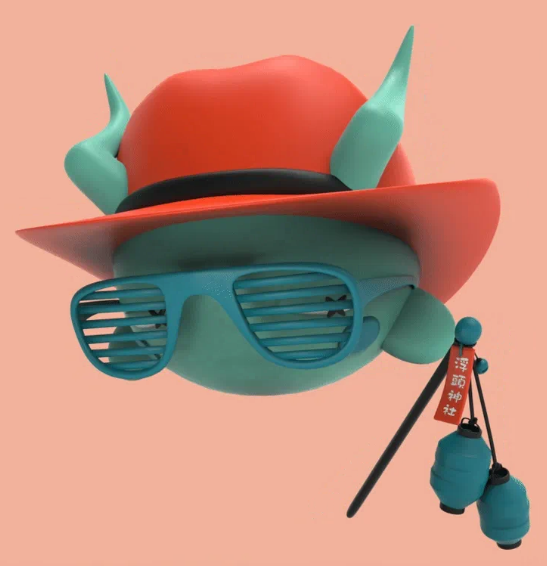
2
6
14
365
Deece retweeted

12 Dec 2024
You never forget (or sell) your first Imp. 😈
@SuperNfty
12 Dec 2024
On May 12, 2022, I finally listened to a friend and joined the @SuperNfty through the acquisition of an Imp. I was skeptical I soon found myself with a group of supportive and positive holders. Engaging with each other, cheering accomplishments and supporting during tough times
1
3
9
454