
Joined September 2017
- Tweets 3,376
- Following 989
- Followers 298
- Likes 6,592
109 Photos and videos








Dyan Mabunga retweeted

bell hooks said:
“To love well, women must unlearn the belief that suffering is proof of devotion.”
and i ain’t ever been the same since…
18
3,312
13,079
154,050

when bell hooks said,
“to love well, women must unlearn the belief that suffering is proof of devotion.”
yeah… i haven’t been the same since.
because so many people were taught to measure love by how much pain they could endure instead of how well they were treated.
17
57
1,204
Dyan Mabunga retweeted

Jun 12
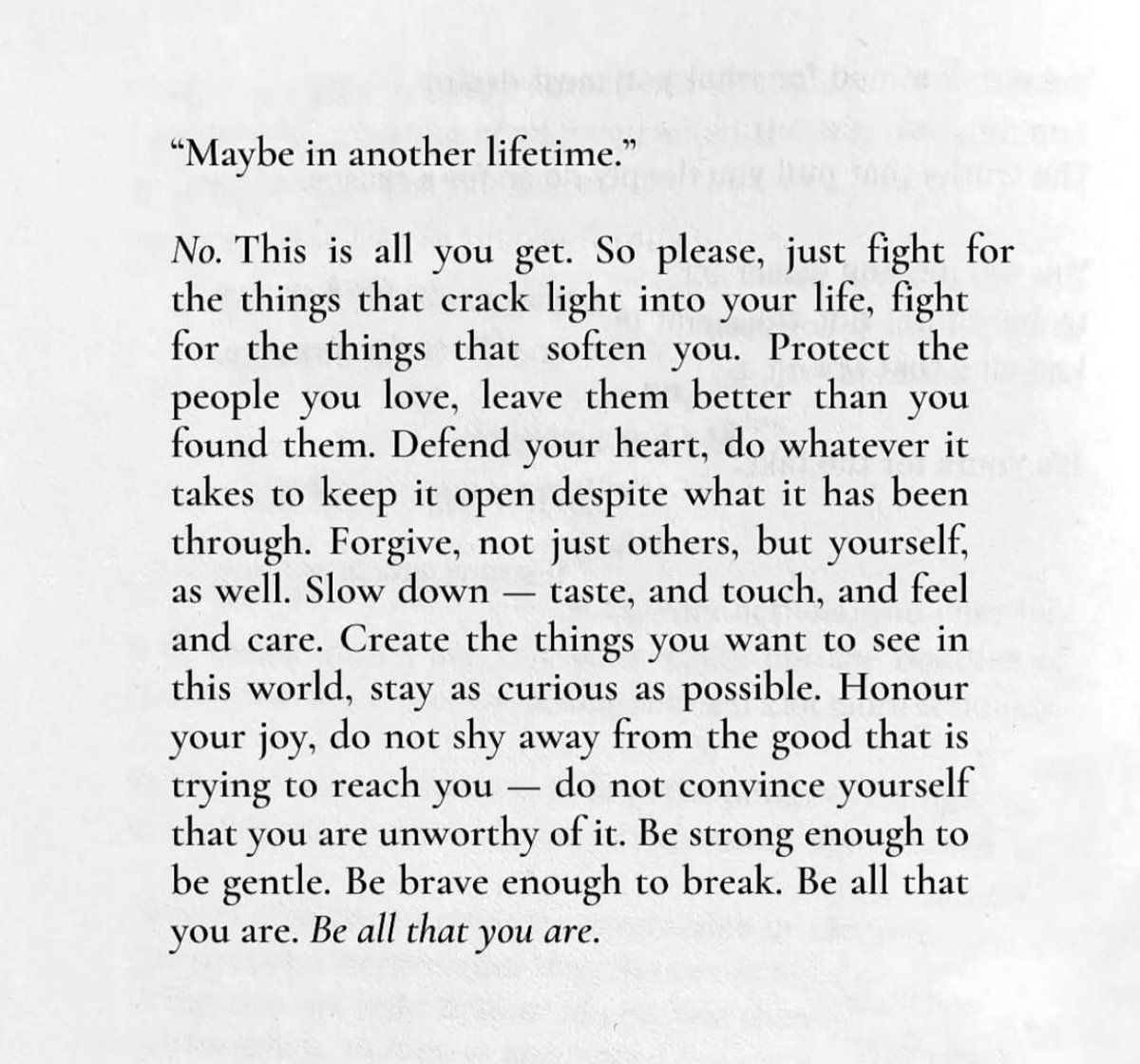
"maybe in another lifetime"
1
111
398
7,620
Dyan Mabunga retweeted

Jun 12
Some sacred spaces are built in stone. Others are built through memory, repetition, and presence. My essay “Devotion by Design” explores the worlds women have created within Kashmir’s spaces of devotion.
With beautiful photographs by Zainab.
saaganthology.com/vol-2-issu…
4
20
3,920
Dyan Mabunga retweeted

Jun 13
Habits I stole from women with regulated nervous systems:
1. They don't respond to everything immediately. A text, a conflict, an email they let it sit. Not to be difficult. Because they know their first reaction is rarely their clearest one.
2. They have a "no" they don't negotiate on. One boundary that is non-flexible, non-debatable, non-discussed. Knowing exactly where your line is removes the exhausting decision fatigue of drawing it every single time.
……..
7
273
2,616
169,312
Dyan Mabunga retweeted

Jun 13
Girl to girl: study the patterns in your family. Look at what distracted, delayed, or derailed the women before you, then make intentional decisions to break those cycles.
refuse to be a victim of generational curses ❤️
165
10,514
39,542
512,766
Dyan Mabunga retweeted

May 19
A Oxford PhD student got flagged for submitting AI-generated work.
His advisor called it the most sophisticated research process he had seen in 20 years.
The student had not used AI to write a single word.
Here is the workflow that got him reported.
He starts every essay with a diagnostic he calls brutal. He dumps his rough argument into Claude and asks one question: what are the three weakest logical jumps in this reasoning, and where would a hostile examiner attack first? The AI does not write his essay. It destroys his draft, and then he rebuilds from whatever survives.
Most students using AI are doing the opposite. They hand Claude a topic and ask it to write. He hands Claude his thinking and asks it to find every place where that thinking falls apart. The difference between those two approaches is the difference between outsourcing your brain and sharpening it.
The second step is the one that made his advisor go quiet. He uploads the five most important papers in his field alongside his draft and asks Claude what claims in his argument contradict or oversimplify what these authors actually found. Most PhD students cite papers they have skimmed once. He cites papers he has been forced to genuinely reckon with, because Claude keeps catching the places where he got them wrong.
The final move is almost unfair. Before he submits anything, he pastes his conclusion and runs one more prompt. He asks what a philosopher of science would say is missing from this argument and what assumptions he is making that he has not defended. His essays come back from reviewers with phrases like unusually rigorous and demonstrates rare critical depth, and his committee has no idea that the depth came from a machine asking him harder questions than any human in his department was willing to ask.
The academic integrity hearing lasted three hours. The panel asked him to rebuild his methodology from scratch in the room. He opened his laptop and showed them exactly how the workflow ran, prompt by prompt. They did not just clear him. They gave him the highest grade in the department's history and asked him to present the process to faculty.
Here is what that story actually means. What took most PhD candidates six months of back-and-forth with advisors, he was compressing into a single session because he had figured out something almost nobody else has. AI does not make your thinking better by replacing it. It makes your thinking better by attacking it faster than any human critic ever would.
He was not using AI to write. He was using it to think harder than he could alone.
The tool is the same one everyone has. The workflow is the part nobody is teaching.
Community note
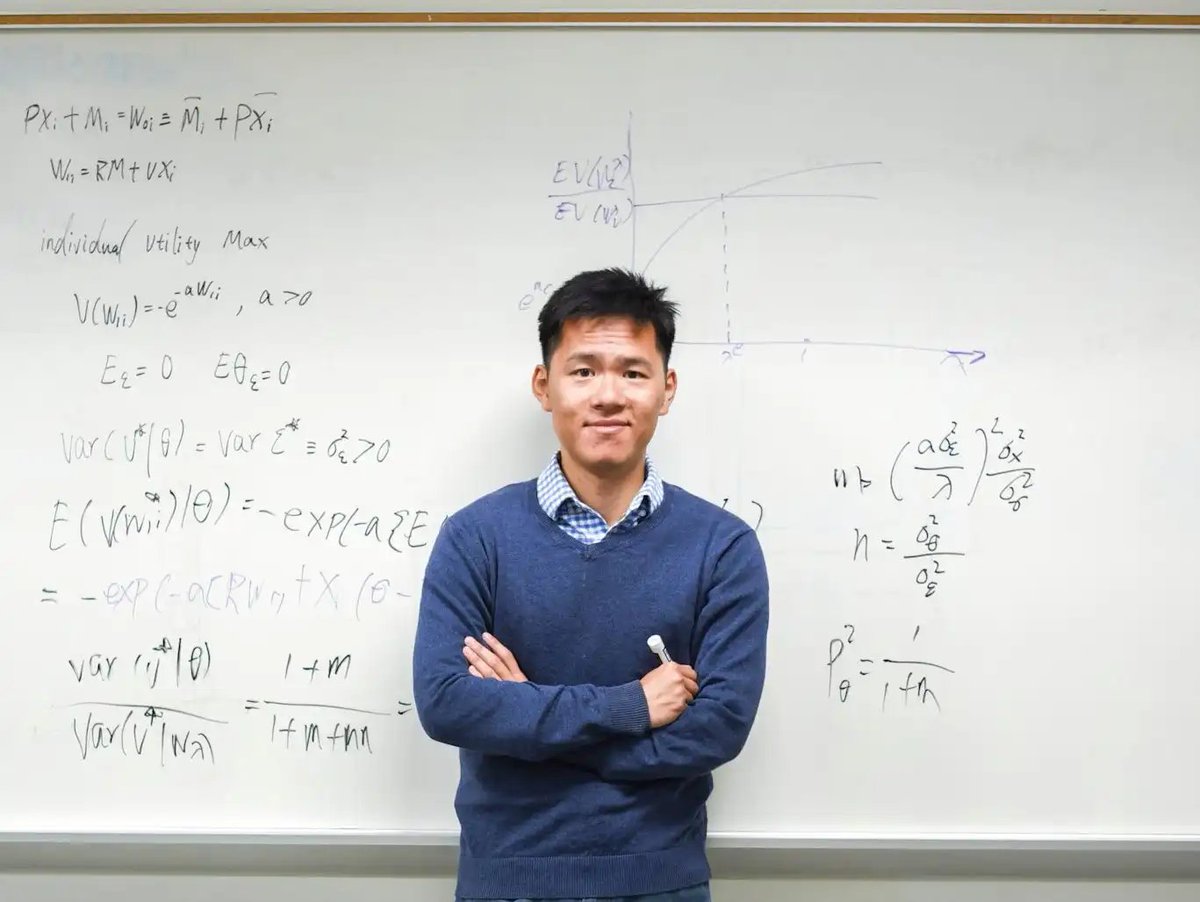
The depicted story is fabricated; the photo shows Haishan Yang, a University of Minnesota PhD student expelled for allegedly using AI on an exam, not cleared at Oxford for an AI critique workflow. No evidence exists for the claimed events. mprnews.org/story/2025/01/… kare11.com/article/news/l…
177
706
3,304
423,287

Dyan Mabunga retweeted

May 11
Yale Üniversitesi siyaset felsefesi üzerine giriş kursu yayınladı. Sokrates, Platon, Aristoteles, Machiavelli, Hobbes, Locke, Rousseau ve Tocqueville'in temel görüşlerini ele alıyor. Otomatik çevir seçeneği ile hedef dilde altyazılı izlenebilir.
youtube.com/watch?v=xhm55mId…
21
1,043
3,638
338,501
Dyan Mabunga retweeted

May 5
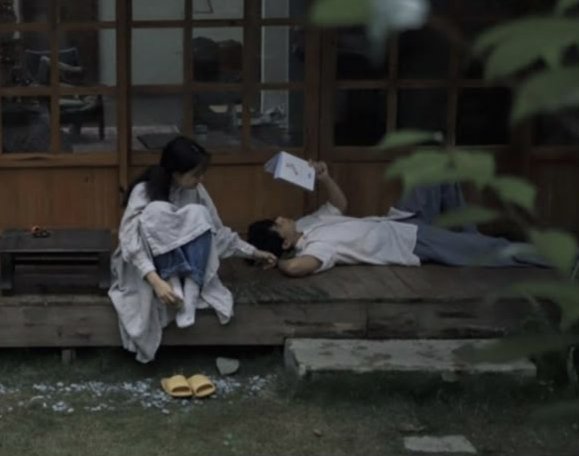
“And love is when someone who even knows your scars, stays to kiss them.”
— Benjamin Griss
16
468
2,359
44,399
Dyan Mabunga retweeted

May 4
Someone said “The slow burn of becoming yourself” and I think that might be one of the most beautiful things I have ever heard. It’s such a good reminder of how much it takes, how much character development, how much change, and beauty and courage it takes to reach your soul and I hope no one ever gives up on becoming themselves because it’s a never ending journey that only gets better.
9
1,258
4,504
94,438
Dyan Mabunga retweeted

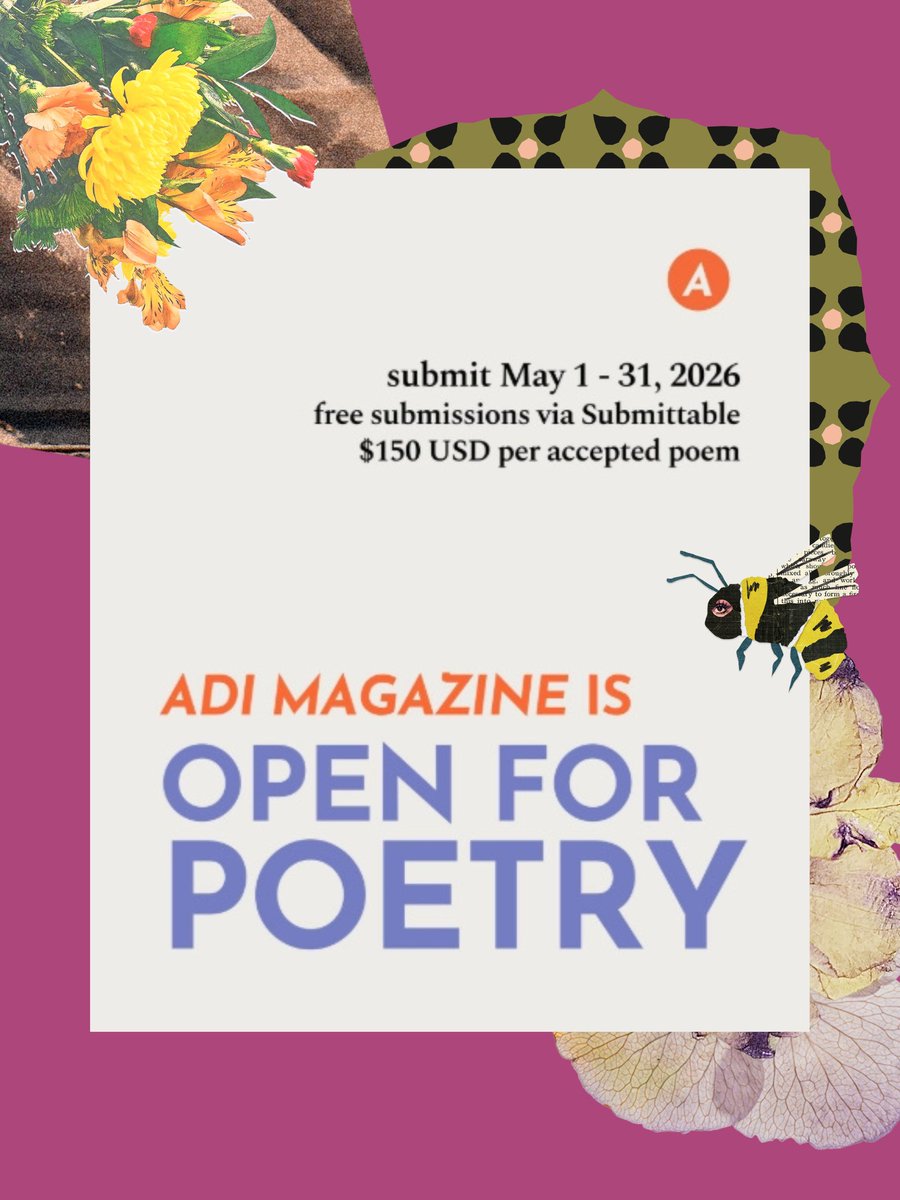
For our poets: @AdiMagazine is open for paid #poetry submissions until May 31st!
🌟 Adi is looking for pieces about practices, ideas, and movements suppressed by economic, socio-cultural, religious, or (neo)colonial powers.
📎Submit here: adimagazine.submittable.com/…
Mwah!
20
55
1,399