Arogya Bharati is a voluntary organization of service minded people and groups who have interest in the health of the society and individuals at all levels.🇮🇳
Joined July 2020
- Tweets 6,525
- Following 610
- Followers 305
- Likes 22,056
887 Photos and videos



ArogyaBharati-DelhiPrant retweeted

20 Nov 2025
SUCCESS : Pinki arrested in the Dheeraj Gupta case. She was absconding for one year. We got an FIR on her last year for filing #falserape case on Dheeraj, a man she never even met, to extort 50 Lacs
Thanks @FBDPolice
Another feather in the cap for @ekamnyaay
110
1,916
6,939
202,291
ArogyaBharati-DelhiPrant retweeted

Jun 10
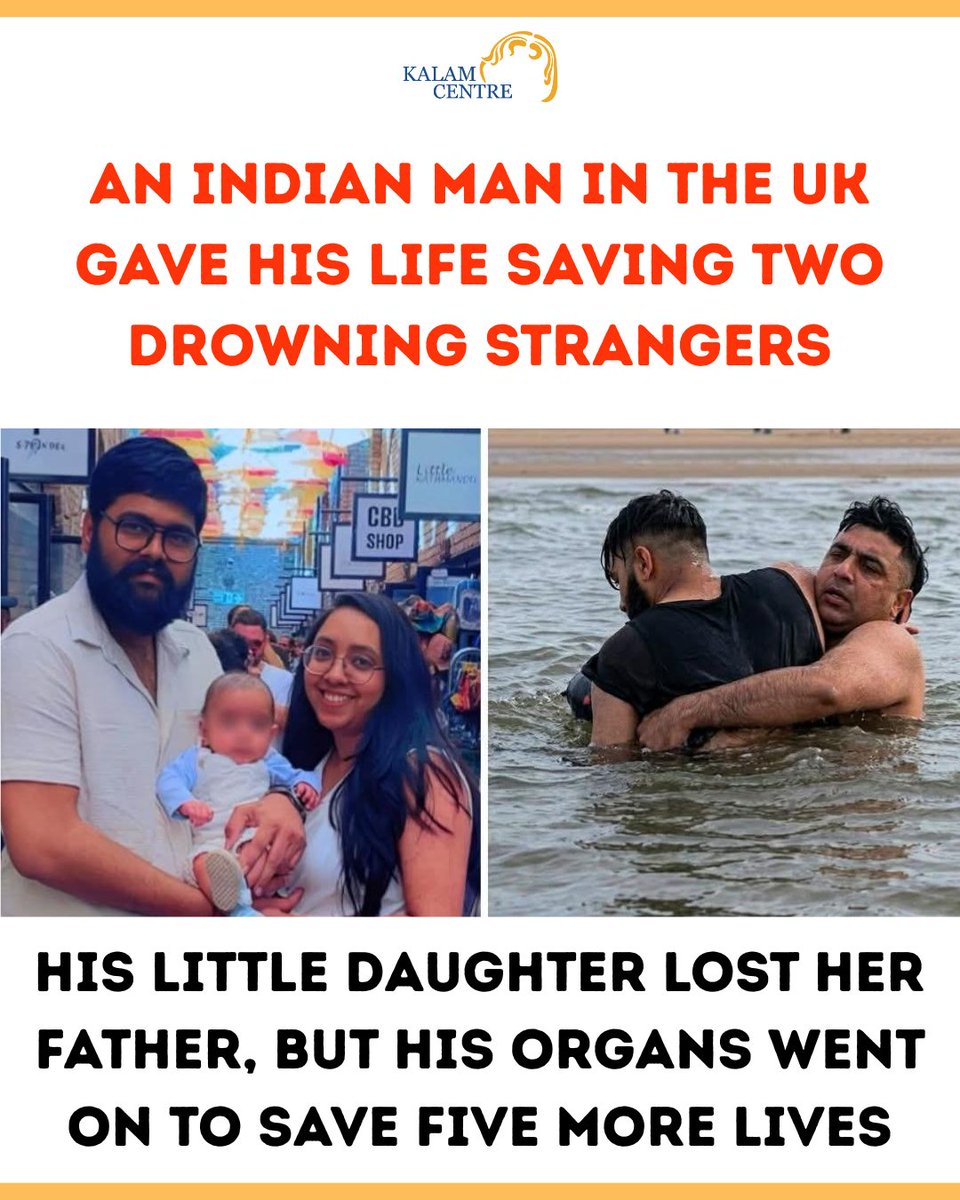
His daughter lost her father.
But five families got their loved ones back. ❤️
What was supposed to be a joyful family outing turned into a tragedy that would change many lives forever.
Rushabh Patel, a 28-year-old father, was spending time with his wife Mili and their 18-month-old daughter Vrumi by the River Great Ouse in the UK.
Then came cries for help.
Two of their friends were struggling in the water.
Without a second thought, Rushabh jumped in.
He didn't stop to calculate the risk.
He didn't wait for someone else to act.
He simply saw people in danger and chose to help.
His courage saved both of them.
But in the process, Rushabh suffered a cardiac arrest and drowned.
A young husband.
A loving father.
Gone far too soon.
For his family, the loss was heartbreaking.
For his little daughter, it meant growing up without her father.
Yet even after his passing, Rushabh continued helping others.
Through organ donation, he gave five people a second chance at life.
Five families received hope.
Five lives were saved.
And a part of Rushabh's legacy continues to live on.
He wasn't a celebrity.
He wasn't a soldier.
He wasn't trying to become a hero.
He was simply a good man who chose compassion over fear.
Sometimes the greatest heroes are ordinary people who make extraordinary choices when it matters most.
❤️🕊️
#RushabhPatel #OrganDonation #RealHero #HumanityFirst #GiftOfLife #Inspiration #LifeSaving #OrganDonor #Kindness #Hero 🕊️❤️
5
35
164
4,981
ArogyaBharati-DelhiPrant retweeted

Jun 10
Please anyone out there pray for my healing. It’s been 20 years of chronic illness.
I’m very, very tired. I just want my health back.
Thank you.
358
161
2,065
21,496
ArogyaBharati-DelhiPrant retweeted

Medical experts from AIIMS and ICMR have validated new, low-cost, made-in-india HPV tests that could revolutionize cervical cancer screening.
Right now, high costs keep these vital tests out of reach for many women. By creating affordable, point-of-care solutions that can be run in local clinics with minimal training, India is taking a huge step toward eliminating cervical cancer entirely.
share.google/t72iYN2SyiCvLOT…
4
21
64
4,934
ArogyaBharati-DelhiPrant retweeted

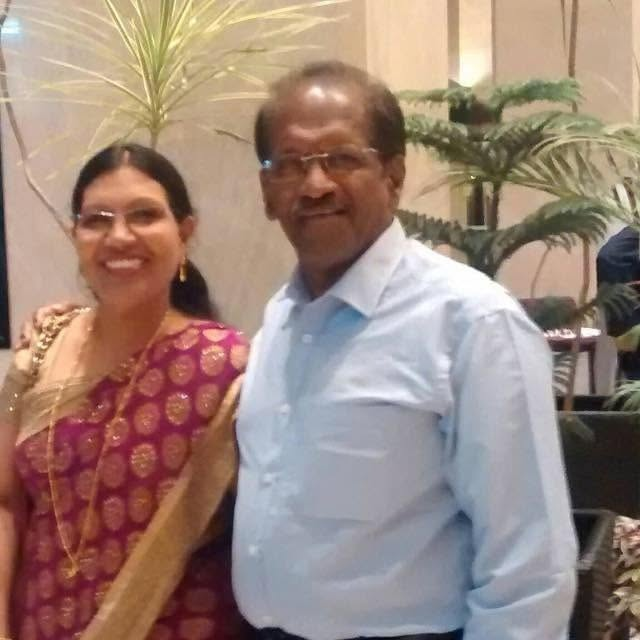
I am 76 today. When I turn back it was poor childhood. Someway death kept itself away and I survived. Later i went to the seminary where I studied religions, English, philosophy. After knowing Jesus is a made up figure I left the seminary ans studied engineering & HR. Taught in college, became a manager, CEO, wrote 35 books, took inspiring sessions. Each day I do 75 minutes' exercise. Weight came down from 85kg 20 years back to 64 now. BP climbed down from high to below 80/120. Eat only twice-good veg, fish, fruit nuts, spices, drinks water & coffee. Enjoy teen like energy. Study how to prevent diseases, keep health span & impart it to all. I am grateful for having got a chance to pass this way. In the cosmic time scale we come & go like a bubble but let us enjoy each moment. We are a part of this universe to which we will return & our energy will remain there for ever.
156
204
996
18,969
ArogyaBharati-DelhiPrant retweeted

Jun 10
We should gather all such stories, publish them as a book and prescribe it as a text in NCERT.
1
2
46

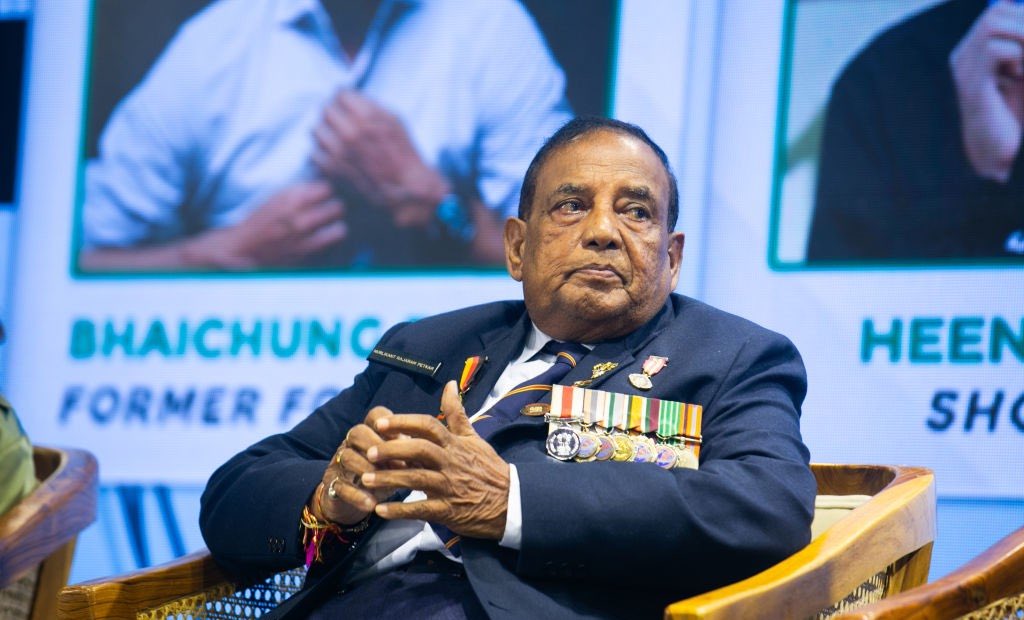
His name is Murlikant Petkar.
He was born on November 1 1944 in Sangli district, Maharashtra. He joined the Indian Army at a young age and served in the Corps of Electronics and Mechanical Engineers.
He was a gifted boxer and represented India at an international services sports meet in Tokyo in 1964.
In 1965, during the war with Pakistan, his life changed in a few seconds.
He was hit by a burst of gunfire. Multiple bullets struck his body. One of them lodged in his spine and could never be removed.
The injuries left him paralysed below the waist.
His boxing career, his army career and the life he had built all ended on that battlefield.
He was around twenty-one years old.
Unable to box anymore, he took up swimming as part of his rehabilitation.
He trained in public pools, often only after able-bodied swimmers had finished for the day, because facilities for disabled athletes were almost nonexistent in India.
He kept going.
In 1972, at the Heidelberg Paralympics in Germany, Murlikant Petkar won the gold medal in the 50-metre freestyle.
He set a world record of 37.33 seconds in the process.
It was the first Paralympic gold medal India had ever won.
For most of his life, the country he had represented and fought for barely acknowledged the achievement.
He never received an Arjuna Award. His Padma Shri came in 2018, more than four decades after his world record.
The bullet from 1965 is still inside him.
A soldier who was left paralysed by enemy fire taught himself to swim and won India its first Paralympic gold medal.
He did it while carrying a bullet in his spine.
Follow for stories India deserves to remember.
13
105
329
4,914
ArogyaBharati-DelhiPrant retweeted
Case Today : Marriage of 18 years. Two children. Daughter is 15 years old
This man lost his brother few years ago. Responsibility of his wife & kids fell on him as they were only two brothers
He slogged hard to provide for two families. His own wife & kids. His deceased brother's wife & kids.
His wife slowly started hating this & also started poisoning the kids that he loves his brother's children more than his own kids. Started creating fights, alienating kids from the father. He tried hard to convince her that he loves everyone but she wouldn't budge. She forced to him take all property in his name so that his brother's wife & kids get nothing. He refused
Complete breakdown of marriage
She took the kids away. Filed cases on the man. He filed for divorce. She came along with her family & beat her up black and blue
His friends came to his rescue and he escaped
This incident happened in 2025
Now his estranged wife has filed complaint in police station alleging sexual abuse of her daughter by father, that friend who helped him and also his minor nephew. She is hell bent on booking them under POCSO & have them all jailed
He has approached for help. We @ekamnyaay are now trying to get him heard so that there is fair investigation
41
709
2,485
90,234
ArogyaBharati-DelhiPrant retweeted

Jun 10
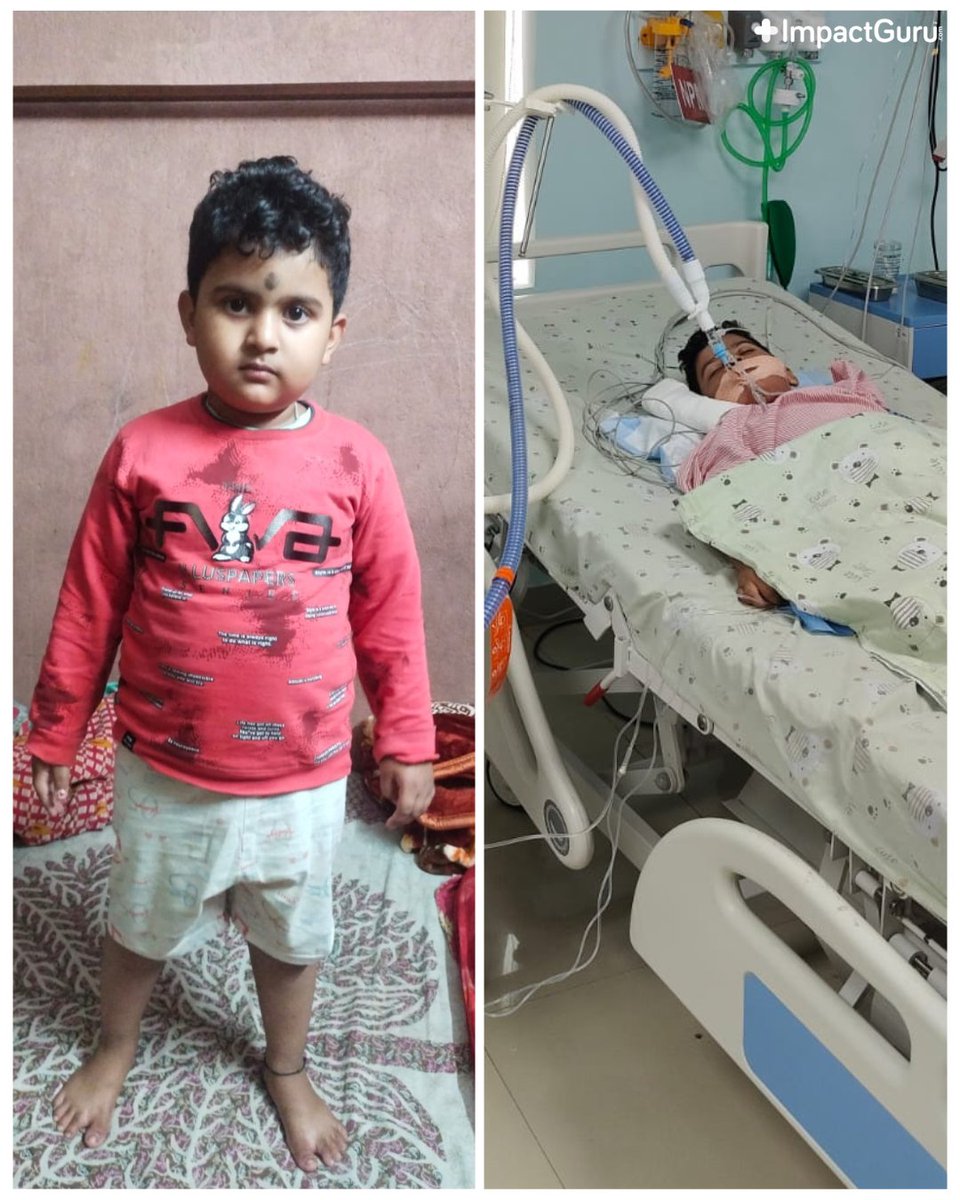
3-year-old Dihanraj was full of laughter just weeks ago. Today, he is fighting severe pneumonia in the PICU, struggling to breathe. His family has exhausted all resources for his treatment and urgently needs support!
Donate & share: impactguru.com/s/iwhQco
3
1
43
ArogyaBharati-DelhiPrant retweeted

Jun 10
@MoHFW_INDIA please look into this. We should not loose honest doctors just because they are questioning companies?
1
6
3,671
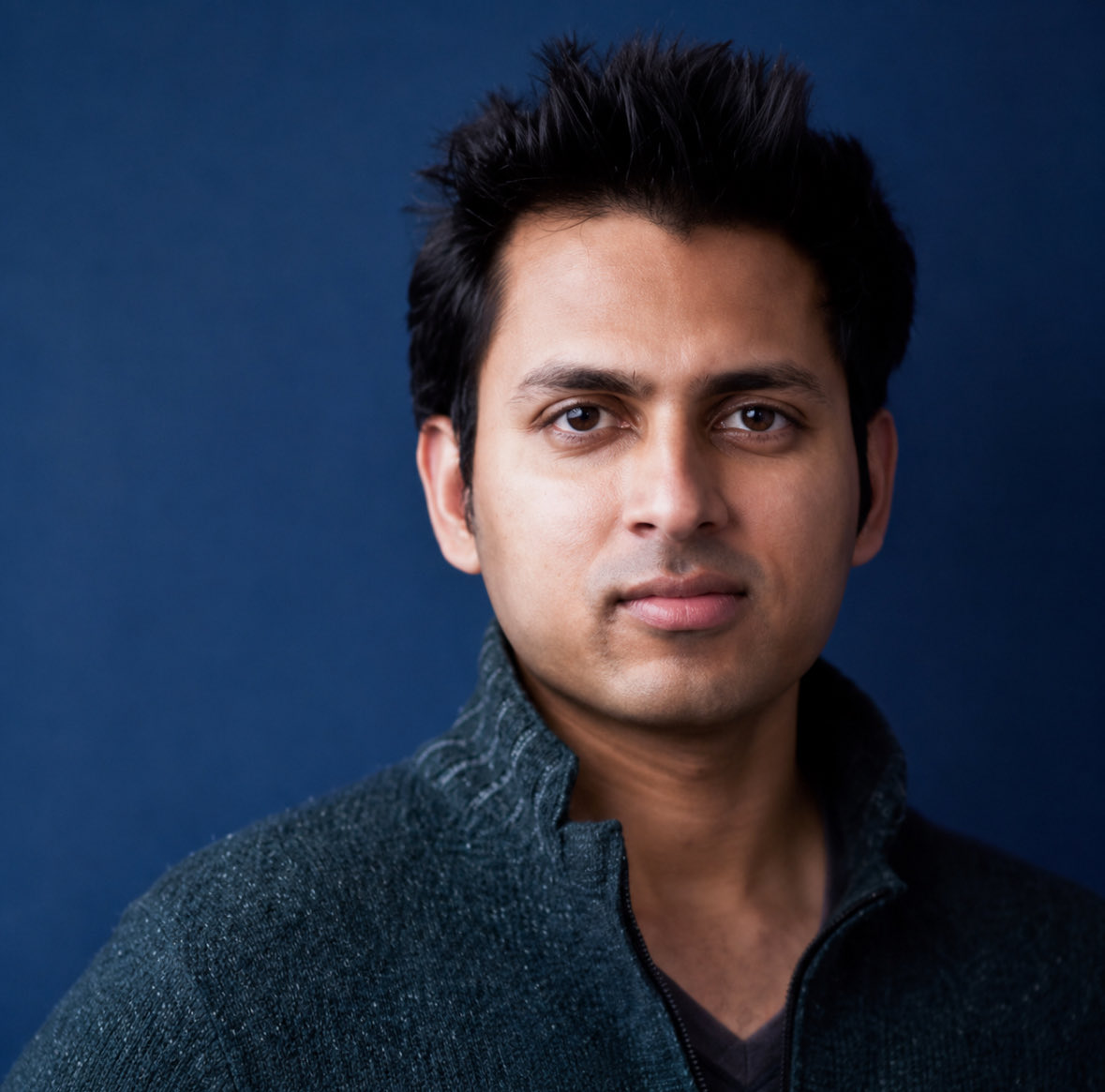
His name is Soumith Chintala.
He grew up in Hyderabad and went to a good school, but he was bad at mathematics. He studied at VIT in Vellore, a college that does not carry the prestige of an IIT.
When he finished his degree and applied to twelve universities in the United States for a master’s programme, every single one rejected him, despite a strong GRE score.
He went to the United States anyway.
He applied again, this time to fifteen universities. All rejected him except two.
In 2010, he joined New York University. There he met a professor named Yann LeCun, who was not yet famous, and began working in his lab on a then unfashionable field called deep learning.
The rejections did not stop.
He applied to DeepMind and was rejected. He applied for jobs across the industry and was rejected.
The only offer he received was for a test engineering role at Amazon.
At one point, a visa technicality nearly forced him to leave the United States. He spent months obtaining a waiver so he could continue his work.
He kept building things in the open and sharing his code freely.
In 2016, while working at Meta, he and a small team released an open-source framework called PyTorch.
It was a tool for building artificial intelligence systems.
Today, PyTorch is one of the foundations of modern AI. A significant share of AI research and products around the world is built using the framework he helped create.
He spent eleven years at Meta before leaving in November 2025 to join a new AI lab.
He was rejected by twelve universities, then fourteen more, then DeepMind, then almost every employer he approached.
The tool he helped build is now used by much of the field that once said no to him.
Follow for stories India deserves to remember.
20
244
942
52,781
ArogyaBharati-DelhiPrant retweeted

I have literally had the worst two weeks of my life and I'm pretty sure nothing will ever be worse. There may be equals, but nothing worse. Losing a child, even if that child is an adult, is the most horrific thing in the world. My 35 year old daughter passed away on June 2nd. I am having a really hard time wrapping my head around it. I don't have anything or anyone to be mad at, even though it was completely out of the blue. She was at work, had a severe asthma attack which caused her to go into respiratory arrest which then went into cardiac arrest. While my heart is broken beyond repair, she left behind a 16 year old son. That boy is the apple of all our eyes. He is the nicest, most gentle thing you could imagine with depths of strength that we all need to strive for. My daughters "boyfriend" was MIA most of the time she was in ICU. He was more worried about agonizing out loud. When it was apparent that she was never coming back to us and I had to make the decision to remove the respirator so that they could use her organs for transplant, her son was with her the whole time. I told him that he did not need to be there for that, but he said he wanted to. He held her hand the whole time. I am glad he did. He will never regret it. He might have regretted not being there. The "boyfriend?" Haven't seen him since 4 days before that. She went out as a hero. They gave her an honor walk because she was giving gifts to people that needed them. I'm not sure of all the recipients, but I do know she saved a 55 year old man with her heart and I believe a 28 year old female with either a kidney or liver. If I'm able to, I want to meet the heart recipient. I want to hear my daughter heart beating. Just make sure you live your life like it's you last day and love like you will not see someone again. Try not to hate or leave with bad blood. I am lucky that the last time her and I talked, it was a nice fun conversation. I do want to say that she wasn't just my daughter, she was one of my best friends.

1,426
482
7,388
125,552
ArogyaBharati-DelhiPrant retweeted

Jun 9
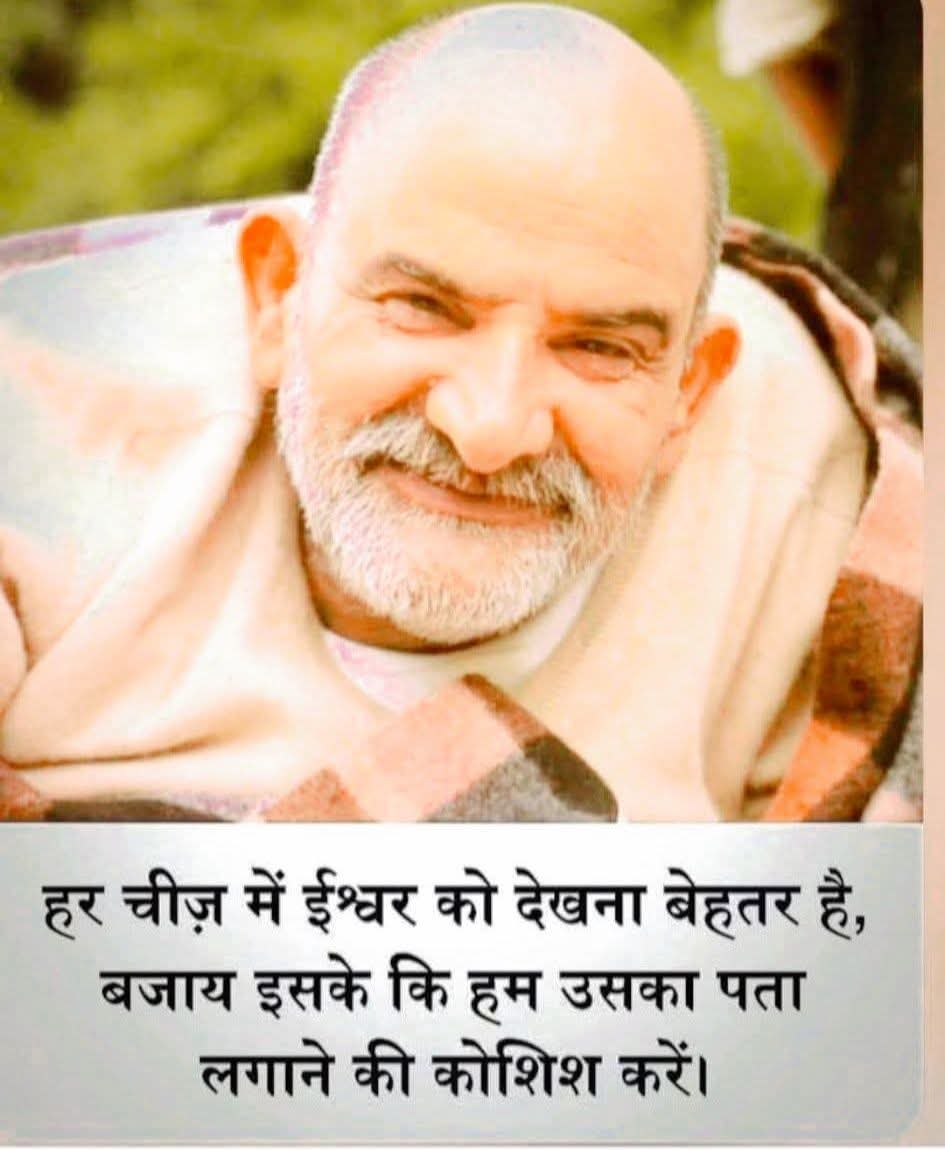
अच्छी खबर ज़रूर मिलेगी, दिल से राम राम लिख दो...
15
10
94
958
ArogyaBharati-DelhiPrant retweeted

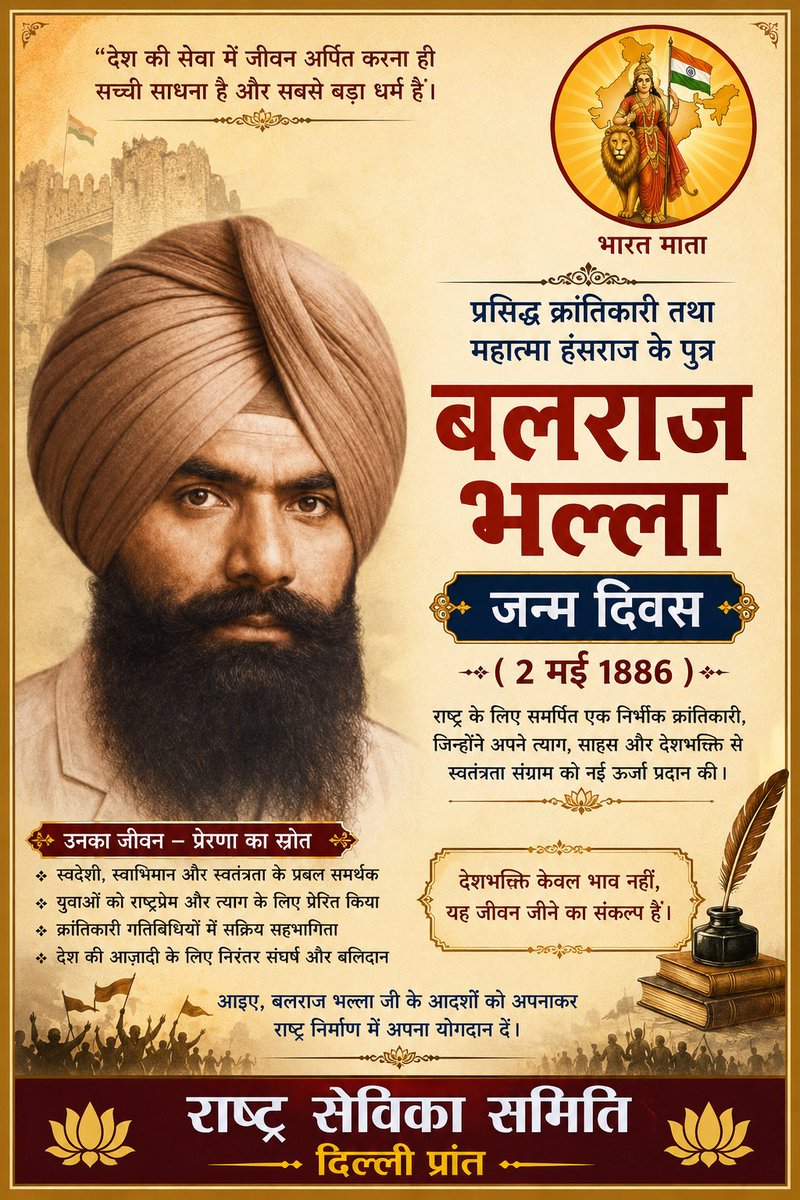
इतिहास के पन्नों में अमर: क्रांतिकारी बलराज भल्ला जी की जयंती पर विशेष नमन! 🚩आज 10 जून को हम भारत के एक ऐसे गुमनाम महानायक का स्मरण कर रहे हैं, जिन्होंने देश की स्वतंत्रता के लिए अपना सब कुछ दांव पर लगा दिया।
महात्मा हंसराज जी के सुपुत्र श्री बलराज भल्ला जी का जन्म आज ही के दिन 1888 में गुजरांवाला (पंजाब) में हुआ था।
उनके जीवन के मुख्य संघर्ष: अल्पायु में देशभक्ति: मात्र 17 वर्ष की उम्र में ही वे देश के स्वतंत्रता संग्राम से जुड़ गए थे।क्रान्तिकारी आंदोलन का नेतृत्व: वायसराय लॉर्ड हार्डिंग पर बम फेंकने के मामले तथा 'लाहौर षड्यंत्र केस' में उन पर मुकदमा चला और उन्हें कठोर कारावास की सजा दी गई।अधिकारों के लिए संघर्ष: उन्होंने भगत सिंह और अन्य क्रांतिकारियों के साथ राजनीतिक कैदियों के अधिकारों के लिए ऐतिहासिक भूख हड़ताल में भी भाग लिया था।उच्च शिक्षा और त्याग: उच्च शिक्षित होने के बावजूद (M.A. 1911) उन्होंने आराम का जीवन चुनने के बजाय देश सेवा का कठिन मार्ग चुना।ऐसे राष्ट्रभक्त जिन्होंने अपनी युवावस्था देश की स्वतंत्रता की वेदी पर होम कर दी, उनके चरणों में देश सदैव नतमस्तक रहेगा।
आइए, आज के दिन उनके विचारों और राष्ट्र के प्रति उनके समर्पण को याद कर उन्हें सच्ची श्रद्धांजलि अर्पित करें। ✨#BalrajBhallaJayanti #MahatmaHansraj #RevolutionaryIndia #UnsungHeroes #PrideOfIndia #VandeMataram
1
1
36
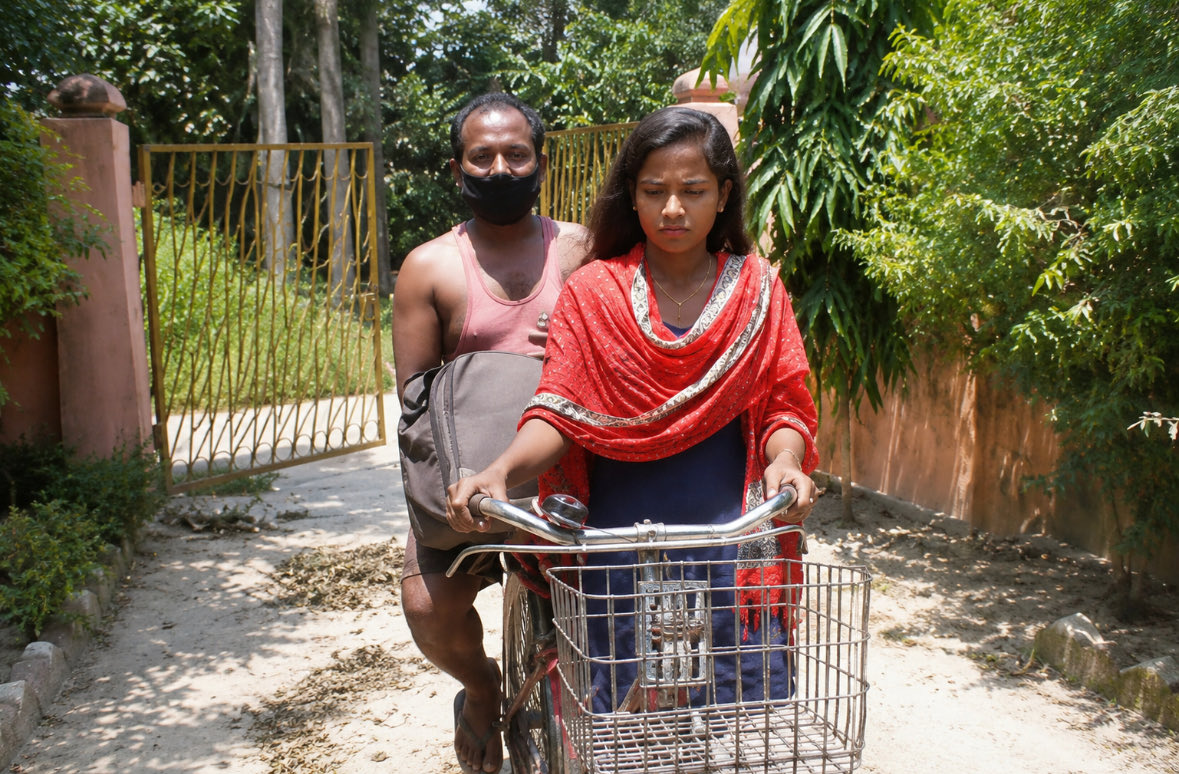
Her name is Jyoti Kumari.
In 2020, she was 15 years old, a Class 8 student from Sirhulli village in Darbhanga, Bihar. Her father, Mohan Paswan, drove a rickshaw in Gurugram, more than a thousand kilometres from home.
Early that year, he was injured in a road accident and lost his ability to work. Jyoti travelled to Gurugram to look after him.
Then the lockdown came.
With no income, the rent went unpaid. Their landlord pressured them to pay or leave and cut their electricity twice.
Public transport had stopped. A truck driver demanded Rs 6,000 to take them home, money they did not have.
Between them, they had about Rs 600.
So Jyoti made a decision that many adults would have hesitated to make.
She bought a second-hand bicycle for around Rs 500, seated her injured father on the carrier, and began the journey back to Bihar.
Over the next seven days, she travelled roughly 1,200 kilometres. She rode through the summer heat on highways crowded with migrant workers trying to get home.
At night, they slept at petrol pumps. Strangers gave them food. Occasionally, passing vehicles carried them for short stretches.
She kept going until they reached their village.
The story spread across India and around the world. The Cycling Federation of India invited her for a trial.
She later received a national child award and spoke with the Prime Minister.
For a time, the girl who carried her father home became a symbol of the resilience shown by millions of Indians during the lockdown.
A year later, in May 2021, Mohan Paswan died of a cardiac arrest at home.
Jyoti had cycled 1,200 kilometres to bring her father back.
She got one more year with him.
Follow for stories India deserves to remember.
22
205
680
16,454
ArogyaBharati-DelhiPrant retweeted

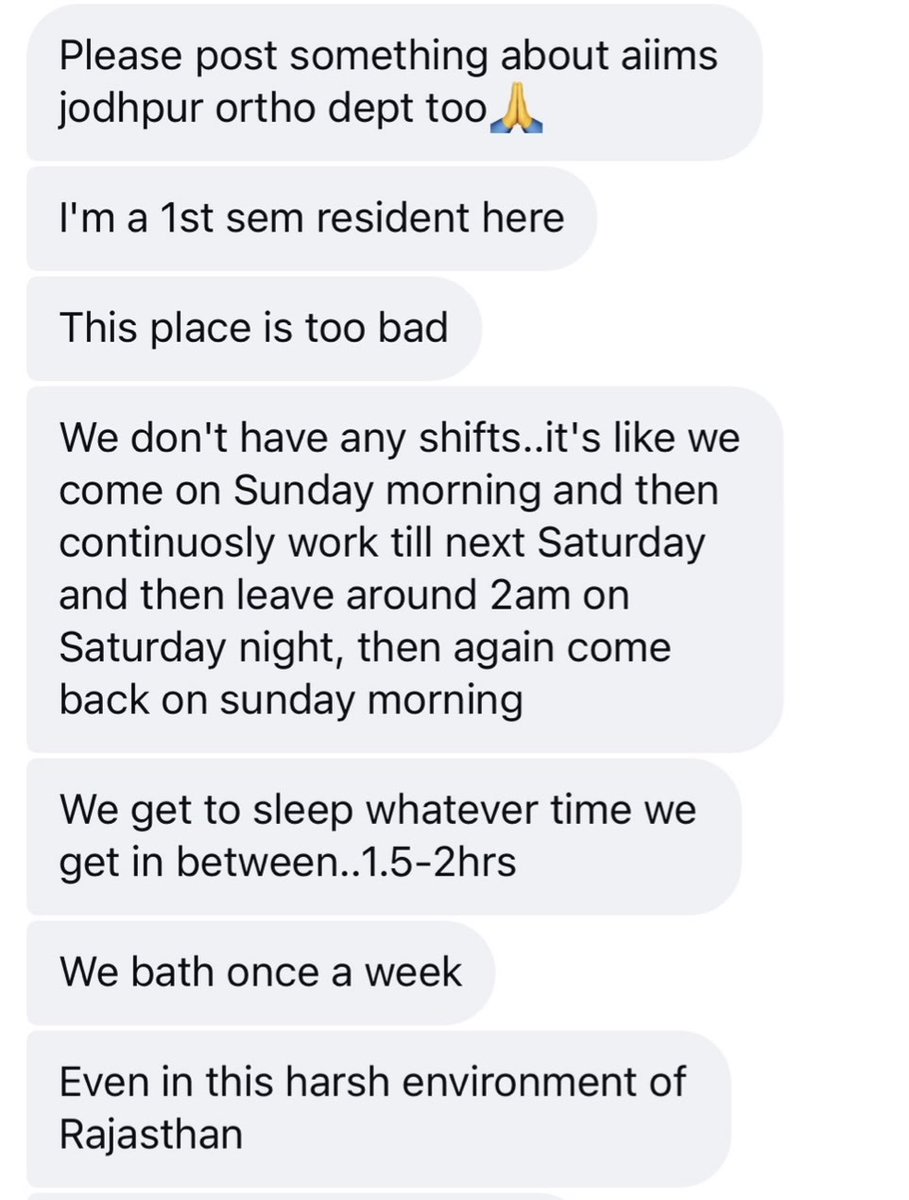
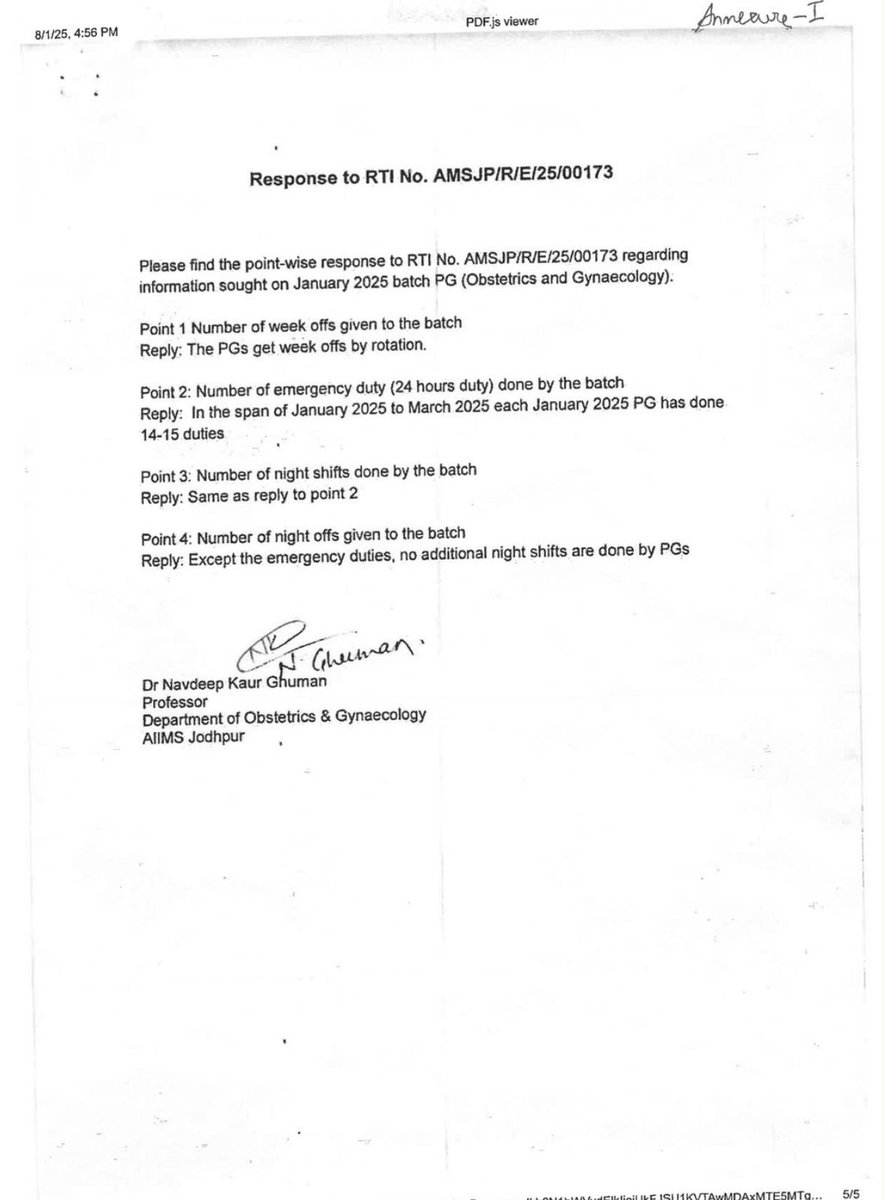
AIIMS Jodhpur Orthopaedics Dept: Sunday morning to next Saturday 2 AM — continuous 140 hour duty with ZERO shifts.
1st-sem resident testimony:
- Sleep: just 1.5–2 hrs in between
- Bath: once a week in Rajasthan’s harsh heat
- “This place is too bad”
Even the RTI (O&G dept) admits PGs did 14–15 emergency 24-hr duties in just 3 months. Yet AIIMS guidelines, NMC regulations & court orders on duty hours exist only on paper. Departments continue this systemic torture.
United Doctors Front’s exposé “THE AIIMS JODHPUR SLAVERY” has documented it all.
@aiims_jodhpur @NMC_BHARAT @MoHFW_INDIA
Enforce the rules in practice, not just on files. Protect your own doctors. Residents deserve basic dignity & safe working hours.
#StopMedicalSlavery #ResidentRights #AIIMSJodhpur
6
40
106
7,389
ArogyaBharati-DelhiPrant retweeted

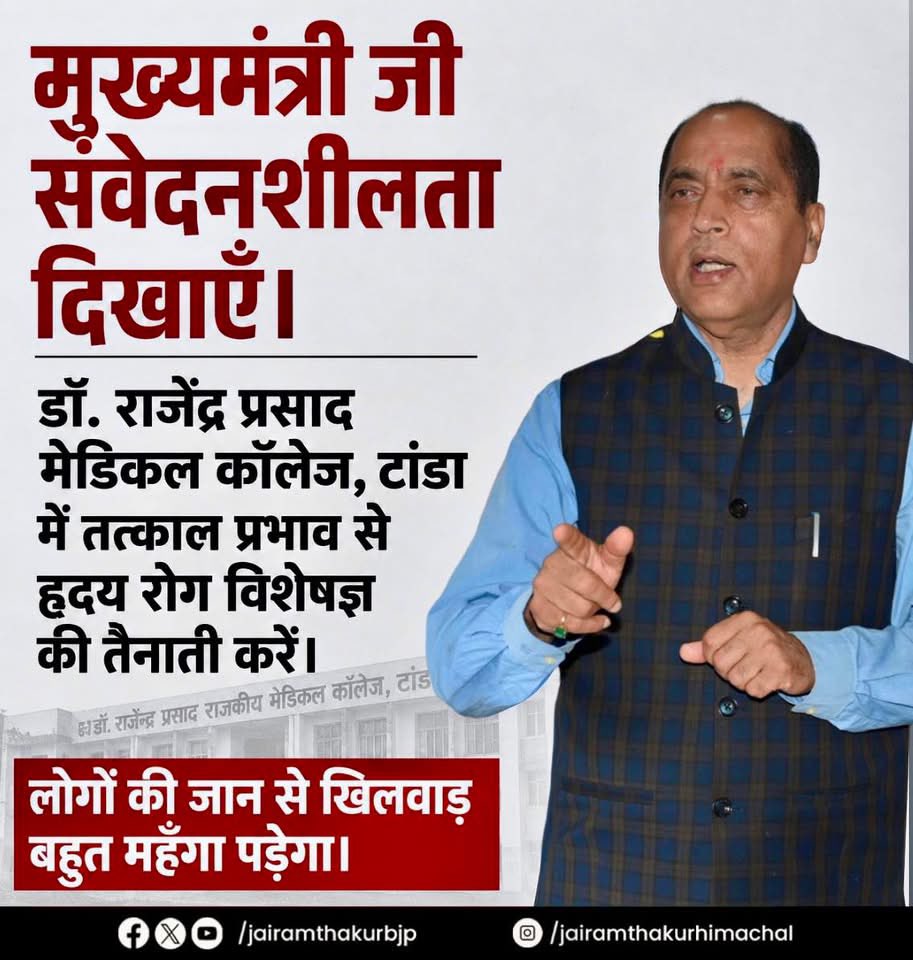
मुख्यमंत्री जी से आग्रह है कि लोगों की जान से खिलवाड़ बंद करें और डॉ राजेंद्र प्रसाद मेडिकल कॉलेज में हृदय रोग के विशेषज्ञ की तैनाती करें।
5
16
391
ArogyaBharati-DelhiPrant retweeted

12
174
415
2,480
ArogyaBharati-DelhiPrant retweeted

Jun 5
They belonged to Dalit class . Where are you @BhimArmyChief ? Any words of condolences for them ?
Where are Dalit lovers?
5
22
136
3,034