
sufficiently out of the clutches of the state to be posting ☢️
Joined August 2017
- Tweets 30,174
- Following 3,002
- Followers 1,512
- Likes 196,465
2,761 Photos and videos









May 29
Hayekian literary criticism sounds baller actually. Is anyone working on this
May 28

You were getting a degree in literature; there’s no such thing as Hayekian literary criticism
3
371

dellulled retweeted

May 25
James free, Kauffman booted.
What a day lmao

3
13
77
1,266
May 25
Celebrate the size of this massive W by giving our boy more money
Jan 11

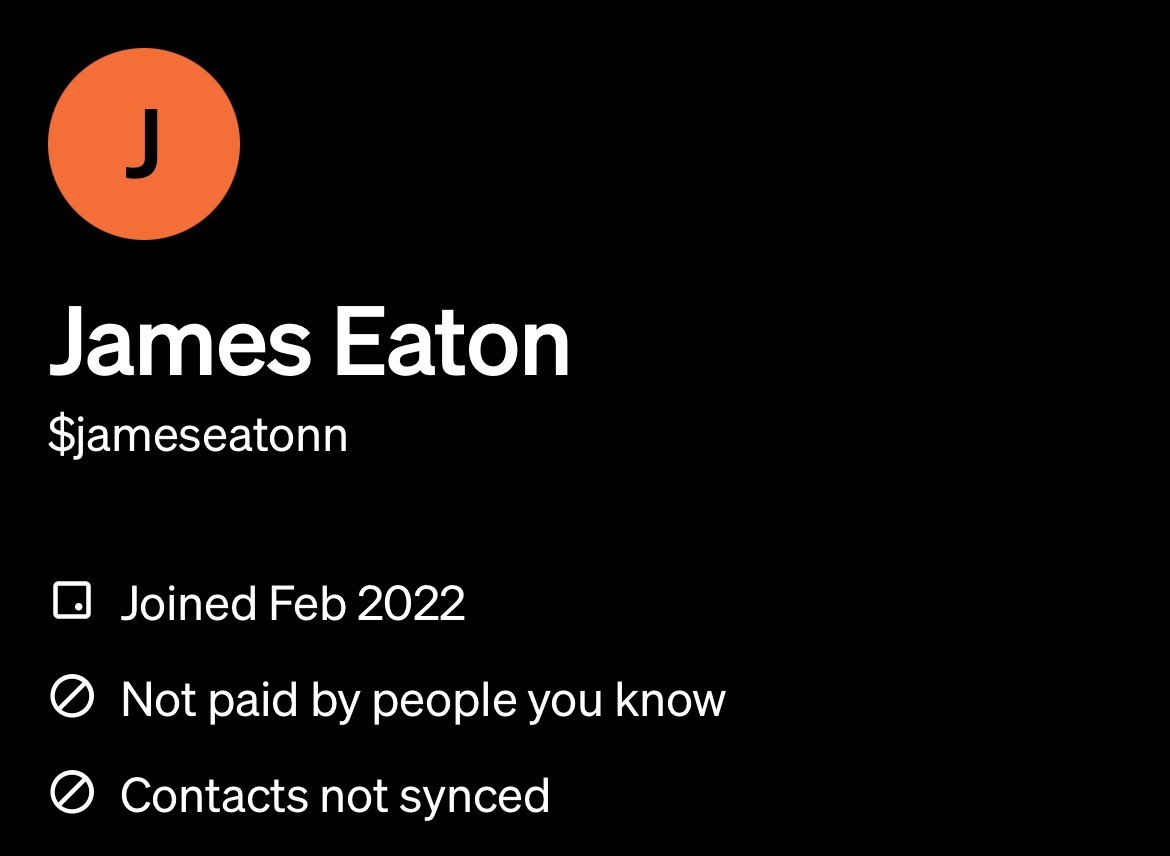
This is James’ cashapp, I have no idea yet if he’ll need legal fund contributions or anything but pay him anyway just so he can buy some good vinyls
2
8
290
dellulled retweeted

May 25
Congrats, James!
May 25

On the United State's motion. I suspect James was gonna win his motion to suppress (the US says as much).
United States' motion:
storage.courtlistener.com/re…
Ruling on the motion:
storage.courtlistener.com/re…
Without prejudice, so we'll see if they try again.

1
23
60
2,389
dellulled retweeted
May 25
On the United State's motion. I suspect James was gonna win his motion to suppress (the US says as much).
United States' motion:
storage.courtlistener.com/re…
Ruling on the motion:
storage.courtlistener.com/re…
Without prejudice, so we'll see if they try again.
2
7
31
4,284
May 25
James’ case has been dismissed!! Thank you to everyone who’s been keeping up with this. Hopefully we’ll hear from him on here again soon!
Jan 11
James Konkin did NOTHING wrong
1
15
44
3,216
Apr 7
Many thanks to @PacingJouska for helping keep us current on this
James has a new trial date. June 1. New scheduling order as of 2/9. Not on RECAP/CourtListener.
1
8
509
Apr 22
Apr 22

I no longer identify as a libertarian, because I no longer believe in the political process.
It’s hard to put into words, but I just don’t see how the current system is beneficial, and I don’t want to participate in it any longer.
5
51
1,820
dellulled retweeted

Worth pointing out that all the "perverse incentives, unintended consequences, limitations on knowledge available to planners, and so forth" which apply to economics and war-making also apply in the areas of "abortion, drugs, pornography, and sexuality in general."
Apr 9

While many libertarians are, from a postliberal point of view, awful on social issues – abortion, drugs, pornography and sexuality in general – they often produce penetrating critiques of economic and war-making policy that identify perverse incentives, unintended consequences, limitations on knowledge available to planners, and so forth. Yes, these arguments are often deployed in the service of an excessively rigid attachment to the market and excessive hostility to state power. Absolutely true. But it would be foolish to throw the baby out with the bathwater and neglect the real problems they raise – just as (as postliberals have long rightly emphasized) it is foolish dogmatically to refuse to acknowledge that there are insights in some left-wing criticisms of capitalism. (As always, Thomists have the advantage of following Aquinas’s wise example of being willing to acknowledge and incorporate insights from any quarter.) In my opinion, one of the insights of postliberalism – certainly of postliberalism informed by Thomism and Catholic social theory – is that we need to be less ideological about public policy, and acknowledge how much of the details depend on prudential judgment under contingent circumstances and cannot be deduced a priori from first principles (whether libertarian, neoliberal, Rawlsian egalitarian liberal, or socialist first principles).
1
5
38
2,140


dellulled retweeted
James has a new trial date. June 1. New scheduling order as of 2/9. Not on RECAP/CourtListener.
2
8
23
1,399
dellulled retweeted

Apr 6
James Konkin trial tmr. Hope everything goes well for him
14
52
1,227

dellulled retweeted

this is good and should be done with everything #killintellectualproperty

imagine being the person who originally wrote this concept for a meme and never seeing a single cent from some youtuber getting a movie deal from it

22
182
1,995
62,506
dellulled retweeted

Mar 29
You, specifically, deserve to be displaced by new residents.
1
42
1,602
dellulled retweeted

Mar 29
skrillex should bring back jack u and just replace diplo with dylan brady
34
320
3,269
66,517