
Joined September 2009
- Tweets 73,731
- Following 4,559
- Followers 4,521
- Likes 49,204
5,261 Photos and videos







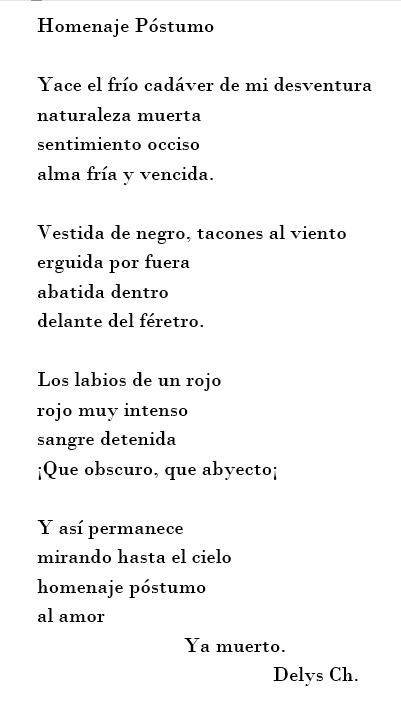





El aeropuerto internacional de maiquetía necesita esas pequeñas habitaciones que se alquilan solo por horas. Para llegar a tiempo al check in de madrugada.
28
Delys María retweeted

ORANGE POSSET, aka the easiest dessert you'll ever make.
9
158
1,519
109,863
Yo no puedo creer esto:

🇧🇷 | Una mujer de 21 años murió durante un salto de cuerda de 40 metros en Limeira, Brasil, después de que los organizadores olvidaran sujetar la cuerda de seguridad.
30
Delys María retweeted

Jun 13
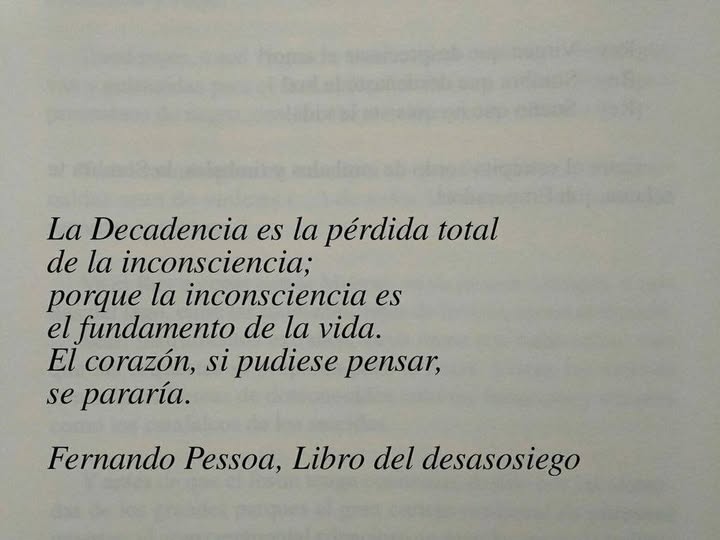
«El corazón, si pudiese pensar, se pararía»
Fernando Pessoa
5
164
735
17,376

Jun 9
Miss Understood Vol.2: The Baby-Making Files. Are young ovaries really "safer"?
linkedin.com/pulse/miss-unde…
6
Delys María retweeted

Jun 7
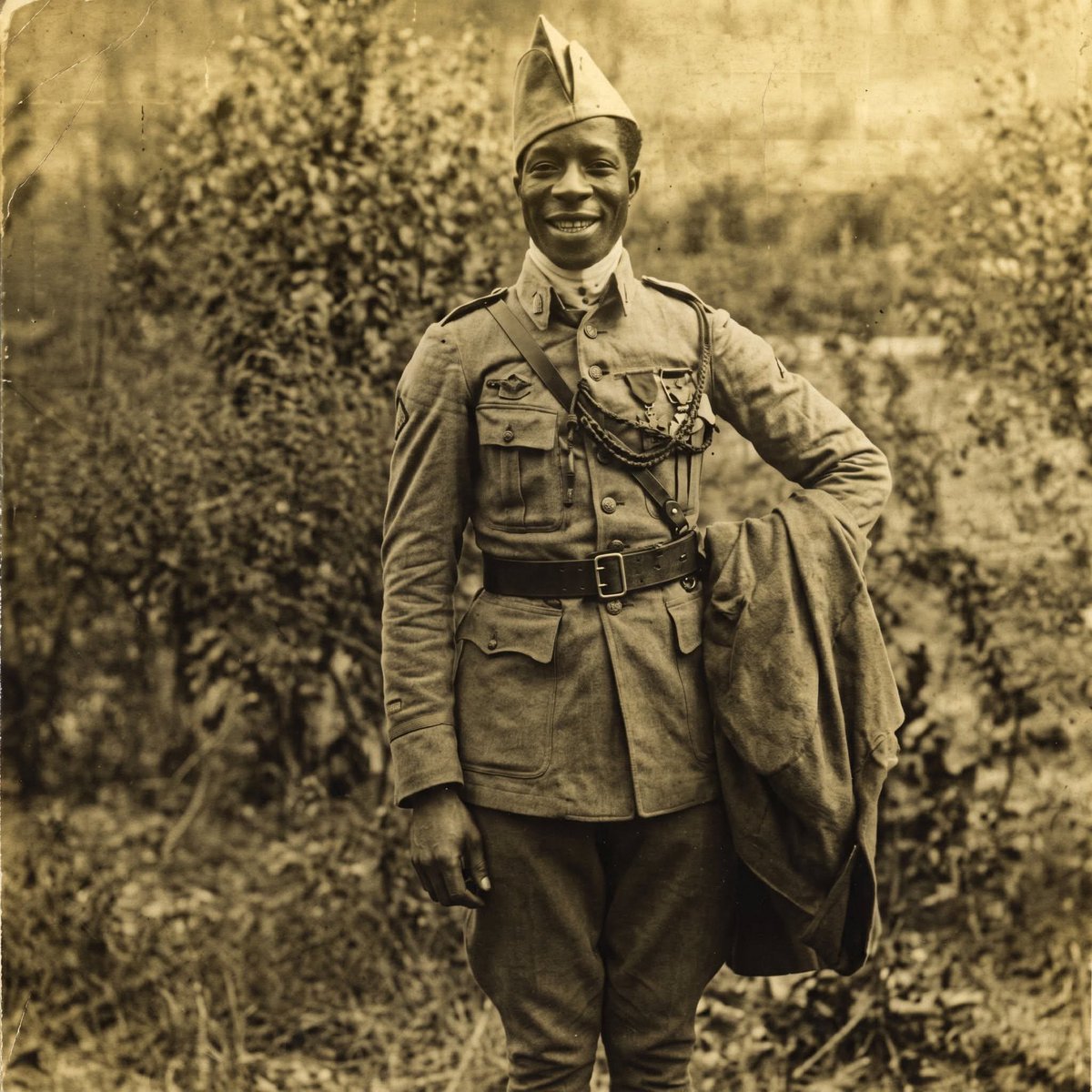
When the President of France visited the United States in April 1960, he asked the FBI to help him find a man.
The man he was looking for was an American citizen. He was sixty-four years old. He had been awarded fifteen French military decorations and — six months earlier, in a ceremony in Paris — had been made a Knight of the Légion d'honneur, the highest civilian honor France can give. The medal had been pinned to his chest by the President himself, who had publicly called him un véritable héros français. A true French hero.
The FBI located the man within a few days.
He was operating an elevator at Rockefeller Center in New York City.
The elevator operator's name was Eugene Bullard. He had been born in Columbus, Georgia, in 1895, the son of a man whose own father had been a slave.
He had run away from Columbus at the age of eleven, after watching a white mob nearly lynch his father.
He spent the next several years drifting through the American South. At sixteen, he stowed away on a German freighter at Norfolk, Virginia. He landed in Aberdeen, Scotland. From there he made his way to London, where he learned to box. By 1913, at eighteen, he was prizefighting in Paris.
When Germany invaded France in August 1914, Bullard was nineteen years old. He had no legal obligation to fight. He had no French citizenship.
He went to the recruiting office on October 19, 1914, and signed up for the French Foreign Legion.
He spent the next eighteen months as an infantryman in some of the worst fighting of the war — at the Somme, at Champagne, at Verdun. He was wounded three times. The third wound, on March 5, 1916, tore open his thigh and left him with permanent damage to his leg.
He was twenty years old. The doctors told him he would not return to the infantry.
He decided he wanted to fly.
In a Paris café in the spring of 1916, while he was recovering, Bullard mentioned to three white American friends that he was thinking of joining the French air service. A Mississippian named Jeff Dickson laughed.
Gene, Dickson said, you know damn well there aren't any Negroes in aviation.
Bullard answered: Sure do. That's why I want to get into it. There has to be a first to everything, and I'm going to be the first.
Dickson bet him two thousand dollars he would not make it.
Bullard took the bet. He earned his pilot's license on May 5, 1917. He won the bet.
He reported to the front in August 1917 and flew approximately twenty combat missions over the next three months in a SPAD VII. The fuselage was painted with a bleeding heart pierced by a knife and the French phrase Tout le Sang qui Coule est Rouge — All Blood that Flows is Red.
He carried, on every combat flight, a small capuchin monkey named Jimmy in the front of his flight jacket.
The French press began calling him L'Hirondelle Noire — the Black Swallow.
When the United States entered the war in 1917, Bullard immediately applied to transfer to the U.S. Army Air Service.
His application was rejected.
The U.S. Army Air Service had a policy, in 1917, of not accepting Black pilots. The other American pilots flying for France in his unit, all of them white, were transferred to the U.S. Air Service.
He was the only one who was not.
For the next twenty years, he was one of the most familiar faces in the Montmartre nightlife of Paris between the wars. He owned a nightclub called L'Escadrille. He spoke fluent French, English, and German. Hemingway drank there. Fitzgerald drank there. Langston Hughes drank there. Josephine Baker performed there. Louis Armstrong was a personal friend.
When Germany invaded Poland in 1939, Bullard was forty-four. His fluent German and his ownership of a nightclub frequented by German officers made him useful to the French Resistance. He became an intelligence agent — eavesdropping in his own bar on conversations between German officers who did not know he understood every word.
When France fell in June 1940, friends in the Resistance smuggled him across the Spanish border before the Gestapo could arrest him.
He came back to the United States for the first time in twenty-eight years.
He arrived in New York with thirty dollars in his pocket and a permanent limp.
He did not return to a hero's welcome. He returned to a country that had no idea who he was.
He worked at a perfume counter. He worked as a security guard. He worked at the Staten Island shipyards. By the late 1940s, he had taken the job that he would hold for most of the rest of his life.
He operated the elevator at Rockefeller Center.
He was wearing the elevator uniform on the day a producer from NBC came down from the studios upstairs to ask if he was the man Charles de Gaulle had been looking for.
A few weeks later, NBC sent a film crew to interview him in the lobby. The studios where NBC produced The Today Show were on the floors above. He had operated the elevator that took the network executives up to those studios every morning for nearly ten years. He had not been recognized as he did it.
He went back to operating the elevator the following Monday.
He died of stomach cancer on October 12, 1961, three days after his sixty-sixth birthday.
He was buried in the French War Veterans' section of Flushing Cemetery, in Queens, in the uniform of the French Foreign Legion. The casket was draped with the French flag.
In 1994 — thirty-three years after his death — the United States Air Force formally commissioned Eugene Jacques Bullard as a Second Lieutenant, posthumously.
It was the first commission the U.S. military had ever offered him.
He had been the first Black combat pilot in American history.
The French had been calling him a hero since 1917.
The Americans got around to it in 1994.
397
5,208
18,304
601,397
Delys María retweeted

Jun 7
Chunchuna Villafañe, actriz, arquitecta y modelo argentina. Pero esta escena de La historia Oficial (1985) es mucho más que un momento icónico del cine argentino y mundial.
Habla del sufrimiento infligido no solo por los represores, sino también por quienes, convertidas en cómplices, reprodujeron dentro y fuera de la cárcel las mismas lógicas de vigilancia, control y castigo.
Habla también, de manera sutil y silenciosa, de un lugar que fue refugio durante el exilio: CARACAS, ciudad que acogió a miles de latinoamericanos expulsados por las dictaduras del Cono Sur.
Y, por si fuera poco, esta escena nos recuerda un arte que parece perdido, el de mandar a alguien a la mierda con una elegancia supina. Sin gritar. Sin aspavientos. Sin perder jamás la dignidad.
Me encantó porque con los años me he hecho también muy experta en comprarle boletos de ida y sin retorno a la gente tóxica a tan pestilente lugar.
1
11
28
1,411
Delys María retweeted

Behind the scenes of Patrick Swayze and Jennifer Grey's arduous training for the legendary screen lift at the end of Dirty Dancing (1987)
The emotional explosion from these experimental dance steps formed the foundation for the iconic screen lift that has gone down in cinematic history.
4
59
368
41,846
Delys María retweeted

Mi sobrina más pequeña...
"Tío, puedes hacer Ramen para almorzar en la oficina"...
Listo, embalado para Delivery
😂😂😂😂😂😂😂😂😂

2
4
89
Jun 4
García Márquez: 100 años de Soledad.

¿Qué es la vida?
• Dostoievski: El infierno.
• Sócrates: Una prueba.
• Aristóteles: La mente.
• Nietzsche: El poder.
• Freud: La muerte.
• Marx: La idea.
• Picasso: El arte.
• Gandhi: El amor.
• Schopenhauer: El sufrimiento.
• Bertrand Russell: La competencia.
• Steve Jobs: La fe.
• Einstein: El conocimiento.
• Stephen Hawking: La esperanza.
• Kafka: Solo el comienzo.
1
56
Jun 4
Algunos negocios ofrecen delivery. Pero se vuelven locos cuando se pide comida por delivery, como que el dinero del que compra no vale, mandan lo peor de sus comidas.
1
31


Jun 4
Confiando en el proceso del antibiótico, demasiados días bajo el dominio del virus.
1
42


Jun 4
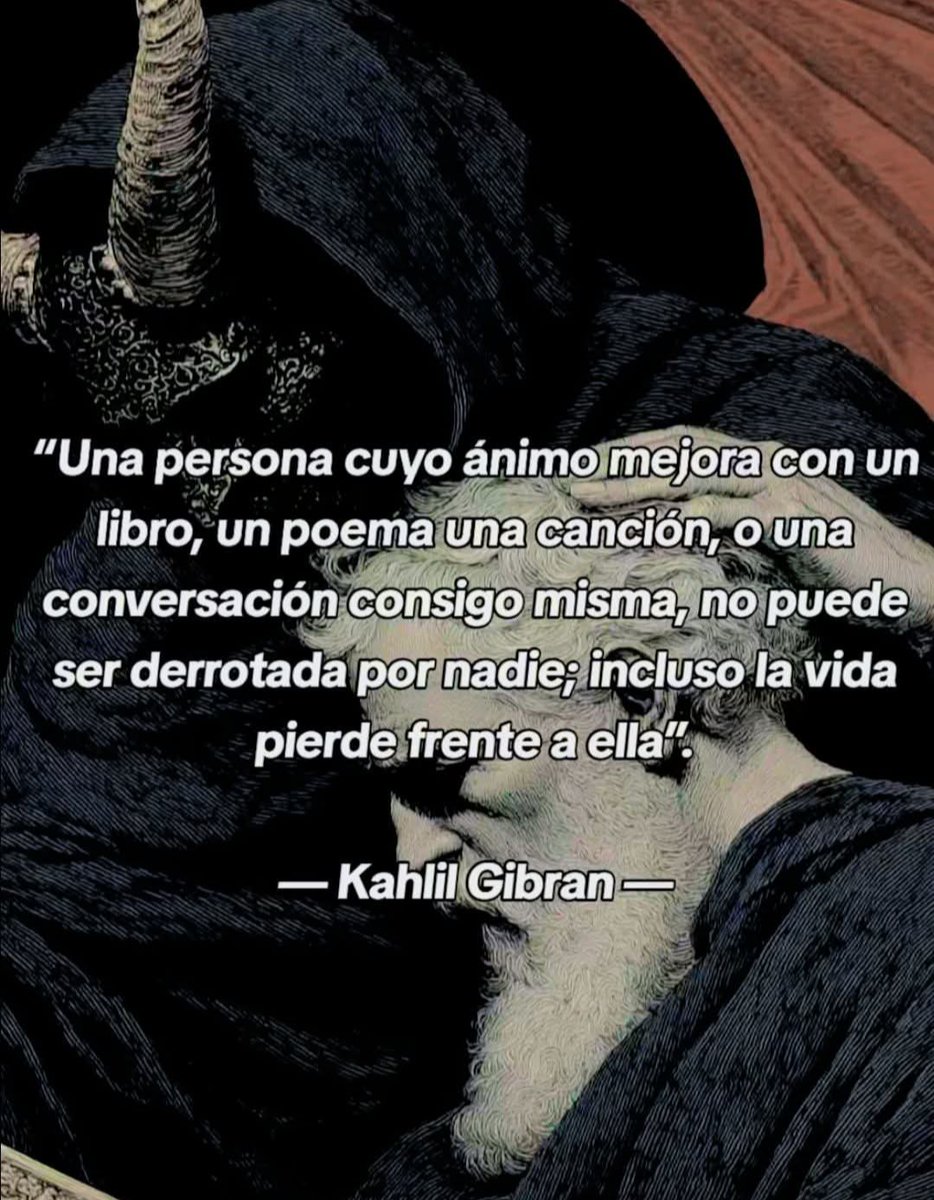
Siempre me ha gustado esa frase... yo la paso con café tinto.
Jun 3


3
25
Jun 4
Esto me hizo llorar.

A los 13 años, el cerebro de tu hijo deja de escucharte...
18