
Derad Network makes the sky safer
Joined September 2024
- Tweets 751
- Following 683
- Followers 2,898
- Likes 1,611
352 Photos and videos










Derad Network retweeted

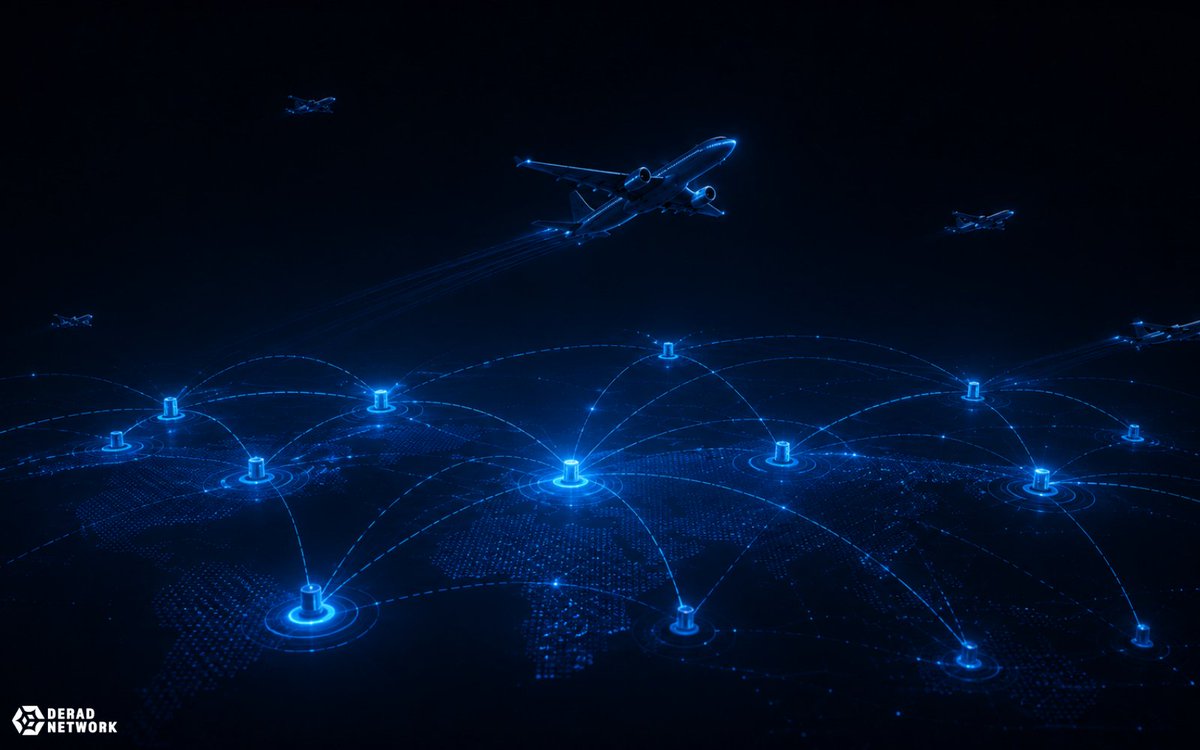
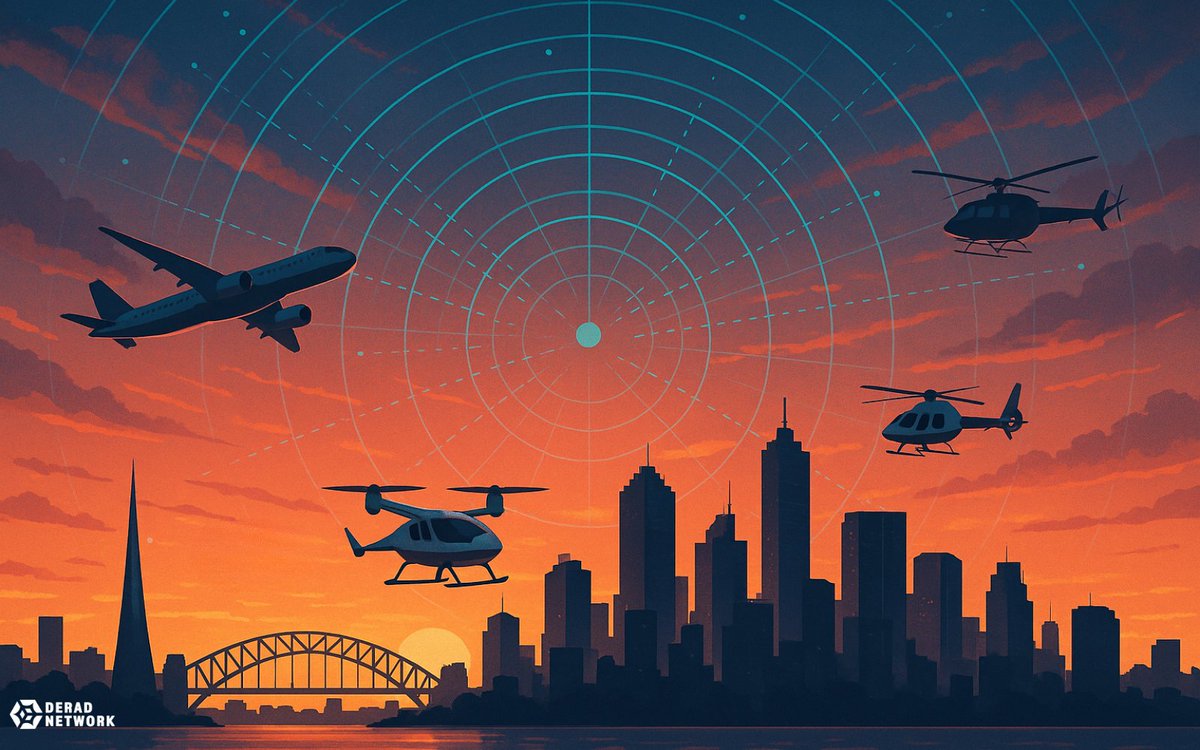
The future of aviation starts with better awareness.
Every signal counts. Every second matters.
@deradnet is building a decentralized ADS-B network that enhances real-time visibility across the skies, helping create a safer and more connected aviation ecosystem.

1
17
1,199
Derad Network retweeted

Jun 12
Most people looking at a flight map will never think about where that data comes from.
I do.
Every day, my ground station listens to aircraft overhead and contributes data to a growing aviation network.
It's not a control tower. It's not a government system. It's a small piece of infrastructure helping improve visibility in the skies.
That's what I find interesting about @deradnet
You're not just watching aviation evolve, you can actively contribute to the data layer that supports it.
One ground station might seem small.
But thousands of contributors working together can create something much bigger: a more connected and accessible airspace network for everyone.
The future of aviation infrastructure won't be built by a handful of organizations alone.
It will be built by people.
✈️🌍
#DeradNetwork #DePIN #Aviation #ADSB #Airspace

24
6
82
2,891

The future of aviation depends on one thing: awareness
Every signal matters. Every second counts
@deradnet is building a decentralized ADS-B network that improves visibility across the skies, creating safer & more connected airspace
Better data. Better awareness
Safer skies

2
31
1,161

Jun 11
Aircraft tracking is only the beginning.
The real value lies in the data infrastructure behind it.
Reliable, continuous, and globally distributed data can support everything from airspace monitoring to future aviation systems.
Derad Network is building that infrastructure, one ground station at a time.
6
6
31
519
Jun 10
Evidence, not assumptions.
Aviation works best when decisions are powered by real-time data, not guesswork. Derad Network turns distributed signals into actionable intelligence
6
4
41
1,200
Jun 9
From signal to insight.
From scattered receivers to a connected network.
From isolated data points to a clearer view of the skies.
5
7
34
1,556

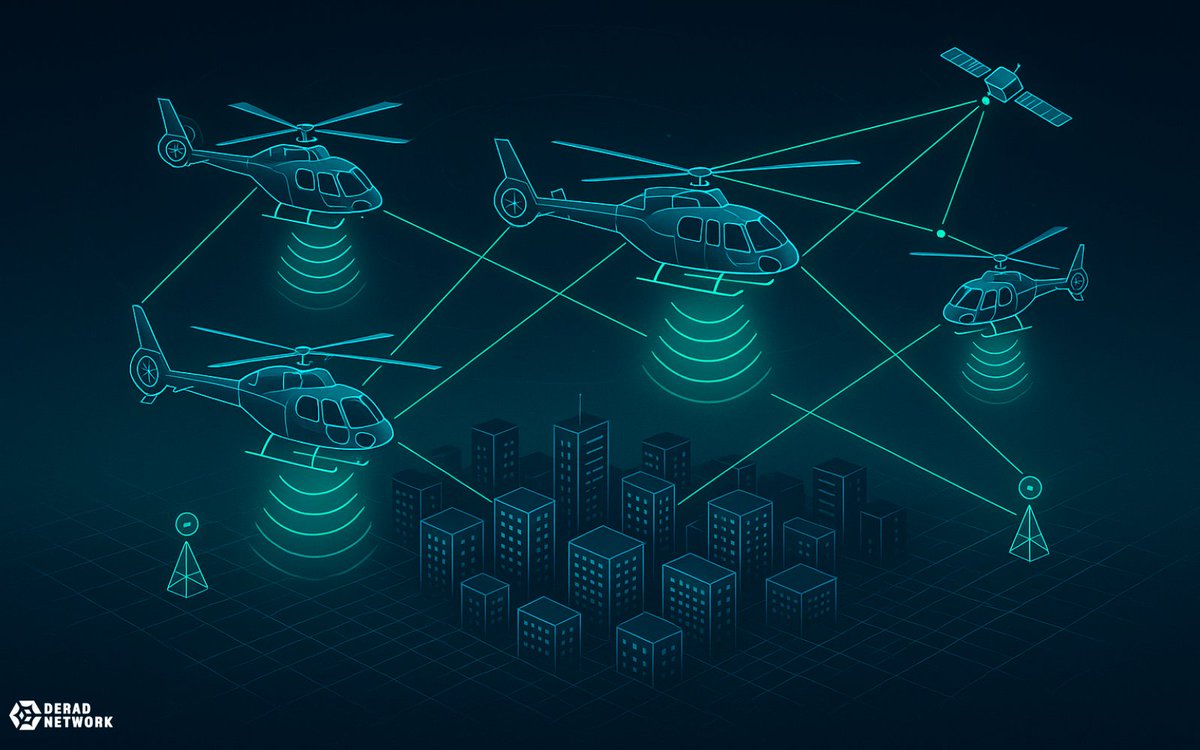
Centralized trackers can fail or filter.
@deradnet flips the model: distributed ground stations worldwide capture raw ADS-B, validate onchain, store forever on Arweave.
No blind spots in critical ops for emergency response.
Decentralization = clarity when it matters most.
2
20
1,379


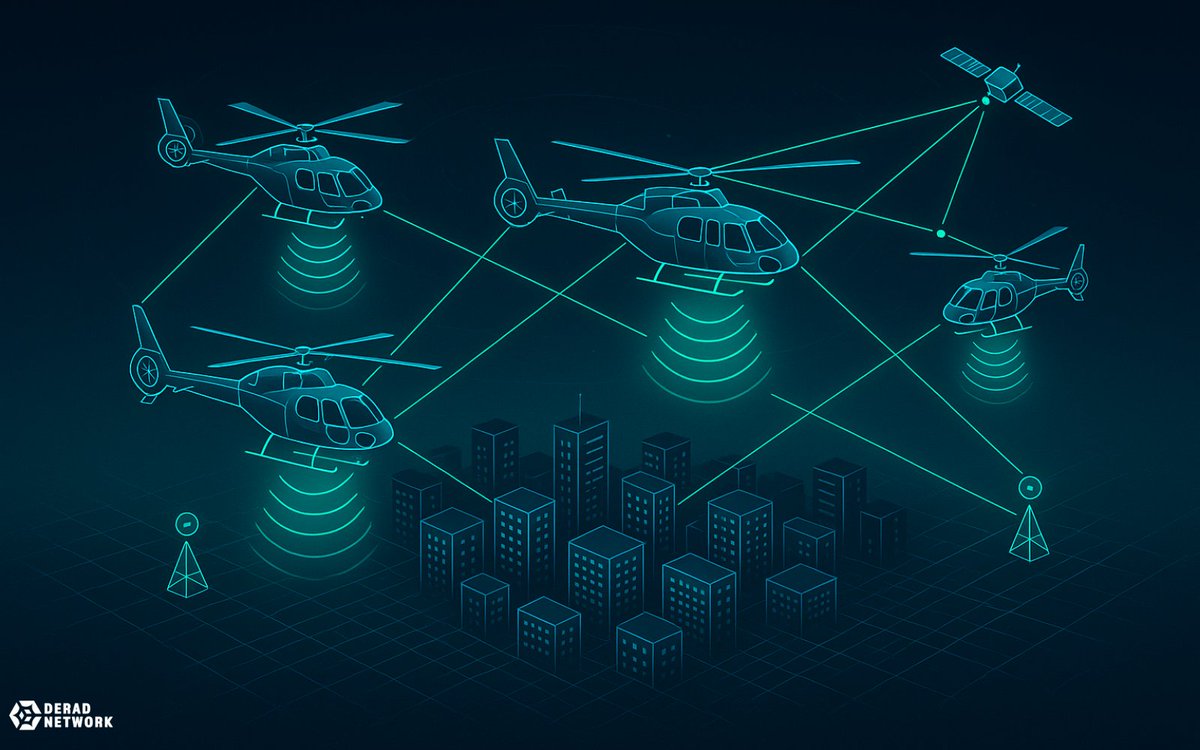
The future of aviation isn't just about new aircraft.
It's about trust.
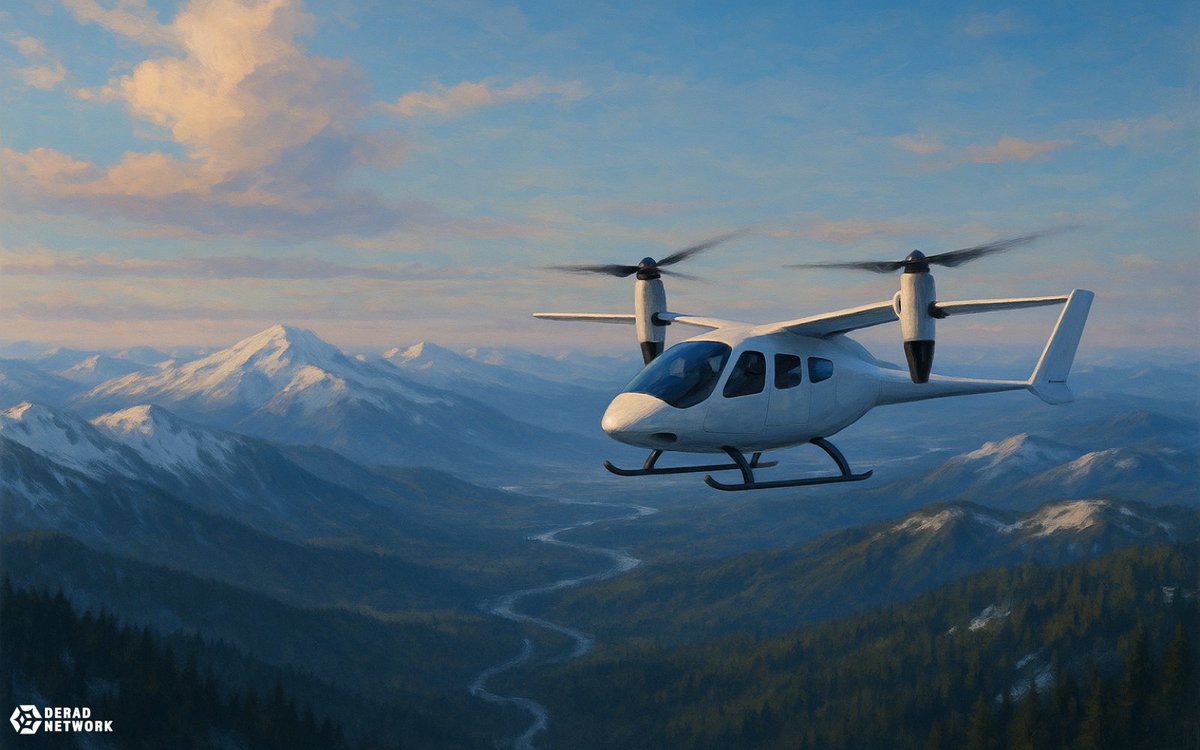
As drones, air taxis, and autonomous flights enter the sky, reliable data becomes critical
That's why @deradnet is building a trusted airspace layer where signals are captured, verified, and shared openly
1
8
26
1,197
Jun 4
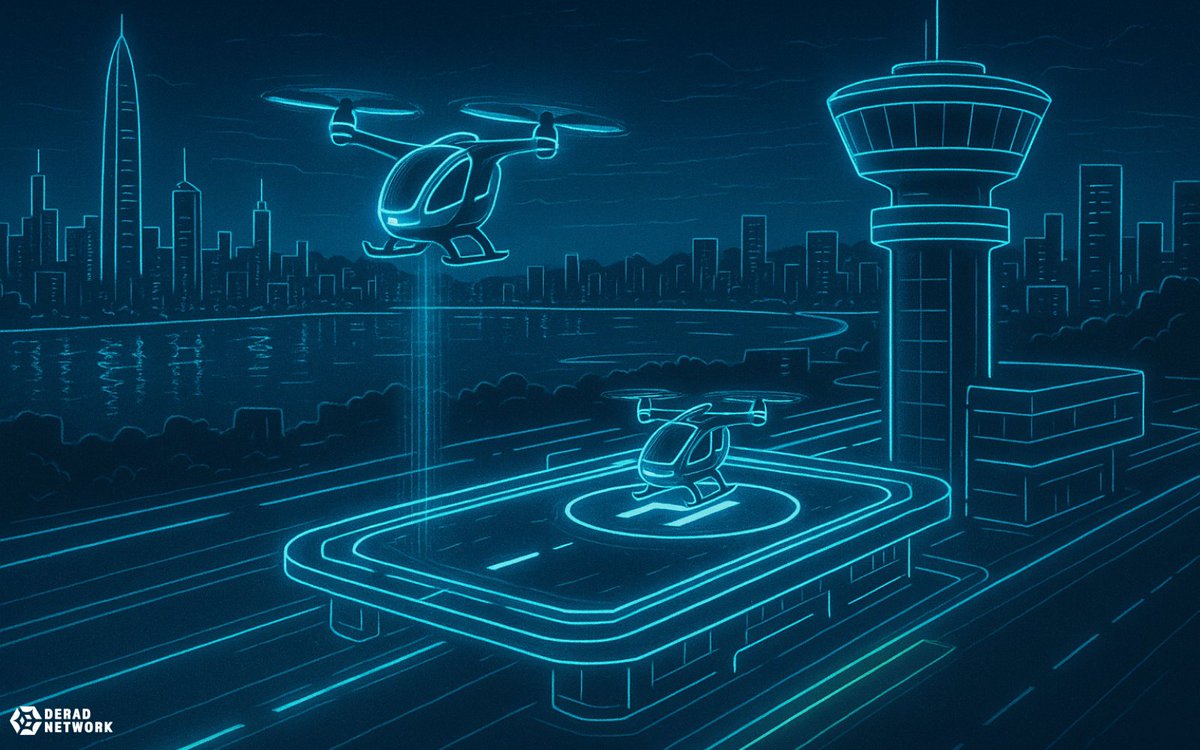
Vertiports may become the gateways of urban air mobility.
But every connected airspace starts with connected data.
That's where Derad Network contributes by helping expand decentralized aviation data coverage.
9
9
38
1,534
Derad Network retweeted

Jun 3
Most people don't realize how much of aviation still depends on volunteers.
The ADS-B ecosystem that powers a huge portion of aircraft tracking today exists because hobbyists choose to keep their receivers online. That's impressive. But it's also a weak point.
As aviation becomes more data-driven, reliability stops being optional. Drone delivery, autonomous air operations, and next-generation logistics need infrastructure that is available by design, not by goodwill.
That's what caught my attention about Derad Network.
Instead of hoping coverage appears where it's needed, they're creating incentives for people to deploy ground stations in underserved regions. The model aligns network growth with real-world demand. Better coverage. Better uptime. Better data.
The bigger insight here isn't aviation.
It's that decentralized networks work best when incentives solve an actual infrastructure problem.
Web3 doesn't need more dashboards and speculation. It needs systems that make critical services more resilient, accessible, and scalable.
The question isn't whether decentralized infrastructure can compete with traditional models.
The question is: where else are we still relying on volunteers when the world needs professionals?
@deradnet #DePIN #AviationTech

28
31
2,000
Everyone talks about the future of aviation.
Few talk about the infrastructure problem behind it.
Drone delivery. Air taxis. Autonomous aircraft.
None of it scales if airspace data remains patchy and unreliable.
That’s why @deradnet stands out.
Instead of relying on volunteers, it incentivizes a global network of ADS-B ground stations to expand coverage where it matters most.
More coverage. Better data. Stronger airspace awareness.
Not just tracking aircraft.
Building the data layer future aviation will run on. ✈️
1
5
27
1,284
Jun 2
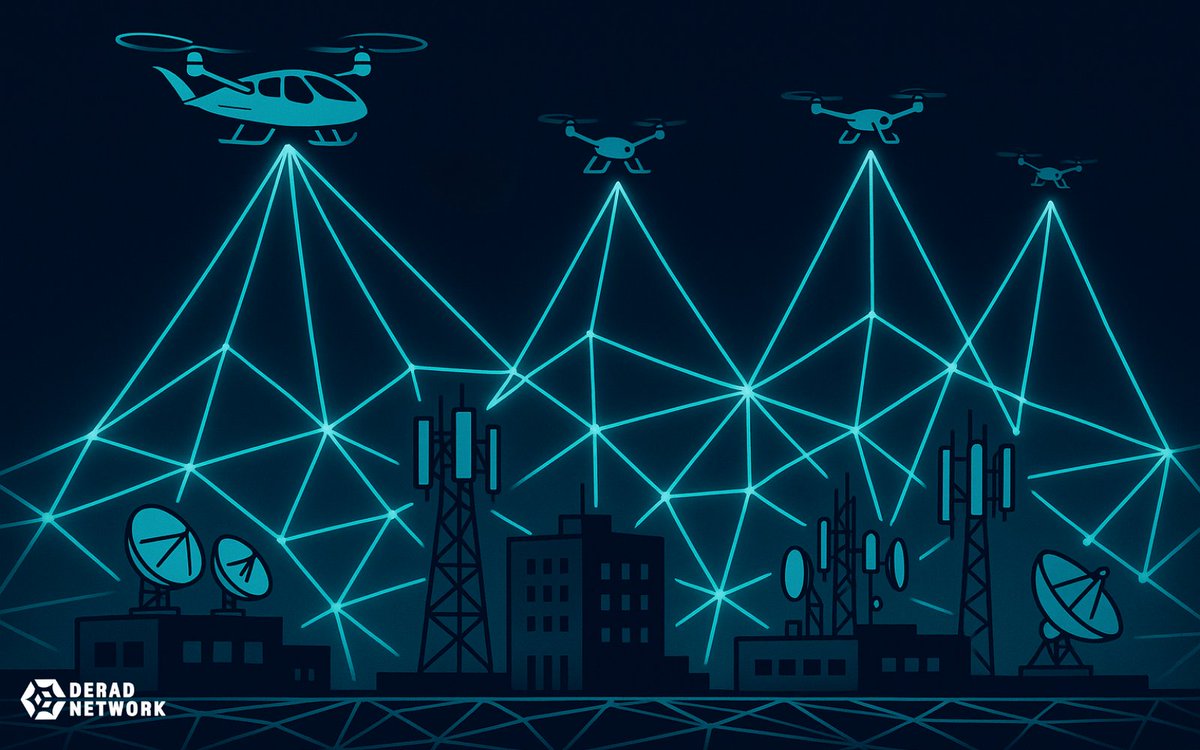
When every second matters, data availability matters too.
Derad Network's antenna infrastructure helps expand coverage, reduce signal blind spots, and improve access to critical information in real time.
Better connectivity. Better awareness. Better response.
10
6
50
2,493
Jun 1
Aviation isn't limited by aircraft.
It's limited by how effectively data can be collected, shared, and maintained across the network.
The stronger the coverage, the stronger the visibility.
8
7
34
1,597
Derad Network retweeted
May 30
Most people never think about what happens after a plane disappears from sight.
Behind every live flight map, route update, and tracking signal is a massive layer of invisible infrastructure working nonstop in the background.
Ground stations.
ADS-B receivers.
Real-time data networks.
And in many parts of the world, that infrastructure is still limited.
That’s why @deradnet matters.
It’s building decentralized airspace coverage powered by contributors across the globe, expanding visibility one ground station at a time.
The future of aviation won’t just depend on aircraft in the sky.
It’ll depend on the invisible systems supporting them below. ✈️🌍
#DeradNetwork #DePIN #Aviation #ADSb #Airspace

5
3
42
3,160
Derad Network retweeted

We often talk about decentralization in terms of finance, but some of the biggest opportunities might be hiding in physical infrastructure.
Take aviation data for example.
Every day thousands of aircraft broadcast location, altitude, and speed information through ADS-B signals. The problem isn't the data itself - it's how that data gets collected and distributed globally.
@deradnet is building a decentralized network of ground stations that can capture and process this information at scale while encouraging participation through token incentives.
What stands out to me is that the network rewards contributors who help fill coverage gaps, especially in underserved regions.
That's a clever way to align incentives with network growth.
The stronger the coverage becomes, the more valuable the data becomes.
Website: derad.net/
#Derad #DePIN #AviationData

6
6
60
1,197
Derad Network retweeted
May 28
Most aviation data today still runs on borrowed trust.
We don’t talk about that enough.
Derad Network is trying to change something the industry quietly depends on: who collects the sky, and why they do it.
Right now, ADS-B tracking looks “global” on the surface. Real-time aircraft positions, altitude, speed. Clean dashboards. Smooth APIs.
But under the hood, a lot of it is held together by volunteers. Hobby receivers. Personal hardware. Passion projects in garages and rooftops.
That works until it doesn’t.
Coverage gaps appear in places that matter most. Remote corridors. Conflict-adjacent airspace. Fast-growing drone routes. The edges where aviation is becoming more complex, not less.
Here’s the uncomfortable truth.
If your system depends on goodwill to stay accurate, it’s not a system. It’s a patchwork.
The shift Derad is betting on is simple, but heavy in consequence: incentivize coverage instead of hoping for it.
Turn ground stations into economic actors. Reward uptime, density, and data quality. Pay more where the map is empty. Not where it’s already solved.
That changes behavior fast.
Now the interesting part is not the tech. It’s what happens when reliability becomes a marketplace signal instead of a volunteer gesture.
Because once data has financial weight, participation stops being optional and starts becoming infrastructure.
The question I keep coming back to is this.
Do we actually want global aviation intelligence to depend on passion alone, or do we want it engineered like critical infrastructure should be, with accountability built into the incentives?
Curious where others land on this.
@deradnet #AviationSafety #DeradNetwork
12
11
33
1,463
May 27
The future of aviation won’t rely only on aircraft.
It will rely on data consistency, signal coverage, and infrastructure that can operate continuously at scale.
That’s where Derad Network becomes part of the bigger picture.
7
6
37
1,496
May 26
Vertiports are designed to support the next generation of urban air mobility.
But as eVTOL traffic increases around these hubs, scalable airspace data coverage becomes just as important as the infrastructure itself.
Derad Network is part of the decentralized data layer that can support that future.
9
6
30
1,505
Derad Network retweeted
One thing I've noticed about most infrastructure projects is that people only pay attention to them after they become essential.
That's why @deradnet caught my attention.
Instead of building another speculative blockchain product, they're tackling a real-world problem: aircraft tracking data.
Today's ADS-B networks rely heavily on volunteers & hobbyists, which naturally creates gaps in coverage and consistency.
Derad's approach is different. They incentivize people to run ground stations, rewarding contributors based on coverage quality, uptime, and network value.
It's a simple idea, but sometimes the strongest ideas are.
Turn infrastructure into something communities can help build and maintain while being rewarded for doing so.
That's the kind of #DePIN model I find interesting because it connects blockchain incentives to an actual industry need.
For more details follow @deradnet
Explore: Derad.net
#Derad #Web3 #Aviation #Surveillance

7
8
37
1,547