
PCA pastor @trinitychurchws | BA @WakeForest | MDiv @TEDS | ThM @DukeDivinity | biblical imagination @cateclesia | The Alliance @a4mrofficial
Joined February 2011
- Tweets 19,873
- Following 898
- Followers 3,613
- Likes 13,802
412 Photos and videos


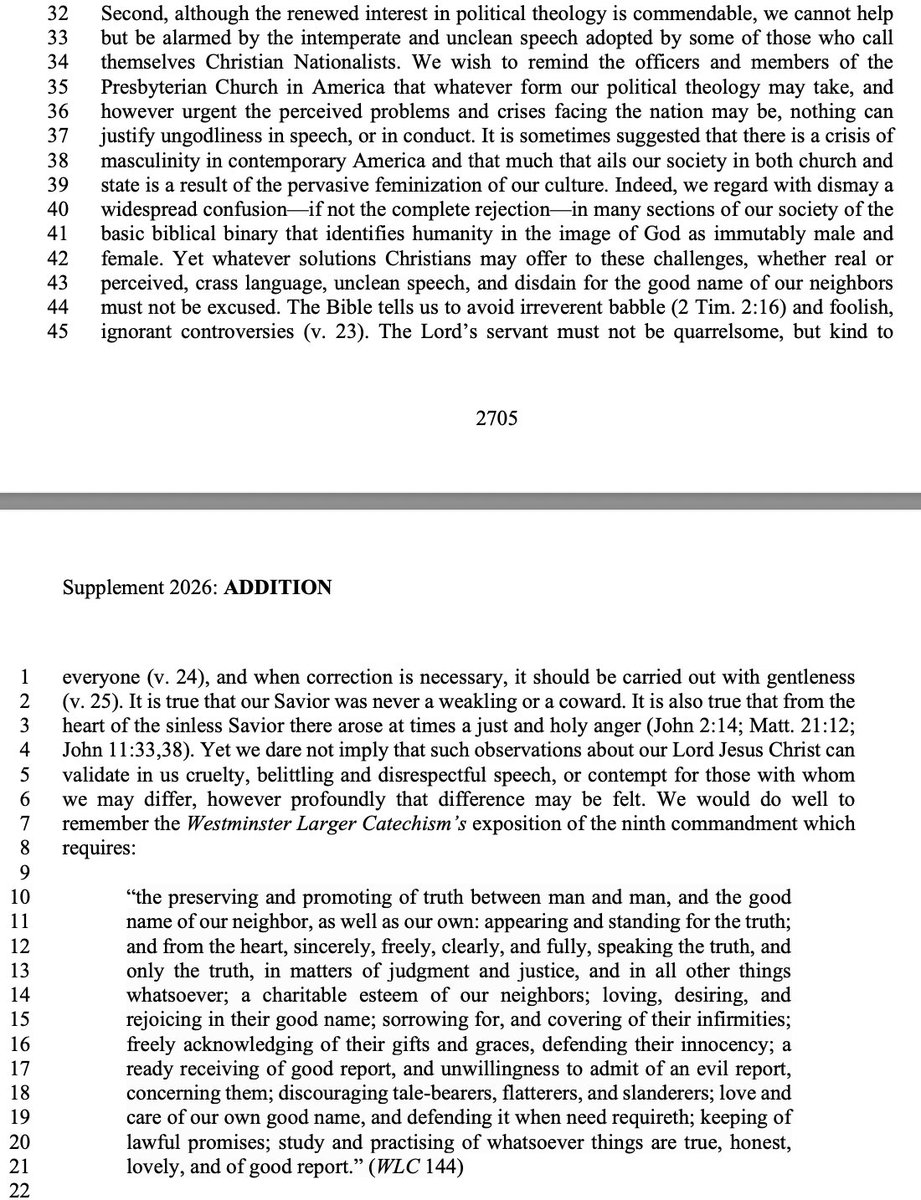
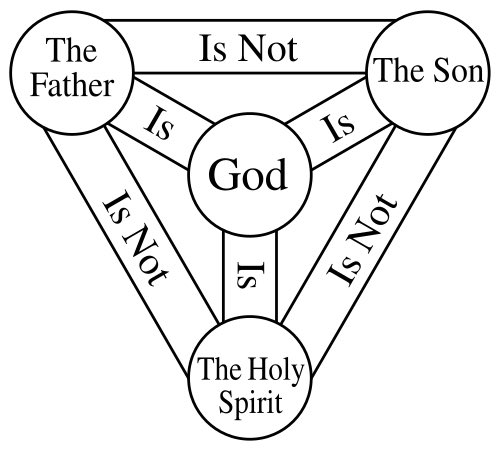



Derek Radney retweeted

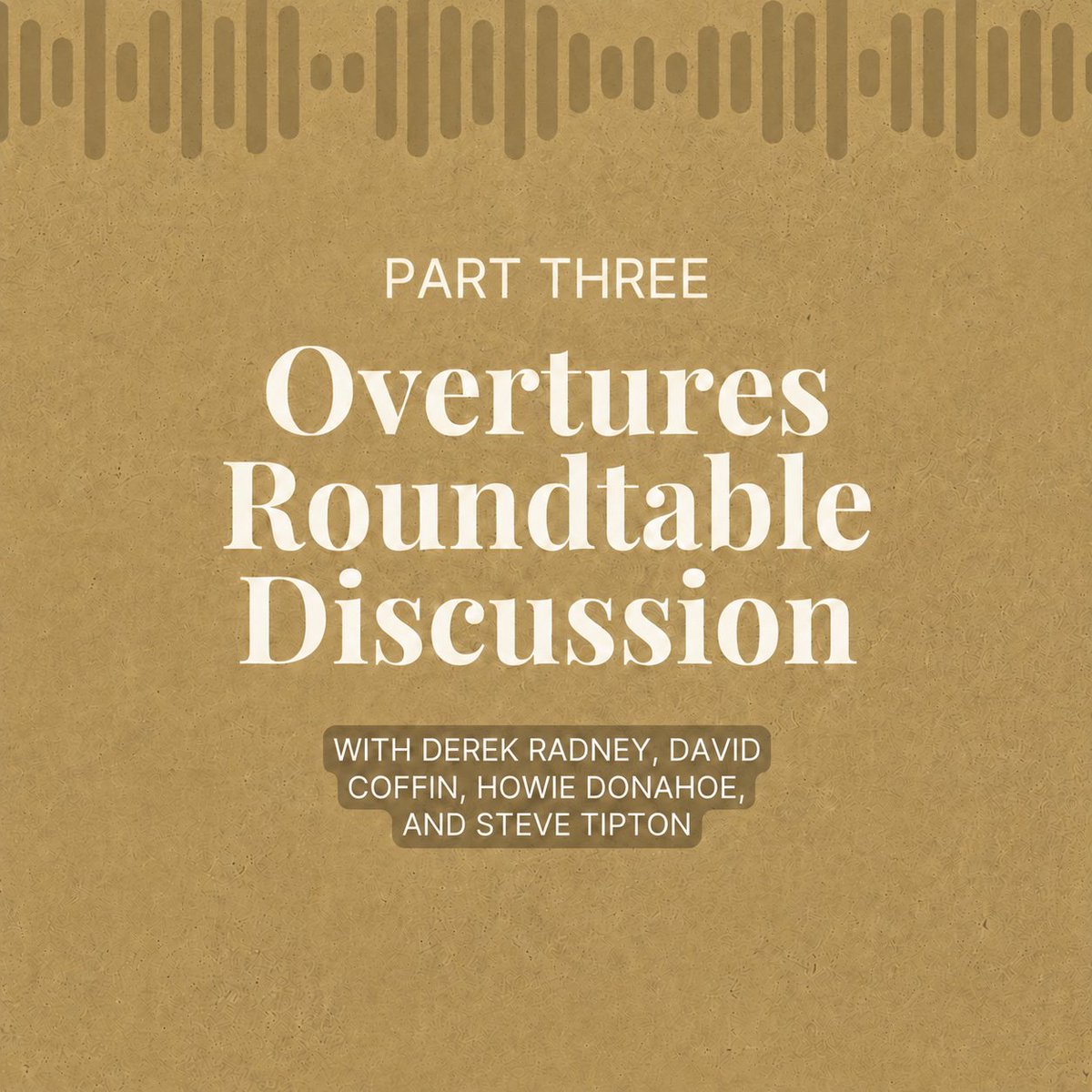
Join Derek Radney, Steve Tipton, David Coffin, and Howie Donahoe as they dive into the big judicial, administrative, and polity questions facing the General Assembly.
shorturl.at/bFd0B @derekradney @HowieDonahoe @SteveTiptonPCA
1
5
1,111

Jun 11
To follow up here with @matt_everhard, @a4mrofficial does not have a platform or a position on a set of issues (but neither does the @gospelrefnet).
Instead, we have a theological vision that articulates what we believe the PCA is and should continue to be. This article in particular articulates how we understand our Reformed and Confessional identity.
open.substack.com/pub/a4mr/p…

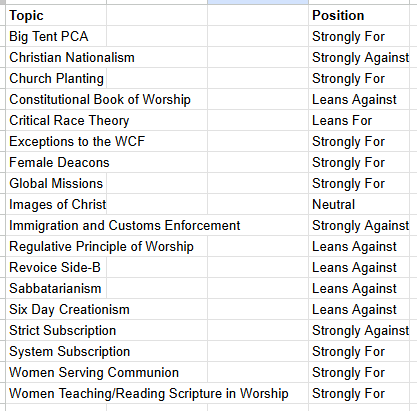
Since @a4mrofficial has been somewhat vague on policies, this is my good-faith attempt to discern what their platform might be. Please let me know if this captures the ethos of what A4MR stands for. @derekradney (with apologies for my previous attempt at humor). @joel_stclair
6
5
4,344
Derek Radney retweeted
Derek Radney continues AMR’s Theological Vision series by explaining its commitment to a distinctly Reformed identity grounded in Scripture, the Westminster Standards, and the broader Reformed tradition.
@derekradney a4mr.substack.com/p/reformed…
1
3
9
3,288
Jun 10
On X...
1) Follow the thoughtful, wise, and weighty.
2) Engage the humble, honest, and helpful.
3) Ignore the fools and the ignorant.
4) Block the wicked and anons.
2
21
1,228
Jun 10
“The ideal form of love is God's gaze upon us. His gaze is perfect. He never turns his face from us, he sees us perfectly, and he affirms our existence fully because when he looks on us he sees the righteousness of his Son. All human gazes of love are shadows of his loving gaze.” - @TheAlanNoble in To Live Well
2
9
1,346
Jun 10
Many PCAers need to consider the category of *weakness* in regard to brothers with whom we have disagreements. Consider the [edited] words of @TheAlanNoble borrowing from Josef Pieper in To Live Well:
“To explore the challenge of loving someone who is fallen—a challenge all of us must face-…there are two main categories: weaknesses and guilt. With weaknesses, which are minor flaws in a person's character or behavior [or ideas], we learn to love the person ‘in spite’ of the weaknesses, while never approving of or loving the ‘weaknesses themselves.’ Guilt is another matter entirely. Guilt is sin and must be dealt with. We tend to deal with guilt in two ways…: We excuse it or we forgive it.”
2
2
17
2,048
Derek Radney retweeted

Jun 9
I’m excited to share the release of Westminster Reader— a clean, focused app for reading and studying the Westminster Standards.
The app includes:
• Westminster Confession of Faith
• Westminster Shorter Catechism
• Westminster Larger Catechism
• Full offline KJV proof texts
• Searchable prooftexts
• Flash cards
• Reading plans
• Bookmarks
• Light and dark reading themes
My hope is that this app will make the Standards easier to read, search, study, and return to again and again.
Westminster Reader is available now.
apps.apple.com/us/app/westmi…
34
48
250
20,917
Jun 9
PCAers on X, take heed: The Lord hates those who sow discord among brothers. (Proverbs 6:16-19)
24
32
9,199
Jun 8
PCA and PCA adjacent: Anyone interested in getting into, supporting, or learning about church planting in North and/or South Carolina, consider coming for a free drink after PCAGA26 business Tuesday (6/23) evening.
eventbrite.com/e/general-ass…
2
1
14
3,041
Derek Radney retweeted
We’re continuing our deep dive into AMR’s Theological Vision! In Part Five, Charles Anderson explores what it truly means to pursue the value of being biblical.
a4mr.substack.com/p/biblical…
2
6
1,498
Jun 2
Men who cannot tell the difference between disagreements over matters essential to the Christian faith and matters of secondary and tertiary importance (or matters of conscience) are not qualified to be elders or pastors.
This is not some manmade standard being added to Scripture; it is a necessary entailment of "sober-minded," "able to teach," "not quarrelsome," and "not a recent convert...puffed up with conceit."
15
3
53
8,069
Jun 3

An important warning against making all truths of equal importance:
“[M]en who begin with making the tithing of anise and cummin of equal importance with justice and mercy, are sure in the end to cling to the anise, and let the mercy go" (Charles Hodge).
1
497
Jun 2
Don’t miss part 2 of the @a4mrofficial round table overtures discussion where @HowieDonahoe @SteveTiptonPCA and David Coffin discuss the deacon, titles, commissioning, and officer overtures.
youtu.be/JpsstSfx40U?si=3q0P…
1
9
1,672
Derek Radney retweeted

Jun 1
I've been reading Gabriel Marcel who wrote in the mid-20th century about the "spirit of abstraction," the tendency to reduce people to problems to be fixed and life to a system to be managed.
His answer was "presence": undistracted engagement with life and genuine, whole-hearted availability to others.
I think Marcel has a word for the PCA. We pride ourselves on connectionalism but that easily becomes depersonalized either by an overcommitment to process (as important as it is) or an overreliance upon social media, both of which cloud the persons behind the issues.
To remain healthy, IMO, we need to regain presence.
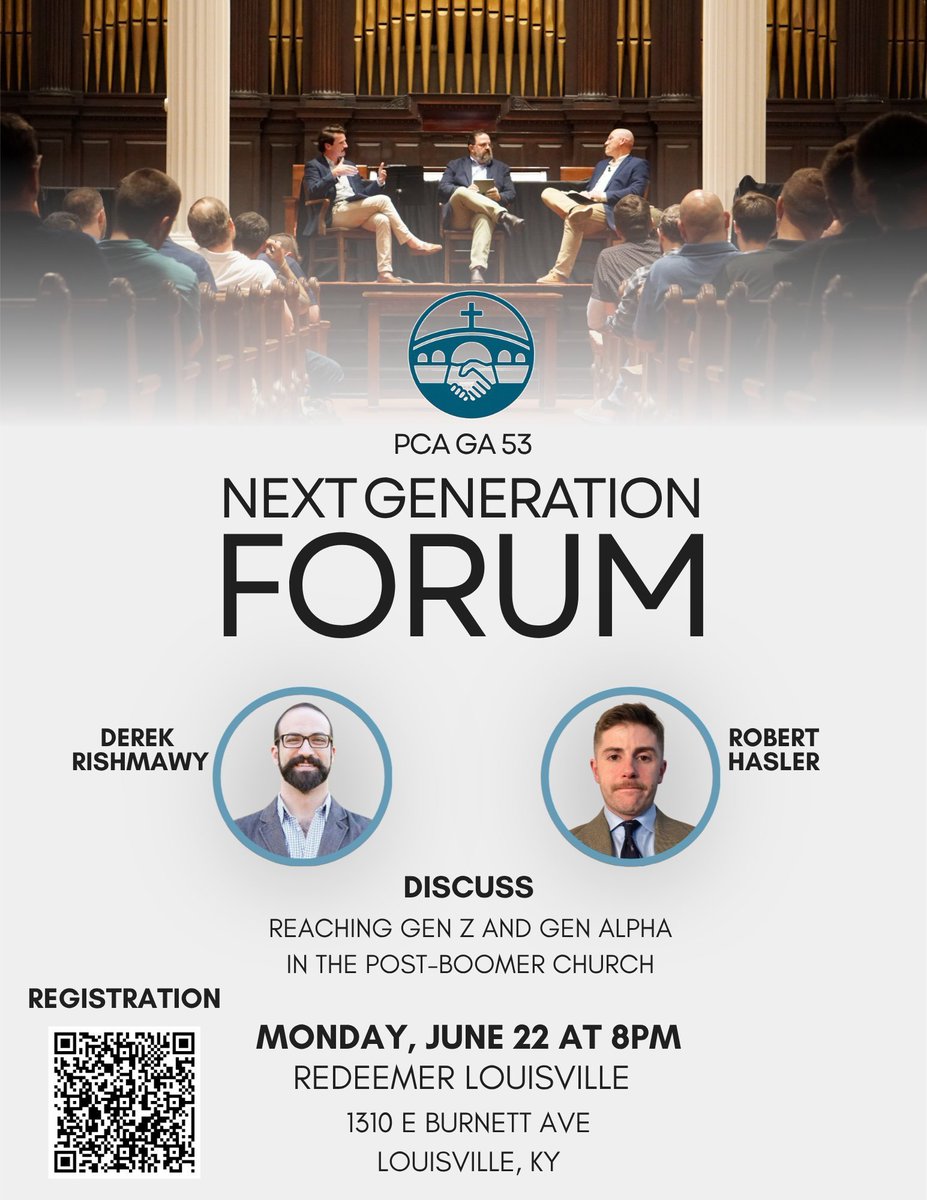
Which is a long-winded way to invite you to the Next Generation Forum at #PCAGA. The content has never been the point. It's a means to the end of presence--getting people from all parts of the denomination in the same room, eye-to-eye.
I hope you'll be there. Registration linked below.
3
1
12
742
Derek Radney retweeted
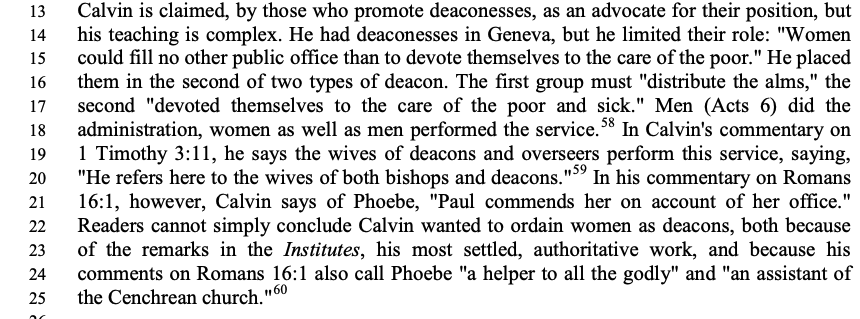
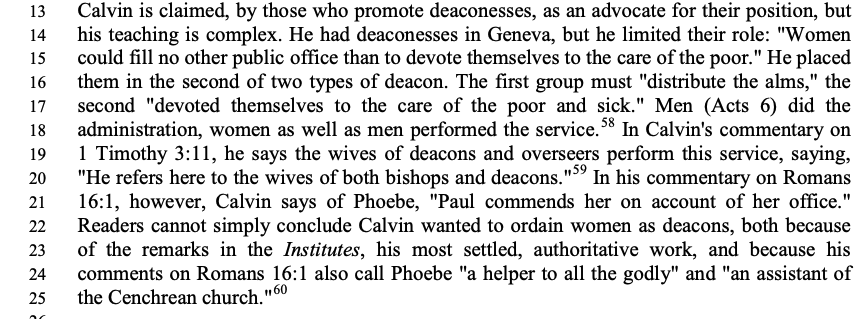
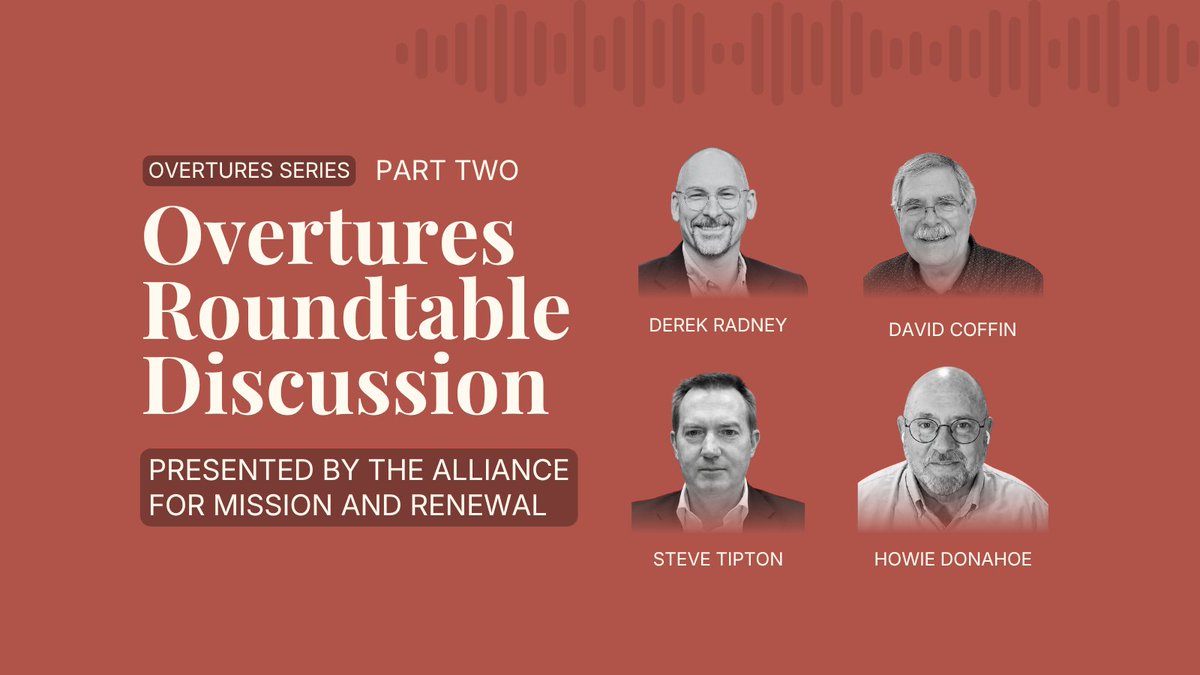
Derek Radney, Steve Tipton, David Coffin, and Howie Donahoe return for Part 2 of our PCA overtures roundtable ahead of the 2026 General Assembly, discussing women as deacons, the Danvers Statement, the Lord’s Supper, and more.
youtube.com/watch?v=JpsstSfx…
1
7
12
2,844
May 28
The church defined: “The church is the covenant assembly of the triune King, called from all nations to be his holy sanctuary: the place where God’s glory dwells and where the blessings of the Messiah are communicated to God’s elect in accordance with his promise, and where God’s people serve him as a kingdom of priests in accordance with his command.” @scottrswain
HT Bobby Locklear
1
715
May 28
Here’s a short conversation with a few of the members of the DFW Study Committee hosted by @a4mrofficial.
youtu.be/Y86FgB4lytc?si=MI28…
5
1,104
Derek Radney retweeted
Derek Radney speaks with members of the Ad Interim Committee about the PCA’s proposed Directory for Worship. tinyurl.com/3aj5x6nn
@derekradney @joel_stclair @nateshurden
5
13
2,142
Derek Radney retweeted
Feb 9
Many forget or don’t understand that the votes of a PCA G.A., Twitter/X, & overtures submitted to the G.A. do not give an accurate representation of what PCA elders believe/want, rather, a better reflection is the votes of presbyteries on measures sent down from G.A.
7
1
26
5,684