
An invisible touch for @vulture
Joined February 2009
- Tweets 826
- Following 300
- Followers 3,351
- Likes 6,255
113 Photos and videos


Devon Ivie retweeted

Jun 9
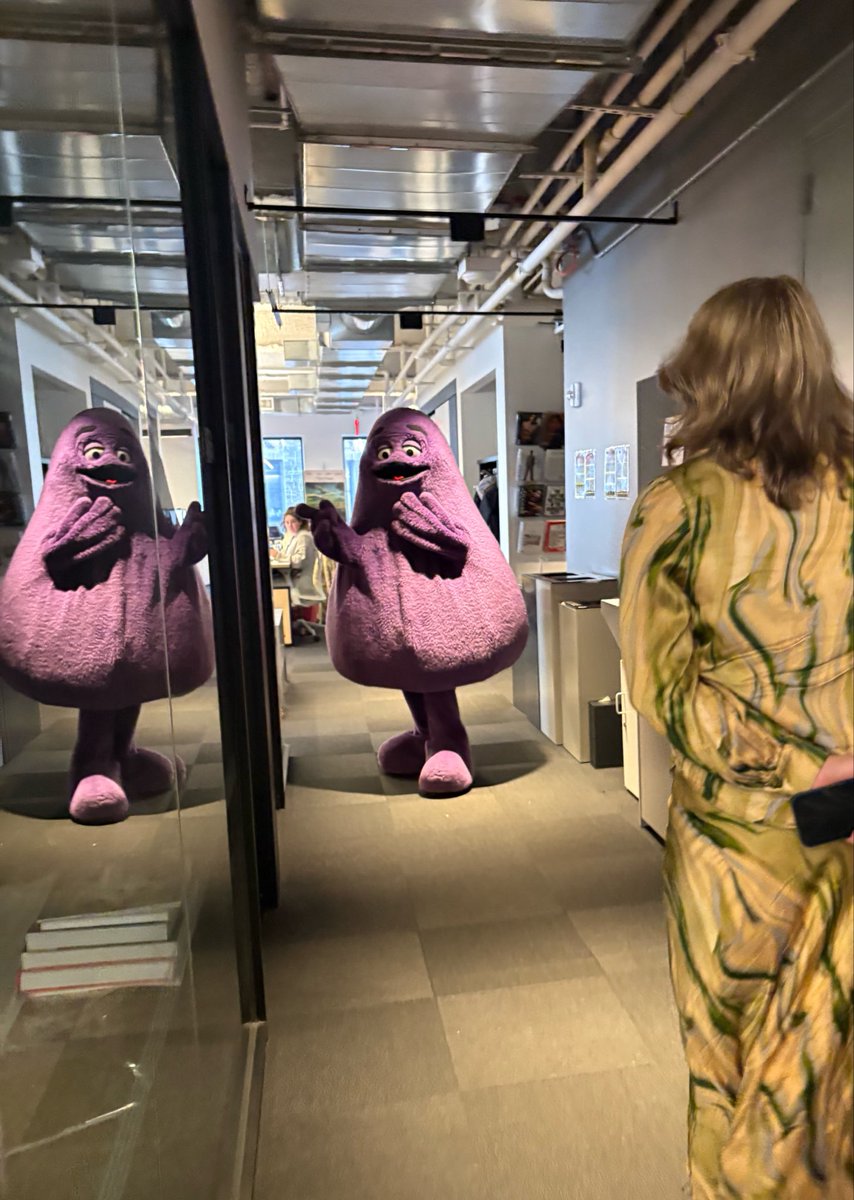
something amazing happened at work today

5
140
10,009
156,804

Jun 10
I interviewed Paul Stanley about his surprise Songwriters Hall of Fame induction for Kiss: “Honestly, we were not dealing with high art. We were writing musical food for the masses, but that doesn’t mean it’s disposable” vulture.com/article/paul-sta…
7
1
7
3,985
Devon Ivie retweeted

Jun 5
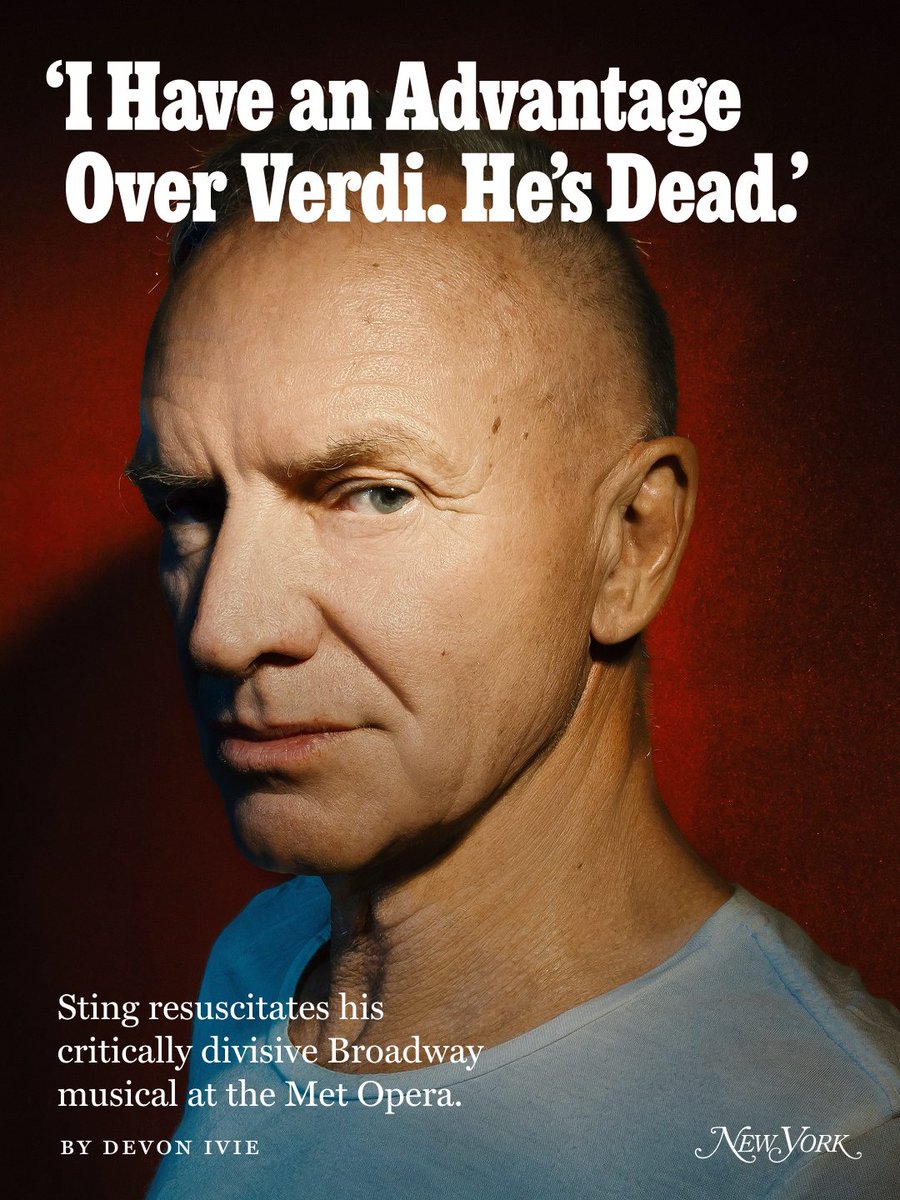
When ‘The Last Ship,’ a musical that serves as an elegy to Wallsend, the Northern England shipyard town Sting grew up in, debuted on Broadway in 2014, the critical reception was disappointing. Sting’s original music and lyrics drew praise, but the story, by separate book writers, was considered far too muddled. The Broadway run of ‘The Last Ship’ closed in 2015 with $15 million in lost investments. He realized that several elements needed to change if he wanted another go-round, which he did; he felt he had a “personal debt” to the community that raised him to tell this story.
Beginning later this month, a heavily revised ‘The Last Ship,’ starring Sting as the foreman Jackie White, will be staged for nine performances at the Metropolitan Opera House. It is the first time the Met Opera, amid intensifying financial woes, has lent its space to a fully staged production of a former Broadway musical. One of the show’s most radical changes from Broadway is switching the genders of a few characters from male to female.
“The agency of women is so important to the plot,” says Sting. “It’s the women who save the community, and when the men are in a complete mess, they come to the fore and save the day.”
Sting had to reacquaint himself with writing for the stage and other people, as opposed to writing for only himself. “Instead of sitting down and contemplating my navel and writing about my inner turmoil, my dark night of the soul, I’m writing for women, I’m writing for young girls, and I’m writing for older people,” Sting explains. “It was freeing to not have to just sing about me for a change.”
Read our full interview with Sting: nymag.visitlink.me/kxOEcY
1
1
8
3,475
I hung out with Sting, my favorite bass diva, who has an enticing pitch for young people to see his musical at the Met Opera: “I’m the guy from Bee Movie!” vulture.com/article/sting-me…
1
4
3,260
May 28
I wrote about actors who are moonlighting as rock stars, with fabulously entertaining insight from Hank Azaria, Mike Mills, and Jason Narducy vulture.com/article/celebrit…
1
2
2,595
Devon Ivie retweeted

May 26
Good list altho Petty shouldn't be a double inductee bc of his solo albums — he should become a double inductee at the same time as Bob Dylan, Roy Orbison, George Harrison, and Jeff Lynne!
May 14

The Rock and Roll Hall of Fame has crowned 29 artists worthy enough of a double induction. Who will be next, and why should it definitely be Tom Petty? vulture.com/article/rock-hal…
5
3
52
7,121
Devon Ivie retweeted
May 18
It took Maya Hawke a while to find her true music fans: “A lot of people would buy a ticket just to come and try to get me to sign a ‘Stranger Things’ poster when it ended.” vulture.com/article/maya-haw…
2
4
2,085
May 14
The Rock and Roll Hall of Fame has crowned 29 artists worthy enough of a double induction. Who will be next, and why should it definitely be Tom Petty? vulture.com/article/rock-hal…
2
1
6
9,433
I think we should bring back Lilith Fair for Sarah McLachlan vulture.com/article/sarah-mc…
2
5
2,167
Devon Ivie retweeted

May 5
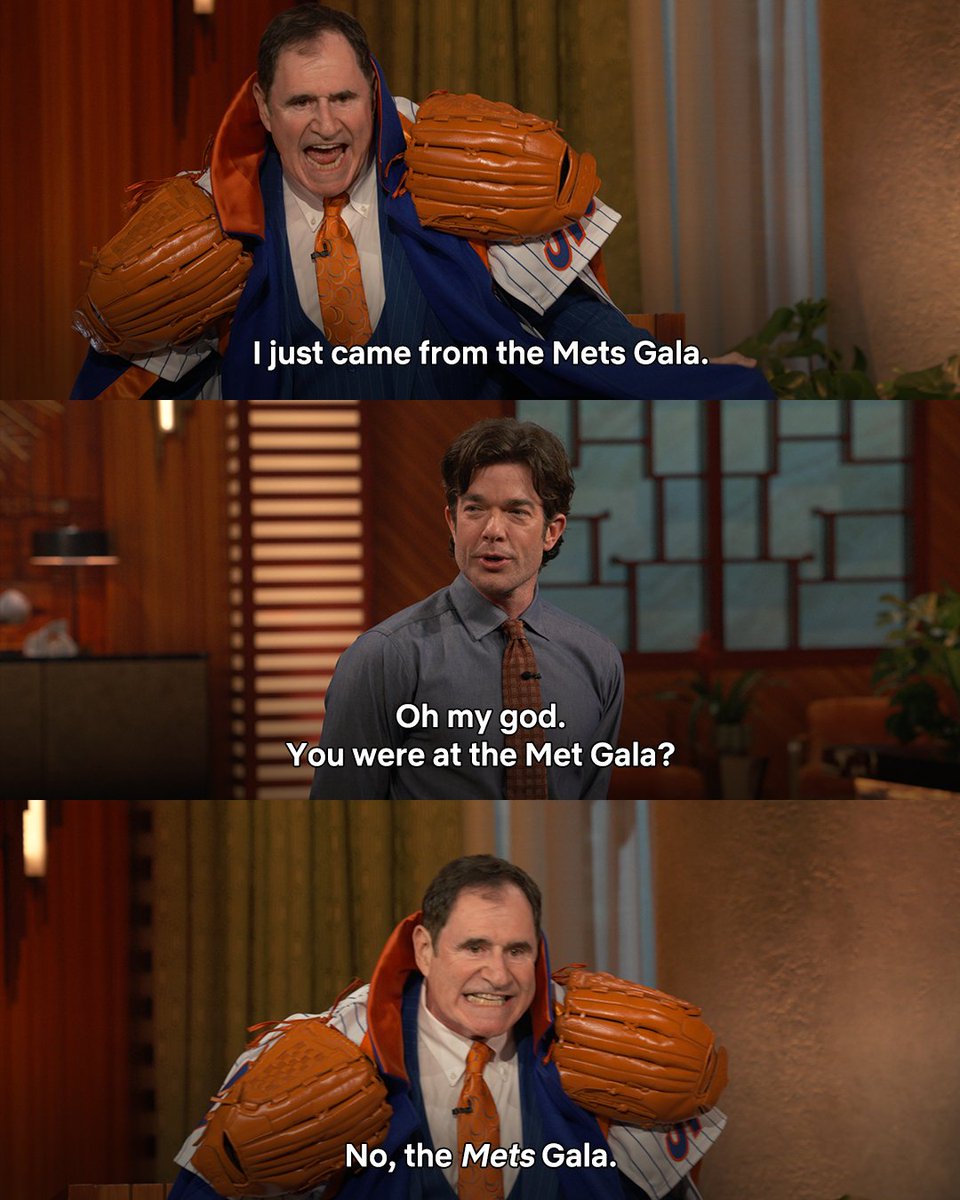
Richard Kind stuns at the Mets Gala.

11
104
1,553
69,644

Flannel, fury, guitars: Alt-rock icons Liz Phair and Sleater-Kinney are co-headlining a tour 30 years in the making. ‘It feels like an imperative,’ says Corin Tucker. vulture.com/article/sleater-…
3
6
2,818
Apr 24
An interview about one of the greatest songs of all time, and definitely the best song ever written about the boys being back in town vulture.com/article/thin-liz…
6
12
3,266
Apr 21
An assortment of Peter Hook quotes that delighted me
- "Do you think Donald Trump could make peace with New Order?"
- "God knows what’s going to happen when we bloody get there"
- "You can come and visit me in jail"
vulture.com/article/new-orde…
2
8
4,676
Devon Ivie retweeted

Apr 16
In the latest episode of MUSIC HISTORY on @Vulture, Melissa tells the story about her first label deal, her television debut in David Letterman’s freezing-cold studio, the Taylor Swift story she tells to impress her children’s friends, and more.
Watch the full video → vulture.com/article/lilith-f…
#TeamME
12
56
6,770
Devon Ivie retweeted

Apr 14
Reverse psychology vibes in the area Oasis RnR hall of farmers I mean famers
554
1,013
12,206
376,285
Devon Ivie retweeted
Apr 7
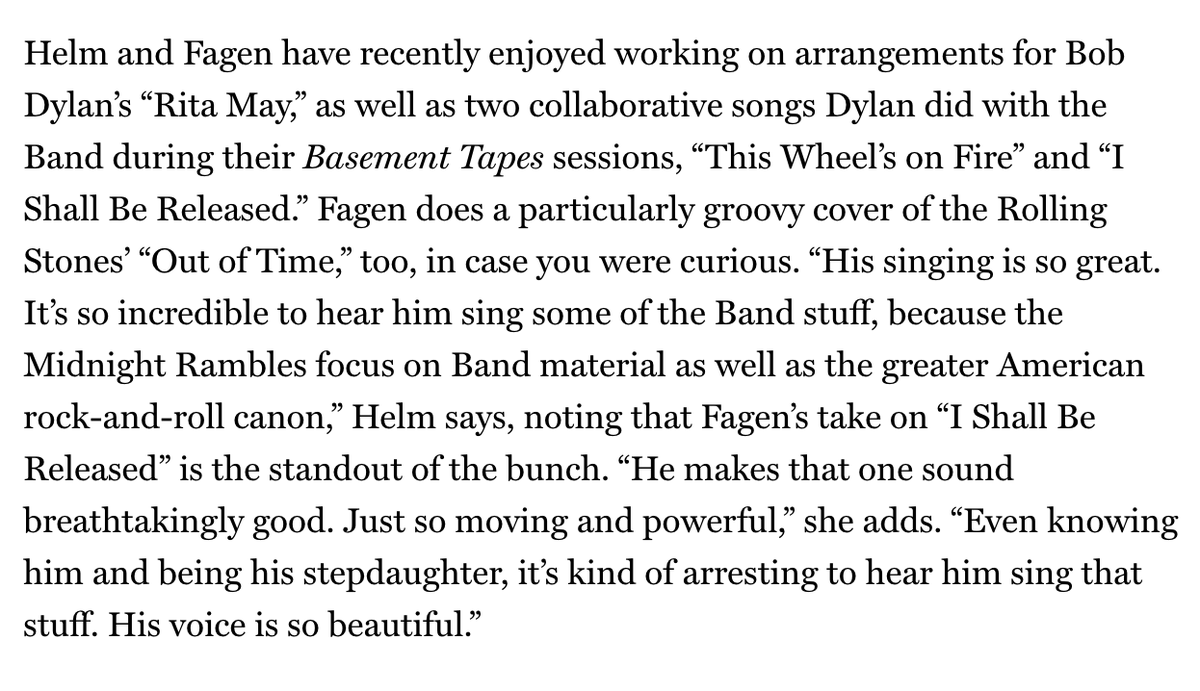
Donald Fagen is preparing to perform "Rita May" and some Basement Tapes songs at one of the next Midnight Rambles???
7
7
107
12,383
What did one of our staff writers put on their Rock & Roll Hall of Fame ballot this year? Since she wasn’t allowed to put down Phil Collins seven times, here’s who else made her final cut. vulture.com/article/rock-hal…
2
3
2,448