
PhD Candidate @UTexasILS | Biotechnology and Biochemical Engineering @IITkgp 2022 | Interested in Human Genetics, Evolution, and Deep Learning
Joined December 2018
- Tweets 125
- Following 691
- Followers 231
- Likes 1,181
16 Photos and videos




Pinned Tweet

13 Oct 2025
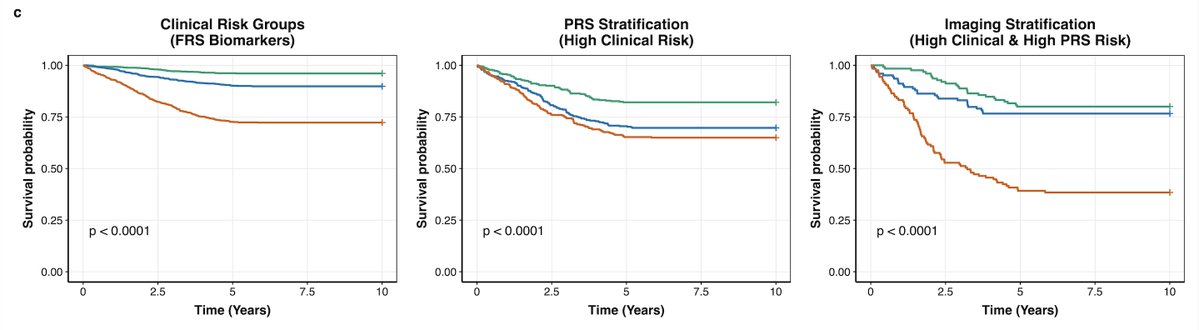
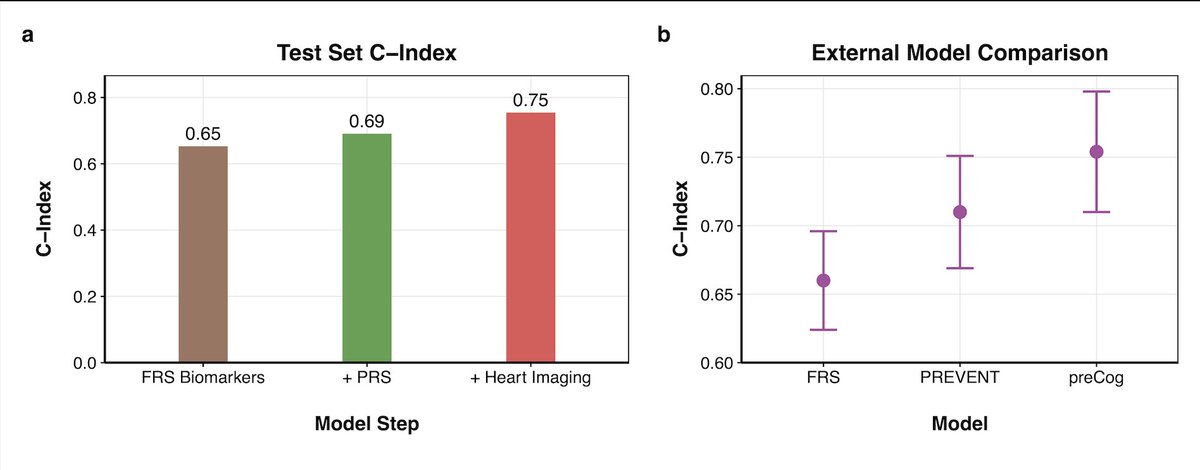
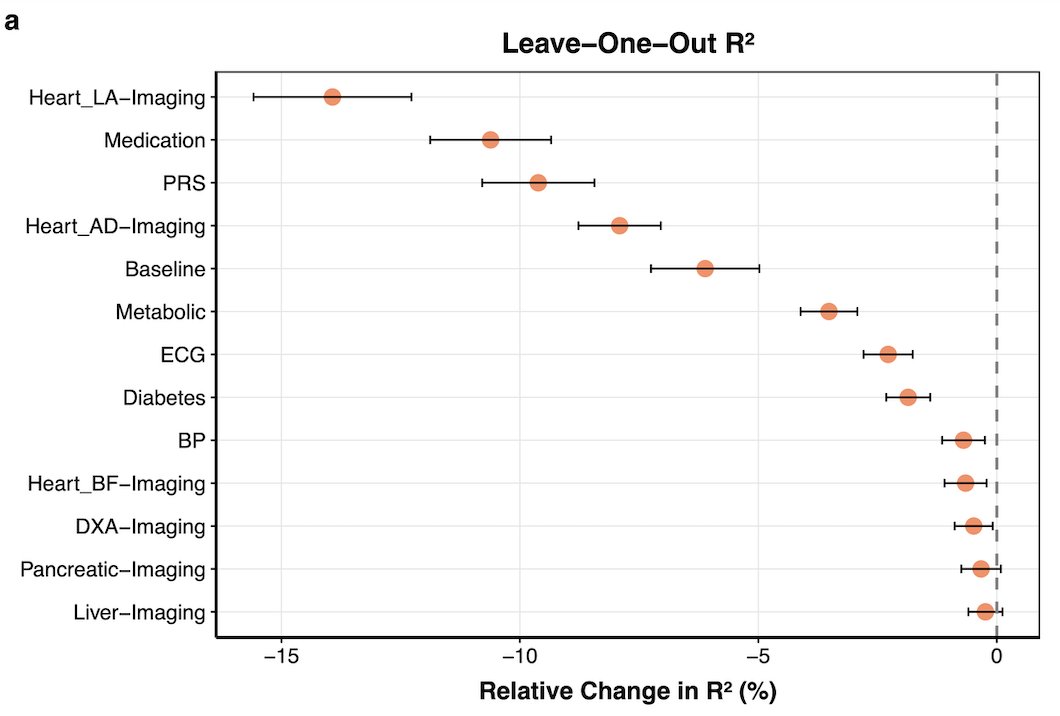
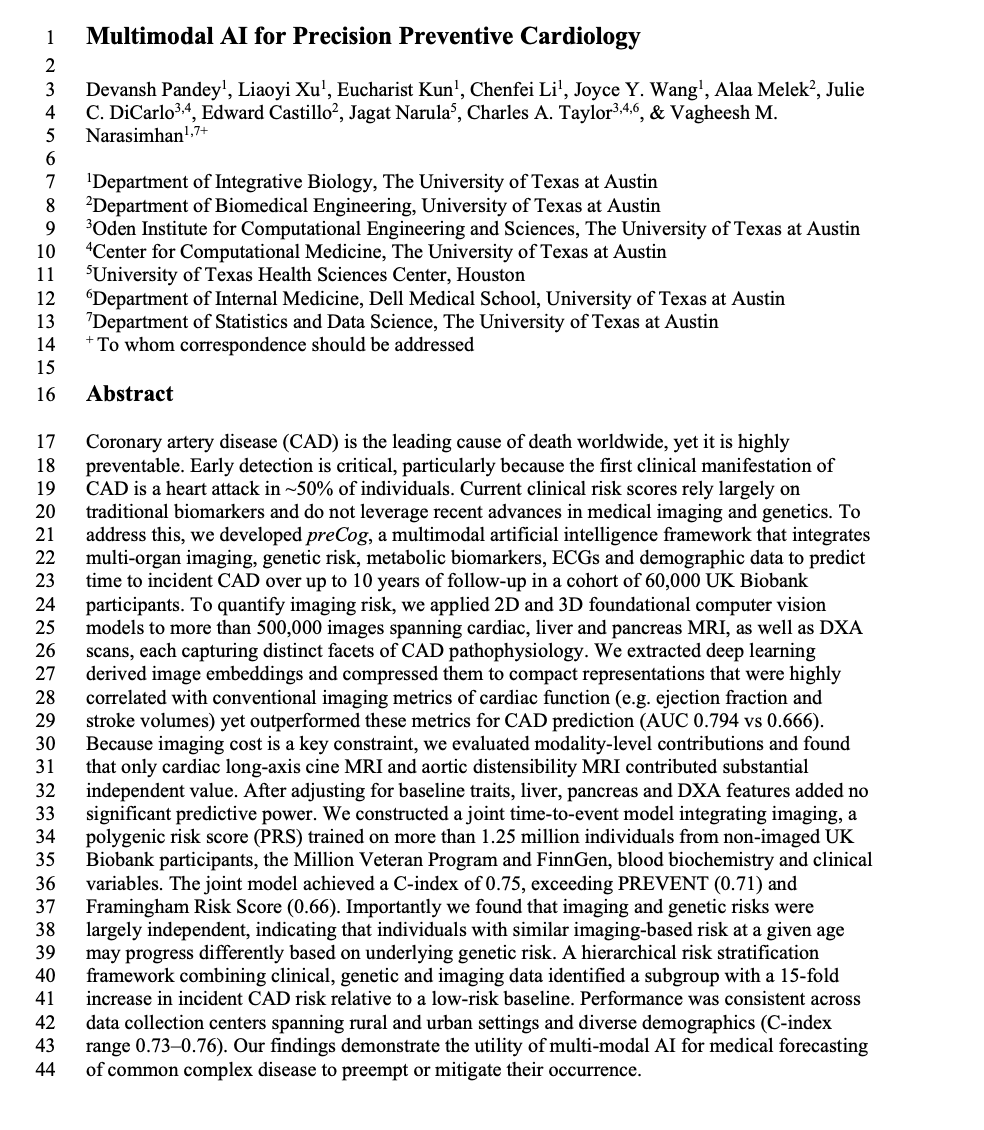
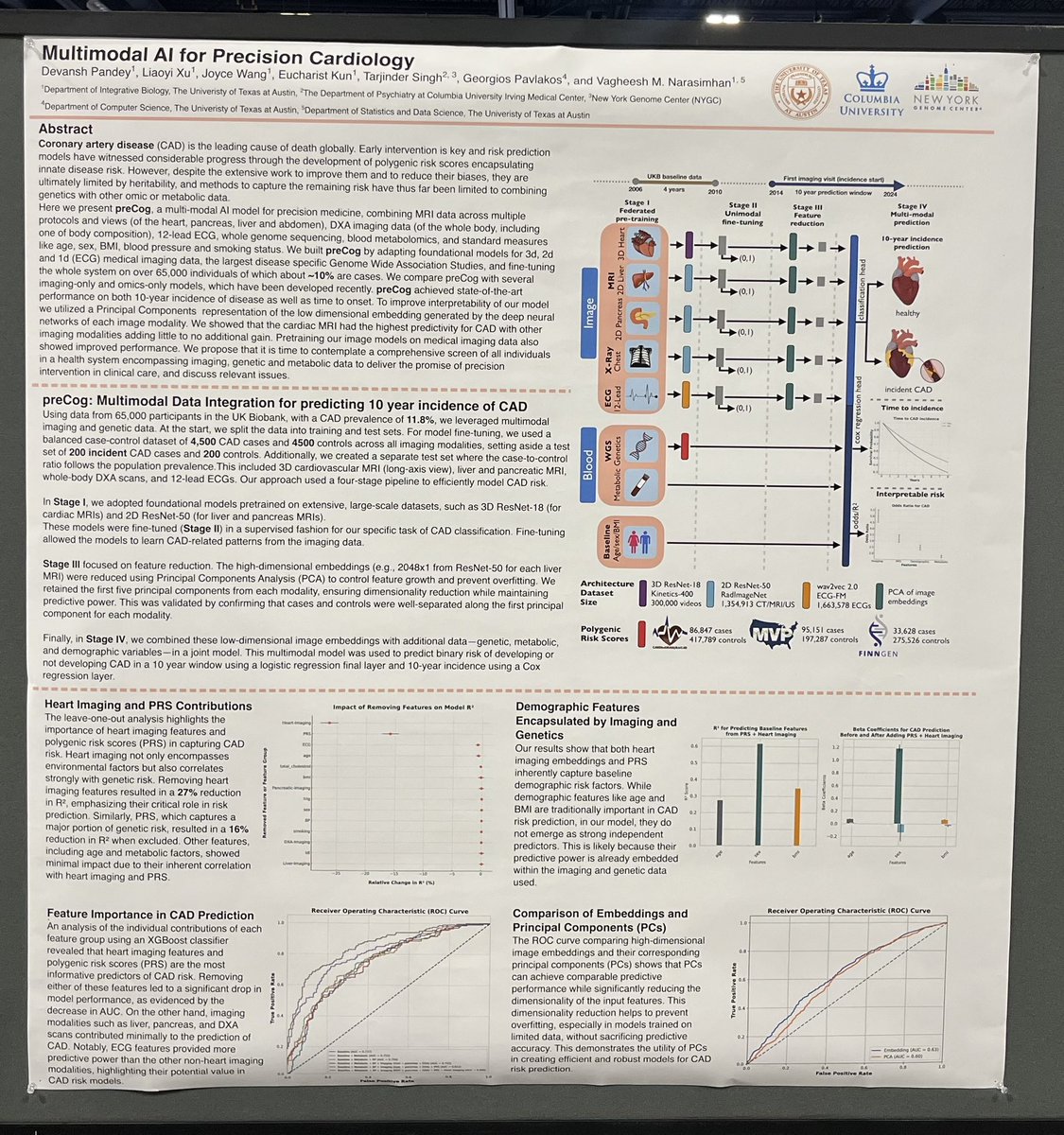
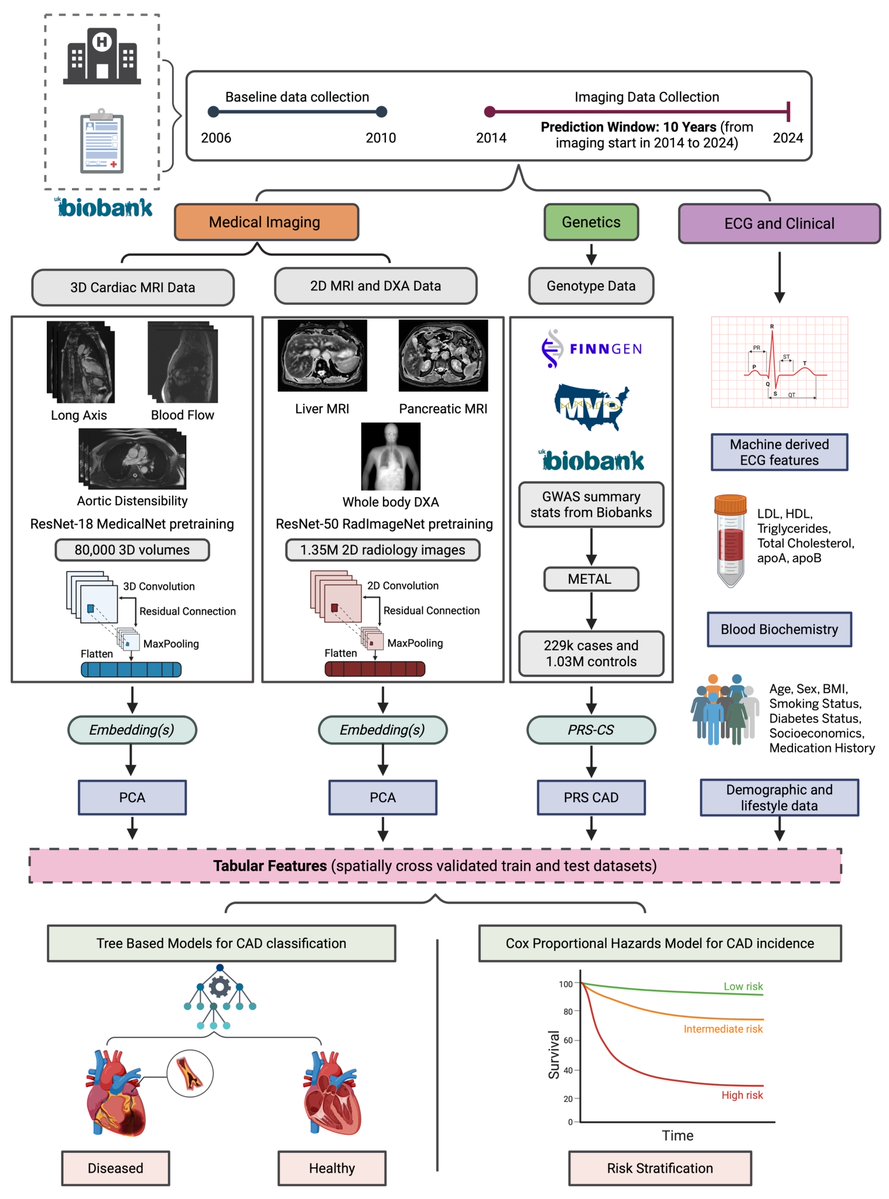
Half of people with heart disease first find out after a heart attack. What if we could see risk years earlier using MRI, genetics, and blood tests? We introduce preCog, a multimodal AI for preventive cardiology trained on >500k images and genetic data from 1.25M individuals.
4
25
141
29,944
Devansh Pandey retweeted

May 19
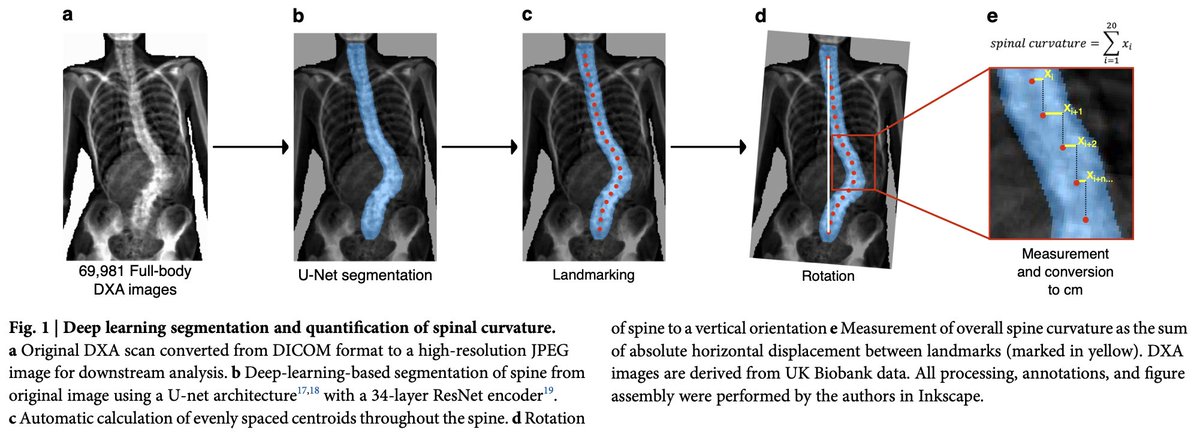
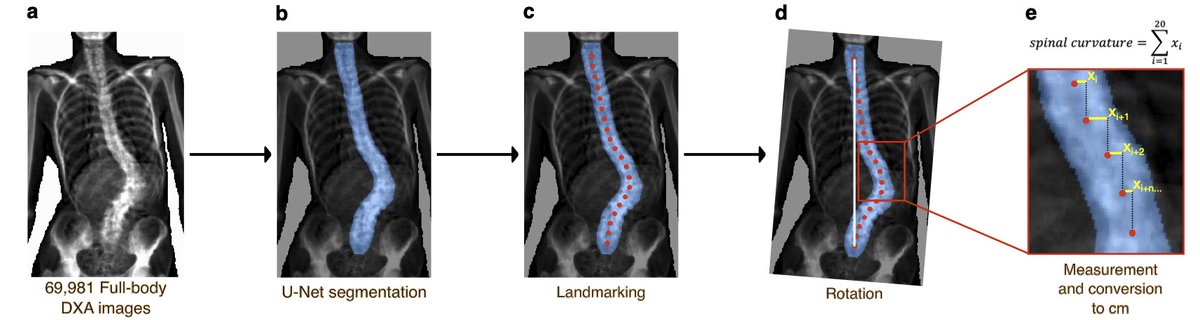
New paper from undergrad in my lab on image-based genetic association of scoliosis (i.e. spine curvature) is now out in Npj Digital Medicine. Showing again the power of precision phenotyping with imaging to identify gene targets not possible in the EHR. nature.com/articles/s41746-0…
12
39
3,936
Devansh Pandey retweeted

Apr 27
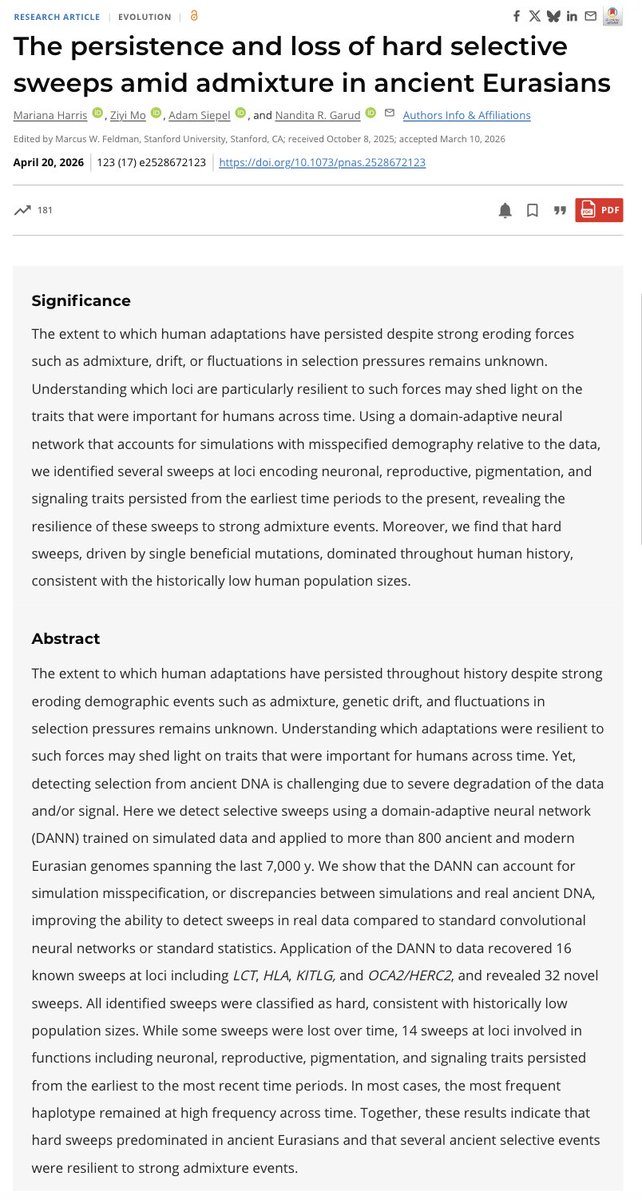
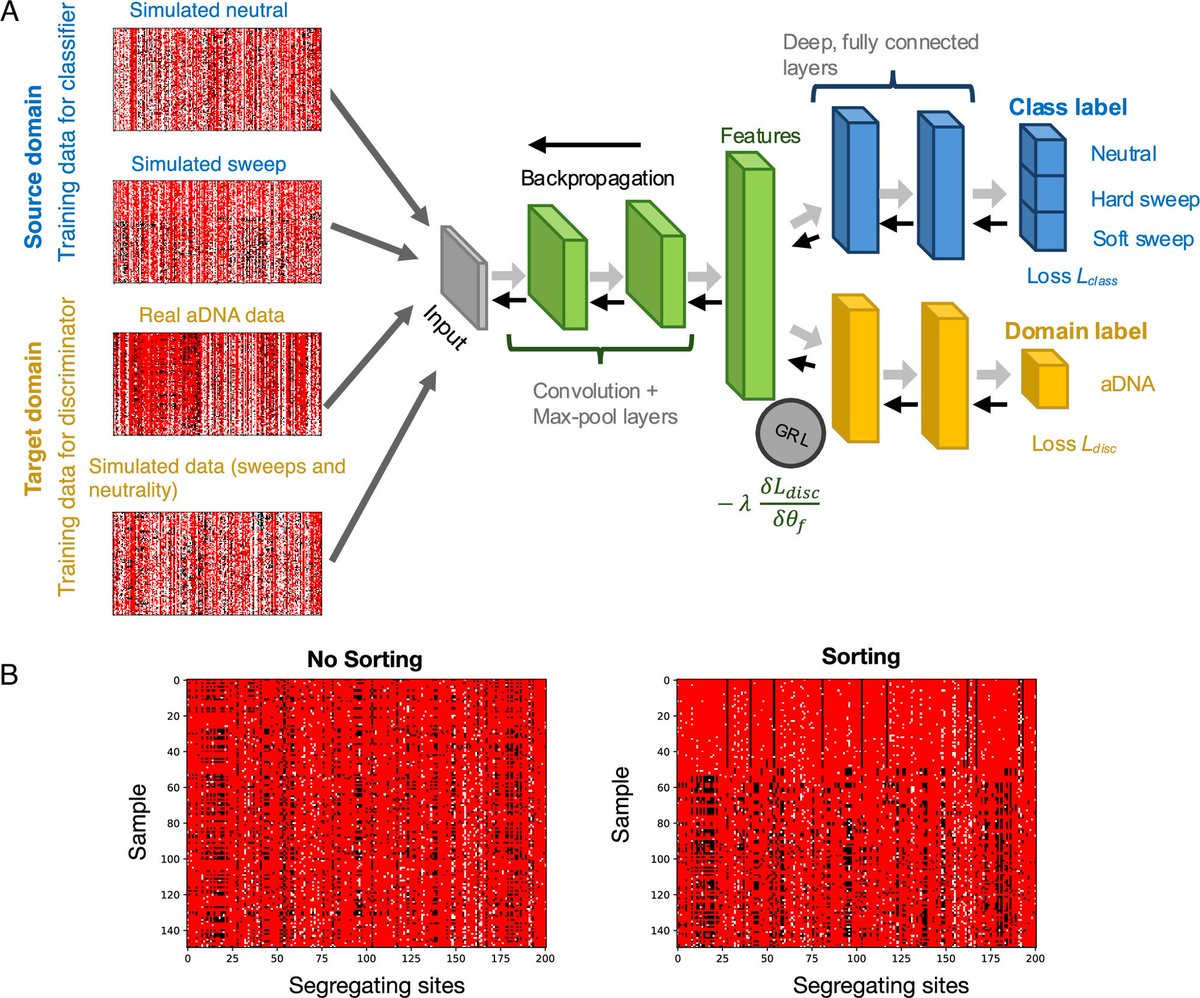
Now published (was previously a preprint) work from @MarianaHarr looks at selection using a domain-adaptive neural network and uses time series data to investigate the affect of admixture on the detection of selective sweeps.
Read it here: pnas.org/doi/full/10.1073/pn…
9
22
3,532
Devansh Pandey retweeted

Apr 20
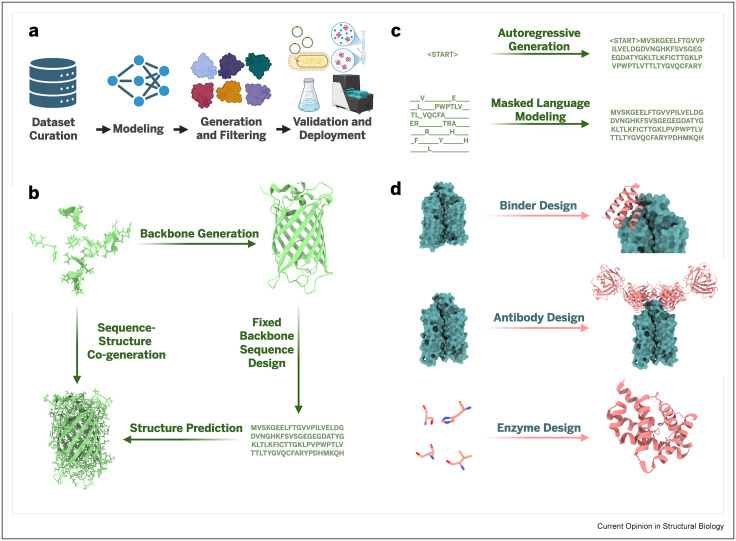
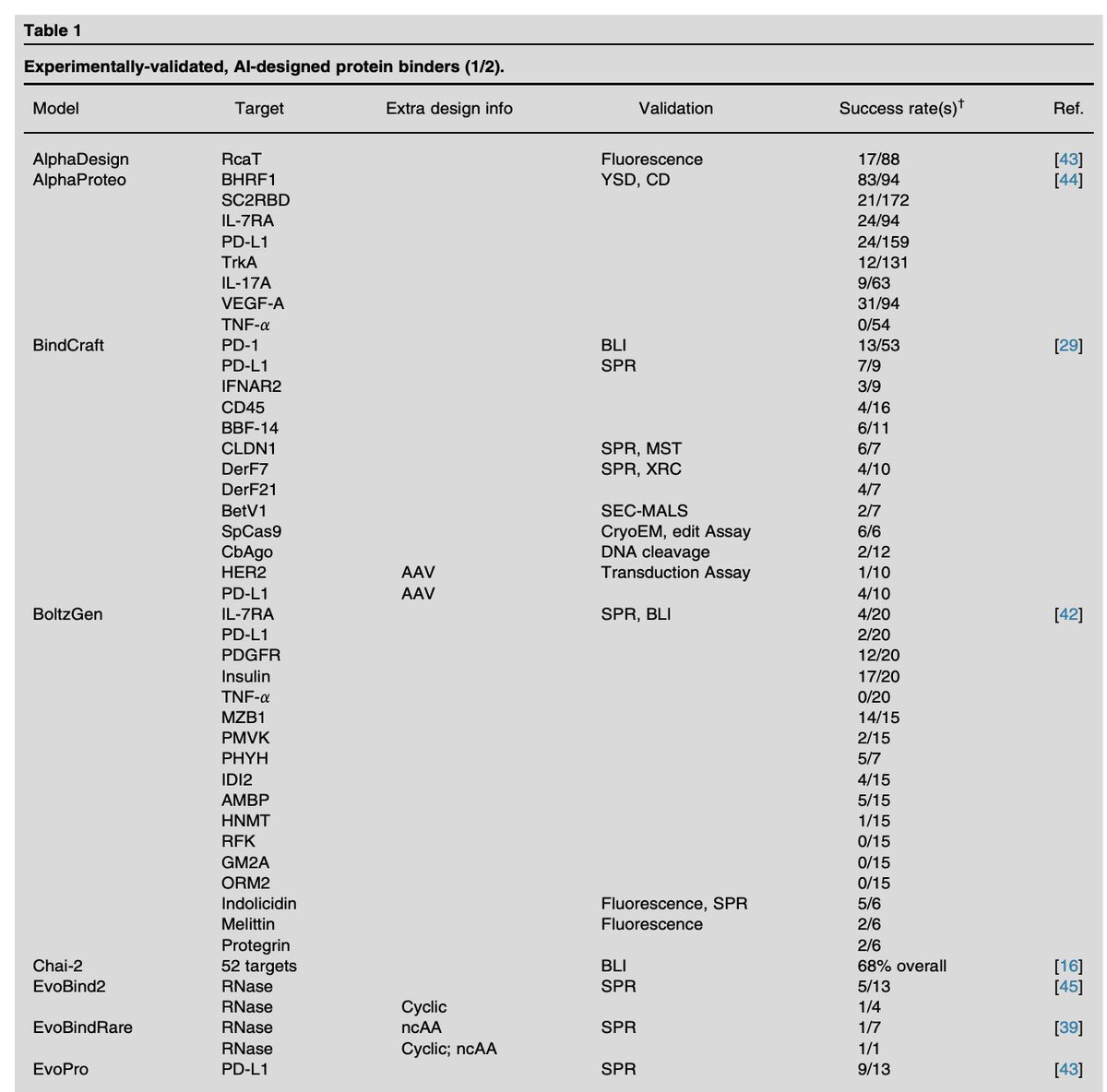
Have you wondered what the wet lab success rates are for current AI-driven protein design models? Look no further!
In our new open access review, @KevinKaichuang, @avapamini, @SarahAlamdari, and I report wet lab success rates for *over 200* different protein design tasks 🧬💻
9
106
495
94,727
Devansh Pandey retweeted
Apr 15
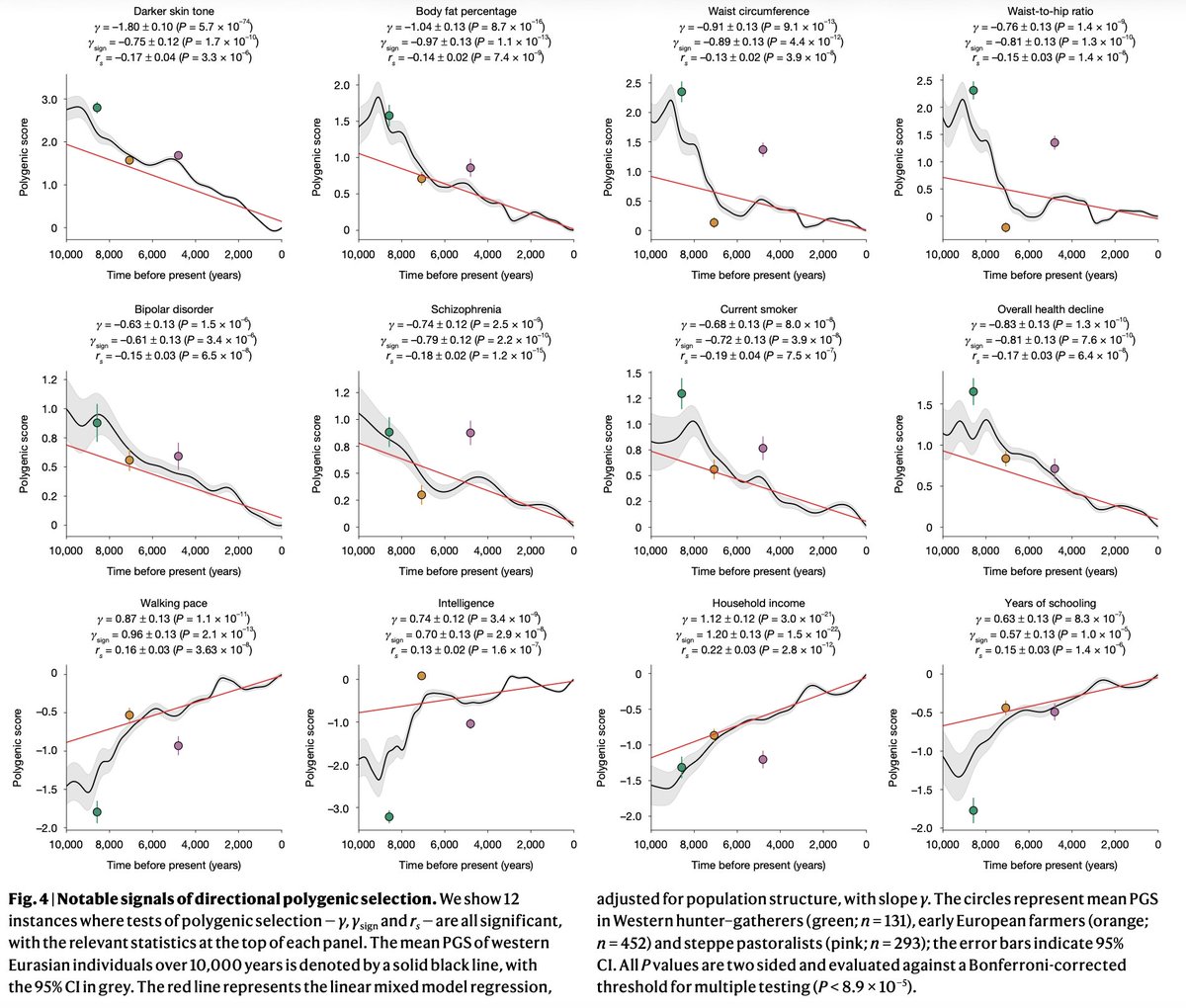
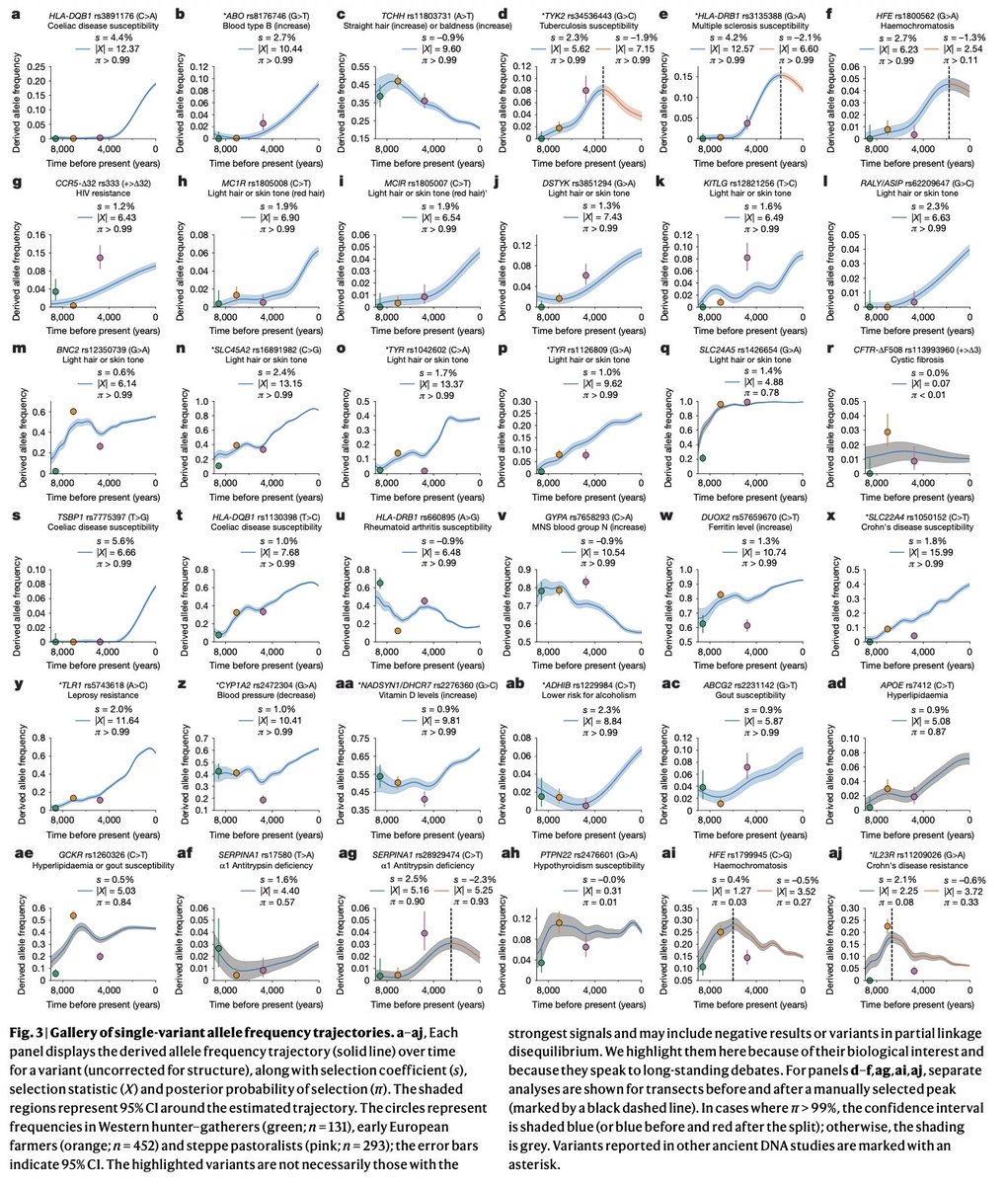
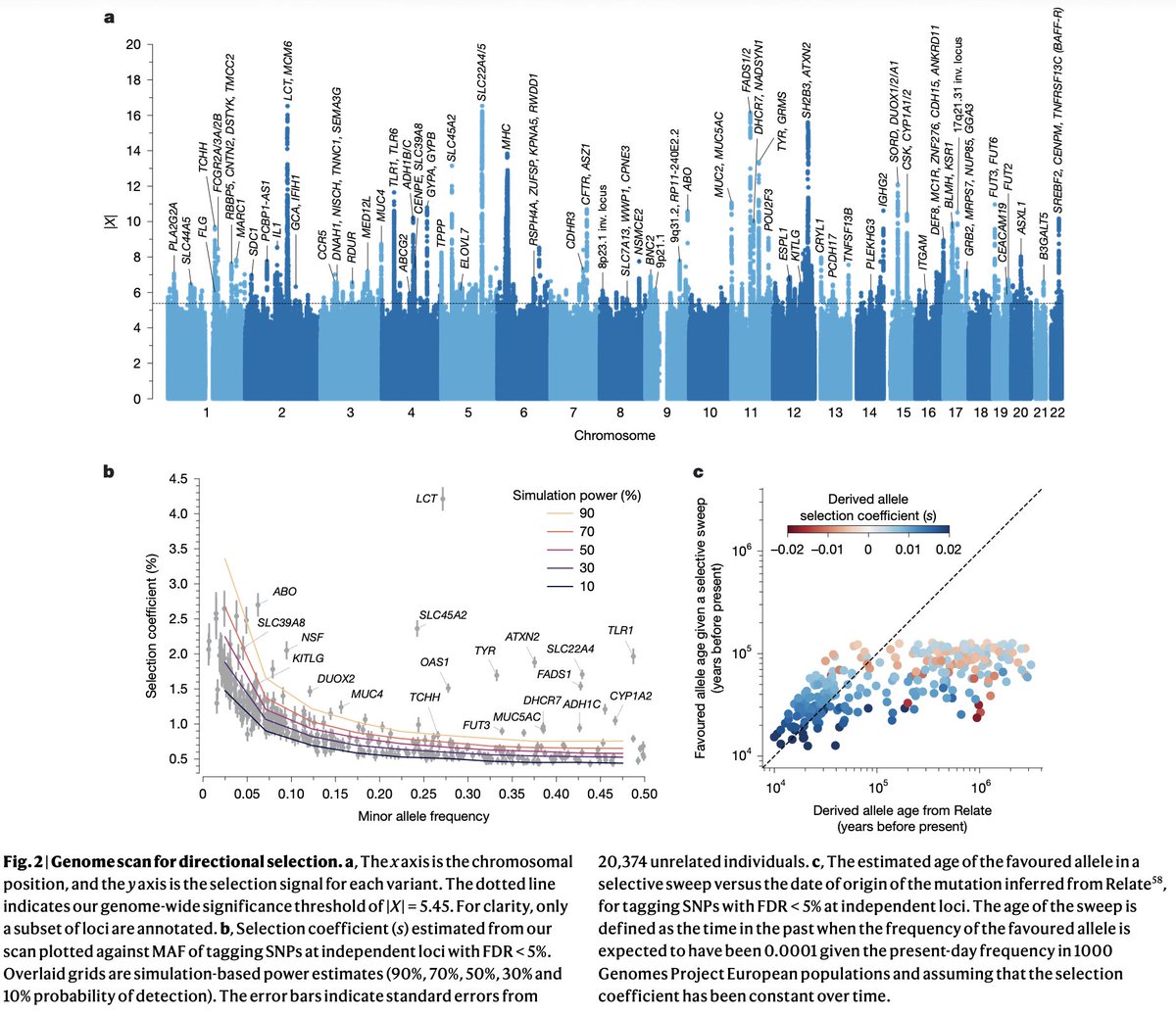
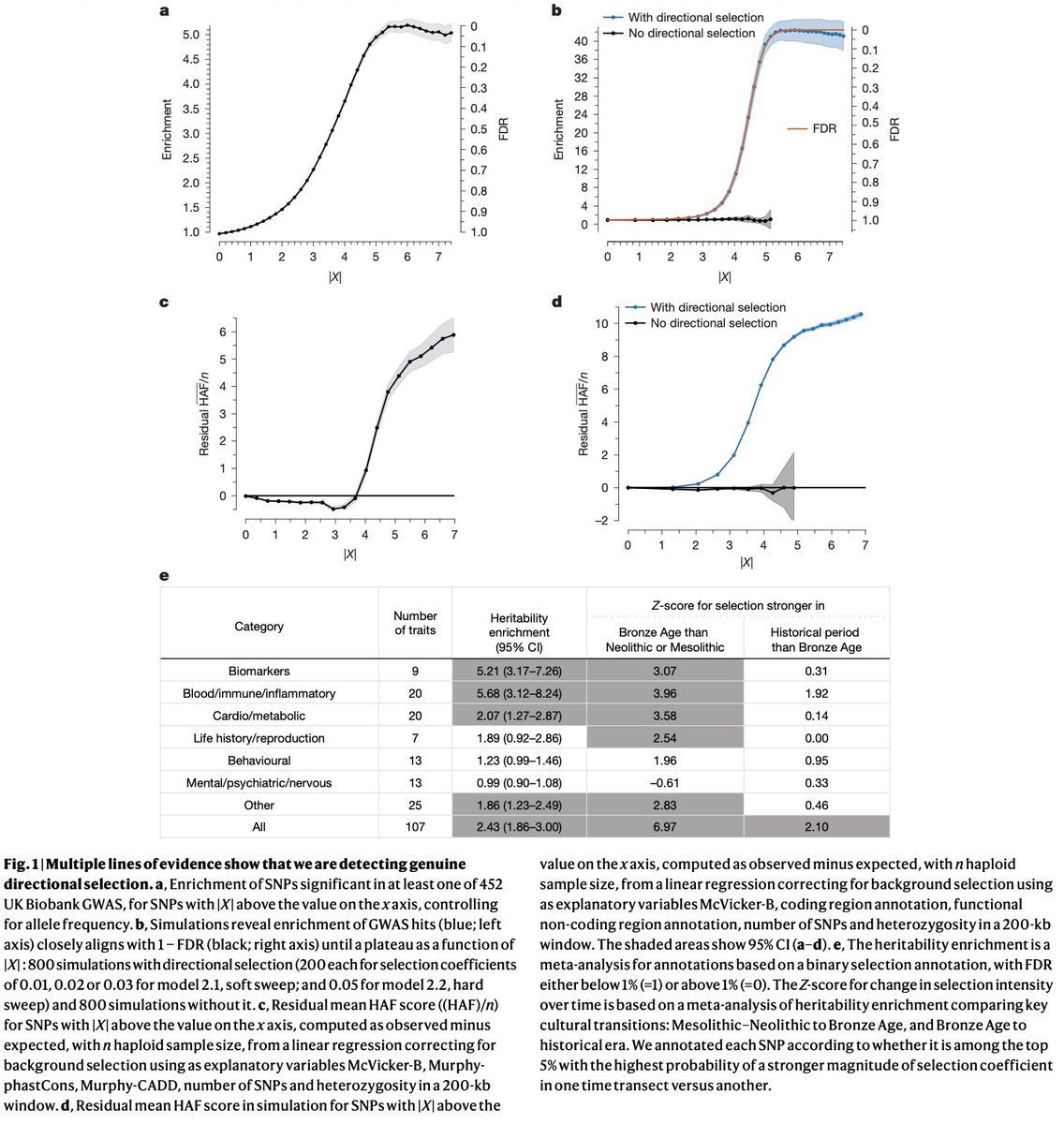
Its finally out! Over 8 years of work by @aliakbari23 shows that selection was pervasive in the last 10,000 years, including for quantitative traits. This was directional selection. Simulations show background selection, etc can not produce the observed patterns.
7
84
444
48,528

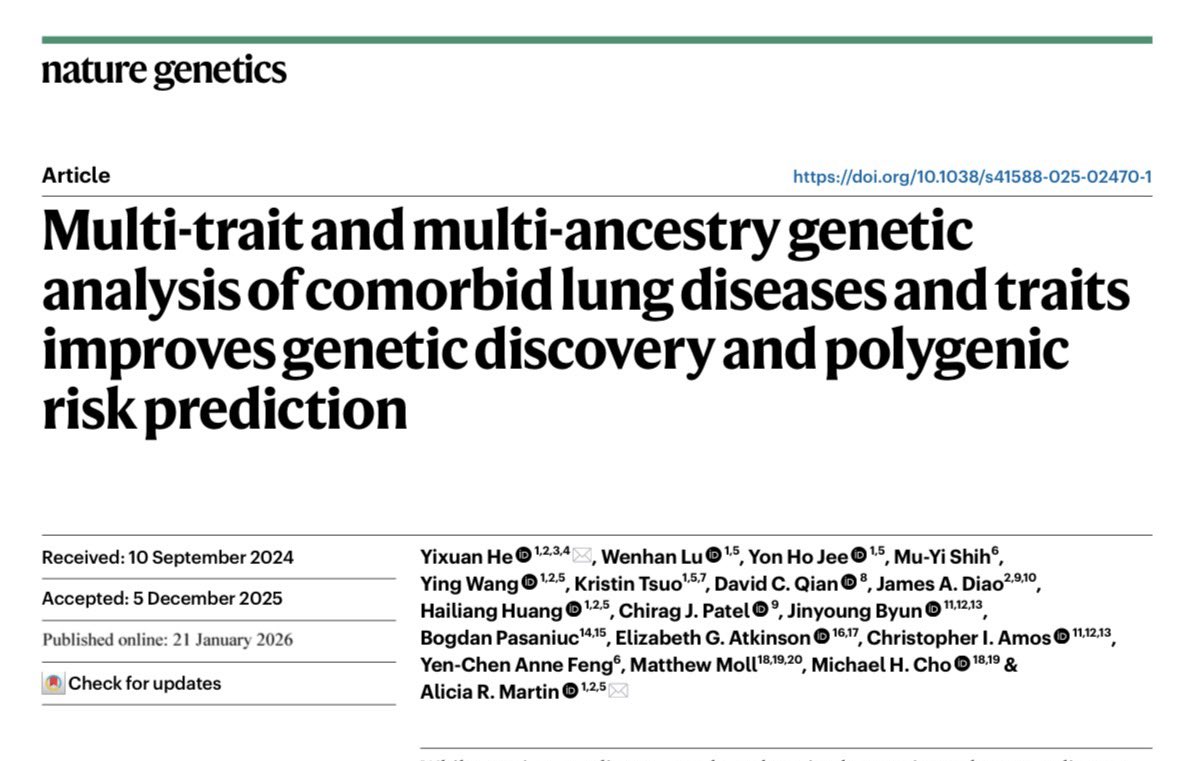
🧵Super excited to share our new paper in @NatureGenet ⭐️
We apply a new multiple traits and ancestry approach to improve genetic discovery and polygenic prediction in lung diseases and traits 🫁
5
32
152
10,874
Devansh Pandey retweeted
29 Oct 2025
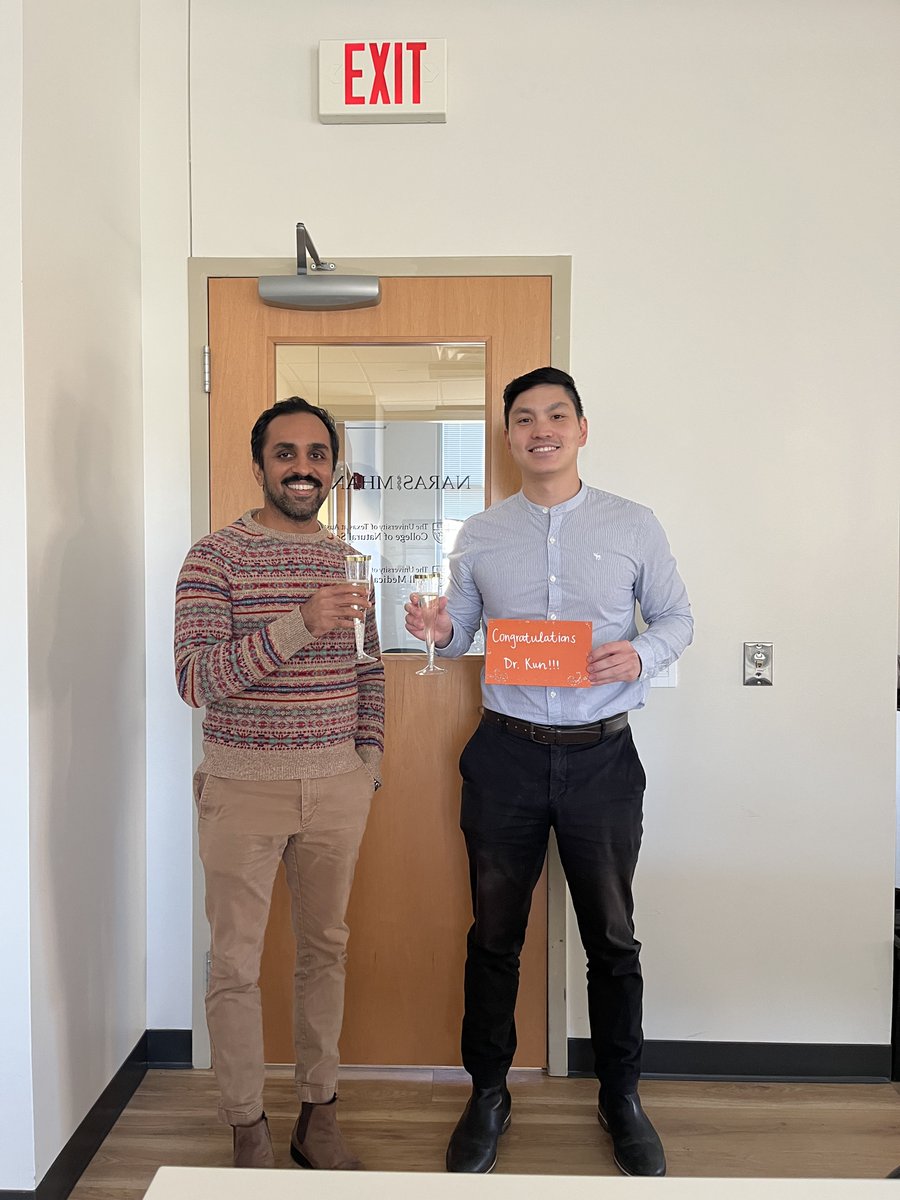
Congratulations to @EucharistKun for successfully defending his PhD thesis on applying deep learning methods to >1.2M images from 60k people and connecting this to genetic data to understand aging and development. He's on the postdoc job market: scholar.google.com/citations….
9
1
27
2,081
Devansh Pandey retweeted
15 Oct 2025
I will be presenting a poster about the LGM in Europe and the Mesolithic across Eurasia from 2:30 to 4:30 this Friday at ASHG (poster # 6027). It is unpublished and thus subject to change! If you're interested in chatting, please find me there, reach out here, or email me!

21
34
198
69,320
13 Oct 2025
Half of people with heart disease first find out after a heart attack. What if we could see risk years earlier using MRI, genetics, and blood tests? We introduce preCog, a multimodal AI for preventive cardiology trained on >500k images and genetic data from 1.25M individuals.
4
25
141
29,944
13 Oct 2025
I will be presenting this work at #ASHG25 in:
🧬 Session 77 — Beyond Sequencing: Genetic Architecture of Complex Traits
📅 Friday, Oct 17 | 1:30–2:30 PM ET
and also as a poster presentation:
📍 Poster Board: 9080F
🗓 Friday, Oct 17 | 2:30–4:30 PM ET
1
1
7
642
13 Oct 2025
Big thanks to my amazing co-authors for their contributions and collaboration on this project. @xliaoyi, @EucharistKun, @joyce_yiyi_wang, @ChenfeiLi2000, @melek_alaa, Julie C. Dicarlo, Edward Castillo, @LubbDup, Charles A. Taylor and @vagheesh
2
2
680
Devansh Pandey retweeted
15 Sep 2025
New paper on our group applying deep learning to measure spine curvature in thousands of individuals to identify new genetic loci associated with susceptibility. Led by star undergrad Michael Zeosky who is applying to PhD programs this fall!
x.com/EucharistKun/status/19…
15 Sep 2025

Scoliosis is the most common spinal deformity, but its genetic causes are still unclear. Using AI to measure spinal curves in 57,887 people, we discovered 2 novel genetic risk loci - showing how deep learning can unlock insights into musculoskeletal health medrxiv.org/content/10.1101/…
11
48
8,713
Devansh Pandey retweeted

15 Sep 2025
Scoliosis is the most common spinal deformity, but its genetic causes are still unclear. Using AI to measure spinal curves in 57,887 people, we discovered 2 novel genetic risk loci - showing how deep learning can unlock insights into musculoskeletal health medrxiv.org/content/10.1101/…
1
7
13
9,959