
Blues, reggae, country, rock & guitar – but not just music | Bite‑sized music history
Joined October 2023
- Tweets 19
- Following 4
- Followers 57
- Likes 2
19 Photos and videos
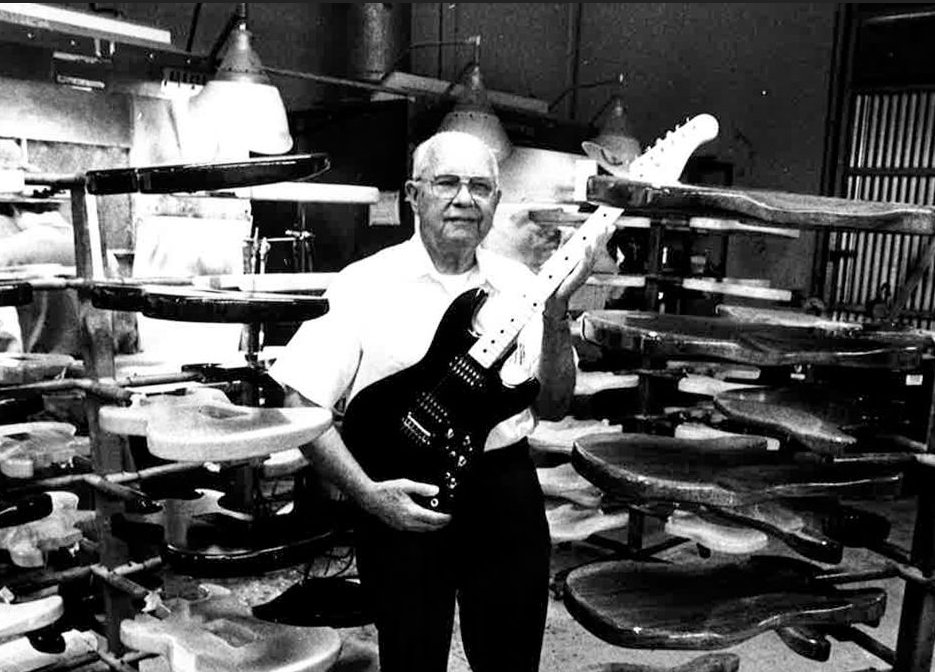

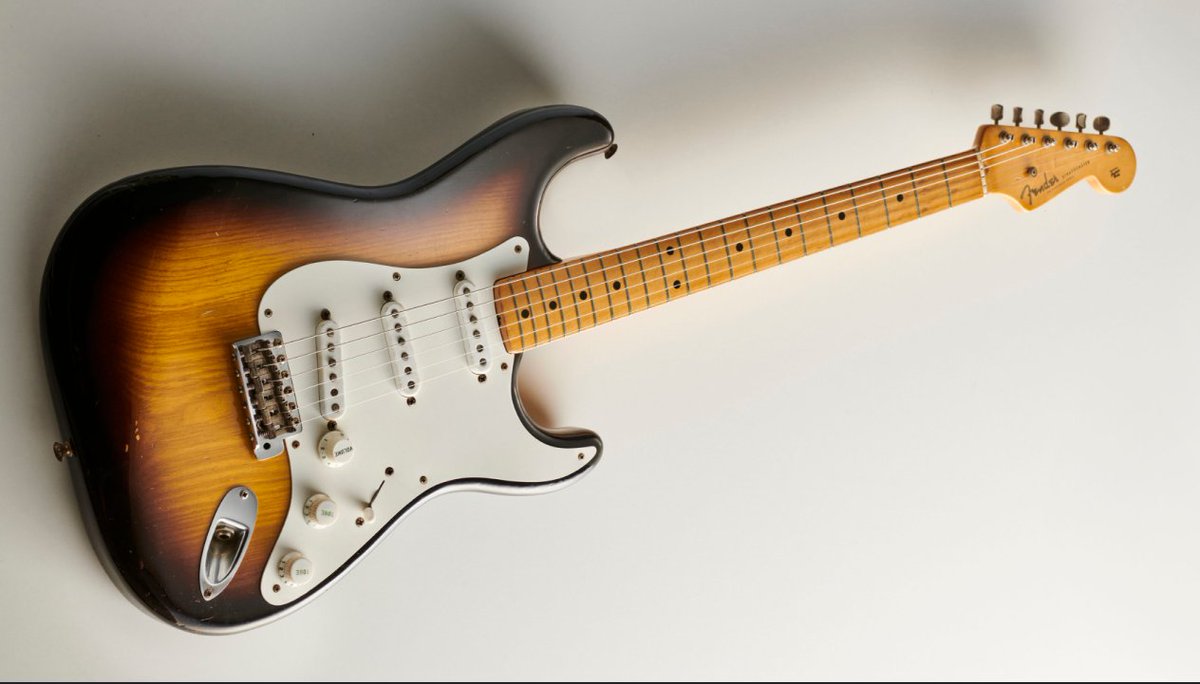
It was 1954. Rock 'n' roll hadn't even happened yet. But in a small workshop in California, Leo Fender, George Fullerton, and Freddie Tavares were about to change music forever.
They called it the Stratocaster. The name was a last‑minute invention — a marketing man named Don Randall came up with it, and Leo Fender liked it enough to rename his new guitar on the spot.
What made it different? A double-cutaway body that gave players access to the highest frets. Three pickups instead of two. And a revolutionary tremolo system that could bend notes up and down. The Strat wasn't just a guitar; it was a canvas.
Then came the players. Buddy Holly made it look cool. Jimi Hendrix played it upside down and set it on fire. Eric Clapton, Jeff Beck, David Gilmour, Stevie Ray Vaughan — each took the same basic tool and found a completely different voice.
Over 70 years later, the Stratocaster is still in production. Not because it's a museum piece, but because it's the most adaptable guitar ever built. One shape. Infinite sounds. 🎸✨
#FenderStratocaster #GuitarHistory
26
Is the number of guitar players in the world actually declining? The data tells a mixed story.
Fender estimates that around 10% of the global population plays guitar — roughly 800 million people. Other sources put the number closer to 50 million. The wide range depends on how you define "guitar player": does owning a guitar count? What if you learned three chords years ago?
One striking stat: 90% of beginners quit within their first year. That sounds like bad news. But the remaining 10% become lifelong enthusiasts, buying 5–7 guitars and multiple amps, and spending over $10,000 on gear in a lifetime. That loyal core keeps the instrument alive.
Meanwhile, the industry is shifting. Sam Ash closed all 42 stores. Guitar Player magazine ended its print run in 2024 after 58 years. But the global guitar market is still projected to grow by $2.2 billion between 2025 and 2029. And Google Trends shows search interest in "guitar" hit its highest holiday peak in years at the end of 2025.
So are there fewer guitar players? The raw number of people who have ever tried is likely stable or growing. But the number who stick with it has probably stayed about the same for decades — older players leave, new ones arrive. The guitar isn't dying. It's constantly renewing itself. 🎸
#GuitarTrends #MusicIndustry
32
Why do so many people turn to guitar music when they’re sad, angry, or lost? Because the electric guitar — especially with distortion and sustain — can sound exactly like a human crying or screaming. It’s a safe container for emotions that have no words.
Research in music therapy shows that playing or even just listening to guitar-based music activates the brain’s default mode network — the same system involved in introspection and emotional regulation. Slow, clean guitar can lower blood pressure. Heavily distorted, angry riffs can provide catharsis, releasing pent-up frustration without hurting anyone.
This is why blues was born from pain, and rock from rebellion. The guitar doesn’t judge you. It just resonates with whatever you’re feeling. It turns inner chaos into something beautiful or brutal — but always honest.
If you haven’t used guitar music as emotional first aid yet, try it today. One riff. One deep breath. You might feel lighter. 🎸🧠💙
#GuitarTherapy #MusicAndMind
19
Some people say blues‑rock is old news. They’re wrong. Look at what’s happening right now:
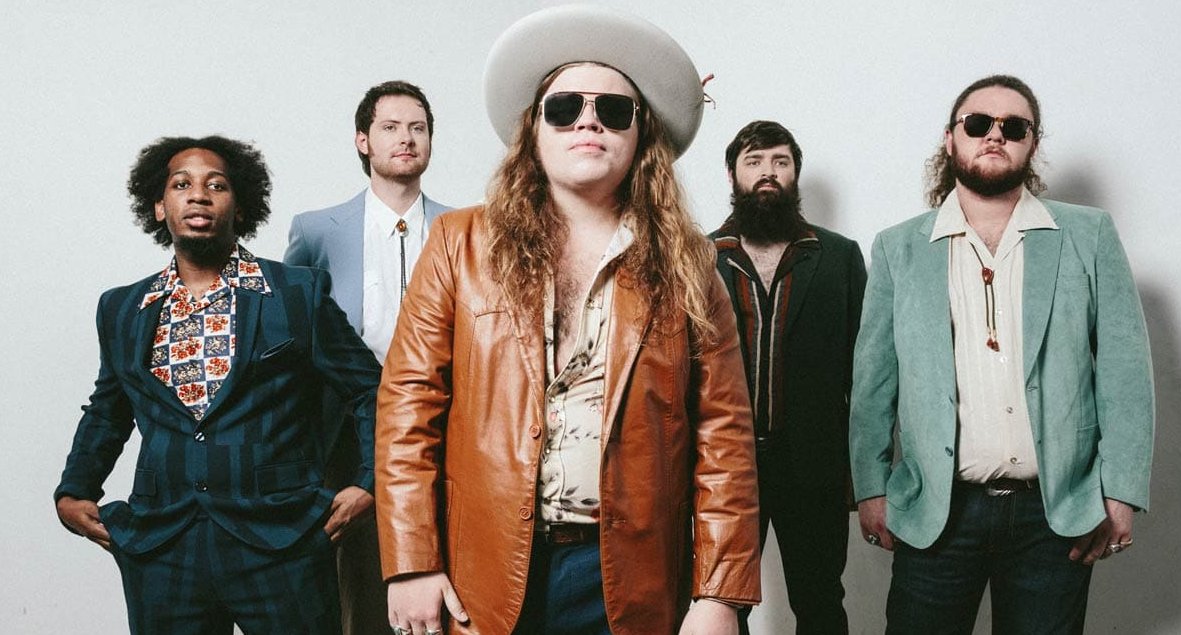
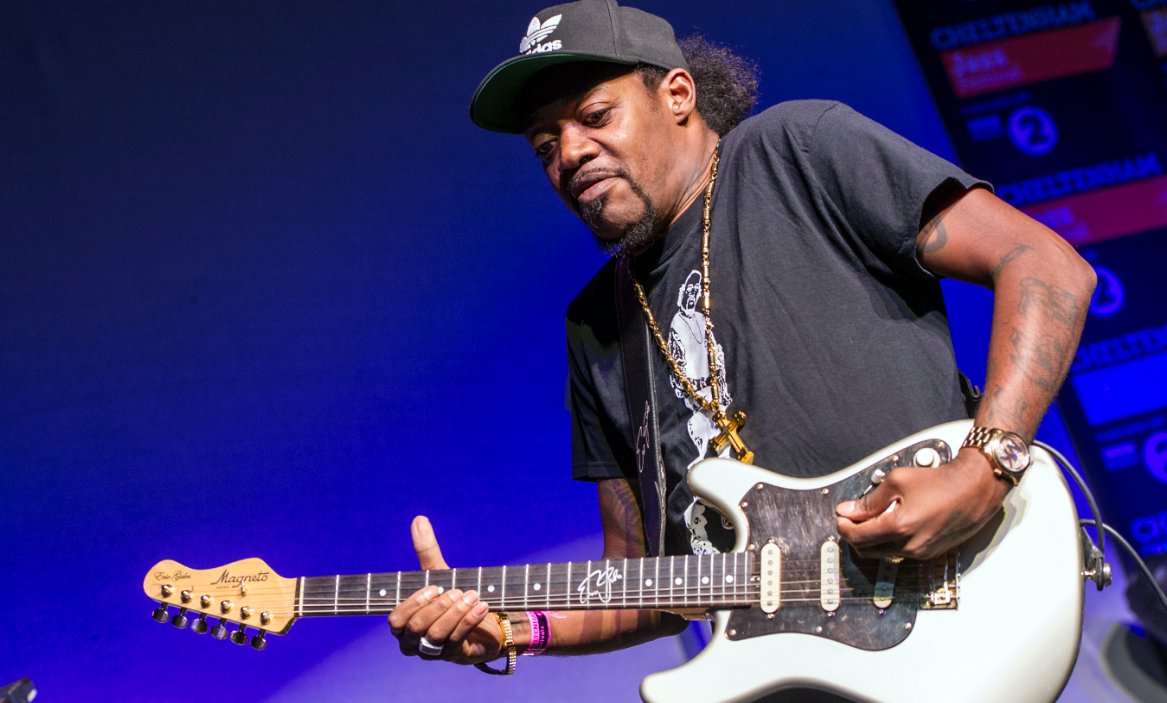
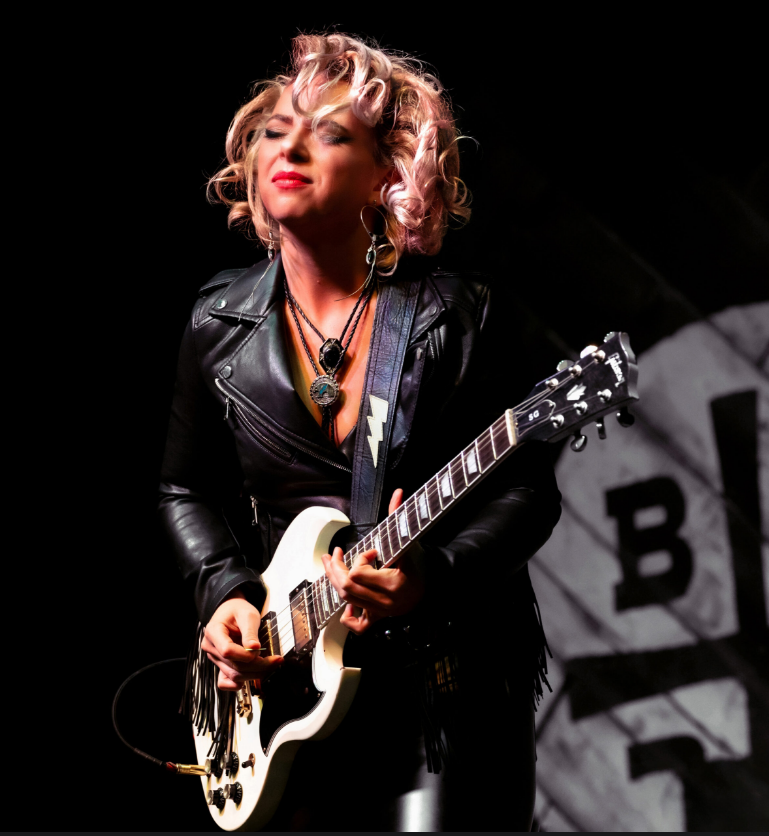
Marcus King (27 years old) mixes Southern rock, blues, and psychedelic soul. His album Mood Swings (2024) hit #1 on the Billboard Blues chart. Samantha Fish (also in her 30s) bends blues‑rock into punk and swamp rock territory. Eric Gales channels Hendrix but adds modern shredding and hip‑hop grooves.
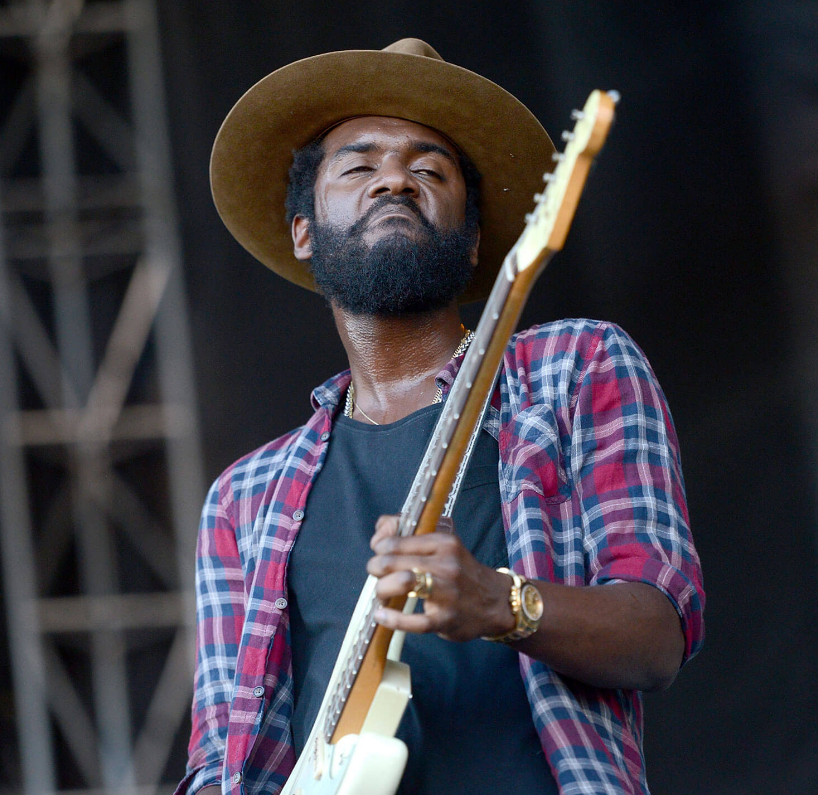
And don't forget Gary Clark Jr. — he won a Grammy for Best Rock Song in 2020, not a blues category. Because blues‑rock is rock.
The genre never died. It just keeps reinventing itself. The 12‑bar structure is a skeleton. Every generation adds new muscle: heavier riffs, syncopated beats, soul singing, even electronic textures.
Blues‑rock is the root that keeps growing new branches. Turn up your amp. 🎸⚡
#BluesRock #ModernBlues
1
21
There’s a reason why you feel calmer when an acoustic guitar plays softly. It’s not just the melody — it’s the physics of the instrument. The wooden body resonates with frequencies between 80 and 800 Hz, which overlaps with the human voice’s emotional range. Our brains interpret that warmth as safety.
Studies have shown that listening to slow, fingerpicked guitar music (60–80 beats per minute) can lower cortisol levels and slow your heart rate. It mimics the rhythm of a resting breath. No lyrics mean no cognitive load — just pure, unmediated emotion.
That’s why so many people put on instrumental acoustic guitar when they work, study, or can’t sleep. It’s not background noise. It’s a sonic hammock.
Next time you feel overwhelmed, find a quiet acoustic guitar track. Close your eyes. Let the wood and strings do their work. 🎧🌿
#AcousticGuitar #RelaxingMusic
2
22
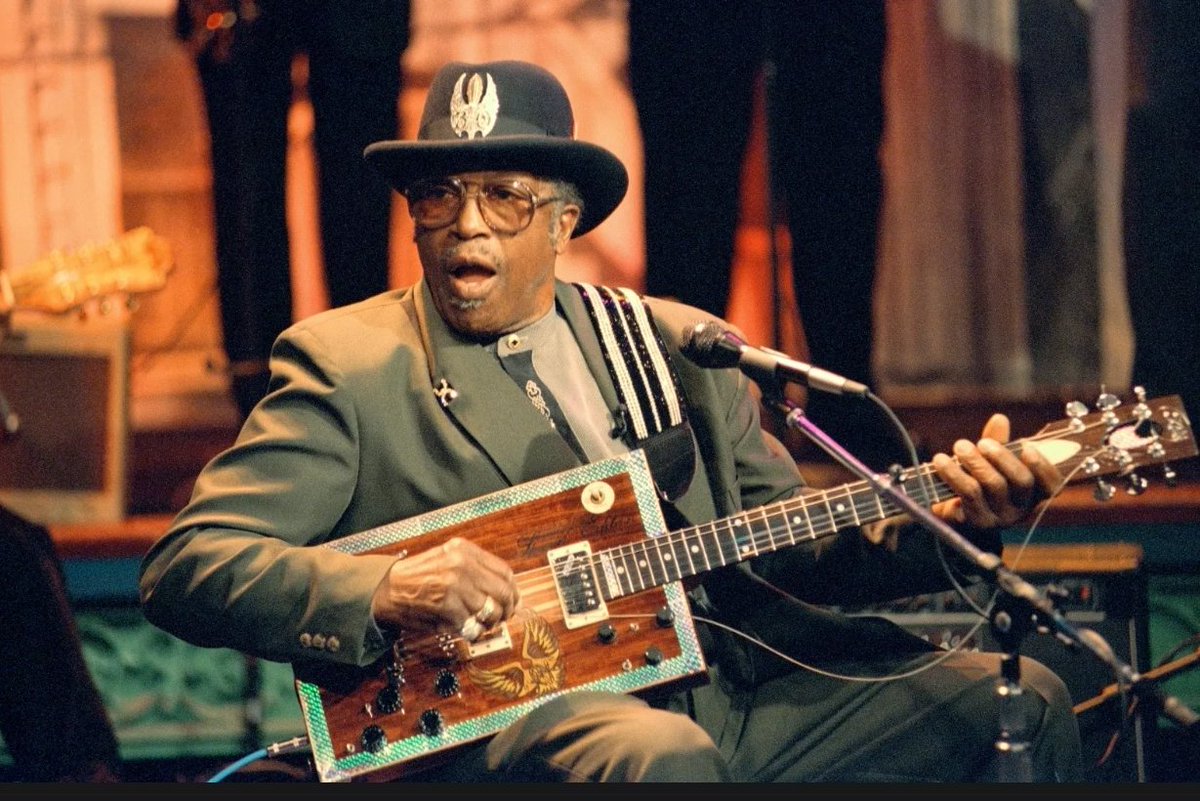
Long before Jimi Hendrix smashed his guitars, a teenager named Elias McDaniel crafted one out of a cigar box at Chicago's Foster Vocational School in 1945. He was studying to be a carpenter, but after seeing blues legend John Lee Hooker play, he knew what he really wanted to build. So he took a simple wooden cigar box, nailed on a plank for a neck, and created a rectangular instrument. The goal was radical simplicity: just strings on a piece of wood, nothing to get between him and the audience.
Years later, as Bo Diddley, he approached Gretsch with his design. Between 1958 and 1962, Gretsch built four custom rectangular guitars, which Bo called the "Twang Machine." They featured vibrato, dual pickups, and a futuristic look. But his most fearsome guitar, the "Mean Machine," was built for him in Brisbane, Australia, during the 1970s and became part of his touring arsenal. These guitars — from the simple cigar box prototype to the custom Gretsch models to the Australian "Mean Machine" — were the perfect weapons for his revolutionary rhythm, the "Bo Diddley Beat": bomp, ba-bomp-bomp, bomp-bomp. A beat that would be sampled by everyone from The Rolling Stones to The White Stripes. All from a boy who just wanted to keep it simple. 📦⚡
#BoDiddley #CigarBoxGuitar
1
2
35

Jun 15
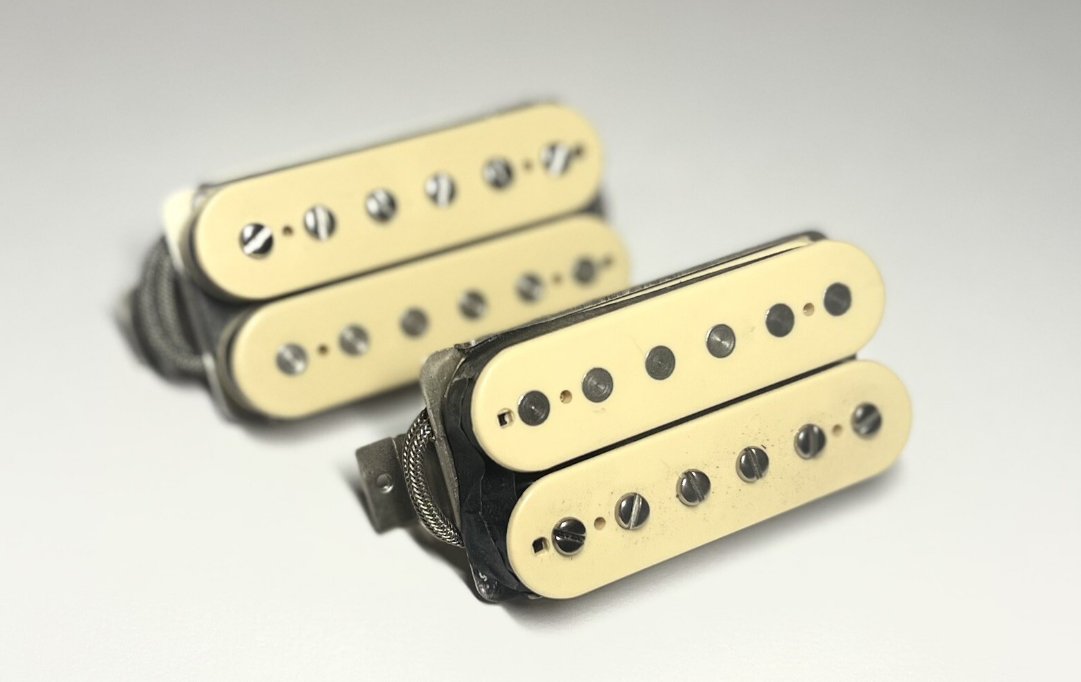
In the mid-1950s, Gibson was losing the electric guitar war to Fender. Their pickups sounded muddy. Then, a happy accident changed rock history. Seth Lover, a Gibson engineer, was trying to create a pickup that could cancel out the 60-cycle hum that plagued single-coils. He designed a pickup with two coils wound in opposite directions, wired together. And it worked: the hum disappeared. The pickup created a fat, warm, powerful sound — but Gibson made a mistake. They assumed their patent application meant the design was protected. It wasn't fully granted until 1959.
So when they stamped "Patent Applied For" on the bottom of these humbuckers from 1957 onward, they were marking history. The "PAF" pickups became the secret weapon of rock. Jimmy Page, Billy Gibbons, Peter Green — they all built their tones around these accidental wonders. The patent was eventually granted, but the name "PAF" stuck forever. A simple administrative phrase became one of the most magical words in guitar. All because Gibson was a little too slow with their paperwork. 🌟🎸
#PAFpickups #Humbucker
19
Jun 15
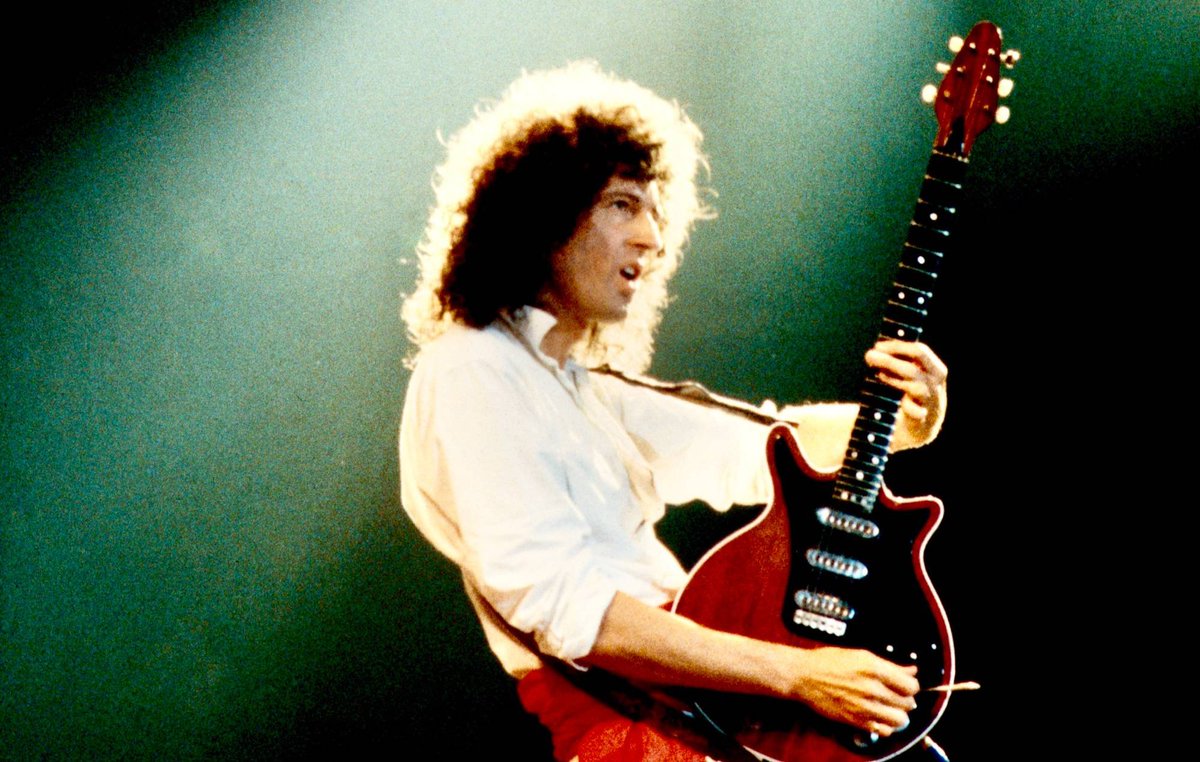
When Brian May was 16, he wanted a guitar his family couldn't afford. So he did something unthinkable today — he built one. With his father, an electronics draftsman, they constructed the "Red Special" almost entirely from household scraps. The neck came from a 100-year-old fireplace mantelpiece, carved by hand with a knife. The tremolo system was made from a dismantled bicycle wheel spoke and a motorbike valve spring. The guitar body was constructed from oak reclaimed from a stable door, coated in a thick layer of wood filler and painted red with Rustin's Plastic Coating, a material normally used for kitchen worktops.
The result wasn't just a guitar that worked. It created a sound unlike anything else — a thick, singing, orchestral tone that became the voice of Queen. From "Bohemian Rhapsody" to "We Will Rock You," that fireplace mantelpiece helped define stadium rock. May still plays the Red Special today, over 50 years later. It proves that sometimes, the most legendary instruments aren't found in catalogs — they're dreamed up in a teenager's bedroom and built from whatever's lying around. 🚀🎸
#RedSpecial #BrianMay
27
Jun 12
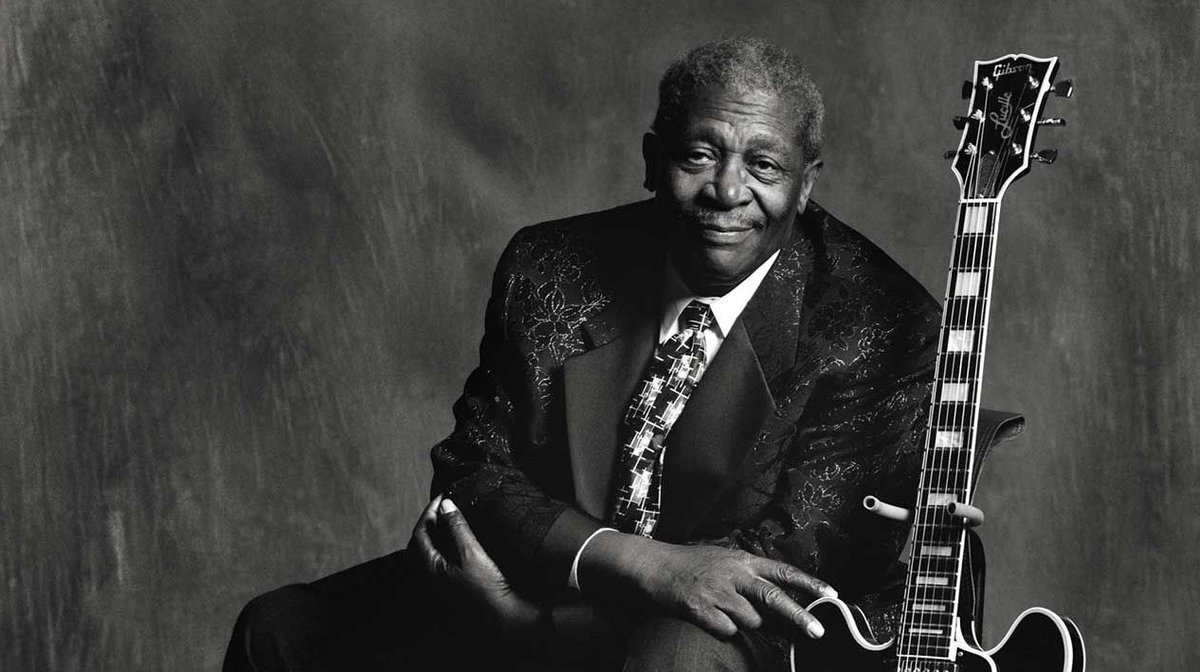
In the winter of 1949, a 24-year-old bluesman named Riley “B.B.” King was playing a small dance hall in Twist, Arkansas. It was freezing cold. To warm the place, the owner lit a fire in a metal garbage can half-filled with kerosene and placed it on the dance floor. Yes — a literal fire in a trash can, right where people were dancing.
That night, two men got into a fight. They knocked over the burning barrel. Kerosene spilled everywhere. “It looked like a river of fire,” King later recalled. The wooden building went up in seconds. Everyone ran outside. Everyone except B.B. King.
He realized he had left his $30 guitar inside — a cheap Gibson L-30 acoustic archtop. He ran back into the burning building, dodging falling timbers, and grabbed his guitar. He made it out just as the shack collapsed around him. The next day, he learned what had started the fight: two men had been fighting over a woman who worked at the dance hall. Her name was Lucille. Both men died in the fire. King named his guitar Lucille to remind himself: “Never do anything that foolish again.” He named every single guitar he owned after her for the rest of his life.
One fight. One fire. One woman. One guitar. That’s how the most famous guitar in blues history got its name. And B.B. King never ran into a burning building ever again. 🎸🔥💔
#BBKing #BluesHistory
9
1
1
46
Jun 12
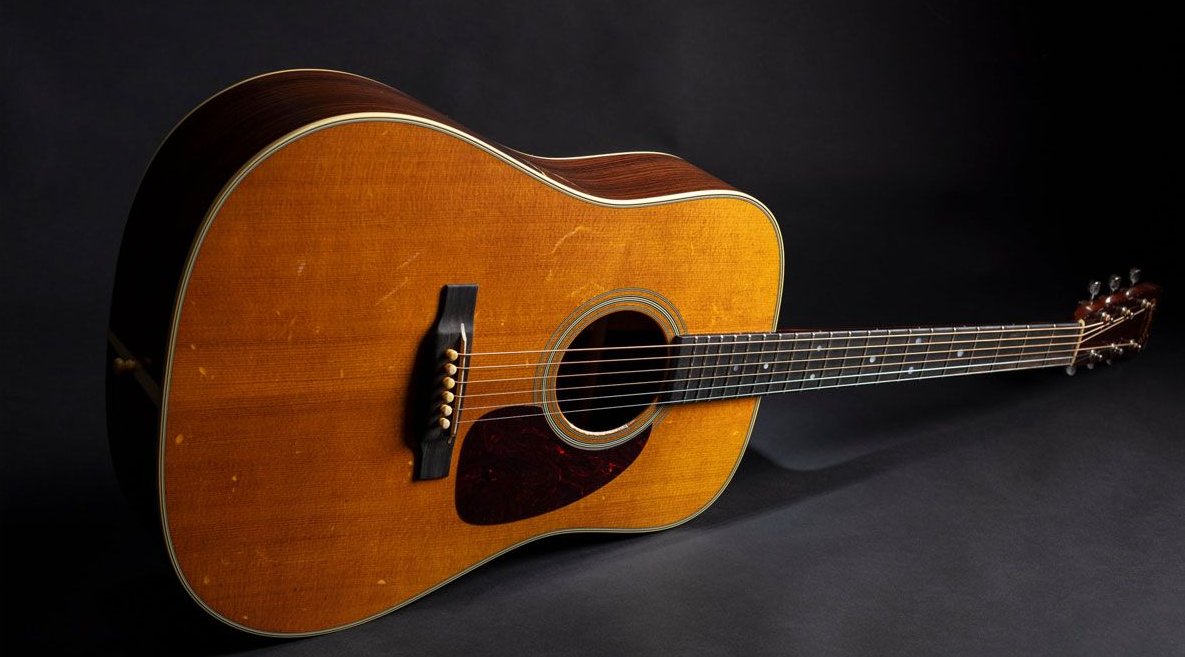
There’s one acoustic guitar that appears on more legendary recordings than any other. It’s the Martin D-28, known as “the Dreadnought.” The name comes from a class of massive British battleships that meant “fear nothing.”
When this guitar first appeared in 1931, it was revolutionary. It was the largest acoustic guitar anyone had ever seen, designed to be heard alongside banjos and full bands. And it changed everything. The Martin D-28 became the undisputed gold standard for acoustic guitars.
Its fan club reads like a music history textbook: Hank Williams, Johnny Cash, Elvis Presley, John Lennon, Paul McCartney, Bob Dylan, Neil Young (who owns Hank Williams’ original D-28), Jimmy Page, Joni Mitchell, and countless others. Neil Young loved his D-28 so much he named it “Hank” after Williams.
The D-28 is often called the most recorded acoustic guitar in history. It’s the sound of “The Times They Are A-Changin’,” of country music’s golden era, and of countless folk anthems. From Dylan going electric to Johnny Cash at Folsom Prison, the Martin D-28 has been there. Quietly, powerfully, refusing to be ignored. 🎸🚢
#MartinGuitar #AcousticLegend
46
Jun 12
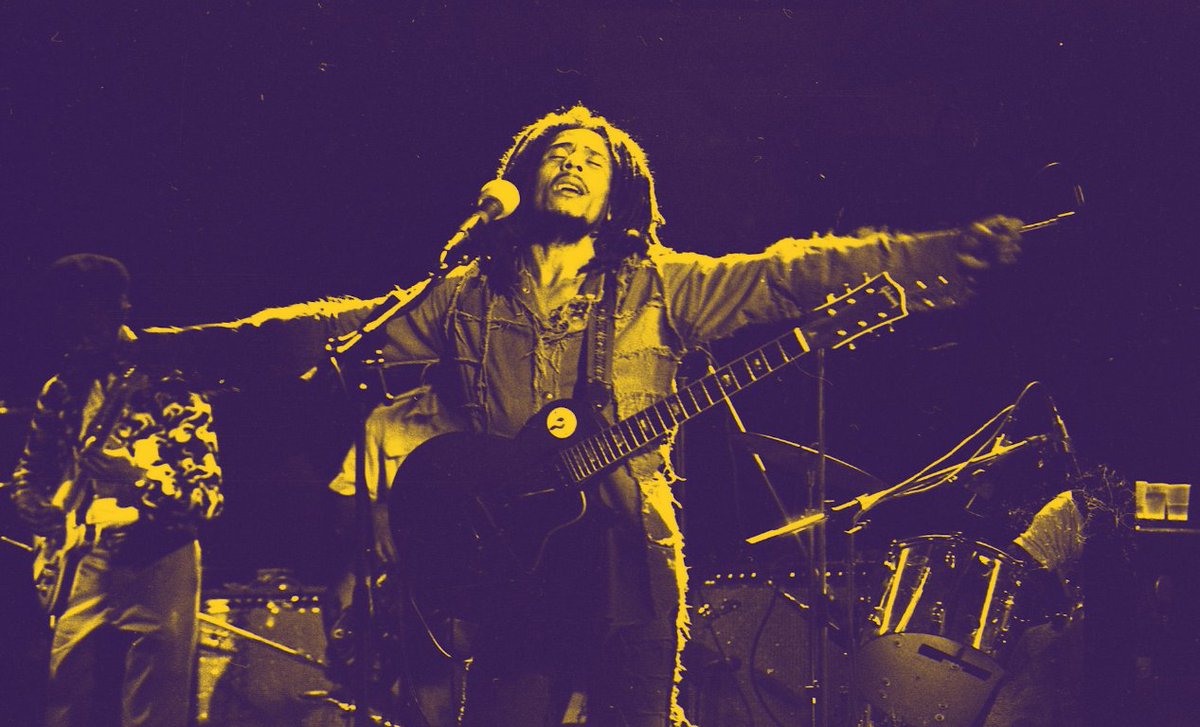
The year was 1976. Jamaica was torn apart by political violence. Bob Marley, the biggest star on the island, decided to do something bold: he would hold a free concert called “Smile Jamaica” to try to calm the country. It was meant to be a message of peace.
Two days before the concert, on December 3, seven armed gunmen stormed Marley’s home at 56 Hope Road in Kingston. They opened fire, spraying bullets through the house. Marley was hit in the arm and chest. His wife, Rita, was shot in the back of the head. His manager, Don Taylor, was hit multiple times in the stomach. Miraculously, they all survived.
What happened next is legend. Despite his wounds, Bob Marley walked onto the stage the next night. He showed the 80,000 people in the crowd his bandaged arm. Then he played for over an hour and a half. When asked why he didn’t cancel, Marley said: “The people who are trying to make this world worse aren't taking a day off. How can I?”
That night, reggae proved it was more than music. It was a weapon of peace.
37
Jun 11
Early blues was a solo act: one voice, one acoustic guitar, maybe a harmonica. No drums. In the 1920s and 30s, the rhythm came from a stomping foot or a tapping boot heel.
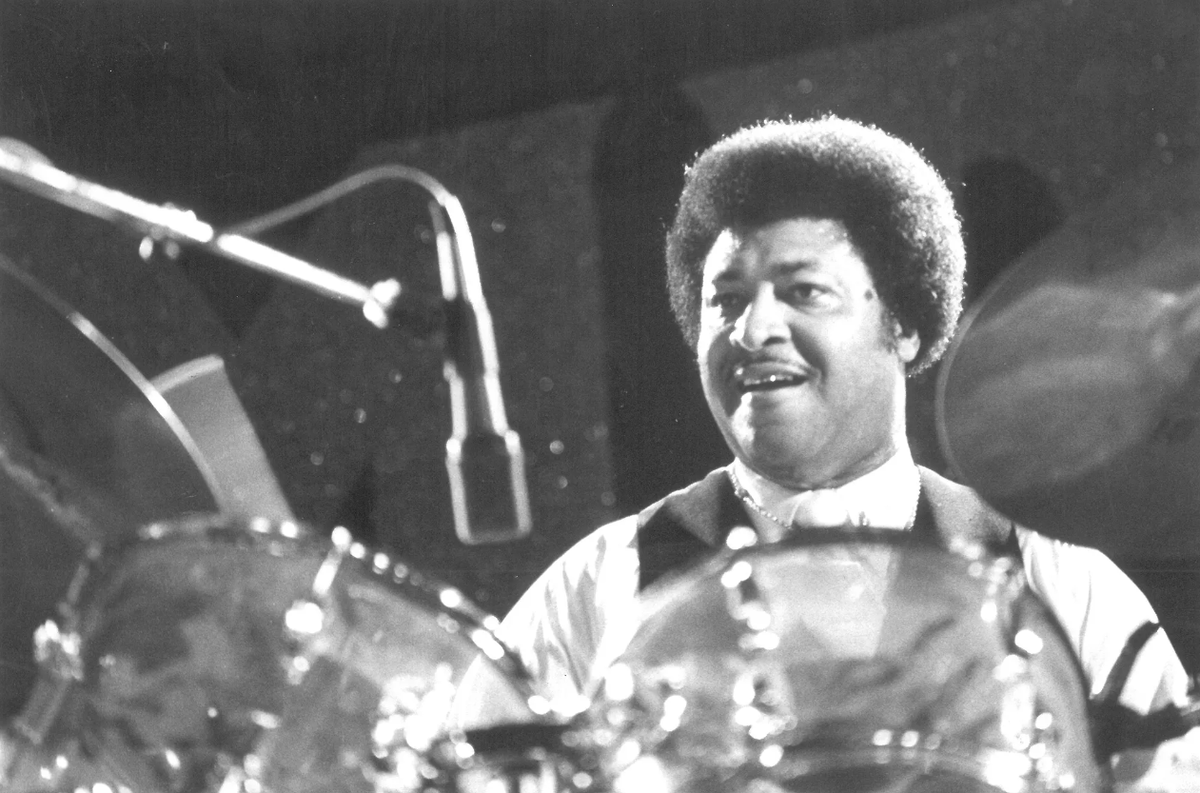
But when the Mississippi blues migrated north to Chicago in the 1940s and 50s, everything changed. The music got louder, electric, and it needed a backbone. The drum kit arrived. One of the first to master this new sound was Sam Lay.
Sam Lay was born in Alabama in 1935 and started playing drums at 14. By the late 1950s, he had become the backbone for the giants: Howlin' Wolf (1960–66), Little Walter, and Muddy Waters. His famous shuffles and grooves — a hypnotic lope between the snare drum and hi-hat — literally defined the beat of Chicago blues.
Lay wasn't just a session musician. He helped change rock history too. He was the drummer on Bob Dylan's game-changing electric album Highway 61 Revisited and played with Dylan at the infamous 1965 Newport Folk Festival, where the folk purists booed the electric sound.
He wasn't alone. Alongside other legends like Fred Below (who drummed on Chuck Berry's "Johnny B. Goode") and Earl Palmer, Sam Lay helped turn the drum kit from a simple timekeeper into a lead voice in the band.
The drum kit in the blues gave the music its swagger, its power, and a new kind of groove. It turned a one-man lament into a full-band gospel.
37
Jun 11
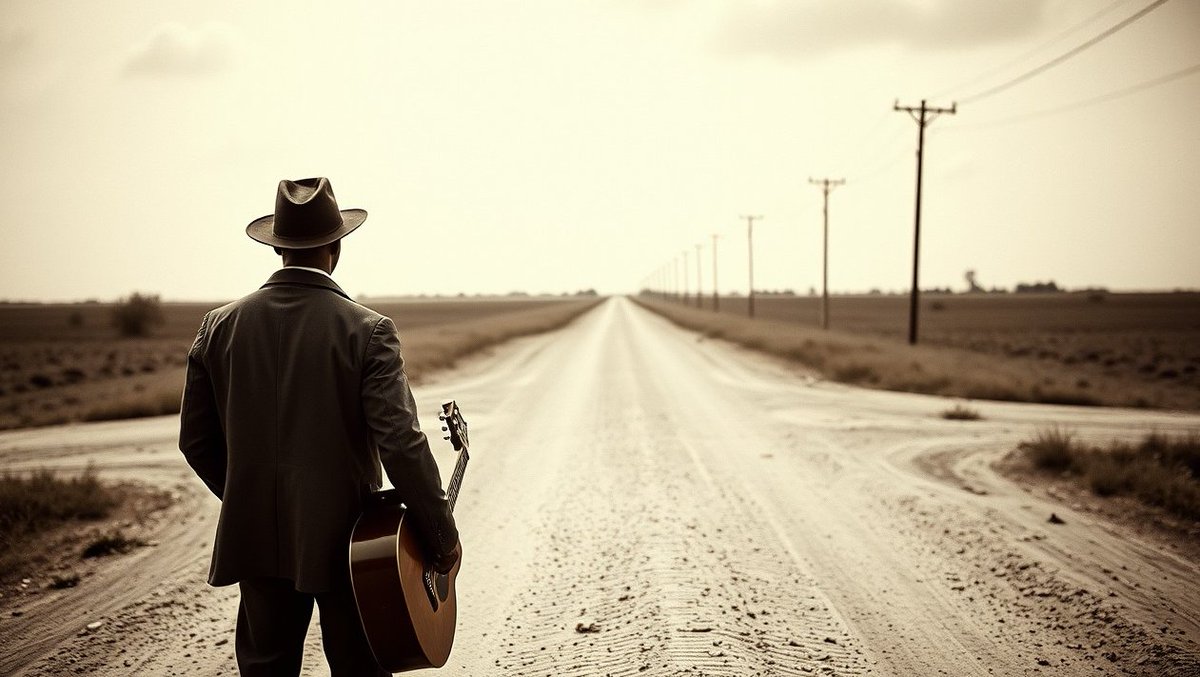
It's the most famous myth in the blues — maybe in all of music. The story goes that a young, struggling guitarist named Robert Johnson disappeared for a few weeks in the late 1920s or early 30s. When he returned, he could suddenly play like a demon. His fingers flew across the fretboard. His voice carried a haunted ache.
The explanation? According to legend, Johnson met the Devil at a Mississippi crossroads around midnight. He handed over his soul in exchange for virtuosity. The story captured the public's imagination in the 1960s (long after Johnson died at 27 in 1938) and helped lay the foundation for rock's fascination with dark themes.
And the truth? Historians believe Johnson did disappear. He likely spent those weeks simply practicing obsessively in small towns away from his usual rivals. There was no supernatural deal. Just a young man with a battered guitar and fierce determination.
But maybe the myth itself is the point. Robert Johnson recorded only 29 songs in his entire life. Those songs, including "Cross Road Blues," changed music forever. The idea that such power couldn't come naturally — that it had to be given by the devil — is a tribute to his genius.
Sometimes the best blues stories don't need to be true to be real. They capture a feeling: that the deepest pain and the most dazzling talent come from somewhere beyond this world. 🎸
33
Jun 10
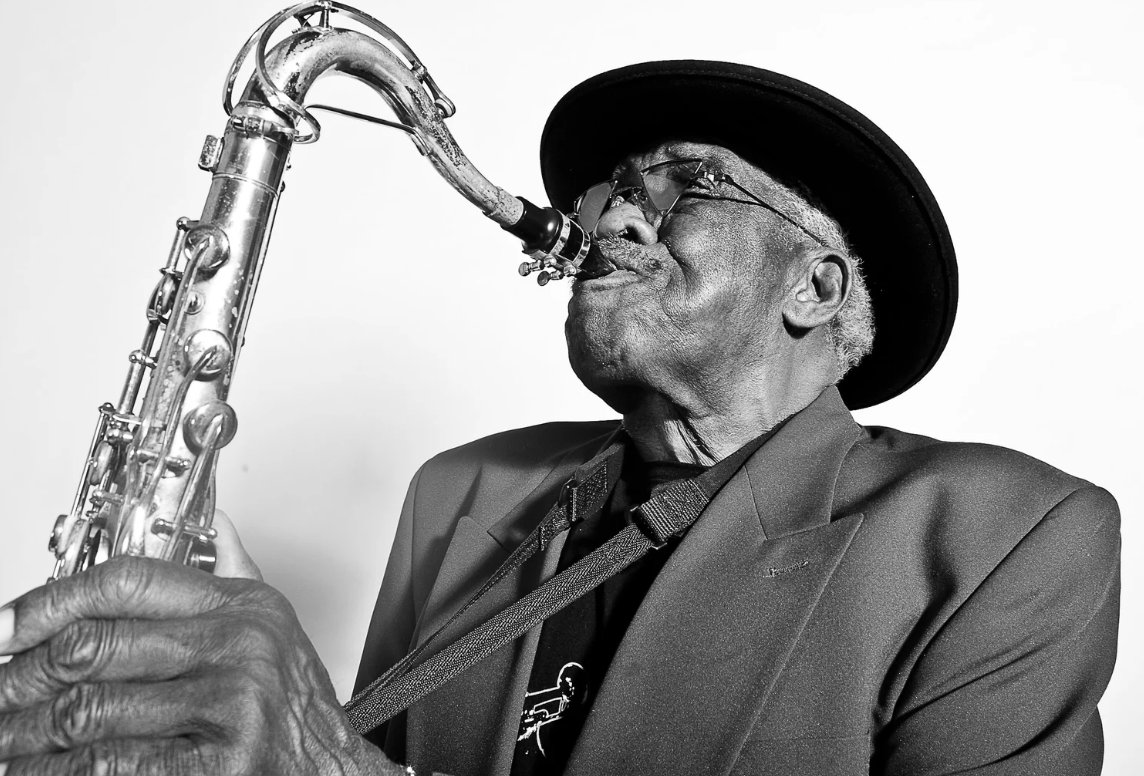
The saxophone was never meant for the blues. When Adolphe Sax invented it in the 1840s, he imagined it in military bands and classical orchestras. But the blues doesn't care about plans.
In the early 20th century, as blues migrated from the Delta to cities like Chicago and Kansas City, bandleaders needed an instrument that could match the emotional intensity of a voice. An instrument that could bend notes, cry, wail, and whisper. They found it in the sax.
Early saxophonists like King Curtis and Louis Jordan developed a whole new language. They used growls, bends, and a raw, breathy tone — techniques that mimicked the human voice cracking with emotion. The saxophone didn't just play the blues; it felt the blues.
By the 1950s and 60s, the sax was essential to the Chicago blues sound. Players like Eddie Shaw (Howlin' Wolf's sax man) and J.T. Brown (who played with Elmore James) could turn a simple riff into a sermon. They brought a gritty, soulful texture that the guitar alone couldn't touch.
The saxophone in blues is the sound of a late-night bar, of joy and heartbreak colliding. It's proof that the most expressive instrument is the one that sounds most like a human soul. 🎷
33
Jun 10
In the early 1960s, the blues was still a regional American genre. Black artists like Muddy Waters and Howlin' Wolf played to mostly small, dedicated audiences in Chicago and the South.
Then, a strange thing happened. A generation of white British teenagers, who had never seen the Mississippi Delta, became obsessed with those scratchy, imported blues records. They formed bands. They learned the songs note for note. And then they cranked up the volume.
Groups like The Rolling Stones, The Yardbirds, and The Animals took the electric Chicago blues and injected it with raw rock-and-roll energy. Faster tempos, aggressive guitar solos, and a rebellious attitude. In the US, bands like the Paul Butterfield Blues Band and Canned Heat did the same.
This was the birth of blues rock. It wasn't just a cover; it was a reinterpretation. And it completely changed the trajectory of popular music.
From this spark came everything else: the psychedelic blues of Jimi Hendrix, the heavy riffs of Led Zeppelin and Deep Purple, and later the virtuosic fire of Stevie Ray Vaughan.
The British kids didn't invent the blues. But by loving it so loudly, they reintroduced America to its own greatest musical treasure. Sometimes, the biggest revolution starts with a borrowed chord and a turned-up amplifier. 🎸
38
Jun 10
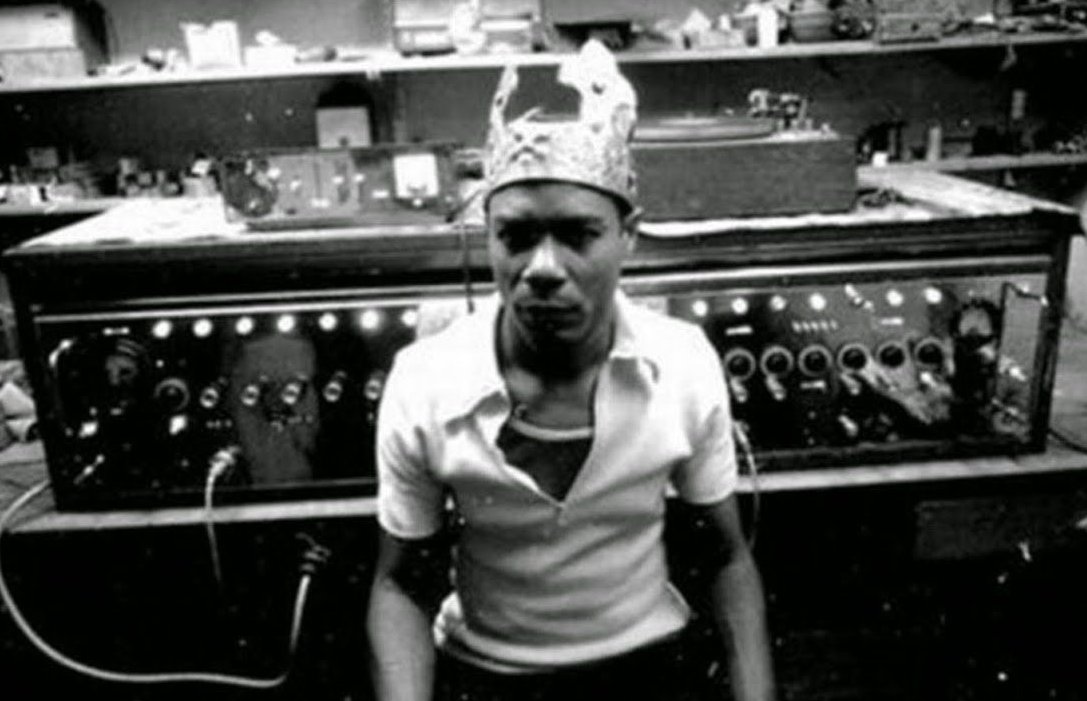
Before there were remixes, before hip-hop producers sampled breaks, there was a man in Jamaica named King Tubby. He wasn't a famous musician or singer. He was an electronics repairman who ran a small sound system in Kingston.
In the late 1960s, Tubby started doing something strange at the mixing desk. He took reggae songs and stripped them down. He removed the vocals, isolated the drums and bass (the "riddim"), and then drenched everything in echo, reverb, and delay. He turned the mixing board itself into a musical instrument.
The result was "dub." At first, record labels put these instrumental versions on the B-sides of singles — basically filler. But people loved them. They sounded like music from another dimension.
What King Tubby and his contemporaries (like Lee "Scratch" Perry) created wasn't just a Jamaican subgenre. It was the blueprint for most electronic music to come. Hip-hop, house, techno, drum and bass — all of them owe a debt to a sound system repairman who saw a mixing desk as a canvas.
Dub taught us that silence, space, and echo can be just as powerful as a guitar riff.
1
36
Jun 9
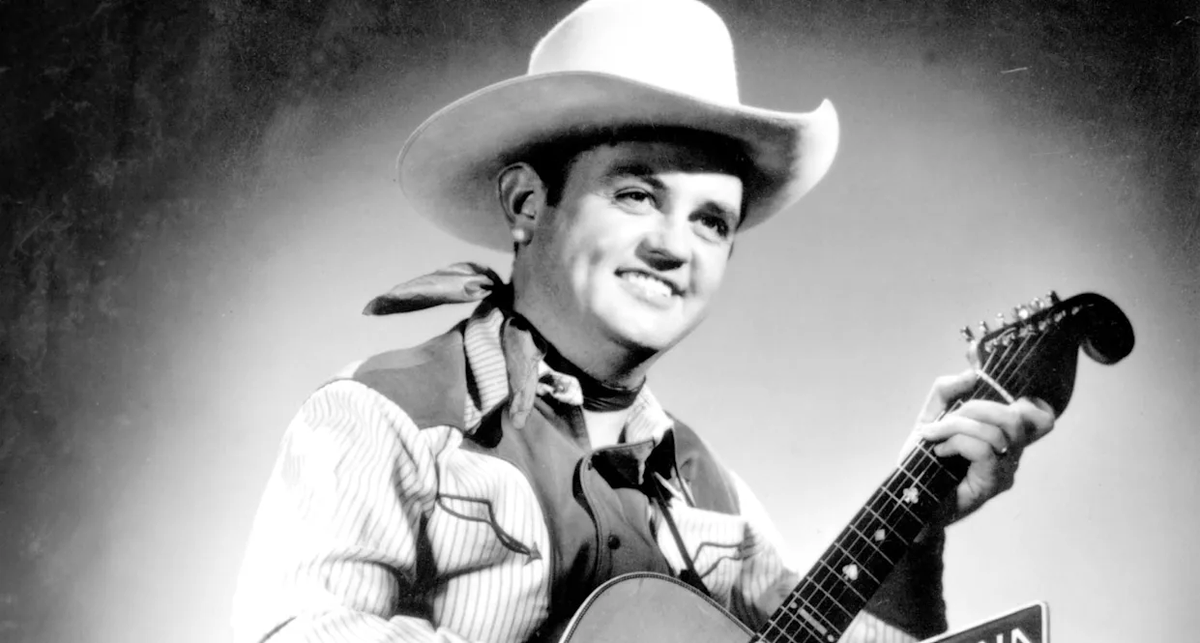
You know that gentle fingerpicking sound? Sunlight through a window, coffee, melancholy? That’s Travis picking — named after Merle Travis, a country guitarist from Kentucky.
He developed a thumb‑and‑fingers technique in the 1940s: the thumb plays a steady bass pattern (bass, treble, bass, treble), while the fingers pluck melody on top. It sounds like two guitars playing at once.
But here's the twist:
That technique escaped country. It ended up in blues (Chet Atkins, Doc Watson), in folk (Bob Dylan, Paul Simon), and later in rock (listen to “Dust in the Wind” by Kansas — pure Travis picking).
So next time you hear a hypnotic acoustic guitar with a moving bass line, thank a dead‑end road in Kentucky and a thumb that wouldn't quit.
Acoustic guitar is the quiet rebel. It never needs a power chord to change the world. 🎸
34
Jun 9
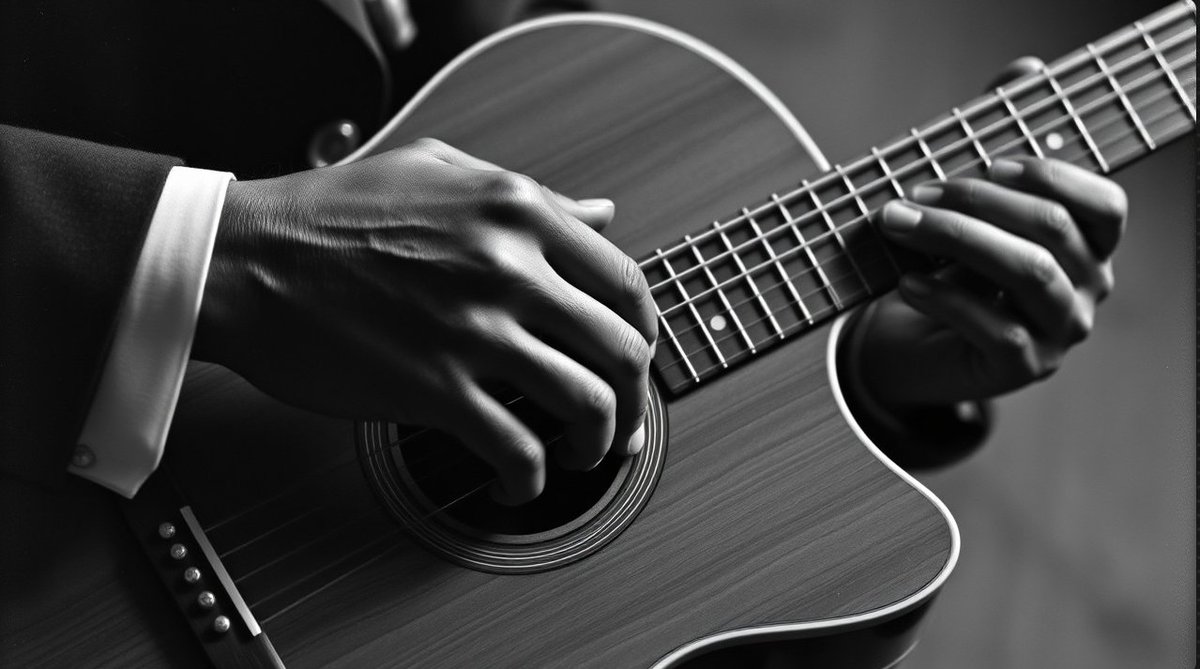
Blues started acoustic. Delta blues, to be exact — one man, one guitar, raw emotion. Robert Johnson, Son House, Charley Patton. No drums. No bass. Just fingers on steel strings.
34
Jun 9
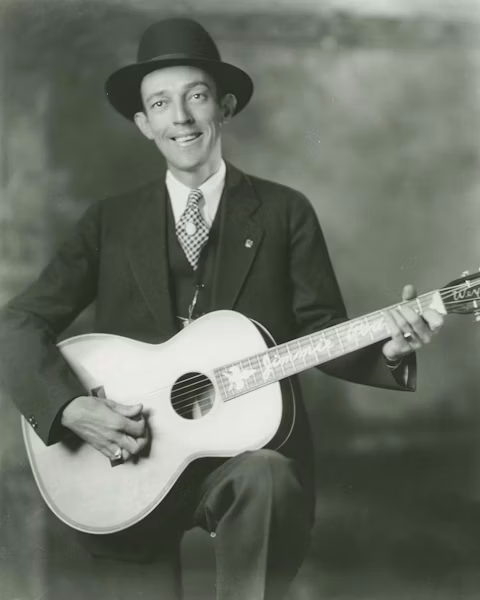
Before rock'n'roll, before electric guitars — there was just a wooden box with six strings. In the 1920s, blues and country were cousins, not opposites. They shared the same chords, the same loneliness, and often the same back porches.
One musician who walked that line? Jimmie Rodgers (the “Father of Country Music”) recorded blues standards with Hawaiian guitar. Meanwhile, Blind Lemon Jefferson sang about trains and women — themes country fans loved.
Acoustic guitar didn't care about genres. Neither did the dirt roads. 🎸
38