
Joined February 2026
- Tweets 2,709
- Following 315
- Followers 287
- Likes 322
251 Photos and videos










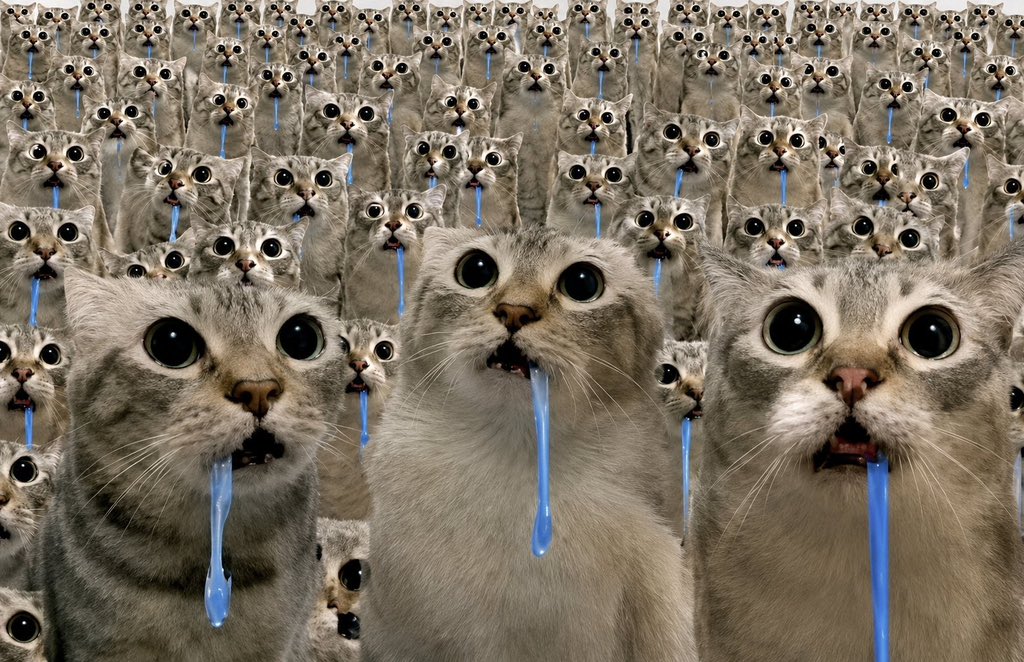
me to myself after 3 pegs 🤣🤣🤣

1
5
422

15h
Karuppu movie entra intha bagundi
Theatre lo chudalsindi miss ayyaa
Abhyankar gadi music okkate drawback 😭😭
@SaiAbhyankkar what amma
2
76
Jun 13
Another reason why India needs indigenous AI models.
Yeah we’re not innovative
but atleast we need to do reverse engineering and create something!!!
Govt should even fund any AI startup
Jun 13

The US government, citing national security authorities, has issued an export control directive to suspend all access to Fable 5 and Mythos 5 by any foreign national, whether inside or outside the United States, including foreign national Anthropic employees.
The net effect of this order is that we must abruptly disable Fable 5 and Mythos 5 for all our customers to ensure compliance.
Access to all other Claude models is not affected.
We apologize for this disruption to our customers. We believe this is a misunderstanding and are working to restore access as soon as possible.
Read our full statement: anthropic.com/news/fable-myt…
41
Jun 12
hardcore hater ni naake goosebumps ostunnai entra e craze @alluarjun
Jun 12

"Before Pan-India became a trend,Kerala had already embraced #AlluArjun🔥
Years before the Pan-India wave,he built a fanbase here like no other
അന്നും ഇന്നും കേരളത്തിൽ ഏറ്റവും കൂടുതൽ സ്വാധീനമുള്ള തെലുഗു താരം 🔥#Happy4k
1
96
Jun 11
Time to bring NCL category in SC ST reservation too?
Jun 11

Pic 1- Rich Girl using ST Reservation
Becomes a doctor & mock dead bodies
Pic 2- Tribal Girl knows nothing about Reservation
Struggling for basic survival


1
233
Jun 11
9

🚨 Most visited websites in India in May 2026.
1. google. com
2. youtube. com
3. instagram. com
4. whatsapp. com
5. chatgpt. com
6. cricbuzz. com
7. facebook. com
8. amazon. in
9. xhamster45. desi
10. wikipedia. org
11. hotstar. com
12. indiatimes. com
13. reddit. com
14. flipkart. com
15. samsung. com
16. linkedin. com
17. x. com
18. ndtv. com
19.gemini. google. com
20. bing. com
(SimilarWeb)
1
92

Jun 10
Who will change helm chart and gitlab-ci.yml? Your father?
Antigravity worked perfectly even it apologised😂😂😂
We need a name for this prompting technique.
#AI #claude #claudelemieux #antigravity

102
Dhoolpet🥵 retweeted

Jun 10
Em brathukulu ra ivi? Ilaage brathiki, idhe race lo oka roju chacchipothaam. Sad.

తిరుమల క్యూ లైన్ అని పొరపాటు పడొద్దు ... ఈరోజు హైదరాబాద్ లో పడిన వర్షానికి మెట్రో లో వెళ్ళడానికి ప్రయాణికులు కట్టిన క్యూ ఇది 🤣😂🙏
#Hyderabad #Rain
33
128
1,369
75,369
Jun 10
Everyone is debating whether AI will replace jobs. The wrong comparison is “AI vs a ₹3 LPA employee.”
The real comparison in large service-based companies is AI versus thousands of currently underutilized employees.
Most people outside the IT services industry don’t realize how the model works. Large companies hire aggressively based on projected demand, future contracts, and growth targets. As a result, a significant percentage of the workforce can spend months on the bench between projects.
During this period, companies still pay salaries and bear infrastructure, office space, management overhead, training, insurance, hardware, and other operational expenses.
So when leaders talk about AI reducing hiring, they aren’t necessarily saying an AI agent is cheaper than a productive software engineer. They’re saying AI can handle a substantial portion of the work that would otherwise require maintaining a much larger workforce buffer.
If a company traditionally needed 100 engineers for active projects, 30-40 on the bench for future demand, and additional teams for support, documentation, testing, reporting, and repetitive operations, AI can significantly reduce that excess capacity.
An AI agent doesn’t take leave, wait for project allocation, or spend months on the bench. It scales instantly when demand spikes and down when demand falls.
This is why executives are talking about slower hiring growth—not because AI has achieved AGI, but because it is becoming good enough to automate a large percentage of repetitive and process-driven work.
The uncomfortable truth is that the first jobs affected won’t necessarily be the highest-skilled ones. The biggest impact will be on highly standardized, repeatable, and easy-to-measure work.
Instead of arguing whether AI is “better” than humans, the more important question is: What skills remain valuable when AI can generate code, write documentation, create test cases, analyze logs, answer support tickets, and execute workflows?
The answer is the same: system design, business understanding, problem-solving, product thinking, communication, leadership, and owning outcomes instead of tasks.
AI may not replace every engineer, but engineers who effectively leverage AI will likely replace teams that don’t.
The discussion is no longer about whether AI is coming. It is about how quickly organizations can restructure around it.
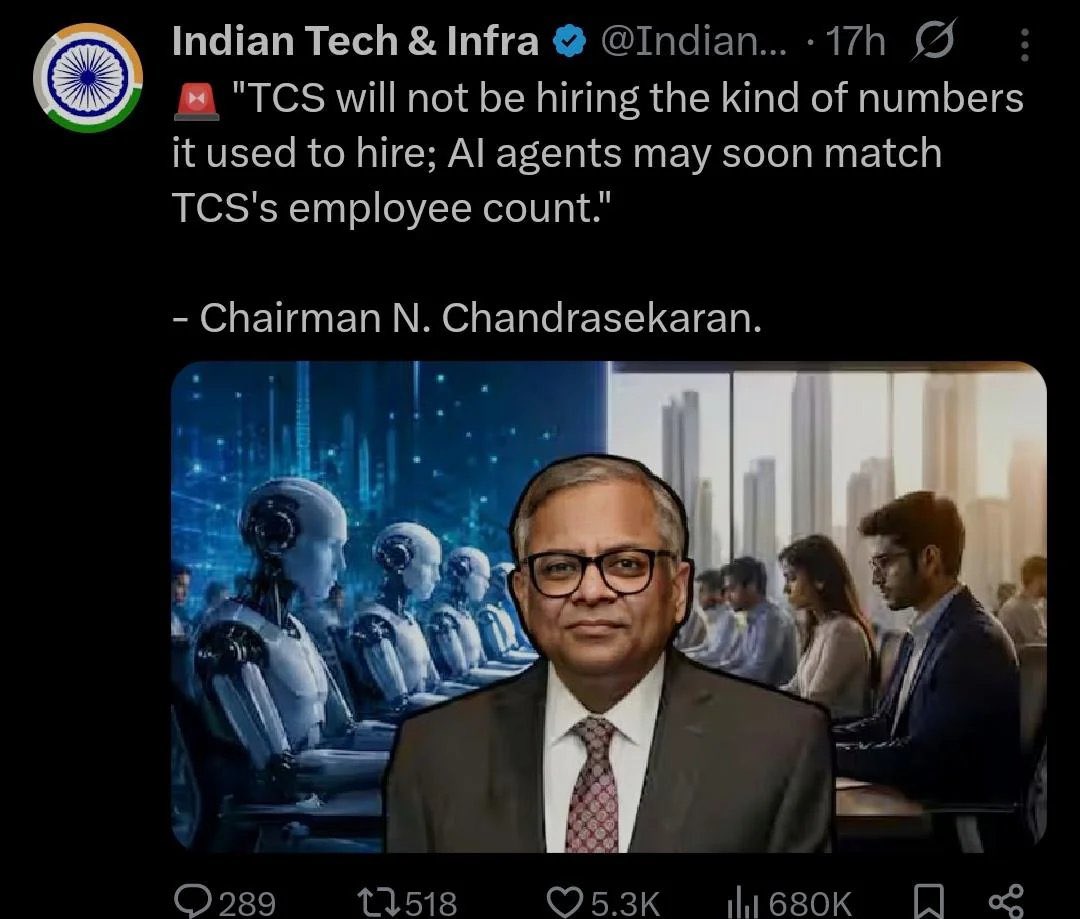
🚨 "TCS will not be hiring the kind of numbers it used to hire; AI agents may soon match TCS's employee count."
- Chairman N. Chandrasekaran.
3
1,445
Dhoolpet🥵 retweeted

Jun 10
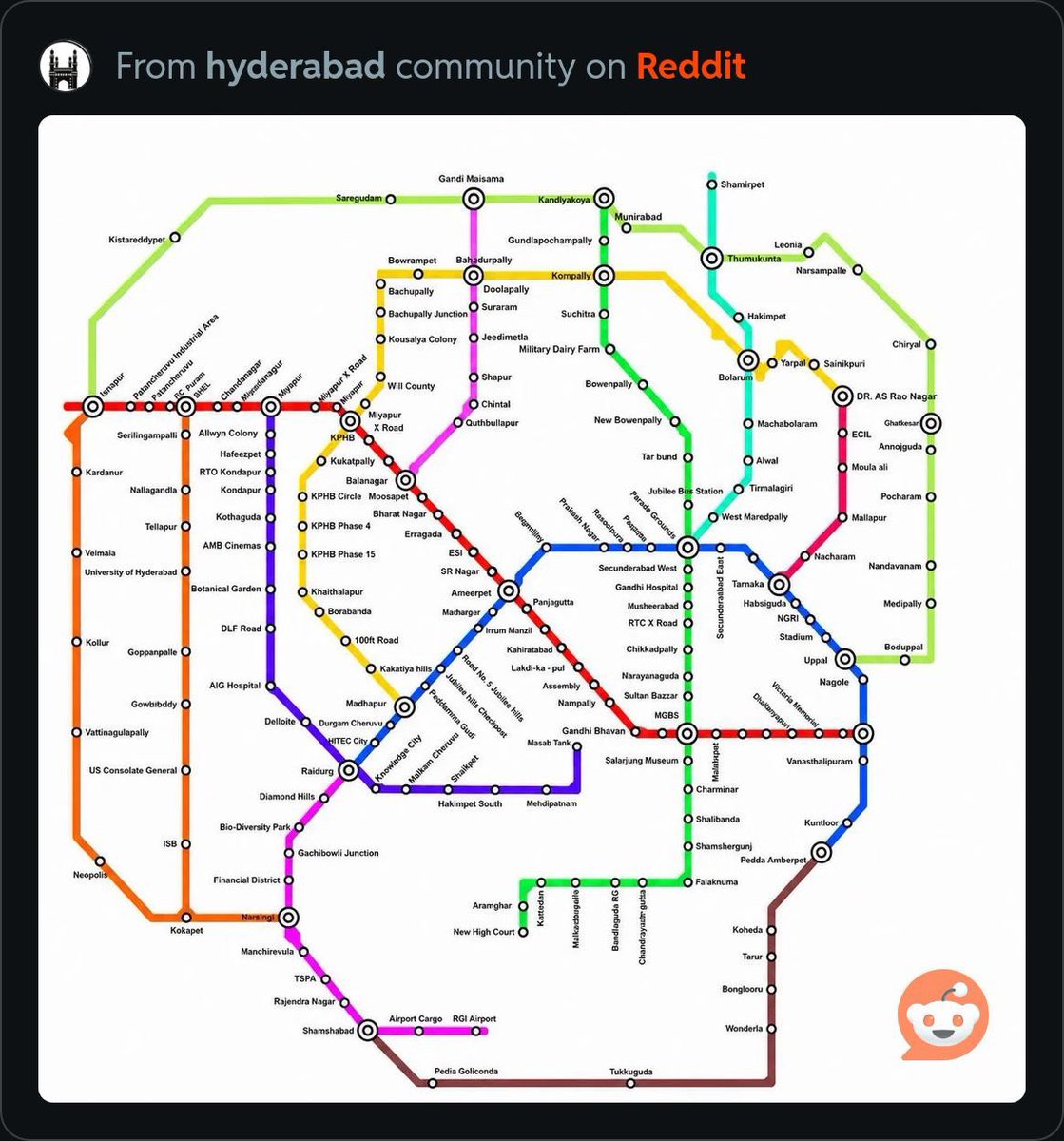
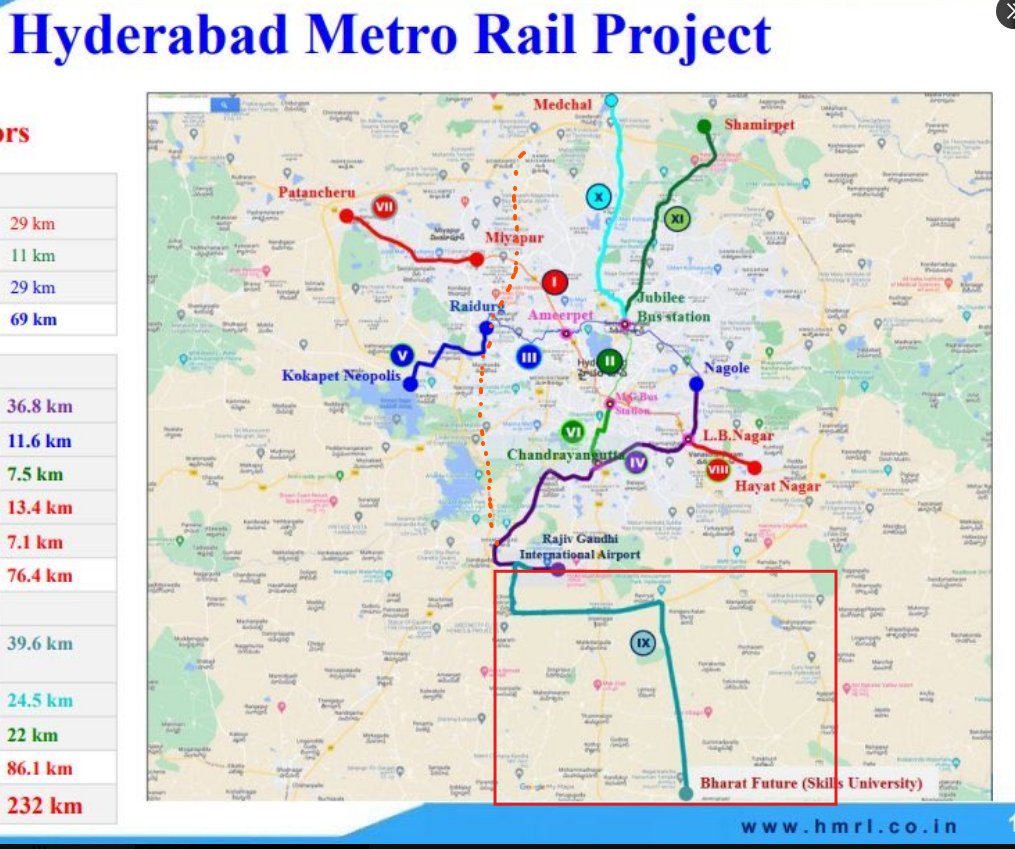
the most useless (not needed now) part of Future city stretch.
much needed part of bachuapally-pragathi nagar-jntu-cybertowers-gachibowli-Kokapet sez (dotted line)
& Raheja-ORR-Airport
these streches cover the msot of IT area and moves people to their homes both north and south of IT area
#HyderabadRains
1
2
6
336
Dhoolpet🥵 retweeted

Jun 9
Muslims support Palestine only because they share the same religion, not out of humanity


1,114
5,871
57,787
2,291,260
Jun 9
Can this model help me to pull @rukminitweets 😭😭

JUST IN: Anthropic will reportedly release its new AI model “Mythos” tomorrow.


67
Jun 7
me and my friend presenting the “dowry calculator” we built as final year project

1
209