DietBloom is a leading digital health platform helping thousands achieve health goals through personalised nutrition, expert guidance, and sustainable habits.
Joined October 2023
- Tweets 3,449
- Following 7
- Followers 9,812
- Likes 2,532
709 Photos and videos








Pinned Tweet
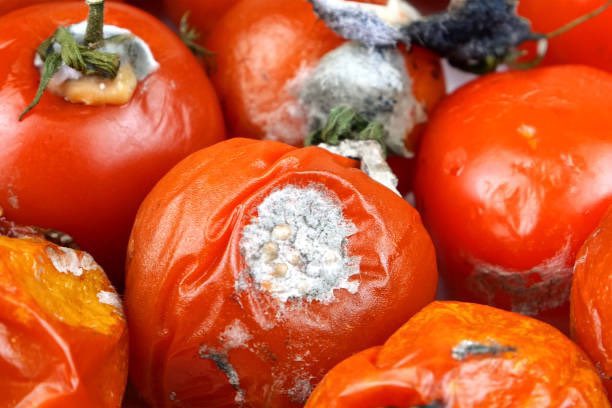
That “small rotten part” you cut off from food may be more harmful than you think.
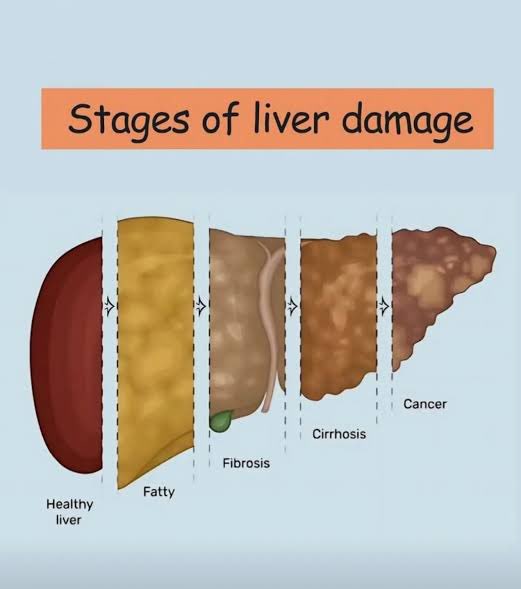
Some spoiled foods can contain aflatoxins; dangerous toxins linked to liver damage and increased cancer risk over time.
1
1
142
That “small rotten part” you cut off from food may be more harmful than you think.
Some spoiled foods can contain aflatoxins; dangerous toxins linked to liver damage and increased cancer risk over time.
1
1
142
That’s why eating visibly spoiled or mouldy food is risky, even after trimming it.
How to reduce exposure:
•Avoid eating mouldy or rotten foods completely
•Store grains and dry foods in cool, dry conditions
1
16
•Check groundnuts and grains for smell or discolouration
•Avoid buying visibly damaged or damp food products
Some spoiled foods can expose the body to toxins that damage health over time. What looks like “managing waste” can sometimes become a serious health risk.
17

Jun 8
- Micronutrients (vitamins and minerals)
Over time, this affects overall metabolic health.
So what should you do instead?
- Pair bread with protein (eggs, sardine, peanut butter)
- Add fibre (vegetables or fruit)
- Switch sometimes to whole grain or unprocessed carbs
1
31
Jun 8
- Reduce how often it becomes your “default breakfast”
Please note that eating white bread every day without other food groups can over time quietly shape your appetite, energy levels, and blood sugar response.
Save this and share it with someone who eats bread daily.
19
Jun 8
- Your body stores more fat over time (if portions are high)
Frequent sugar spikes and repeated eating can lead to insulin resistance, especially when paired with low activity.
Energy crashes become normal
You may notice:
- Sleepiness after breakfast
- Low focus mid-morning
1
19
Jun 8
- Cravings for more carbs or sugary foods
That’s your body reacting to rapid glucose swings.
It displaces more nutritious foods
When white bread becomes your default, you often eat less:
- Fibre (vegetables, whole grains)
- Protein (eggs, beans, fish)
1
16
Jun 8
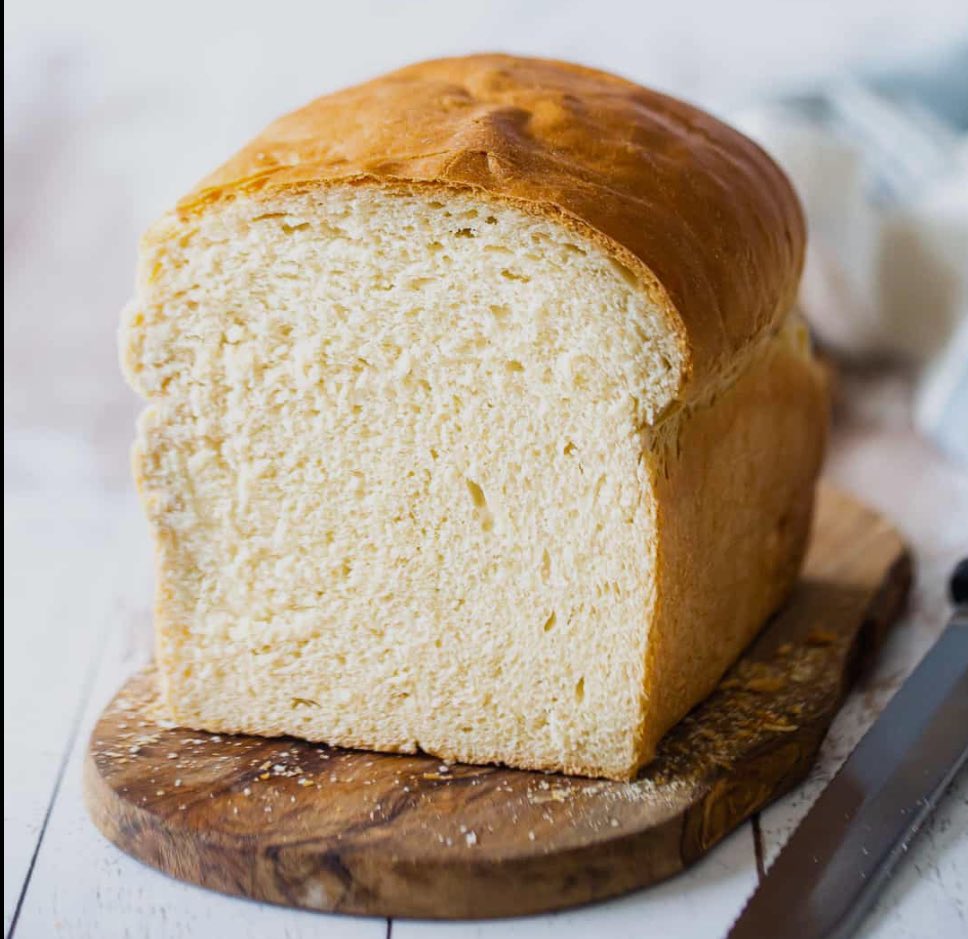
You eat white bread every morning thinking it’s harmless, but eating it every single day is bound to change how your body handles sugar, hunger, and even fat storage. 🧵
1
1
373
Jun 8
So you get a fast sugar spike, followed by a drop that leaves you hungry again sooner than expected.
You feel hungry sooner, even after eating, because there’s little fibre or protein; white bread doesn’t keep you full for long.
1
214
Jun 8
When you eat white bread daily, your body is getting rapid-digesting refined starch with very little fibre or nutrients.
This is what happens over time:
Your blood sugar rises faster after meals:
White bread is quickly broken down into glucose.
1
1
297
Jun 3
Most people don't realise they are eating their way into hypertension until the diagnosis arrives.
If you experience frequent headaches or strong salt cravings, your diet may be helping your blood vessels, or damaging them.
Here's what to eat more of and what to cut back on🧵
1
1
297
Jun 3
Small, consistent dietary changes can stop hypertension from progressing and protect your heart, brain, and kidneys.
Save this thread. Share it with someone struggling with blood pressure.
1
20
Jun 3
And for personalised meal plans to control hypertension, download the DietBloom app and start eating smarter today.
1
21