Geologist at large. Sedimentologist who loves fieldwork. Wildlife photographer and hiker. Keen runner.
Joined February 2017
- Tweets 7,501
- Following 411
- Followers 1,512
- Likes 6,524
2,381 Photos and videos



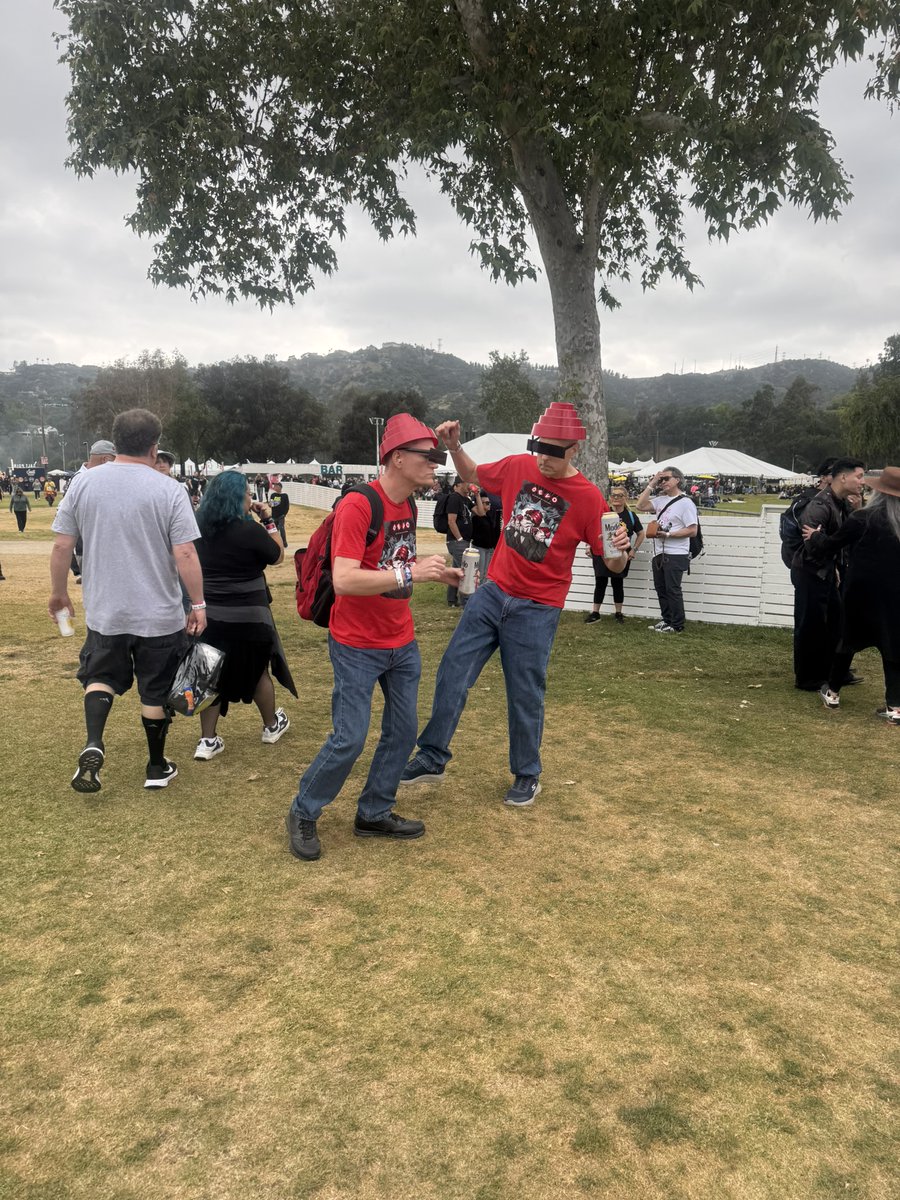
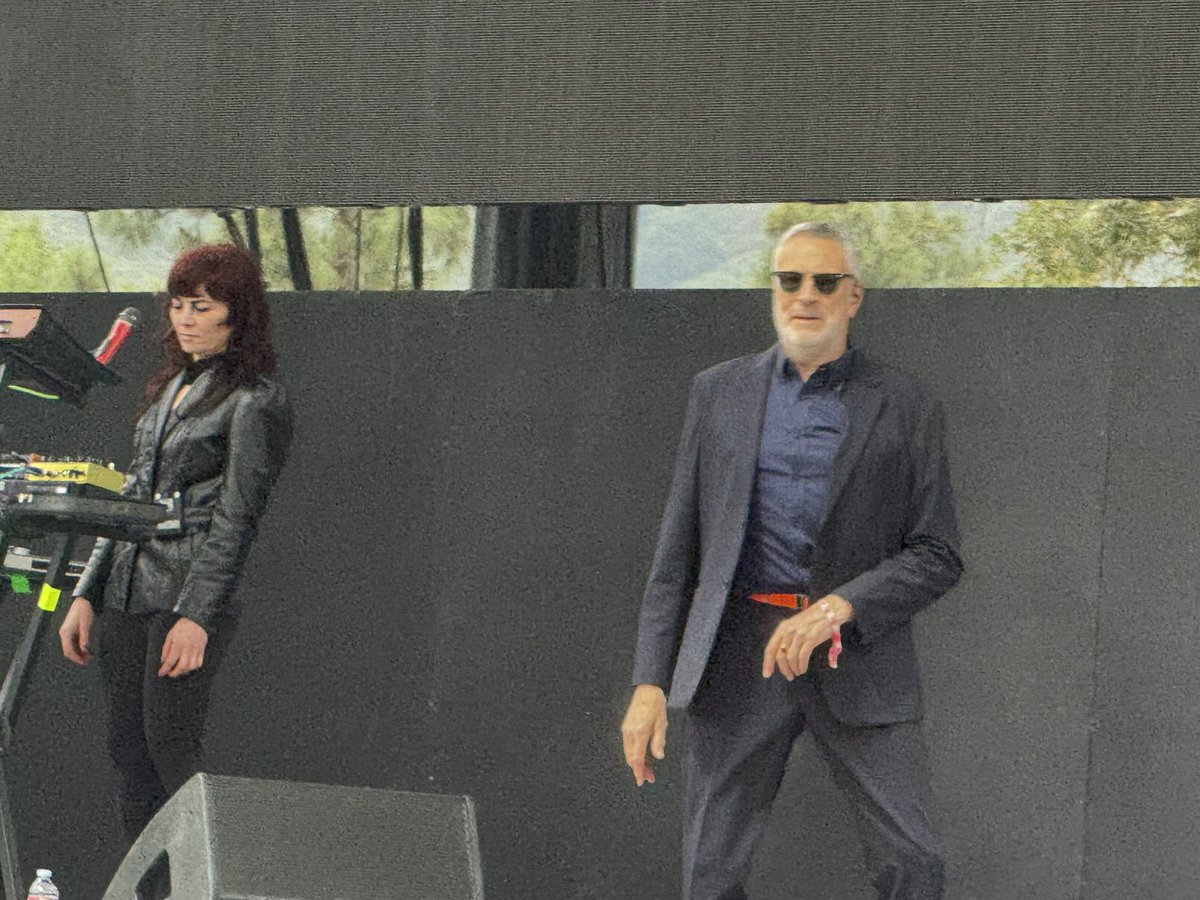
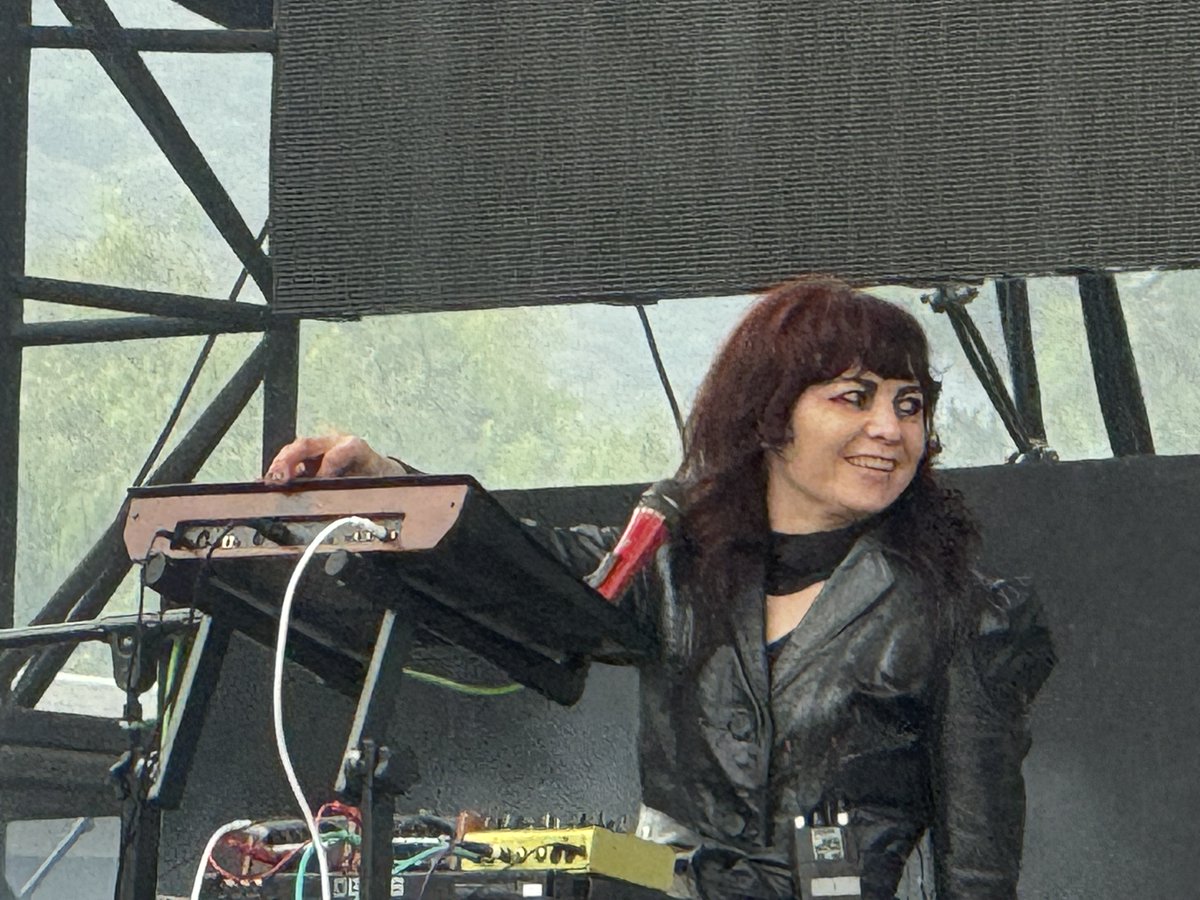
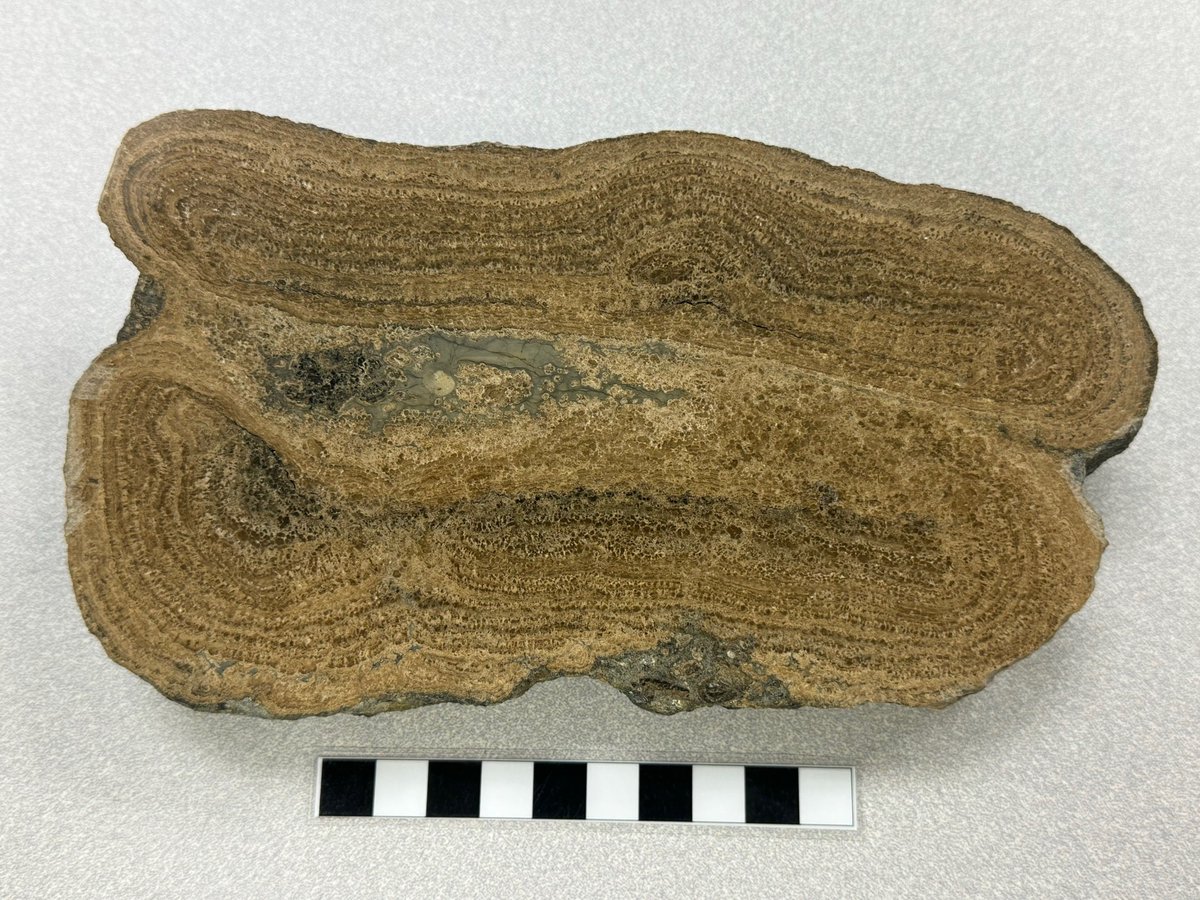
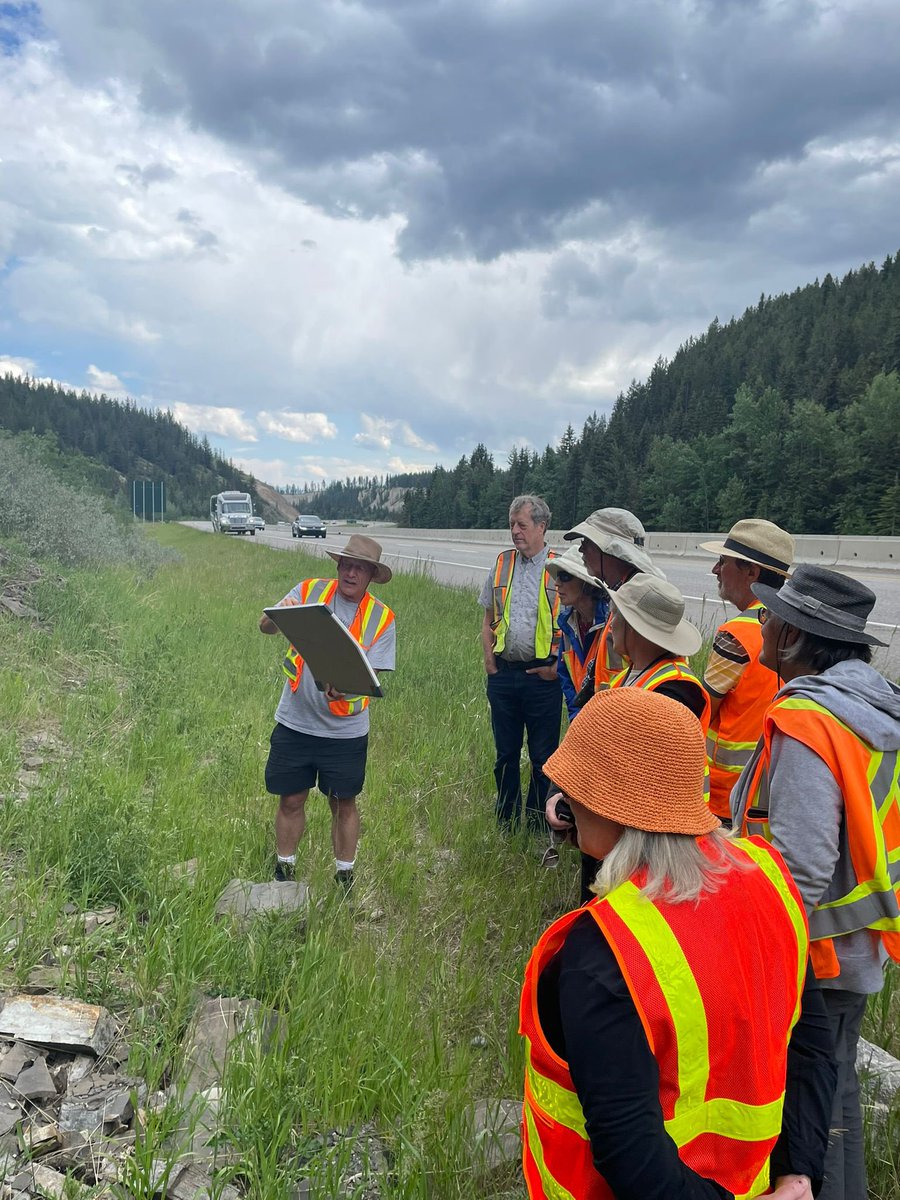
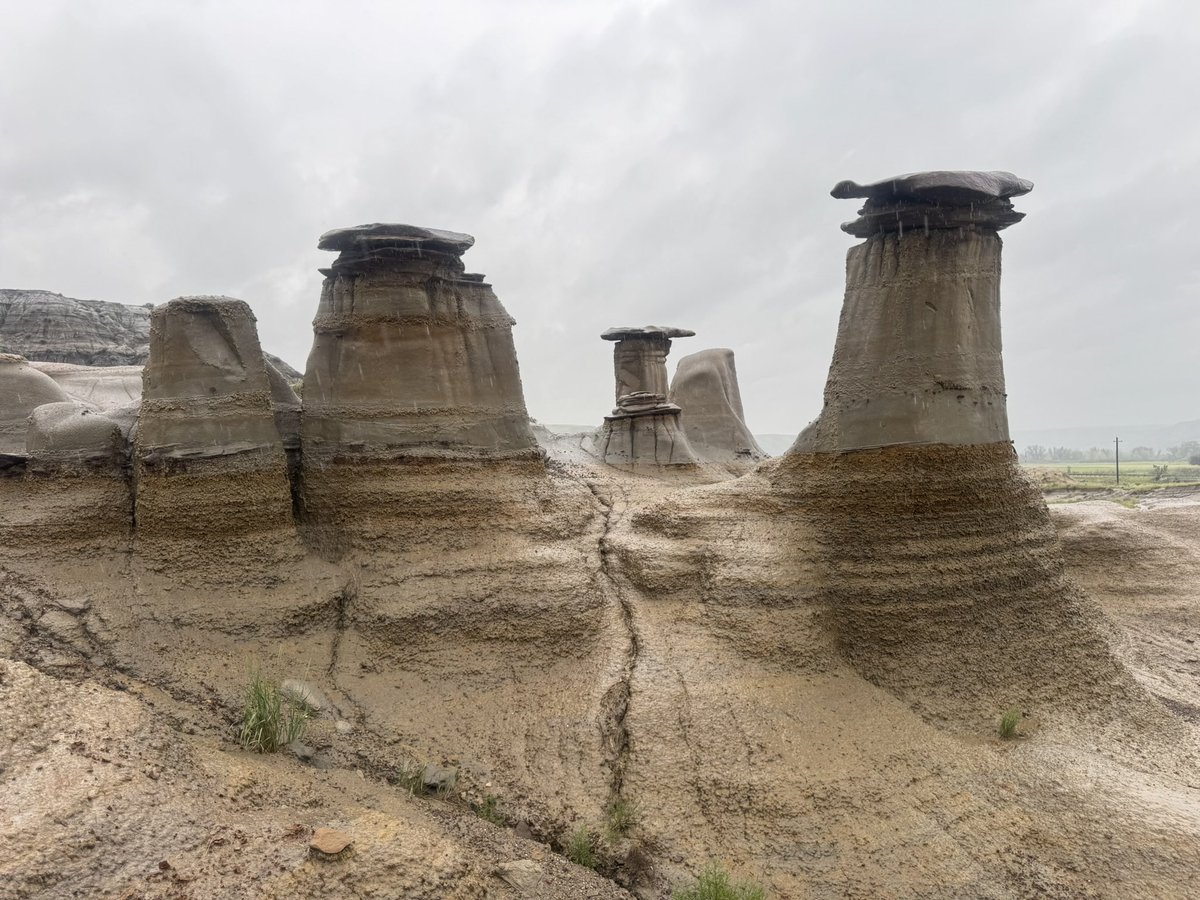

Jun 14
Amazing to watch the swings through time
Jun 13

I showed my 14 year old daughter this amazing chart illustrating the progression of best-selling musical artists during the 1970s and 80s, so that she would get some sense of how insane Michael Jackson’s run during the 1980s was.
And now in 2026 he’s back near the top again…😱
34
Jon Noad retweeted

Jun 13
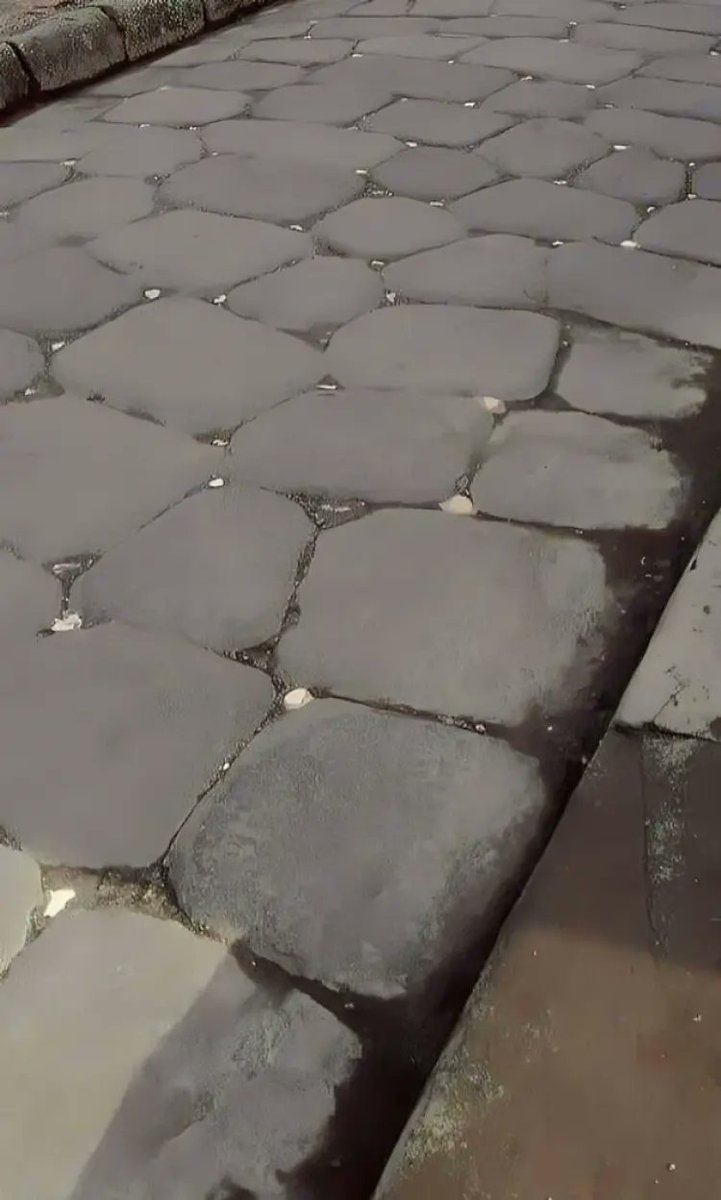
Hace dos mil años, los ingenieros de Pompeya resolvieron un problema que hoy se resuelve con farolas. Lo resolvieron con física básica y piedras blancas.
Las calzadas romanas de Pompeya están construidas con bloques de basalto volcánico, la roca más abundante en la región del Vesubio. Son duros, resistentes al desgaste y oscuros. De noche, con antorchas escasas y sin iluminación artificial sistemática, esas calles eran prácticamente invisibles.
La solución fue incrustar fragmentos de cuarzo o caliza blanca, minerales de alta reflectividad, entre los adoquines. La luna llena en el Mediterráneo es suficientemente brillante para que esas piedras funcionen como una cadena de puntos luminosos que trazan el camino. No iluminan. Reflejan. Pero en una ciudad oscura, la diferencia entre ver y no ver dónde pones el pie puede significar la diferencia entre llegar a casa o romperte el tobillo en una alcantarilla.
Las calzadas romanas incluían además bordillos elevados y piedras de cruce a mayor altura, visibles en la fotografía, para que los peatones pudieran cruzar sin pisar el agua y el estiércol que corría por el centro de la calzada. Los carros dejaban surcos exactamente donde debían dejarlos. Todo era un sistema de ingeniería pensado para funcionar a cualquier hora.
Esta calzada lleva en pie casi dos mil años. El Vesubio la enterró en el año 79 d.C. bajo cuatro metros de ceniza y la conservó casi intacta. Cuando los arqueólogos la descubrieron, las marcas de ruedas de los carros romanos todavía eran visibles en los bordes de los adoquines.
Una calle que nadie usaba desde hace veinte siglos. Y todavía funciona.
19
633
3,889
260,968
Jun 14
17
Jon Noad retweeted

Jun 3
Before AI we had Zach King
904
17,515
188,486
9,277,035
Jon Noad retweeted

Jun 4
A doorbell camera has captured the moment a meteorite struck the ground outside a home, scattering dust and producing audible impact sounds—a historic first.
[📹 Laura Kelly]
[📍 Prince Edward Island, Canada]
30
155
1,504
180,276
Jon Noad retweeted

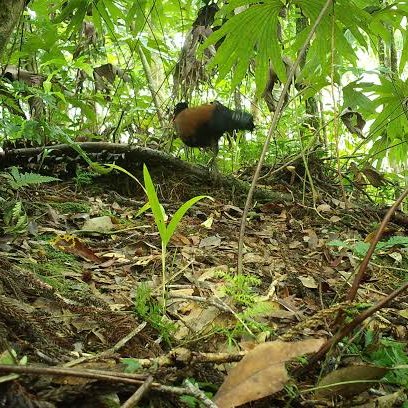
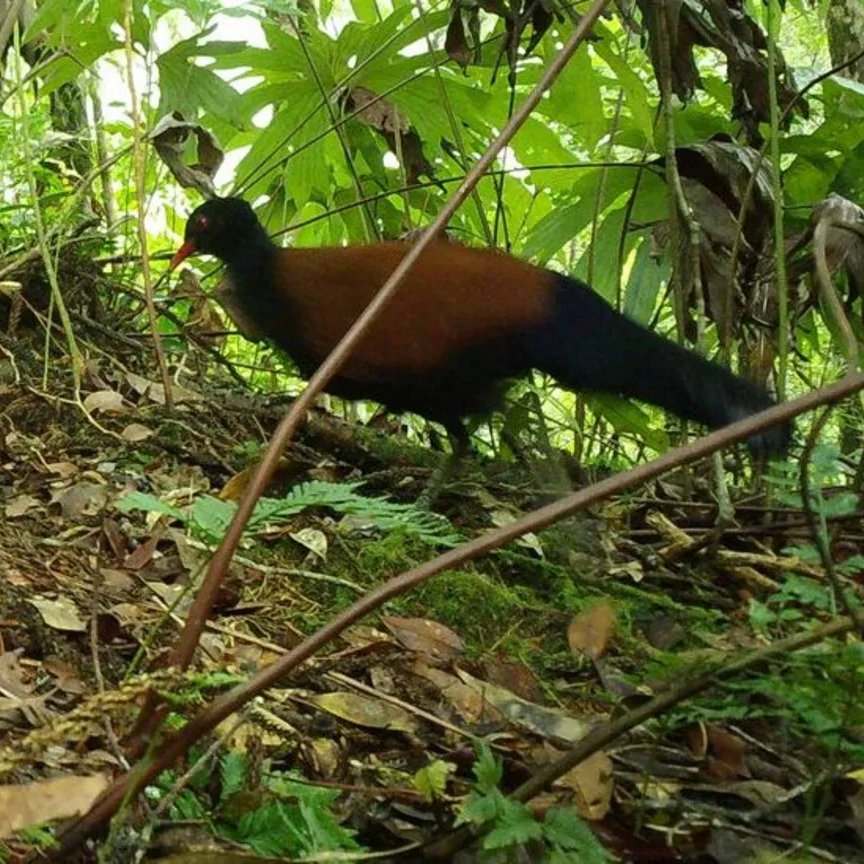
Bird missing for 140 years captured on camera for the first time
The black-naped pheasant pigeon was rediscovered in Papua New Guinea in 2022 by researchers from the American Bird Conservancy and local conservationists, ending a 140 year search for the elusive bird
93
361
3,456
196,712
Jon Noad retweeted

May 29
"A night I’ll never forget. -40°C outside, but inside this ice dugout, I found a different kind of warmth. Luna, a wild snowy owl, joined me for shelter. No fear, no control just two living things surviving the polar dark together. Nature doesn’t need a language to find peace."
Community note
This video is AI generated. The story of finding warmth with a wild snowy owl named Luna in an ice dugout at -40C is not real. Such content is created using AI and does not depict actual events.
nytimes.com/2026/03/07/mag… wildlife.org/qa-ai-videos-r… scz.org/blog/the-reali…
215
2,407
30,245
3,139,669
Jon Noad retweeted

The middle duck paid attention in physics class, while the others played around in class...
361
3,359
51,311
2,856,053
May 30
Hailstones the size of golf balls as storm hits after heatwave telegraph.co.uk/news/2026/05…
31
Jon Noad retweeted

May 21
Nothing like a good afternoon with your best friend
6
61
756
41,933
May 16
A Man Spotted Strange-Looking Rocks Near a Pond in Thailand. They Turned Out to Be the Bones of a Massive New Dinosaur Species smithsonianmag.com/smart-new… via @smithsonianmag
1
158