
Deep tactical analysis & scouting of Europe's best young & exciting midfielders | DMFs, CMs, progressors & connectors | Video Comps data breakdowns ⚽
Joined June 2026
- Tweets 351
- Following 64
- Followers 135
- Likes 424
122 Photos and videos


🚨Just In: Should Mateus Fernandes play alongside Kobbie Mainoo and Bruno Fernandes in Michael Carrick's Manchester United? 🔴🇵🇹
At first glance, the answer is yes.
✅ 1,575 Passes Attempted
✅ 87.8% Pass Accuracy
✅ 33 Chances Created
✅ 3 Goals
✅ 4 Assists
✅ 50 Tackles
But the tactical reality is more complicated.
- Mateus isn't a controller.
- He isn't a destroyer.
- He's a connector.
🎯 Mainoo controls tempo.
⚡ Mateus accelerates possession.
🎨 Bruno creates chances.
In possession, the trio could be devastating. All three are comfortable receiving under pressure, progressing play through central areas, and sustaining attacking sequences.
The problem comes when possession is lost.
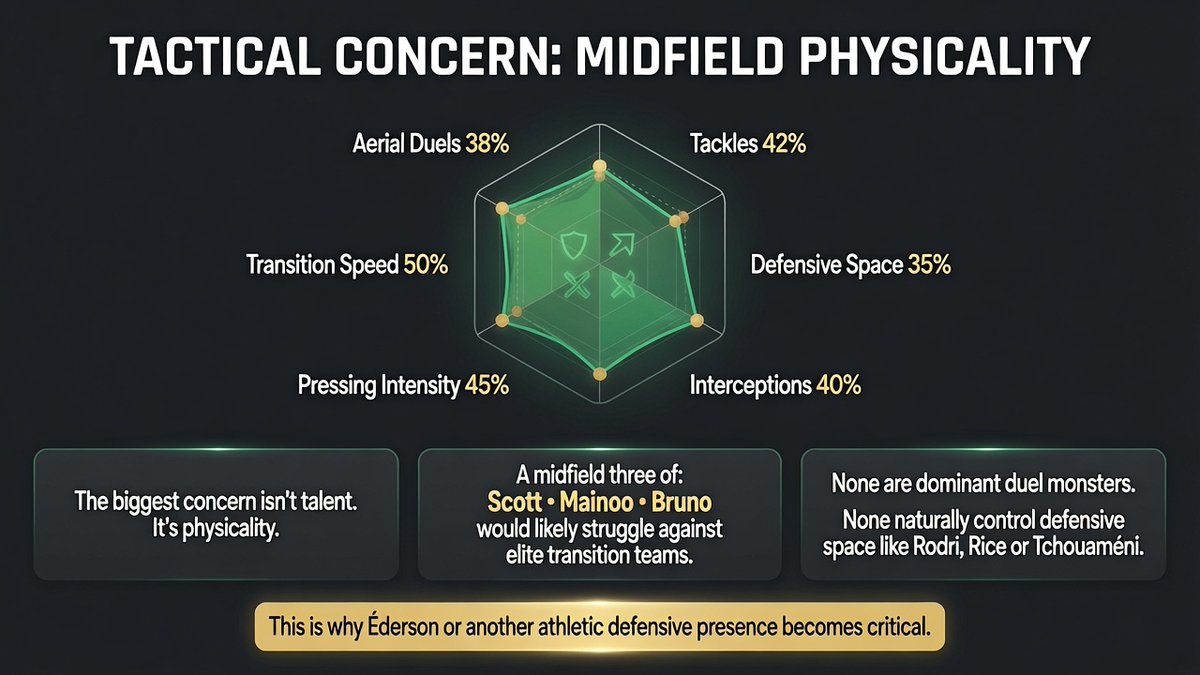
❌ None are natural defensive anchors.
❌ None specialise in protecting Zone 14.
❌ All three are naturally attracted to the ball.
Without a genuine ball-winner behind them, transitions could become a nightmare against elite opposition.
That's why the success of this midfield depends entirely on the player sitting underneath it.
🛡️ Add a true defensive presence such as Ederson behind them, and everything changes.
Ederson wins duels.
Mainoo dictates.
Mateus connects.
Bruno creates.
Suddenly, United have a midfield capable of controlling matches while maintaining defensive balance.
My verdict?
Mateus Fernandes shouldn't replace Kobbie Mainoo.
He should amplify him.
The ceiling of a Mainoo–Mateus–Bruno midfield is elite.
The structure behind it will determine whether it's a title-winning unit or a transition trap.
📽️ @ScoutNationHD
#MUFC

4
18
11,068
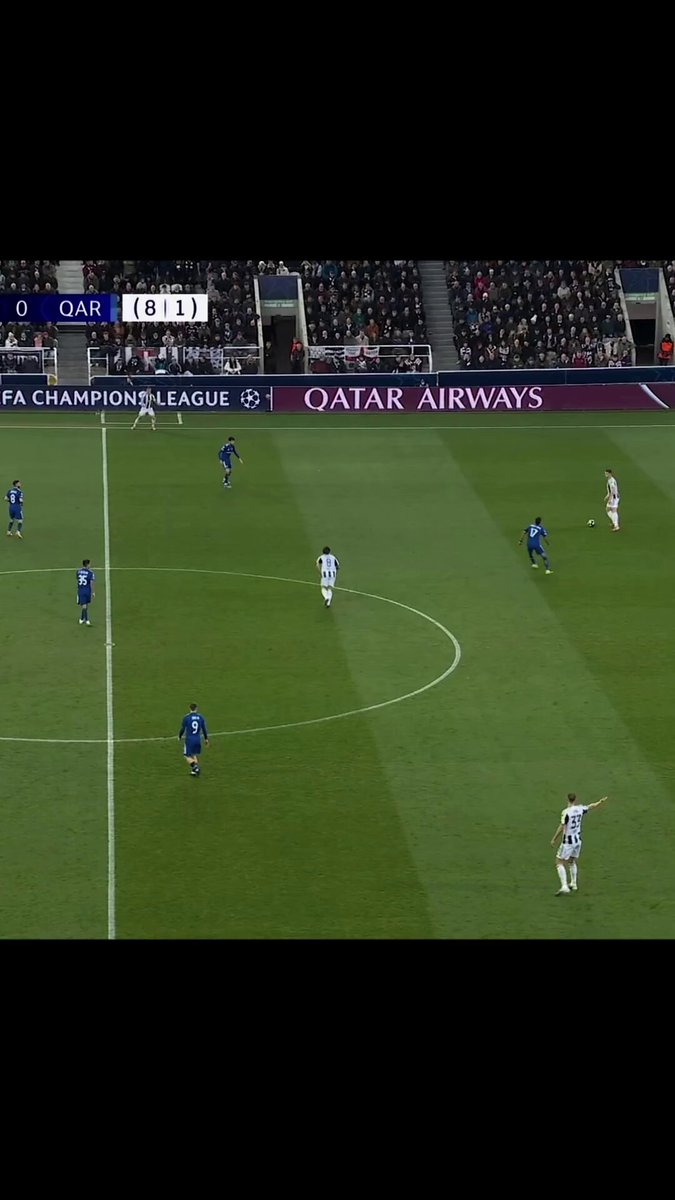
I understand why Roberto De Zerbi wants him.
De Zerbi's football places enormous responsibility on the deepest midfielders.
They aren't there to simply protect the defence.
They're there to control the entire structure.
They must receive under pressure, attract opponents, manipulate pressing schemes, and still find solutions in the most congested areas of the pitch.
That's exactly where Tonali thrives.
What stands out isn't his passing range.
It's his composure.
Tonali is one of those midfielders who looks more comfortable the more pressure you place around him. He constantly scans before receiving, understands where the next pass is before the ball arrives, and rarely loses control when opponents try to close central spaces.
Those qualities are essential in a De Zerbi system.
The objective isn't to avoid pressure.
It's to invite it.
And very few midfielders are as comfortable operating inside that environment as Tonali.
Once the press is drawn in, his value becomes even clearer.
He has the vision to break lines, the range to switch play, and the technical quality to connect every phase of possession. He doesn't just circulate the ball.
He changes the angle of attacks.
He changes the speed of attacks.
Most importantly, he helps his team progress through the pitch rather than around it.
What also makes the fit so logical is his defensive work.
Tonali covers ground relentlessly, wins second balls, protects transitions, and provides the intensity needed to maintain structure when possession is lost.
That balance between control and aggression is difficult to find.
The more I study the profile, the less this feels like a luxury signing.
It feels like a tactical one.
Because when you strip everything back, De Zerbi's football depends on midfielders who can remain calm when the game becomes chaotic.
Tonali doesn't just survive those moments.
He uses them to take control.
#THFC #COYS #SandroTonali

🚨 Tottenham Hotspur want Sandro Tonali from Newcastle United. Positive talks between #THFC & 26yo; no contact yet with #NUFC. Transfer fee bigger challenge than player deal. De Zerbi driving pursuit, backed by ownership @TheAthleticFC post @FabrizioRomano nytimes.com/athletic/7317996…
11
2
78
52,378
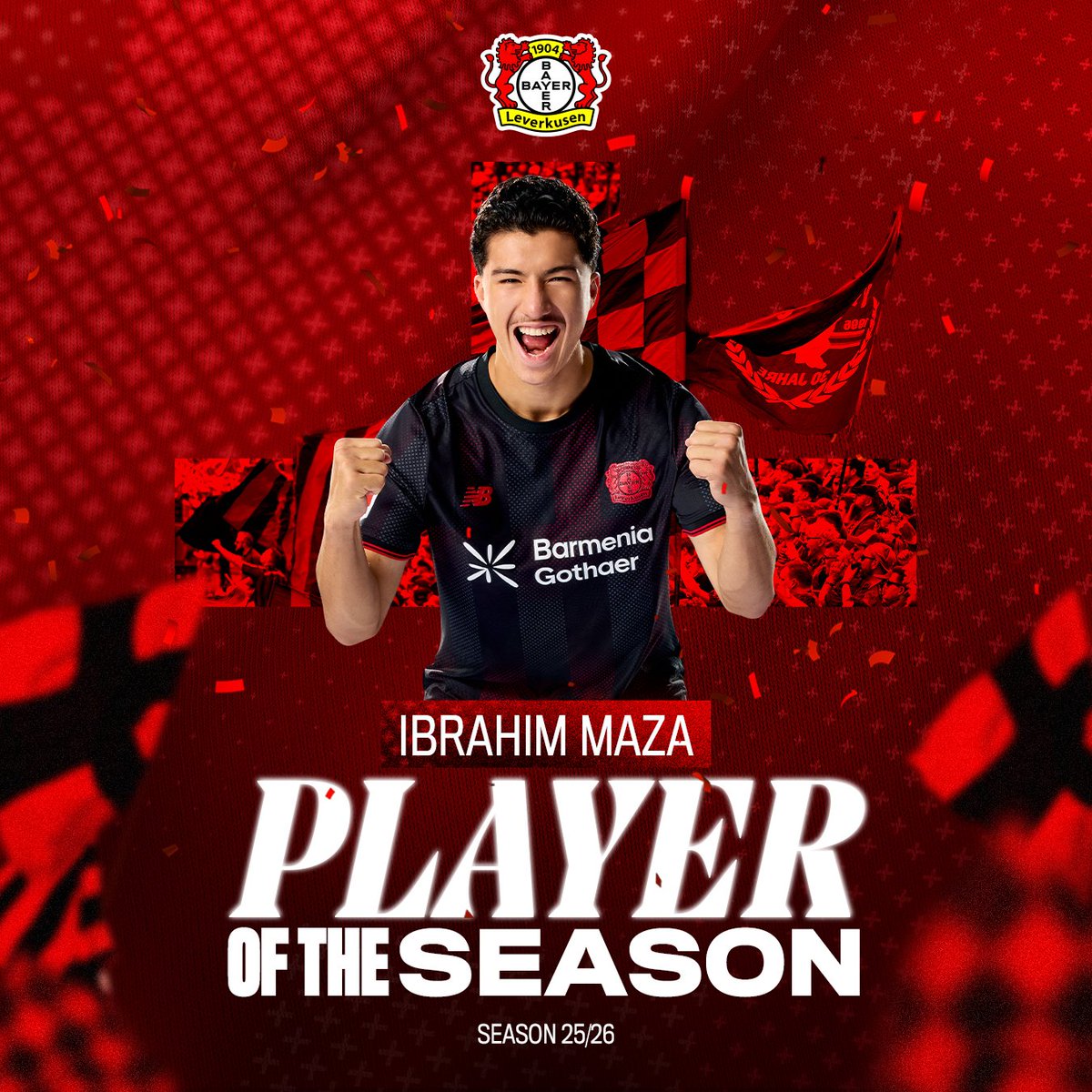
Congratulation to Ibrahim Maza the world is watching.
Jun 15

Ibrahim Maza is your 𝗣𝗟𝗔𝗬𝗘𝗥 𝗢𝗙 𝗧𝗛𝗘 𝗦𝗘𝗔𝗦𝗢𝗡 for 2025/26! 🖤❤️
Fully deserved, Ibo! 👏😍
159
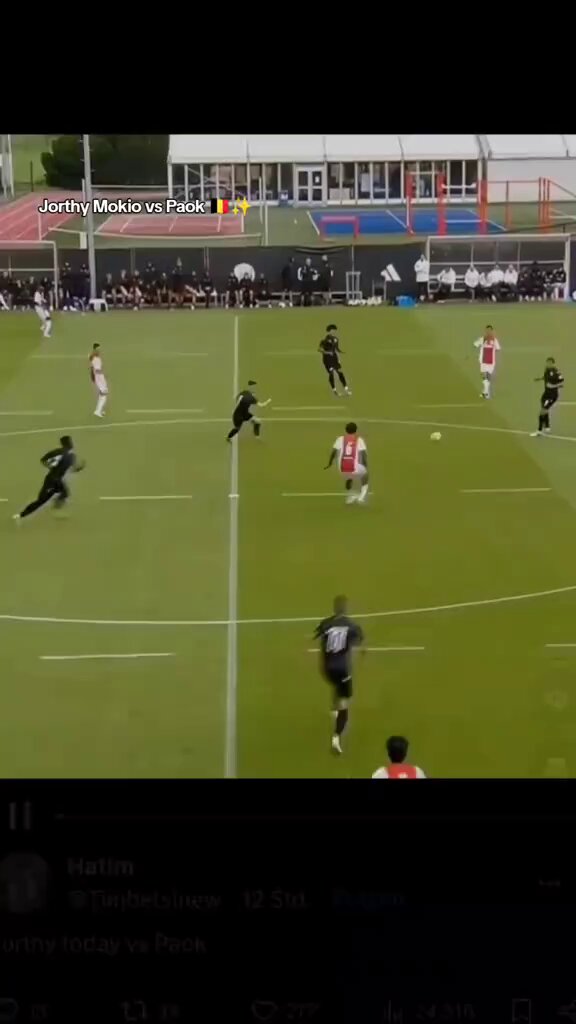
🚨NEW: The discussion around Jorthy Mokio often focuses on his versatility.
I think that misses the most interesting part of his profile.
The reason clubs rate him so highly isn't because he can play centre-back, left-back, or defensive midfield.
It's because many of his best qualities are those of a modern No.6.
At 18, Mokio already shows a level of composure that is difficult to teach. He consistently receives in central areas under pressure, remains calm when opponents close space, and has the technical security to progress possession rather than simply recycle it.
What stands out most is his relationship with pressure.
Many young midfielders look to avoid it.
Mokio often uses it.
He is comfortable receiving with opponents around him and has the awareness to find solutions through progressive passes, switches of play, or carrying into space.
That ability immediately raises his ceiling as a midfielder.
His game is built around progression rather than possession for the sake of possession.
A lot of young holding midfielders become overly safe on the ball.
Mokio's first instinct is usually to improve the team's position on the pitch.
Whether through line-breaking passes or advancing with the ball himself, he consistently looks to move the game forward.
Defensively, his background as a defender is evident.
He understands distances, protects central spaces well, and shows a level of positional discipline that is uncommon for players his age.
Rather than chasing actions, he focuses on controlling the zones where actions happen.
That's an important distinction.
The best defensive midfielders aren't always the players making the most tackles.
They're often the players preventing situations from developing in the first place.
What makes Mokio particularly intriguing is how complete the profile already looks.
Technical quality.
Defensive intelligence.
Progressive passing.
Mobility in transition.
Most young midfielders are still developing one or two of those traits.
Mokio already combines all four.
That's why I increasingly view him as a midfielder who can play in defence rather than a defender who can step into midfield.
And that's also why he remains one of the most fascinating young No.6 profiles in European football.
CC @ballers2watch
#AFCAjax #AjaxYouth
157
🚨NEW: Johan Manzambi’s Role Within Switzerland’s Midfield
One of the most interesting aspects of Johan Manzambi’s development is how naturally his profile complements the evolution of Switzerland’s midfield.
At international level, he is not defined by possession control or passing volume.
He is defined by progression.
Manzambi is a midfielder who advances attacks through movement, carrying, and vertical actions. His game is built around driving play forward rather than orchestrating it from deeper areas.
That distinction is important.
Switzerland possess midfielders capable of providing structure and circulation. What Manzambi offers is a different dimension: dynamism.
His ability to receive under pressure, attack space aggressively, and carry possession through midfield allows Switzerland to progress up the pitch with greater speed and unpredictability.
The profile is best suited to an advanced No.8 role within a midfield three.
Operating from this position allows him to influence multiple phases of the game without restricting the qualities that make him effective. He can support build-up, contribute during transitions, press aggressively out of possession, and arrive in advanced areas where his athleticism and timing become genuine attacking weapons.
What stands out most is his impact between the boxes.
Many midfielders contribute through possession.
Manzambi contributes through progression.
He consistently turns defensive actions into attacking situations and provides forward momentum whenever Switzerland regain the ball.
That quality is particularly valuable in international football, where matches are often decided by transitional moments and the ability to exploit space quickly.
His emergence also adds greater balance to Switzerland’s midfield structure.
The combination of technical security, physical intensity, ball-carrying ability, and final-third presence gives the national team a profile capable of influencing games in multiple ways. Rather than slowing the game down, Manzambi increases its tempo. Rather than maintaining attacks, he accelerates them.
From an analytical perspective, his role is clear.
He is not Switzerland’s controller.
He is Switzerland’s accelerator.
A modern No.8 whose primary value lies in progressing attacks, connecting phases of play, and providing consistent verticality from midfield.
As Switzerland continue integrating the next generation of talent, Manzambi represents one of the most important pieces of that transition.
Not because he dictates every phase of possession.
Because he changes the speed, direction, and intensity of the game whenever he becomes involved.
x.com/madebyjaraaxz/status/2…
2
287

Manchester United’s analytics team have pinpointed RC Lens midfielder Mamadou Sangaré as a cost-effective alternative to Elliot Anderson, with the youngster expected to cost around £100m less this summer.
[@TEAMtalk]
📽️@dmfzone

Manchester United are preparing an offer for RC Lens’ Mamadou Sangaré who would cost more than €40m [@sebnonda]
📽️@chestermanutd3
1
5
51
12,366
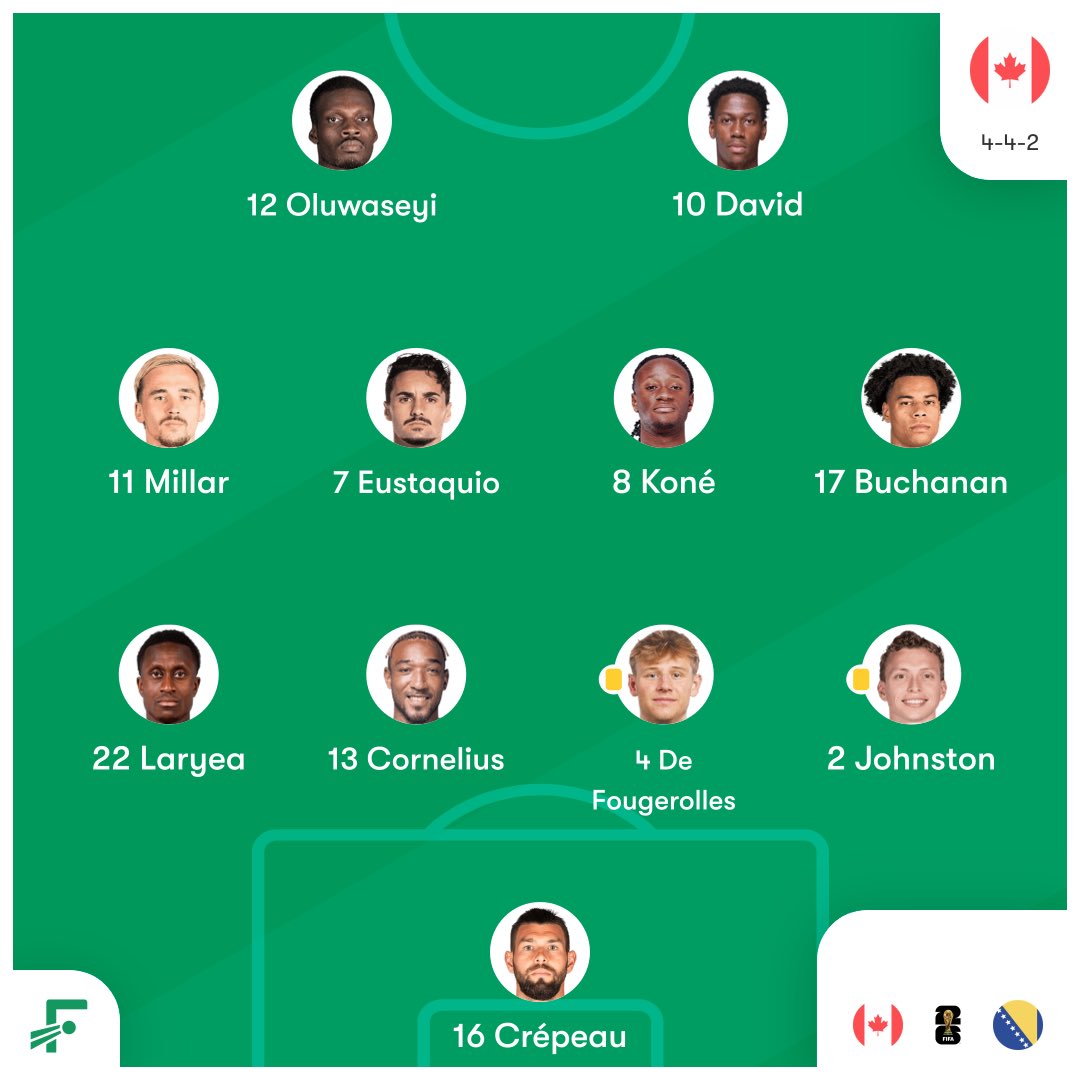
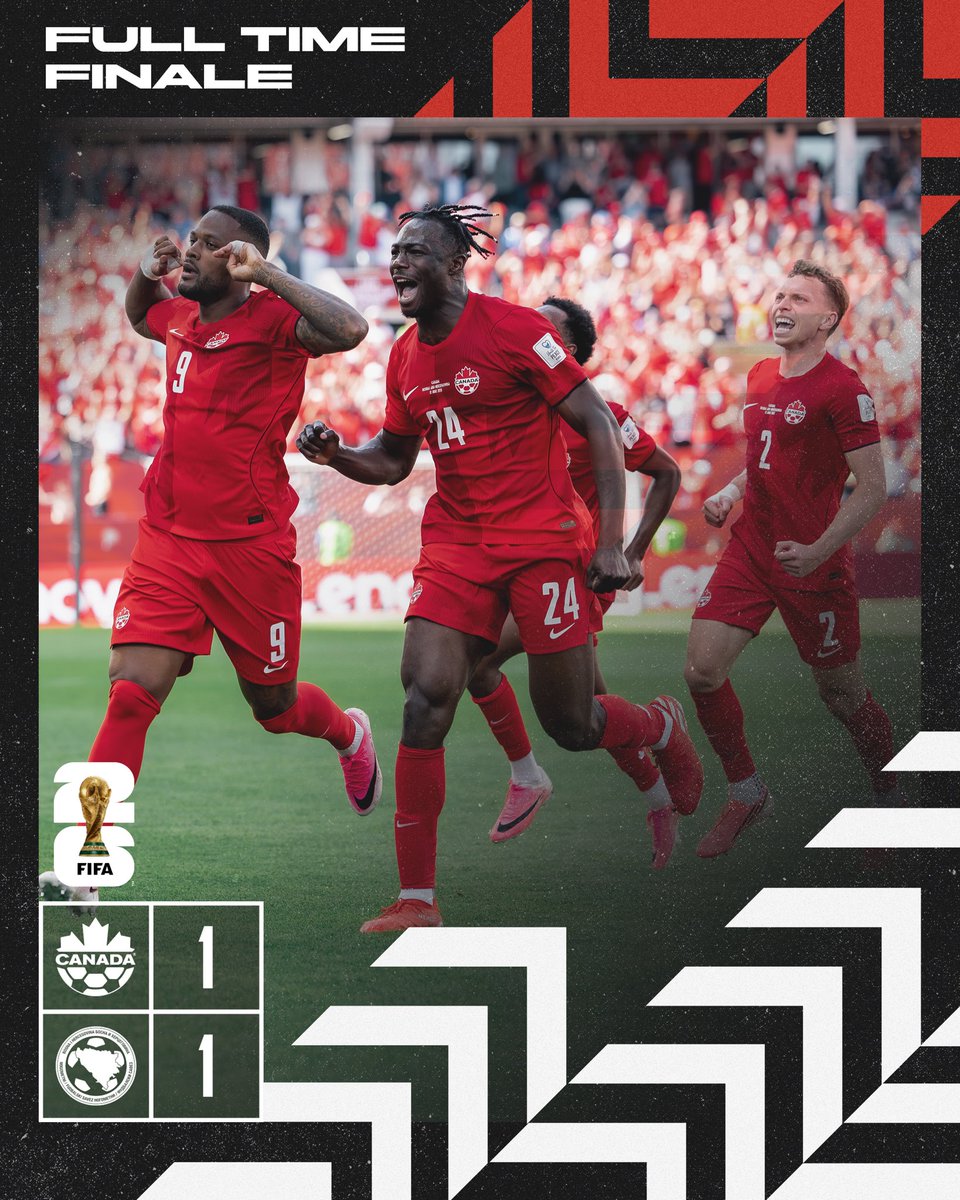
FT: Canada 1-1 Bosnia & Herzegovina
From a midfield perspective, this was a game of territory vs access.
Canada controlled territory.
Bosnia controlled access.
For much of the match, Stephen Eustaquio and Ismaël Koné helped Canada dominate possession and pin Bosnia deep. The ball spent long periods in Bosnia’s half, but territorial control didn’t always translate into central penetration.
Bosnia’s midfield deserves enormous credit for that.
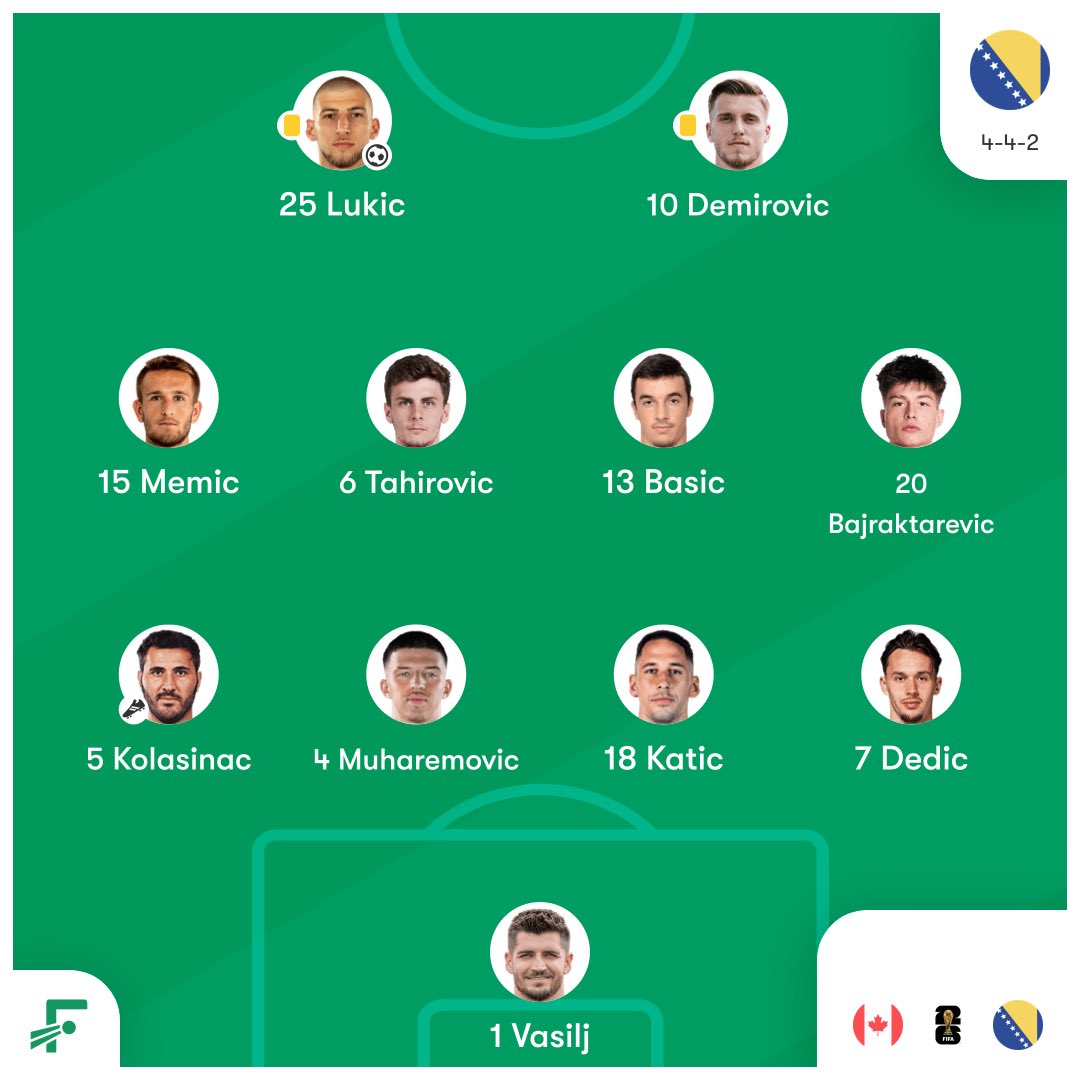
Benjamin Tahirović and Ivan Bašić consistently protected the space in front of the back line, screened passing lanes, and forced Canada into wider areas. They were comfortable conceding possession as long as they controlled the routes into dangerous zones.
The match changed after halftime.
Canada increased the speed of circulation, counter-pressed more aggressively, and began occupying central spaces more consistently. Bosnia’s block was forced deeper and deeper, making it increasingly difficult to sustain the same level of compactness.
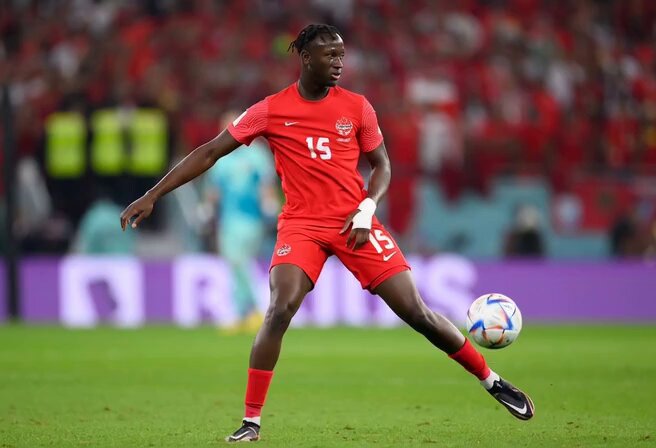
The standout midfielder for Canada was Ismaël Koné.
Eustaquio controlled rhythm.
Koné changed the game.
Whenever Canada looked capable of disrupting Bosnia’s structure, it was usually through his ball carrying, progressive actions, and ability to break pressure lines. He provided the verticality that Canada’s possession often lacked in the first half.
That’s why the equaliser felt like the product of sustained pressure rather than a single moment.
Canada gradually increased the stress on Bosnia’s midfield structure until it finally gave way.
My main takeaway:
Canada won the ball.
Bosnia won the space.
By full time, Canada had done enough to earn a result, but Bosnia’s midfield organisation ensured that possession dominance never became complete control.
Best Midfielder: Ismaël Koné.
Not because he saw the most of the ball, but because he was the midfielder most capable of changing the game when he received it.
The strongest line here is “Canada controlled territory.
Bosnia controlled access.” That’s the kind of concise observation professional analysts build an entire post around.
#CANMNT
Jun 12

START THE TALLY, CANADA!
Our first ever point at a Men’s World Cup is secured… and we’re not done yet!
🇨🇦 🇧🇦
#CANMNT #OurGameNow
1
6
8,116
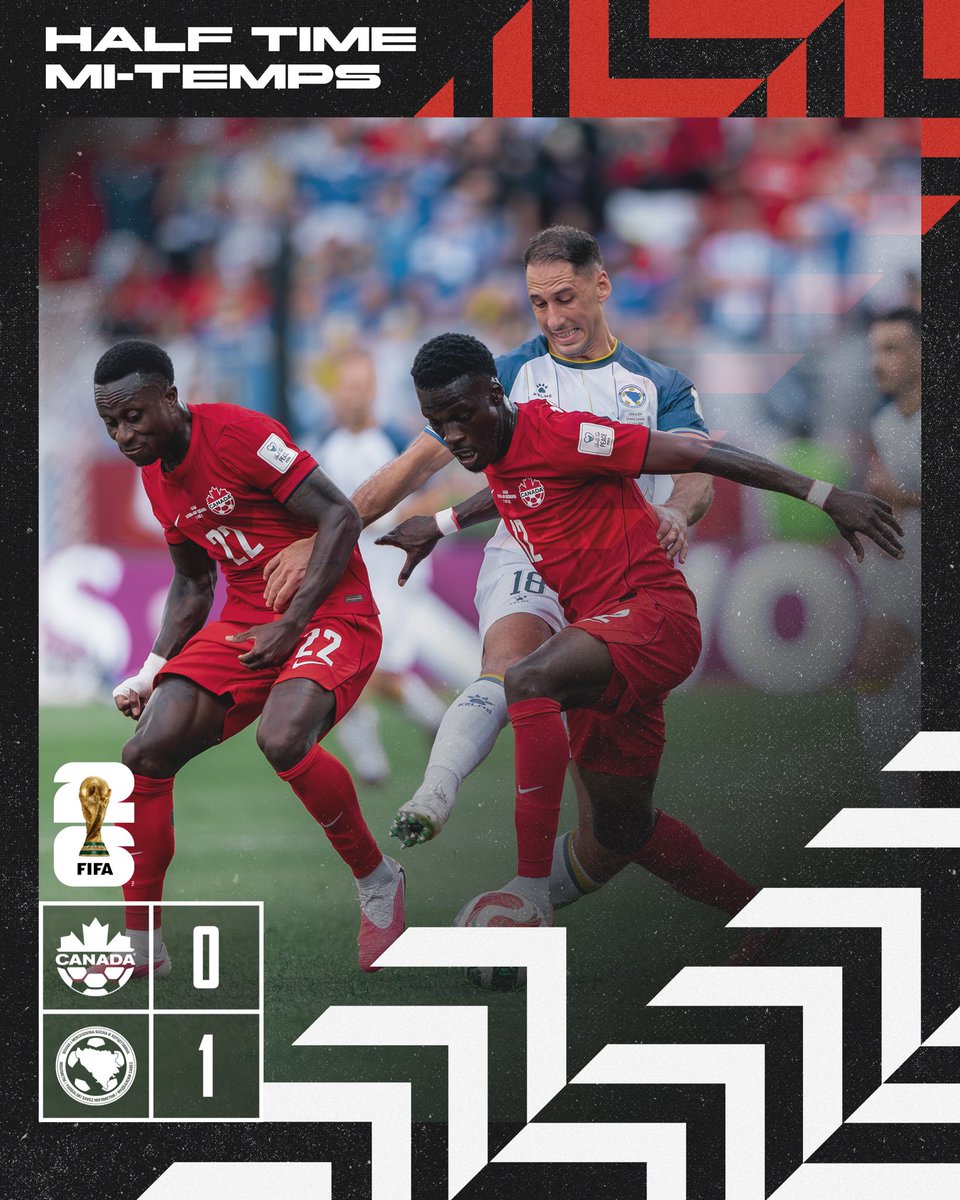
HT: Bosnia 1-0 Canada
The scoreline reflects the midfield battle more than the possession stats.
Canada have controlled the ball, controlled territory, and spent long periods in Bosnia’s half.
Bosnia have controlled the spaces that matter.
Eustaquio and Koné have progressed possession effectively, but much of Canada’s circulation has been in front of Bosnia’s midfield block rather than through it. The territorial dominance is there. The central penetration isn’t.
As a result, Canada have relied heavily on corners, crosses, and wide deliveries instead of consistently accessing central areas between the lines.
Bosnia’s midfield deserves a lot of credit.
Benjamin Tahirović and Ivan Bašić have remained compact, protected the space in front of the back line, and limited Canada’s access to dangerous central zones.
They haven’t dominated possession.
They’ve dominated access.
That’s the difference.
The key battle of the first half:
Eustaquio controlled tempo.
Tahirović controlled space.
Right now, space is winning.
Canada look like the team pushing the game.
Bosnia look like the team executing their plan.
If Canada are going to turn their territorial advantage into goals, they need to start breaking Bosnia’s midfield-defensive connection rather than continuing to play around it.
#CANMNT
3
3,027
The scoreline says South Korea came from behind to beat Czech Republic.
The midfield battle explains why.
For roughly the first 20-25 minutes, Czechia looked comfortable.
Tomáš Souček and the Czech midfield kept the game physical, disrupted Korea’s rhythm, and forced play into areas where they could compete for second balls.
The problem was that they never truly controlled possession.
They controlled moments.
South Korea controlled the spaces between those moments.
That’s where Hwang In-beom took over.
What impressed me most wasn’t the goal or the assist.
It was how frequently he became Korea’s solution whenever the game became congested.
Need to escape pressure?
Find Hwang.
Need to progress through the centre?
Find Hwang.
Need to connect defence with attack?
Find Hwang.
The best midfielders don’t just touch the ball.
They become reference points for the entire team.
That’s exactly what happened here.
Alongside him, Lee Kang-in continuously manipulated Czechia’s midfield shape.
His movement forced defenders and midfielders into difficult decisions, creating passing lanes that weren’t available earlier in the match.
As Korea settled into possession, something important started happening:
Czechia’s midfield stopped stepping forward.
They started dropping.
And once that happened, the game changed.
The distances became larger.
The pressure became less effective.
The central spaces became easier to access.
Korea began finding midfielders between the lines with increasing frequency.
By the time Hwang equalised, the momentum shift felt less like a surprise and more like the natural outcome of what had been developing for the previous 15 minutes.
That’s why I don’t think this was a comeback driven by individual quality alone.
It was a game where one midfield gradually gained control of territory, possession, and rhythm.
The goals arrived afterwards.
The control arrived first.
And Hwang In-beom was at the centre of it all. x.com/followPaaManuel/status…
5,090
The real difference between Mexico and South Africa was what happened in the middle third.
Mexico controlled the spaces that matter most.
South Africa’s midfield never did.
The opening goal perfectly summed it up.
When South Africa attempted to play through midfield, Erik Lira stepped aggressively onto Sphephelo Sithole, forced the turnover, and Mexico immediately punished the mistake.
It looked like an isolated error.
In reality, it was the result of sustained midfield pressure.
That sequence reflected the pattern of the entire match.
Mexico consistently dictated where South Africa received possession.
Sphephelo Sithole struggled the most.
The turnover for the opening goal was costly, but the larger issue was his difficulty securing possession under pressure. Mexico repeatedly targeted central build-up moments and prevented him from establishing control.
Teboho Mokoena wasn’t poor individually, but he was rarely able to influence the game on his terms.
Too often he received facing his own goal rather than turning forward. Instead of progressing attacks, he spent much of the night protecting possession and helping South Africa escape pressure.
Themba Zwane suffered from the same problem.
Mexico consistently denied him access to the spaces between the lines where he is most dangerous. As the game progressed, he was forced to drop deeper and deeper just to get touches.
When your most creative midfielder is moving away from goal to find the ball, you’ve usually lost the territorial battle.
The red card eventually stretched South Africa’s midfield beyond repair, but the warning signs were already there long before then.
Mexico’s midfield had clear role distribution.
Lira secured transitions.
Fidalgo controlled circulation.
Gutiérrez occupied advanced pockets.
South Africa never established the same balance.
Instead of controlling the game, their midfield spent most of the evening reacting to it.
The biggest takeaway?
Mexico didn’t dominate because they had more possession.
They dominated because they controlled where the game was played.
And once a team loses control of central space, the rest of the match usually follows.
South Africa has to have the worse Midfield I have seen… omg 😭😭
No cohesion or whatsoever
1
3
708
🚨Mexico vs South Africa Midfield Analysis.
Mexico didn’t win because they had more possession.
They won because they controlled where the game was played.
The key difference was their midfield structure.
Erik Lira operated as the deepest midfielder, providing security behind Álvaro Fidalgo and Brian Gutiérrez. That balance allowed Mexico to remain aggressive without becoming vulnerable in transition.
The opening goal perfectly captured the story of the match.
South Africa attempted to play through midfield.
Lira immediately stepped onto Sphephelo Sithole, forced a loose touch, and Mexico punished the turnover through Julián Quiñones.
It looked like an individual mistake.
In reality, it was the product of coordinated midfield pressure.
That sequence summed up Mexico’s approach all night: regain possession and attack before the opponent can reset.
Lira was the tactical reference point.
He screened the centre-backs, won second balls, and consistently protected central spaces. More importantly, his positioning allowed Fidalgo and Gutiérrez to operate higher up the pitch.
Fidalgo then took control of the game’s rhythm.
He constantly offered passing angles, occupied the left half-space, and repeatedly found ways to progress possession through South Africa’s midfield block. His line-breaking pass into Gutiérrez around the 30-minute mark was one of the clearest examples of his ability to destabilise defensive structures.
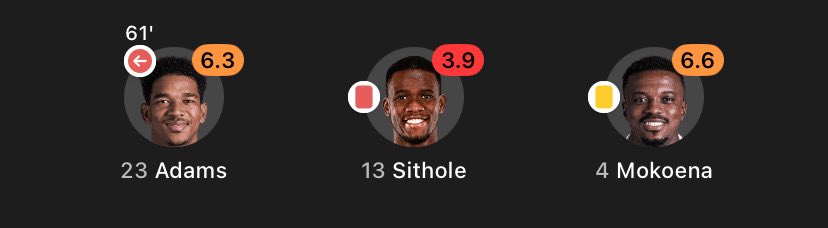
South Africa’s midfield never established the same level of control.
Teboho Mokoena had moments where he carried the ball forward, but Mexico’s pressure often forced him to receive facing his own goal rather than turning into space.
Jayden Adams spent more time reacting than dictating.
Themba Zwane was repeatedly denied access to dangerous pockets between the lines and was forced to drop deeper just to get involved.
When your most creative midfielder is moving away from goal to find the ball, you’re usually losing the territorial battle.
The red card eventually stretched South Africa’s midfield beyond repair, but the trend was already clear before then.
Mexico controlled transitions.
Mexico controlled territory.
Mexico controlled central space.
And in modern football, that’s usually enough to control the match itself.
#MEXRSA #FifaWorldcup x.com/Bobo_d34/status/206518…
2
16
8,718
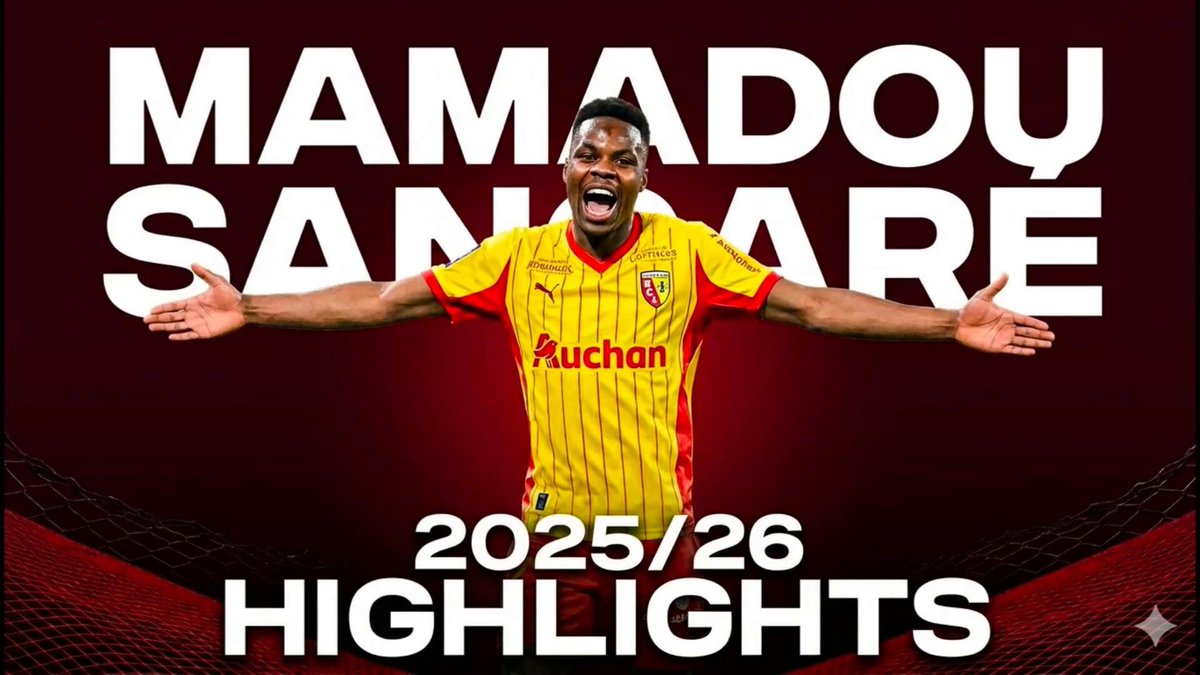
🚨NEW: After digging through Mamadou Sangaré's 2025/26 season, I think the biggest mistake is describing him as a defensive midfielder.
The data points towards something far more valuable.
Sangaré isn't a specialist.
He's a phase-to-phase midfielder.
A player capable of influencing every stage of possession.
In his first Ligue 1 campaign, he accumulated over 2,300 league minutes, completed 1,144 passes at an 87.5% success rate, created 33 chances, contributed 3 goals and 4 assists, won the Prix Marc-Vivien Foé, and established himself as one of the defining midfielders in Ligue 1.
The numbers are impressive.
The profile they create is even more impressive.
Most midfielders force tactical trade-offs.
You sacrifice defensive security for progression.
You sacrifice progression for control.
You sacrifice control for athleticism.
Sangaré's season suggests a player capable of contributing across all three areas simultaneously.
His passing profile is particularly revealing.
An 87.5% completion rate stands out on its own, but the more important detail is where those passes are directed.
A meaningful share of his distribution is played vertically, advancing possession without compromising security.
That balance is difficult to find.
Many midfielders can retain possession.
Far fewer can progress it consistently while maintaining efficiency.
Defensively, the relationship between his ball-winning output and discipline is equally notable.
Across the league campaign, he committed just 29 fouls while drawing 41 himself.
For a midfielder heavily involved in defensive actions, duels, and transition moments, that differential matters.
It points towards a player who not only wins possession cleanly but also protects it once recovered.
The 41 fouls won may be one of the most underrated indicators in his profile.
Midfielders who consistently draw fouls tend to share similar characteristics:
• They receive under pressure.
• They carry through congested areas.
• They remain composed in contact situations.
• They force opponents into recovery actions.
In practical terms, Sangaré doesn't simply survive pressure.
He manipulates it.
Which is why I don't view him as a traditional No.6.
Nor do I see a pure box-to-box No.8.
The closest description is a transition controller.
A midfielder capable of ending opposition attacks and becoming the first player to initiate the next phase seconds later.
Those profiles are increasingly valuable at elite level because they reduce the amount of tactical protection required around them.
The Marc-Vivien Foé award recognised the performances.
The underlying data helps explain why.
The most impressive aspect of Sangaré's season wasn't that he excelled in one phase of the game.
It was that he influenced all of them.
#mufc @FotMob
Jun 11

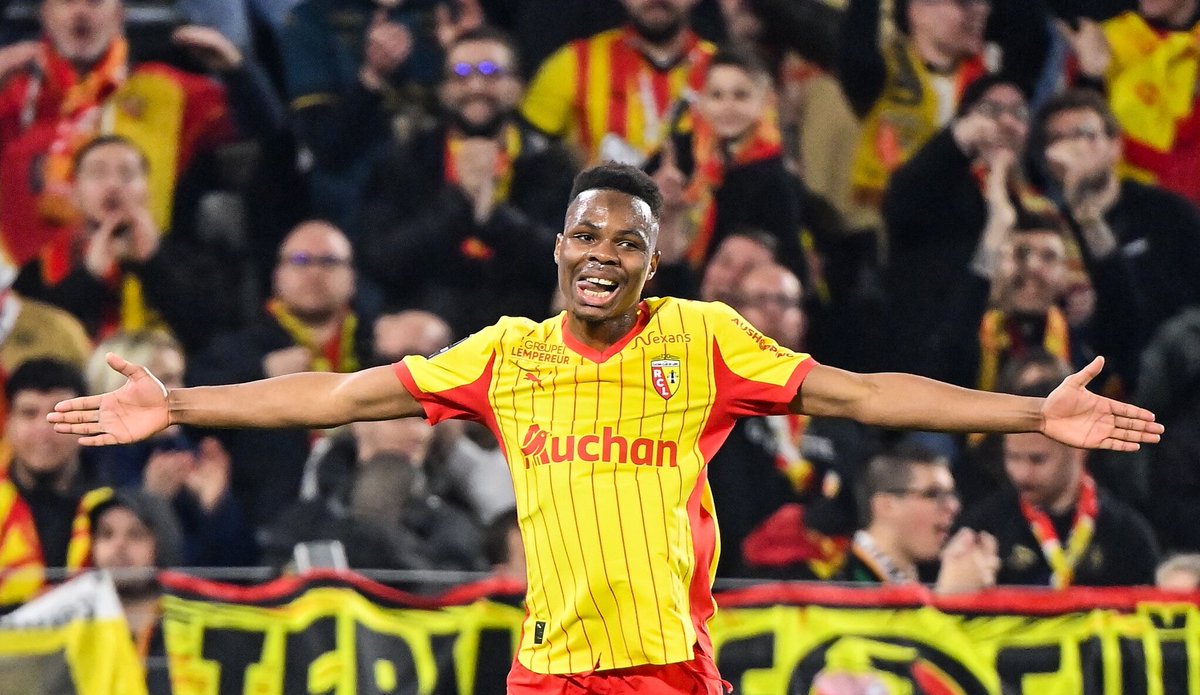
🚨EXCL #RCLens 🔴🟡 #MUFC
🎯Mamadou Sangaré a tapé dans l'oeil de Manchester United qui prépare une offre pour le milieu 🇲🇱
🔁plus d'une dizaine de clubs intéressés, mais pour le moment zero offre sur le bureau du RC Lens
💰valeur du joueur : 40 M€, montant attendu... bien supérieur
footmercato.net/a18570463445…
28
92
639
164,553
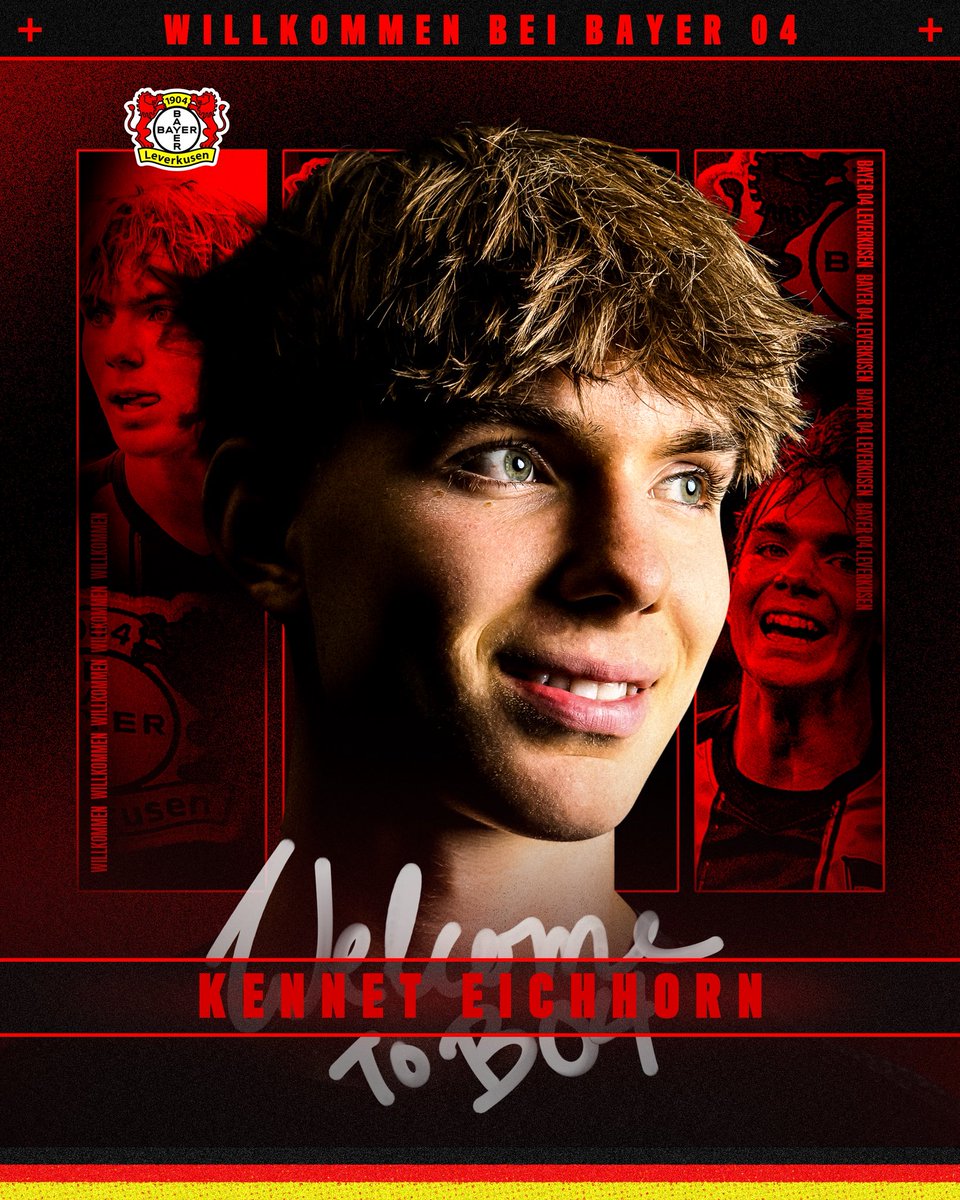
🚨Watch: Elliot Andersen vs Costa Rica
Having watched Elliot Anderson closely against Costa Rica, what stood out to me wasn’t headline moments. It was his control of the game.
I thought Anderson was one of the key reasons England maintained such a strong rhythm throughout the match. He consistently made himself available, offered passing angles, and ensured England could circulate possession without losing structure.
What impressed me most was his role as the connector. Whenever England progressed through the thirds, Anderson was often the player linking defence to attack. He received under pressure, played forward when possible, and kept the midfield connected.
Out of possession, his intelligence was evident. Rather than chasing the ball unnecessarily, he focused on closing passing lanes, protecting central spaces, and positioning himself to recover second balls. Those actions rarely make highlight reels, but they are vital to controlling matches.
Another aspect I noticed was the balance he provided alongside Declan Rice. Because Anderson remained disciplined in his positioning, Rice had greater freedom to advance into attacking areas. England’s midfield looked more stable and coordinated as a result.
That said, I’d still like to see Anderson become more aggressive with his line-breaking passes against stronger opposition. Costa Rica sat deep for long periods, meaning he wasn’t tested extensively under sustained pressure. Matches against elite international midfields will provide a clearer measure of his ceiling.
Overall, I viewed this as a mature and intelligent midfield performance. Not necessarily one that will dominate the headlines, but one that demonstrated why Anderson is so highly regarded. He controlled spaces, connected phases of play, and helped England dictate the match from midfield.
Rating: 8/10.
#threelions x.com/Miburns99/status/20649…
2
10
5,140
DMF ZONE retweeted

Jun 10
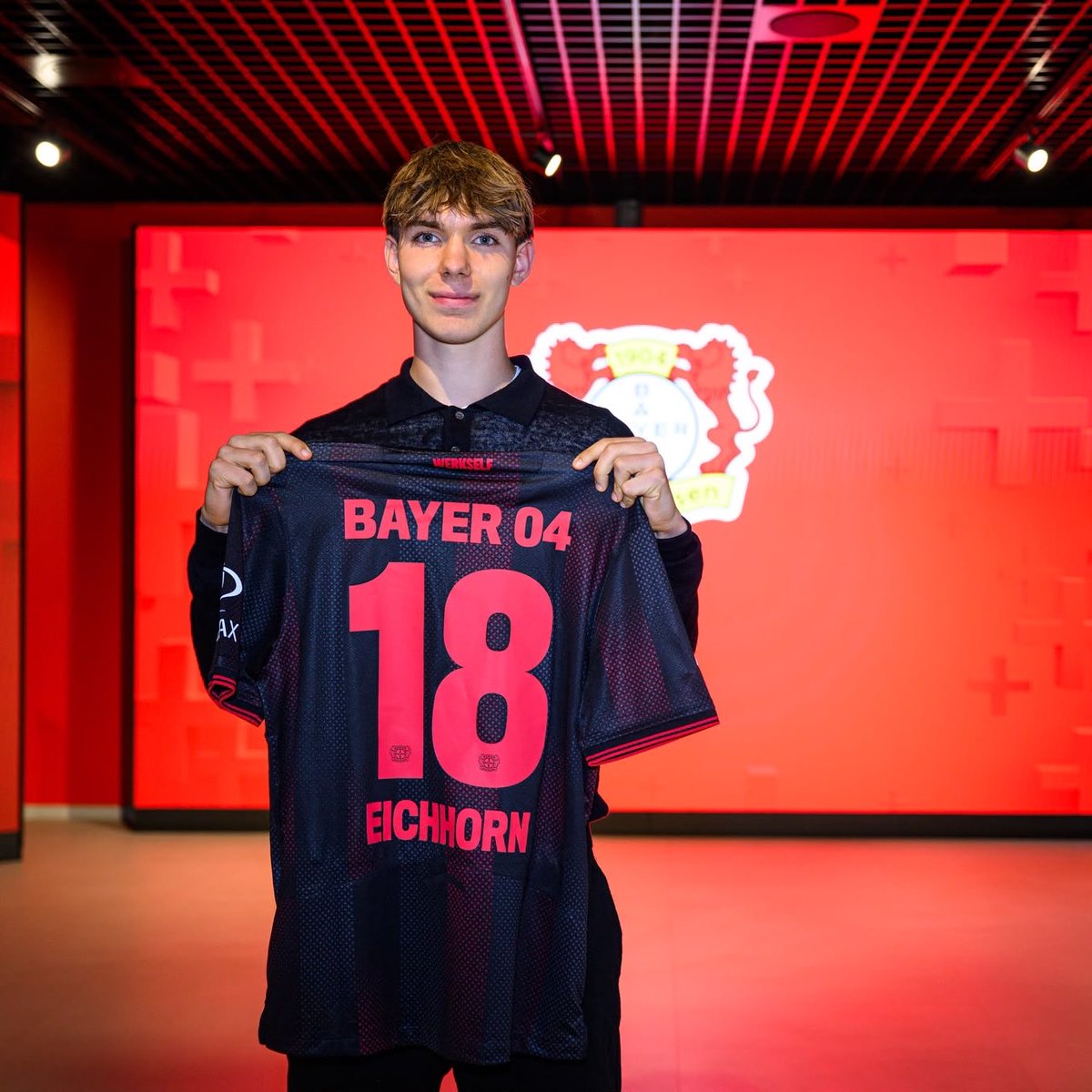
Say hello to your new #️⃣1️⃣8️⃣! 😍🤝
28
91
2,342
36,603
DMF ZONE retweeted
Jun 10
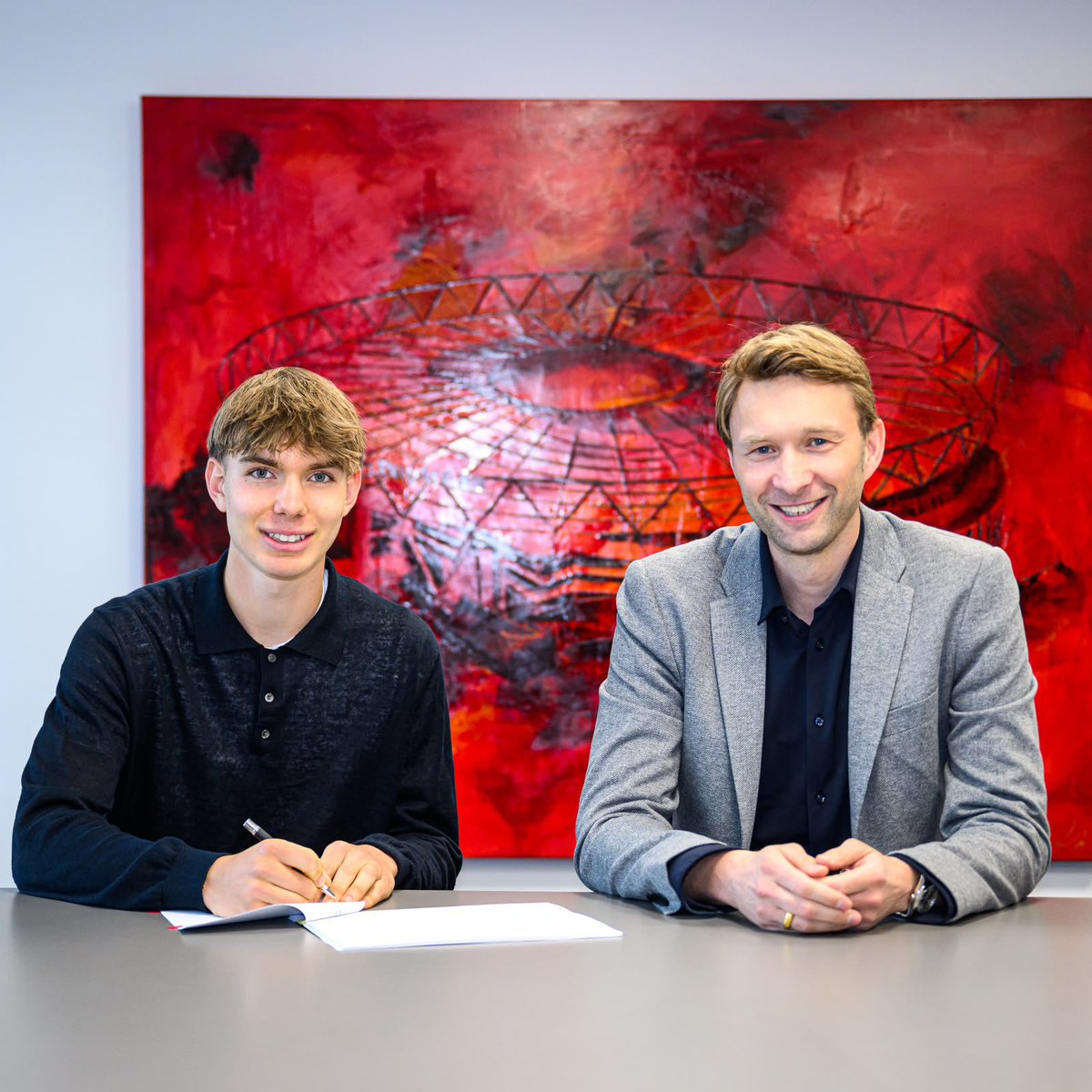
One of Germany’s brightest young talents joins Bayer 04! 🖤❤️
Kennet Eichhorn signs on a long-term contract! ✍️
12
33
587
17,515

🇪🇺 Top 7 Leagues : U21 Midfielders
📈 Key passes vs xG per 100 touches
Free trial 👉 datamb.football
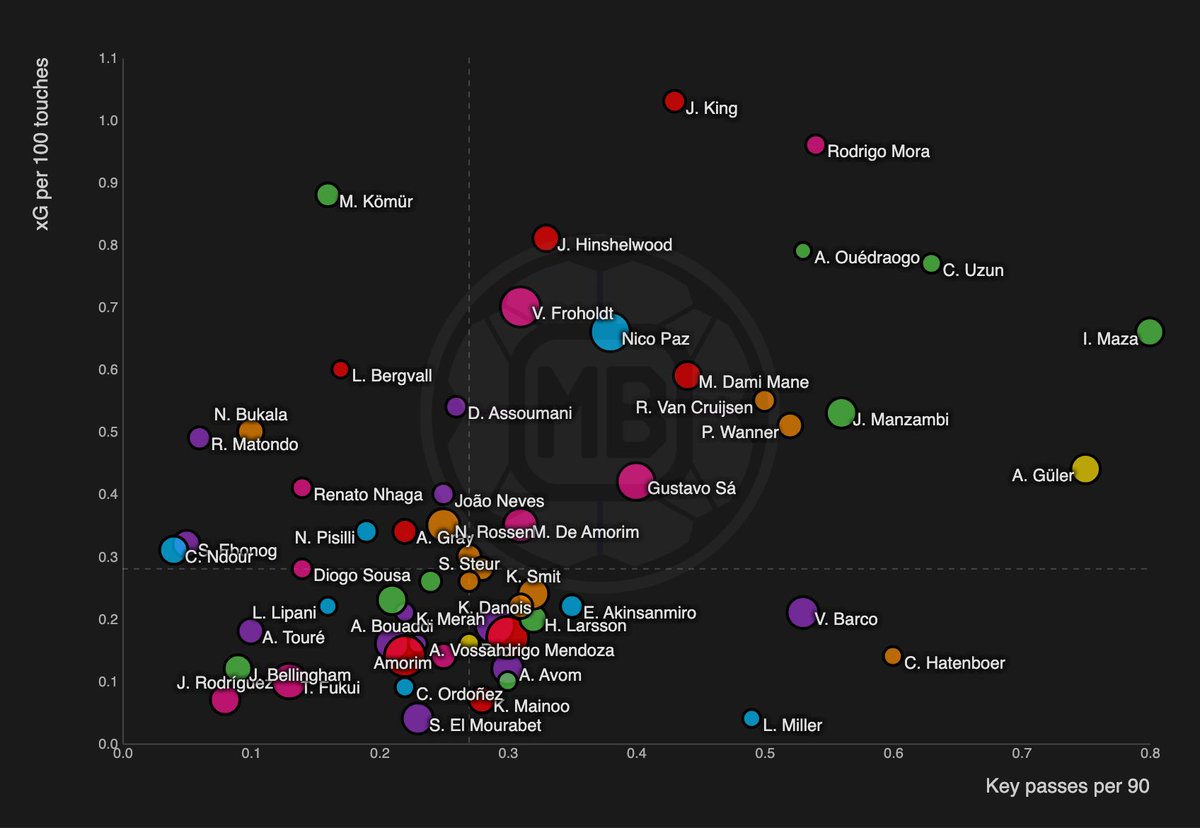
ALT This is an automated tweet 🤖 Position, league, age and metrics were chosen randomly in the 2025/26 dataset. Positions are determined via the player's average heat map. Join the free trial for more leagues and tools!
1
3
25
6,277
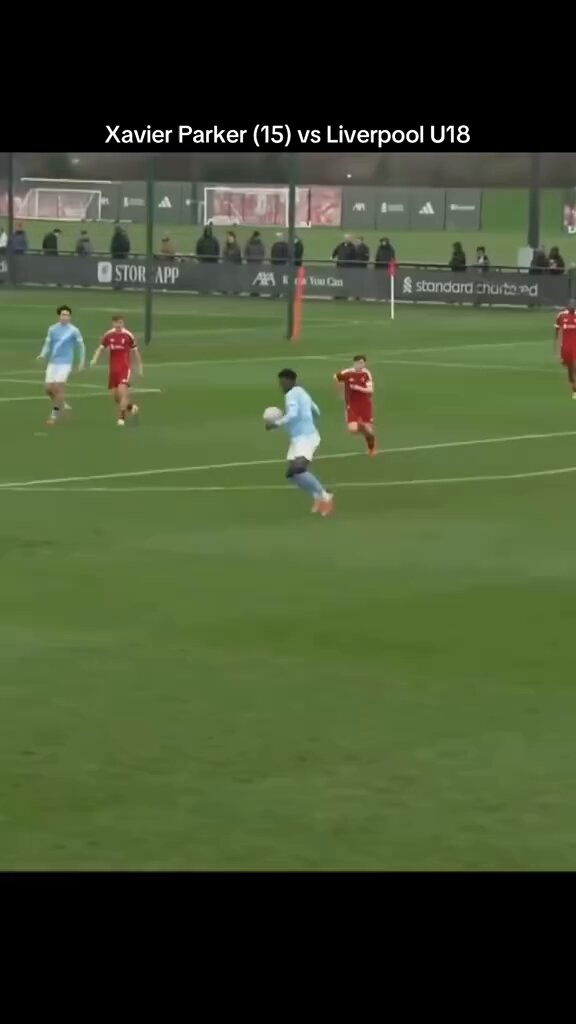
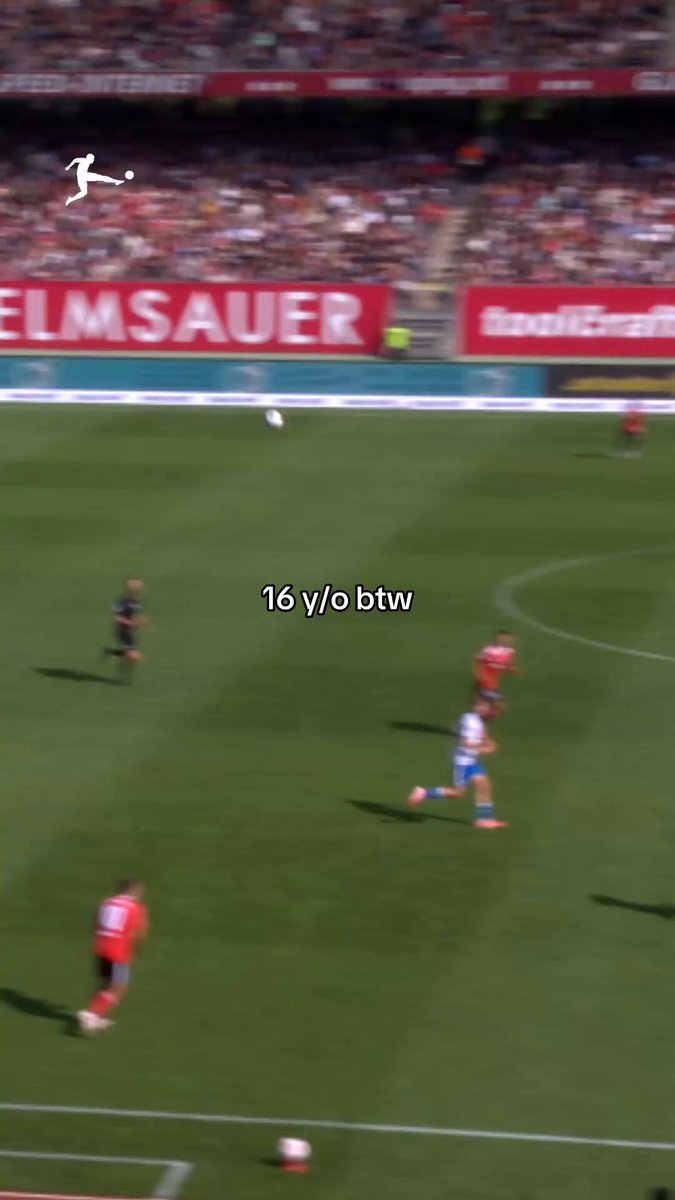
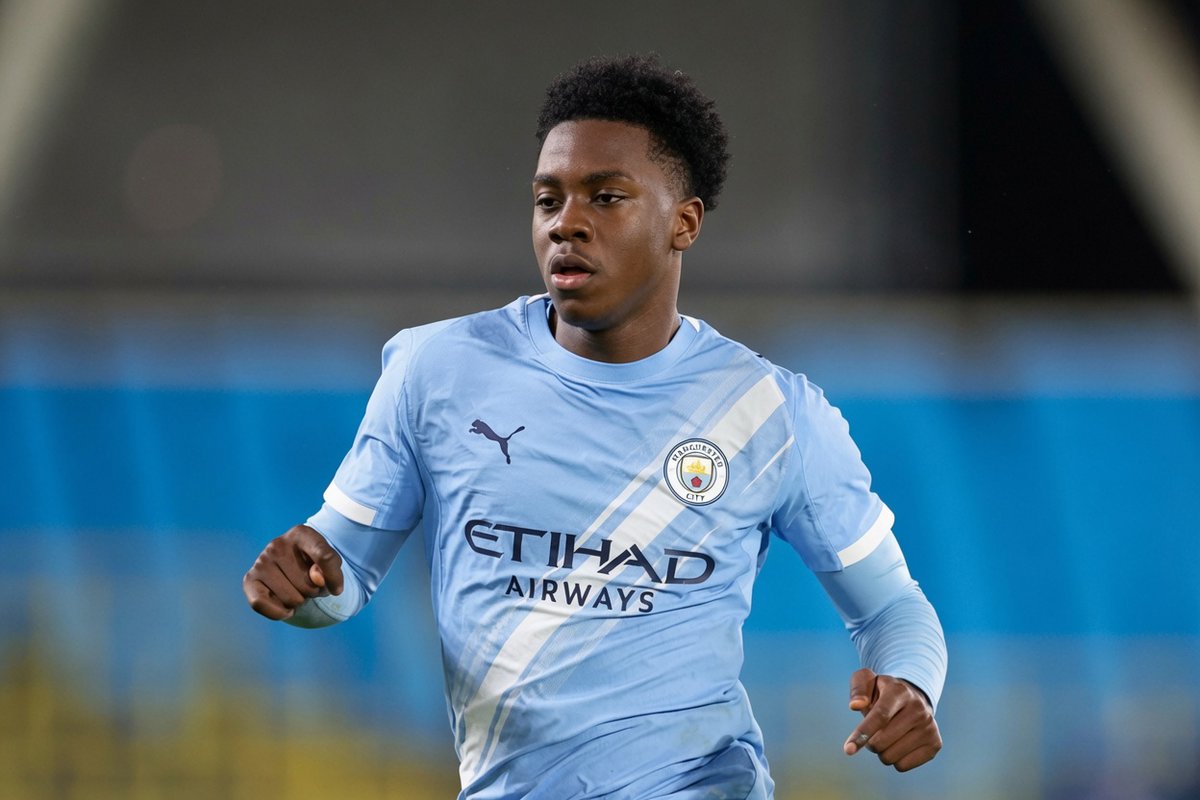
🚨Analysis: The more I watch Xavier Parker, the more I see a midfielder whose value comes from progression rather than pure creation.
A lot of young attacking midfielders influence games through final balls and highlight-reel moments. Parker's impact starts much earlier in the sequence.
He constantly drops into build-up to provide an additional passing option, receives side-on and immediately looks to play forward.
Rather than waiting between the lines for the game to come to him, he actively inserts himself into possession sequences and takes responsibility for advancing attacks.
What stands out most is his ability to connect phases of play. He can receive in deeper areas, carry through central zones and arrive in advanced positions within the same possession.
That ability to bridge build-up and attack is becoming increasingly valuable in the modern game.
I also think his creative influence is larger than the raw numbers may suggest. Many of his best actions come before the final pass.
He regularly manipulates defensive structures through his movement and ball carrying, creating advantages that teammates can then exploit.
Not a traditional No.10.
More of a vertical, high-involvement attacking midfielder who wants responsibility in possession and looks to drive his team up the pitch.
The talent is obvious.
The next stage of his development will be improving the consistency of his decision-making, particularly knowing when to accelerate attacks and when to simplify.
If that balance develops, the ceiling is extremely high.
One to watch closely. #ManCity #LFC
Jun 10

#ManCity are actively working to reach an agreement with the representatives of attacking midfielder Xavier Parker (16) over new contract amid appreciation from several clubs including Liverpool.
[via @FabrizioRomano]
1
4
553