
Technologist and citizen. I learn as I go.
Joined December 2007
- Tweets 21,937
- Following 6,216
- Followers 2,359
- Likes 215,266
1,737 Photos and videos







Dave Gilbert retweeted

Jun 13
First Amendment, Fable and Anthropic... Let's dig into the constitutional core. Software and the publication of model components are expression. That is why US export rules already carve out published and open source software 1/5
3
12
26
5,532
Dave Gilbert retweeted

Jun 13
For anyone wondering what this means:
- Anthropic (and potentially future OpenAI, Google, xAI) models that cost billions to develop will make 0 revenue outside the US
- a big double digit percentage of Anthropic (and potentially OpenAI, Google, xAI) workforce can no longer work there, because they are foreigners and are not allowed to use those models
So Trump just made frontier model development effectively unprofitable and tremendously slowed down Anthropic (and potentially others in the future)
He's handing China the win on a gold platter.
*potentially: if the same restrictions are imposed on other frontier labs and models
Jun 13

The US government, citing national security authorities, has issued an export control directive to suspend all access to Fable 5 and Mythos 5 by any foreign national, whether inside or outside the United States, including foreign national Anthropic employees.
The net effect of this order is that we must abruptly disable Fable 5 and Mythos 5 for all our customers to ensure compliance.
Access to all other Claude models is not affected.
We apologize for this disruption to our customers. We believe this is a misunderstanding and are working to restore access as soon as possible.
Read our full statement: anthropic.com/news/fable-myt…
521
946
11,829
1,450,319

Jun 11
👇
Jun 11

"AI Preemption in Exchange for Unconstitutional Online Safety Bills is a Bad Deal"
rstreet.org/commentary/ai-pr…
39
Dave Gilbert retweeted

Jun 5
While I’m no fan of socialism or arbitrary confiscations of wealth, I can see why Bernie Sanders’ proposal (for the government to take a 50% stake in AI companies) resonates, including with many on the right.
The CEOs of the leading AI labs have told us repeatedly that they will cause massive job loss. This is not a story that I believe, nor does the data bear it out, but this is what they have told us. Similarly, they have hyped the risks of AI without putting an equal or greater emphasis on the benefits or readily available mitigations.
Conservatives have another fear. The employees of the leading labs claim to be philanthropic, but what we’ve seen is massive enrichment of NGOs advancing an agenda at odds with traditional values, fueling a revolution against our cities and communities. Soros-maxxing is not charity in our book.
Anthropic and OpenAI have established themselves as Public Benefit Corporations. What could be more in the public benefit than using half the wealth generated by these companies (which trained for free on the collective knowledge of humanity) to pay down the national debt? There is no ideological bias in that philanthropy.
Dario and Sam have begun to walk back their claims of massive job loss, but the damage to public trust is done, and now the chickens are coming home to roost. I could almost support the Sanders proposal as a stupidity tax.
There’s just one problem. Nationalization of AI will accelerate the corporate-government fusion we’re already sliding toward. Conservatives rightly fear a Central Bank Digital Currency. They ought to be even more concerned about Central Government AI — a system with even more totalistic power over information, decision-making, and human behavior.
We saw how social media was weaponized to censor conservatives (including President Trump) in the last Democrat administration. The definition of “trust & safety” expanded to mean protecting the public from supposed psychological harms, micro-aggressions, and disinformation (you know, like hearing conservative ideas or true facts about Covid).
That “safety” agenda as applied to AI will be vastly more powerful and Orwellian. AI won’t just moderate posts; it will curate reality — with the ability to rewrite history, enforce ideological conformity, influence policy at scale, mass surveil Americans, and condition the benefits of the many systems it controls on approved behavior.
America won’t win the AI race if we beat China but end up with a CCP-style social credit system in the U.S. — and that is the danger as the government becomes more deeply involved in AI development and assumes direct ownership and control.
Conservatives are right to fear where this is all headed but ought to think more carefully about how regulations they are flirting with now (that are widely celebrated among those with a long history of lust for Big Government) will be used against them the next time a Democrat administration is in power.
Jun 2

I will soon be introducing a bill to give the public a 50% ownership stake in the largest AI companies in America.
This would guarantee that the trillions created by AI are used to improve the lives of all of us — and block oligarch decisions that harm the American people.
831
916
6,379
1,765,644

Jun 3
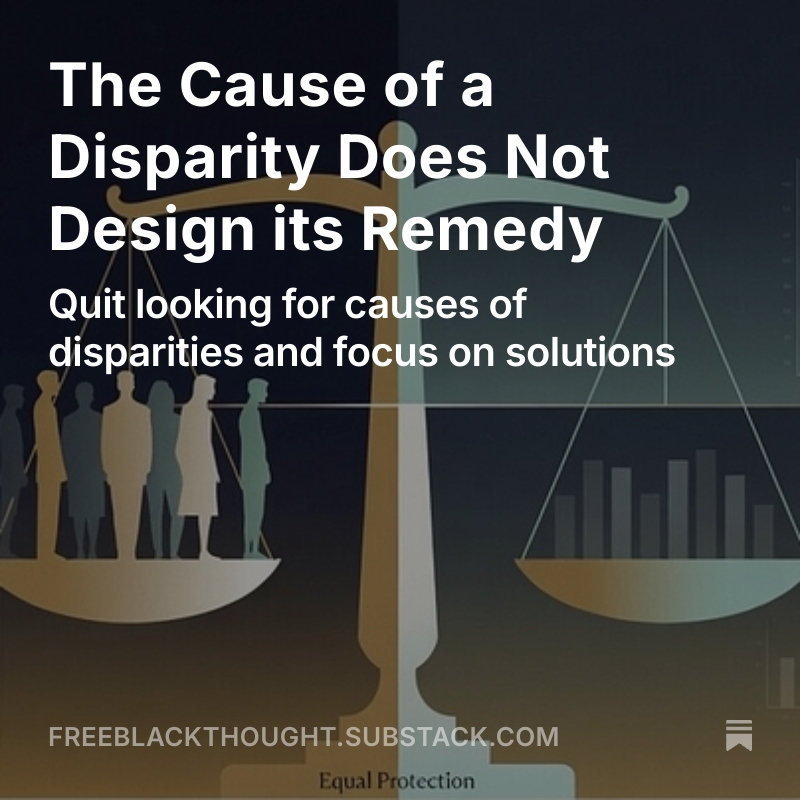
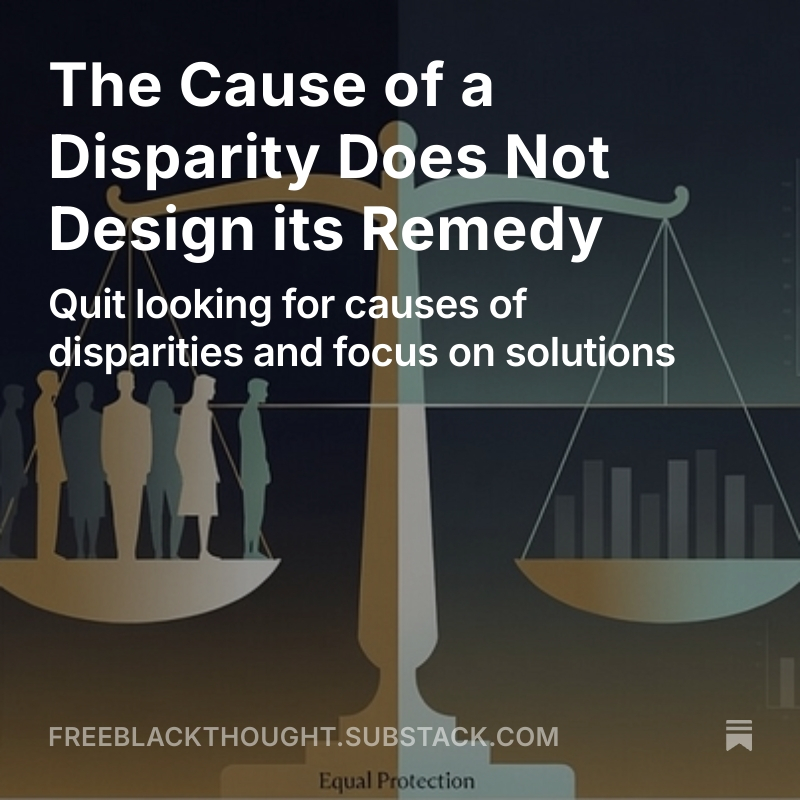
Some thoughts about how to frame a productive conversation about disparities (I'm a co-author)
Jun 3

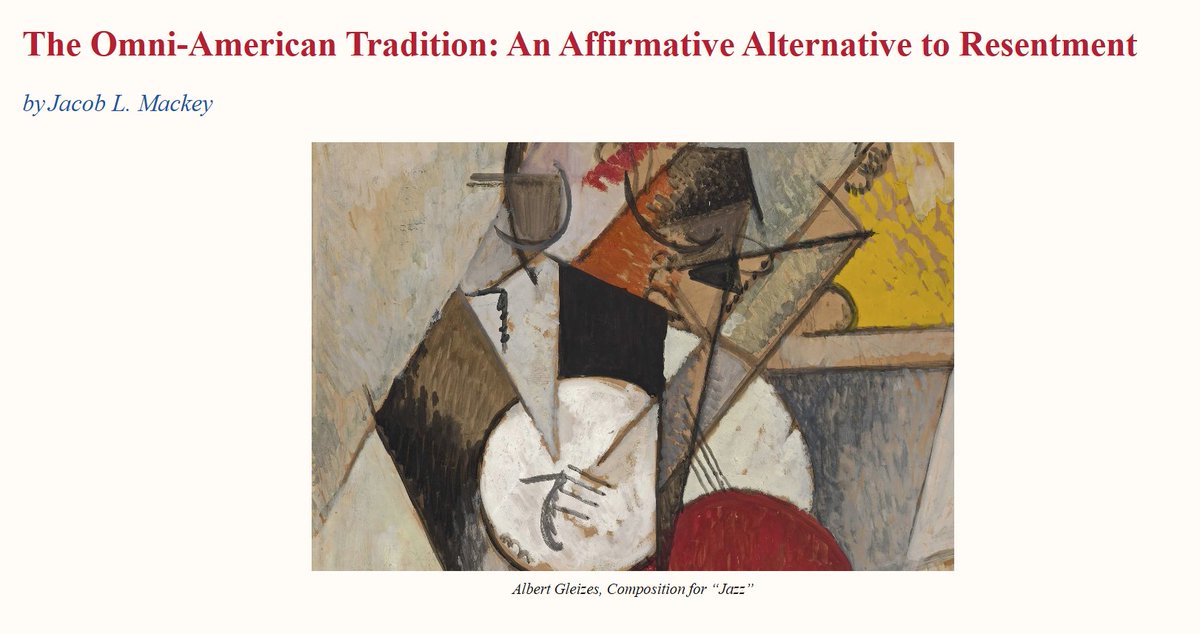
"The left tends to blame disparities on racism, past or present, and the right tends to blame them on culture, behavior, or most ominously, genetics. This essay proposes that we simply stop worrying about the origin of disparities and focus on solutions. There’s a principled reason to quit obsessing about origins, namely, the origin of a disparity does not design the remedy for it."
—@docgotham and I are in the Journal of Free Black Thought (link next tweet)
1
4
389
Dave Gilbert retweeted

Jun 2
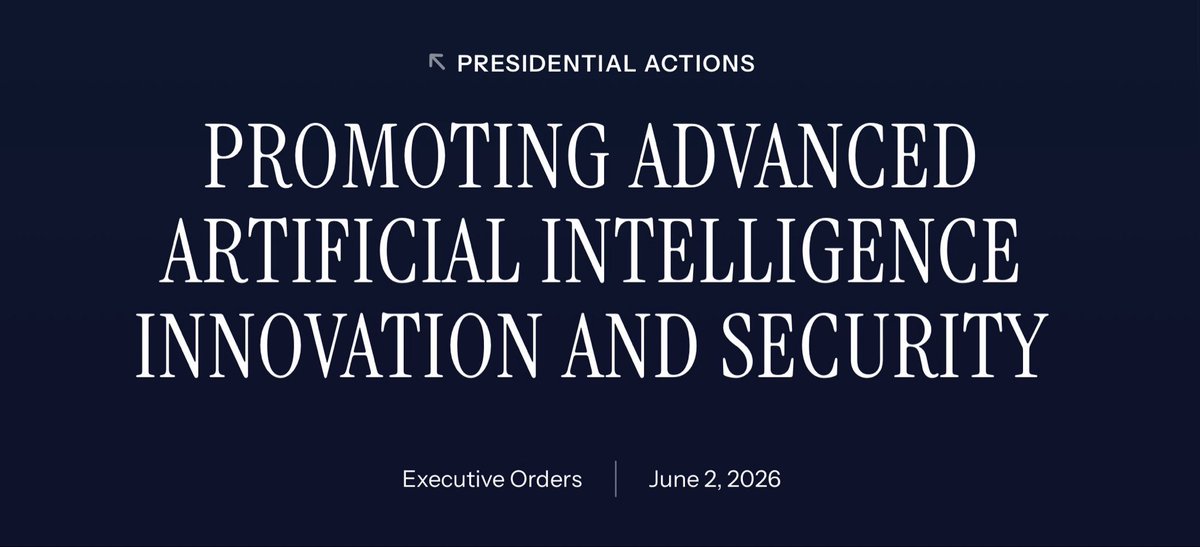
Two things can simultaneously be true about this new AI security executive order:
1) This represents a reasonable governance arrangement for frontier model security and its oversight, at least when compared with the far more intrusive ideas floated earlier, like the pre-vetting of models via a formal government licensing regime (aka, “FDA for AI”).
2) This represent as significant win for the military-industrial complex and the continuing fiction of “voluntarism” surrounding its inner workings. Thanks to open-ended EOs like this, the new growing AI-industrial complex will further concentrate power around AI – in both government and industry – and lead to more avenues for public officials to exert control over not just model security, but potentially many other aspects of algorithmic development and use, including content-related matters. After all, “security” is in the eye of the beholder (and future administrations and officials).
3
9
51
5,577
May 28
I don’t fill all of space. Why should it trouble me that I don’t fill all of time?
42
Dave Gilbert retweeted

May 27
Turns out demand for compute was being kept artificially low by computers' stupidity.
4
6
61
3,973
Dave Gilbert retweeted

May 26
Me using Claude Opus 4.7 to center a div.
112
515
6,575
831,264
Dave Gilbert retweeted

May 26
America never believed the world belonged to us. We believed that the world, if allowed to determine its own destiny, would choose to look more like us. We weren't totally wrong about that either.
May 26

It’s a fascinating observation, China believes it is the world itself, while the United States believes the world belongs to it.
41
67
878
33,943
May 18
🎯
May 18

At my first job as an adjunct I was effectively paid below minimum wage and even below what I was making as a grad student. I also had no health insurance or benefits. Meanwhile my department colleagues were grandstanding about how poorly Walmart treated their employees.
2
71
Dave Gilbert retweeted

May 17
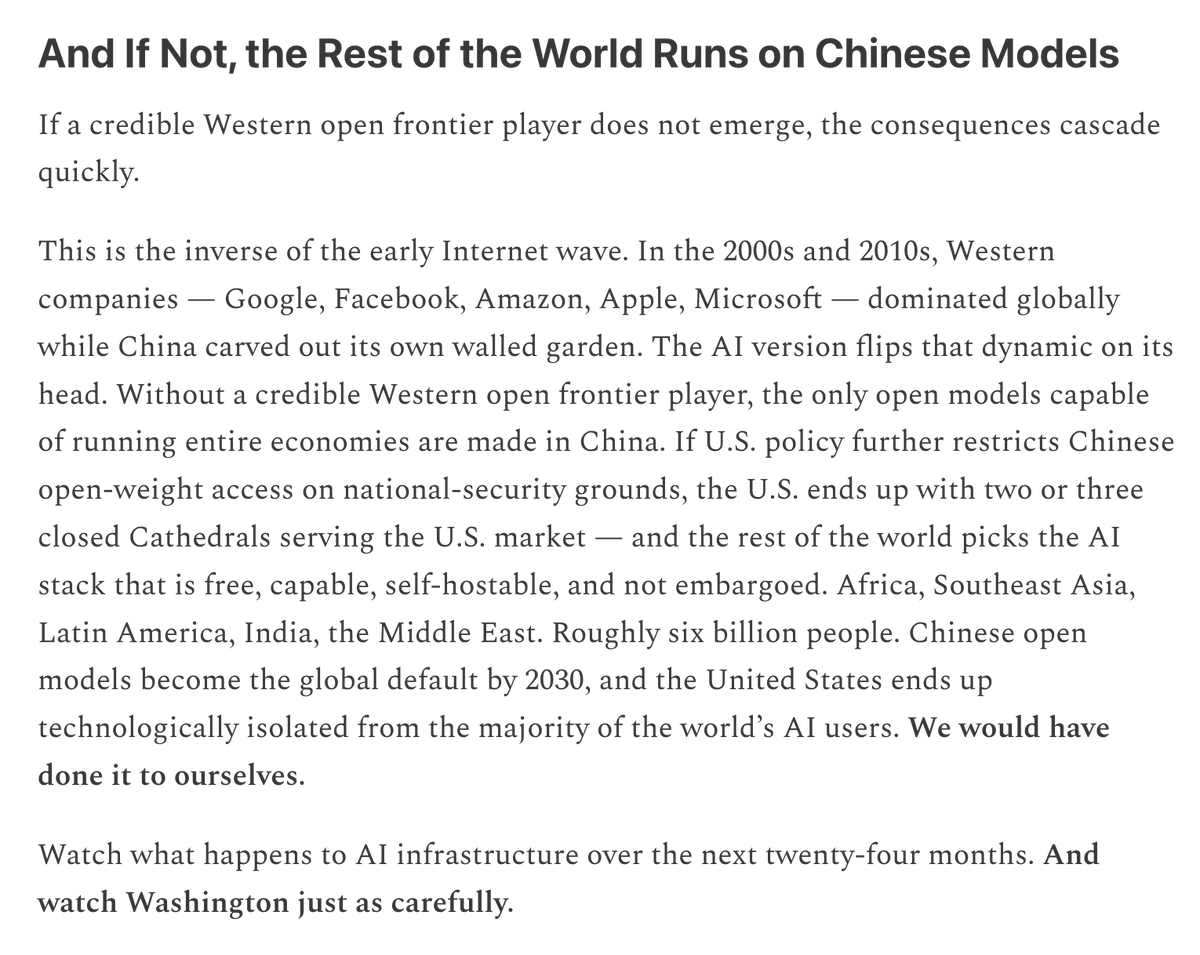
I don't think people understand just how bad it will be if an American open source champion doesn't emerge soon and the big labs succeed in creating modern East Indian companies and ban open models on moronic national security grounds.
"If a credible Western open frontier player does not emerge, the consequences cascade quickly.
This is the inverse of the early Internet wave. In the 2000s and 2010s, Western companies — Google, Facebook, Amazon, Apple, Microsoft — dominated globally while China carved out its own walled garden.
"The AI version flips that dynamic on its head.
"Without a credible Western open frontier player, the only open models capable of running entire economies are made in China. If U.S. policy further restricts Chinese open-weight access on national-security grounds, the U.S. ends up with two or three closed Cathedrals serving the U.S. market — and the rest of the world picks the AI stack that is free, capable, self-hostable, and not embargoed.
"Europe, Africa, Southeast Asia, Latin America, India, the Middle East.
"Roughly six billion people.
"Chinese open models become the global default by 2030, and the United States ends up technologically isolated from the majority of the world’s AI users.
"We would have done it to ourselves."
May 15

38
42
190
95,118
Dave Gilbert retweeted
May 16
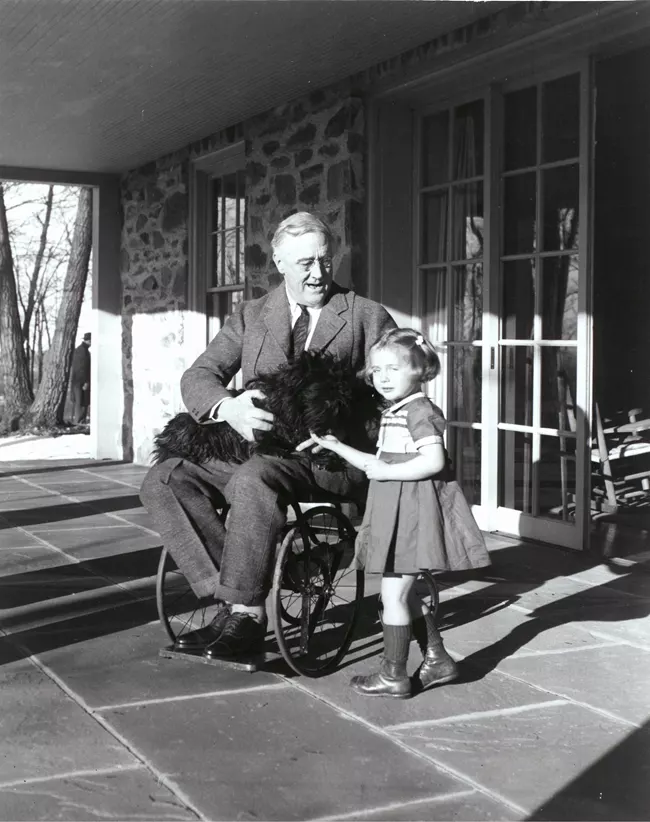
Like it or not, FDR was the leader who defined the Twentieth Century. He and his successors saw the fascists defeated, forced the Europeans to relinquish their empires, outlasted the communists, and ushered in the greatest period of global economic and social progress ever.
May 16

The liberal nationalist ideology of the New Deal is the best ideology ever invented by humankind. America has strayed from that path, but none of the modern alternatives -- CCP technonationalism, European degrowth, MAGA, wokeness, etc. -- measures up.
74
131
1,014
70,085
Dave Gilbert retweeted

May 13
Karen Bass got FOMO. These AI attack ads are crazy desperate.
711
6,610
37,608
829,461
Dave Gilbert retweeted
May 5
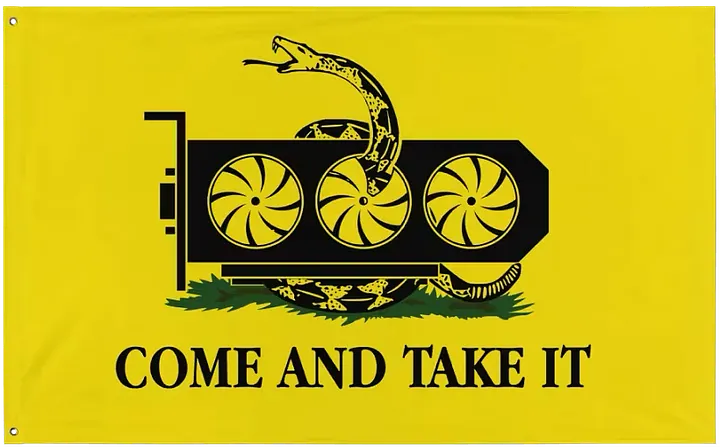
FYI, there is a store where you can buy this flag.
Fight for your right to compute.
3
3
28
947
Dave Gilbert retweeted
Apr 28
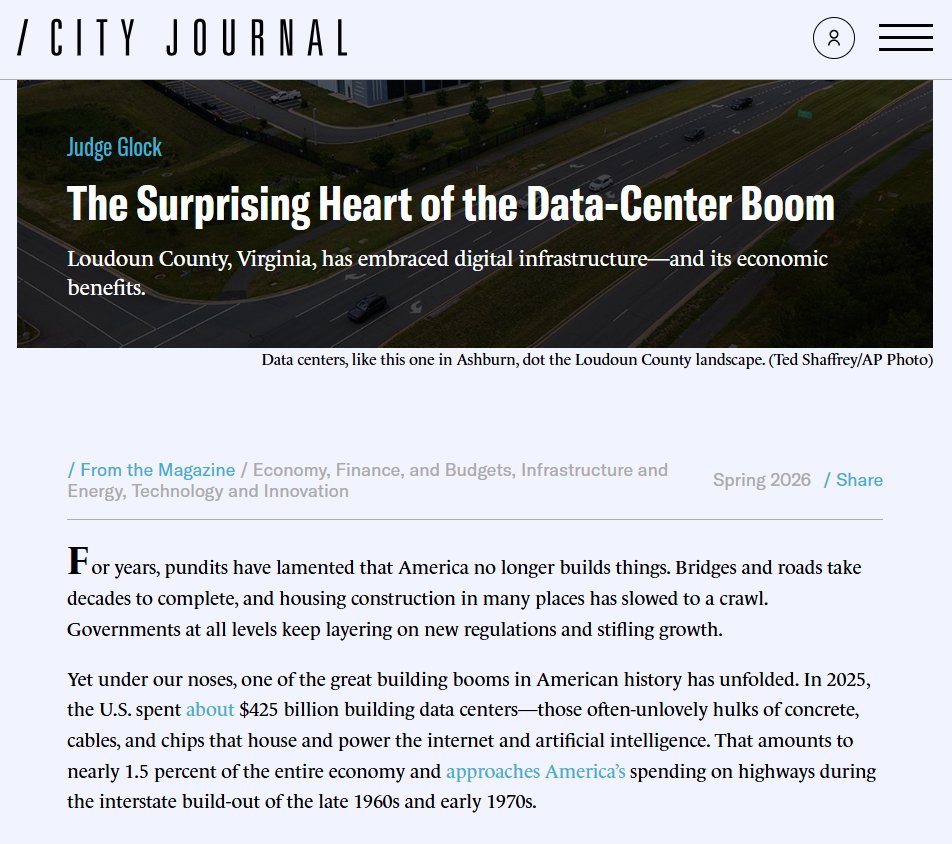
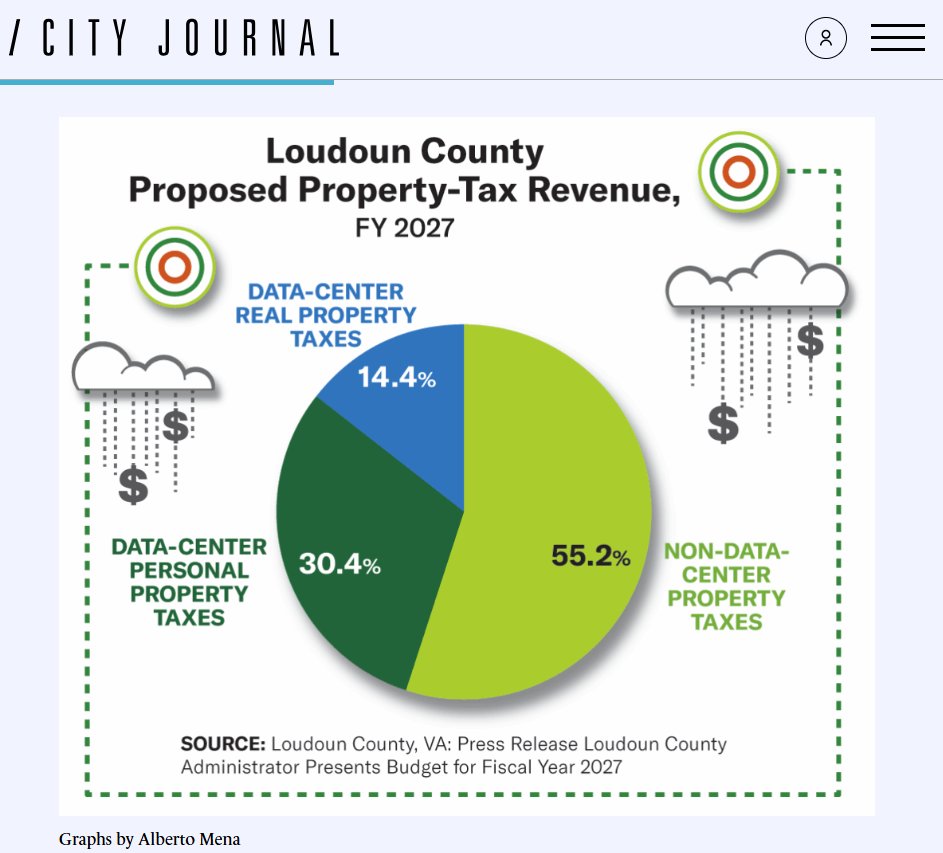
important new @CityJournal essay by @judgeglock pointing out what an amazing success story data centers have been for communities.
"Amazing local services, low taxes, strong blue-collar jobs, and windfalls for local landowners, all while requiring almost no taxpayer money in return: for years, data centers seemed like not just a free lunch but a free buffet, one that never stopped."
In Loudoun County, VA, data centers provide 45 percent of the nearly $2.9 billion in county tax revenue. 👀🤯
2
3
11
635
Apr 28
And he absolutely should be stopped.
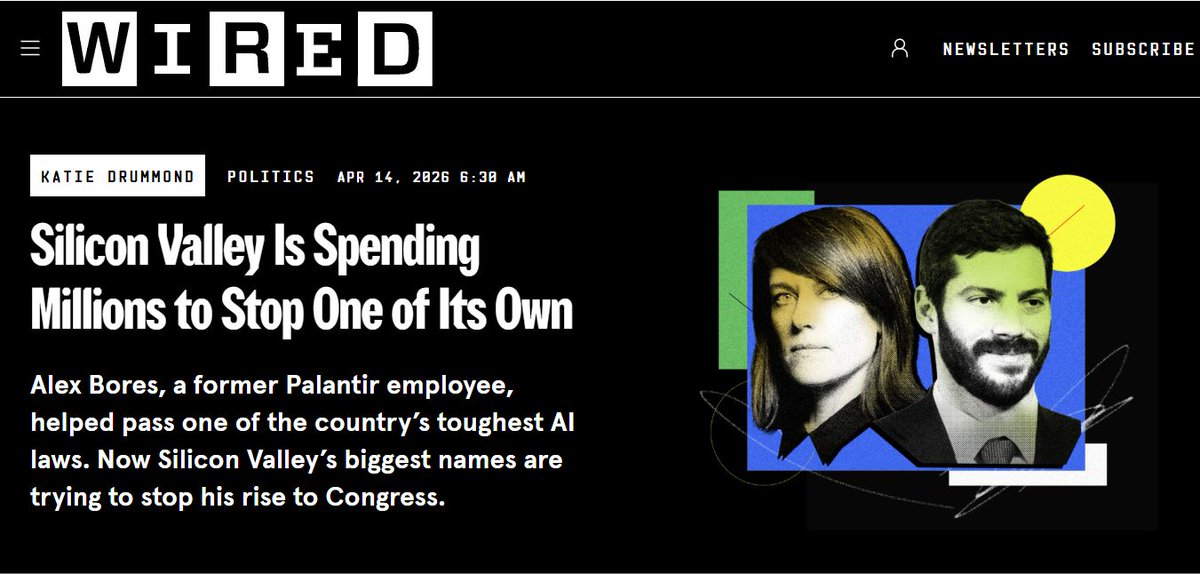
Alex Bores is a Democratic New York Assemblymember and congressional candidate who has made AI regulation central to his public agenda. He sponsored New York’s RAISE Act, aimed at large frontier AI developers, and has now laid out a broader federal AI framework touching child safety, data privacy, deepfakes, labor markets, data centers, workplace decisions, and AI deployment.
Presented as “AI safety,” the plan sounds narrow and technical. But read closely, it points toward something much larger: a federal regulatory architecture for supervising the software layer through which modern economic and social life increasingly runs. In that sense, it risks becoming a government takeover of the internet and the digital economy in sheep’s clothing—not by seizing the infrastructure outright, but by regulating the intelligent software embedded into nearly everything that happens on it.
If AI becomes embedded in ordinary software, internal workflows, customer support tools, medical administration, HR systems, insurance triage, sales platforms, productivity suites, code editors, educational tools, and consumer interfaces—which is inevitable—then regulating “AI systems,” as Bores’ plan calls for, becomes a way of regulating ordinary organizational judgment wherever software mediates it.
That is the basic problem. “AI” is not going to remain a chatbot. It is becoming a layer in the stack.
Bores’ plan slides from “frontier model safety” into broader controls over deployment, data use, labor markets, deepfakes, children’s products, workplace decisions, energy infrastructure, licensing, and redistribution. At that point, “AI policy” becomes a container for a much larger political economy agenda.
Let’s do a substitution test and replace “AI” with “software” to reveal the latent scope of this plan:
“‘Software’ cannot be the sole decision-maker in hiring, firing, or promotion.” That sounds much less narrow once one notices that HR software, scoring systems, resume filters, scheduling systems, call-center analytics, productivity dashboards, and management workflows will all contain AI components.
“Consumers should know what data ‘software systems’ collected.” That sounds less like a targeted AI rule and more like an expansive data-rights regime covering nearly every modern software interaction.
“Companies should report ‘software-related’ workforce changes.” That sounds less like labor-market transparency and more like federal oversight of almost every automation, dashboard, CRM upgrade, logistics optimization, or customer-service tool that affects staffing.
“‘Software systems’ must be tested, documented, audited, and monitored.” That sounds prudent until those duties attach not only to frontier labs but to ordinary businesses integrating model APIs into routine operations.
So the central problem is not merely “this is too much regulation.” It is that the plan may rely on a false ontology: it treats AI as a separable class of systems when the market is moving toward AI as a pervasive computational substrate.
There is also a constitutional and administrative-state angle. The more AI regulation governs speech-like outputs, ranking, recommendation, inference, explanation, classification, and decision-support, the more it runs into questions about compelled speech, prior restraint, due process, vagueness, delegation, and viewpoint-sensitive enforcement. The problem is not just cost. It is discretionary power.
2
135
Apr 24
I love what's going on with Claude Code and OpenAI Codex right now—continual dueling updates! 😆
1
47
Apr 18
I'm not sure software is going away. It may just be opening up like coral reefs that AI fish swim through.
65