Breast Cancer Surgeon | Passionate #Surgery Teacher | Dad x2 | Fitness Enthusiast | Ironman 70.3 🇻🇳 | Learning to balance life, one stride at a time
Joined December 2011
- Tweets 6,350
- Following 603
- Followers 67,133
- Likes 7,461
1,003 Photos and videos

Pinned Tweet

12 Nov 2025
I have started a new Instagram handle - sweatandscalpel to document my fitness journey and how I trained for 2 ironman 70.3’s
instagram.com/sweatandscalpe…
4
2
188
10,903
Rohan Khandelwal retweeted

May 30
@docrohan sir ,this is an appreciation tweet for you sir ,one can never miss a single question if read properly from your notes
After multiple revisions I got to know it is more than enough sir
Thankyou so much 😊
2
2
781
Mar 12
NMC continues to release new & inconsistent guidelines for FMG students—sometimes a 2-year internship, sometimes compensation for online classes. Even after clearing FMGE, internship seats remain scarce. If studying abroad is an accepted pathway, the rules must be stable!
14
289
499
13,845
Feb 17
Thank you 🙏

@docrohan
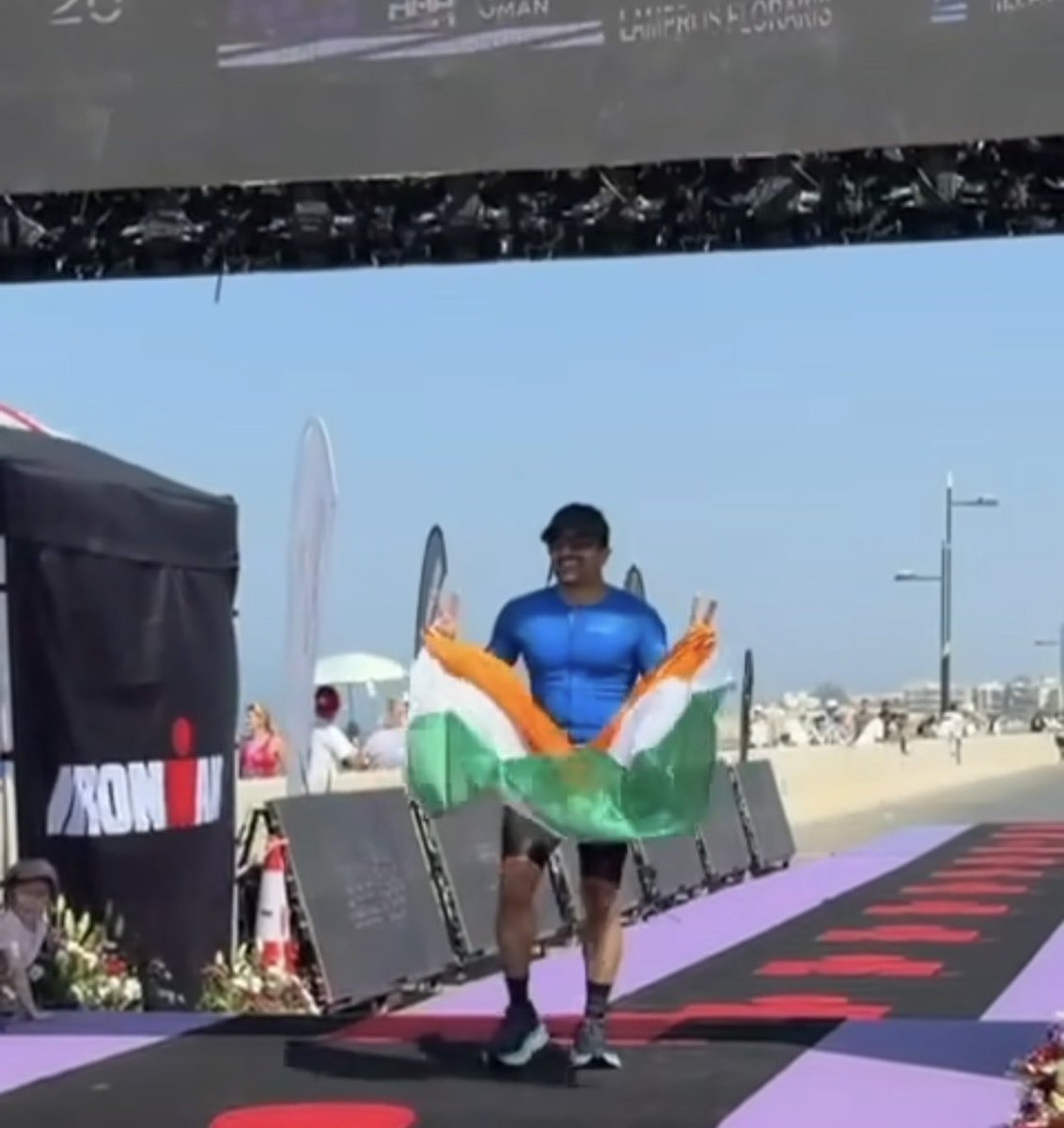
3 IRON MAN in 9 MONTHS!
This man is built different man!
Inspiration for consistency and never give up attitude and for life nd time management!
Salute sir!♥️
6
1,716
Ozempic & Mounjaro are being chosen/ promoted over discipline, nutrition, and movement.
Yes, they help selected patients—but using them to avoid lifestyle change almost guarantees rebound gain.
There is no injection that replaces healthy habits!!
6
9
205
11,526
23 Dec 2025
There are many paths to success—in exams & in sports!
But the constants are the same:
- hard work
- honesty to the process
- consistency.
No shortcuts. No self-deception.
Just show up every day. 💪💪
5
13
289
7,598
21 Dec 2025
Why is there an inclination towards revision videos when 6 are months left for the exam?
Why not build the main subjects properly first?
Your brain is like a sponge-fill it with content early. You can always squeeze it later with revisions!
Don’t compromise major subjects!
13
16
530
34,890
19 Dec 2025
NEET-PG counseling is still ongoing, and the next exam is likely 5–6 months away (May–June).
This “waiting phase” is dangerous—not because there’s less time, but because complacency sets in.
You actually have enough time to complete your subjects properly, strengthen weak areas, and still leave time for revision—if you stay consistent.
Don’t pause. Don’t drift.
Make every single day count.
2
17
510
25,846
23 Nov 2025
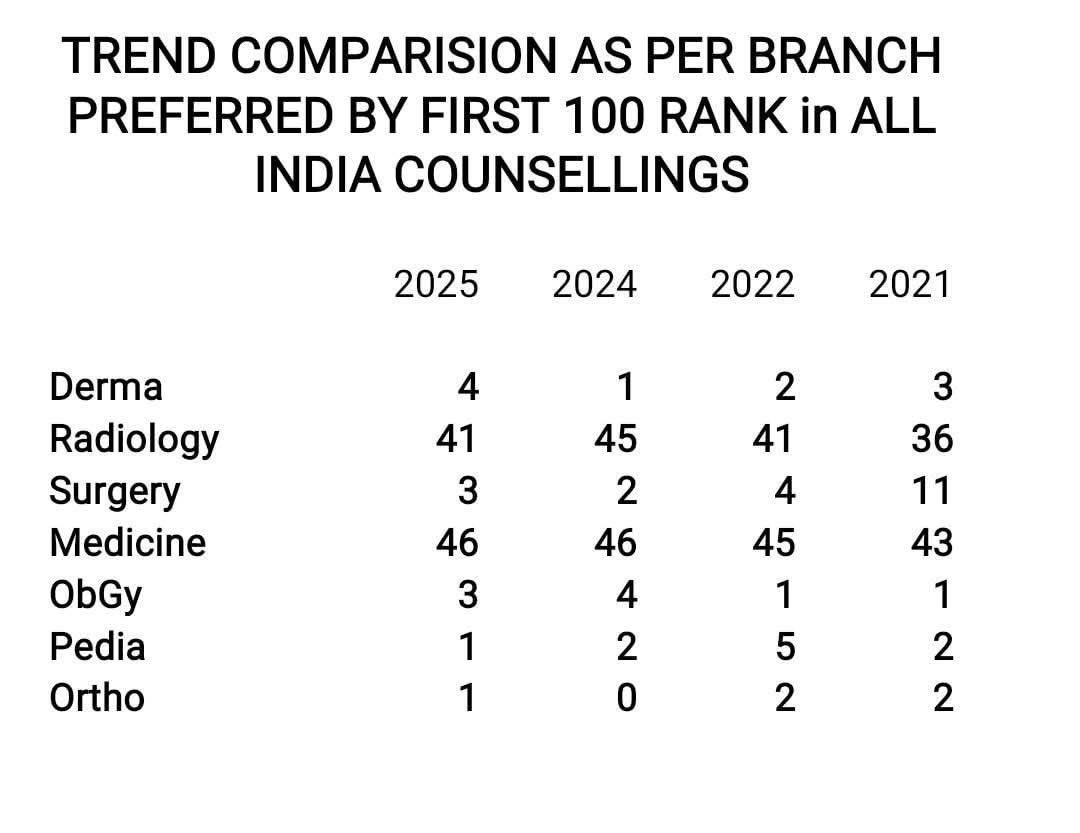
If this data is true, it should worry all of us.
The decline in top rankers choosing surgery isn’t about students changing—it’s about the system they’re entering.
Surgical residency still carries the image of long hours, hierarchy, limited mentorship, and delayed operative independence. And earlier, surgery was the primary procedural branch—if you wanted to “do something with your hands,” you chose surgery.
That’s no longer the case.
Today, most medical superspecialties offer procedures too. So procedural satisfaction financial security is now possible without a decade-long surgical training journey.
So students aren’t running away from hard work—they’re choosing environments that feel structured, supported.
Instead of criticising their choices, we need to reform surgical training—respect, mentorship, monitored hands-on opportunities, simulation labs, mental-health support, and cultures that build surgeons rather than break them.
What do you think? Comment below
43
88
963
58,572
13 Nov 2025
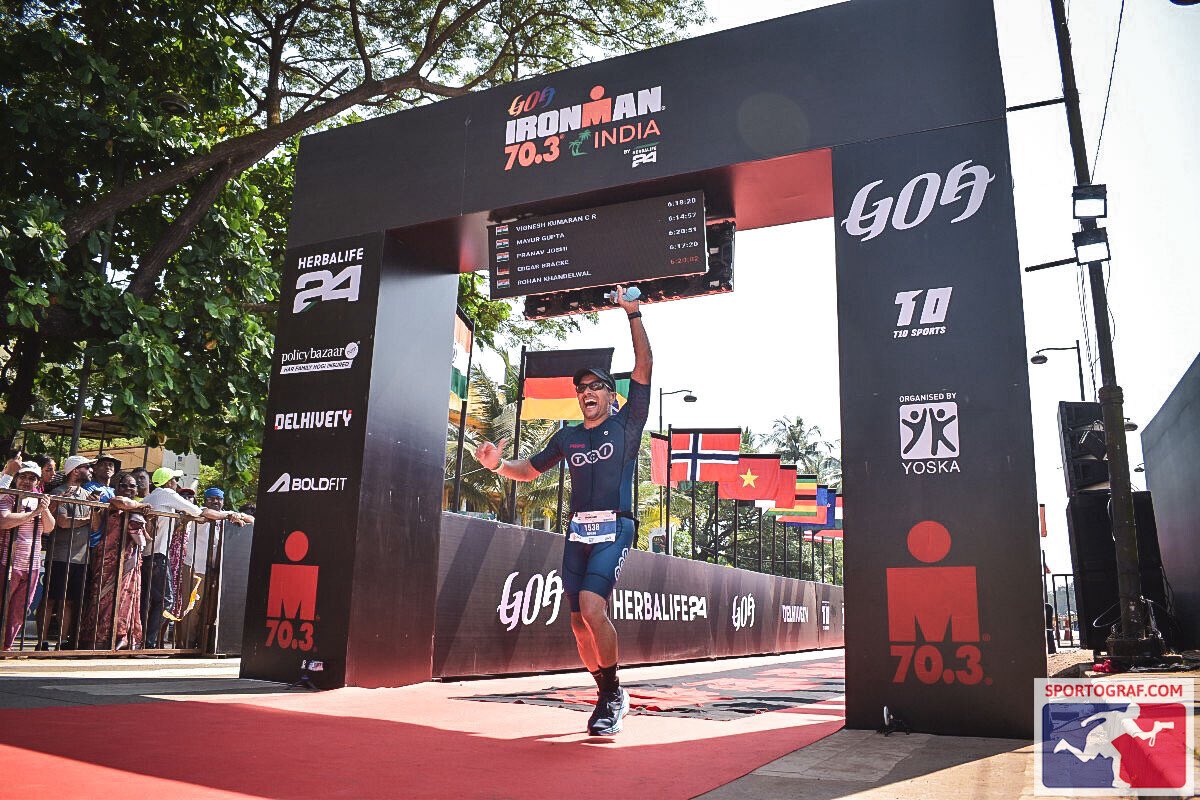
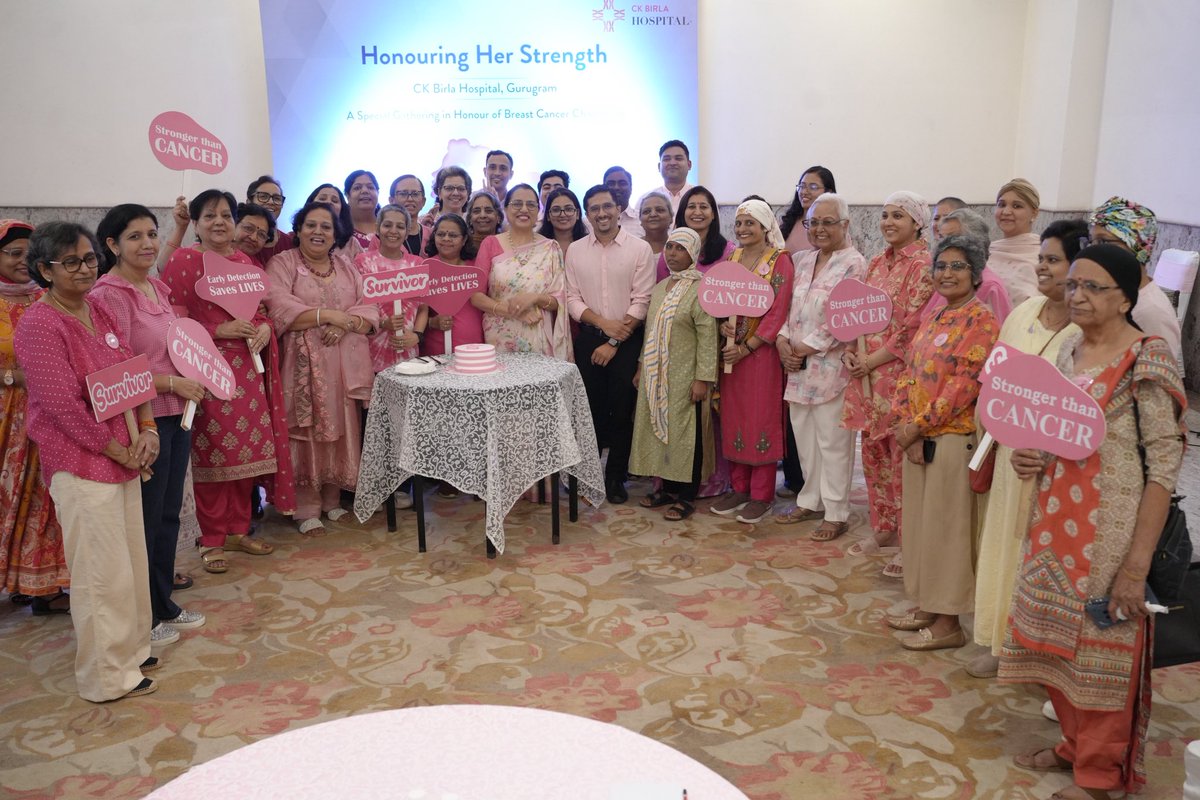
Finished this Ironman with a purpose — to raise awareness about breast cancer. Some finishes mean more than a medal. Grateful to end strong. 🎗️💪
#BreastCancerAwareness
7
10
223
6,679
12 Nov 2025
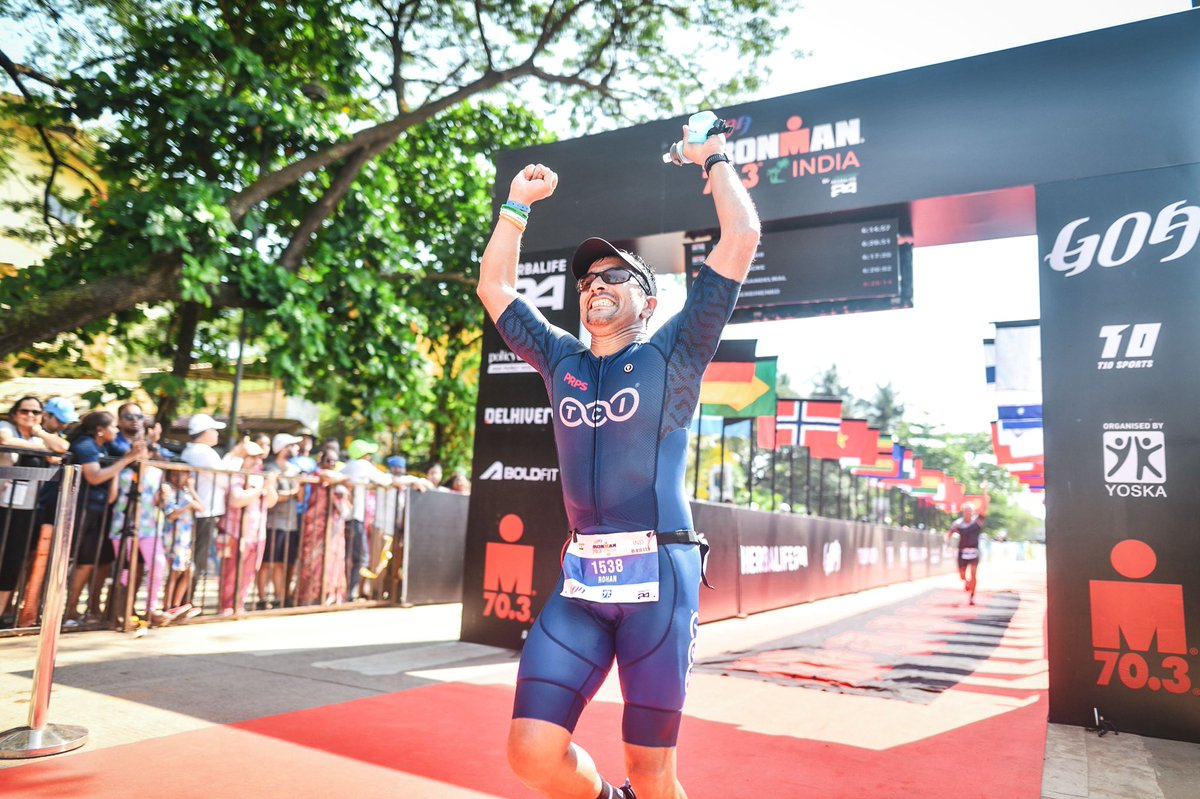
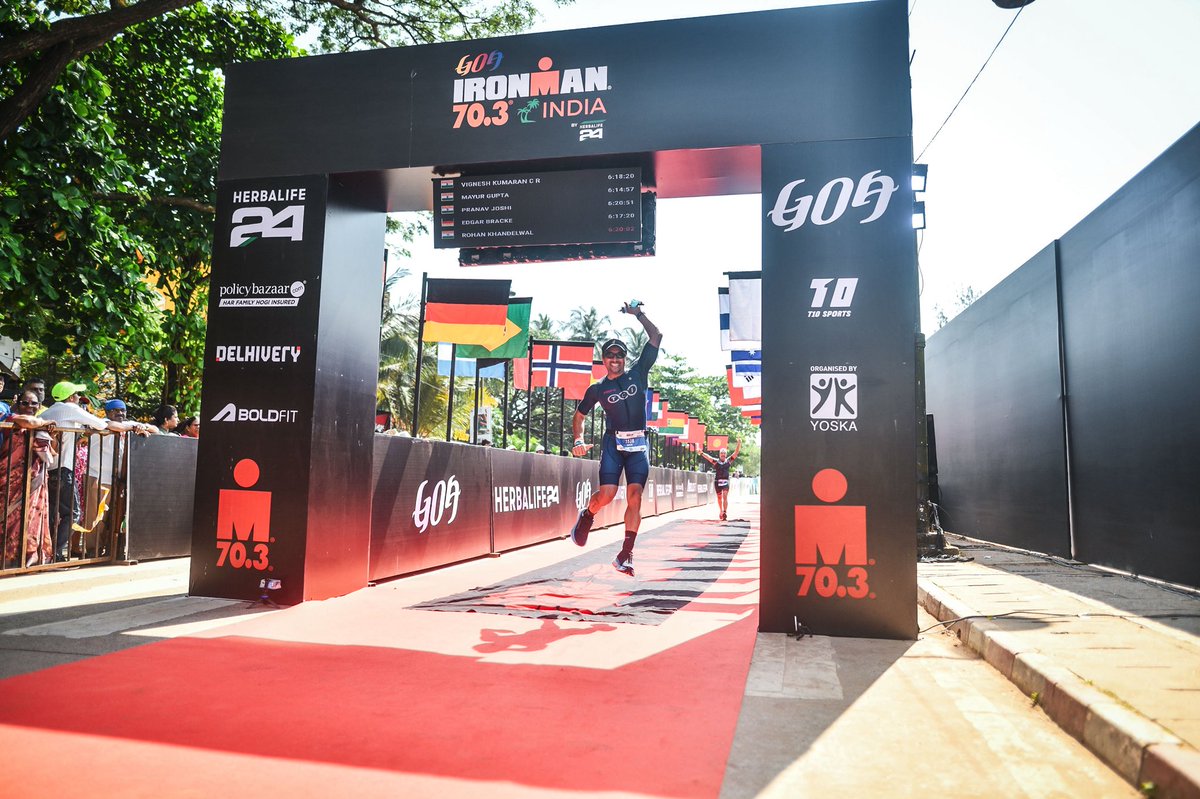
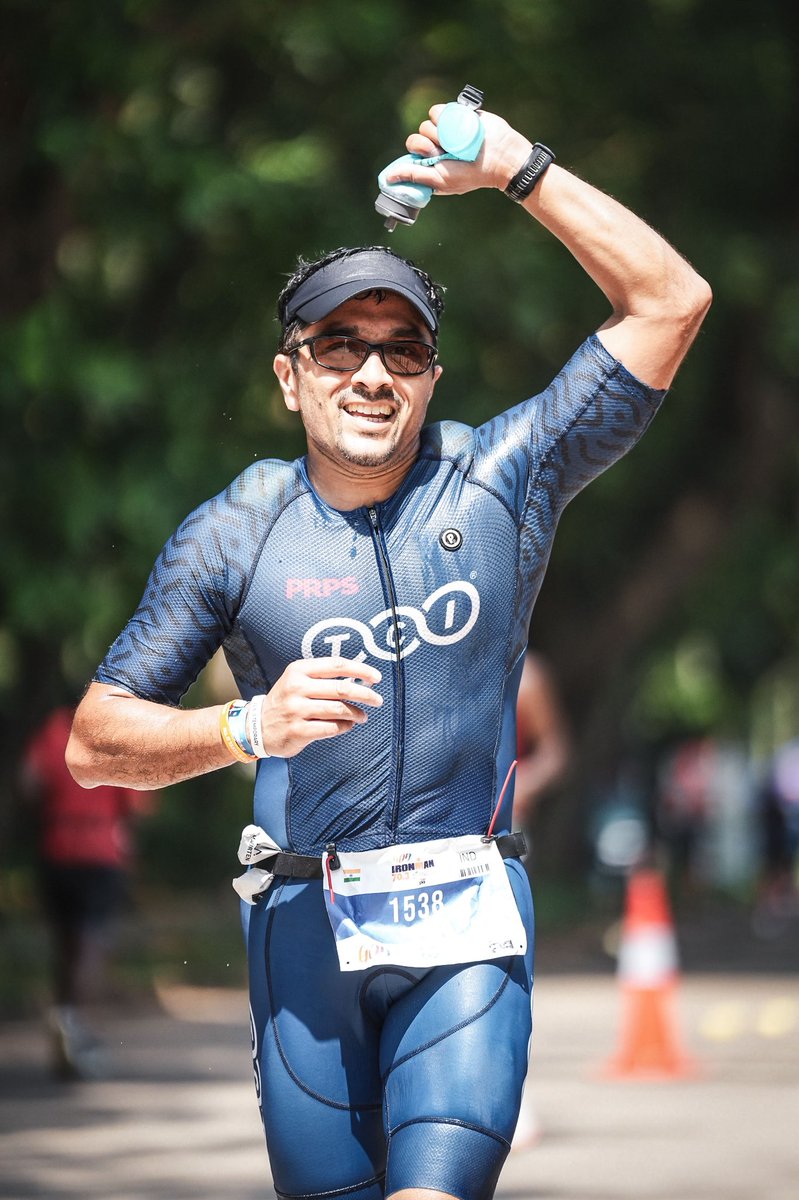
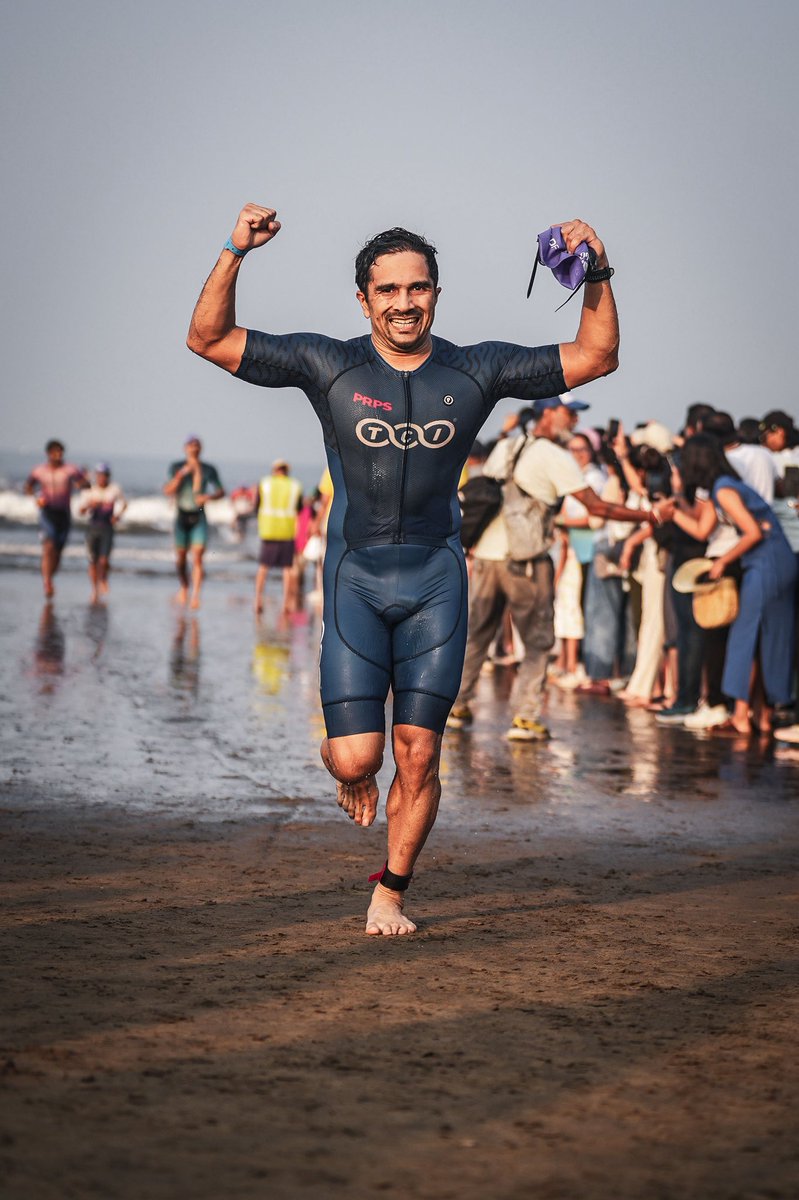
Six months. Two Ironman 70.3 finishes.
Goa tested every limit — the heat, the climbs, the grind — but the spirit stayed strong till the finish line.
Grateful for the journey, proud of the effort, and excited for what’s next. 💪🏊♂️🚴♂️🏃♂️
15
5
301
9,858
11 Nov 2025
Let’s keep politics aside for a moment and just talk sports.
Ever since Ironman Goa, I’ve been seeing posts criticizing the performances of @Tejasvi_Surya and @annamalai_k . I don’t have any political affiliations, and this isn’t about politics — it’s about understanding what goes into a race like this.
I’ve trained for and completed two Ironman 70.3 races, and I can say with complete honesty: just showing up at that start line requires months of discipline, sacrifice, and self-belief. The race itself — the heat, the humidity, the elevation on the bike, and the grind on the run — tests every part of you.
So whether someone finishes in 7 hours or 8 hours doesn’t matter. If you trained, showed up, and crossed that finish line — you are a champion. It’s easy to sit behind a screen and comment, but before criticizing anyone’s performance, ask: Can you run 5 km? 10 km? Can you train consistently for months and then race in tough conditions?
If the answer is no, maybe the best response is respect.
At the end of the day, they made a conscious effort to work on their fitness and take part in something that pushes boundaries. That in itself is worth appreciating. Let’s celebrate effort, discipline, and progress — not drag politics into sports
61
361
2,718
106,429
10 Nov 2025
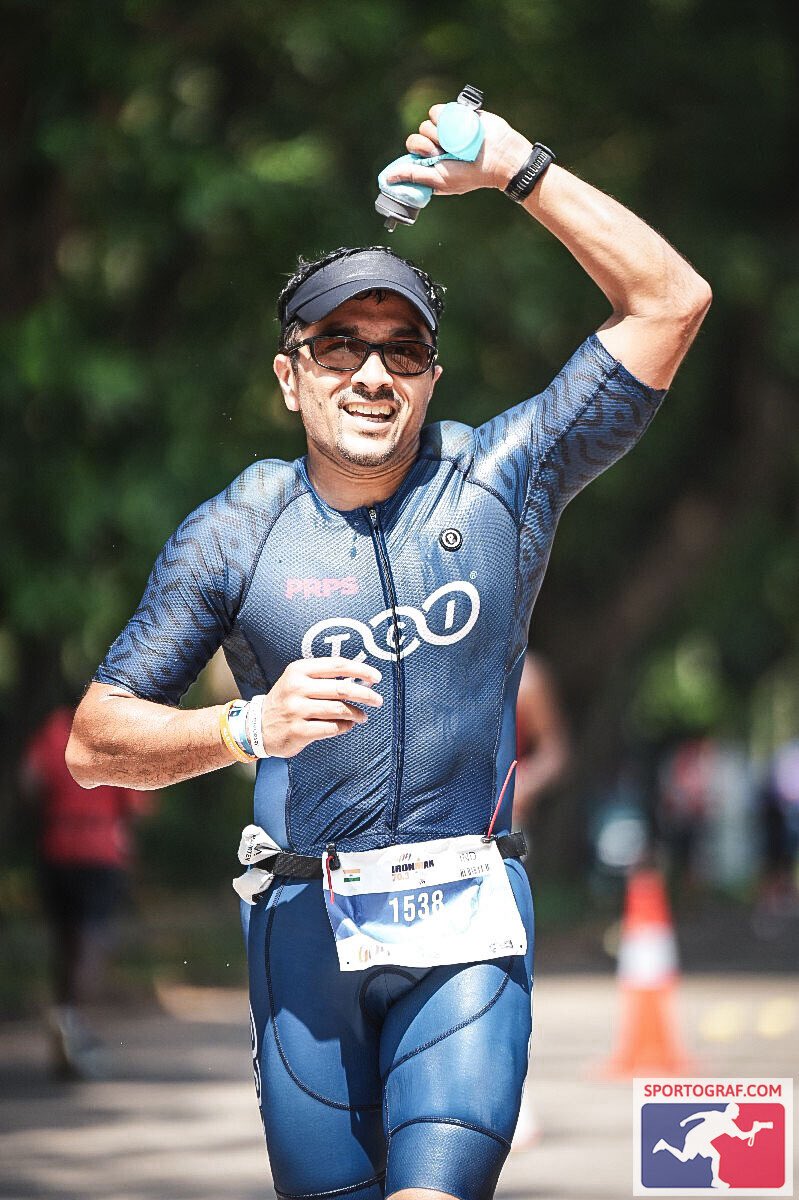
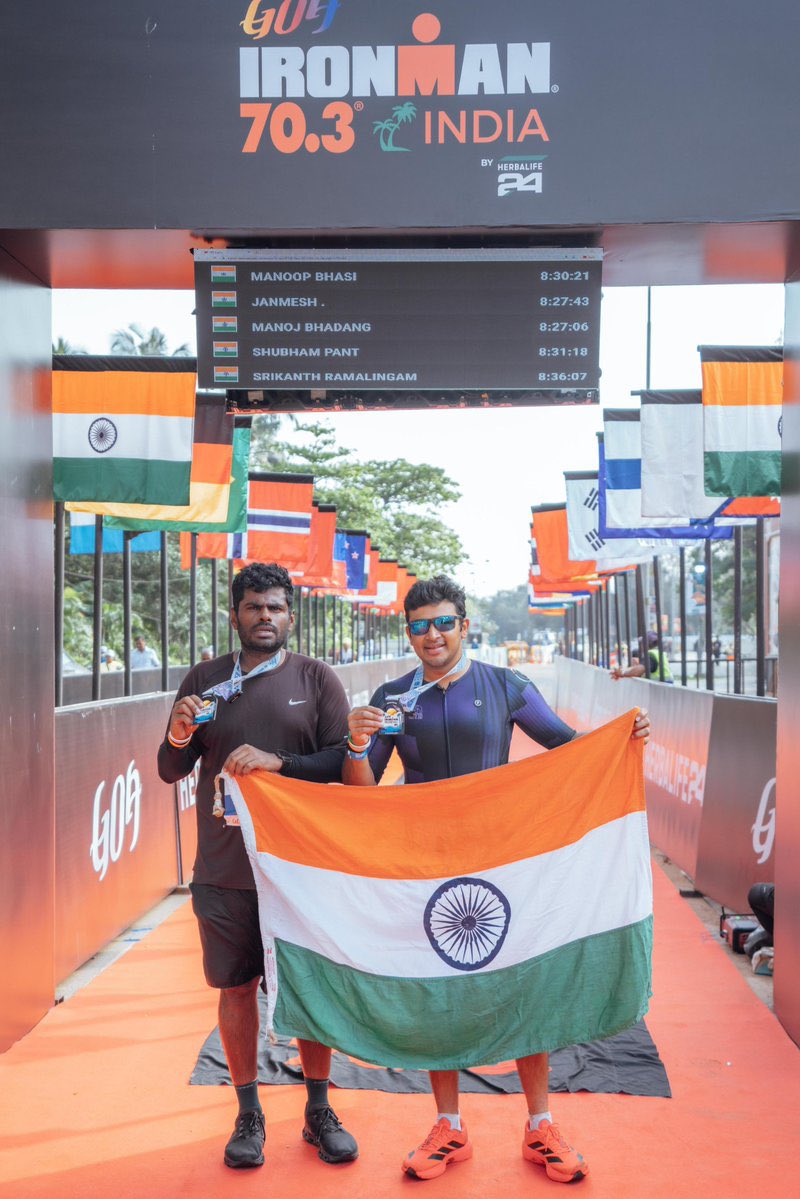
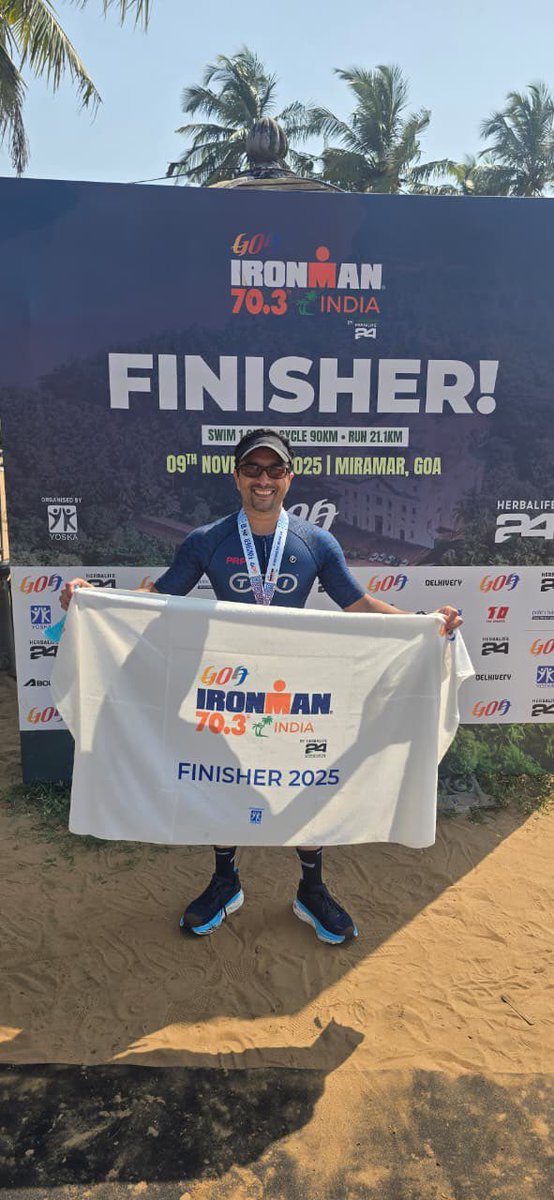
Finished my second Ironman 70.3 in a year. Goa was tough. The bike course was full of elevation, the heat and humidity were draining, and the run section with its climb tested every bit of grit I had. But I’m really happy that I could almost match my Vietnam time here. Also had one of my fastest swims so far, which feels like a personal win.
Big thanks to my family & coaches for the support!

13
8
530
24,057
Rohan Khandelwal retweeted

3 Nov 2025
𝐒𝐭𝐫𝐚𝐢𝐠𝐡𝐭 𝐟𝐫𝐨𝐦 𝐭𝐡𝐞 𝐡𝐞𝐚𝐫𝐭 💙
No better moment for the #WomenInBlue to unveil their team song. 🥳🎶
#TeamIndia | #CWC25 | #Final | #INDvSA | #Champions
413
6,972
41,655
897,442
3 Nov 2025
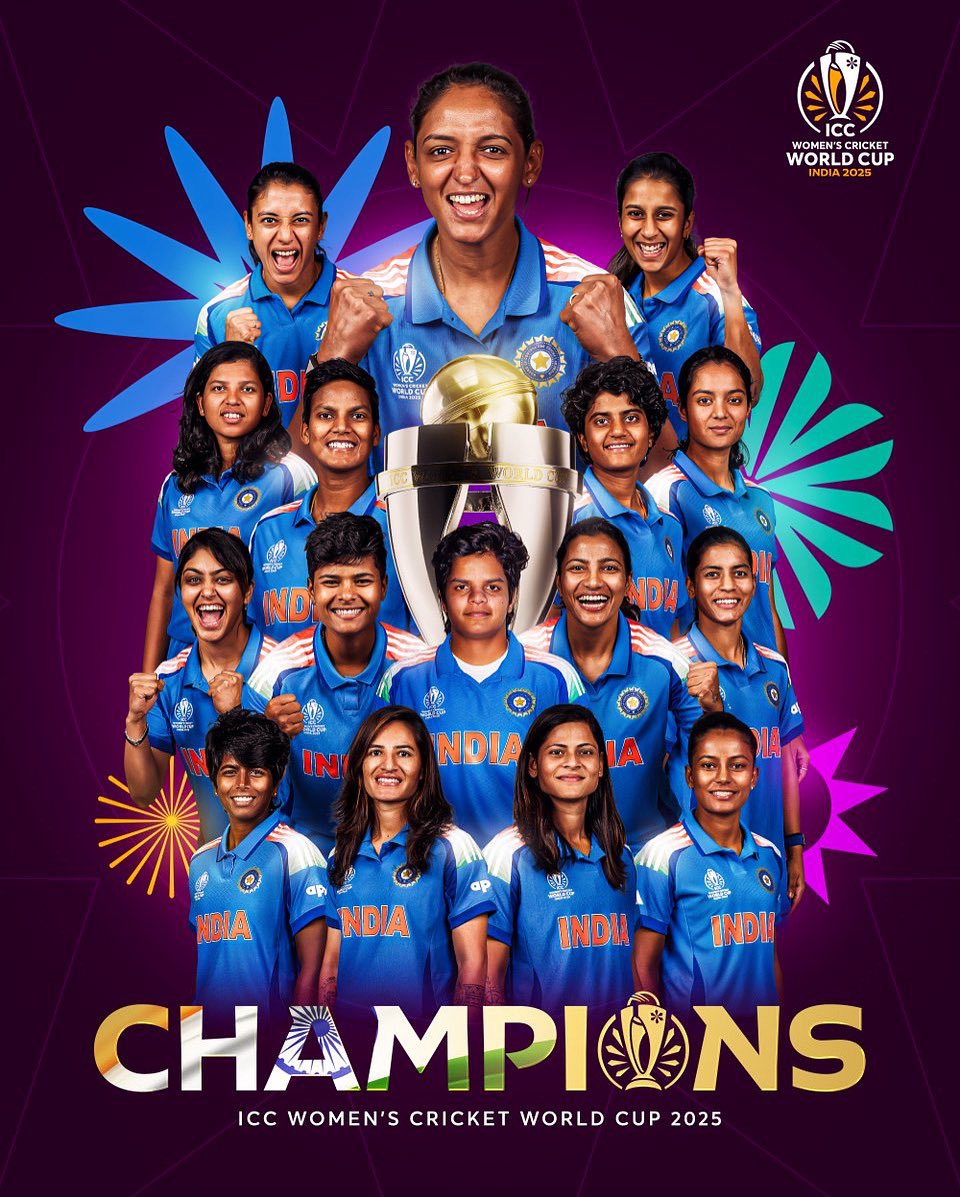
They came into the championship as one of the favorites, stumbled a bit during the league stage, but peaked just at the right time — finding the perfect team combinations and producing match-winning performances that propelled them into the semis.
That sensational knock by Jameela in the semifinals, followed by the brilliance of Shefali and Deepti in the finals, sealed the deal. I’ve been following this team for so many years, and it’s such a joy to see them finally achieve this and become world champions. So, so proud of them!
Two names deserve a special mention — Pratika Rawal, who batted beautifully throughout the tournament before sustaining an unfortunate injury in the last league match. Despite being ruled out of the knockouts, she showed incredible grace and team spirit, joining the celebrations in a wheelchair as the team lifted the trophy.
And then, Shefali Verma — a perfect example that even if you’re dropped from the side, you keep working hard, stay patient, and when the opportunity comes again (and it rarely comes twice!), you grab it with both hands and make the most of it.
2
2
78
2,337
2 Nov 2025
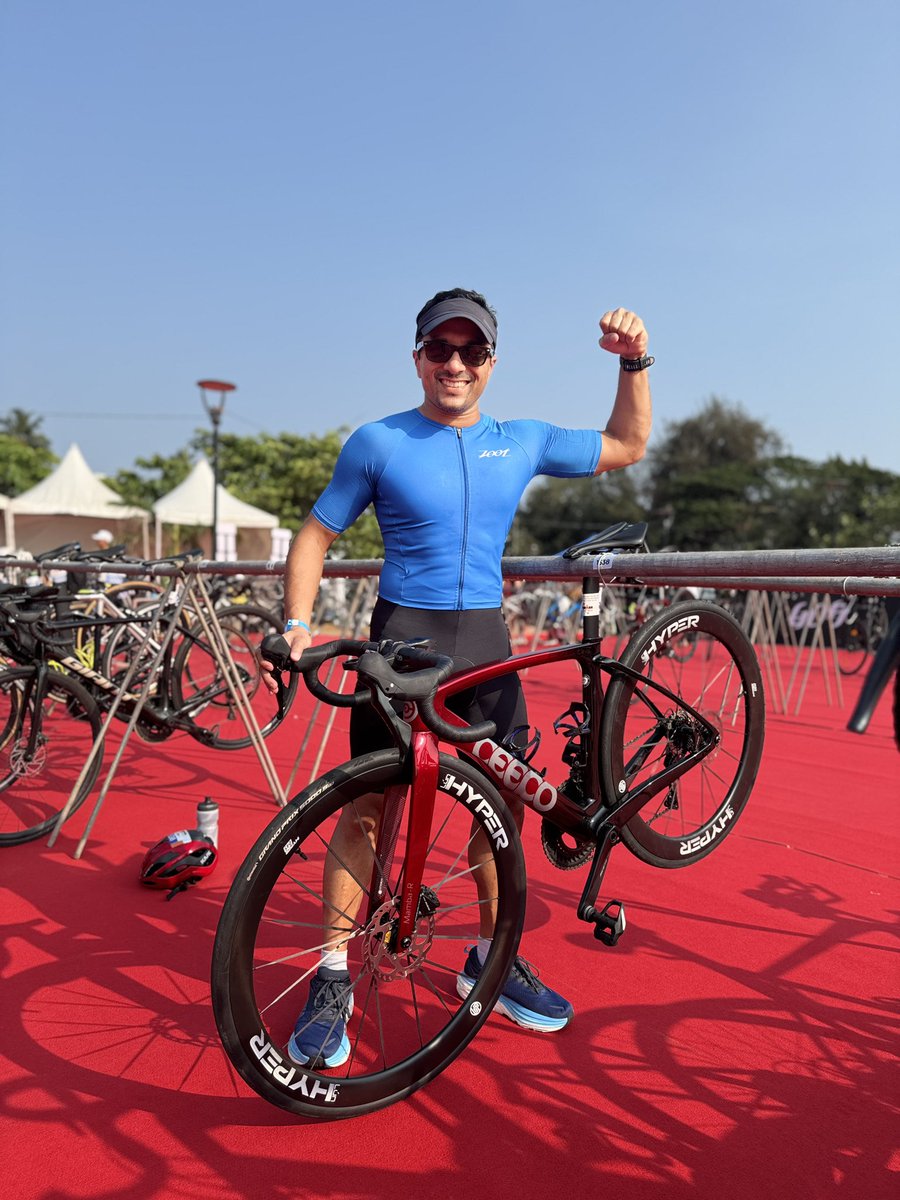
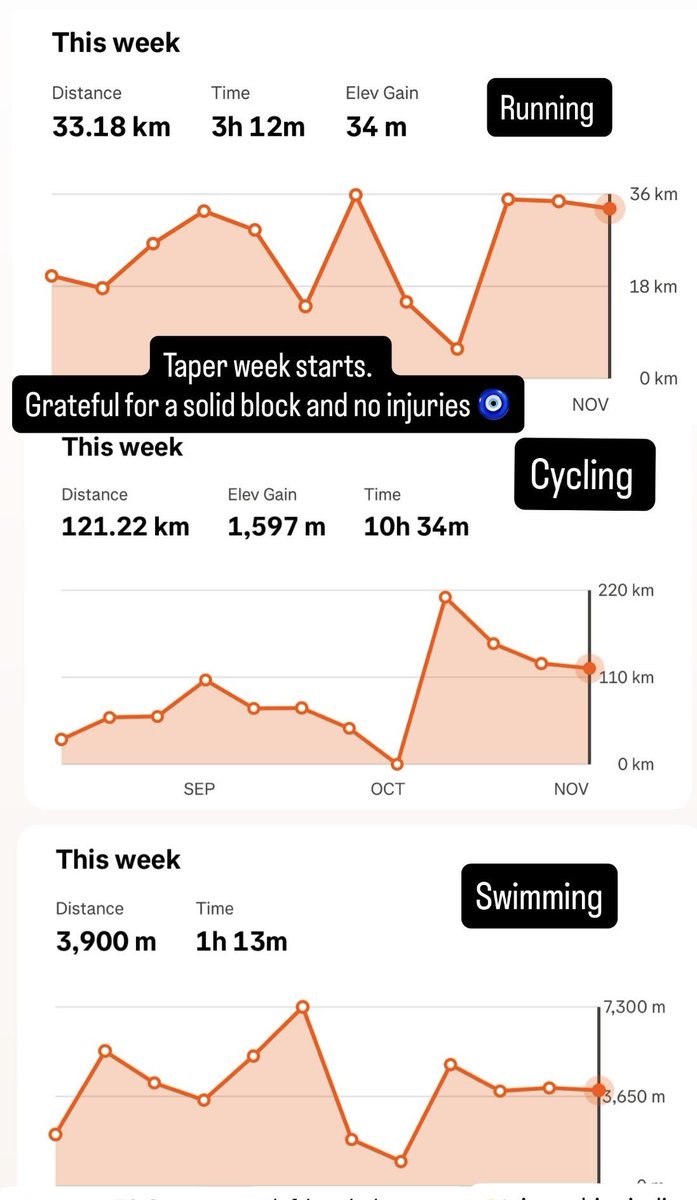
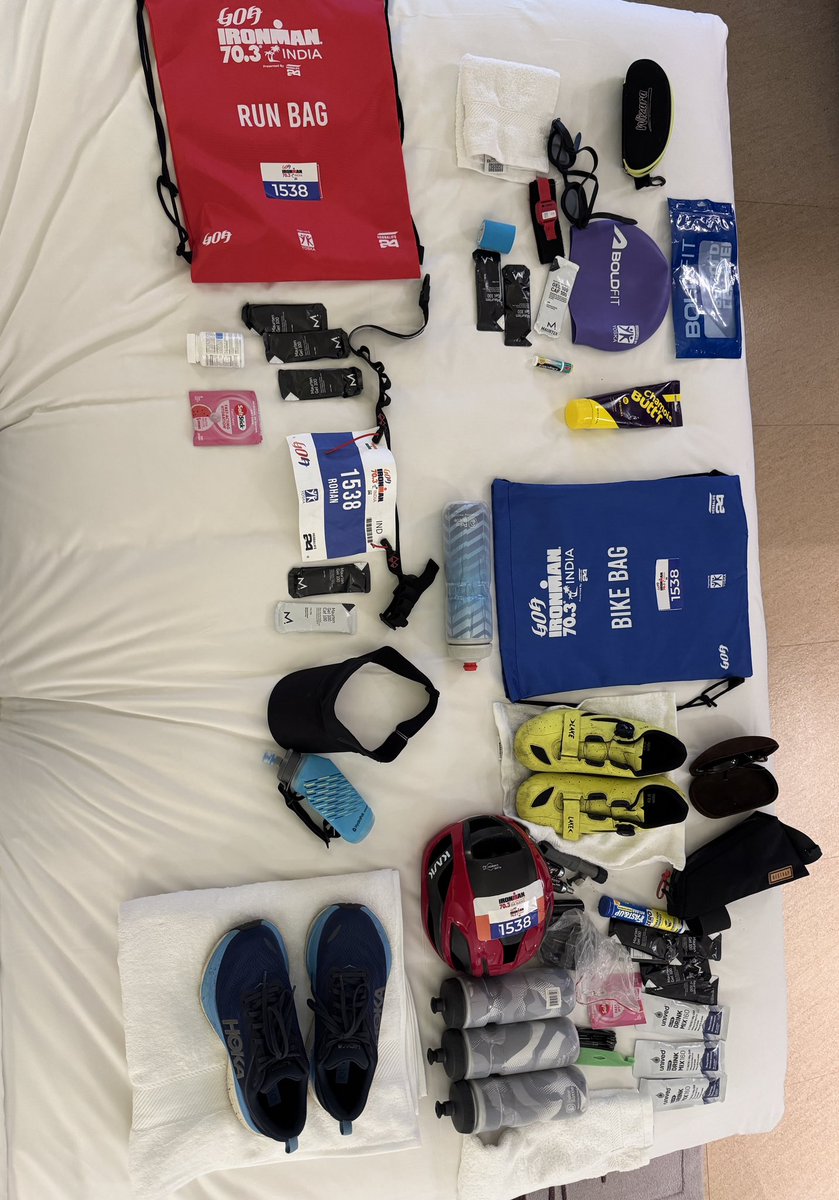
We all love our race day finish pictures — they become cherished memories.
But the real grind of Ironman prep happens in those quiet mornings, when you get up, stay disciplined, and train alone.
That’s the hardest part — and the most rewarding one too.
Grateful to have finished another solid training block.
Taper week begins. Race week next!
2
12
1,916