Violinist. Composer. Gardener. Heritage American. Photographer. Reader. Linguist. World Traveler. Parsimonious.
Joined September 2014
- Tweets 16,434
- Following 1,201
- Followers 2,296
- Likes 10,467
3,518 Photos and videos

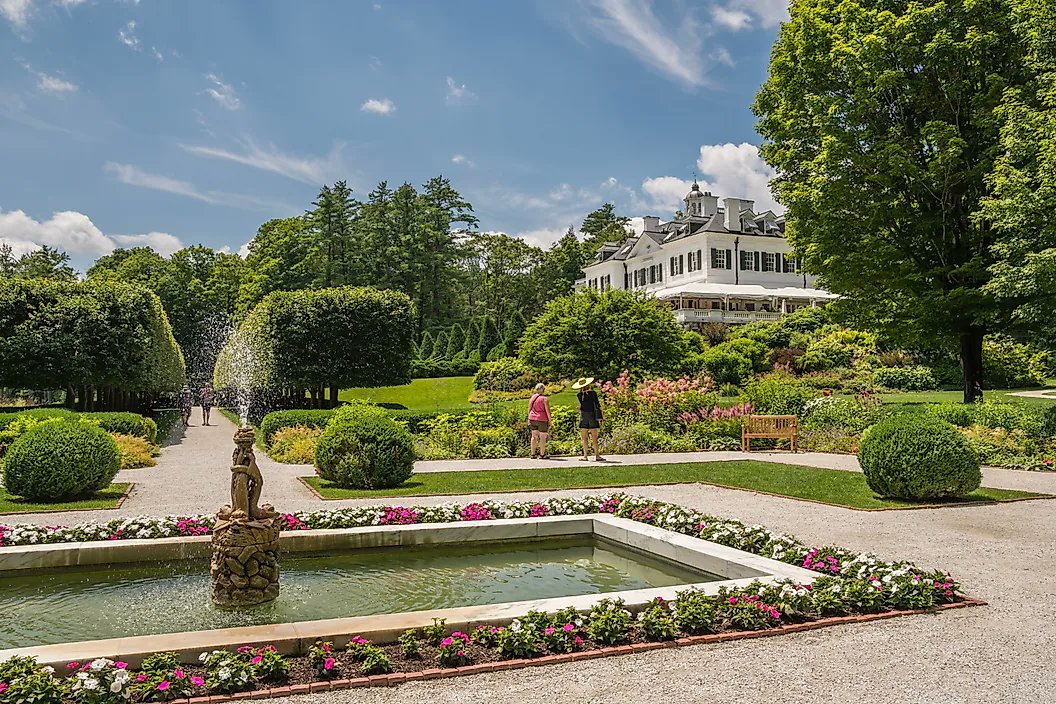





Lenox combines the natural beauty of the Berkshires with cultural sophistication and an unhurried atmosphere.
Visitors explore The Mount, the former home of Edith Wharton, where preserved gardens and historic architecture offer a glimpse into the author's life and work.
During the summer months, guests gather at Tanglewood, the summer home of the Boston Symphony Orchestra, for performances in a scenic outdoor setting.
Surrounded by rolling hills, forests, and quiet country roads, Lenox offers opportunities for scenic walks and outdoor recreation.
Pleasant Valley Wildlife Sanctuary is another peaceful attraction nearby, featuring wooded trails, meadows, and wetlands managed by Mass Audubon.
8
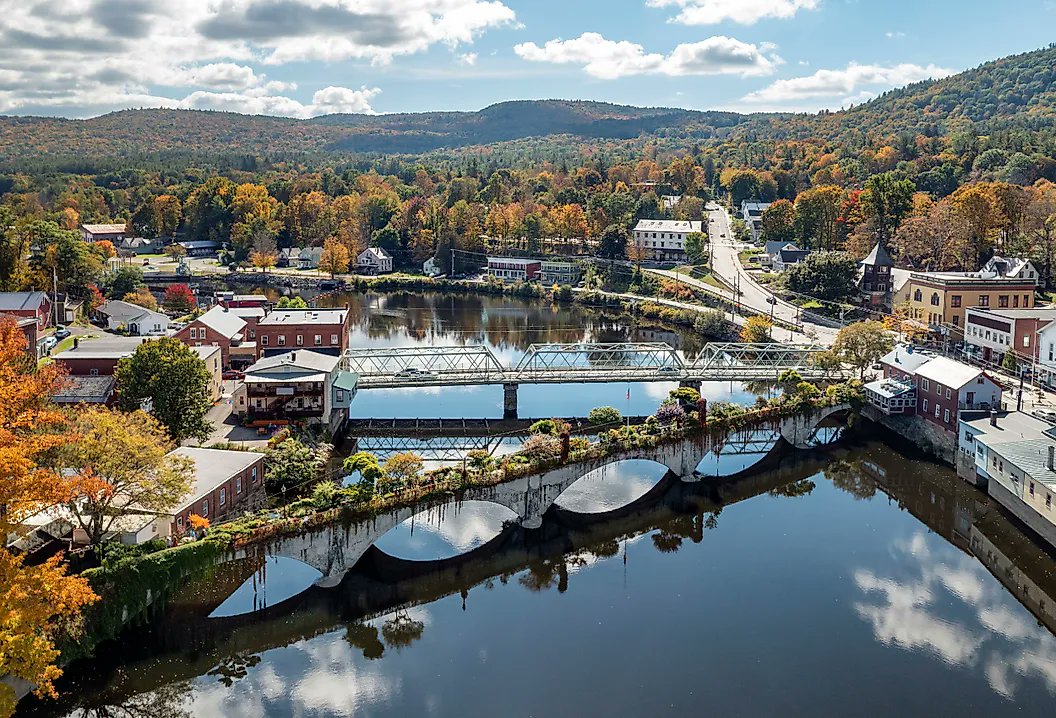
Shelburne Falls is a peaceful village community situated along the Deerfield River. Settled in 1756, the town began as a water-powered mill community that later evolved into the historic village it is today.
Visitors explore the region's local history through its preserved mills and surrounding farmland.
The area is best known for the Bridge of Flowers, a former trolley bridge that was converted into a flower-lined walkway in 1929, and for the glacial potholes carved into the riverbed at Salmon Falls.
Another notable landmark is the Shelburne Falls Trolley Museum, where visitors can ride a restored 1896 trolley car along a short stretch of historic track beside the Deerfield River.
6
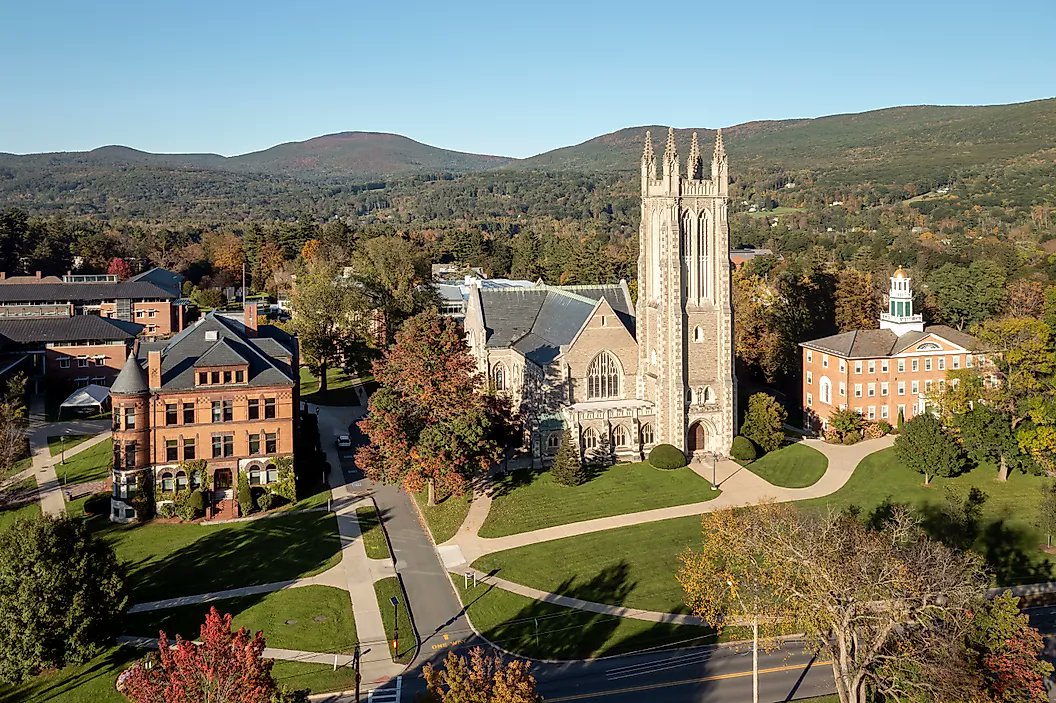
Home to Williams College, Williamstown combines a small-town pace with a rich cultural atmosphere.
A region built around the arts, Williamstown houses several renowned galleries and art museums, including the Clark Art Institute, the Williams College Museum of Art, and MASS MoCA, which is only a 10-minute drive away in North Adams.
Hikers and walkers can enjoy the region's many scenic trails, including those in the Taconic Mountains and along the Appalachian Trail.
Williamstown's mountain views, walkable downtown, and laid-back character help make it one of the Berkshires' most relaxing communities.
10
Set in the heart of the Berkshires, Stockbridge is recognized for its scenic backdrop, historic character, and unhurried pace of life.
The town is widely known as Norman Rockwell's hometown, and the Norman Rockwell Museum features a collection of his original works and artistic memorabilia in tribute to his legacy.
Visitors stroll the town's Main Street, lined with boutiques, cafés, and colonial-era buildings, or take scenic drives through the surrounding Berkshire Hills, especially during the fall foliage season.
Another standout landmark is the 1886 Naumkeag, a 44-room Gilded Age estate built for Joseph Choate that features landscaped gardens, hillside views, and the famous Blue Steps designed by landscape architect Fletcher Steele. worldatlas.com/cities/the-on…
14
Elias Suess retweeted

Jun 10
*OPENAI SAYS CHINA-LINKED ACCOUNTS FUEL US DATA CENTER PUSHBACK
83
71
668
148,856


Jun 10
Welcome to western Massachusetts: Bear on UMass Amherst campus westernmassnews.com/2026/06/…
2
2
205
Elias Suess retweeted

This speed-run of everything wrong with the official government narrative on Charlie Kirk is something to behold….
80
592
3,300
42,546
Jun 9
A widely circulated Chinese social media article warning that internet users can be punished simply for bypassing China’s online censorship system has drawn attention to what observers say is an expanding clampdown on access to the global internet.
The article, published June 2 on Chinese social media WeChat and later archived by California-based nonprofit China Digital Times, which tracks China’s state censorship, compiled a series of publicly reported cases of suppression on the use of virtual private networks (VPNs).
The cases included fines imposed on users who accessed overseas websites, penalties for selling VPN services, arrests related to the dissemination of overseas political content, and investigations into internet activity dating back several years.
The article challenged a common assumption among Chinese internet users that using VPNs for research, accessing foreign websites, or utilizing overseas artificial intelligence (AI) tools is unlikely to attract official scrutiny as long as no sensitive content is shared.
“But from publicly disclosed cases, VPN use itself has already become a target of the Chinese Communist Party’s (CCP) investigation,” the article reads.
The examples highlighted in the article suggest that the CCP is increasingly focused not only on what users do online but also on how they access the internet.
from Zerohedge
1
116
Jun 9
From Grok: Joseph Smith (1805–1844) has long been accused of fraud, particularly by critics of the LDS Church, based on his early treasure-seeking activities, legal troubles, doctrinal changes, polygamy practices, and the content of the Book of Mormon. Believers view him as a genuine prophet who restored primitive Christianity despite human flaws and persecution. Here's a factual overview grounded in historical records.
Early Treasure Digging and the 1826 Trial
Smith and his family engaged in "money digging" or treasure seeking common in early 19th-century rural America, using folk magic practices like seer stones (peep stones placed in a hat to "see" buried treasure or lost items). He participated in multiple digs, often for pay.
- In 1826, at age 20, he was brought before a court in Bainbridge, New York, on a complaint (by a relative of employer Josiah Stowell) of being a "disorderly person and imposter" for using a stone to find treasure. Witnesses, including Stowell (who defended him), described Smith using a seer stone. The exact outcome is debated: court costs were recorded, but many historians conclude he was discharged or not formally convicted, as the main complainant lacked standing and Stowell supported him. LDS sources emphasize it was not a full conviction for fraud.
Critics see this as evidence of a pattern of deception that carried into his religious claims (e.g., using a similar stone-in-hat method to "translate" the Book of Mormon). Apologists argue it reflects the cultural context of folk religion and that Smith later distanced himself from it, viewing his prophetic gifts as divinely redirected.
Book of Mormon and Translation Claims
Smith claimed an angel (Moroni) directed him to golden plates buried near his home, which he translated into the Book of Mormon (published 1830) using divine instruments (Urim and Thummim) and a seer stone. Witnesses testified to the process, though the plates were not publicly displayed long-term.
Criticisms include:
- **Anachronisms**: References to horses, elephants, wheat, barley, steel, silk, etc., in pre-Columbian Americas, which mainstream archaeology says were absent or limited then.
- **Plagiarism and 19th-century influences**: Parallels to the King James Bible (including translation errors), View of the Hebrews, and other contemporary works.
- **Lack of corroborating evidence**: No archaeological, genetic, or linguistic support for large Israelite civilizations in the Americas as described.
**Defenses**: Some proposed loose translations, limited geography models, or that "horses" referred to other animals. LDS scholars argue many "anachronisms" have been addressed or are plausible.
Polygamy and Other Issues
Smith practiced and taught plural marriage (polygamy), marrying 30–40 women (estimates vary), including teenagers and women already married to others (polyandry). Many were kept secret from his wife Emma and the public; he publicly denied it at times. This was justified via a revelation (now D&C 132) as a restoration of biblical practices for exaltation.
Critics call it exploitative, abusive of power, and fraudulent given the secrecy and denials. Defenders note biblical precedents (Abraham, etc.) and that it was a difficult commandment for the time. Other controversies include the Kirtland Safety Society bank failure (seen by some as financial mismanagement/fraud amid a panic) and evolving doctrines.
Broader Context and Legacy
Smith faced dozens of lawsuits and arrests (often related to debts, conflicts, or religious tensions), but he was also a charismatic leader who built communities, produced additional scriptures, and inspired a major religious movement amid the Second Great Awakening's fervor. He was killed by a mob in 1844 while in jail, which Mormons view as martyrdom.
**Faithful perspective**: He was an imperfect human instrument of God, like many biblical prophets (e.g., Moses' doubts, David's sins). Miracles, fulfilled prophecies, and the growth of the church validate his calling.
**Critical perspective**: A con man who leveraged folk magic, charisma, and the era's religious excitement into a lucrative personal empire, with doctrines tailored to justify his actions.
Historians (believers and non-) generally agree on the core facts of his life, but interpretations diverge sharply on intent and divinity. Primary sources like court records, affidavits, and Smith's own writings are available via projects like the Joseph Smith Papers.
154
Jun 9
The Charlie Kirk assassination is ongoing and a lot of the details just don't add up
▶️Watch the full video now! tiktok.com/t/ZP8sDny4n/
46
Jun 9
UMass Amherst Researchers Developing AI Architecture That Uses a Fraction of the Energy Required by Today’s AI Systems theaiinsider.tech/2026/06/09…
53
Jun 9
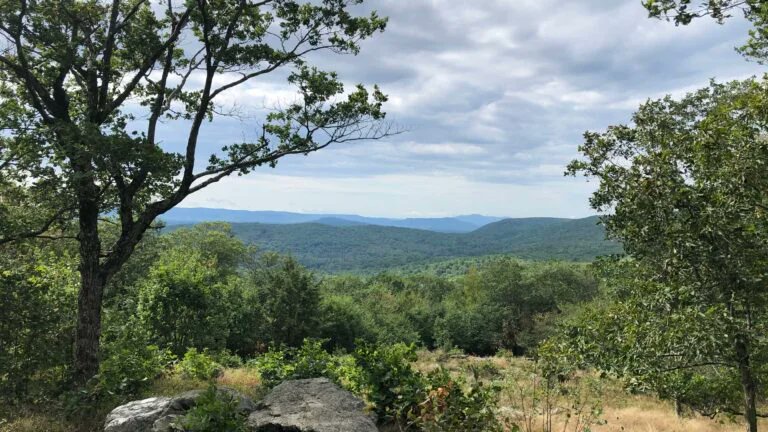
Plant native. Make an impact. Join the Growing Wild Massachusetts movement. mnla.com/pollinator/growingw…

18
Jun 7
Jun 7

*TRUMP CONSIDERS BUYING CHAGOS ISLANDS: TELEGRAPH
48
Jun 7
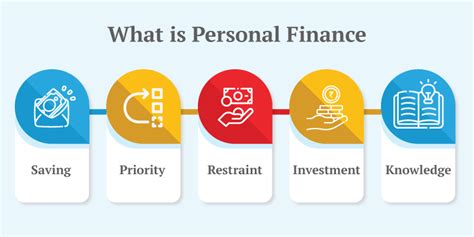
Just spent an hour on personal finances with my 16 year old.
I did this with my oldest son too.
Now he knows how to track everything, invest, save, and why we make the choices we make
Well worth the time!
20