IWS PtyLtd. Bookie til 1988. RacingNSW appeals,Gr1 breeder&owner. A.R.C Tokyo, IFHA Paris. Invented Speed Map. Solved AUS deduction scale & HKJC jocks’challenge
Joined May 2009
- Tweets 5,613
- Following 423
- Followers 7,416
- Likes 917
254 Photos and videos



Dominic Beirne retweeted

Apr 20
Wewantrock (JPN)
Apr 20

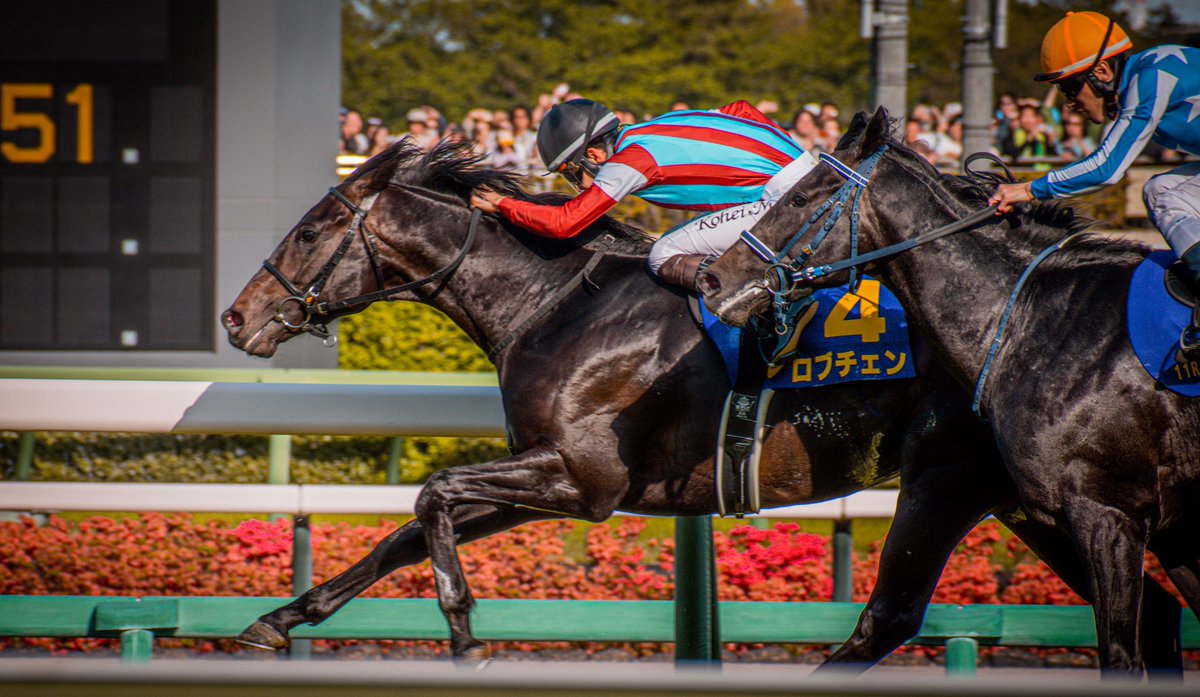
This year’s Satsuki Sho was run on a surface so quick that the horses coming from the back were in trouble almost from the outset. That much is true. But I do not accept the idea that this automatically makes it a bad surface, or somehow bad for the sport.
In most sports, elite competition is staged on the best surface available. Track and field is an obvious example. The point is not to make conditions difficult for their own sake, but to provide a safe, well-prepared surface on which performance can be judged properly. I think racing should be seen in much the same way.
In JRA racing, fast times do not simply mean the turf has been made harder. If you look at the broader trend over the last few decades, the picture is more complicated than that. The turf has in fact tended to become softer, yet average times have still come down. So the old story — fast times must mean hard ground — is too crude to explain what is happening.
What has really changed is the quality of the surface itself. JRA has spent years taking unevenness out of the turf, because that unevenness is one of the things that can cause injury and one of the things that stops horses from giving their true running. The grass holds up better than it used to. The maintenance is better than it used to be. The result is a surface that is safer, cleaner, and more consistent — and yes, that also means horses can keep rolling at high speed. If anything, the side that has not fully caught up is the human one. Training has to change. Riding has to change. Even the kind of horse people should value has to change.
From a breeding standpoint, I see that as a positive, not a negative.
I am not saying every race has to be run on this kind of ground. Deep, holding turf has its own drama, and as both sport and gambling it can be great fun.
But fast ground by itself is not something I regard as unhealthy or unsporting. In many cases, it is simply what happens when safety, turf science, and course management are taken seriously.
📷kontena
1
1
13
2,608

Apr 4
SHEZA ALIBI
After resetting the Randwick Guineas bar, she has reset the Randwick mile hcp bar with the highest “race rating” in the 35 year IWS database.
From a performance rating perspective, WINX’s 2016 Doncaster and FILANTE’s 1996 Epsom are comparable.
SUNLINE 2002 next.
17
29
234
43,441
Mar 22
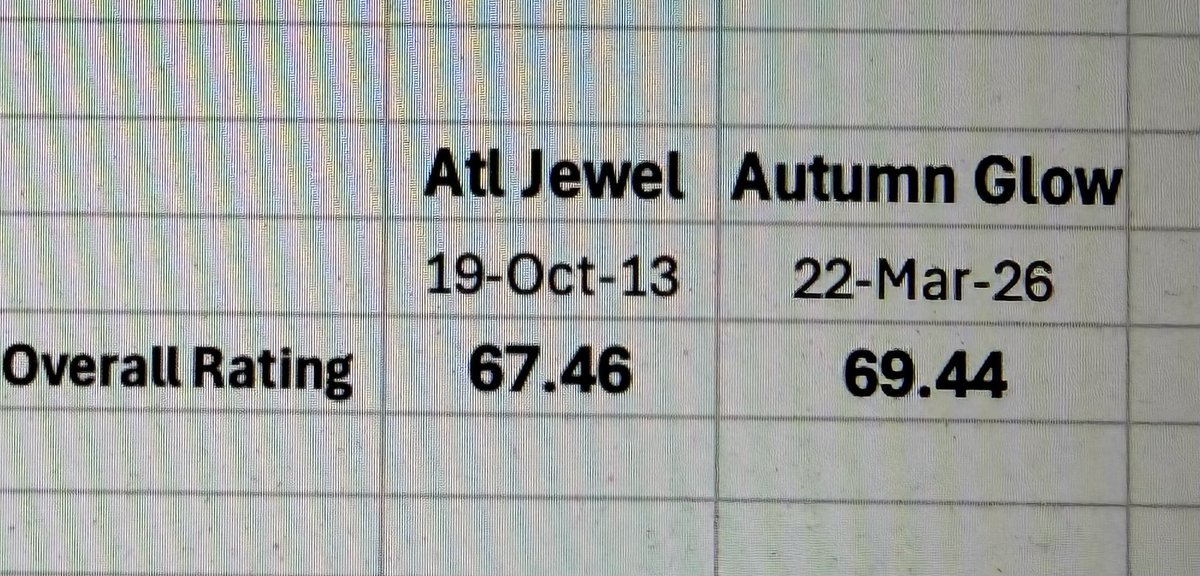
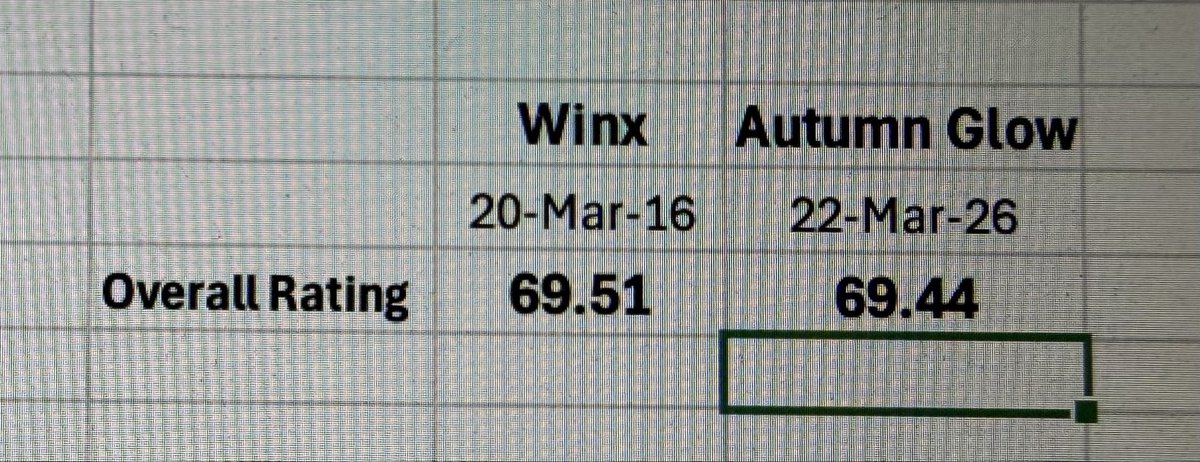
IWS has matched-up the two mares at this stage of careers.
That is, post Ryder win.
To normalise the comparison, I presumed WINX’s Ryder was career start #11, which means start#1 was her Phar Lap win.
IWS would have WINX by a head.
7
10
64
25,787
Dominic Beirne retweeted

"An incomparable job, an honoured place as Founder" . Here's David Armstrong's tribute to P&I founder John Menadue as Armstrong takes over as editor in chief.
He reaffirms Menadue's humanitarian bias in the search for truth and facts. johnmenadue.com/post/2026/02…
2
36
135
2,680
Jan 20
Ninja protest
Subjective analysts paid by pros score wides, bumps, checks, blocks, lane-veering (own fault, or not) etc
Complex algorithms quantify beyond raw data arrive at cost
I’d say
1. bump cost ~0.5l
2. veering 3 lanes, not own fault, cost <0.2l
Pre-race I quoted 70% likely dismissed
41
7
64
25,536
Dominic Beirne retweeted

15 Dec 2025
Let us #PrayTogether for all those who suffer due to war and violence. Today I particularly wish to entrust to the Lord the victims of the terrorist massacre carried out yesterday in #Sydney against the Jewish community. Enough with this antisemitic violence! Let us eliminate hatred from our hearts.
681
3,107
28,455
640,991
3 Oct 2025
Tomorrow’s Metropolitan might test your elocution @hkdarren
Sun ‘n’ Sand
Son Of Sun
Soul Of Power
9
1
36
10,240
21 Jun 2025
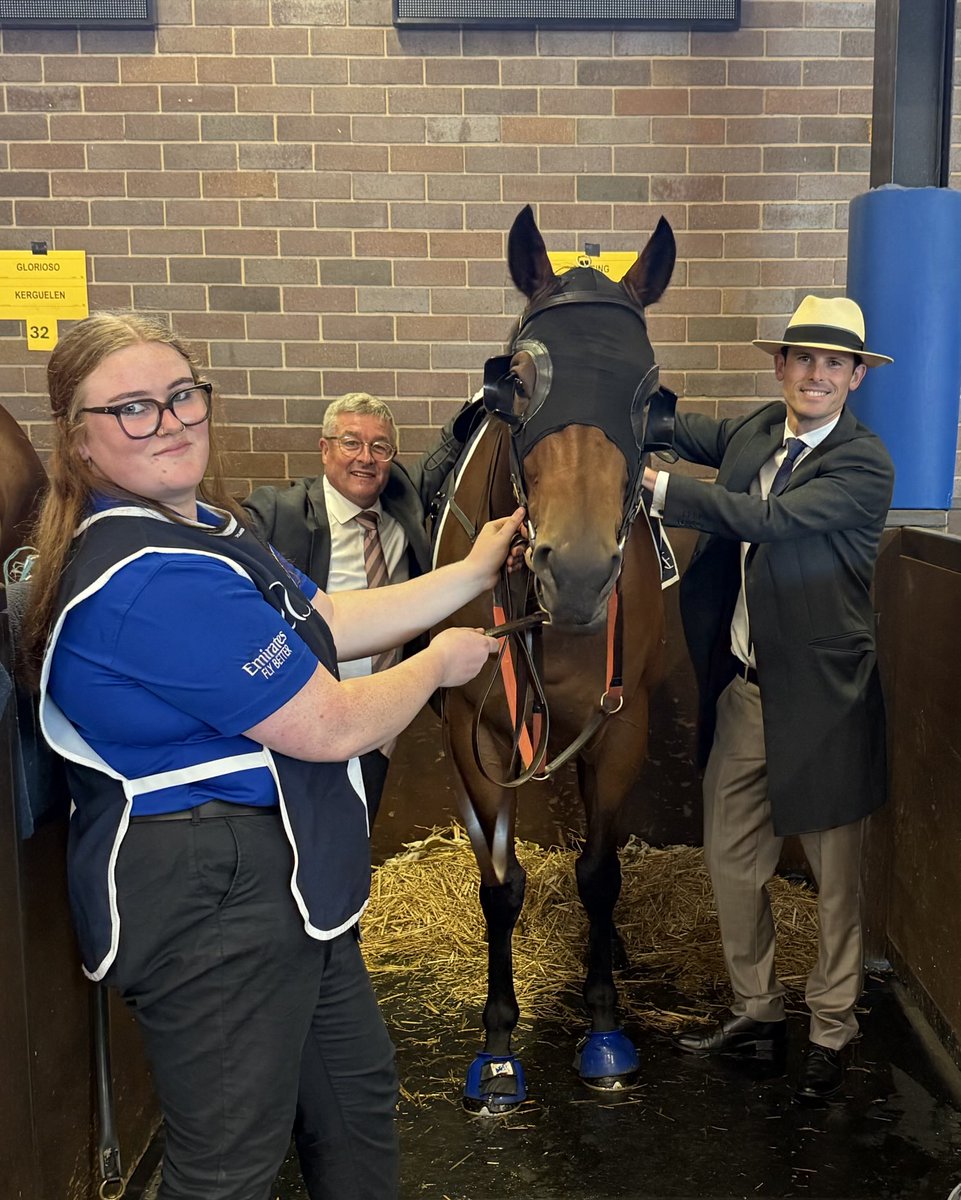
Nothing lasts forever.
Wracked up amazing successes and smashing records along the journey.
3
8
111
10,740
13 Mar 2025
Happy pi day
13 Mar 2025

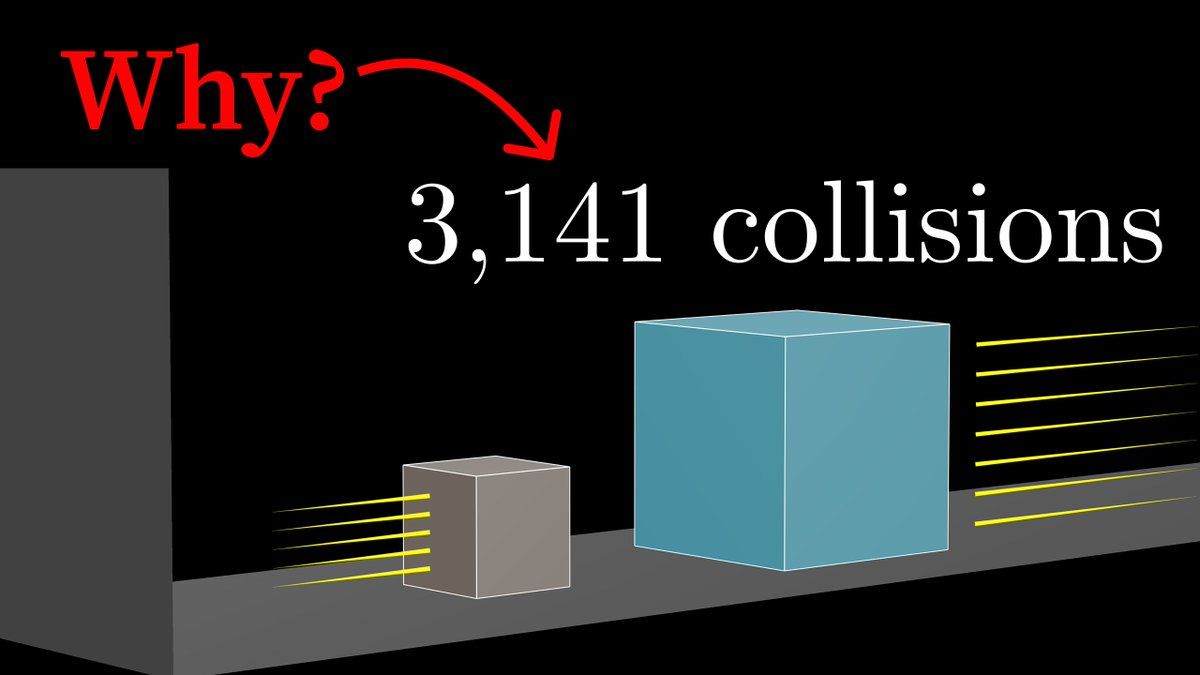
The most viewed video I've ever made is a short about two colliding blocks computing π. I just made a new edition of the explanation for why π shows up there, setting things up for a (coming soon) follow-on connecting it to quantum computing.
youtu.be/6dTyOl1fmDo
1
2,468
Dominic Beirne retweeted

6 Jan 2025
When the track records and respective economic policies of Labor and the Coalition are compared, there is no doubt that Labor offers the better prospect of successfully bringing inflation down and reducing the cost of living. #auspol
johnmenadue.com/which-party-…
14
17
2,018

Today could have been anything with a stack of close seconds, but that’s racing.
Saturday Best still wins at 15:6% POT and Spring Spectacular 12.6 POT for the day.
Great way to finish the carnival proper @ShaunBeirne 💰
3
3
1,983
Dominic Beirne retweeted

4 Nov 2024
🏇📊 @domran & @ShaunBeirne breakdown all 24 runners of this year's #MelbourneCup 🏆
𝗪𝗛𝗔𝗧 𝗔𝗥𝗘 𝗬𝗢𝗨 𝗣𝗥𝗘𝗣𝗔𝗥𝗘𝗗 𝗧𝗢 𝗟𝗢𝗦𝗘 𝗧𝗢𝗗𝗔𝗬? 𝗦𝗲𝘁 𝗮 𝗱𝗲𝗽𝗼𝘀𝗶𝘁 𝗹𝗶𝗺𝗶𝘁.betfair.com.au/hub/racing/ho…
2
2
2,032
3 Nov 2024
Best of luck in this year’s Cup.
Gamble for fun/ responsibly.
If I was betting, the big value play is Zardozi.
Buckaroo and Kovalica also worth tickets.
@TRBHorseRacing
@NoverreMan
@PeterLawrence18
@davepband
@PaulD01
3 Nov 2024

Melbourne Cup Feature Preview by @domran & @ShaunBeirne 🏆
🏇 24 x Runner Previews
✅ Suggested Strategies
📊 Rated Prices
⚡ Speed Maps
𝗪𝗛𝗔𝗧 𝗔𝗥𝗘 𝗬𝗢𝗨 𝗣𝗥𝗘𝗣𝗔𝗥𝗘𝗗 𝗧𝗢 𝗟𝗢𝗦𝗘 𝗧𝗢𝗗𝗔𝗬? 𝗦𝗲𝘁 𝗮 𝗱𝗲𝗽𝗼𝘀𝗶𝘁 𝗹𝗶𝗺𝗶𝘁.betfair.com.au/hub/racing/ho…
7
5
45
15,320
2 Nov 2024
In my edition of Sydney’s Sun-Herald I can’t find the words Melbourne Cup, anywhere.
Barrier draw was 6:30; the field was known mid-afternoon.
Seems extraordinary.
35
11
93
31,833
2 Oct 2024
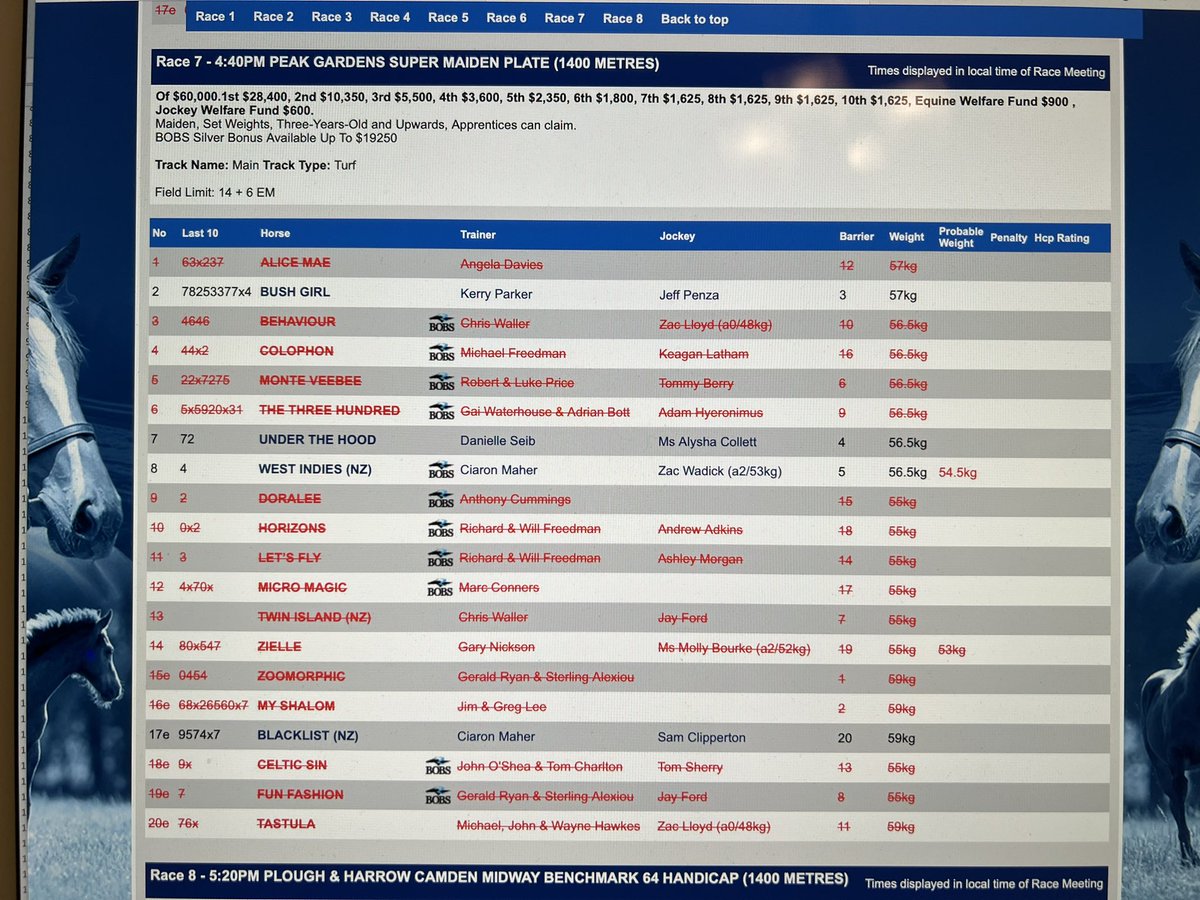
RacingNSW created the Super Maiden in great part as response to trainers who advocated higher return to owners for their initial win.
16
5
53
23,258
28 Sep 2024
Nice work Shaun.
28 Sep 2024

Quick double bang on the first 2 at Sandown.
2
3,653
29 Jun 2024
Race 1 Eagle Farm 1200m yesterday is so fast!
I’ll be interested to read how time-raters assess the race.
5
1
7
8,261
16 Jun 2024
Thanks Andrew.
Looks like Australian 2yo horse of the year has been sewn up. x.com/andrewnjhawkins/status…
2
3,102
Dominic Beirne retweeted
30 Apr 2024
Why should the failure of a UK water company be of interest to Australia and Australians? First, because it illustrates the failure of many privatisations to improve service and performance. And at the heart of the probl ...
johnmenadue.com/the-uks-tham…
1
9
2,092