
Think different | Leading 1st rounds for crypto founders, one per category | General Partner @PortalVentures | @Wharton
Joined August 2021
- Tweets 866
- Following 1,637
- Followers 5,083
- Likes 1,292
81 Photos and videos






Pinned Tweet

21 Dec 2024
How I Source & How We Invest
I get asked these questions a lot and figure putting this out in the open can help save everyone's time.
1. We only lead/co-lead and exclusively focus on the first round/pre-seed
2. I read all deal-related DM on here on X & LinkedIn. You don't need to get an intro through a mutual to reach me. Yes cold DM here works: some of my favorite portfolio companies were actually from cold DM on X/LinkedIn. I don't read cold emails as much.
3. I (ofc) will respond if it could be a fit for us.
4. The best format to DM is: blurb on what you are building why who you are (add LinkedIn/X)
Nothing is too early: it's okay if you don't have a deck or website. What we look for is the right founder with the right insights in net-new sectors.
5. One per category: once we invest, we are all in to support the company for their entire lifecycle — the main reason we don't back competitors.
6. What we look for: weird stuff that I haven't heard of or thought of before. Or, to put it more bookishly, "disruptive" versus "sustaining" innovation per The Innovator's Dilemma.
7. I don't take calls lightly because founders' time is as valuable as my own. I rarely get on calls just out of curiosity—that's a waste of everyone's energy.
Hope this helps clarify things. Will add to this thread as more come up
30
25
166
19,898
Jun 12
Ouch

JUST IN: SpaceX is now worth more than Canada
Community note
SpaceX's market cap is about $2 trillion. Canada's GDP is about $2.5 trillion per year. The post compares the company's valuation to the country's annual economic output.
finance.yahoo.com/quote/SPAX.PVT/ worldometers.info/gdp/canada-gdp/
1
3,372
Jun 9
Basic body language reading is perhaps one of the highest-leverage skills in biz for conversion - or at the very minimum, make sure your arent annoying your investor/customer/partner.
It amazes me how oblivious people are to the most obvious signs from their audience that they're talking TOO MUCH.
Some of the easiest tells on zoom calls:
/They get it — move on to your next point
-> A short "yup" before you finish your sentence.
-> Fast nods. Not slow nods—fast ones usually mean you're belaboring the point.
/They want you to stop talking
-> Fast blinking. You are boring them. They want to get out but cant. When people are focused, their blink slow way down
-> Lip compression / pressed lips. They want to react to what you just said but you're not giving them the chance.
-> The gasp "O" — mouth slightly open, ready to speak means they want the floor now.
You're welcome.
3
6
15
4,397
Jun 8
The biggest mistake first-time founders make is wasting first impressions too early.
What do I mean by that?
I had a pre-seed portfolio company ask for an intro to QED during their pre-seed round because they thought it'd be helpful to have them as a potential Series A lead.
This is just wrong. You are wasting your first impression and it's very hard to reverse.
The expectations of a Series A investor are night and day from where you are at pre-seed, with far less tolerance for "we're still figuring it out" compared to 1st-check writer like myself. You're raising a pre-seed round for a reason: you need time, reps, and trial-and-error to grow into a more mature company.
Sure, you can argue that you can follow up later and show your growth. But why start from a deficit? Here are your two options:
Option A (I always advise against):
-> Meet your headline-name/mega VC (think Ribbit a16z) too early
-> They're underwhelmed because they're used to the quality and maturity of founders at Series A
-> You are now stuck with a mediocre impression that you need to reverse
-> It's an uphill battle—you may not even get a follow-up call because
1. They are no longer as curious because they've met you (prematurely) and werent impressed.
2. There are infinite other founders they could be "first-time curious" to give time to instead.
I've just seen too many "oh ya I've met this founder before - will pass"
Option B:
Just wait. Grow into your Series A maturity. Then meet them for the first time.
You pick.
4
3
32
4,646
May 30
Here's a question I get a lot: how I filter signal from the noise as an investor in crypto.
This clip covers my mental model - TLDR: think about why anyone uses anything in CRYPTO.
A. Because it makes them money
B. Because it's useful
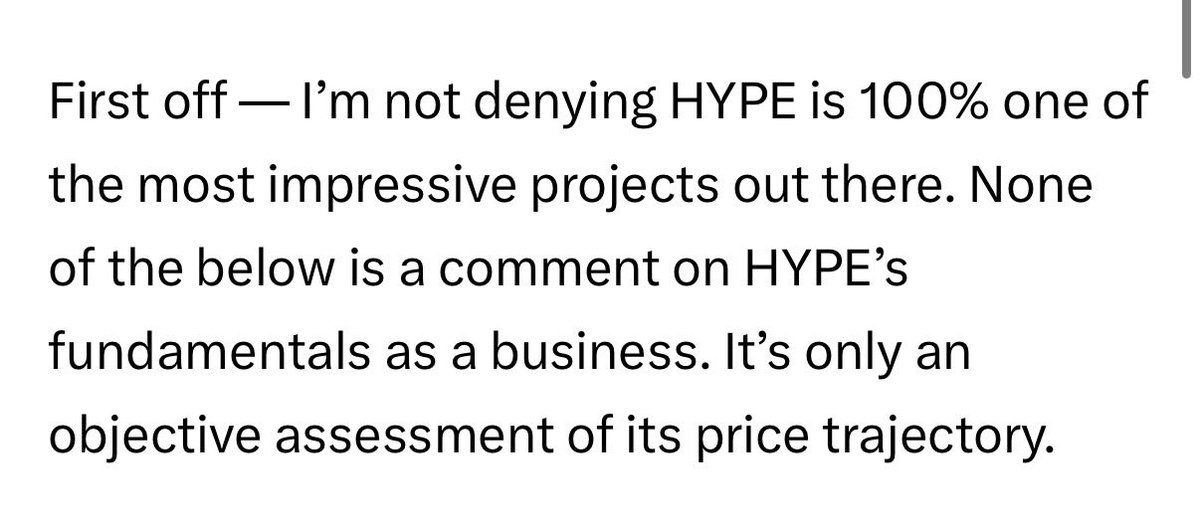
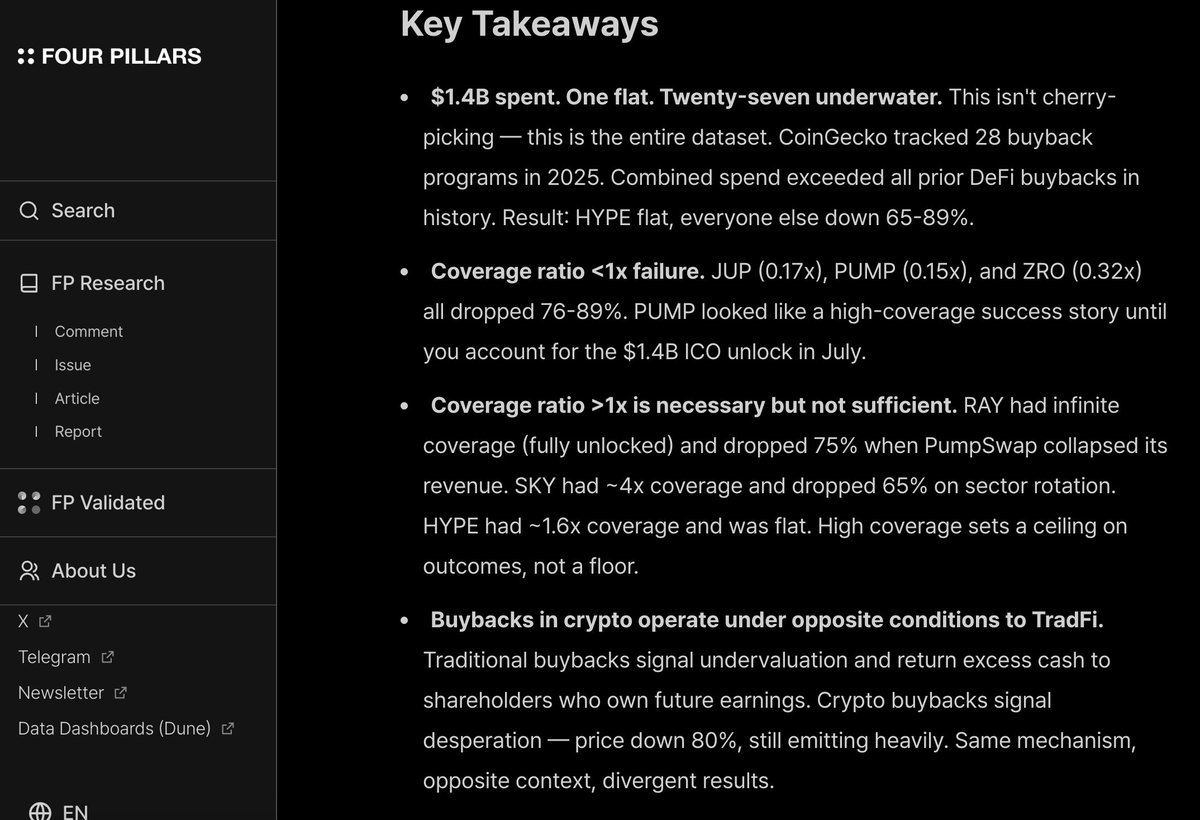
Of course, A and B are not mutually exclusive and will become intertwined as a company grows. To HYPE's credit, it actually is a quintessential example of a company that makes users money AND is better than the alternatives.
My personal preference is always to back type B businesses - they just have so much more "internal" locus of control over their success - hear me out.
When you are building in A, you'd be benchmarked against very QUANTITATIVE measures like:
- Who generates the highest yield (what happened to USDe)
- Who offers the widest array of assets (these "trade everything" apps)
- Who can give the highest notional airdrop (how Lighter poached users)
- Who has the deepest liquidity (Jupiter vs. other DEX on SOL)
Inevitably, your users will be mercenary and will pull their liquidity once you fall short on the above quantitative measures. A classic Bertrand-style market.
Of course there are still sustainable moats to be had, like trust, lindyness, culture/cultship, and UX to help retain users. But ultimately, no matter how sleek your UI is or how over-the-top your branding is, your TVL will fall off a cliff if you fail to meet the high-yield expectations of your users (think USDe).
When you are building in B, there are two paths:
1. Make it new: create a new market/product by using crypto as a technological catalyst. Example here are
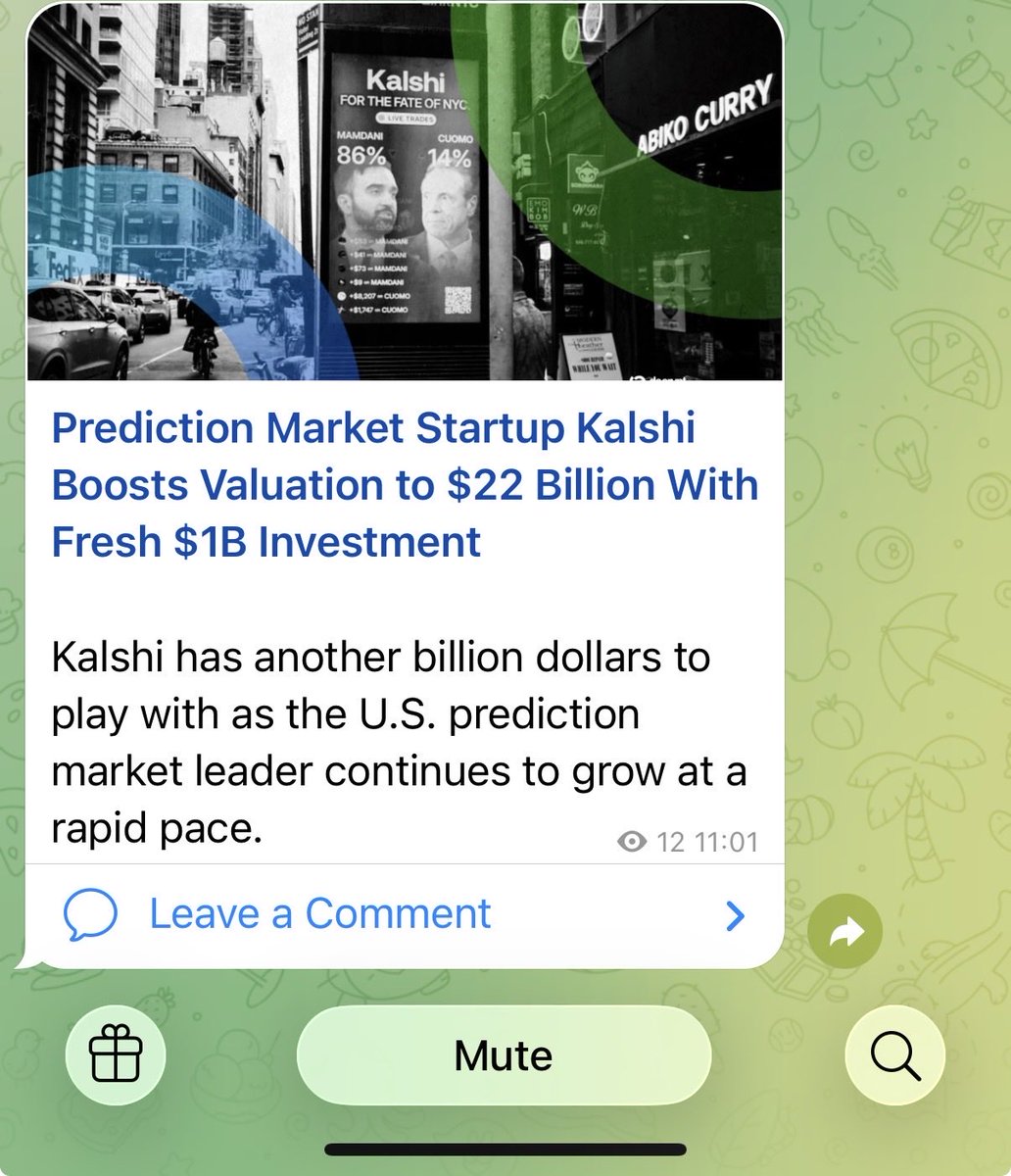
- @Polymarket @Kalshi as new categories
- What we call "latent market play" like @uraniumdigital_ building a tokenized spot market and enabling derivatives for uranium that just didn't exist before
- Perps as a financial product that wasn't possible before
2. Make it better: build an alternative to what's dysfunctional today. Think stablecoins (a better alternative to fiat), DePIN (a cheaper alternative to centralized providers), etc.
Instead of A businesses spending their time begging whales to supply TVL and worrying about competitors vampire attacking them, B businesses tend to have much higher pricing power and durability because they compete on superior functionality and product merit.
Their success drivers are much more QUALITATIVE (functionality, novelty, GTM & distribution, and user experience) than QUANTITATIVE (yield, incentives, and economic optimization for much more mercenary customers).
To know if you are building in A vs. B, just ask yourself this question: If financial incentives disappeared tomorrow, would users still show up?
9
2
21
4,778
May 26
A trap for investors after a deal call is getting sucked into a founder’s projection.
Intuition is an unspoken gift of some of the most goated early-stage VCs in history. But that same gift also makes them susceptible to mistaking a founder’s infectious earnestness for their own conviction.
The cure is forcing at least a 24–48 hour cooldown period and letting the analytical mind step in. Often, the calm mind talks you out of the deal.
But the best founders haunt you. For days, weeks, months — sometimes even after you initially passed.
When you can’t stop thinking about it, just do it.
8
2
28
6,330
May 23
The key to achieving anything you want in life is to increase your own gravity.
Like a black hole — when you are dense enough in knowledge, confidence, self-belief, and kindness, your gravity draws everything effortlessly.
Do the hard work. Do the inner work. Let the universe bend to you.
8
4
66
6,041
May 21
The alpha in venture is an investor’s ability to spot a founder on a revenge arc
Explosive success comes from accumulation in discomfort, extreme life imbalance, and “beast in a cage” energy
Then sprinkle some delusions on top - you got my favorite founder type
38
18
332
40,797
May 20
Here’s a glimpse into why preseed is really hard.
You meet founders in the midst of their original idea — which can easily range from crowded, hyped, or not making sense all together. Think EigenLayer starting as an NFT marketplace at inception, Plasma being a BTC L2 at seed, and the list goes on.
But alpha is alpha — you can still tell when a founder is out-of-distributionly strong. HOWEVER — when their idea/product/insight falls short, you start questioning your own talent read. “How can such a strong founder pick this idea?”
Then they pivot — and grow into a beast. All of a sudden, you end up with a big anti-portfolio. You start getting cognitive dissonance like: “oh man, I should have just backed & trusted my intuition on the talent read.”
But guess what — if you start backing everyone with strong founder attributes but ideas/products you don’t believe in, you’ll find yourself blowing through your fund fairly quickly with a lot of 0s.
Ya. It’s def not for everyone.
10
2
43
6,393
May 19
Yes we are going higher for longer. But these stats around AI now accounting for ~50% of investment-grade bond issuance and 87% of all VC funding still gives me the yips
Maybe just sth I need to get used to.
2
2
15
4,327
Catrina retweeted
May 17
It already happened — a portco founder found a clinical trial for his mom’s terminal cancer on @ChatGPTapp @OpenAI, and saved his mom.
1
2
14
1,493
May 14
It’s funny I’m still called contrarian for calling a comeback in BTCfi
There’s SO much closeted demand for BTC-on-BTC yield from private whale convos
What really happened is Merlin and the rest of the EVM “BTC L2s” cooked the entire category with their turbo-scammy yield schemes. On top of that — and I’ve said this over and over again — it makes 0 sense for Bitcoin solutions to be EVM...
Glad to see the drumroll starting again now that the market looks ready to rip any minute
5
3
21
2,129
May 14
Exact thesis 3 years back x.com/dotcuriouscat/status/1…
4 Dec 2023

A BTC thesis: The Panda Renaissance.
This piece is the culmination of 3-months of research on Bitcoin.
Expect rich data, analyses, & PoVs on BTC as a currency, asset, and L1, along with the latest technological, institutional, & market catalysts.
👉portal.vc/bitcoin

1
1
922
May 13
Comparing your weaknesses to others’ strengths is the best ladder for growth.
10
560
May 13
Can very much relate to founders’ VC hate when I hop on one of those “want to talk to your lead investor” calls for a portco, and realize the other VC is basically outsourcing their entire DD process.
Your job is literally to think dude.
3
7
20
1,722
May 10
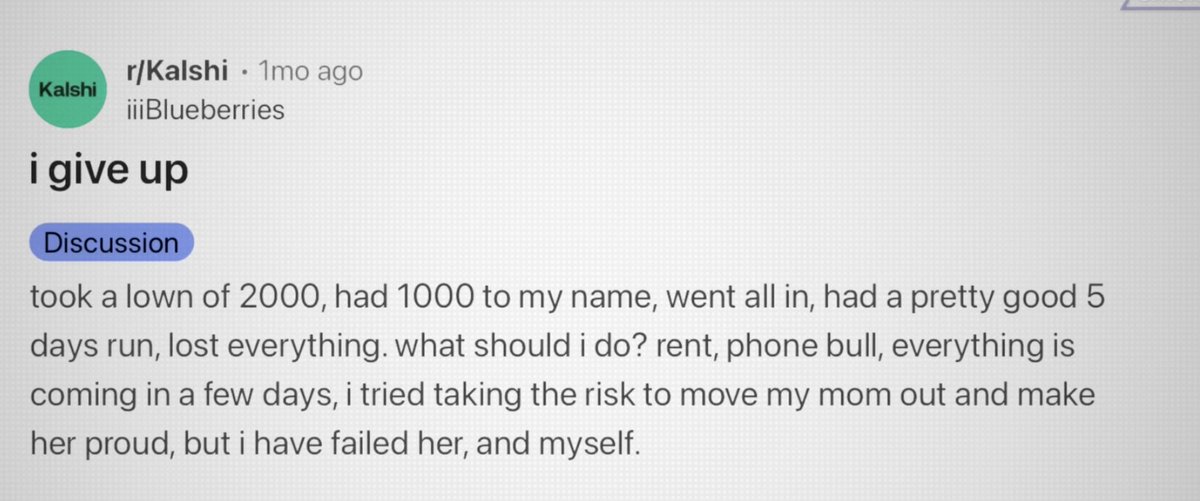
As a pre-seed investor, my job is to be bullish. But it seems I'm dissenting many of the hottest trends these days — from HYPE, to Pre-IPO, and about to for prediction markets.
How I feel now about HYPE, Pre-IPO, and prediction markets is how I felt about the urgency — or rather, the societal frenzy — over the Metaverse, Terra, and FTX days.
There's a concept of yin and yang in Chinese Daoism — also in Vadim Zeland's Transurfing, called the "Pendulum". When something swings to the extreme, something's bound to happen as a balancing force to restore the balance. I'm waiting and watching.
27
2
73
14,713
May 9
Bearish on UX focused software. Going forward the only UX that matters is chat windows.
7
10
5,290