
The only 24/7 institutional uranium trading platform. Powered by @solana.
Joined November 2024
- Tweets 702
- Following 91
- Followers 41,251
- Likes 1,073
359 Photos and videos


Pinned Tweet

Feb 18
We've been made aware of a token impersonating Uranium Digital.
Do not engage with any tokens claiming to represent Uranium Digital. Official announcement of our launch will come exclusively through our official verified channels.
Stay vigilant.
8
1
26
24,412
Jun 12
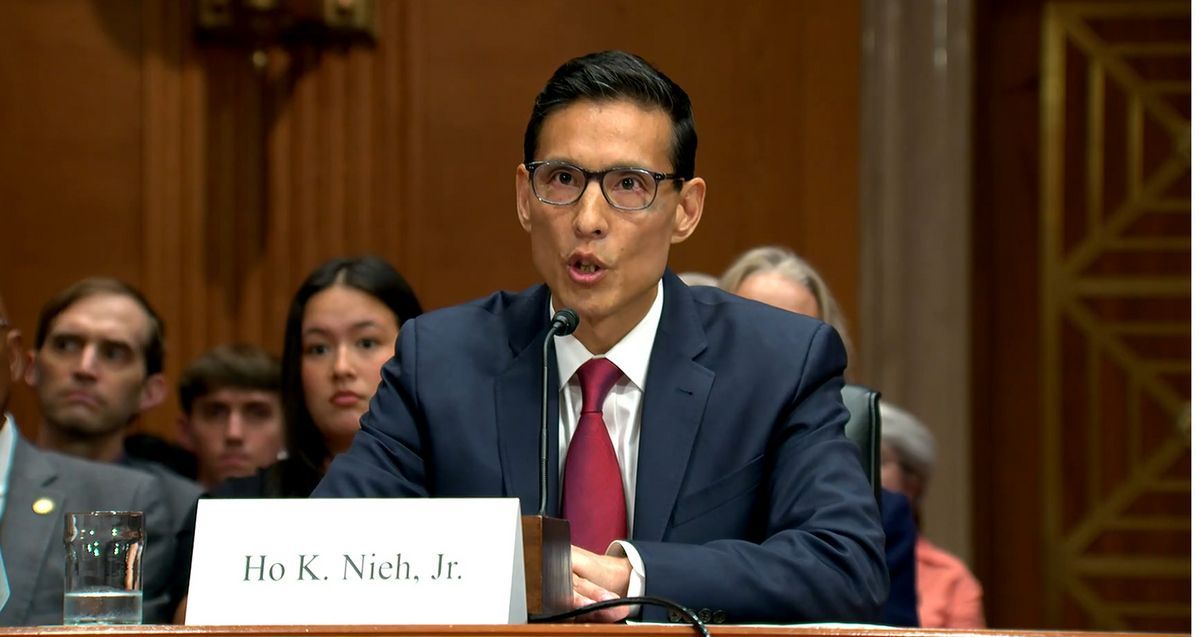
NRC Chairman Ho K. Nieh said in an exclusive interview published Monday that the United States could see advanced reactors deployed and generating power by 2030, pointing to the recent construction permit granted for TerraPower's Kemmerer Power Station in Wyoming as evidence of the pace of progress.
Nieh acknowledged that timelines will not rest solely with regulators, as developers remain dependent on supply chains for specific materials and fuels. But he said the commission will have the regulatory framework in place for developers to get shovels in the ground. The NRC chairman also highlighted the military deployment pathway as a meaningful accelerant, noting that the Pentagon is not focused on finding the lowest-cost option and can pay for systems that simply work.
Nieh framed military and DOE deployments as a cost-reduction bridge to commercial scale, saying the path forward is to build reactors, see how they work, improve them, and then move them to the commercial side. The DOE's Reactor Pilot Program, established through executive orders signed by President Trump, is designed to serve as a fast-tracked bridge providing federal regulators with operational data ahead of full commercial licensing.
325
Jun 11
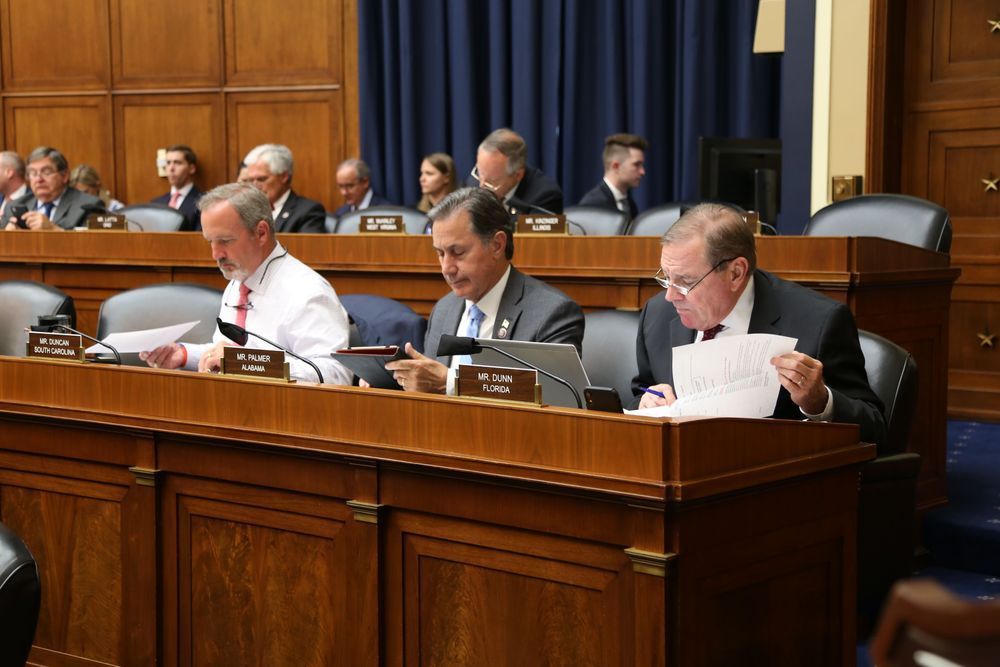
The House Subcommittee on Energy held a hearing this week on nuclear licensing reform, considering several legislative proposals aimed at streamlining the NRC's permitting process while maintaining safety standards.
Bills under consideration include the Efficient Nuclear Licensing Hearings Act, which would eliminate an outdated requirement for a final public hearing on a license when no one has requested one, and the Nuclear REFUEL Act, which would clarify that fuel recycling facilities can be licensed under the same regulatory framework as other fuel cycle facilities. The American Enrichment Deployment Act would bring licensing for enrichment facilities in line with permitting processes for other fuel cycle facilities, a step Latta called critical for building out domestic fuel supply infrastructure.
The hearing also reviewed the Nuclear Advisory Committee Reform Act, which would direct the NRC's advisory committee to focus on new and safety-significant issues rather than routine licensing reviews, and the NRC Staff Pay Alignment Act, aimed at retaining experienced leadership at the commission.
347
Jun 10
On June 4, when the Antares Nuclear Mark-0 test reactor came online at Idaho National Laboratory, it became the first privately developed, non-light-water reactor to achieve criticality in the United States in more than 40 years.
The achievement directly fulfills a mandate under the DOE's Reactor Pilot Program, which challenged the U.S. nuclear industry to bring at least three advanced reactor designs to criticality by July 4, 2026.
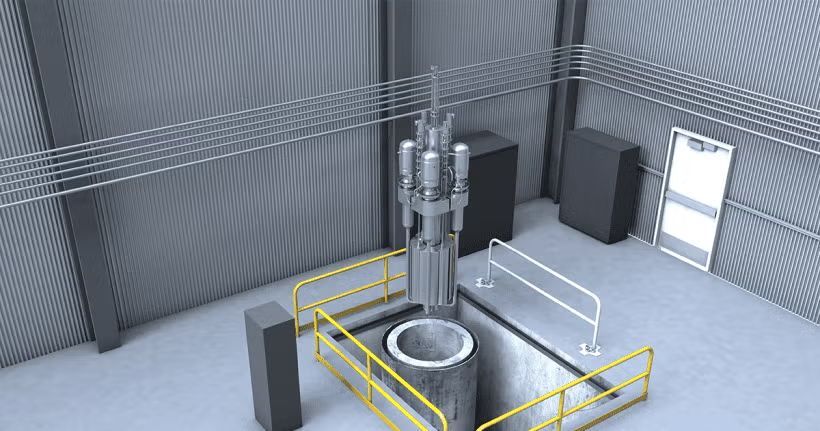
The Mark-0 is a high-temperature, solid-state microreactor designed to generate between 100 kW and 1 MW of electricity. Its modular design allows units to be built in factories and shipped to deployment sites, with additional modules added to meet growing demand. The Antares R1 reactor has already been selected for installation at Joint Base San Antonio, Texas, by 2028.
2
592
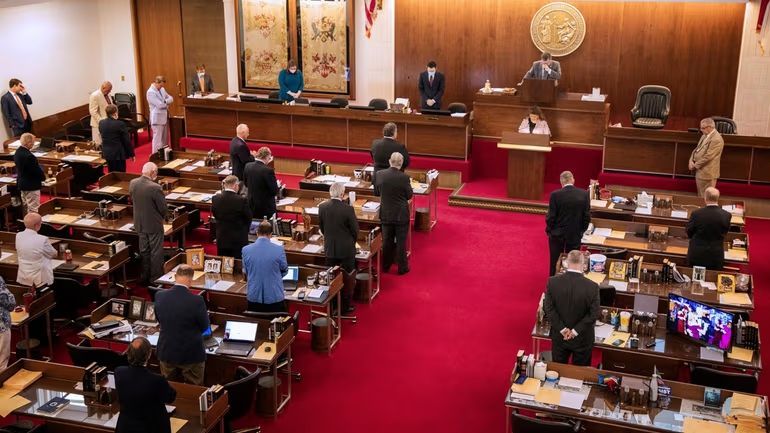
The North Carolina House advanced legislation on Tuesday that would require Duke Energy to obtain permission to build a nuclear plant with at least 1,000 megawatts of capacity before it can retire coal or natural gas plants. The Ratepayer Protection Act moved through both the House Commerce and Rules committees and now heads to the House floor.
The nuclear provision reflects lawmakers' push to ensure baseload generation remains central to the state's energy planning as North Carolina manages rapid load growth driven by data centers.
386
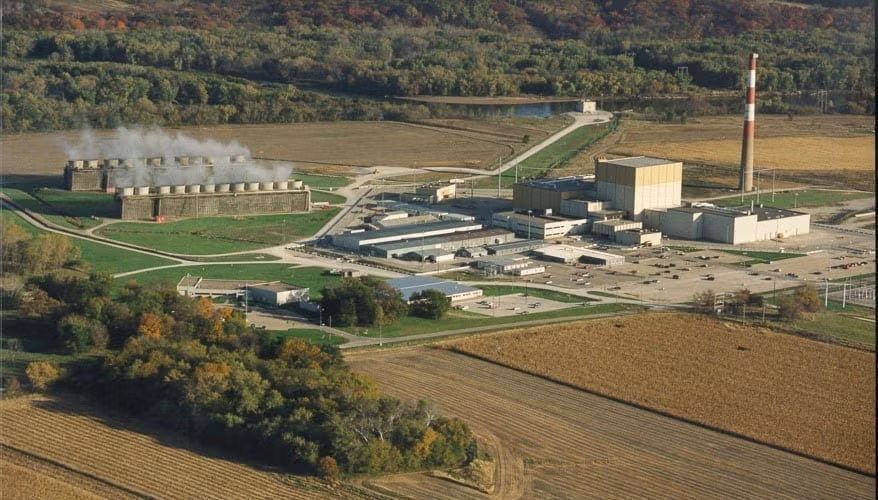
NextEra Energy's Duane Arnold Energy Center near Cedar Rapids, Iowa, may be the next closed nuclear reactor to come back online, with NextEra targeting a restart by 2029. The 600 MW plant was shut down in 2020 for economic reasons, not technical ones.
Improved economics driven by rising electricity demand, the Section 45U production tax credit, and technology company interest in 24/7 clean power for data centers have changed the calculus for plants that were uneconomical just a few years ago.
The plant entered SAFSTOR after closure, a deferred dismantling approach that maintains systems in safe condition rather than immediately dismantling them. Plants in SAFSTOR are considered prime restart candidates because their systems remain intact and can be inspected and restored to operating condition without major technical barriers.
473
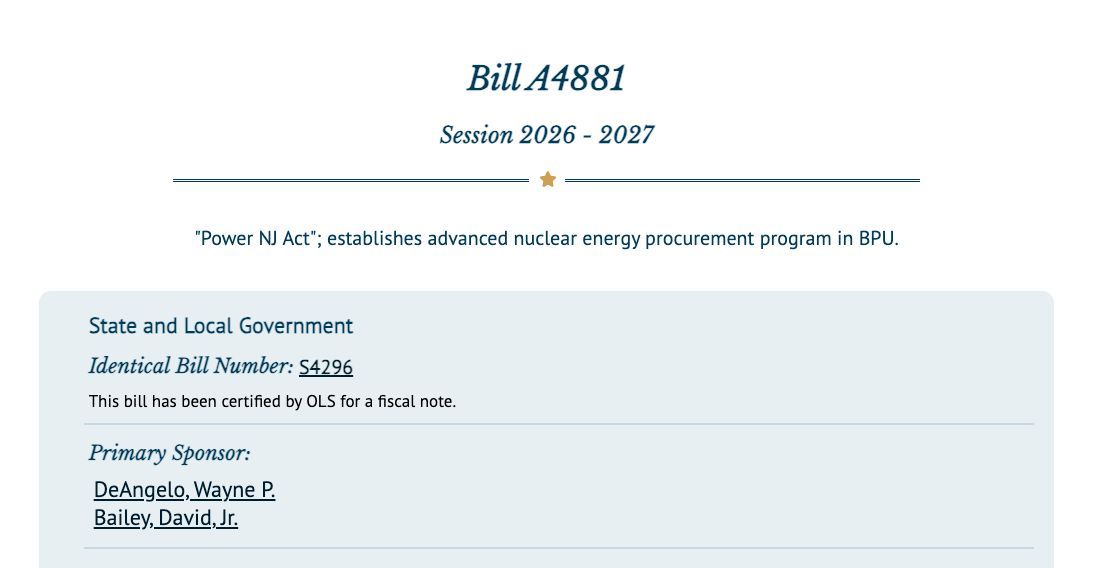
New Jersey lawmakers advanced legislation on May 28 that would establish a formal pathway for advanced nuclear energy development in the state. The Power NJ Act would direct the New Jersey Board of Public Utilities, in partnership with the New Jersey Economic Development Authority, to create a program for procuring advanced nuclear energy facilities, evaluating developer proposals on grid reliability, future capacity needs, and ratepayer value.
The bill includes a Reliability Capacity Certificate program to support approved projects while returning certain revenues to New Jersey consumers. Governor Mikie Sherrill, who recently signed legislation removing a longstanding barrier to new nuclear projects in New Jersey, has made expanding in-state power generation a key priority through what she describes as an all-of-the-above energy strategy.
6
11
89
12,057
New York Governor Kathy Hochul has announced new developments in the state's push to build at least one gigawatt of nuclear capacity in Upstate New York, including up to $40 million in workforce support and solicitations for experienced nuclear developers and statewide nuclear workforce training.
Hochul said the solicitations will help ensure New York is positioned to lead the nation in new nuclear development, alongside renewables, to meet increasing demand while keeping costs down. The New York Power Authority has been tasked with laying the groundwork for what Hochul called the next era of emissions-free power in the state.
The developments add momentum to a program that has drawn interest from eight upstate communities competing to host the new nuclear facility. A former power plant site in Dunkirk, in Chautauqua County, has been identified as one potential location.
9
13
105
13,233
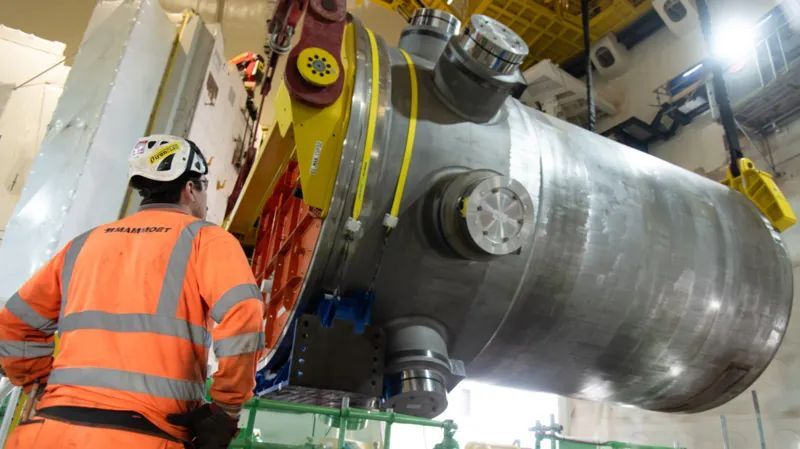
A second nuclear reactor has been lifted into place at Hinkley Point C, Britain's largest nuclear power station currently under construction in Somerset. EDF used Big Carl, the world's largest crane, to position the 500-tonne cylinder on May 29, and said the reactor building is being constructed approximately 30% faster than the first reactor.
The two reactors are expected to power up to six million homes when Hinkley Point C opens in 2031. EDF delivery director Simon Parsons said the team applied lessons from the first reactor installation to put Unit 2 well ahead of the first unit's position at the equivalent stage, with more materials in place and more work completed.
5
16
103
12,658
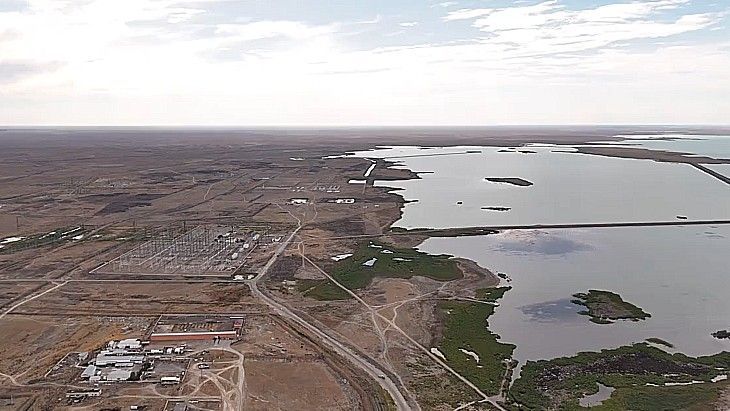
The Kazakh government has approved a comprehensive plan aimed at developing domestic industrial capacity for nuclear power plant construction projects.
The plan was approved on May 14 and covers four key areas: developing a regulatory framework, analyzing needs and potential of the domestic market, modernizing and establishing production facilities, and digitalizing processes. The goal is to boost local content from the current 20-22% of the nuclear industry's demands to around 30% by the time construction of Kazakhstan's first nuclear power plant begins, representing a market value of approximately $4 billion to $4.5 billion.
Russia's Rosatom was selected in June 2025 to lead an international consortium to build Kazakhstan's first planned nuclear power plant, called the Balkhash plant, in the village of Ulken on the shore of Lake Balkhash.
5
21
93
21,232
New York-based BLSK Energy has emerged from stealth mode following an agreement with Argonne National Laboratory to develop a pilot facility that produces fuel for advanced fast nuclear reactors by recycling used fuel from existing nuclear power plants.
The cooperative research and development agreement provides BLSK with exclusive access to the intellectual property behind pyroprocessing, a high-temperature method of recycling reactor waste into fuel pioneered by Argonne.
According to ANL, when used with nuclear fast reactors, pyroprocessing would allow 100 times more energy in uranium ore to be used compared to current commercial reactors. This would ensure almost inexhaustible supplies of low-cost uranium resources, and markedly reduce waste isolation time from approximately 300,000 years to approximately 300 years by recycling all actinides.
5
12
86
13,468
May 29
The U.S. Nuclear Regulatory Commission has set an expedited 12-month review schedule for Orano's Project IKE uranium enrichment facility in Oak Ridge, Tennessee, with an estimated completion date of April 30, 2027.
The gas centrifuge facility will be located on unused former Manhattan Project land and represents one of the largest capital developments in Tennessee history. According to Orano, the output from Project IKE alone would be able to replace the enriched uranium America currently imports from Russia.
8
21
80
17,323
May 28
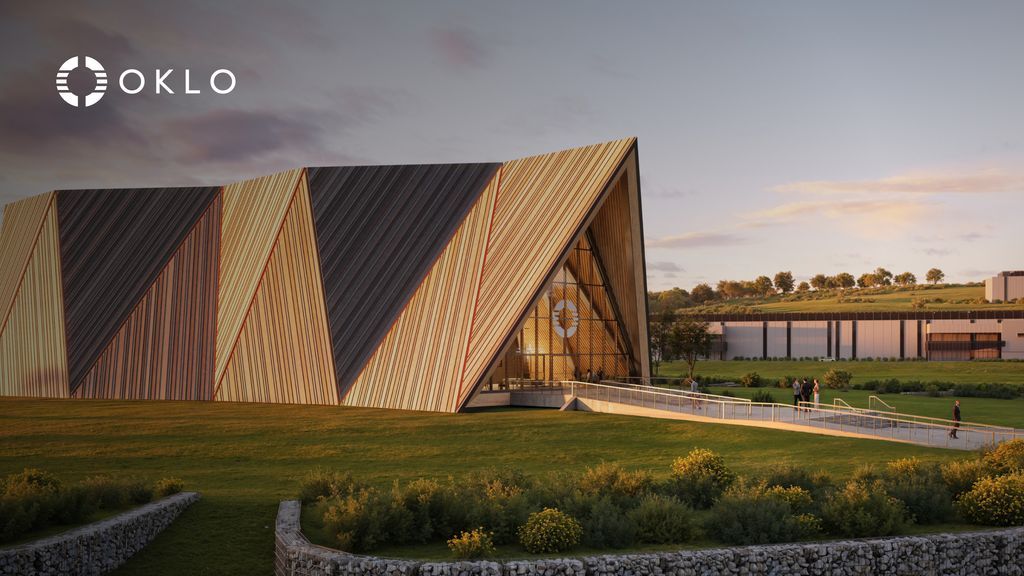
Sam Altman-backed nuclear technology company Oklo has been selected by the U.S. Department of Energy for advanced negotiations under the Surplus Plutonium Utilization Program, one of five advanced nuclear companies chosen for the initiative.
Oklo will partner with newcleo, a European advanced nuclear reactor developer, to lead the utilization effort. Oklo would handle the surplus plutonium conversion while newcleo would bring fuel expertise and potential project capital, subject to definitive agreements and regulatory approvals.
The initiative represents what the companies call a "disposition through use" approach, transforming a long-term material management challenge into a homegrown energy source by converting existing material into fuel that generates electricity and is ultimately consumed through fission.
8
13
74
16,332
May 27
The U.S. Navy is evaluating a concept that would allow the USS Gerald R. Ford aircraft carrier to feed electricity generated by its onboard nuclear reactors into shore-side power grids during port stays, effectively repurposing the carrier's propulsion plant as a temporary floating nuclear power station.
The test is planned at Naval Station Norfolk in Virginia. The Ford-class carrier is propelled by two A1B nuclear reactors that produce significantly more electrical output than older designs fitted to Nimitz-class carriers. During port visits, the carrier would reverse the conventional arrangement and export power through the ship's electrical distribution system via a shore connection interface.
The concept could reduce dependence on diesel generators for military installations in forward locations and provide backup power to civilian infrastructure during natural disasters. The Navy has not announced a firm timeline for the trials, and the program remains in an exploratory phase as engineering validation, regulatory pathways, and fleet-scheduling tradeoffs are assessed.
5
12
70
14,805
May 26
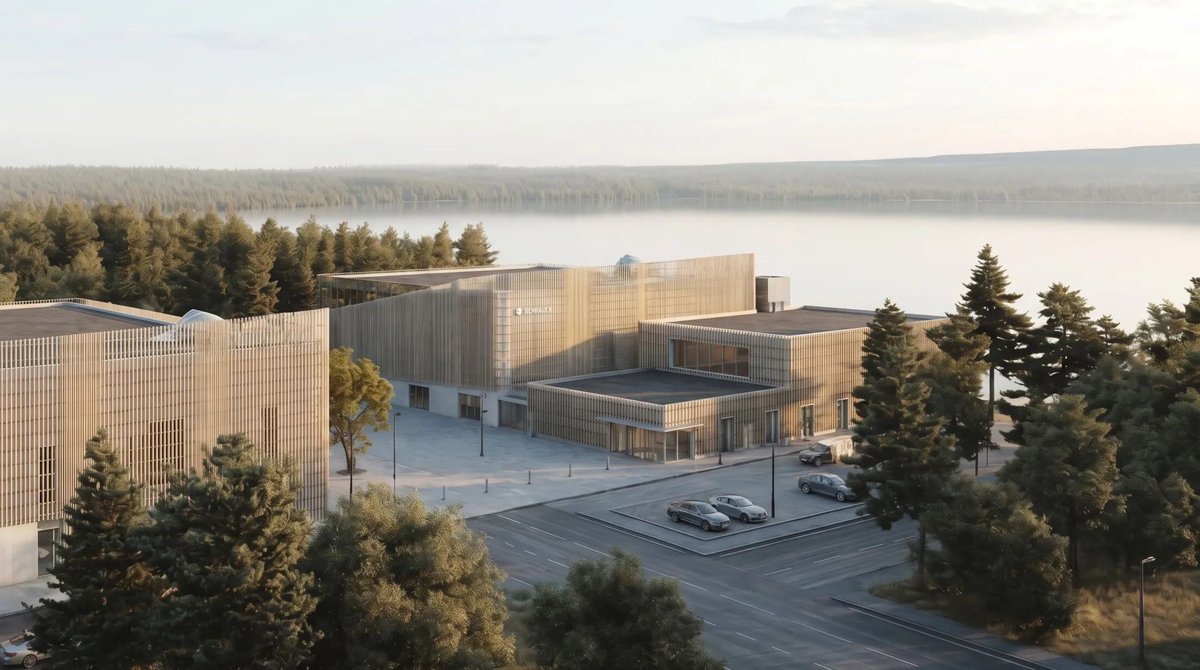
Swedish nuclear developer Blykalla has applied to build six small modular reactors near the city of Gavle, aiming to start generating electricity by the early 2030s as Sweden reverses its decades-long nuclear phase-out policy.
The facility would produce approximately 330 MW of electricity using 55 MW lead-cooled reactors based on updated technology originally developed for Russian nuclear submarines in the 1950s. Blykalla CEO Jacob Stedman said Sweden made a strategic mistake 46 years ago trying to phase out nuclear power and now has the chance to take the lead again.
Blykalla is the second developer to apply for a reactor park after Karnfull Next announced plans for four to six SMRs on Sweden's southwest coast in March. Sweden voted in a 1980 referendum to phase out nuclear and subsequently closed six of its 12 reactors.
5
14
72
17,852
May 25
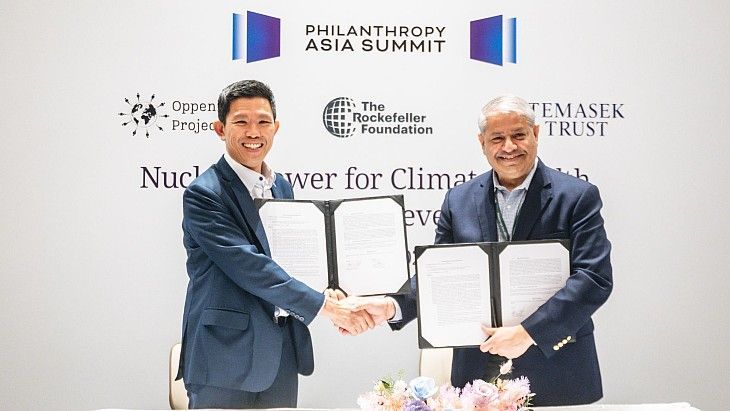
The Rockefeller Foundation and Temasek Trust have launched the Global Coalition for Nuclear Philanthropy to mobilize philanthropic capital in support of nuclear energy as a driver for clean energy security, economic growth, and human development.
Announced at the Philanthropy Asia Summit in Singapore, the coalition includes founding members Blue Horizons Foundation, CleanEcon, Founders Pledge, Ray Rothrock, and the Rodel Foundation. Analysis by Founders Pledge shows only 0.1-0.2% of climate philanthropy currently supports nuclear energy, representing less than $2 of every $1,000 in climate funding.
The initiative will pursue four strategic pathways: building public support through data-informed narratives, expanding global talent and institutions for safe nuclear deployment, de-risking financing structures, and strengthening safety and governance frameworks.
7
8
88
16,451
May 22
The Nuclear Company has launched NOS Security, an integrated cybersecurity platform designed specifically for nuclear industry infrastructure protection across the United States and allied nations.
The platform combines AI-enabled monitoring, autonomous drones and robotics, advanced sensing systems, unified command infrastructure, cyber defense, and real-time operational intelligence. The system is designed to align with Nuclear Regulatory Commission requirements under 10 CFR 73.54 and 73.55, as well as Nuclear Energy Institute industry guidance.
The platform was developed over the past year and is initially being deployed to support @TheNuclearCo's own nuclear construction and development activities. The company plans to work alongside operating nuclear utilities and allied partners seeking to modernize existing security architectures.
5
12
81
14,313
May 21
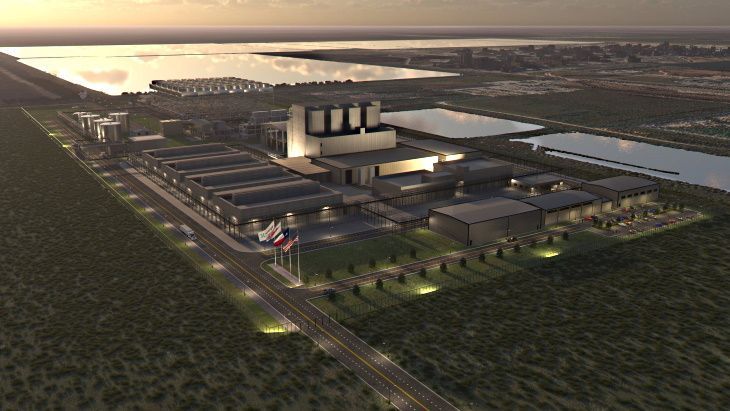
The Nuclear Regulatory Commission has completed its environmental assessment of the proposed Long Mott Generating Station at Dow Chemical's Seadrift manufacturing site in Texas ahead of schedule, marking a key licensing milestone for the four-unit X-energy Xe-100 project.
The streamlined environmental assessment process reflects executive orders signed by President Trump directing the NRC to accelerate deployment of advanced reactor technologies. NRC Executive Director Mike King said the milestone demonstrates the agency can complete reviews efficiently while upholding environmental protection responsibilities.
The 320 MW project would be the first grid-scale advanced nuclear reactor deployed at an industrial site in North America and is expected to reduce emissions by approximately 440,000 tonnes of CO2 per year.
9
10
73
15,146
May 20
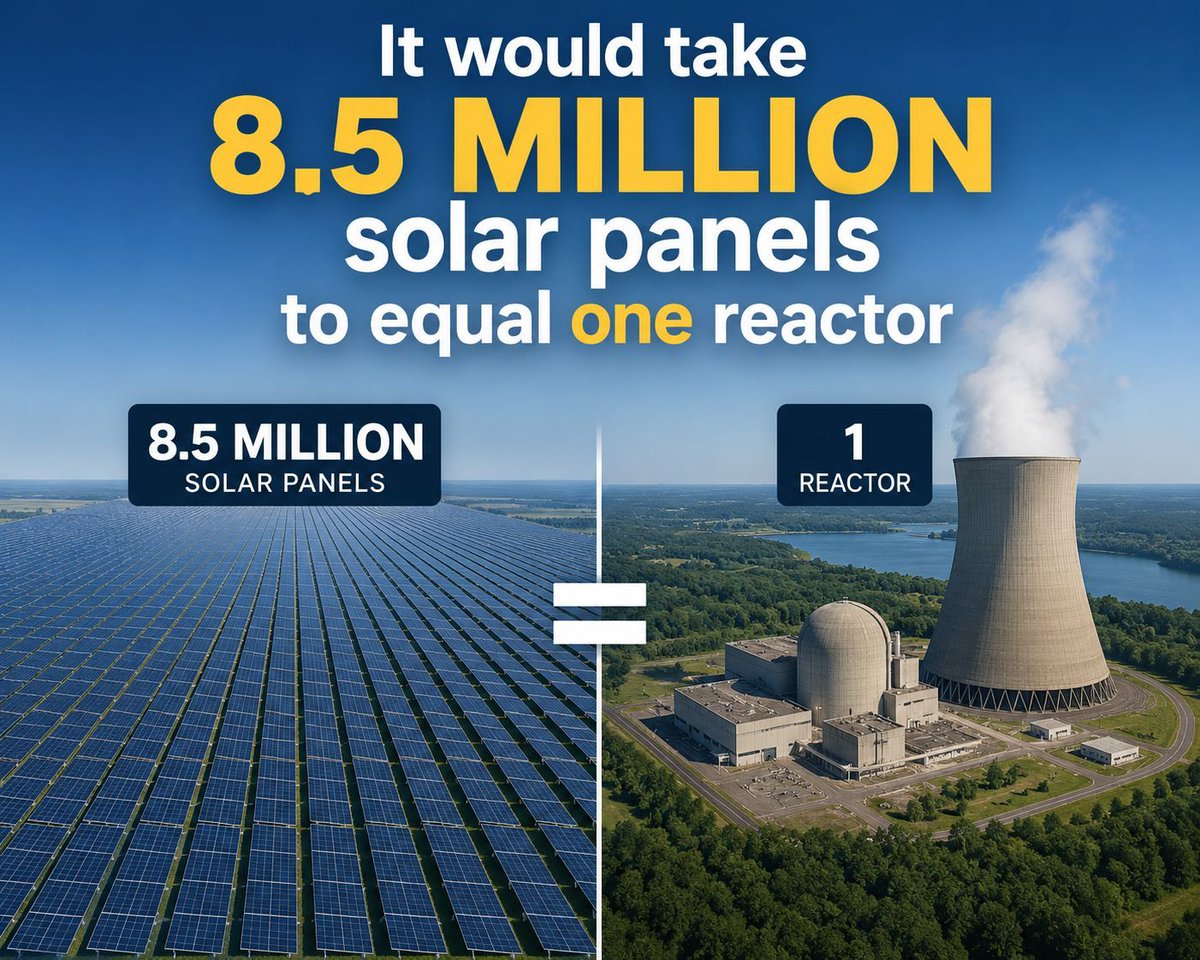
It would take 8.5 million solar panels to equal one nuclear reactor.
The math is straightforward: according to a comparative analysis by tech publication BGR , an average nuclear reactor produces 900 megawatts at 93% operating efficiency, delivering approximately 837 megawatts of consistent, weather-independent power. A single solar panel generates 400-460 watts under optimal sunlight conditions but operates at just 24% efficiency, reducing effective output to about 96 watts per panel.
Nuclear power delivers this output continuously from approximately one square mile of land. Achieving equivalent solar generation would require over 14 square miles of flat, sun-exposed terrain and assumes constant optimal sunlight conditions that are impossible to maintain in practice.
6
8
55
13,127
May 19
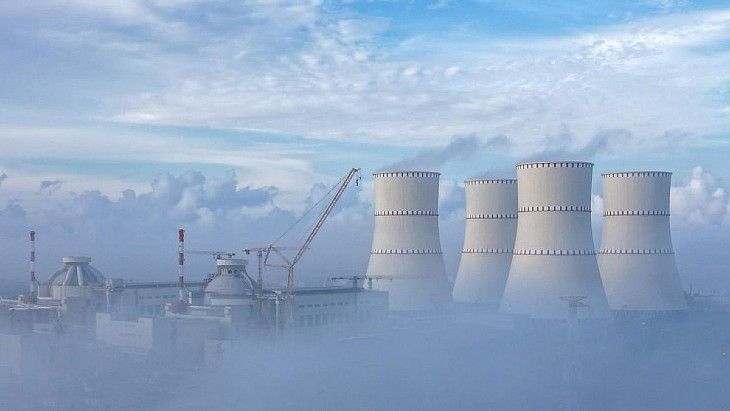
Bangladesh has completed loading 163 nuclear fuel assemblies into the Rooppur unit 1 reactor, marking a key milestone as the country's first nuclear power plant moves toward generating its first electricity.
The $12.65 billion project features two VVER reactors with an initial 60-year lifecycle and a possible 20-year extension. Construction of unit 1 began in November 2017.
The fuel loading process began on April 28 and was conducted in strict compliance with initial core loading procedures, process regulations, and nuclear safety standards. The next stage involves installing the upper reactor unit and connecting in-core instrumentation systems. The reactor is expected to be brought to its minimum controllable power level in the near future, followed by additional tests before power start-up and trial commercial operation.
7
10
67
11,733
May 18
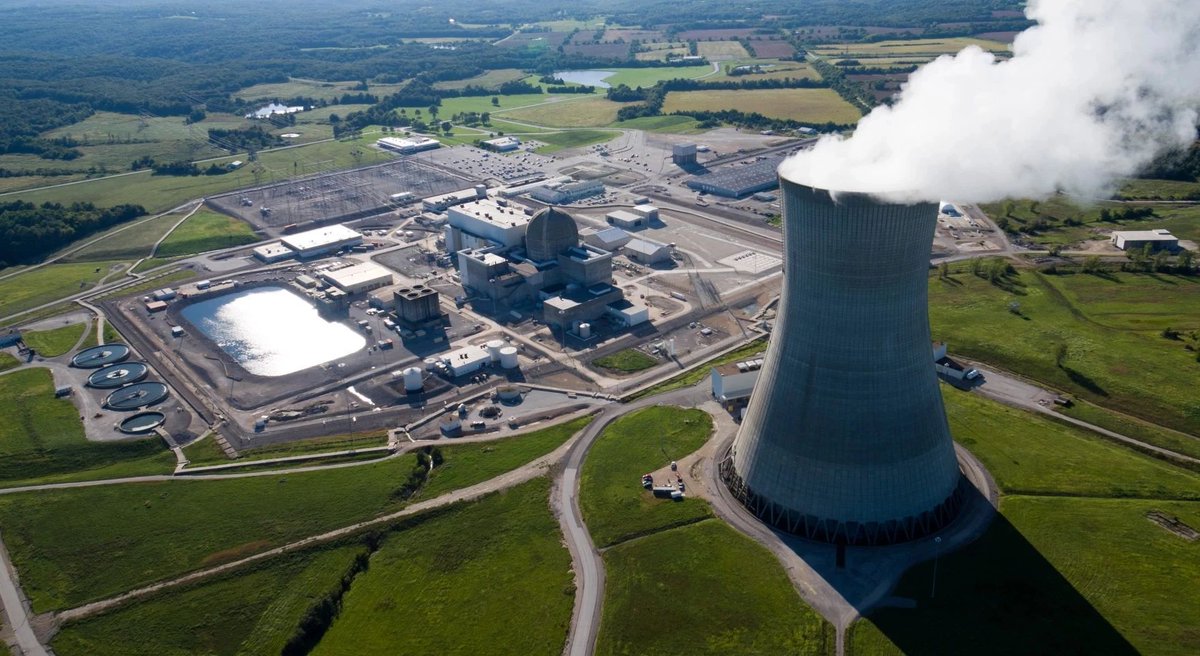
Missouri Governor Mike Kehoe held the inaugural meeting of the Missouri Advanced Nuclear Energy Task Force, established through executive order in January to spearhead the state's nuclear energy development.
The 23-member task force includes political, scientific, academic, and business professionals. Kurt Schaefer, director of the Missouri Department of Natural Resources and task force chair, said the goal is to meet Missouri's energy demand with nuclear as the only option for carbon-free baseload power.
The Missouri House passed legislation allowing "construction work in progress" financing, which would enable energy companies to charge customers for new nuclear plants during construction. The bill is currently stalled in the Senate. After Missouri's Callaway plant was built, state law was changed to prohibit this financing method.
Schaefer noted that federal funding through grants or construction of federal nuclear plants in Missouri could offset the need for construction work in progress charges. The task force will evaluate options and make recommendations on financing and development pathways.
5
10
54
16,213