
Joined November 2018
- Tweets 6,795
- Following 1,205
- Followers 2,349
- Likes 41,626
352 Photos and videos



Gian Manuel Jmz Rdz retweeted

Jun 11
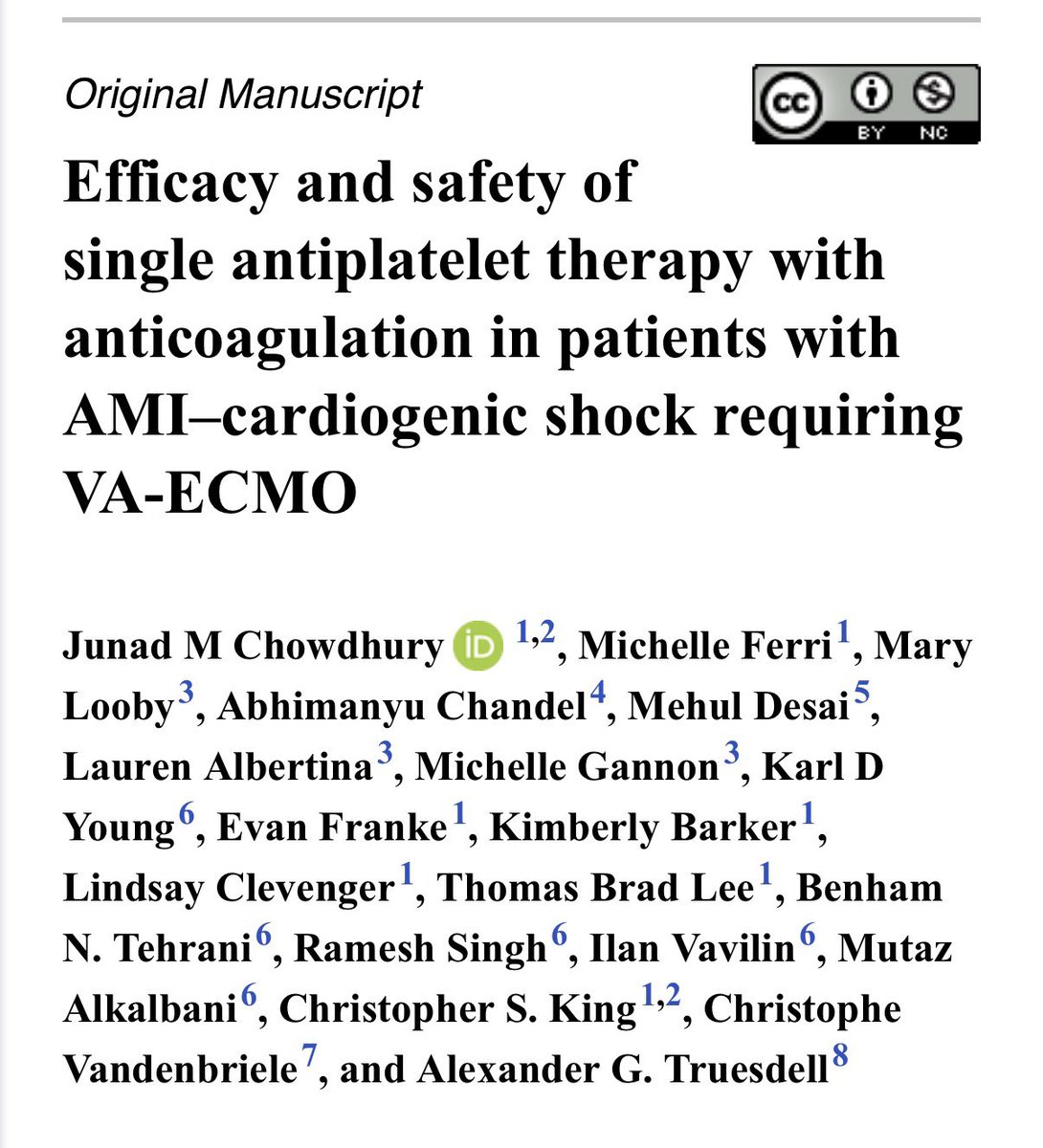
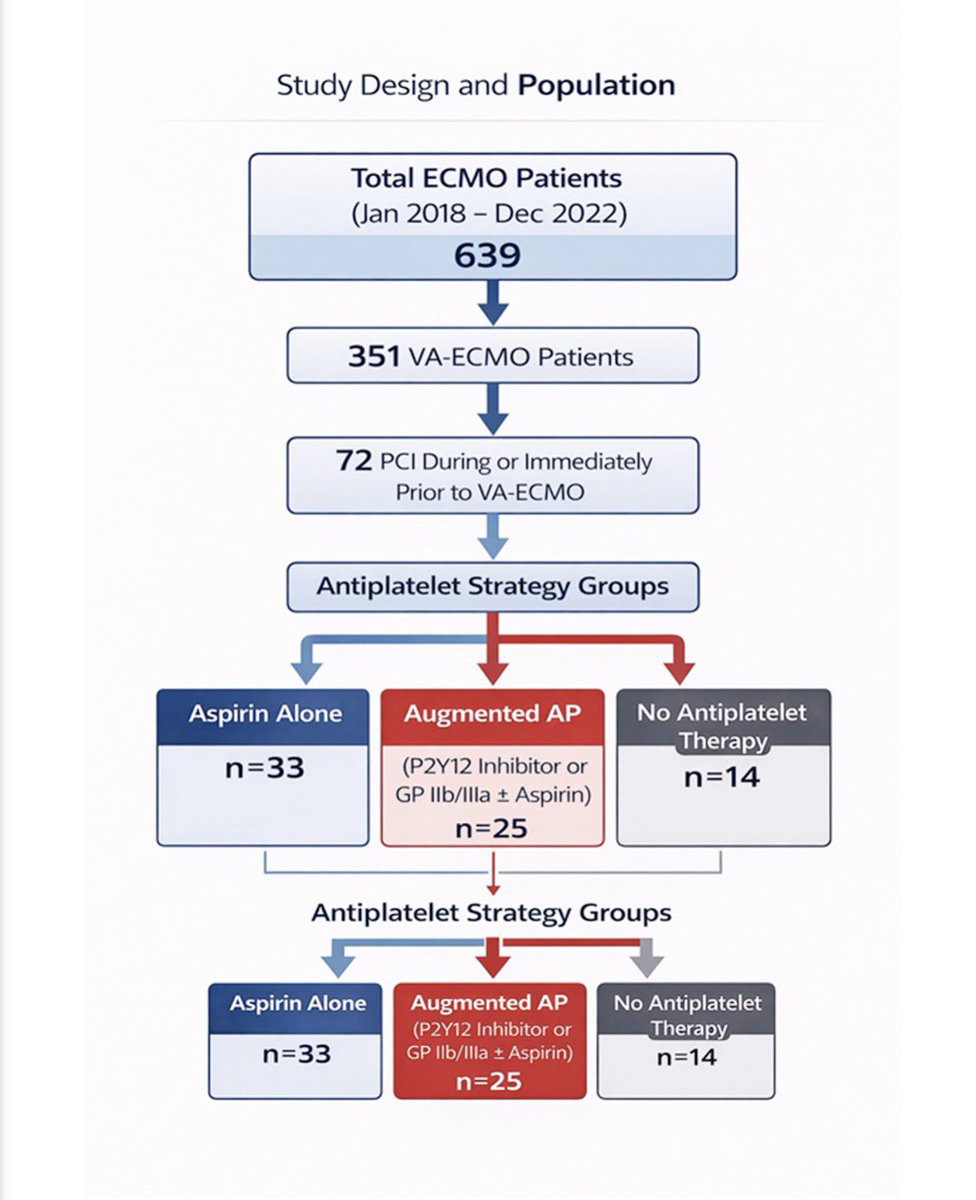
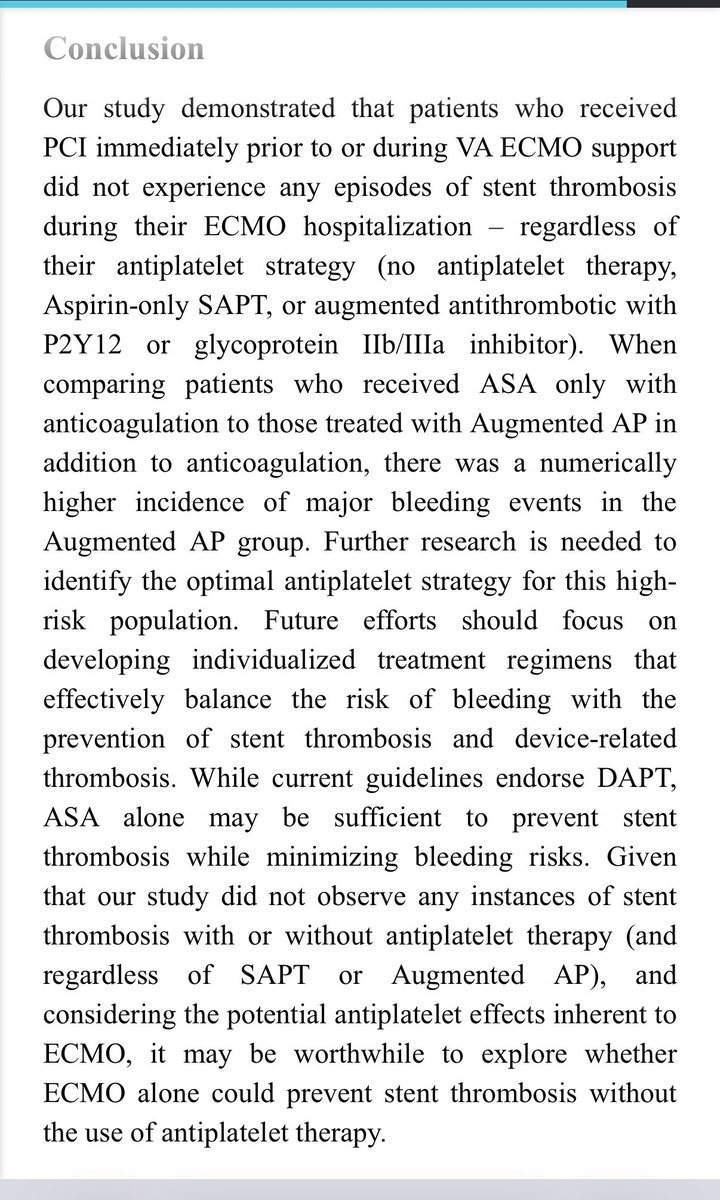
Aspirin-only SAPT for PCI on VA-ECMO in AMI-CS? Maybe so 👉: 🔗 pubmed.ncbi.nlm.nih.gov/4226……
1
9
20
2,049
Gian Manuel Jmz Rdz retweeted

PCI has traditionally been a process of trial, adjustment, optimization... and experience.
Choose a balloon.
Inflate.
Check.
Post-dilate.
Check again.
Repeat if necessary.
But what if we could know the final result before deploying the stent?
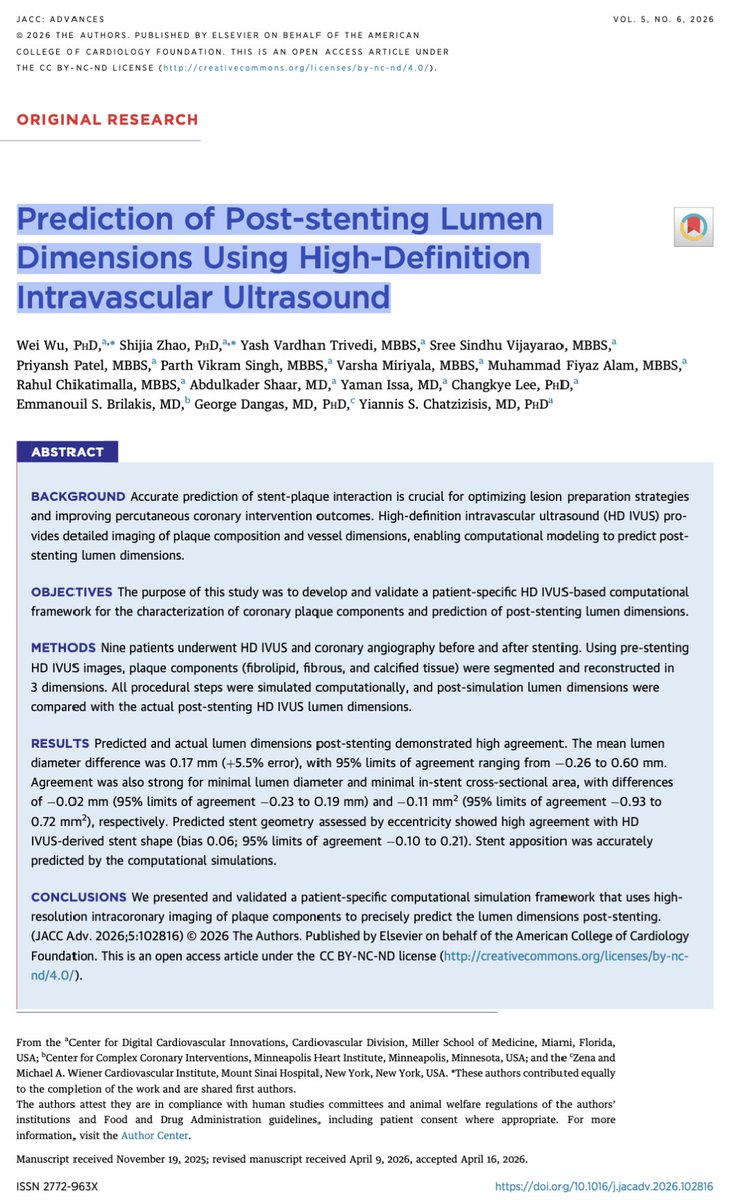
This new JACC: Advances study introduces a patient-specific digital twin built from HD-IVUS imaging and computational simulations capable of predicting post-stenting lumen dimensions with surprisingly high accuracy.
The technical achievement is impressive.
The conceptual implication is even bigger.
For decades, imaging has been largely descriptive.
We image anatomy.
We identify disease.
We measure severity.
But the next generation of imaging may become predictive.
Not "what does the artery look like?"
But:
"What will happen if I intervene?"
"What if I choose another stent?"
"What if I perform lesion preparation differently?"
"What if I use a drug-coated balloon instead?"
The future of cardiovascular imaging may not be better pictures.
It may be virtual patients.
And perhaps one day, every PCI will be performed twice:
First inside a computer.
Then inside the patient.
Would you trust a digital twin to help plan your next intervention?
2
11
20
1,362
Gian Manuel Jmz Rdz retweeted

Jun 9
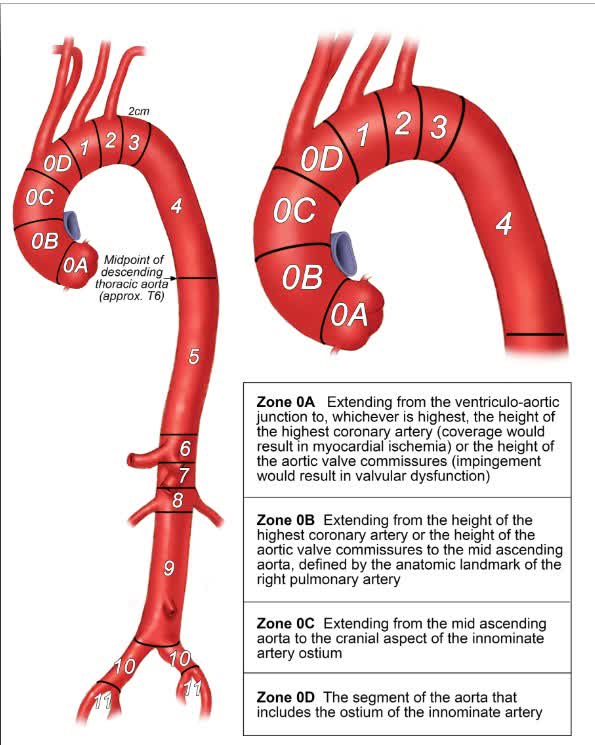
#InDepth on the global, multidisciplinary ARCH-ARC consensus statement to standardize reporting for thoracic aortic repair. ahajrnls.org/4dXF6xP
1
57
145
17,244
Gian Manuel Jmz Rdz retweeted

#CardioTwitter
Are you ready for @CardioNerds #CathMasters?
Launching soon with a focus on Interventional Cardiology, intended for a high-level, technically advanced audience who love the cath lab as much as we do.
Join us and become a #CathMaster yourself by submitting your interesting case(s), link below.👇

4
28
144
15,137
Gian Manuel Jmz Rdz retweeted

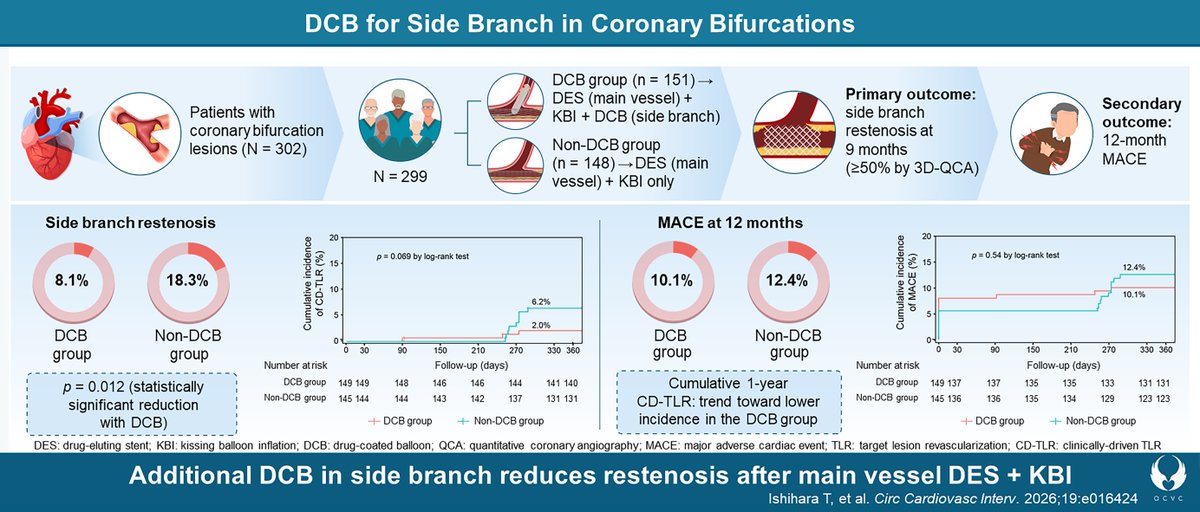
Comparison of Drug-Coated versus Conventional Balloons for side branches in bifurcation lesions: OCVC-BIF Study Reduced side branch restenosis with DCB at 9 months ahajrnls.org/3RPKpXC
2
24
56
6,395
Gian Manuel Jmz Rdz retweeted

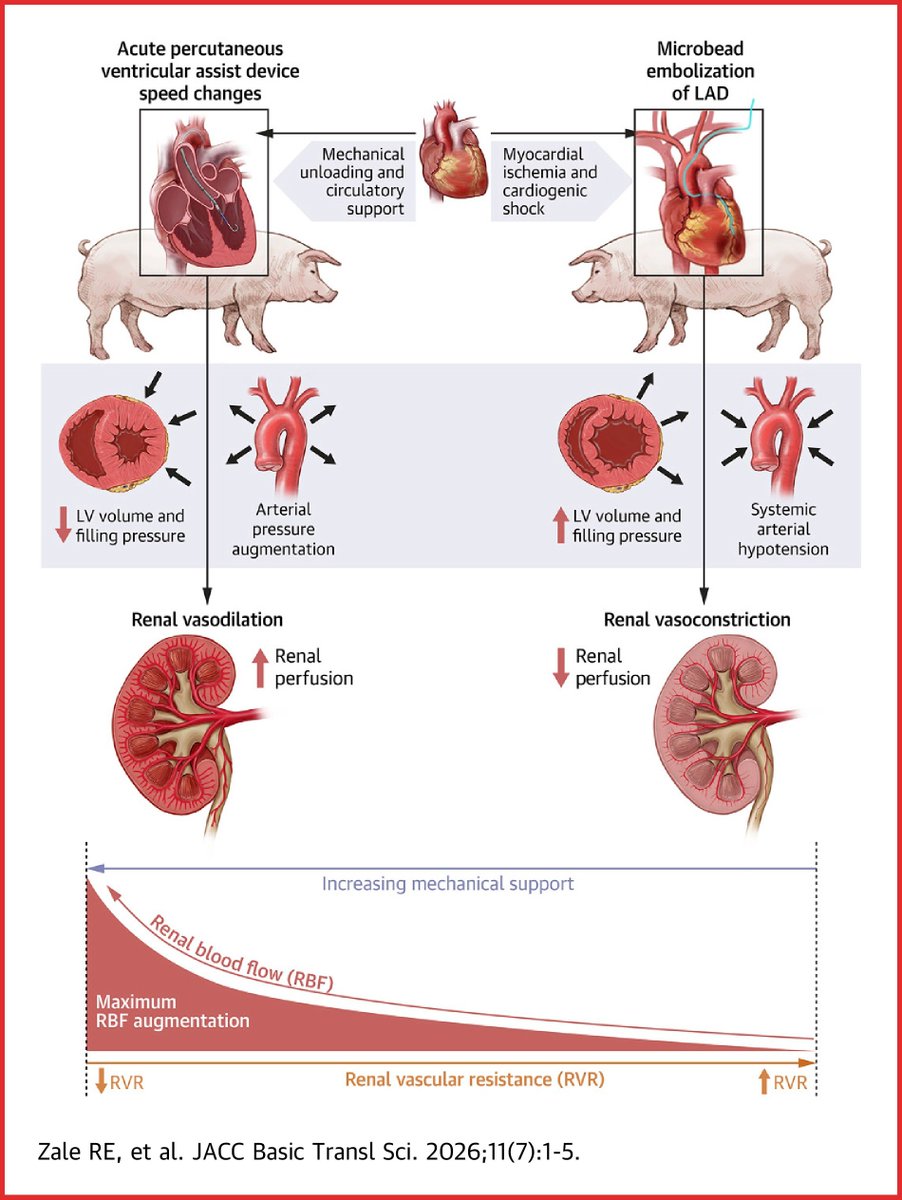
New study in @JACCJournals shows pVAD can boost renal blood flow by inducing vasodilation, but benefit depends on renal vascular tone. 🩸🫀 High resistance = limited effect #CardioTwitter #Kidney #MCS jacc.org/doi/10.1016/j.jacbt…
5
7
718
Gian Manuel Jmz Rdz retweeted

Jun 5
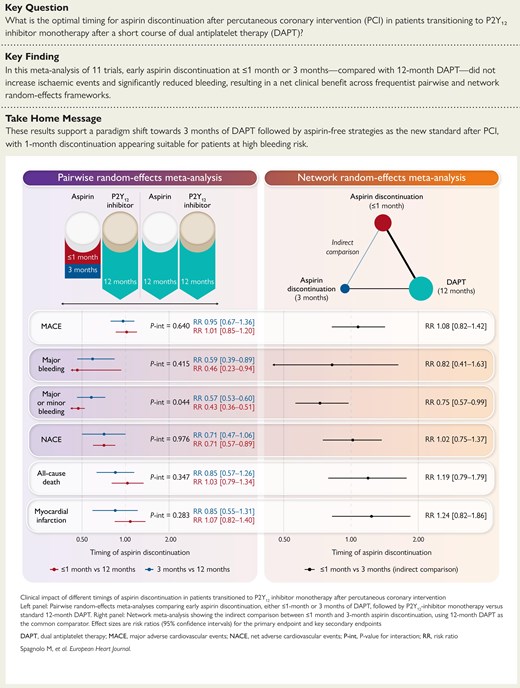
We know that aspirin can often be safely discontinued after PCI, provided it is not stopped too early. But how early is too early?
In this meta-analysis of 11 RCTs including 37,443 PCI patients—now incorporating the recent NEOMINDSET and TARGET-FIRST trials—we found that aspirin discontinuation at either ≤3 months or ≤1 month, followed by P2Y12 inhibitor monotherapy, reduced bleeding without increasing MACE compared with 12-month DAPT.
The key finding is that while discontinuation within the first month may provide an additional bleeding benefit, it appears to come at the cost of increased stent thrombosis, particularly in patients at higher ischaemic risk.
academic.oup.com/eurheartj/a…
1
46
121
8,796
Gian Manuel Jmz Rdz retweeted

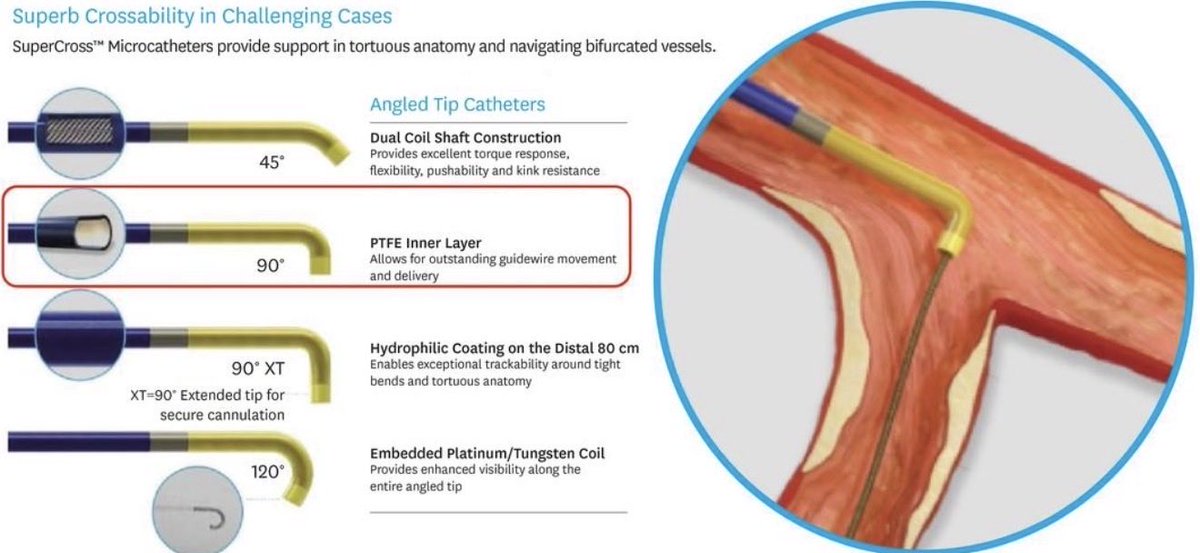
A flush-occluded LAD with a near 90° takeoff, a 9 mm left main, and a 5 mm LAD at 4:30 PM after a full day in the cath lab… character-building STEMI 😊
The 90° SuperCross & Pilot 200 came to the rescue.
@TeleflexCardiol @AbbottCardio ✊🏾
Teaching points:
👉Know your tool box 🧰
👉We usually avoid “nailing” the ostium when there’s no landing zone. But when IVUS shows a 9mm left main nearly twice the size of the LAD, sometimes the perfect stent landing zone simply doesn’t exist.
👉Complex PCI is sometimes about choosing the best imperfect option.
#STEMI #PCI #IVUS #CathLab
@ACCinTouch @SCPEthiopia @HeartAEthiopia @mmamas1973
#ACCEarlyCareer
5
10
58
10,314
Gian Manuel Jmz Rdz retweeted
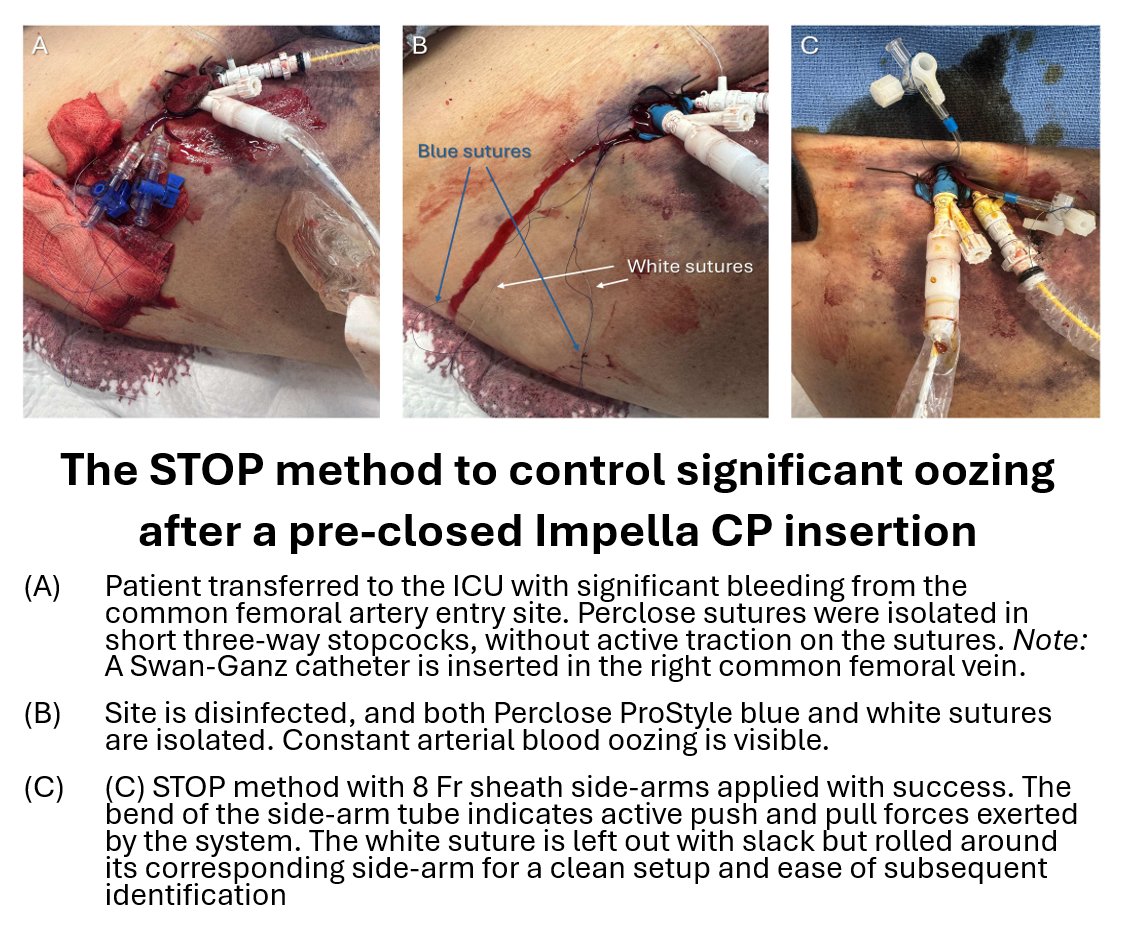
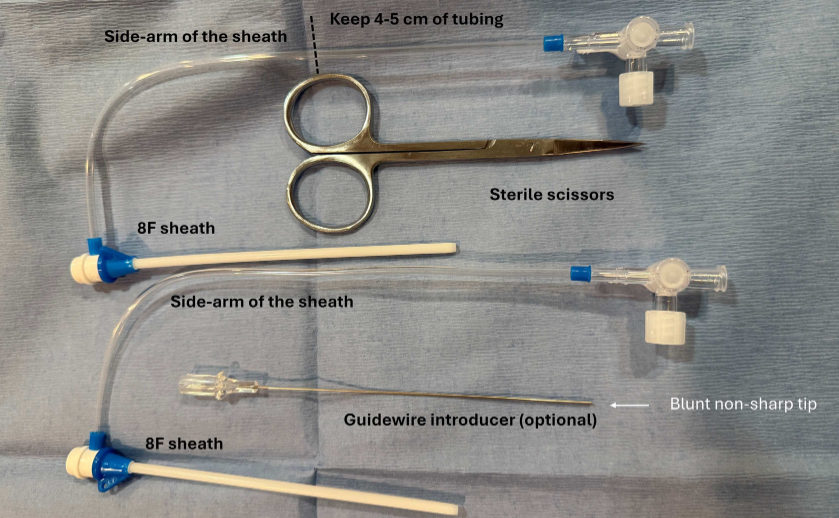
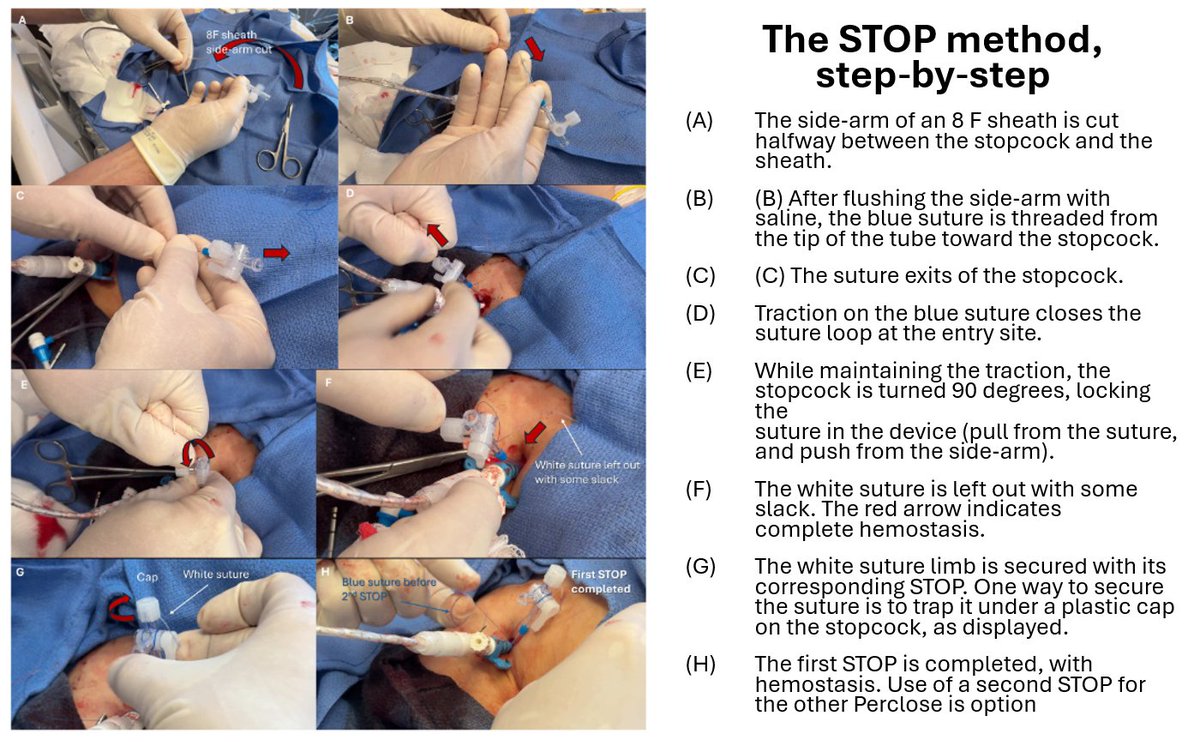
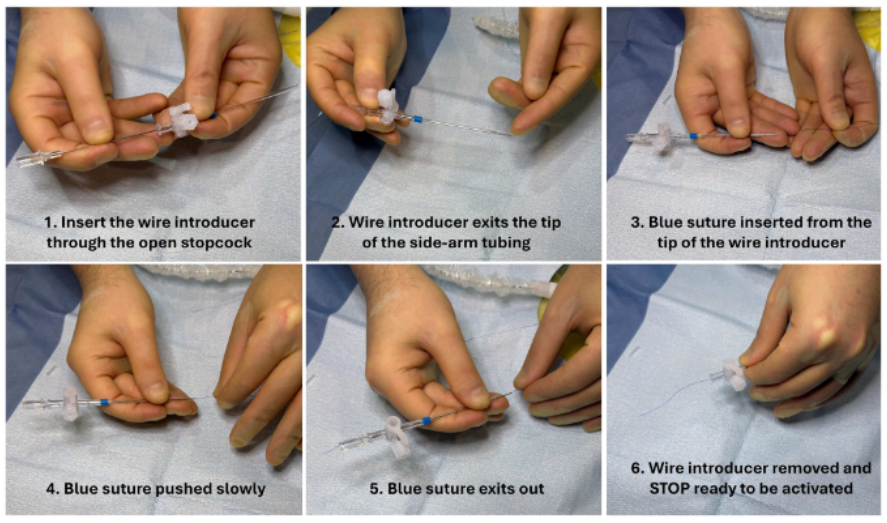
Another acronym worth remembering? The Side-arm Technique On Perclose (STOP) for large-bore vascular hemostasis onlinelibrary.wiley.com/doi/… @ccijournal
1
21
76
13,966
Gian Manuel Jmz Rdz retweeted

🔊 Proper IVL balloon prep matters!
Even small amounts of residual air can reduce sonic pressure by up to 20%. And remember: non-ionic contrast alone won’t work. IVL requires a saline-contrast mixture to generate shockwaves.
🎥 See the video for the correct technique.
2
38
127
11,574
Gian Manuel Jmz Rdz retweeted
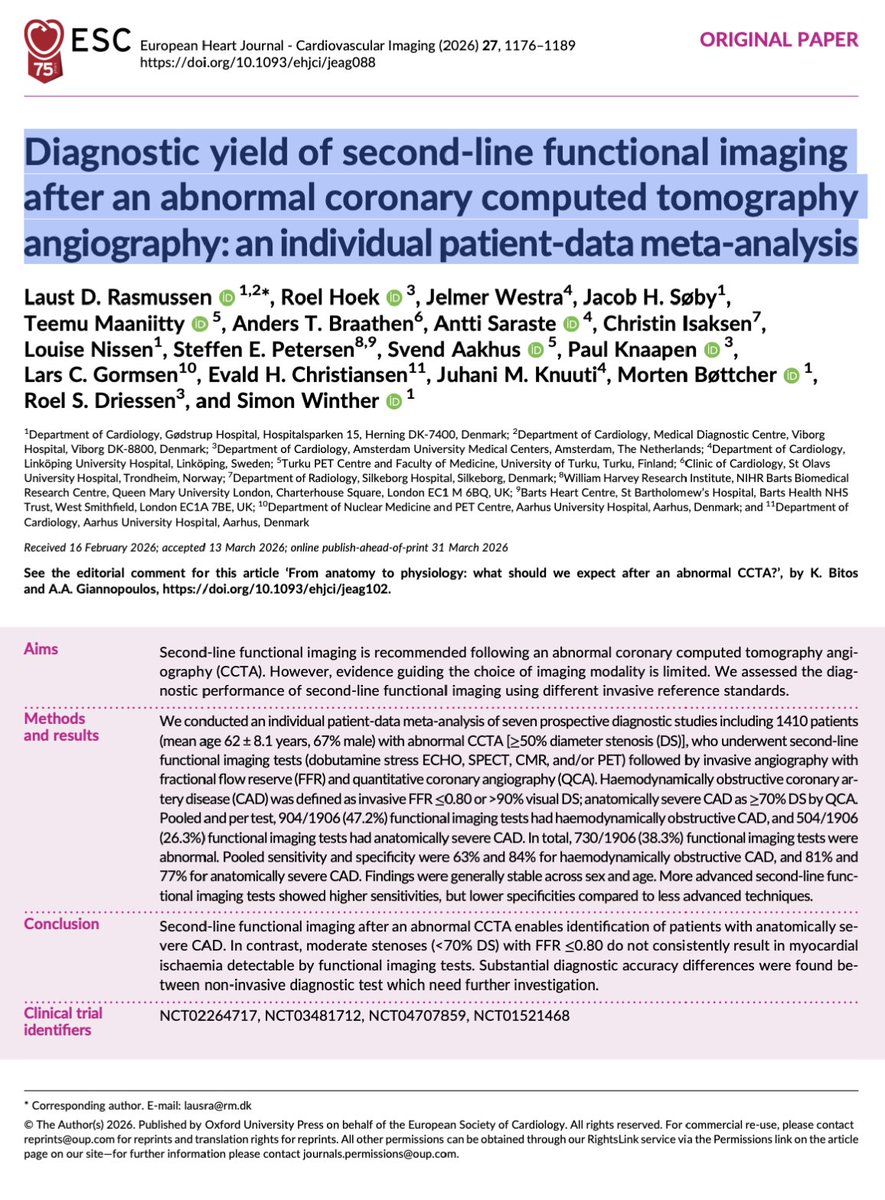
🚦FFR-Positive, Ischemia-Negative: The Elephant in the Room
For years, we have been told that after an abnormal CCTA, functional testing helps identify the lesions that “really matter.”
This large individual patient-data meta-analysis challenges that assumption.
Among patients with ≥50% stenosis on CCTA:
✅ Functional imaging identified anatomically severe CAD reasonably well (81% sensitivity).
❌ But for lesions with FFR ≤0.80, sensitivity dropped to only 64% overall.
In other words:
A substantial proportion of FFR-positive lesions do NOT produce detectable ischemia on stress imaging.
This raises an uncomfortable question:
If a lesion is FFR-positive but does not generate measurable ischemia, what exactly are we measuring?
A pressure gradient?
A biological disease process?
Or a surrogate endpoint that only partially overlaps with clinically relevant myocardial ischemia?
The study also showed that the most advanced imaging techniques (PET and high-field CMR) were more sensitive, while more traditional approaches were more specific. Yet even the best modalities failed to identify all FFR-positive lesions.
The broader implication
Perhaps the problem is not that functional imaging is insufficient.
Perhaps the problem is the expectation that:
FFR-positive = ischemic = clinically relevant
These concepts are related.
They are not synonymous.
As cardiac imaging continues to evolve, the future may lie less in choosing between anatomy and physiology and more in integrating:
👉 plaque burden
👉 plaque phenotype
👉 myocardial consequences
👉 symptoms
👉 physiology
into a unified disease model.
Because coronary artery disease is more complex than a pressure wire value.
#CardiacCT #CCTA #FFR #PET #CMR #CoronaryArteryDisease #PrecisionMedicine #PreventiveCardiology #CardiovascularImaging
1
27
82
7,225
Gian Manuel Jmz Rdz retweeted
May 30
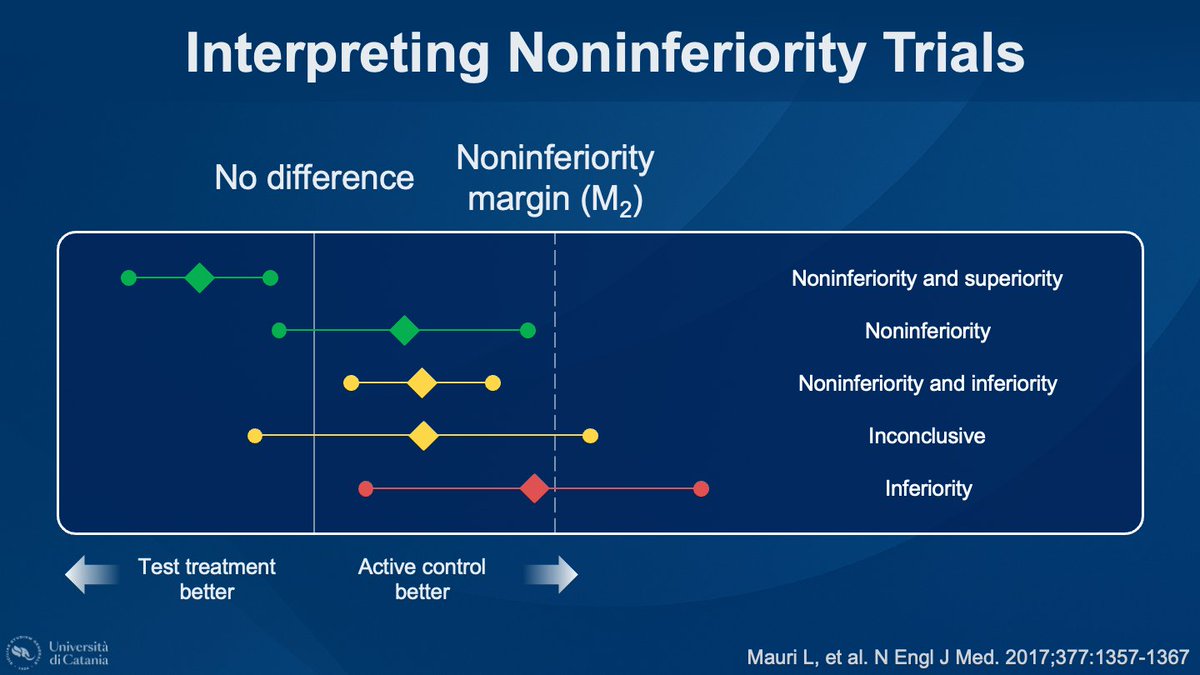
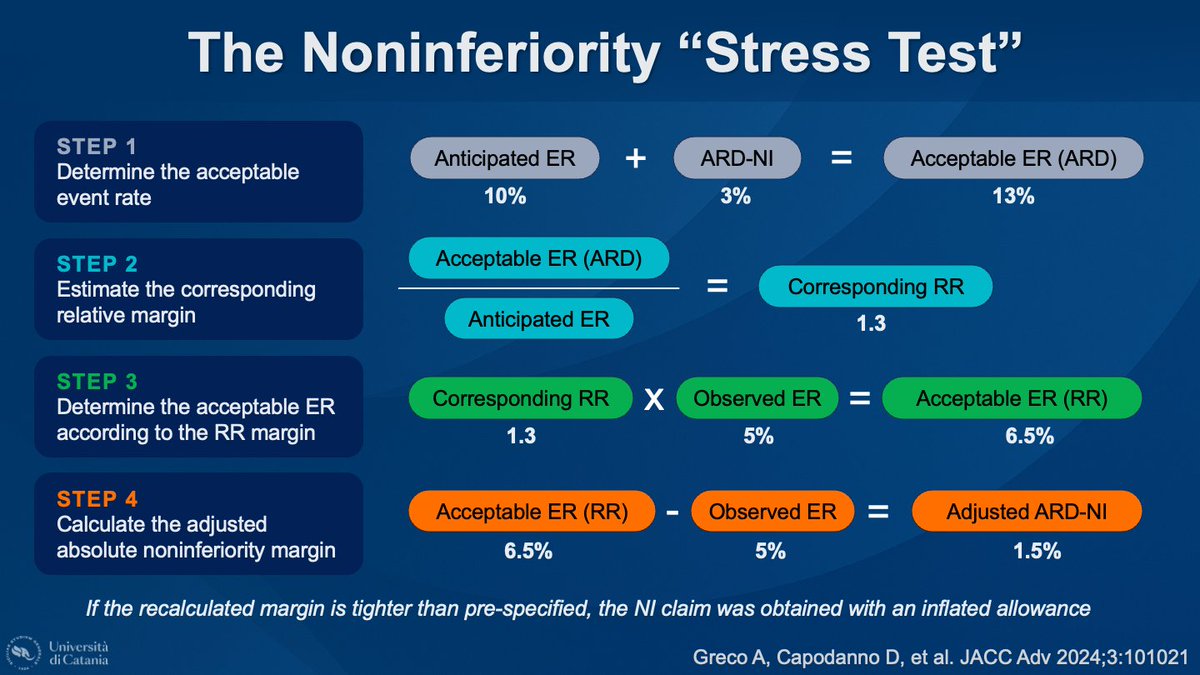
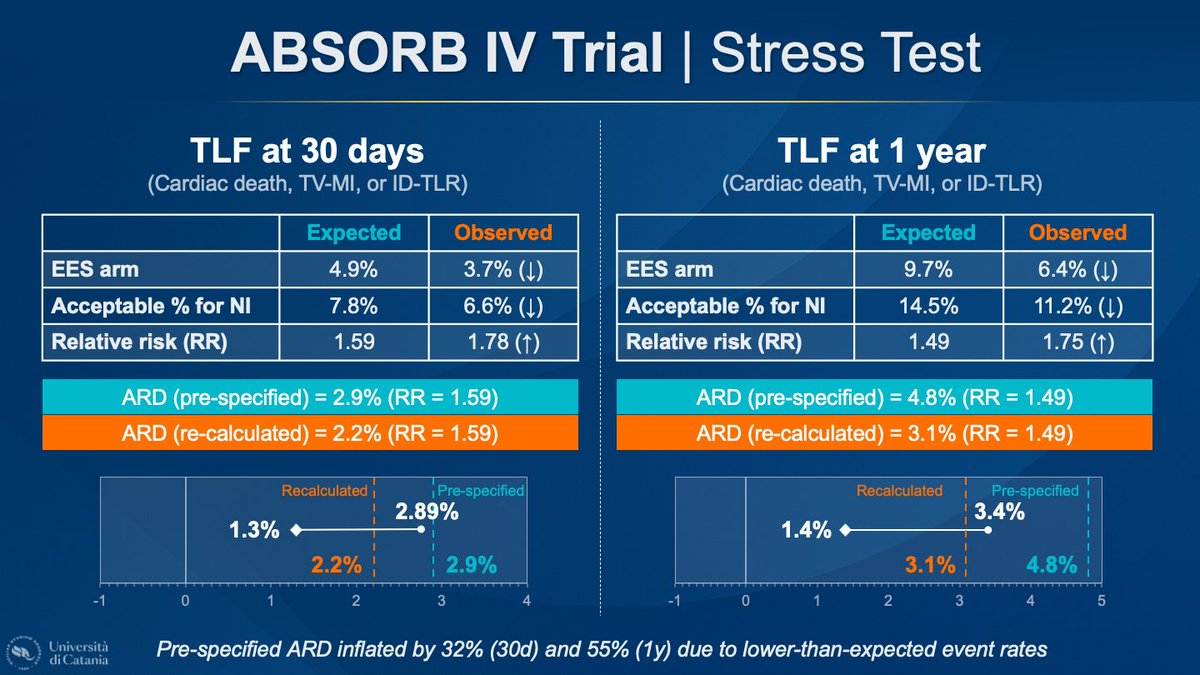
A p-value below the noninferiority threshold is not a free pass. Noninferiority margins need clinical justification, and intention-to-treat and per-protocol analyses should ideally point in the same direction. As DES outcomes continue to improve, noninferiority trials of coronary devices become increasingly fragile.

6
45
152
28,821
Gian Manuel Jmz Rdz retweeted

May 28
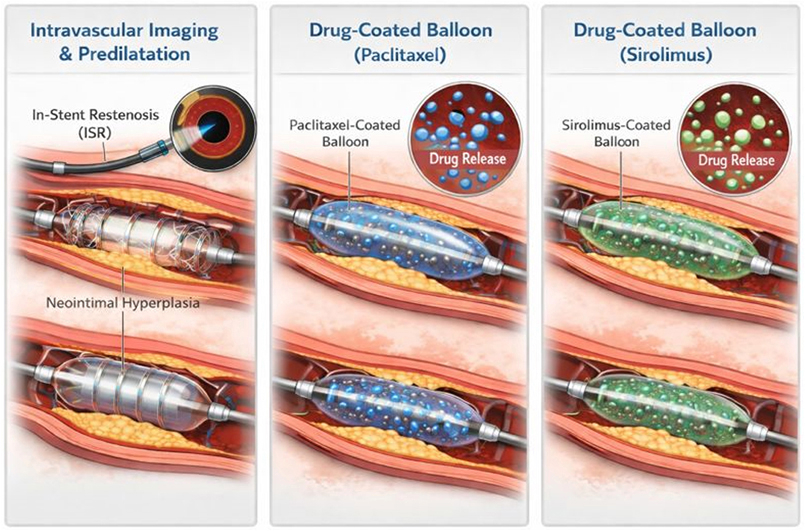
Here's a case describing a novel technique (the double-DCB technique) for the treatment of recurrent in-stent restenosis by applying 2 different DCBs, thereby avoiding the implantation of another layer of metal in our patients. jacc.org/doi/10.1016/j.jacca… #JACCCaseReports #PCI
10
44
126
14,215

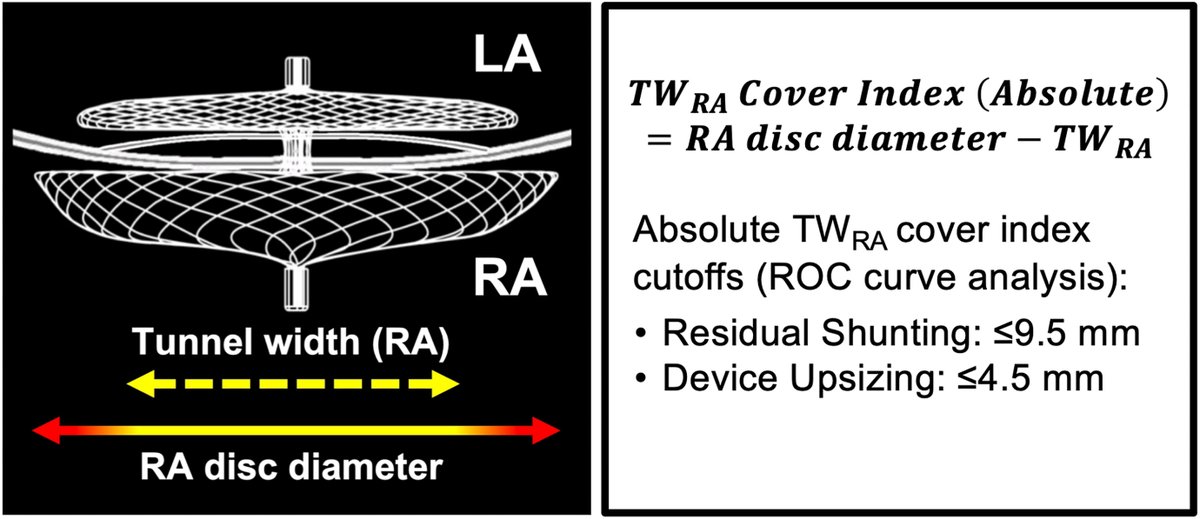
📖Beyond Tunnel Length: Tunnel Width-Derived Cover Index Improves Device Sizing & Predicts Outcomes after Transcatheter #PFO Closure #Echofirst
➡️doi.org/10.1016/j.jscai.2026…
@praveen520
8
8
994
Gian Manuel Jmz Rdz retweeted

May 27
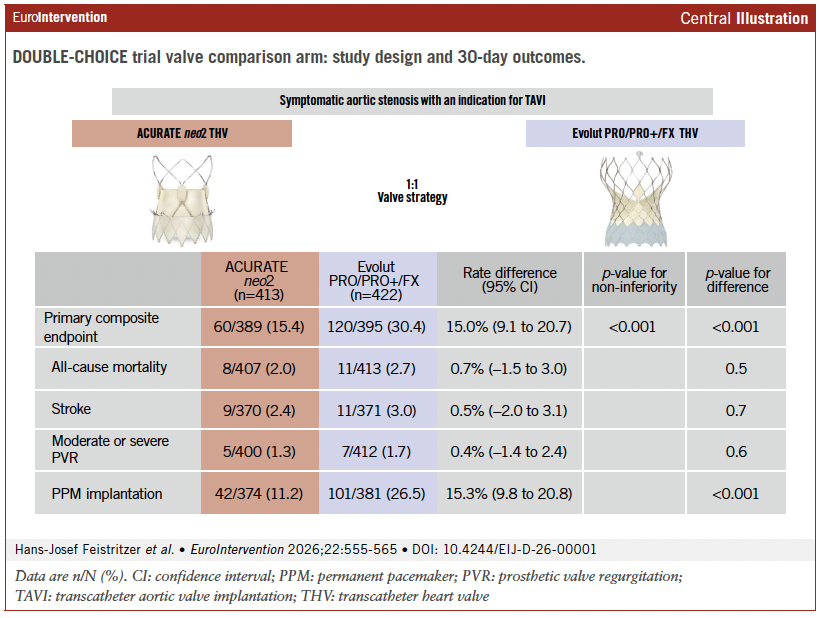
In the multicentre randomised DOUBLE-CHOICE trial, the ACURATE neo2 valve was non-inferior to the Evolut platform in selected anatomies undergoing TAVI.
The primary composite endpoint at 30 days occurred less frequently with ACURATE neo2, largely driven by significantly lower permanent pacemaker implantation rates, while rates of stroke and moderate/severe prosthetic valve regurgitation remained low in both groups.
🔗eurointervention.pcronline.c…
#TAVI #StructuralHeart #InterventionalCardiology #CardioTwitter #CardioEd
@feistritzerH_J @thiele_holger @mvonroeder
10
22
2,901
Gian Manuel Jmz Rdz retweeted

May 25
#CardioNugget™
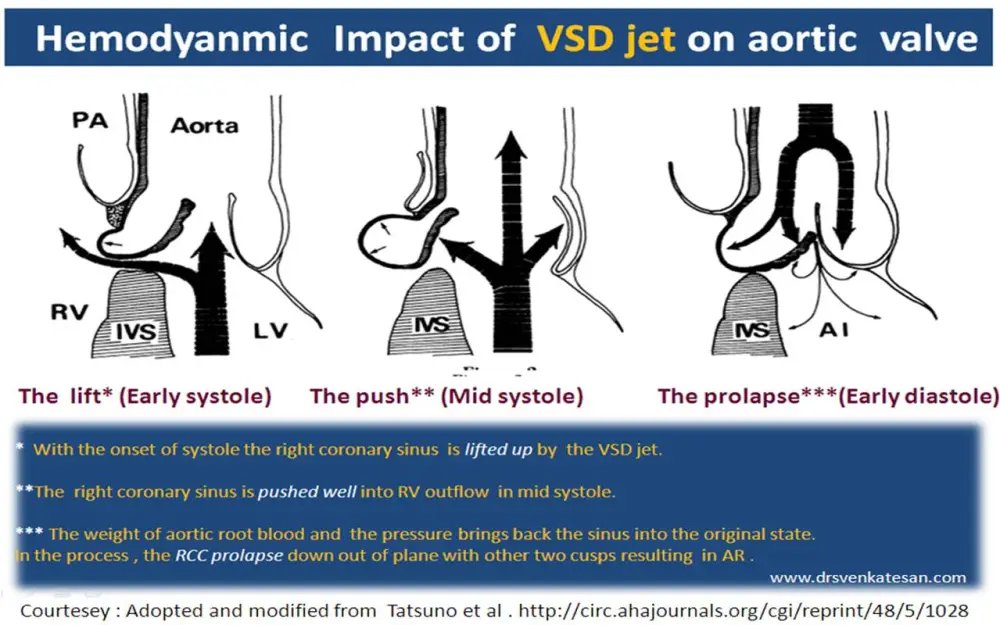
In outlet/supracristal VSDs, the right coronary cusp can lose its supporting septal “shelf” and get pulled/prolapse into the VSD by the Venturi effect from the high-velocity LV→RV jet.
Over time:
RCC prolapse → poor cusp coaptation → progressive aortic regurgitation.
Board pearl:
VSD new AR = think RCC prolapse, especially outlet/supracristal VSD.
#CardioNugget #MedEd #VSD #CardioMed #CongenitalHeartDisease
Image from: drsvenkatesan.com/2010/10/08…
2
34
106
7,822
Gian Manuel Jmz Rdz retweeted

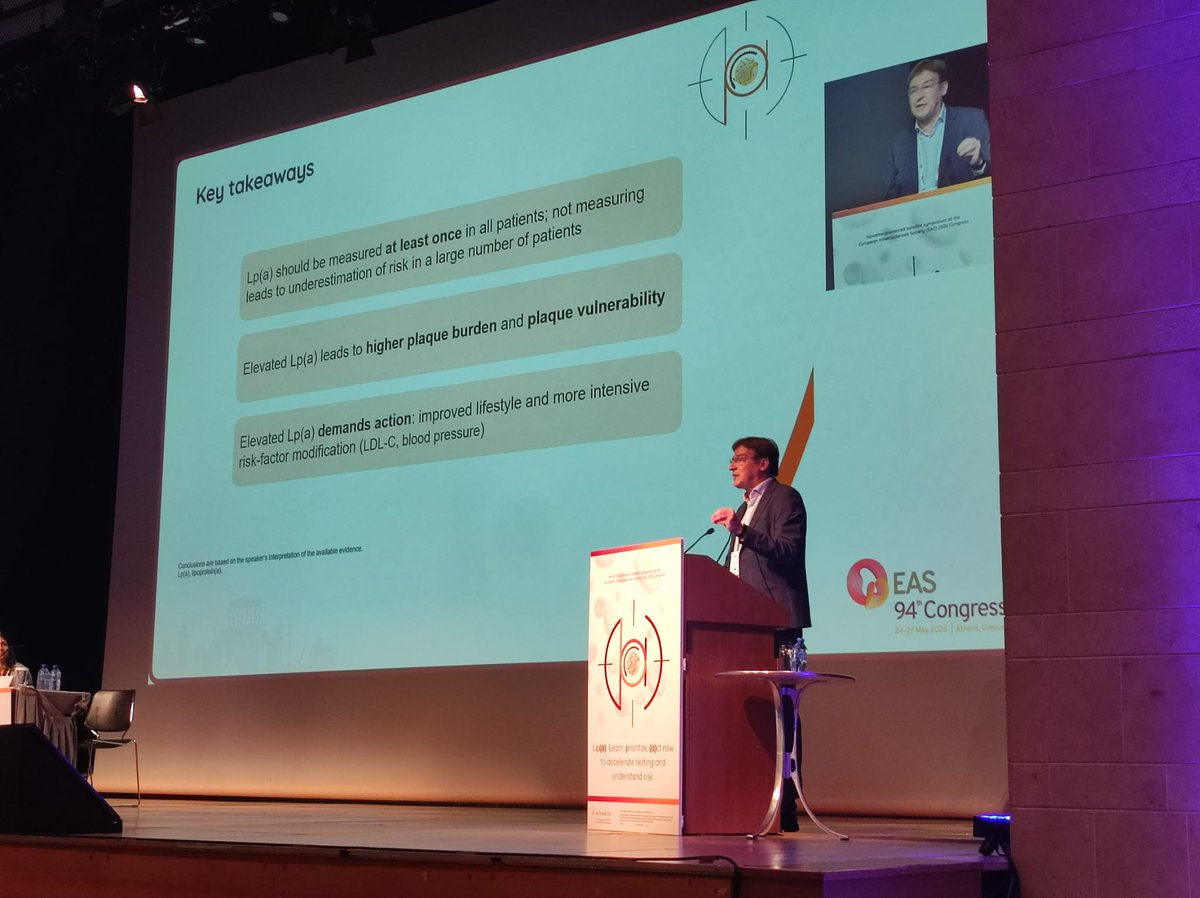
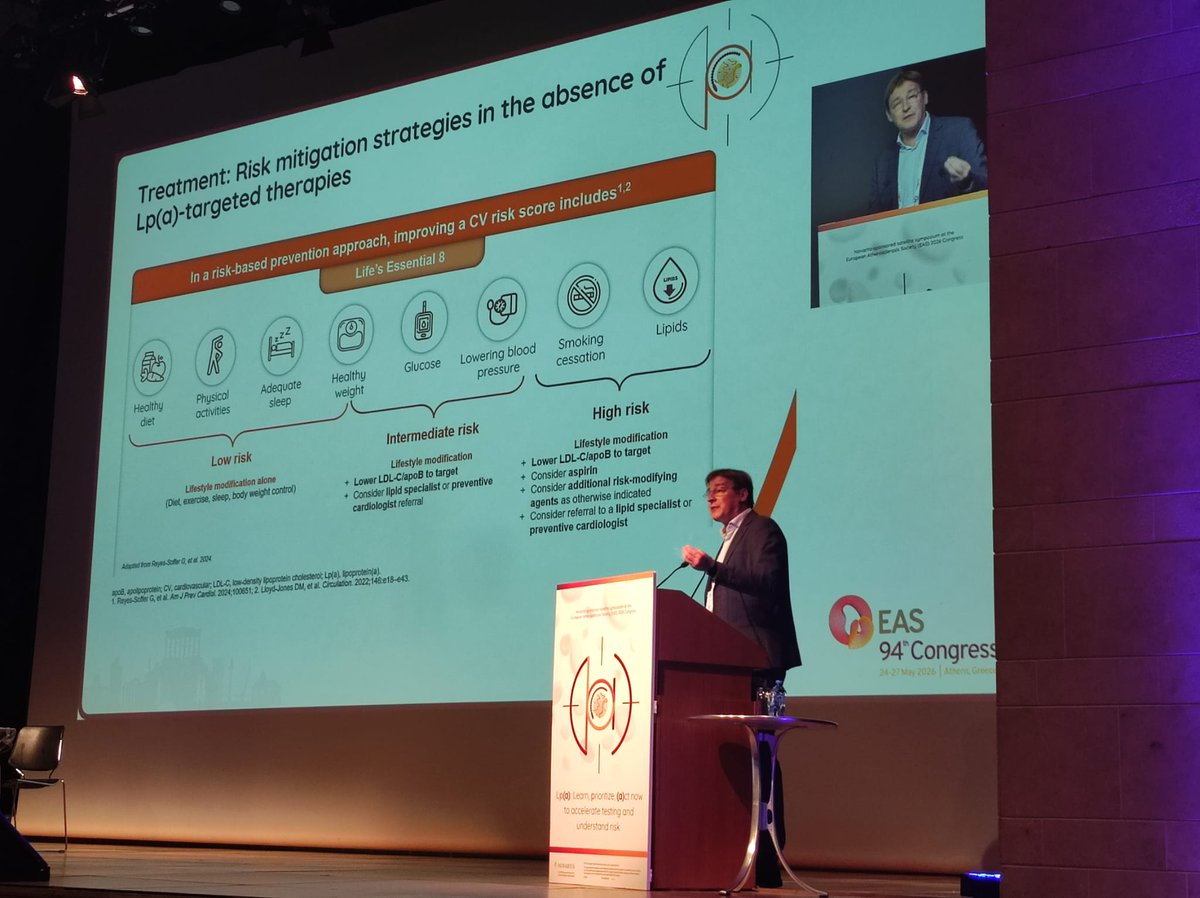
Not measuring Lp(a) means underestimating inherited risk in many patients.
Elevated Lp(a) is linked to higher plaque burden/vulnerability, and should push us to act on total risk: LDL-C/ApoB, BP, lifestyle and other modifiable factors. #MyEAS2026 #EASCongress2026
3
14
44
3,540
Gian Manuel Jmz Rdz retweeted
May 22
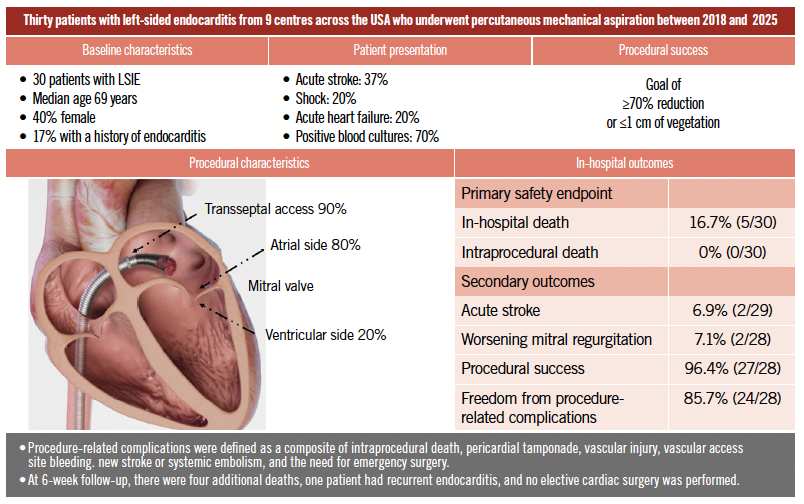
This analysis presented as SIMULTANEOUS PUBLICATION #EuroPCR from the CLEAR-IE registry evaluated percutaneous mechanical aspiration in patients with left-sided infective endocarditis.
In a high-risk cohort, PMA was associated with high procedural success and a favourable rate of procedural complications despite the complexity of disease presentation.
Read full paper 🔗eurointervention.pcronline.c…
#Endocarditis #StructuralHeart #InterventionalCardio
@NahyrLugo @benhibbertMDPhD @PedroMDMSc @SripalBangalore @MohammedQintar @SEH_MD @psorajja @HamidNadira @sahilparikhmd @aelsab
33
46
4,495
Gian Manuel Jmz Rdz retweeted

May 23
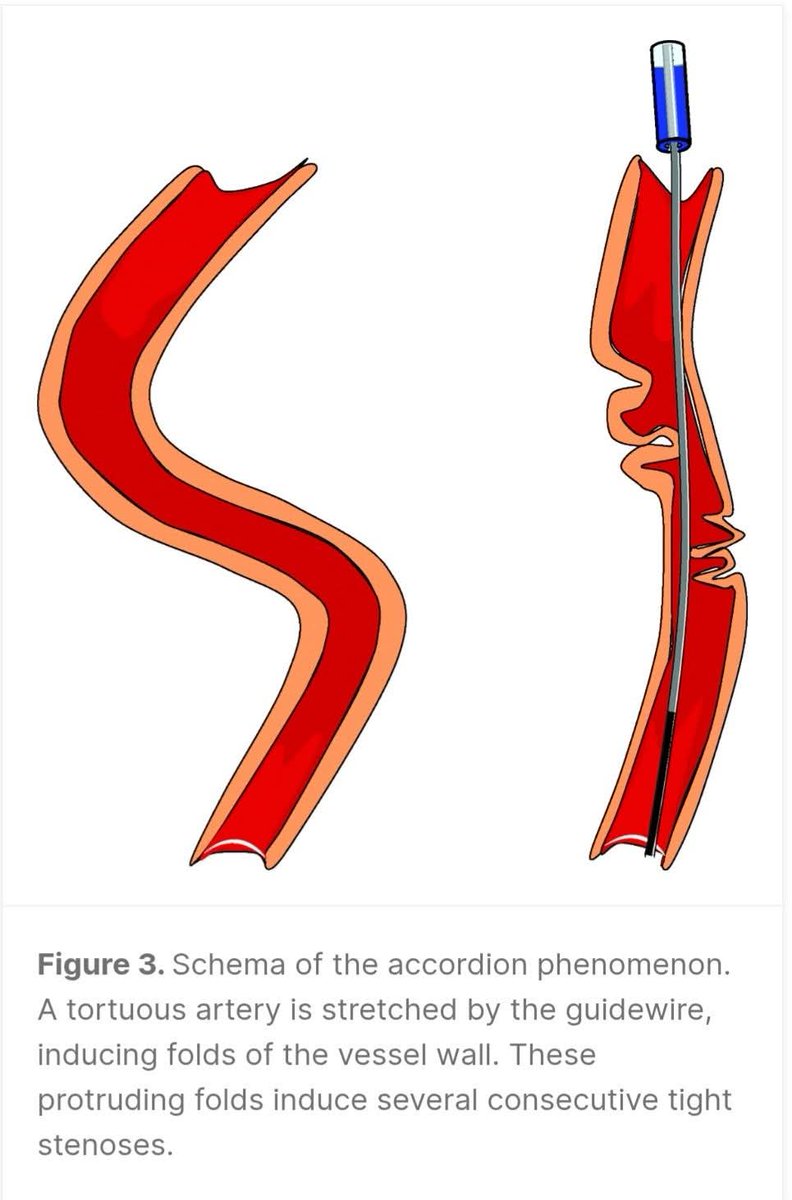
Accordion 🪗 Phenomenon
(Concertina Effect)
1
21
91
5,622
Gian Manuel Jmz Rdz retweeted

What are you doing after BCIS-CHIP 3?
❓Impella vs no Impella for high risk PCI
❓Should we be renaming it- High hemodynamic risk PCI?
Here’s a case where PCI was not possible
w/o support. EF 15% EDP 34. Lost pulsitility even w/ RCA PTCA. DK crush LM not possible without support
#Cardiology #CardioX #PCI #Impella @BotPci @RadialFirstBot
6
9
51
8,698