
638 Photos and videos




Alejandro retweeted

Jun 10
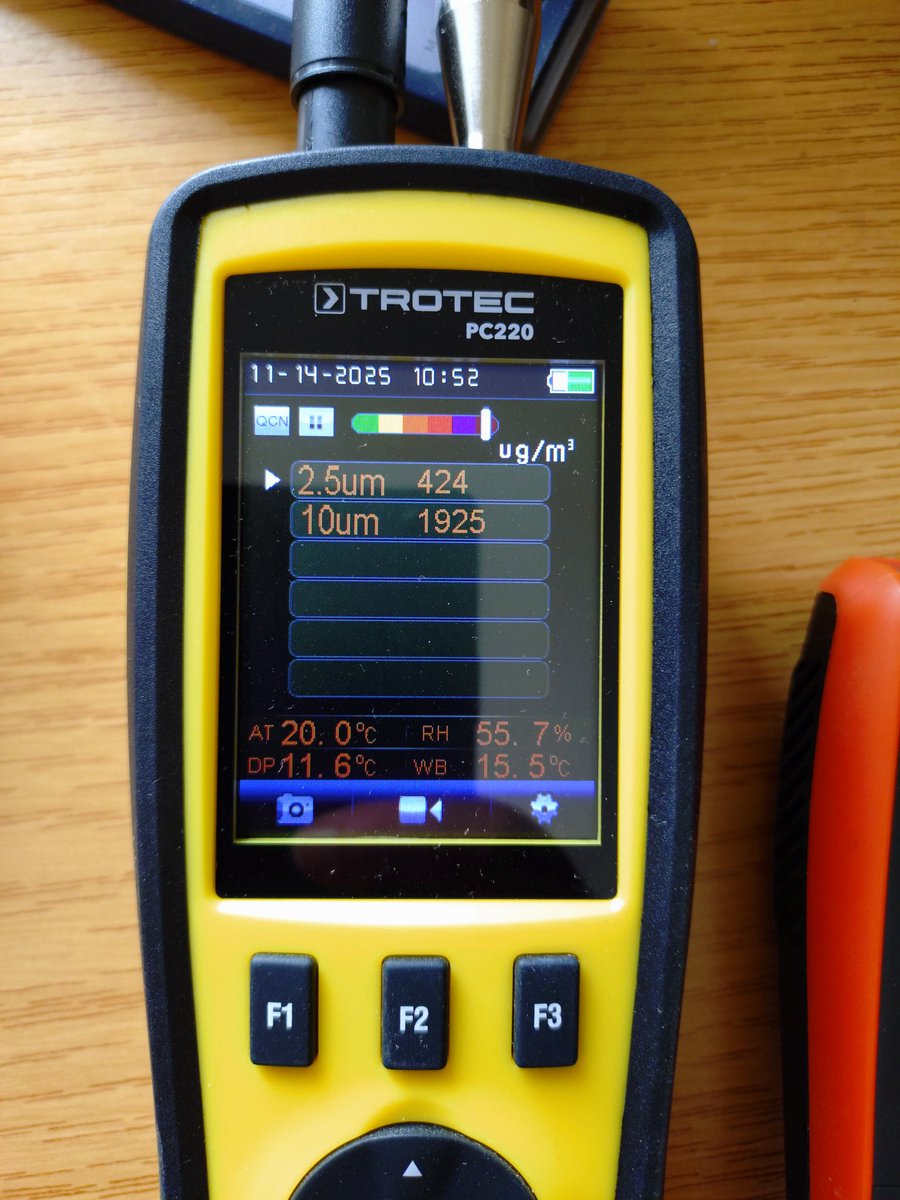
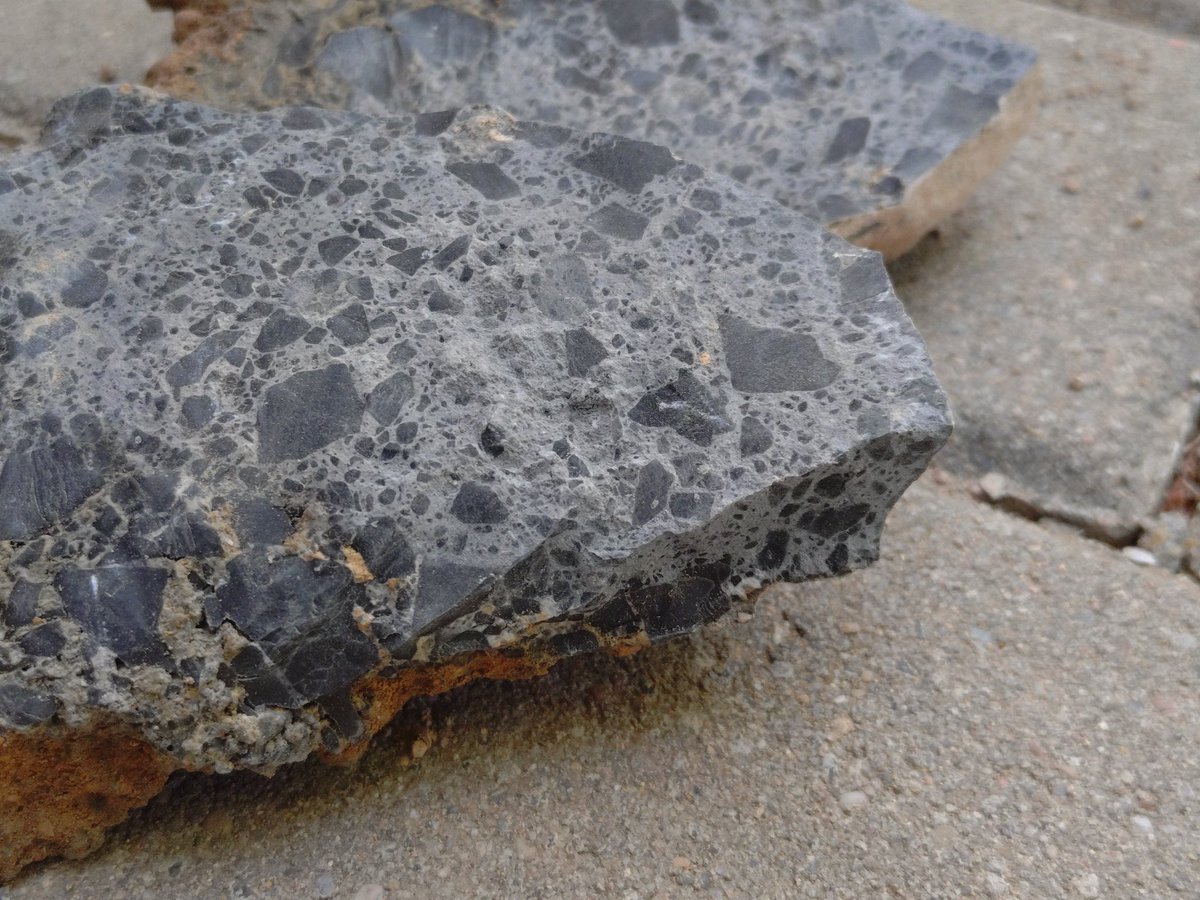
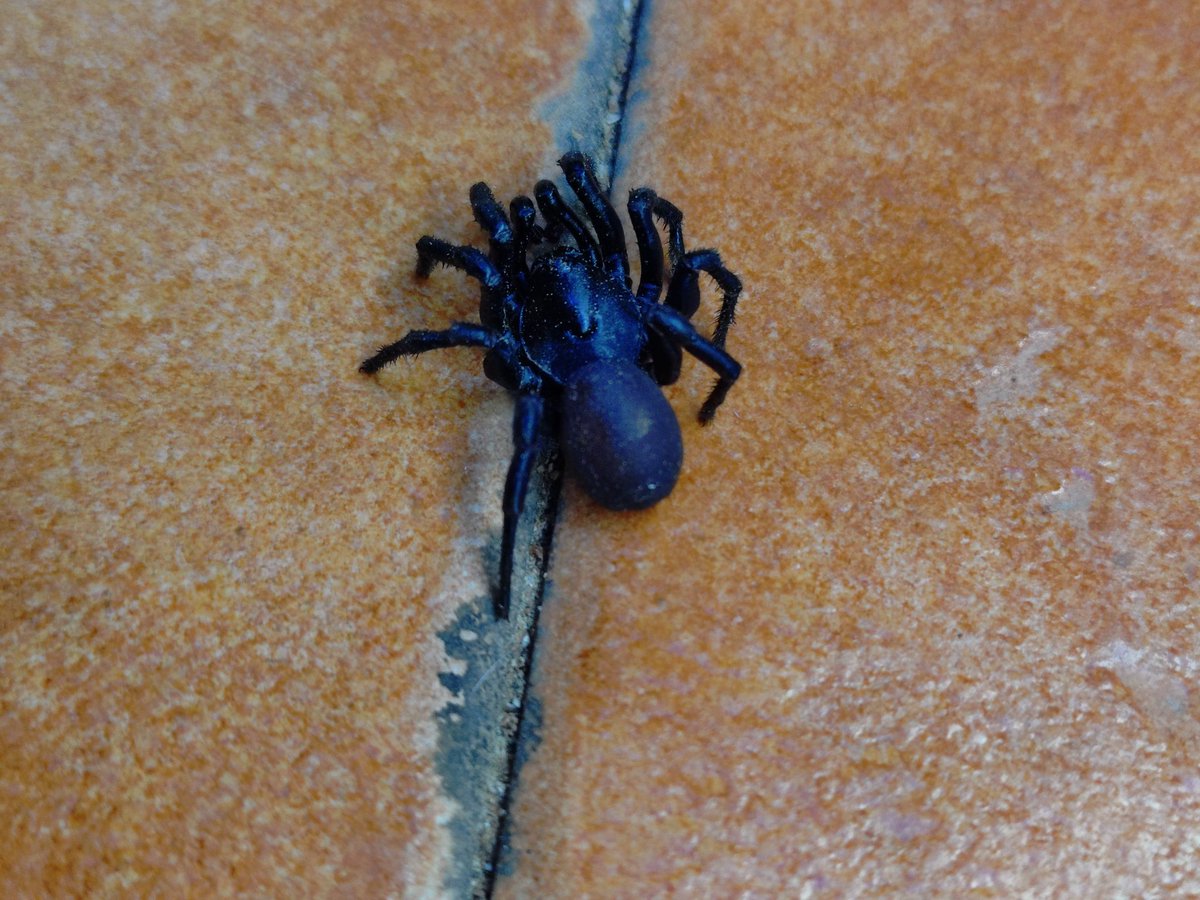
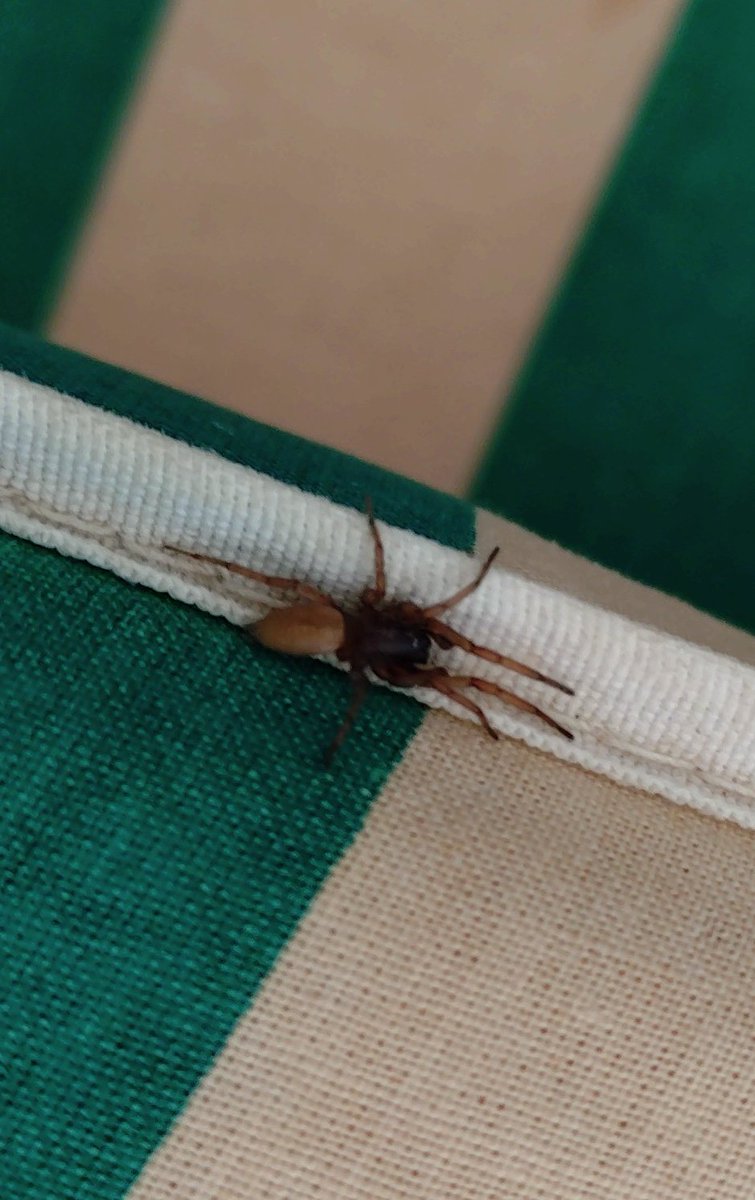
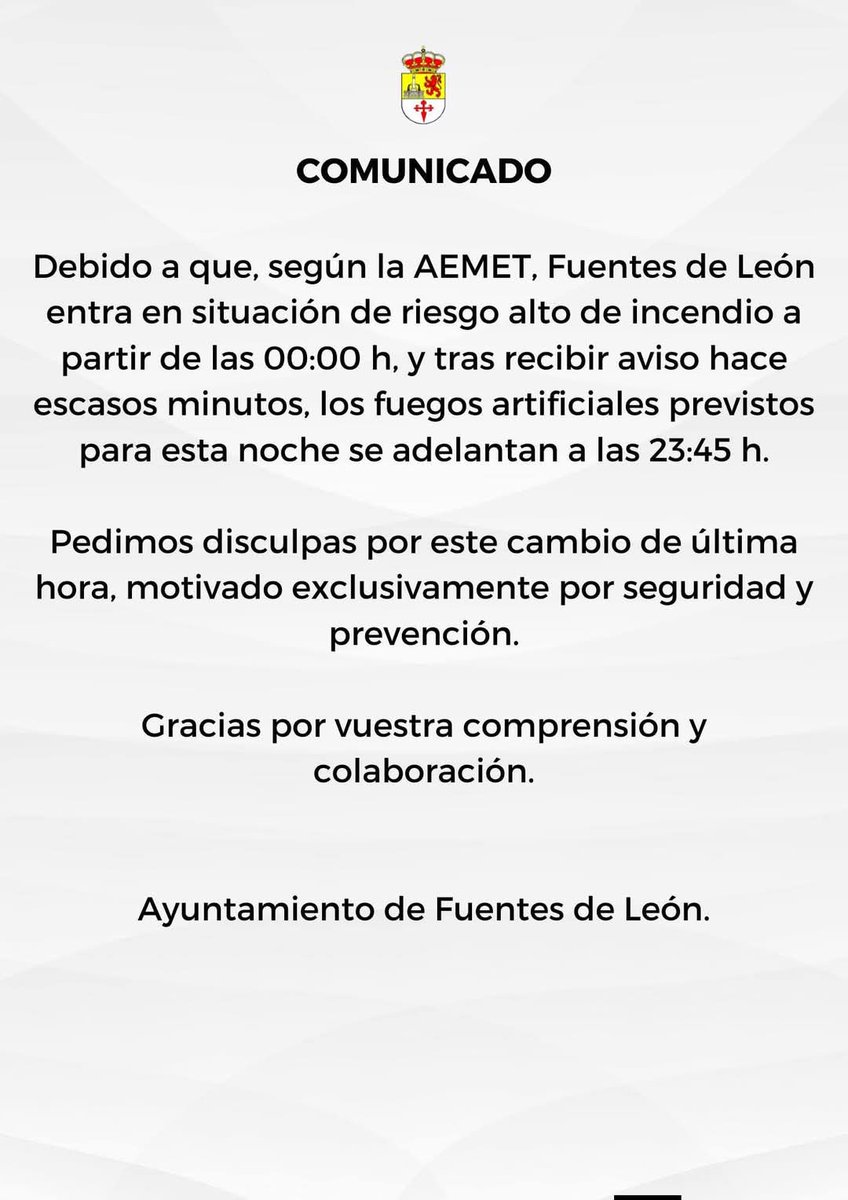
Este comunicado del Ayuntamiento de Fuentes de León no es de coña ni es fake.
Poco nos pasa.
779
5,618
22,528
1,211,613
Alejandro retweeted

Jun 1
One year ago, I gave this interview to CNN about leaving the U.S. because of cuts to scientific funding and because immigrant scientists like me no longer felt welcome there.
What followed was a difficult year. I applied for dozens of positions, received dozens of rejections, and eventually relocated to Germany. Even now, I still mourn some of those opportunities that never materialized. That's a normal part of the process.
At the time, there was widespread concern that American scientists would flood an already saturated European academic job market. That never happened, and likely never will. The reality is that opportunities outside the U.S. are far scarcer than many people realize.
Many of the initiatives and campaigns that promised a "safe haven" for scientists leaving the U.S turned out to be something else entirely. In practice, most were used to attract European researchers back from American institutions, while others functioned largely as political or media statements. Very few created meaningful opportunities for the thousands of scientists, immigrants and U.S. citizens, whose careers were disrupted by funding cuts and instability.
The hard truth is that most scientists affected by these policies remain trapped. They cannot easily stay, but they cannot easily leave either. Meanwhile, the situation continues to deteriorate.
I wish more institutions and governments expressing concern about the U.S. scientific exodus would move beyond press releases and empty gestures and invest in real pathways for talented researchers to rebuild their careers elsewhere.
#BrainDrain
edition.cnn.com/2025/06/01/w…
52
475
1,464
62,772

In Europe we don’t even have favipiravir anymore

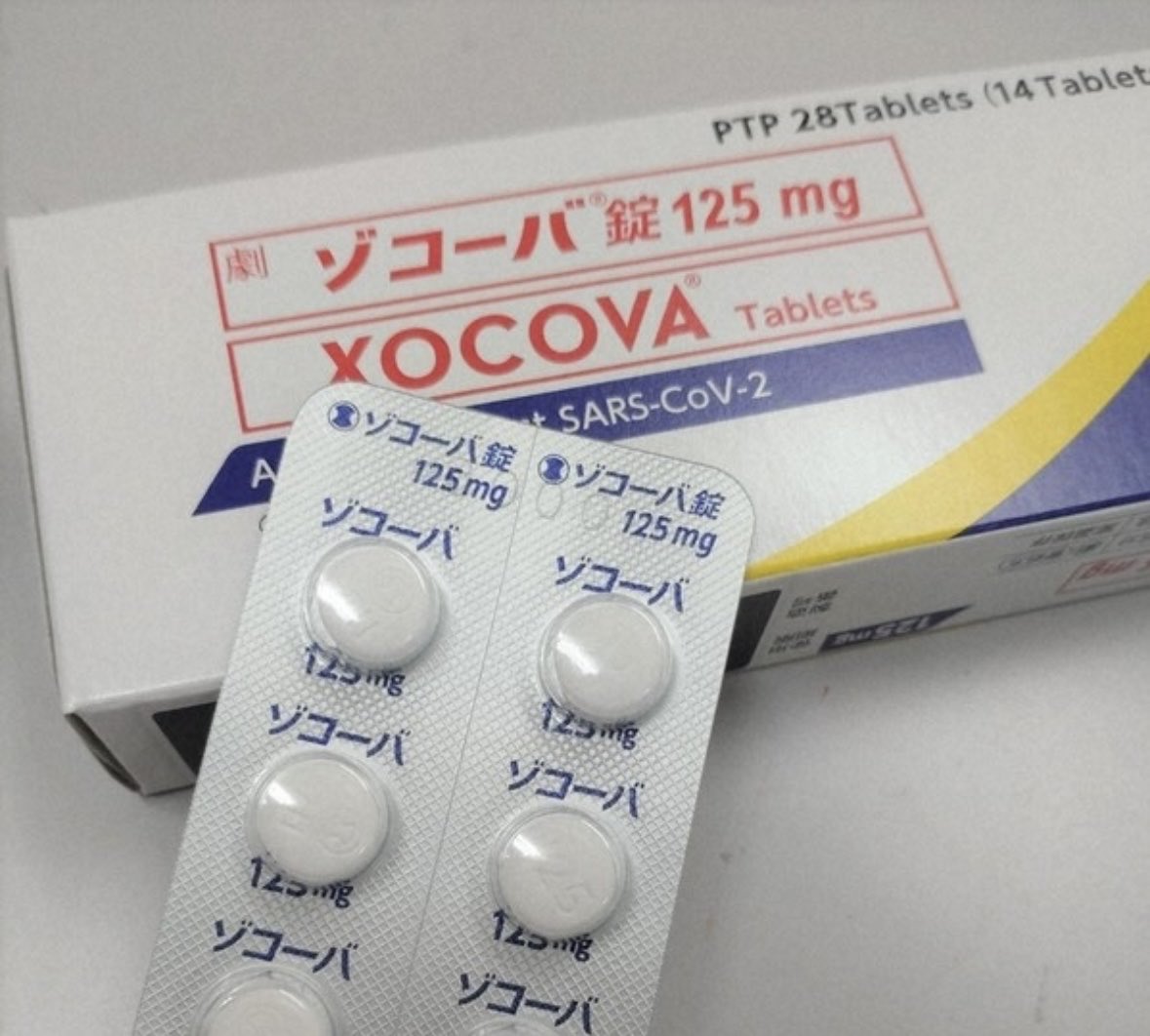
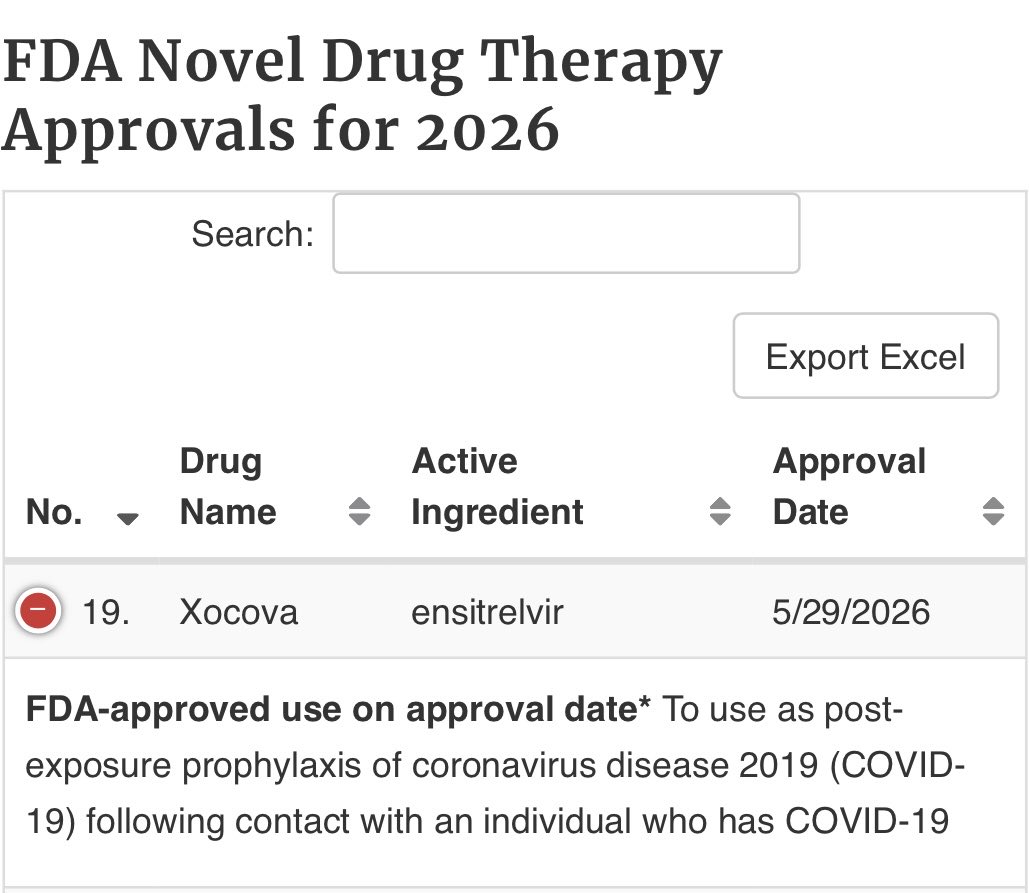
🚨💊HUGE news: @US_FDA has finally granted approval to @ShionogiUS’s Xocova (Ensitrelvir), a 2nd-generation antiviral targeting SARS-CoV-2.
The approval is for the indication of “post-exposure prophylaxis of COVID-19 following contact with an individual who has COVID-19”. However, just like with any drug, it can obviously also be used off-label (e.g. treatment of both acute COVID or Long COVID).
In Japan, Xocova received Emergency Use Authorization for the treatment of acute COVID all the way back in November 2022, received full approval in March 2024, and an expansion to include post-exposure prophylaxis in March 2026.
The post-exposure prophylaxis indications are based on the SCORPIO-PEP trial (nejm.org/doi/full/10.1056/NE…), where Xocova reduced the incidence of COVID-19 after household exposure by 67%, from 9.0% down to 2.9%.
Mechanically, Xocova is the same class of drug as Paxlovid - a 3C-like protease inhibitor that inhibits viral replication. From our best understanding, Xocova is probably slightly more potent than Paxlovid, but the more definitive advantage is that it comes with less side effects and less drug interactions (which are caused by the Ritonavir component of Paxlovid, added to boost the concentration of the actual antiviral, Nirmatrelvir).
Xocova should be useful for lowering viral load during an acute infection, especially if taken within a couple or days of symptom onset, which may help shorten the duration of acute symptoms. Will it do anything to prevent long-term damage or the development of Long COVID? Almost certainly not, just like Paxlovid, but I’d be more inclined to tell people that it’s worth trying if we’re no longer dealing with the side effect profile of Paxlovid.
Where it makes the most sense to use Xocova, just like with Paxlovid, is as a component of polytherapy for Long COVID driven by viral persistence. The big issue there, however, is that you need a longer course of these antivirals than most physicians are willing to prescribe and/or most insurance companies are willing to cover. And they’re generally not very effective as a monotherapy, you need to pair these oral antivirals with other therapies for better coverage and tissue penetration (eg. monoclonal antibodies and Nuvaxovid, and potentially even a 2nd antiviral like Remdesivir).
All in all, this is a very important and long overdue approval. It’s not a game-changing silver bullet, and notably, nobody should really be expecting to use or rely on Xocova in a way that they wouldn’t be open to using or relying on Paxlovid in the present. But there are plenty of applications for it, and Xocova should absolutely be seen as another Swiss cheese layer / tool in the toolbox for COVID conscious community members and any allied medical providers.
28

Alejandro retweeted

May 29
Breaking: Funding from Vitalik Buterin’s Balvi Fund Expands Long COVID Rapamycin Trial
PolyBio today announced new funding that is supporting an open-label extension phase in a clinical trial investigating low-dose Rapamycin as a potential treatment for Long COVID. All participants—including those initially randomized to placebo—will receive low-dose rapamycin during a defined follow-up period. 1/
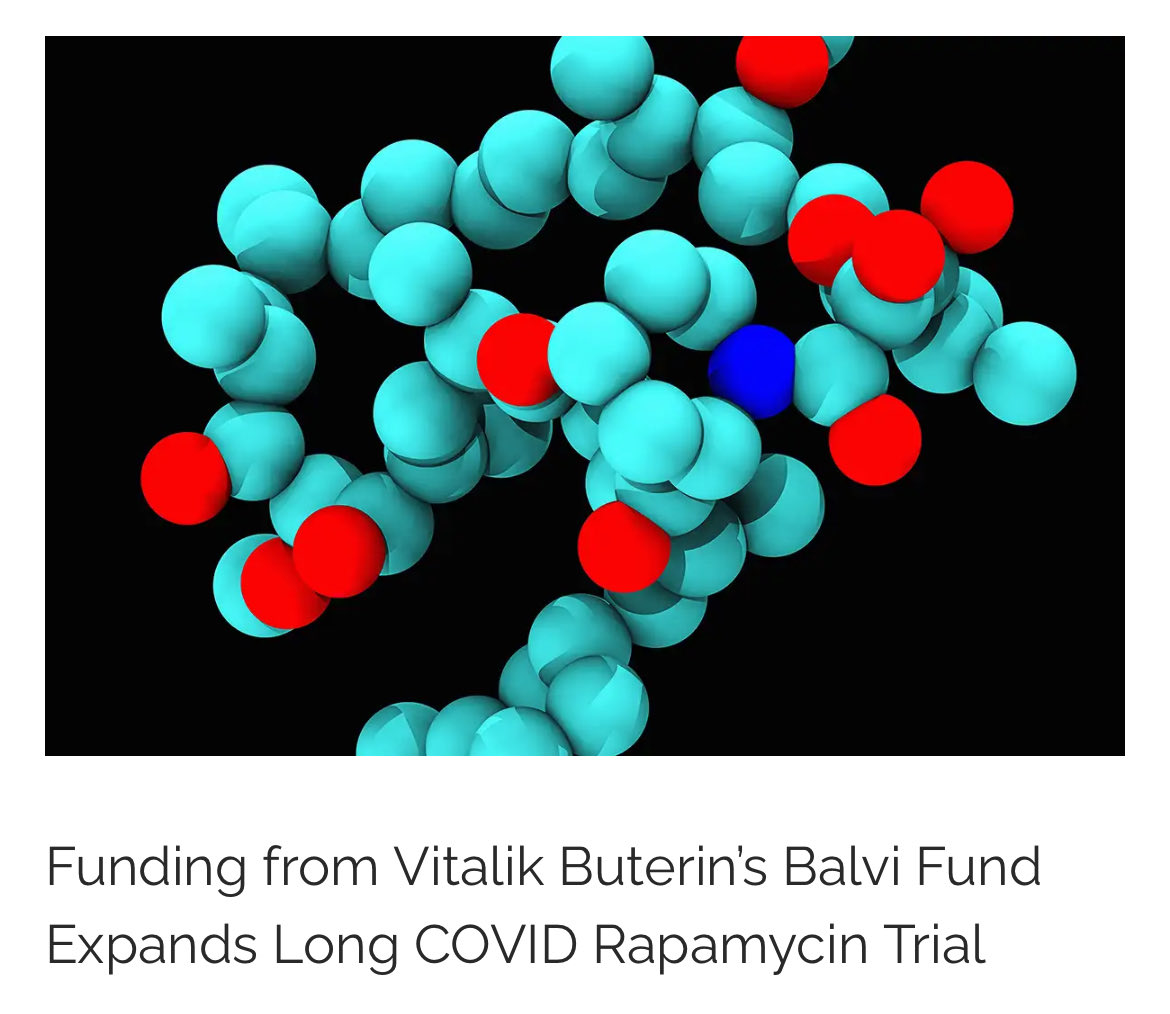
ALT A 3D molecular model of the drug Rapamycin. Most of the chemical structure is comprised of Carbon, shown in the colour turquoise. There are some oxygen atoms scattered throughout the structure shown in red. There is one nitrogen atom shown in dark blue.
15
91
331
21,862
👀👇🏻
May 30

A decades-old diabetes drug appears to act by binding a tiny part of the cell’s ATP machinery—an interaction that only became visible when cells stopped responding without it. @elife medicalxpress.com/news/2026-…
17

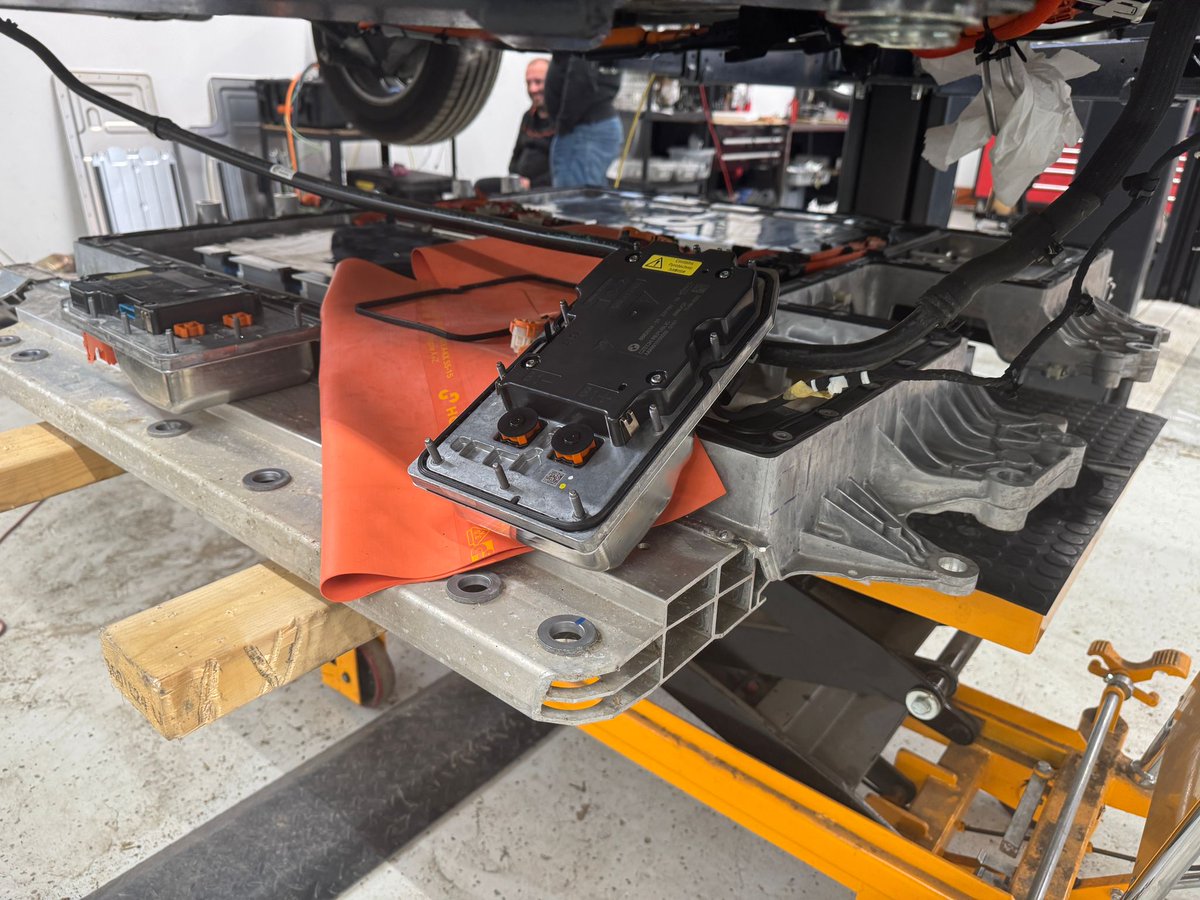
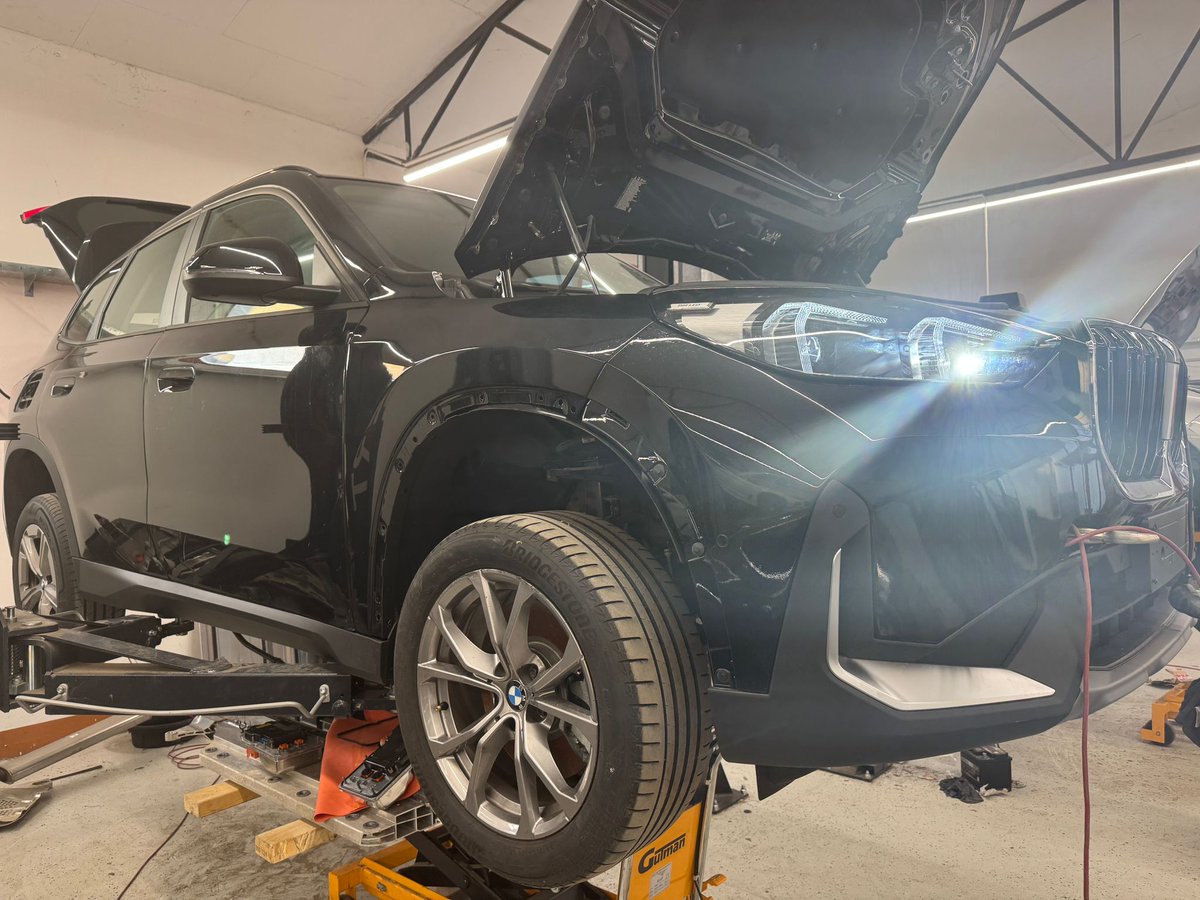
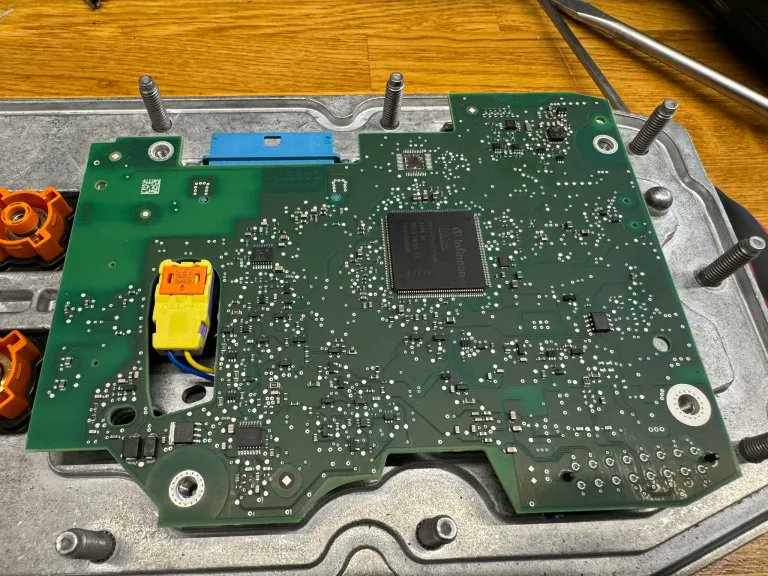
2021 > PHEV BMW iBMUCP 21F37E Post-Crash Recovery — When EU engineering becomes a synonym for “unrepairable” "generating waste".
If you own a BMW PHEV — or if you’re an insurance company — every pothole, every curb impact, and even every rabbit jumping out of a bush represents a potential €5,000 cost, just for a single fuse inside the high-voltage battery system.
This “safety fuse” is designed to shut the system down the moment any crash event is detected. Sounds safe — but extremely expensive.
Unfortunately, that’s not the only issue.
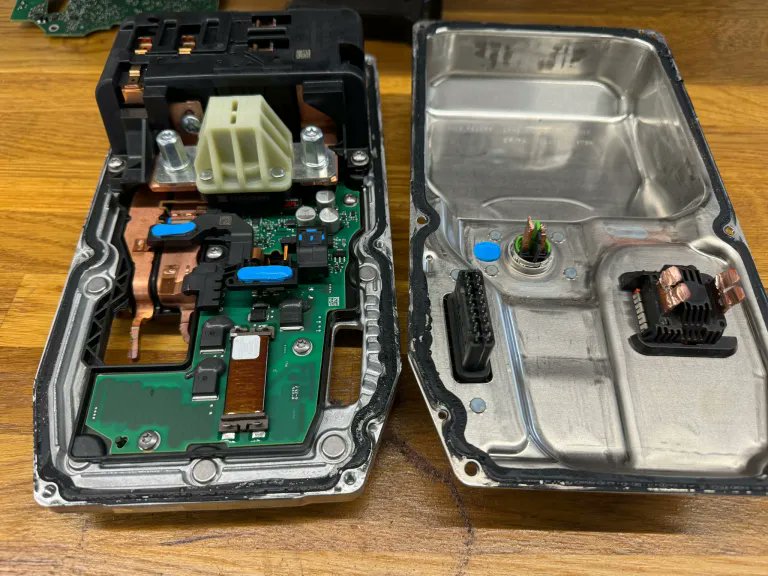
BMW has over-engineered the diagnostic procedure to such a level that even their own technicians often do not know the correct replacement process. And it gets worse: the original iBMUCP module, which integrates the pyrofuse, contactors, BMS and internal copper-bonded circuitry, is fully welded shut. There are no screws, no service openings, and it is not designed to be opened, even though the pyrofuse and contactors are technically replaceable components. Additionally, the procedure requires flashing the entire vehicle both before and after the replacement, which adds several hours to the process and increases risk of bricked components which can increase the recovery cost by factor 10x.
But that is still not the only problem.
Even after we managed to open the unit and access everything inside, we discovered that the Infineon TC375 MCU is fully locked. Both the D-Flash sectors and crash-flag areas are unreadable via DAP or via serial access.
Meaning: even if you replace the pyrofuse, you still cannot clear the crash flag, because the TC375 is cryptographically locked.
This leaves only one method:
➡️ Replace the entire iBMUCP module with a brand-new one. (1100€ tax for faulty fuse)
And the registration of the new component is easily one of the worst procedures we have ever seen. You need an ICOM, IMIB, and AOS subscription — totalling over €25,000 in tools — just to replace a fuse. (even we managed to activate this one with IMIB, it will be necessary in some situation)
Yes, you read that correctly, 25,000€
Lot of vehicles designed and produced in Europe — ICE, PHEV, and EV — have effectively become a missleading ECO exercise. Vehicles marketed as “CO₂-friendly” end up producing massive CO₂ footprints through forced services, throw-away components, high failure rates and unnecessary parts manufacturing cycles, overcomplicated service procedures, far larger than what the public is told. If we are destroying our ICE automotive industry based on EURO norms, who is calculating real ECO footprint of replacement part manucfacturing, unecessary servicing and real waste cost?
We saw this years ago on diesel and petrol cars:
DPF failures, EGR valves, high-pressure pumps, timing belts running in oil, low quality automatic transmissions, and lubrication system defects. Everyone calculates the CO₂ footprint of a moving vehicle — nobody calculates the CO₂ footprint of a vehicle that is constantly broken and creating waste.
ISTA’s official iBMUCP replacement procedure is so risky that if you miss one single step — poorly explained within ISTA — the system triggers ANTITHEFT LOCK.
This causes the balancing controller to wipe and lock modules.
Meaning: even in an authorised service centre, system can accidentally delete the configuration and end up needing not only a new iBMUCP, but also all new battery modules.
Yes — replacing a fuse can accidentally trigger the replacement of all healthy HV modules, costing €6,000 VAT per module, plus a massive unknown CO₂ footprint.
This has already happened to several workshops in the region.
The next problem: BMW refuses to provide training access for ISTA usage. We submitted two official certification requests — both were rejected by the central office in Austria, which is borderline discriminatory.
One more next problem: Battery erasal can happen in OEM and can happen in our or any other 3rd party workshop, but if procedure was started in workshop 1, it cant be continued in workshop 2. If battery damage happens in our workshop during fuse change, and than battery swap needed, we or even OEM workshop do not cover costs of completely new battery pack. Which increases heavily ownership costs.
All of this represents unnecessary complexity with no meaningful purpose.
While Tesla’s pyrofuse costs €11 and the BMS reset is around 50€, allowing the car to be safely restored, BMW’s approach borders on illogical engineering, with no benefit to safety, no benefit to anti-theft protection — the only outcome is the generation of billable labour hours and massive amounts of needless electronic/lithium waste.
Beyond that, we are actively working on breaking the JTAG/DAP protection to gain direct access to the D-Flash data and decrypt its contents together with our colleagues from Hungary. The goal is to simplify the entire battery-recovery procedure, reduce costs, and actually deliver the CO₂ reduction that the EU keeps missleading— since the manufacturers clearly won’t.
Part number: 61 27 8 880 208
Faults: 21F2A8 High voltage battery unit, terminal
High voltage battery safety: capsule Defective trigger/control electronics
21F35B high voltage battery unit,
voltage and electric current sensor, current: Counter for the reuse of cell modules exceeded (safety function)
21F393 High voltage battery unit, fault
cumulative: Memory of faults that prevent the
active transport
3B001D High voltage battery unit,
contactor excitation controller circuit breakers: Double fault
21F37E Collision Detection: Collision
detected due to ACSM signal
21F04B High voltage battery unit,
Safety function: Reset command units executed
OEM Service cost: 4000€ tax (aprox - if you have bmw quote, send)
OEM iBMUCP : 1100€ tax
Labor hours: 24h - 50h
EVC: 2500€ tax (full service)
evclinic.eu/2025/12/04/2021-…
53
128
783
293,249
Alejandro retweeted

7 Jan 2023
Post herpetic neuralgia or #phn is another viral persistence syndrome after #zoster (#chickenpox virus - vzv) that has little to no research. curephn.org is a patient led initiative towards a cure for #phn.
3
1
177
ANDV
Ambroxol lysosomotropic pH-raising effect
Ambroxol endolysosomal interference
Ambroxol surfactant secretion by alveolar type II cells and anti-inflammatory properties
#hantavirus #ambroxol
1
1
221

→ improve mitochondrial function
→ reduce oxidative stress
→ modulate NF-κB/TLR-4 signaling
→ reduce inflammatory cytokines
→ improve endothelial function
1
36
Alejandro retweeted

May 11
The original sin of the Covid pandemic was not acknowledging airborne spread early, despite SARS1 having been airborne (we learned the hard way in Toronto in 2003). It looks like some are finally realizing this, however belatedly and despite the WHO once again trying to downplay it initially with this 'intimate contact' nonsense.
Two cases tested positive yesterday from the cruise ship passengers, and this is despite isolation on the ship itself. The 2019 NEJM study on Hantavirus also suggests that this thing might be airborne.
If countries don't employ airborne precautions such as isolation of these cases with use of N95/FFP2 and HEPA filtration in quarantine centers, then we are just inviting this thing to spread.
Nip it in the bud now.

The CDC quietly changed its hantavirus protocol on Sunday.
High-risk exposures now include being within 2 rows of a known case on a plane.
Not sure the science on that, but sometimes decisions are just judgement calls.
More analysis soon here 👇
Https://insidemedicine.subst…
67
630
2,270
110,238
A very well known drug has evidence suggesting effect on all those items (citations on demand)
Furthermore, it can be nebulised and inhaled
Furthermore, it could act as an entry inhibitor
#hantavirus #ambroxol
May 11

Severe Andes hantavirus disease is fundamentally a problem of endothelial leak, inflammation, and immune dysregulation - not simply viral replication alone.
That’s why an interesting mechanistic question emerges:
Could near-infrared (NIR) or far-infrared (FIR) light theoretically help modulate some of the downstream inflammatory injury?
Here’s the biologic rationale:
• Andes virus infects endothelial cells and is associated with capillary leak syndrome and pulmonary edema.
• TLR-4 / NF-κB inflammatory signaling appears involved in endothelial dysfunction and cytokine amplification.
• Photobiomodulation (NIR light) has been shown in multiple experimental systems to:
→ improve mitochondrial function
→ reduce oxidative stress
→ modulate NF-κB/TLR-4 signaling
→ reduce inflammatory cytokines
→ improve endothelial function
Mechanistically, this creates a plausible pathway where infrared light could theoretically attenuate some of the vascular leak/inflammatory cascade seen in severe hantavirus disease.
NIR → improved mitochondrial electron transport → reduced ROS/NF-κB signaling → less endothelial dysfunction → potentially less capillary leak.
Importantly:
This is NOT a proven treatment for hantavirus.
This is a mechanistic hypothesis based on overlapping biology.
Relevant references:
• Hamblin MR. Photobiomodulation or low-level laser therapy. J Biophotonics. 2016.
• de Freitas LF, Hamblin MR. Proposed mechanisms of photobiomodulation. IEEE J Sel Top Quantum Electron. 2016.
• Chen AC et al. Low-level laser therapy activates NF-κB via generation of reactive oxygen species in mouse embryonic fibroblasts. PLoS One. 2011.
• Vial PA et al. Hantavirus pulmonary syndrome in Andes virus infection. Curr Opin Infect Dis. 2005.
• Mackow ER, Gavrilovskaya IN. Hantavirus regulation of endothelial cell functions. Thromb Haemost. 2009.
Interesting biology worth studying further and honestly what is the downside of getting 20 minutes a day of infrared light or even sunlight.
2
2
473

“mildly PCR positive” 🤣

HHS through @ASPRgov and @CDCgov is supporting @StateDept in the repatriation of 17 American citizens from the MV Hondius cruise ship affected by the Andes variant of hantavirus.
All 17 are currently en route via @StateDept airlift to the United States, with two of the passengers travelling in the plane's biocontainment units out of an abundance of caution. One passenger currently has mild symptoms and another passenger tested mildly PCR positive for the Andes virus.
As of now, the airlift will transport passengers to the ASPR Regional Emerging Special Pathogen Treatment Center (RESPTC) at the University of Nebraska Medical Center/Nebraska Medicine in Omaha, Nebraska before taking the passenger with mild symptoms to a second RESPTC at its final destination.
Upon arrival at each facility, each individual will undergo clinical assessment and receive appropriate care and support based on their condition.
2
25
Alejandro retweeted

May 10
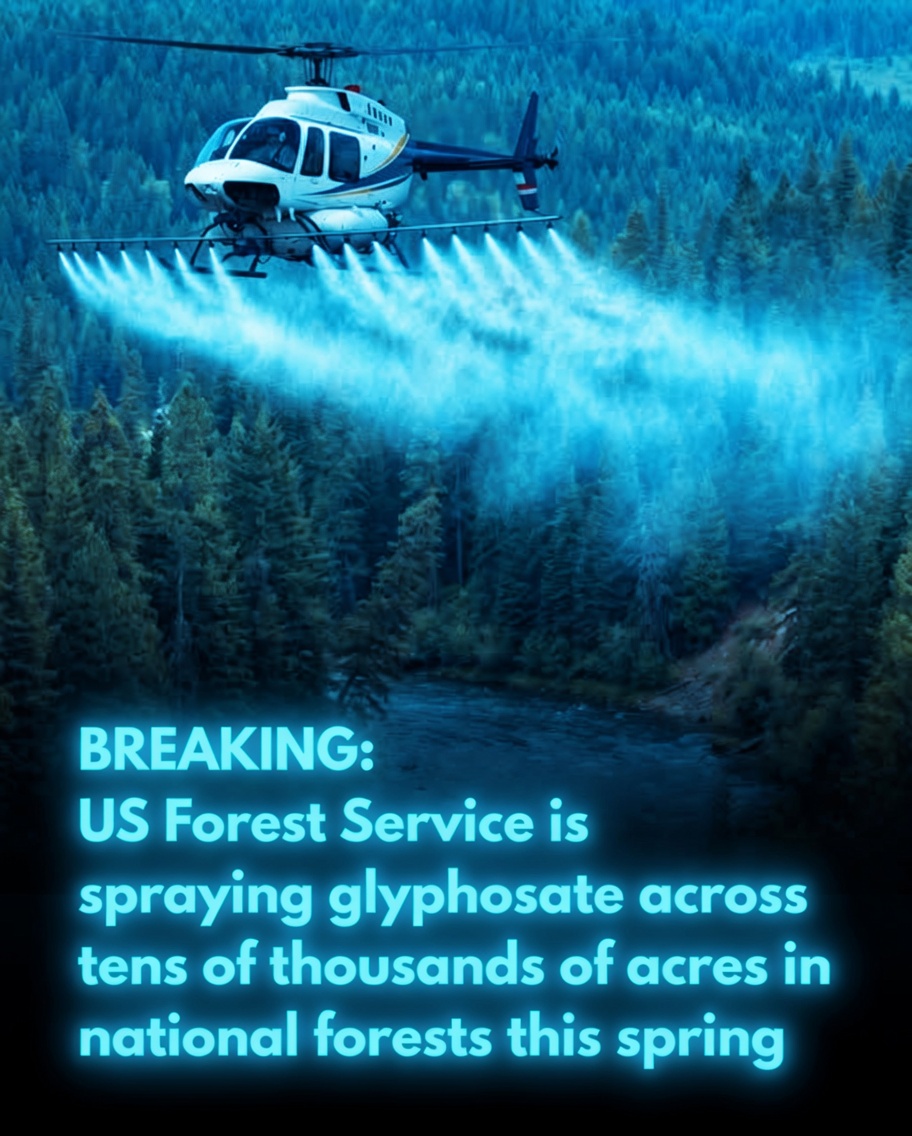
The U.S. Forest Service is spraying glyphosate (Roundup) across tens of thousands of acres of national forests this spring to support commercial timber production.
Following wildfires, forests naturally regenerate with diverse shrubs, wildflowers, and wildlife. However, a recent investigation reveals that the Forest Service and private logging companies are routinely applying the herbicide to eliminate competing native vegetation, favoring commercially valuable species such as Douglas fir and sugar pine.
This practice has created large areas with significantly reduced biodiversity, often described as "dead zones", where insect, bird, and plant populations have sharply declined. Glyphosate, classified by the World Health Organization as a probable human carcinogen, has seen its use in California national forests quintuple over the past two decades, reaching a record 266,000 pounds in 2023.
Local communities, environmental groups, and residents are raising concerns about potential impacts on water quality, endangered species (including salmon and rare foxes), and public health. Critics argue that prioritizing industrial timber production over ecological diversity conflicts with the broader mission of national forests as public lands.
The issue has intensified debates over forest management, balancing economic interests with long-term environmental and community health.
562
3,144
5,903
885,398