
Maths teacher, Engineer, Doctor of Philosophy
Joined March 2015
- Tweets 338
- Following 62
- Followers 395
- Likes 1,371
65 Photos and videos

2 Sep 2025
Teaching finding stationary points via differentiation today, I decided to only teach them how to find the x and then y-values, and let them practise that process. Next lesson I'll just teach about completing nature tables: tes.com/resource-detail/-133…
1
71
19 Dec 2024
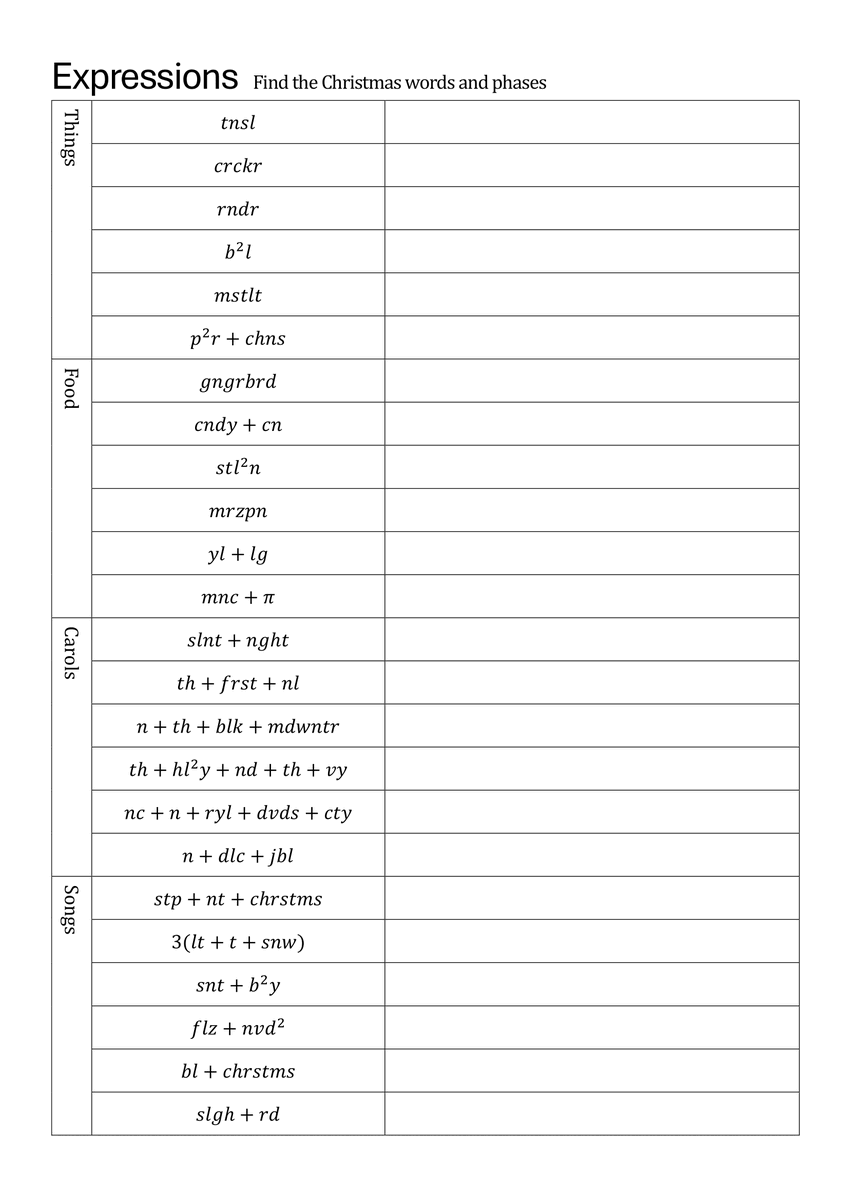
Here's my expressions round from our department's mathematical Christmas quiz. Share and enjoy!
130
13 Dec 2024
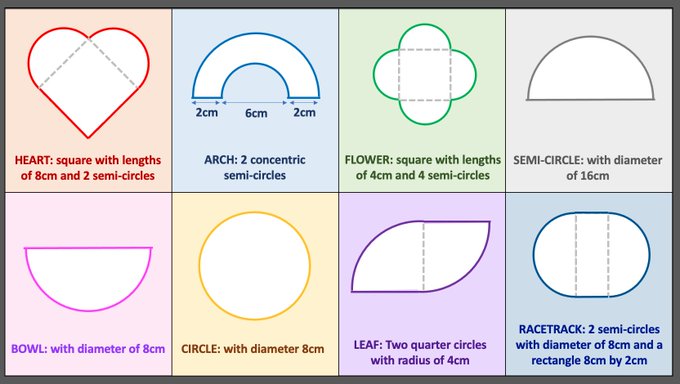
Some practice for the kinds of Higher Circle questions that pupils find hard. Because, as @mrallanmaths points out, it's really just S1/2 geometry questions. Feel free to use with either year group! tes.com/resource-detail/reso…
1
4
268
17 Oct 2024
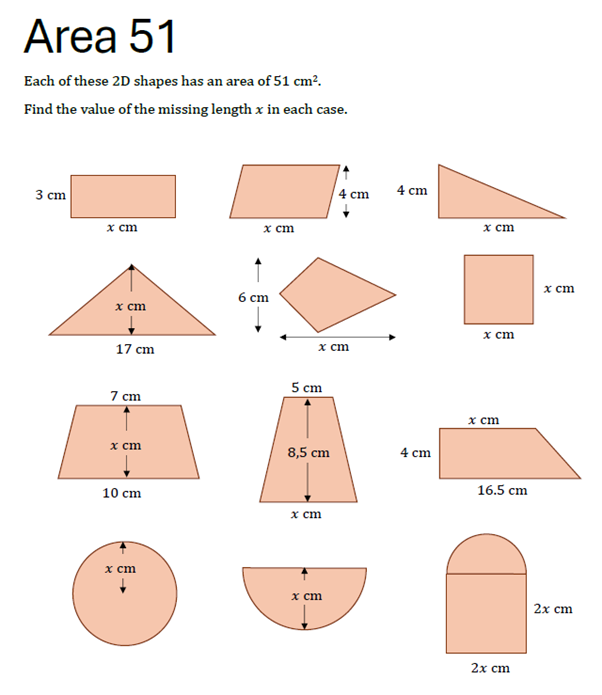
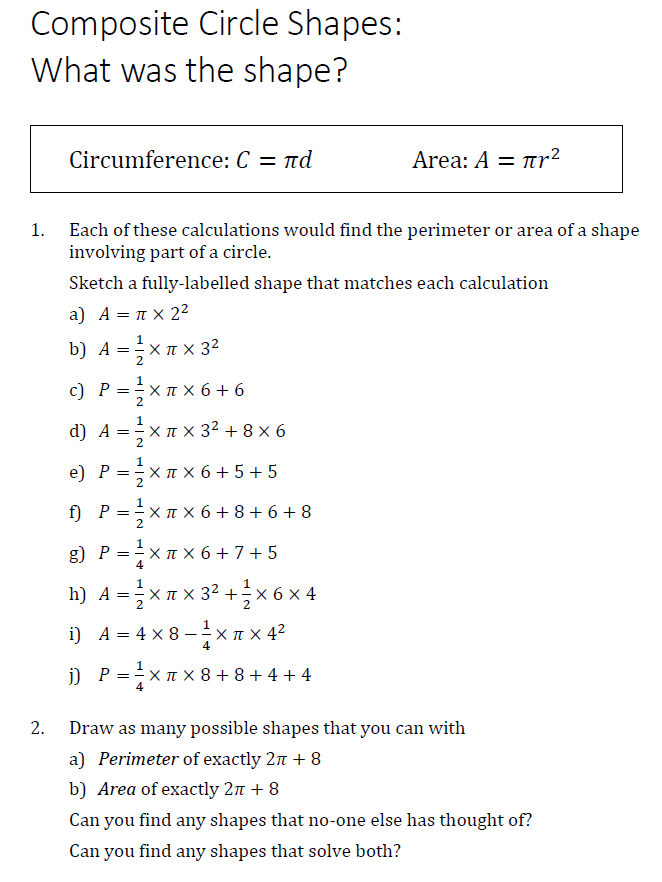
I made this towards the end of our topic on quadrilaterals (and they had previously done circles). Pupils always need more practice of working backwards, and this worked well: the difficulty ramps up nicely. Worksheet with answers is at tes.com/resource-detail/area…
2
31
161
17,340
11 May 2022
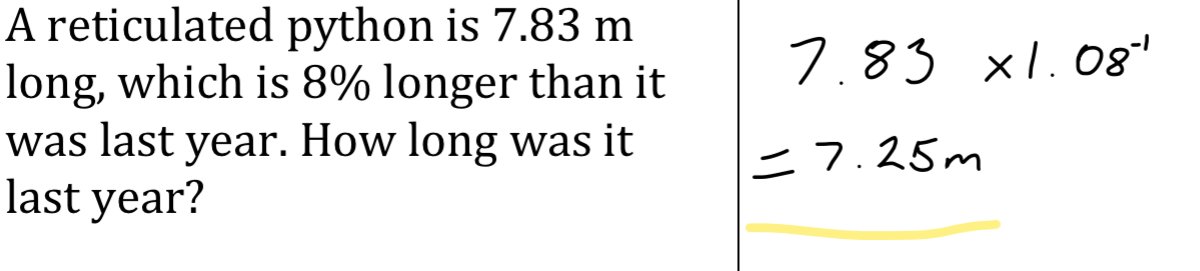
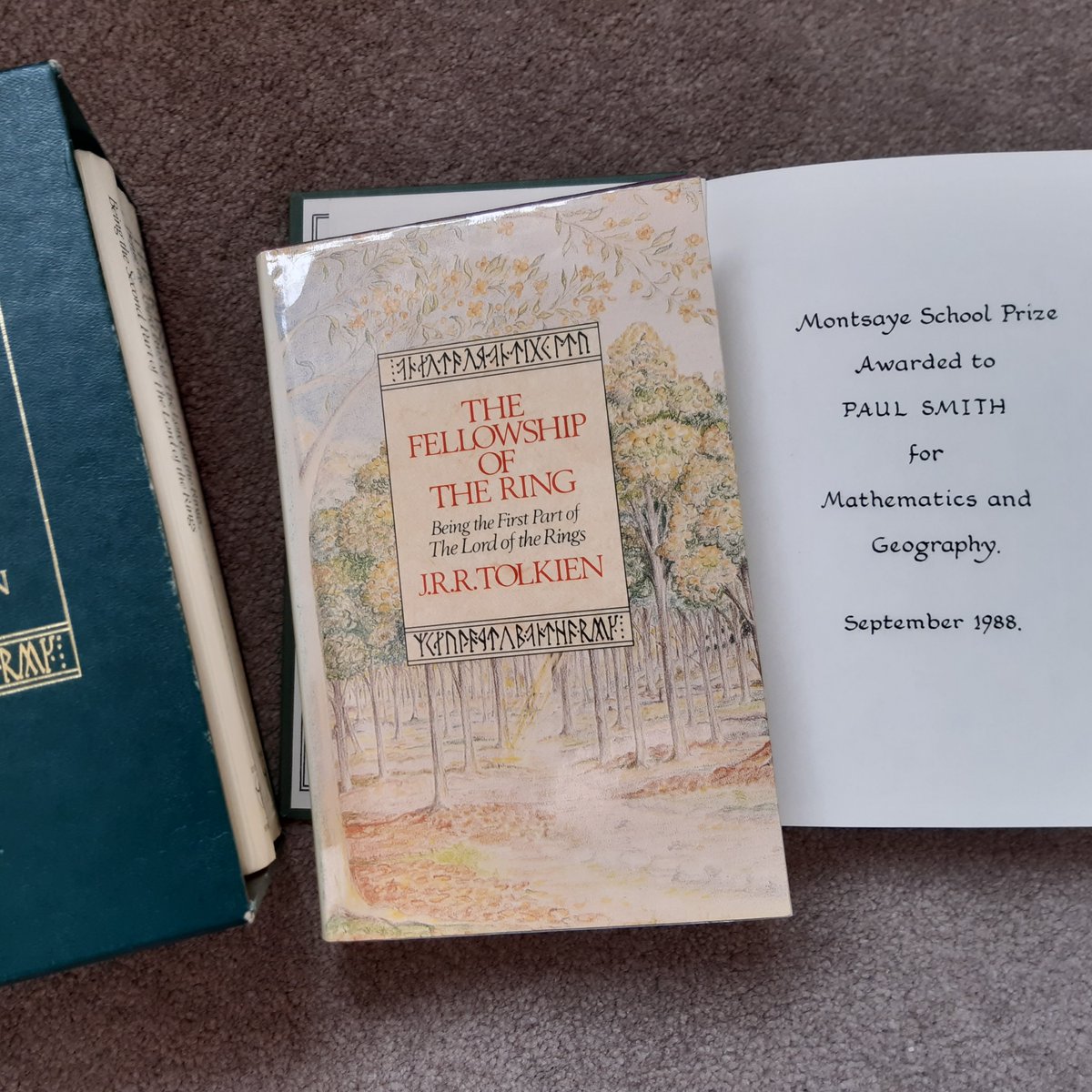
This pupil answered a reverse percentages question with a method that I'd never thought of, but which makes perfect sense. They've just invented negative indices with a 'real' context.
23
44
418

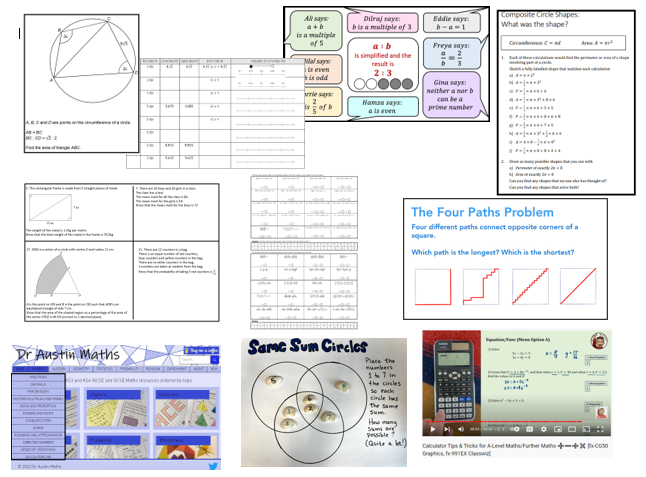
New! My 156th gems post. Ideas, resources and updates for maths teachers. 💎
resourceaholic.com/2022/04/5…
Hat tips to follow!
#mathsgems #mathschat #teammaths
2
30
117
30 Mar 2022
So this task was great today - lots of engagement and rich discussion. 1/4
1
7
30 Mar 2022
As a starter we did this great task from @giftedHKO, which had them already thinking about pairs. 3/4
1
8
27 Mar 2022
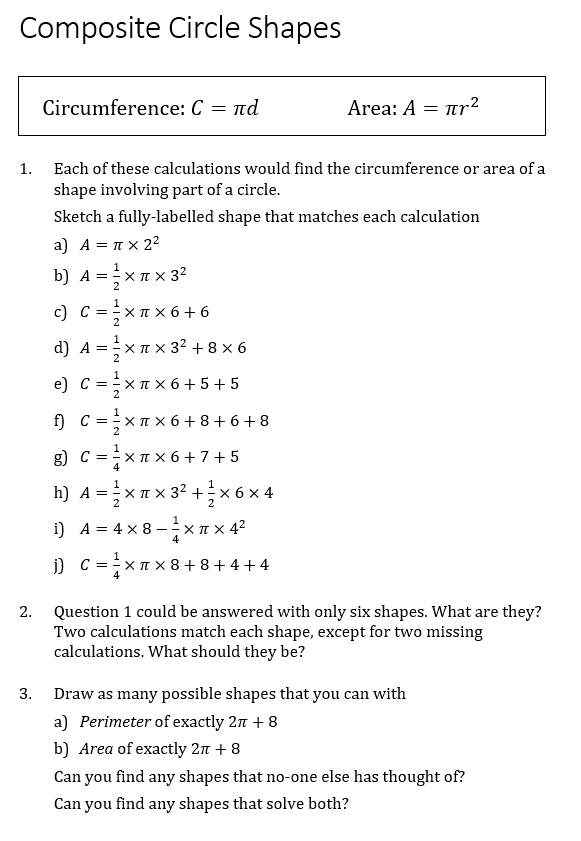
So I had this idea for a worksheet. Any suggestions before I try it out on pupils next week?
16
25
280
28 Mar 2022
Thanks for the replies. A streamlined sheet (only Q1 and Q3) is now available here tes.com/teaching-resource/-1… (in two versions - to cater for both the πd and 2πr camps). I'll be trying it with my class on Wednesday - last lesson of the term.
1
6
19 Dec 2021
I couldn't find a sheet that I liked which worked backwards from the area of triangles and/or rectangles to find missing lengths, so I wrote one. tes.com/teaching-resource/re…
1
30 Oct 2021
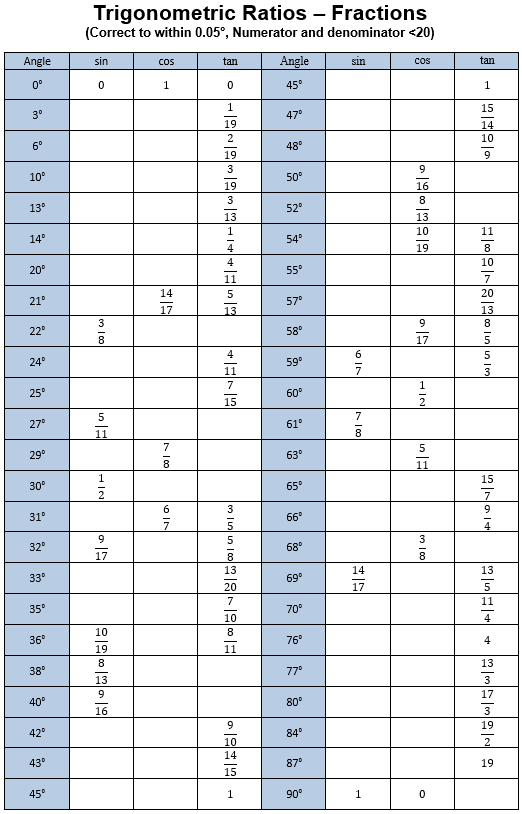
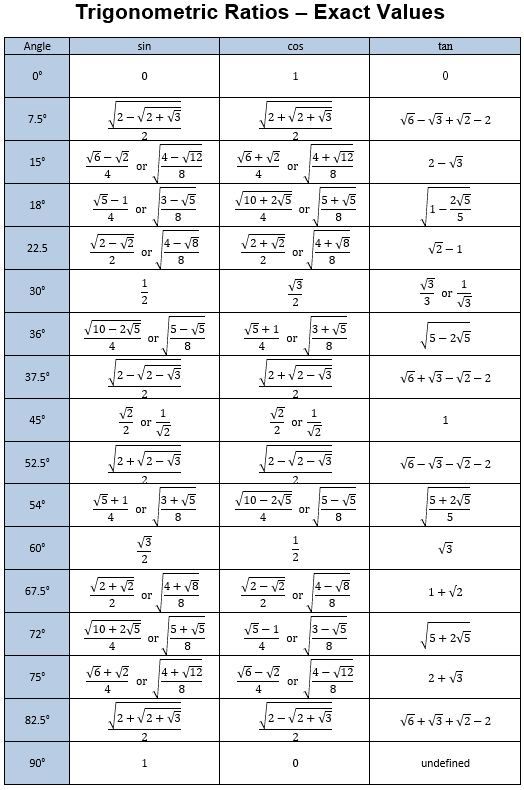
About to write a worksheet on solving trig equations, and decided I wanted 'nice' answers. And I wanted to use fractions or surds instead of decimals. So I made some alternative trig. tables before starting.
2
3
19 Feb 2021
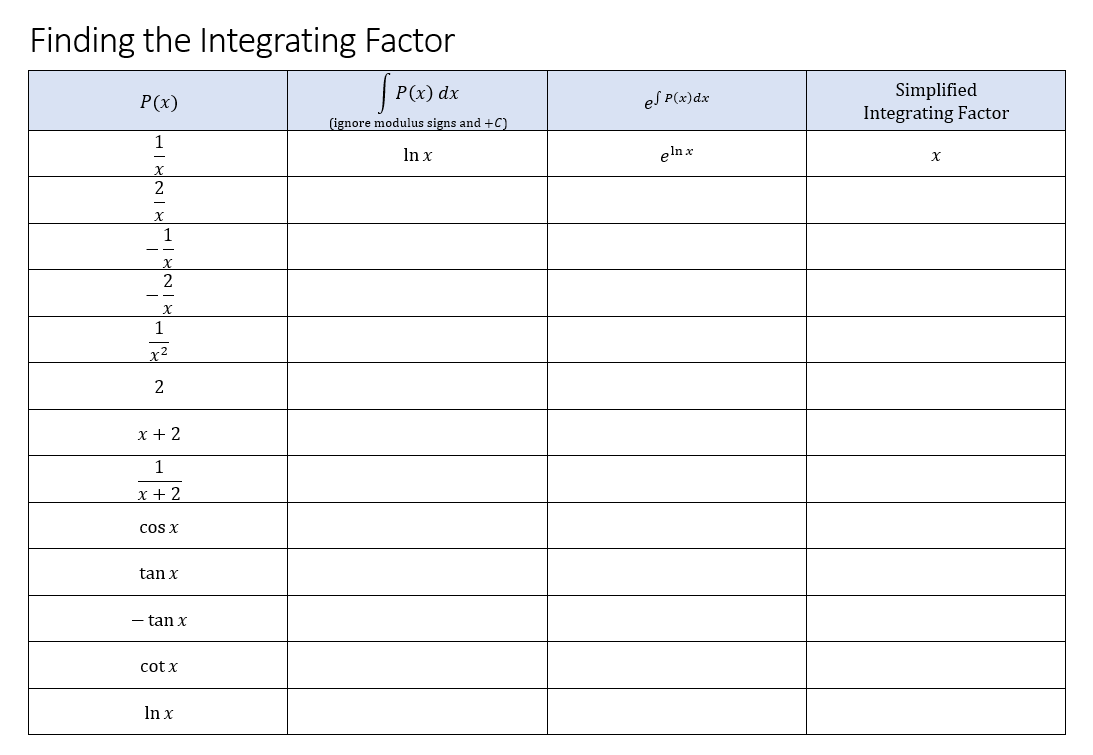
Another set of questions focusing on one step in a larger process. This time solving first order differential equations using the integrating factor.
3
8 Feb 2021
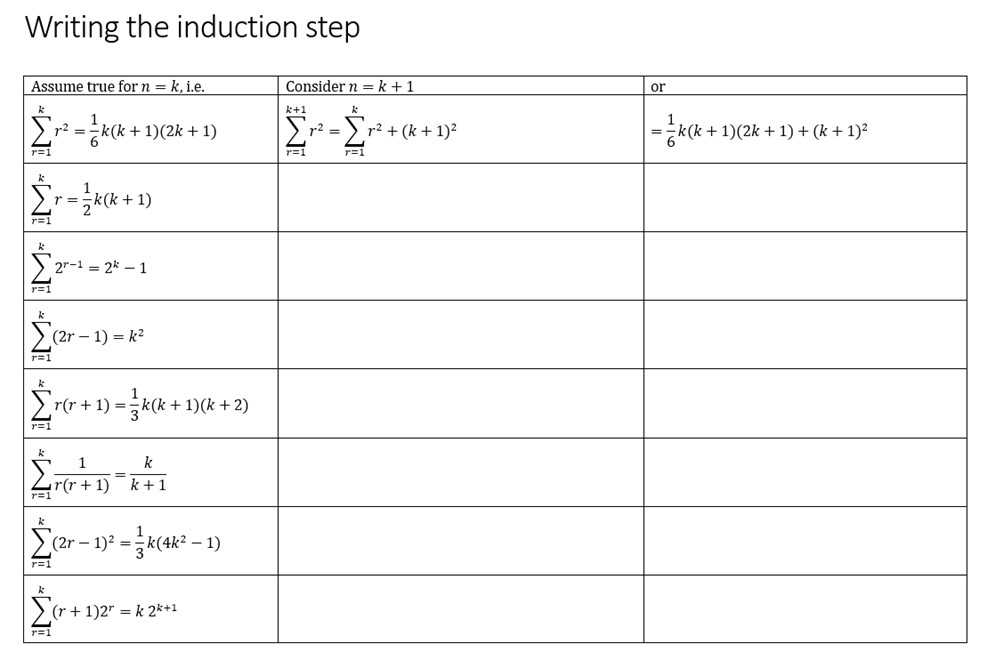
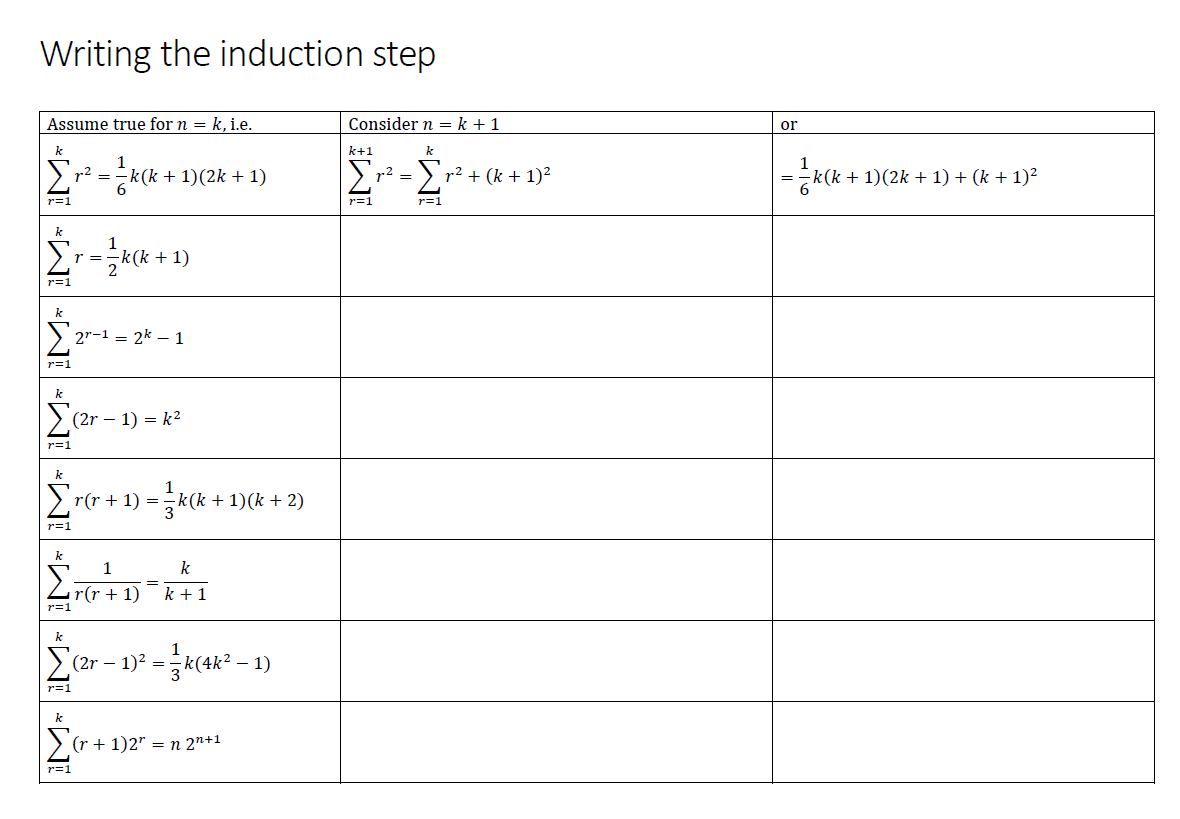
Focussed practice of the part of proof by induction that my pupils find the hardest to get correct: how to start the induction step.
1
2
32
19 Jan 2021
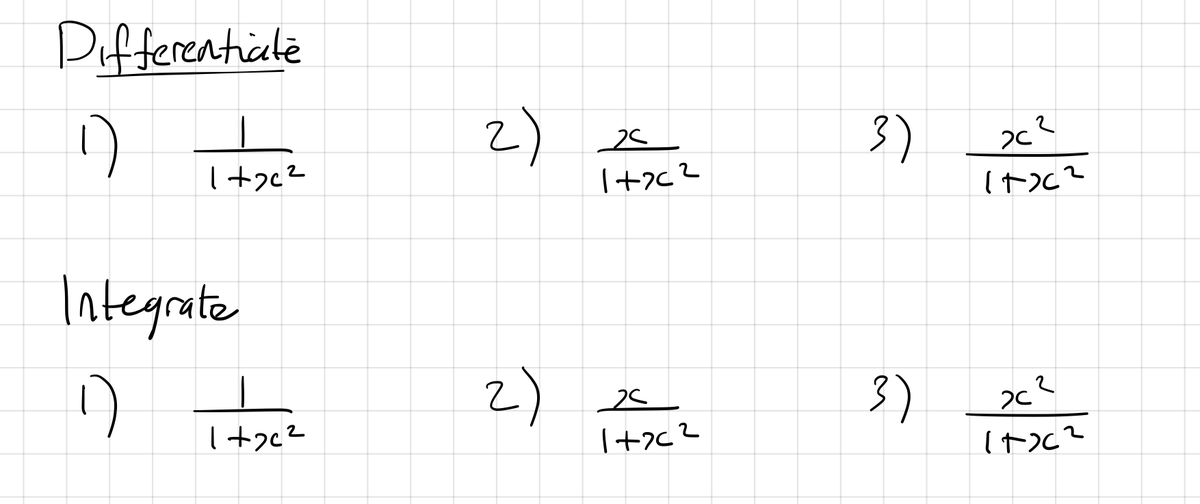
These questions went down well with my class this morning - inspired by the integral 'looky-likeys' from @WaysWithMaths (via @ChrisMcGrane84)
1
11
6 Nov 2020
My AH class flew through the first questions in today's starter but then discovered that the later ones needed more thought. Integration is harder than differentiation...
1
2
3
31 Oct 2020
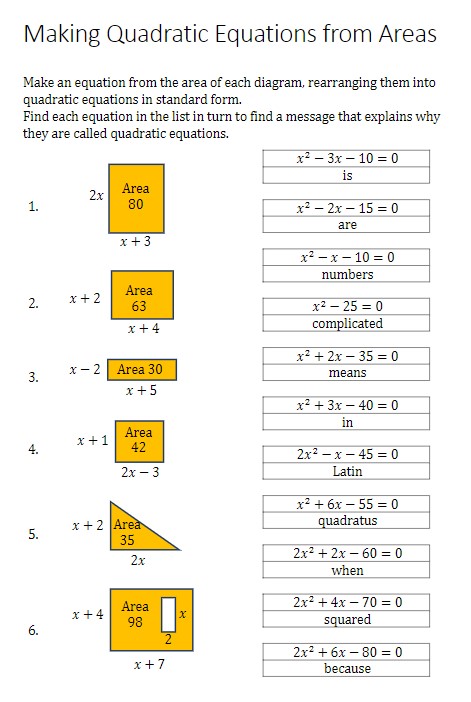
A new worksheet of mine that's already had a great response from both N5 and Higher classes at school. Inspired by @ChrisMcGrane84, but focusing on the particular area of quadratics that they need right now. tes.com/teaching-resource/qu… via @tesResources
3
14
6 May 2020
Picking a favourite #donsteward resource is impossible. So here's just a few I've used recently:
donsteward.blogspot.com/2011…
donsteward.blogspot.com/2013…
donsteward.blogspot.com/2012…
And his practice makes perfect sheets are also great:
donsteward.blogspot.com/2018…
donsteward.blogspot.com/2018…
4