Job is Professor of Sport Business at Ohio University and long time member of The Drake Group. Views posted here are solely my own-so deal with it.
Joined May 2009
- Tweets 105,138
- Following 2,035
- Followers 3,329
- Likes 56,914
853 Photos and videos



B. David Ridpath retweeted

Wilhelmus van Nassouwe
ben ik, van Duitsen bloed

1
1
199
B. David Ridpath retweeted

Jun 12
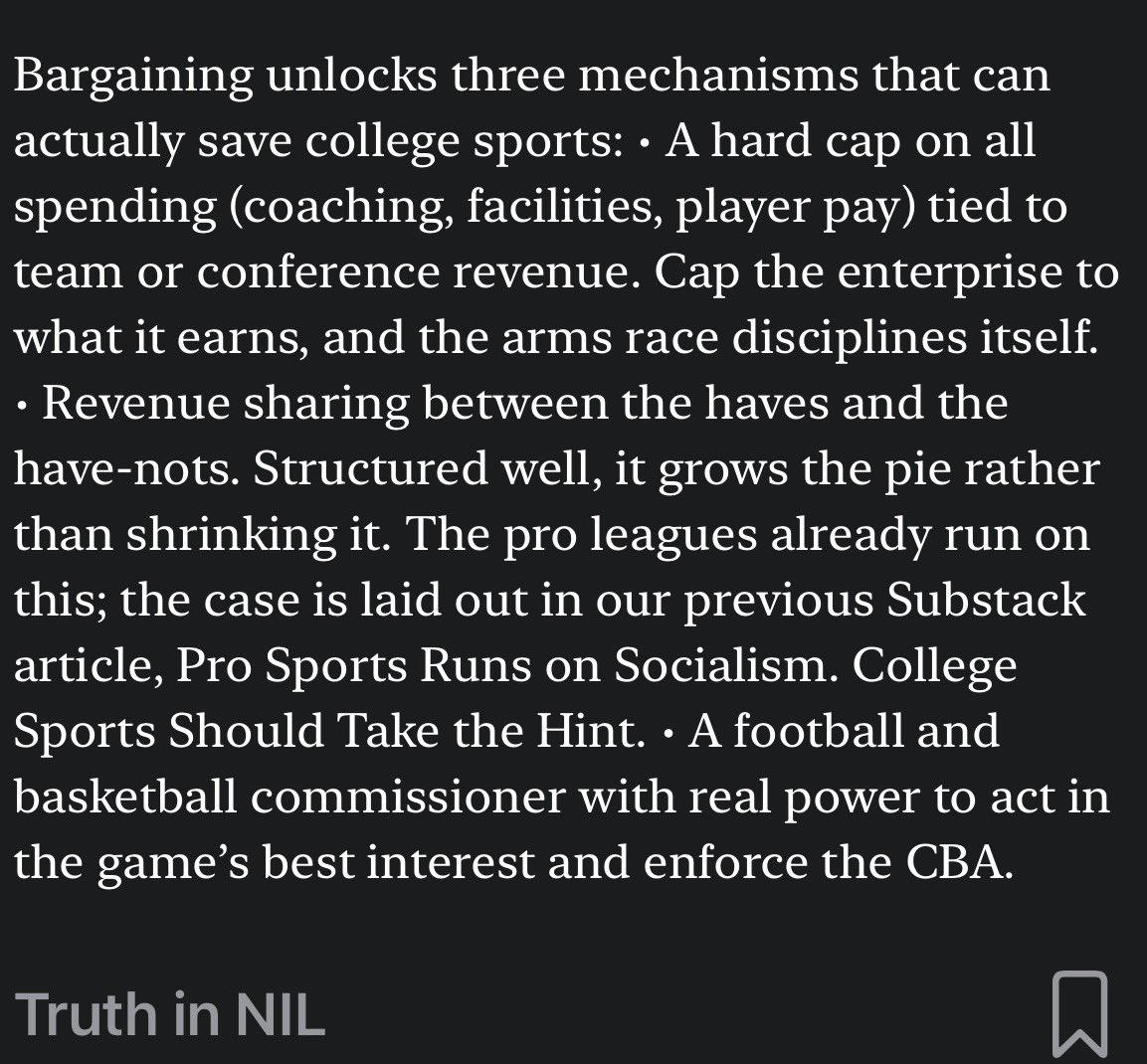
College sports is begging for an antitrust exemption. They prefer to lobby its way out of labor problems. Better solution: negotiate w players.
Substack: How collective bargaining could work — and why the Protect College Sports Act should be a hard no ⤵️ open.substack.com/pub/truthi…
8
17
29
36,052
B. David Ridpath retweeted
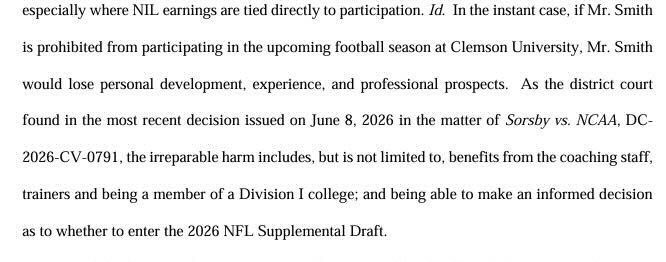
The NCAA would also do itself a favor by ending the charade that athletes aren't being paid to play. The court in Tristan Smith v. NCAA recognized the truth and wrote that courts have "consistently held that the loss of a season constitutes irreparable harm especially where NIL earnings are tied directly to participation." That's pay for play, just as it is in the NFL.
1
6
31
6,222
B. David Ridpath retweeted

Jun 13
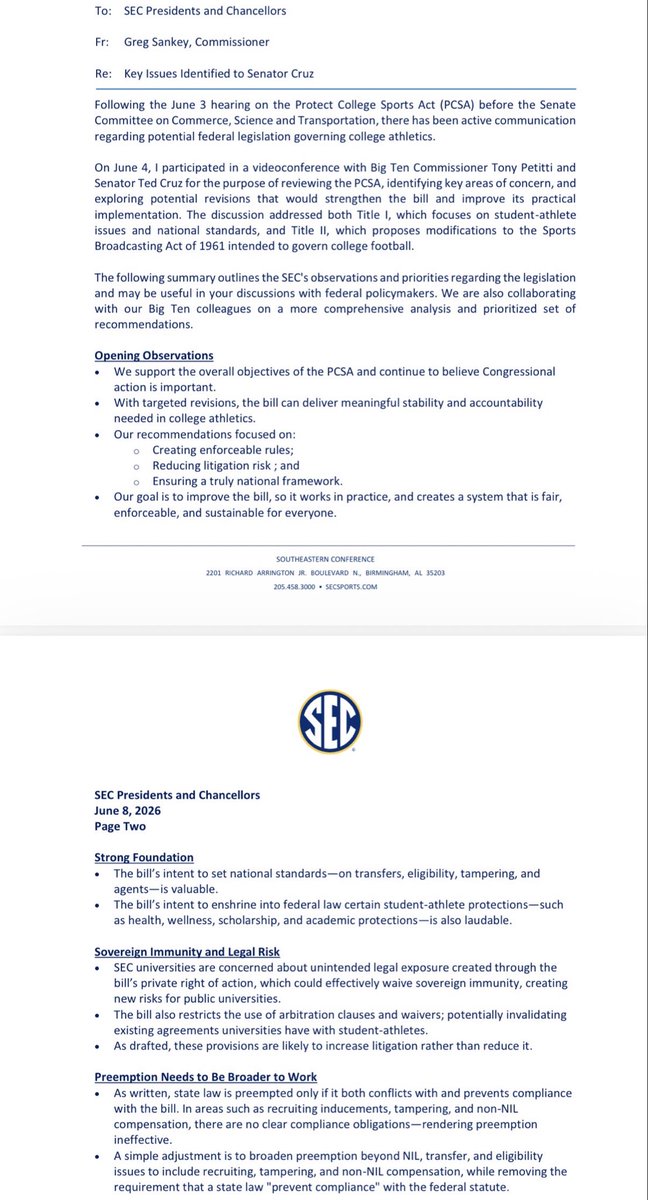
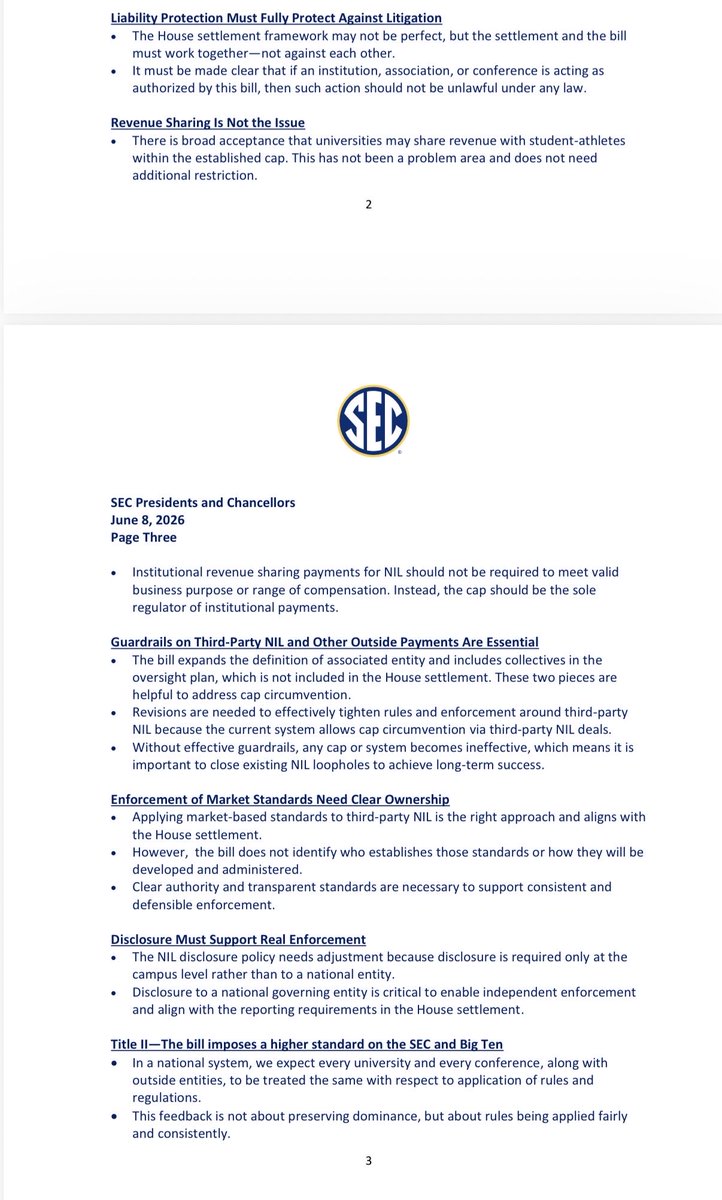
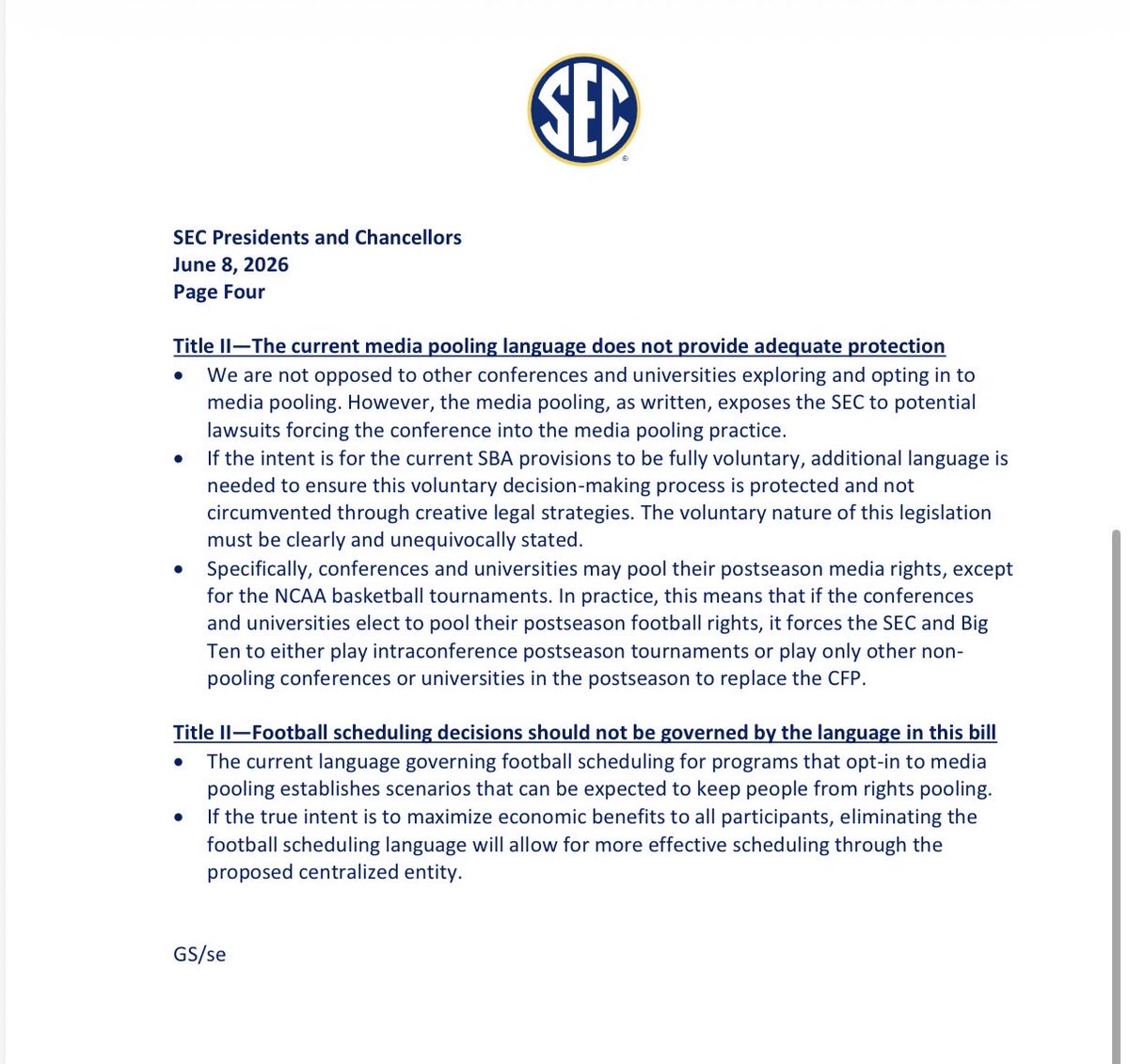
In a letter to his presidents and chancellors this week, Greg Sankey outlined revisions that the conference wants made to the Protect College Sports Act and adds that the Act “exposes the SEC to potential lawsuits forcing the conference into the media pooling.”
11
29
102
42,679
B. David Ridpath retweeted

Jun 13
Our full case why the PCSA’s antitrust exemption should be an automatic deal-breaker, and how collective bargaining could deliver the stability then NCAA and its members claim to want: open.substack.com/pub/truthi…
Jun 13

Respectfully @CharlieBakerMA, this is backwards. Eligibility rules keep losing in court bec the NCAA wrote them and athletes never agreed. Rules both sides bargain for hold up. Sorsby isn’t the case for putting the NCAA above the courts. It’s the case for collective bargaining.
3
4
4
2,414
B. David Ridpath retweeted

Jun 13
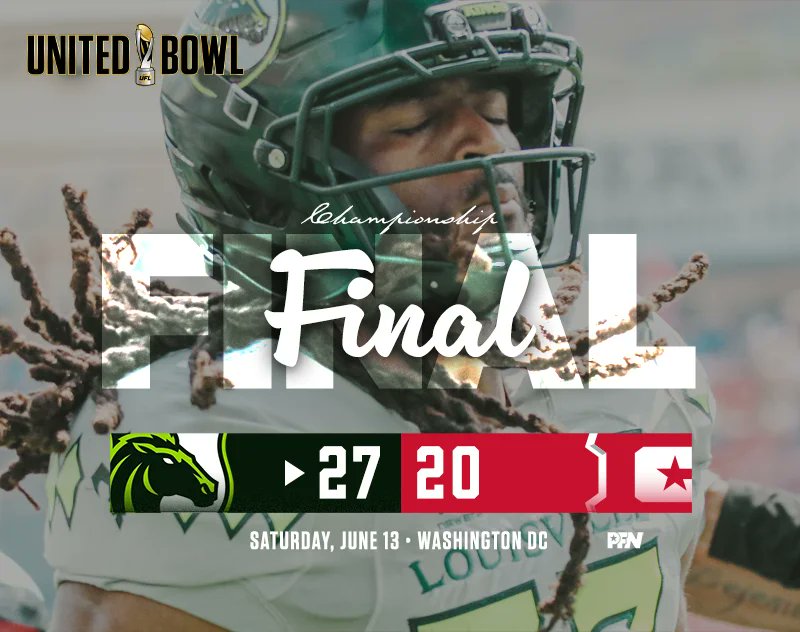
THE LOUISVILLE KINGS ARE YOUR UNITED BOWL CHAMPIONS 👑
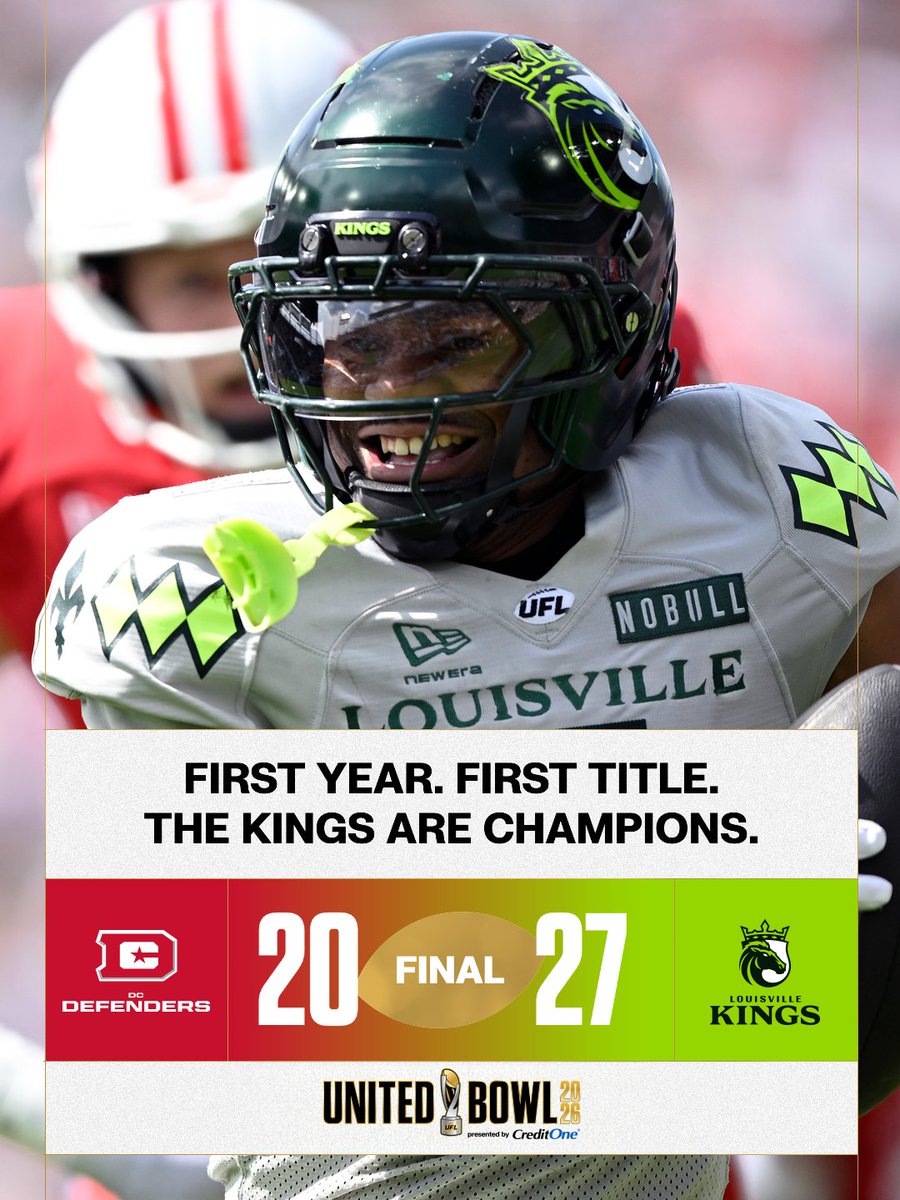
ALT A Louisville Kings player celebrates their victory over the DC Defenders in the United Bowl 2026. The image highlights the excitement and achievement of their first title.
17
153
791
14,989
B. David Ridpath retweeted

Jun 13
4
22
563
B. David Ridpath retweeted

Jun 13
Sam is right.
The Sorsby case didn’t enable the Tristan Smith case or other prior cases where eligibility rules were enjoined b/c of irreparable harm to an athlete.
It’s inconsistent application of NCAA rules & the model in general.
Sorsby is being used as a political pawn.
Jun 13

Lumping in Tristan Smith -- whose only crime was being too good to redshirt and being born a year too late for the Pavia waiver and a year too early for the new five-in-five rule -- with Sorsby is kind of gross.
And no, the Sorsby decision didn't enable the Smith decision.
9
6
37
7,313
B. David Ridpath retweeted

Jun 13
Here is the full decision in Tristan Smith v. NCAA, in case you want to read it: heitnerlegal.com/wp-content/…
The Court merely cited Sorsby v. NCAA to identify the types of irreparable harm that exist when the NCAA renders an athlete ineligible. As the Court noted, I also represented Malik Benson. Had Benson not received an extra year to play at Oregon, may have not been selected by an NFL team. That's why it's irreparable harm; it cannot be remedied by monetary damages.
State courts are not "allowing student-athletes to circumvent longstanding eligibility rules." They are holding the NCAA accountable to its own rules, which the NCAA has and continues to arbitrarily enforce.
The solution is simple. Stop selectively enforcing rules. The NCAA gave JUCO players in Diego Pavia's graduating class an extra year of eligibility. It needs to do the same for all former JUCO players. Otherwise, it's an arbitrary exception for one class of athletes without any foundation whatsoever.
The same issue will be litigated for players who just graduated and seek to benefit from the expected 5-in-5 rule. It's the exact problem the NCAA keeps confronting. Despite its massive legal war chest, it cannot figure out how to uniformly and equitably apply its rules. Fix your own problems and stop begging Congress to figure it out for you.
Jun 13

The Sorsby decision was never about only one student-athlete. We are already seeing downhill effects in other eligibility cases in which state courts are allowing student-athletes to circumvent longstanding eligibility rules, citing Sorsby outcome as part of the court’s precedent.
Another example of why we need Congress to pass the Protect College Sports Act, authorizing the association to apply common sense eligibility rules consistently for all student-athletes and schools, regardless of the state or local court system.
24
26
94
31,885
B. David Ridpath retweeted

Jun 13
There are plenty of examples in the dozens of eligibility rule suits of the NCAA legitimately applying their rules in a wildly arbitrary fashion.
Painting them all with the same broad brush just makes it seem like the biggest offense to the NCAA is challenging their authority.
2
2
11
689
B. David Ridpath retweeted
Jun 13
Lumping in Tristan Smith -- whose only crime was being too good to redshirt and being born a year too late for the Pavia waiver and a year too early for the new five-in-five rule -- with Sorsby is kind of gross.
And no, the Sorsby decision didn't enable the Smith decision.
Jun 13
The Sorsby decision was never about only one student-athlete. We are already seeing downhill effects in other eligibility cases in which state courts are allowing student-athletes to circumvent longstanding eligibility rules, citing Sorsby outcome as part of the court’s precedent.
Another example of why we need Congress to pass the Protect College Sports Act, authorizing the association to apply common sense eligibility rules consistently for all student-athletes and schools, regardless of the state or local court system.
12
6
38
23,584
B. David Ridpath retweeted

Jun 13
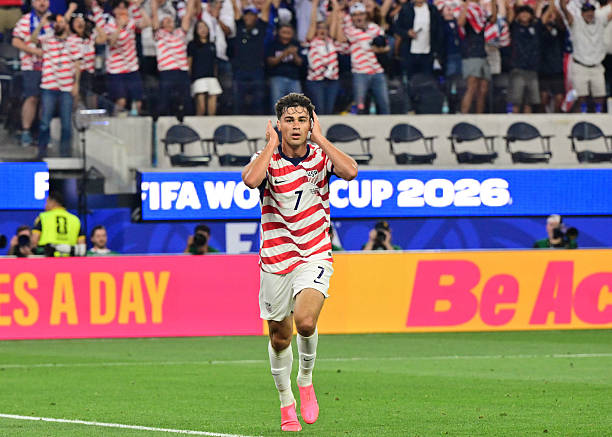
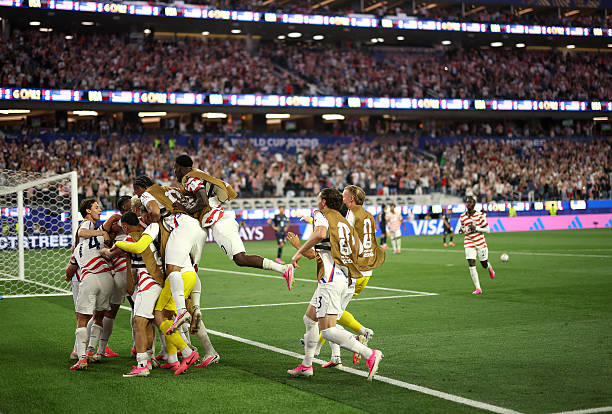
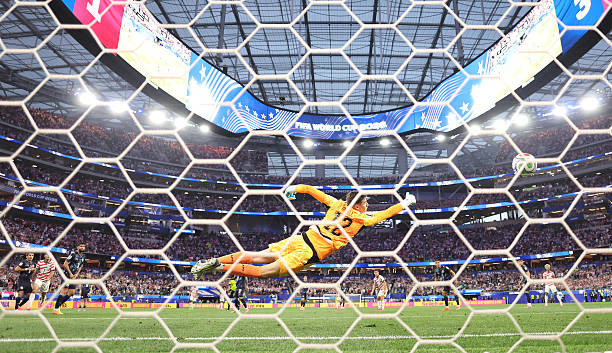
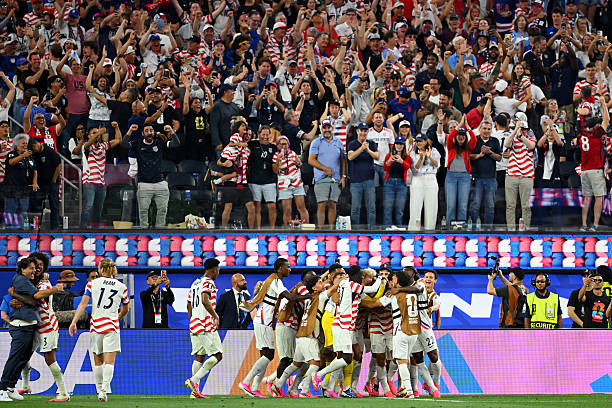
Stay focused, trust yourself, and keep pushing forward. Challenges make us stronger, and together we will overcome them. I believe in this team.🏆❤️🇺🇸⚽
236
882
20,097
208,325
B. David Ridpath retweeted

Jun 13
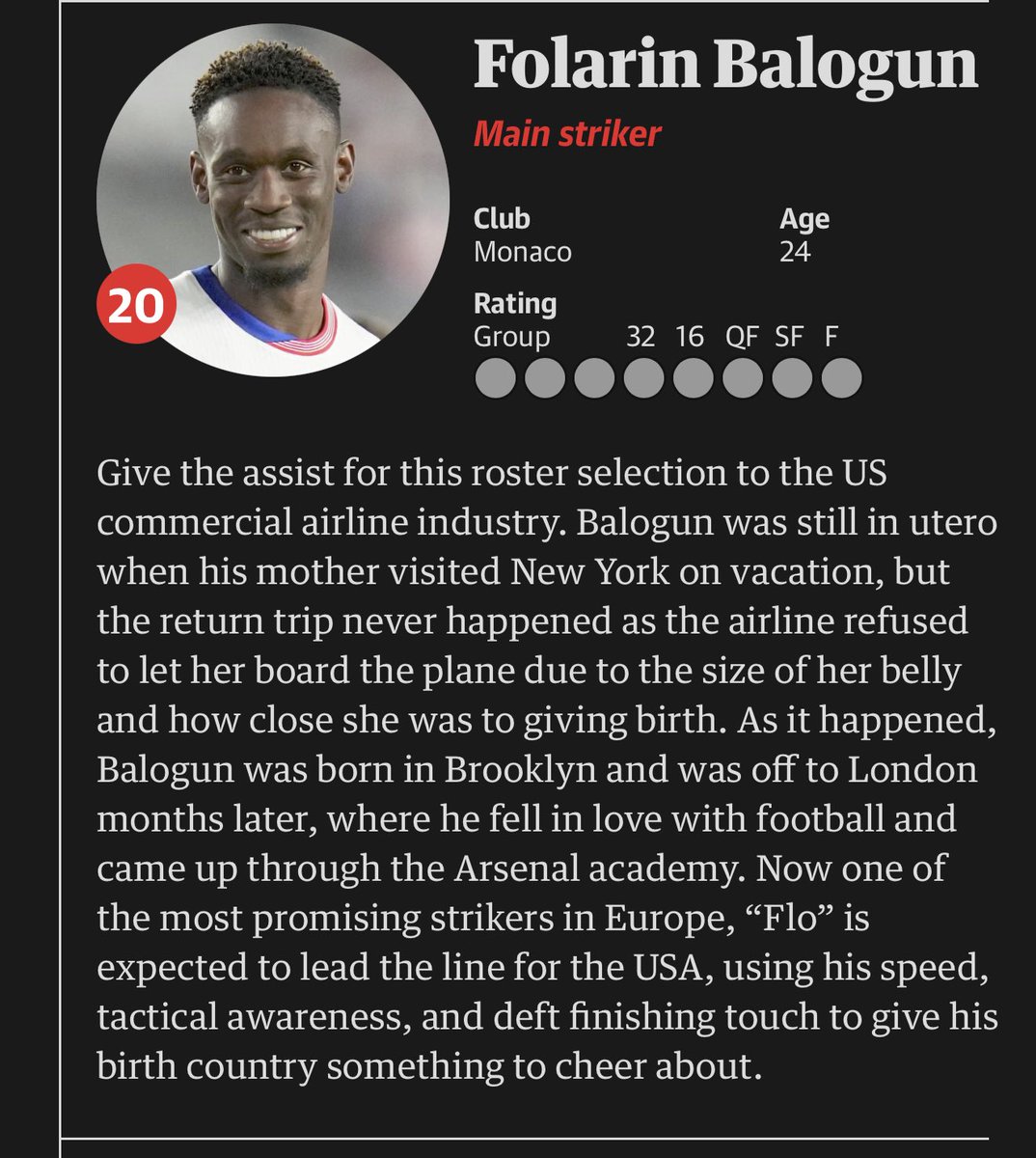
Thank goodness for Birthright citizenship
4-1
1,127
5,140
56,653
3,043,732
B. David Ridpath retweeted

Jun 13
🤩
Jun 13

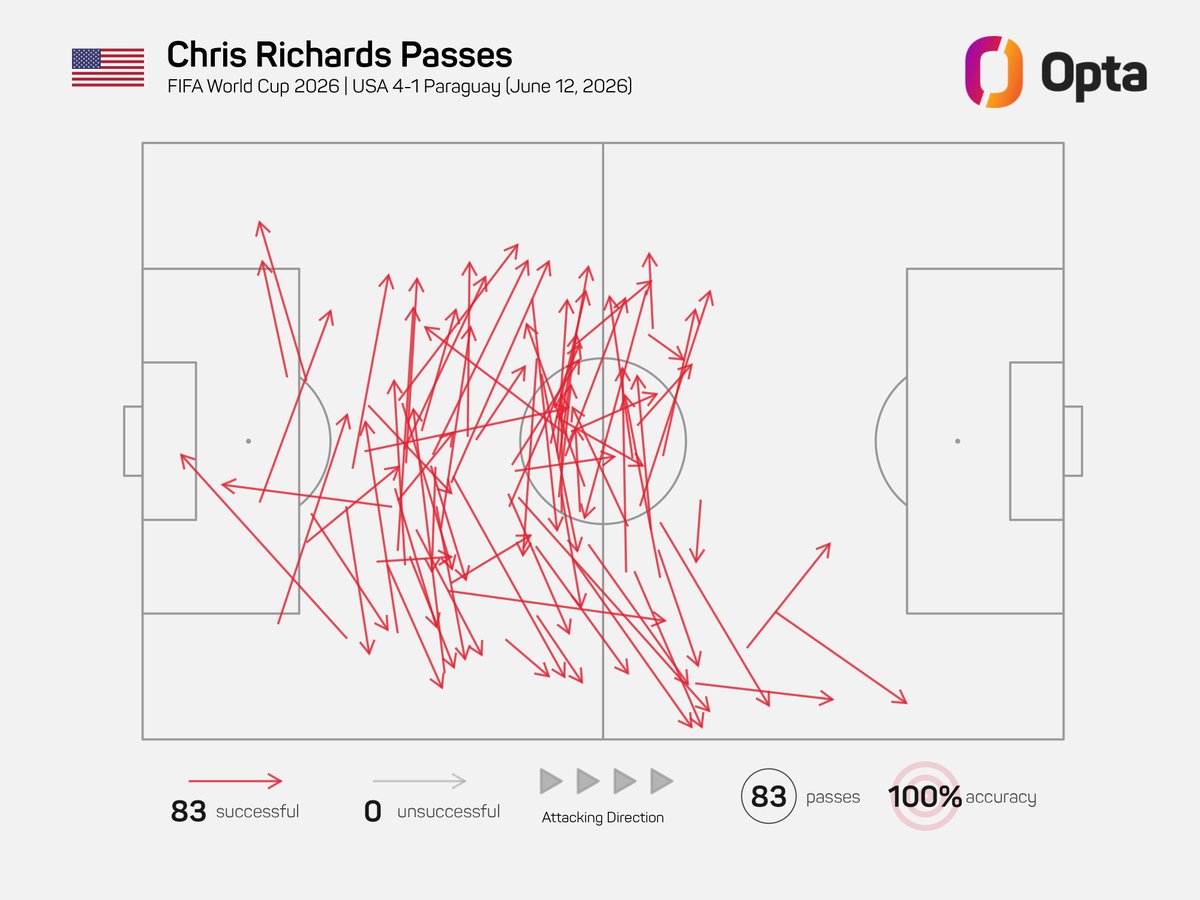
83 - Chris Richards completed all 83 passes he attempted for the #USMNT against Paraguay, the most passes with a 100 percent accuracy rate by any player in a FIFA World Cup match since 1966.
Perfection.
2
2
49
12,266
B. David Ridpath retweeted

Jun 13
Tabbed nothing less than the golden generation, they were meant to grow a sport that long had roots but never could quite blossom, using the soil of their own country to do it. cnn.com/2026/06/13/sport/tea…
1
1
10
2,302
B. David Ridpath retweeted
Jun 13
If you turned on @USMNT opener at @FIFAWorldCup expecting to see the best performance in their history at this event, well, that’s what you got.
Now they want to make it a habit.
sportingnews.com/us/soccer/n…
3
7
26
14,038
B. David Ridpath retweeted

Jun 13
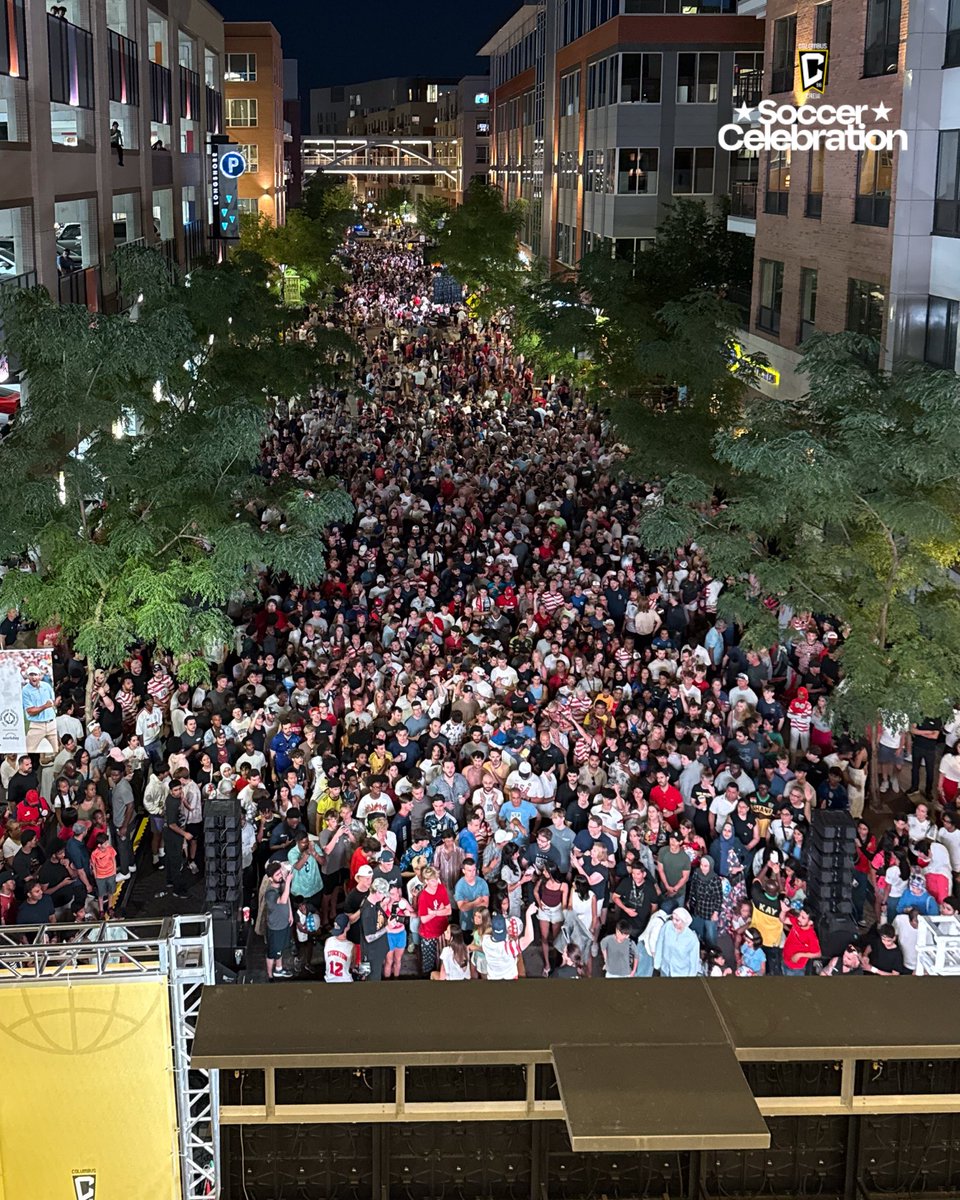
WHAT A NIGHT 🇺🇸🦅
See you on June 19 for USA v. Australia 🔜
2
51
740
13,988
B. David Ridpath retweeted

Jun 13
In the entire history of the World Cup, the USMNT had never scored more than 3 goals in a game until today...
3
6
145
8,731