
Space archaeologist: orbital debris, planetary landing sites, terrestrial infrastructure, popular culture. @issarchaeology Avi: Jens Notroff. Agent: Jane Novak
Joined September 2010
- Tweets 124,449
- Following 3,540
- Followers 13,635
- Likes 83,656
2,388 Photos and videos





Pinned Tweet

9 Jan 2019
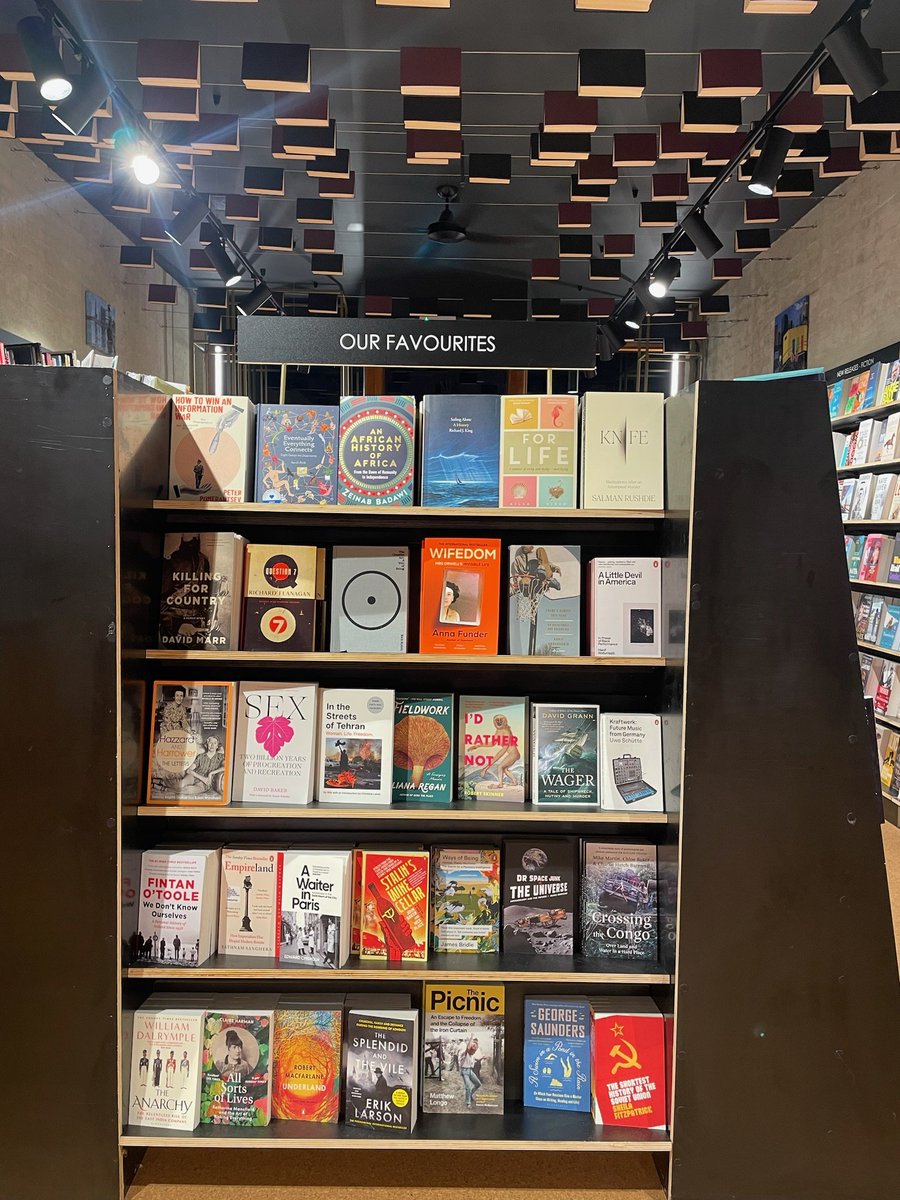
Dr Space Junk vs The Universe: Archaeology and the Future. My book about how humans interact with outer space is out in April 2019.
newsouthbooks.com.au/books/h…
46
100
373
Jun 10
JFC. I don't think this article mentions men once. It's MEN who fail to financially support THEIR OWN CHILDREN WHO THEY ARE SUPPOSED TO LOVE. What happened to all those men who love to provide?

One million children are meant to receive child support each year. Proposed changes will help them in some ways, but fall short of addressing big problems. @OurANU theconversation.com/the-gove…
2
191
Jun 10
SHE had 13 children.
Jun 9

— Estuvo casado 62 años con Rosie Cotton.
— Tuvo 13 hijos.
— Fue elegido alcalde de La Comarca y ejerció durante 49 años en el puesto.
— Fue el único mortal en herir a Ella-Laraña
— Acabó con varios Orcos él solo.
— Estuvo 6 meses sin fumar pipa y sin comer patatas.
— Viajó 2.898 kilometros descalzo.
— Cargó con un adulto a sus espaldas hacia un volcán.
— Una de las pocas personas en la Tierra Media que son inmunes al anillo.
SAM ES EL MVP Y EL VERDADERO HÉROE DE EL SEÑOR DE LOS ANILLOS.

1
120
Alice Gorman retweeted

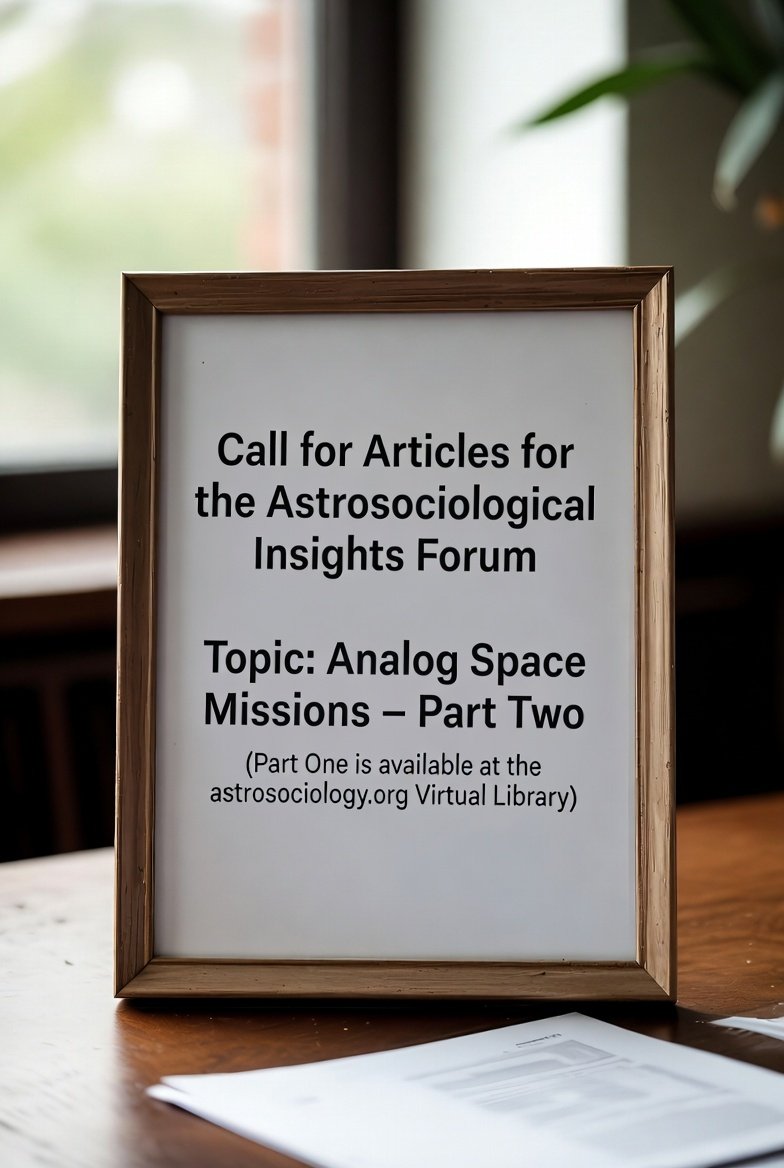
Analog Space Missions matter...
Part One (of two) of the Forum's Analog Space Missions series is now available: astrosociology.org/Library/P….
If you would like to submit an article for Part Two of the Analog Space Missions two-part series, here is the link to the Call for Articles: astrosociology.org/library/P….
The submission deadline is July 31st.
2
6
221
Alice Gorman retweeted

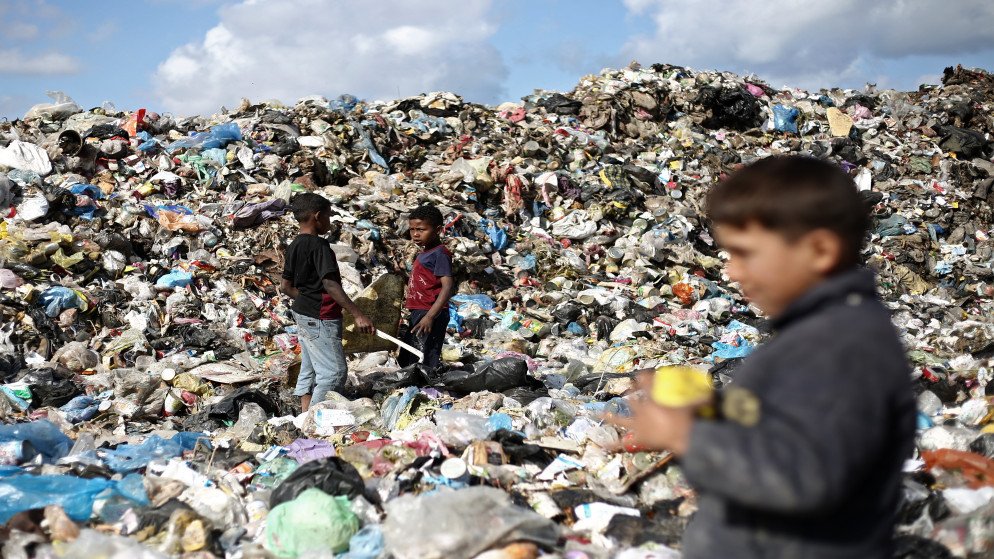
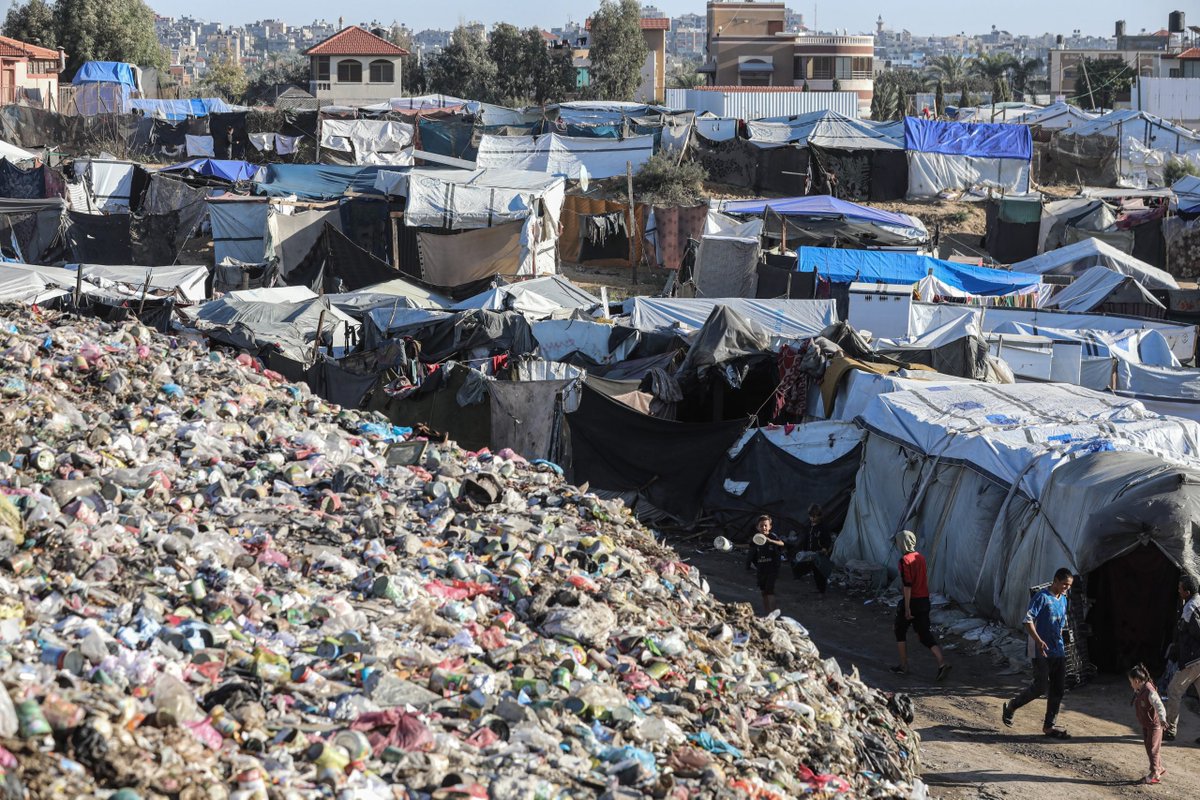
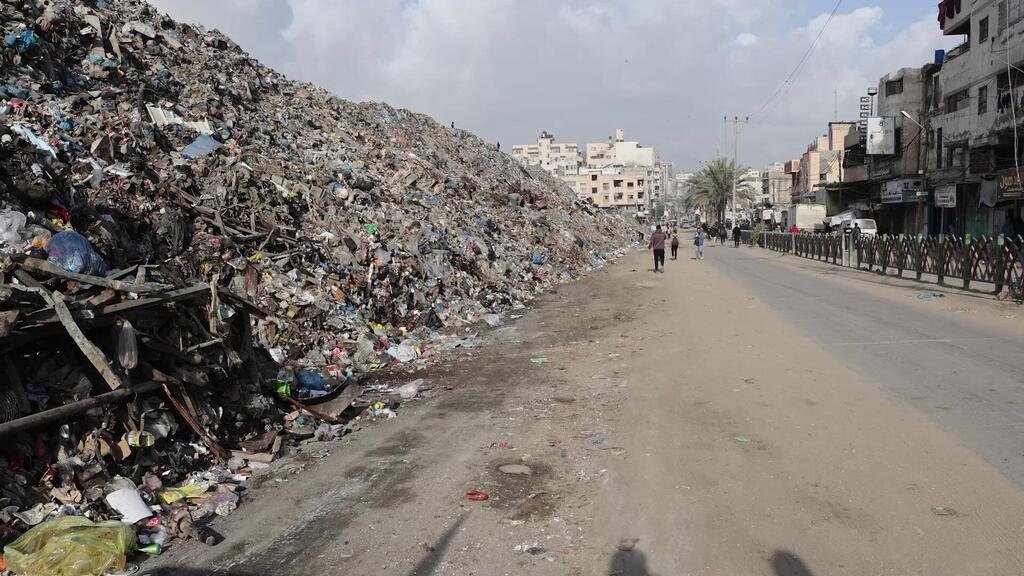
Israel is weaponizing mountains of garbage in Gaza against the population. The Israeli army is blocking access to Gaza's landfill & banning the entry of trucks or other heavy equipment to the enclave
This created a giant overpopulation of rodents, insects, scorpions & snakes, & rapid spread of diseases
UN says it'd take 180 days to clear out those piles if 50 trucks are used each day
Israeli general (res.) Giora Eiland has called for the deliberate weaponization of disease & starvation in the genocide
84
2,166
2,436
63,695
Alice Gorman retweeted

No, it's not.

AI Is About to Become Wiser Than Any Human Who Ever Lived
Peter Diamandis (@PeterDiamandis)
6
6
78
3,362
Alice Gorman retweeted

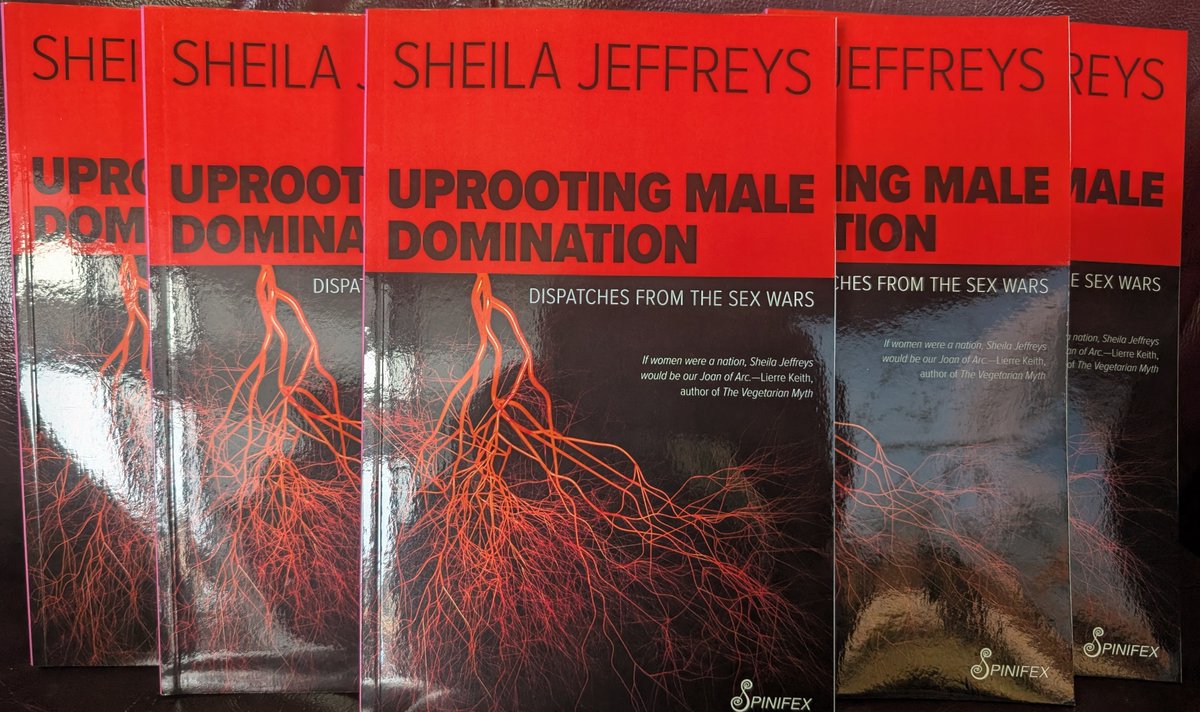
“There is no industry run by women for women in which men are turned into despicable objects for use and abuse."
- Sheila Jeffreys, Uprooting Male Domination spinifexpress.com.au/shop/p/…
1
19
54
1,999
Alice Gorman retweeted

Jun 2
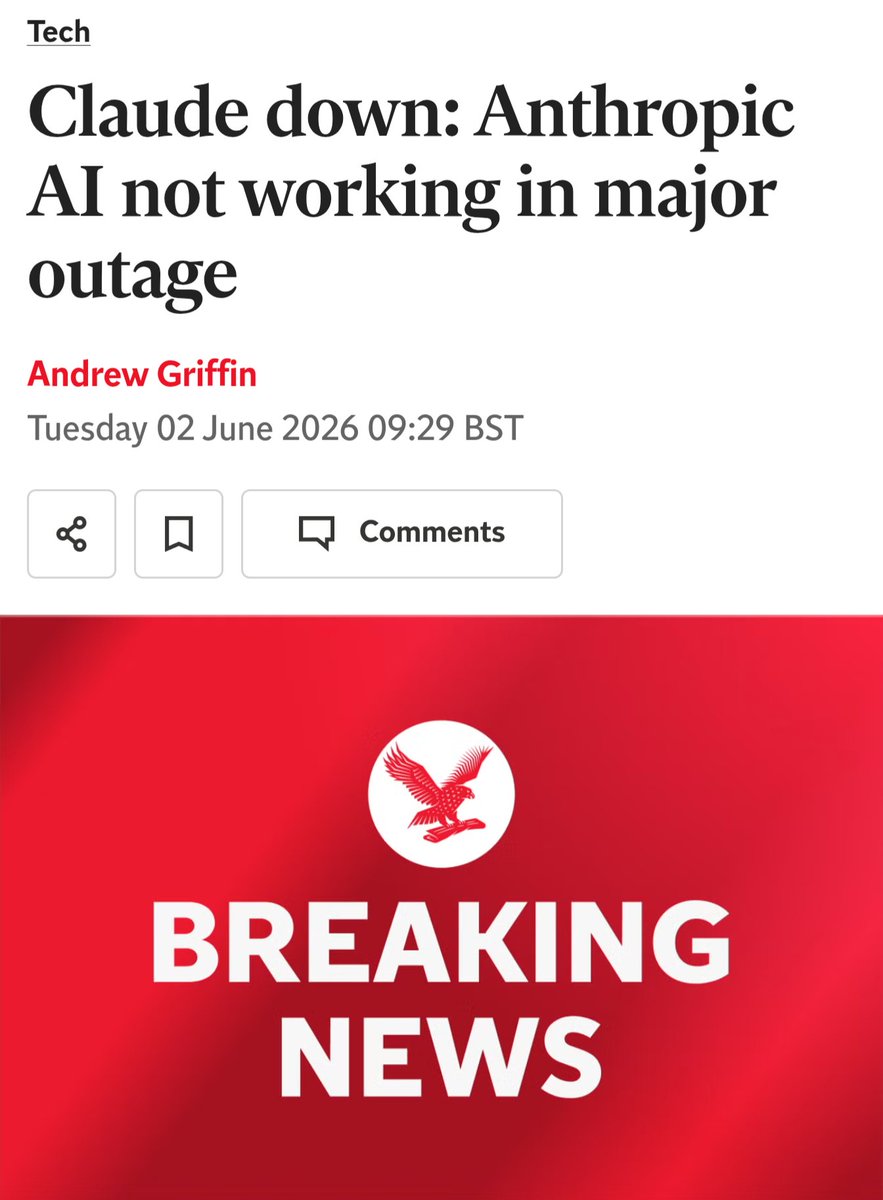
BREAKING NEWS!!! AI chatbot Claude has lost consciousness
22
49
367
13,364
Alice Gorman retweeted

Thousands of men around the world, including in Australia, have formed online communities to trade in rape content and advice. They do it to impress one another. @emmaquilty_ @MonashUni theconversation.com/men-film…
4
7
6
1,252
Alice Gorman retweeted

And men will get so angry that women want to be physically attracted to the man they love & have sex with, meanwhile they're not dating women they think are ugly.
1
19
675
Alice Gorman retweeted
Women will see beautiful women men call obese & see the beauty in her. Women will see beautiful women men call old hags & see the beauty in her. Women will see beautiful women men call masculine & see the beauty in her. Seems like women are more capable of seeing beauty.

Women will see an obese and ugly woman and say she’s a 10. Women will tell a man to “be nice” and then go for the man that physically abuses her. Women are not the authority on what they find attractive, because they themselves don’t even know what they’re attracted to. Who has the authority on what women find attractive? The men that actually get women.
4
32
424
6,430
Alice Gorman retweeted
It makes men angry women haven't atrophied our capacity for appreciating beauty by conformity to patriarchy like men have & that we don't surrender our rich inner lives to the dictates of stunted, broken, submissive, boring men who fetishize youth in girls, power fantasies in men
1
15
72
988
Alice Gorman retweeted

May 29
Pedophilia is so rampant in our society because children are often the easiest targets for men who believe power and dominance define masculinity.
2
2
14
452

Words that describe what Israel is doing in Lebanon:
-Ethnic cleansing
-Occupying
-Indiscriminate bombing
-Killing civilians
-Targeting medics
-Deliberately destroying
-Illegal
Words media uses:
-Orders evacuation
-Asks to leave
-Warns
-Declares
-Against Hezbollah
-Combat zone
253
4,766
10,067
114,924
May 26
I support Guardian Australia because I believe in rigorous, independent journalism that’s open for everyone to read. Join me by making a contribution and together we can be a voice for change. support.theguardian.com/cont…
104
Alice Gorman retweeted

The Conversation You Must Have With Your Sons
Many parents have the "Don’t get raped" conversations with their daughters, but not the "Don’t rape" conversations with their sons. We must.
By Carina Kolodny
huffpost.com/entry/the-conve…
2
11
28
1,187
Alice Gorman retweeted

May 23
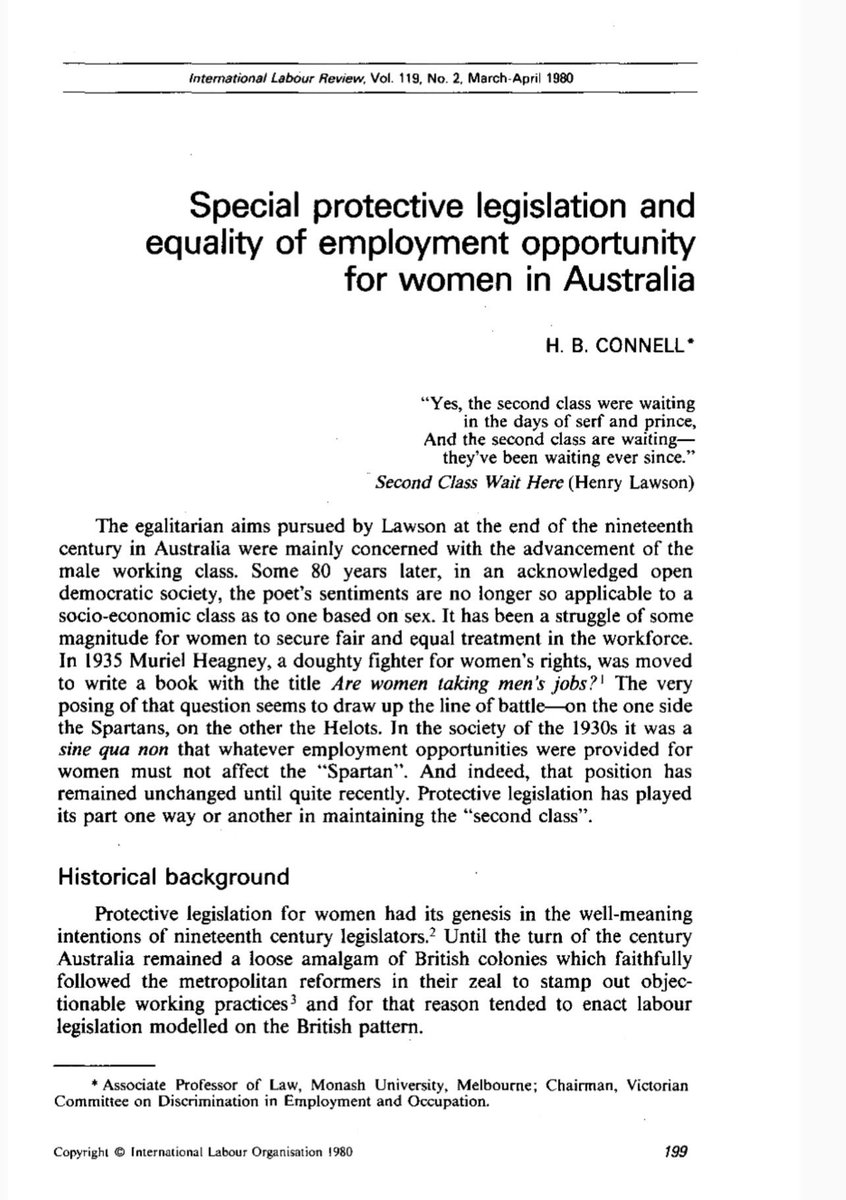
The argument that women need special protections rather than equality because of reproductive status and biology shows ignorance of the history of labour hire laws.
Prior to equality legislation, so called “protective labour laws” for women were common in many countries.
These laws restricted women’s hours of work, times of work (eg no night shift) and limited the types of jobs they could do based on reproductive status, family requirements and perceived physical disadvantage. There were often also “marriage bans” where women were automatically fired once married. This was still the case in eg teaching in the 1950’s and ‘60’s in Australia.
Another example was the international ban on women in underground mining and from night work brought in by the International Labour Organisation.
Say what you want about mining, but The Bread Act 1969 protecting women from shift work as a result meant women couldn’t be bakers in Australia.
The Labour and Industry Act 1958 in Victoria dictated women couldn’t work under an Iron roof unless it had a ceiling or was lined. This precluded hiring women in many factories.
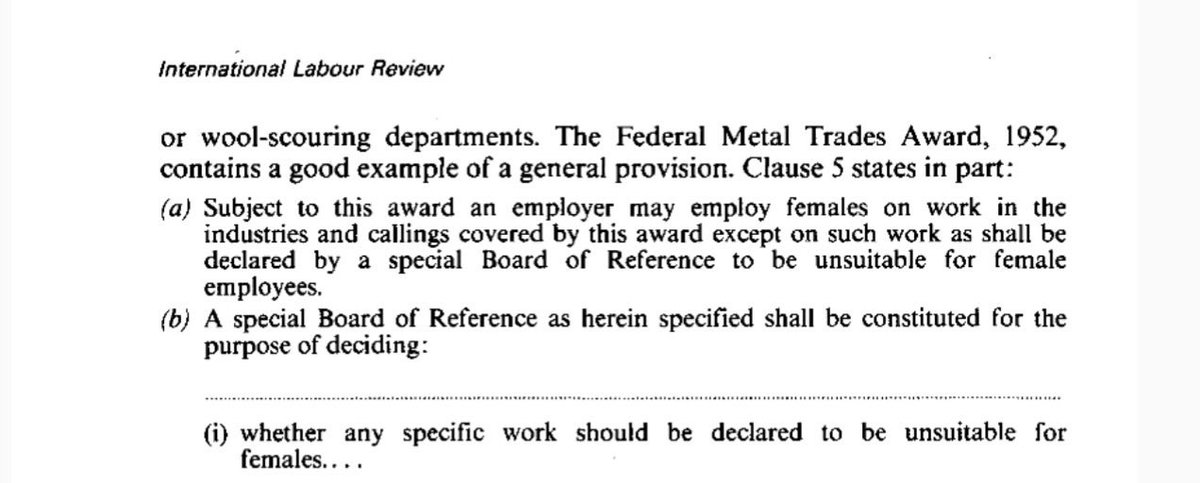
And the Bread Act was just one of about 600 industrial awards in Australia that had “protective” provisions preventing women from working freely.
Eg The Butchers determination 1978 said women were only allowed to work the cashier for safety reasons.
The motive was ostensibly benevolent, but these laws were often used to guard against perceived threats to men’s jobs and income by limiting women in the workplace. They were also used as a rationale for wage inequality.
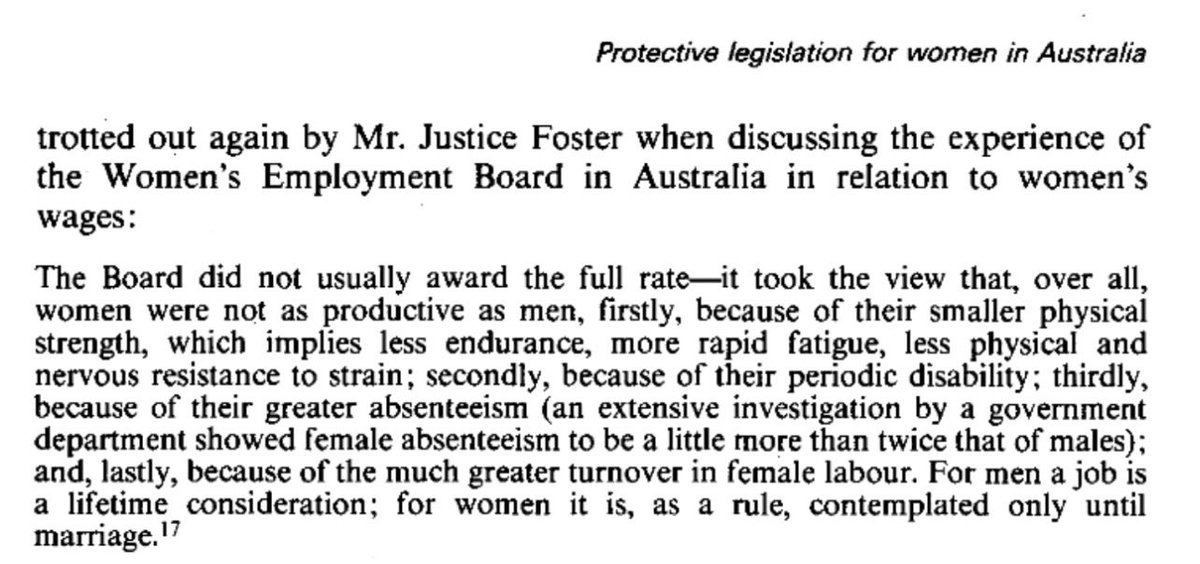
Eg. A man’s wage was calculated on the assumption he may have to support a family, but a woman’s wages were calculated on the assumption that she was single and childless or she wouldn’t be working.
Wages were also calculated on the basis that women’s different biology made them less productive and more prone to absenteeism than men.
All of this caused sex-stereotyping in industries that shouldn’t be inherently gendered. Eg baking.
Another example was giving women special status in apprenticeships in the 1970’s. Whereby men were held to an apprenticeship contract but women could dissolve an apprenticeship at any time to get married if they wanted, leading to reluctance to hire women.
So special protections for women due to biological sex may *seem* like a good idea to people clueless about the workplace pre-equality legislation, but equality is far better.

12
38
4,153
Alice Gorman retweeted

Some of you have forgotten that only three years ago you were perfectly capable of writing an essay, writing a eulogy, telling a bedtime story to a child, and it should worry you that powerful companies have convinced us we can’t do things we’ve been doing for 5,000 years.
259
19,236
84,514
1,134,870
Alice Gorman retweeted

May 19
What is Israel’s hold over the Australian government that it can’t even condemn the violent kidnapping of its citizens in international waters? What has become of us?
102
566
1,353
13,914
Alice Gorman retweeted

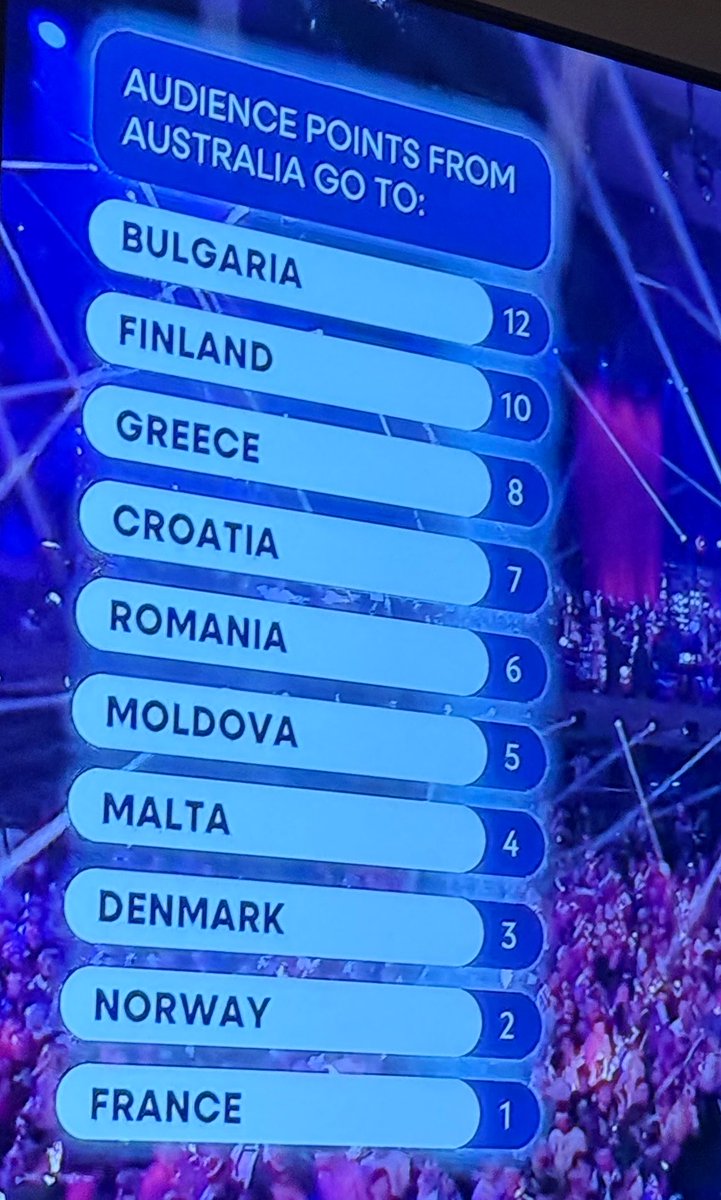
this will be subject to long questioning at the Royal Commission

98
626
8,831
186,918
May 17
RT @cordeliamaylove: Animal rescuers — 84.5% women
Animal abusers — 80% men
Living organ donors — 80% women
Living organ recipients — 80% m…
13,266