
American entrepreneur living in Moldova. I write a newsletter about Moldovan political and economic news each week in English at Moldova Matters.
Joined February 2012
- Tweets 686
- Following 406
- Followers 417
- Likes 282
347 Photos and videos
David Smith retweeted

Jun 15
The European Council unveiled a new Moldova sanctions package Monday morning, including:
- Irina Vlah
- A Popular Front operative charged with subverting Orthodox parishes in Drochia and Soroca.
- Various local Shor operatives.
eur-lex.europa.eu/legal-cont…
3
14
681

Jun 4
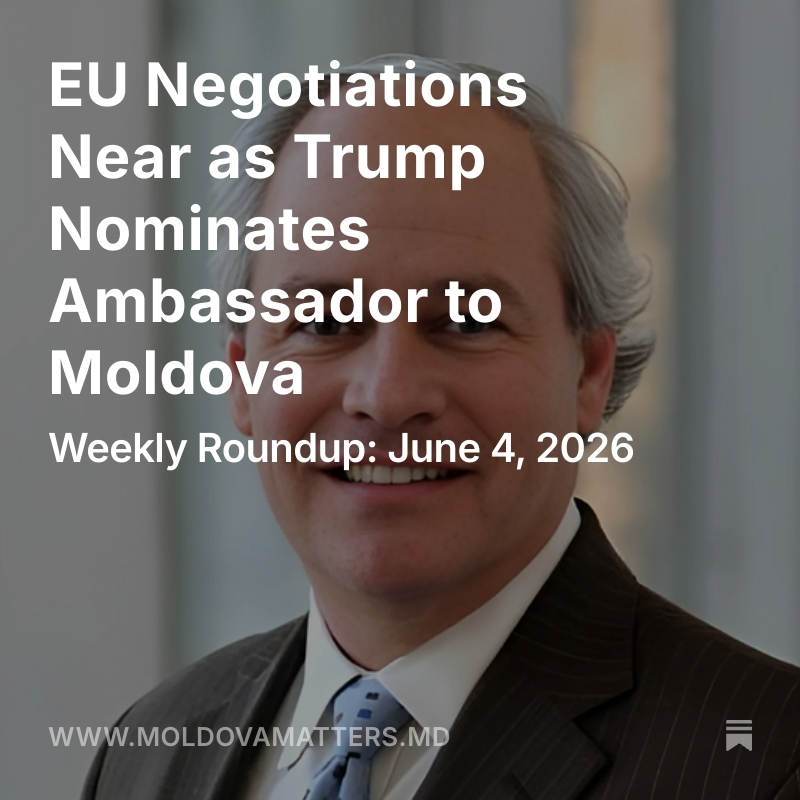
After months of delays, Moldova and Ukraine could begin formal EU accession negotiations as early as this month.
Also this week: Trump nominates a new ambassador to Moldova after a two-year vacancy.
The latest Moldova Matters roundup:
open.substack.com/pub/moldov…
1
68
May 29
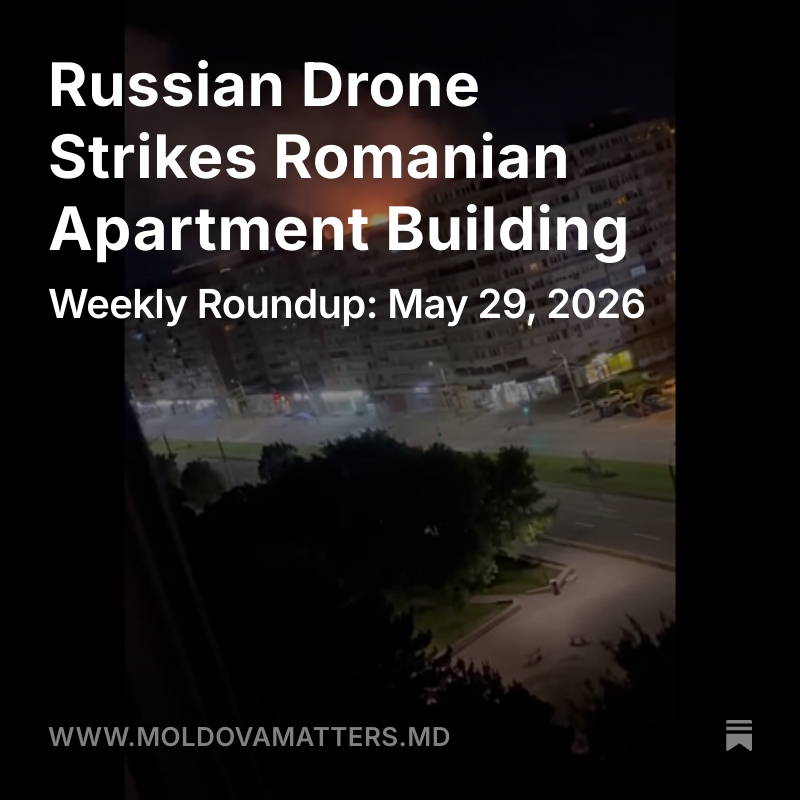
Russian drones struck a residential apartment building in Romania overnight, injuring civilians.
Also, polls suggest that a majority of Transnistrians would support reintegration with Moldova.
This week's roundup:
open.substack.com/pub/moldov…
1
63
David Smith retweeted

May 28
It is fair to say that neither Ukraine nor Russia is winning the war.
For Zelenskyy, this is good news: only yesterday, many were predicting his defeat. For Putin, it is bad news: no one seriously believes anymore that he is winning.
Yet Putin does not want to end the war. He seems to have five basic choices, but after four years of full-scale war, his core problem is clear: none of them gives him a guaranteed result.
A technological breakthrough? It takes time and offers no guarantee of a success.
A tactical breakthrough? Ukraine may adapt faster than Russia can turn it into strategic gain.
Mobilization? The Kremlin’s cheapest instrument, but one that raises the domestic cost of war.
A new theater of war? It may shift attention, but it does not guarantee a quick victory.
Nuclear weapons? Shock effect, but with uncontrollable consequences for Moscow itself.
So he will most likely do what he does best: buy time. He will move, in fragments, along the first four tracks and keep threatening the fifth.
Ukraine’s options remain unchanged: strike deeper, defend the sky, and strengthen resilience at home — politically, financially, and militarily. This has worked so far. It can keep working.
108
282
2,071
187,595
May 28
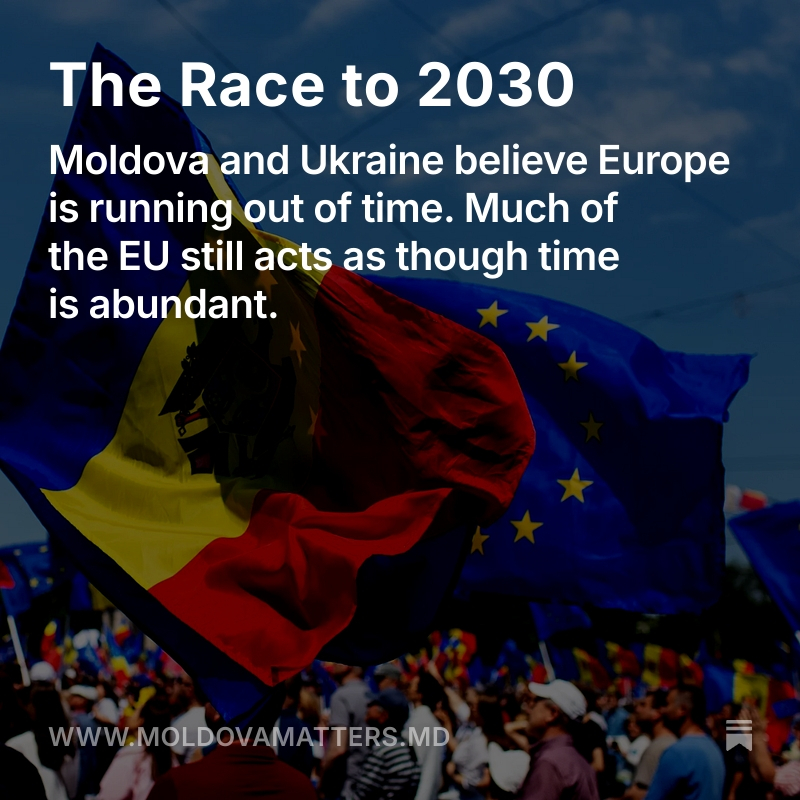
Moldova says it wants to join the EU by 2030. Much of Europe quietly thinks that’s unrealistic.
The gap isn’t really about reforms or procedure - it’s about radically different assumptions regarding Europe’s future, security and time itself.
open.substack.com/pub/moldov…
3
97
May 21
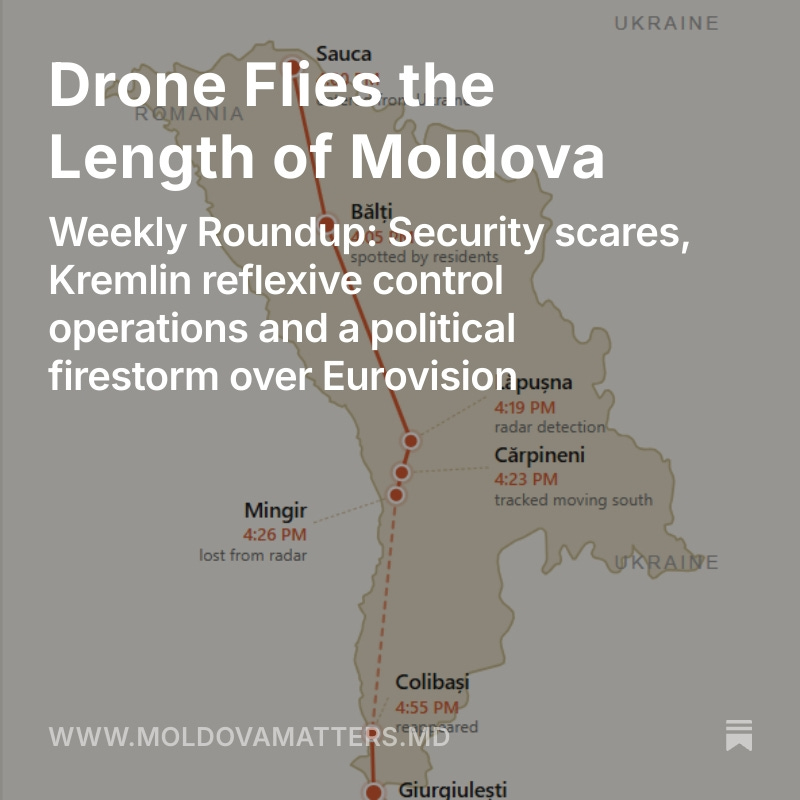
A drone flew the length of Moldova. Russia escalated messaging around Transnistria. Kremlin-linked hybrid campaigns spread across Europe. And Moldova somehow found itself in a Eurovision meltdown.
This week’s Moldova Matters roundup:
open.substack.com/pub/moldov…
1
1
86
May 21
Thanks @AlexStLeger for letting me use your very helpful graphic showing the drone route!
203
May 20
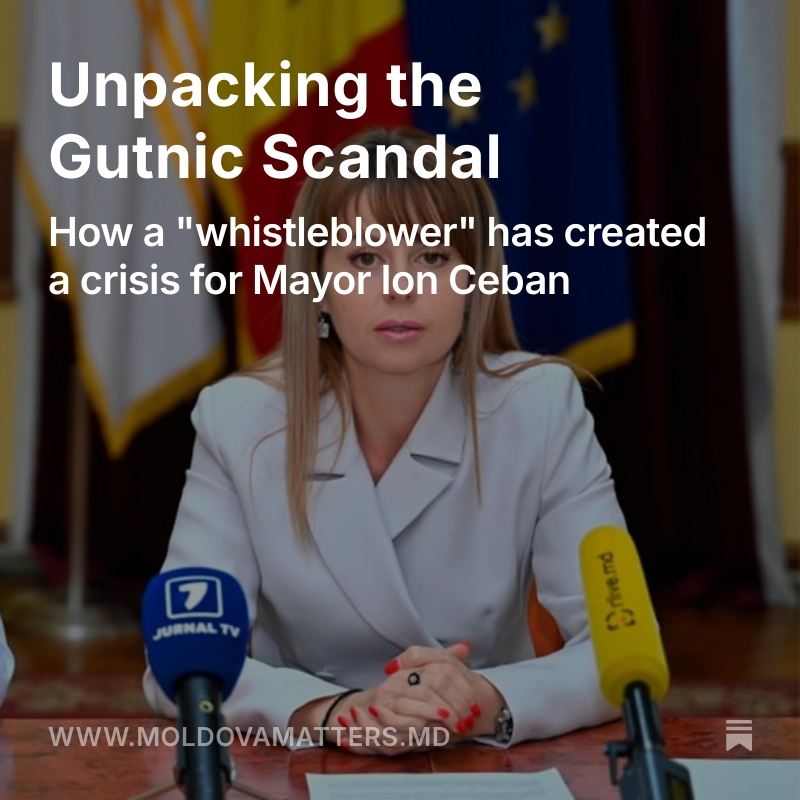
Former Deputy Mayor Irina Gutnic is accusing Mayor Ceban of political abuse, illegal practices, propaganda networks funded through municipal enterprises and more.
I unpack the growing scandal and why this matters politically for Ceban and MAN.
open.substack.com/pub/moldov…
2
59
May 12
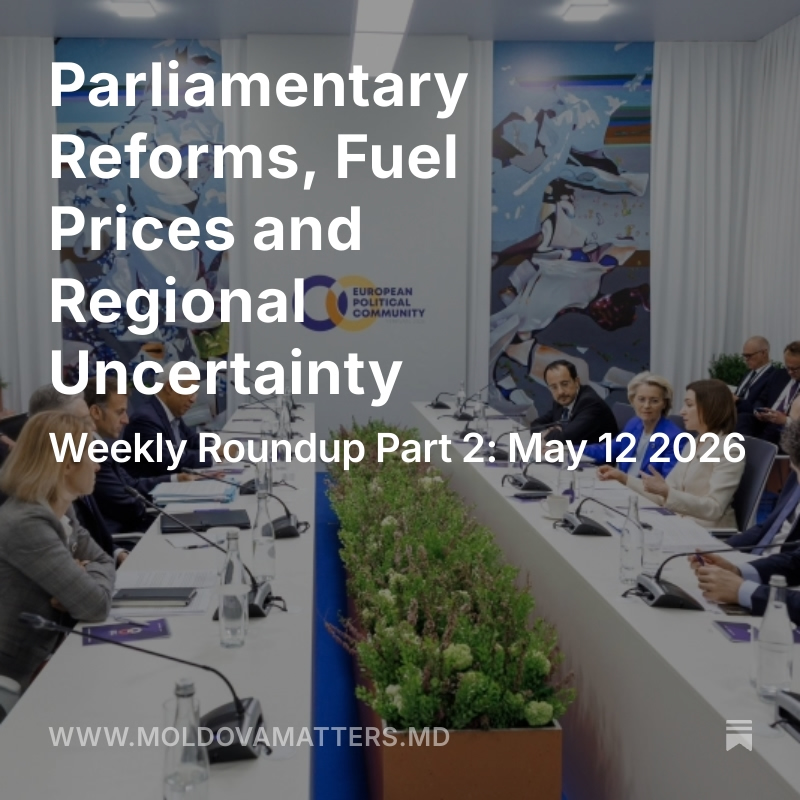
Romania’s government collapsed after PSD joined AUR in a no confidence vote.
Also in this week’s roundup part 2 : the EPC summit, new parliamentary rules, inflation, fuel prices, and Moldova’s debut at the Venice Biennale.
open.substack.com/pub/moldov…
80
May 11
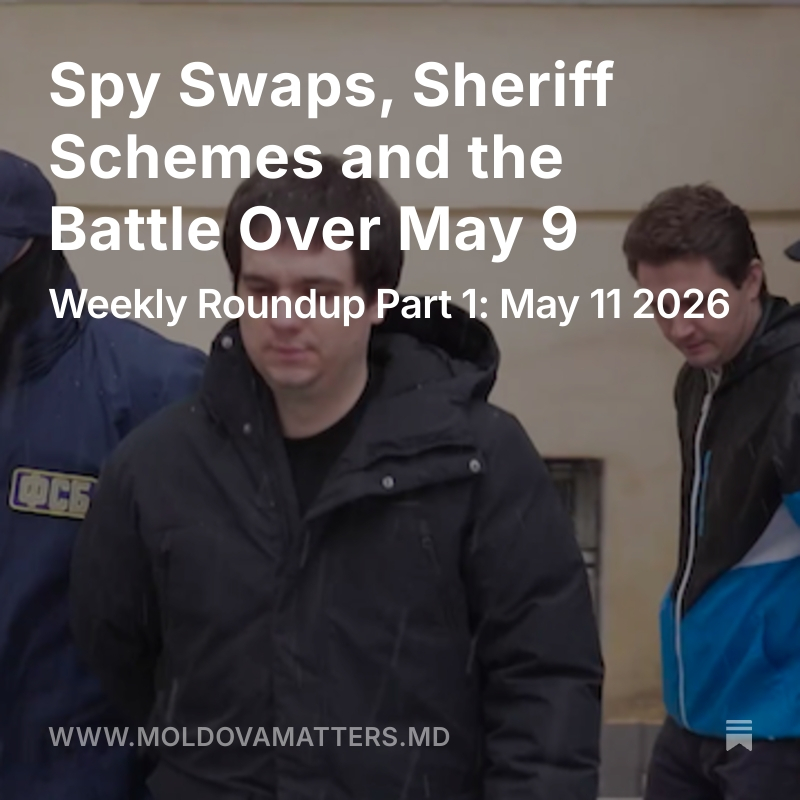
Moldova participated in a major East-West prisoner swap involving Russia and Belarus - securing the return of 2 SIS operatives captured on a failed clandestine mission.
Also this week: updates on Shor's A7 network, Sheriff's German companies and more
open.substack.com/pub/moldov…
1
152
May 6
A newly formed US nonprofit is organizing a privately funded congressional delegation (CODEL) to Moldova.
The organization has little visible operating history, unclear funding sources, and links to past Moldova lobbying efforts.
open.substack.com/pub/moldov…
4
13
900
May 3
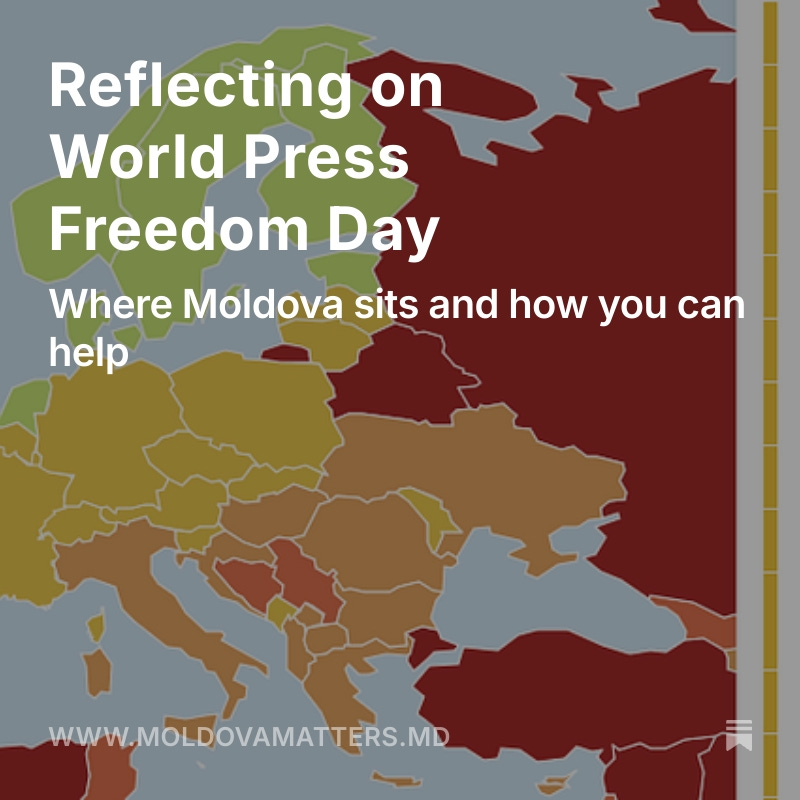
Press freedom is collapsing globally, but Moldova is moving up.
Ranked 31st in the world - ahead of the US and all EU candidates - Moldova is a rare success story in a very bad year.
But the system behind that success is fragile.
open.substack.com/pub/moldov…
1
4
250
David Smith retweeted
Apr 28
Brief summary of the prisoner swap brokered by U.S. envoy @johnpcoale at the Poland-Belarus border with Romanian coordination:
Russia gets:
🇷🇺 Alexander Butyagin (Russian archaeologist arrested in Poland)
🇷🇺 Butyagin's wife
❓One Russian agent arrested for sabotage in Poland
Poland gets:
🇵🇱 Andrei Pochobut (Belarusian-Polish journalist, held since 2021)
🇵🇱 Polish priest Grzegorz Gawel
🇧🇾 One unnamed Belarusian who cooperated with Polish services
Moldova gets:
🇲🇩 2 Moldovan SIS officers held in Moscow
Pardoned and allowed to leave Moldova:
🇲🇩 Alexandru Balan (former deputy chief of Moldova's SIS, convicted of spying for Belarusian KGB)
🇷🇺 Nina Popova (Russian national arrested in Chisinau last summer)
moldova.europalibera.org/a/r…
9
30
2,630
Apr 28
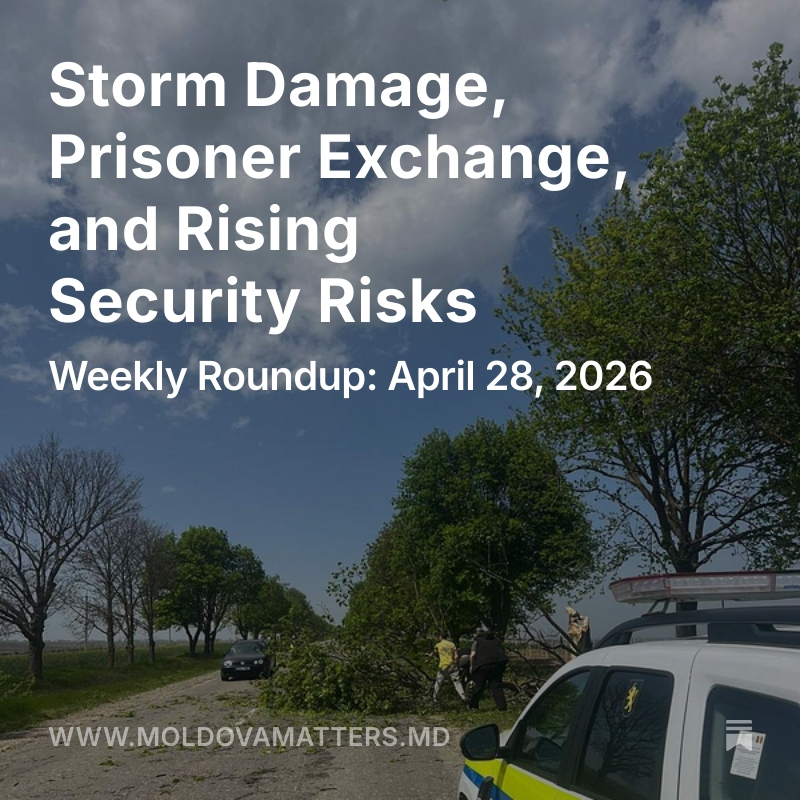
Moldova pardons and swaps a convicted ex-intelligence chief to bring home two detained SIS officers.
Also in this week’s roundup: storms, security tensions, and escalating drone risk in Romania and Moldova.
open.substack.com/pub/moldov…
5
1
73
Apr 24
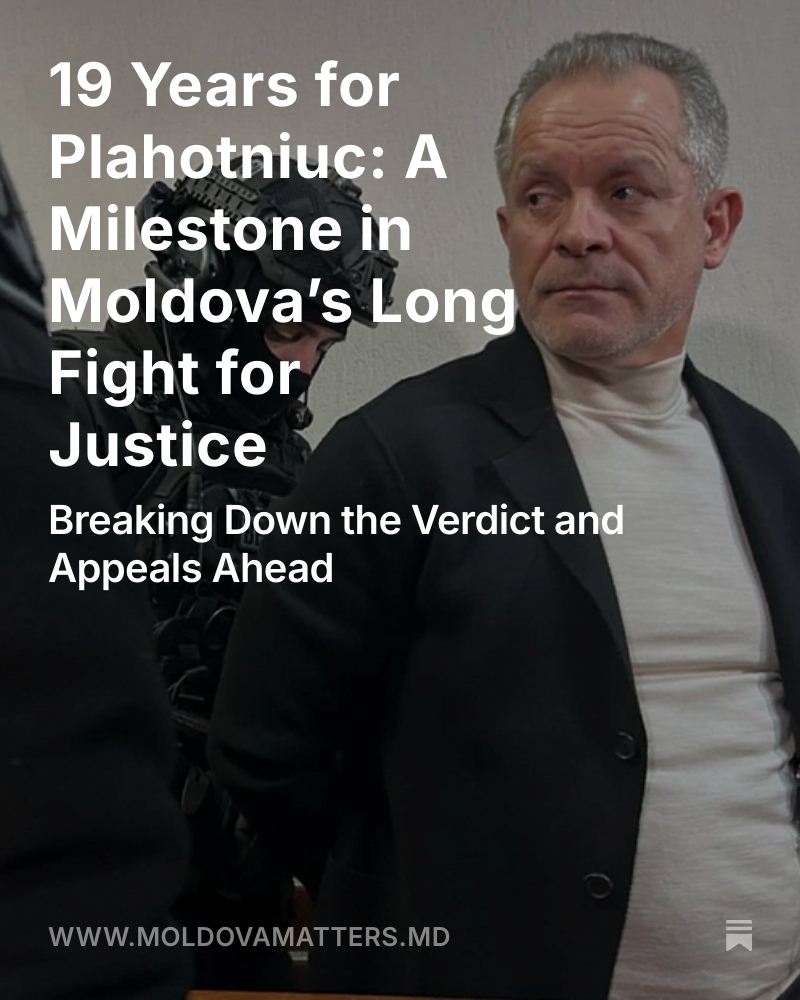
Vladimir Plahotniuc has been sentenced to 19 years in prison for his role in the “Theft of the Billion.”
This isn’t just another corruption case - it’s the first time Moldova has held the man who captured the state legally accountable.
open.substack.com/pub/moldov…
2
55
Apr 21
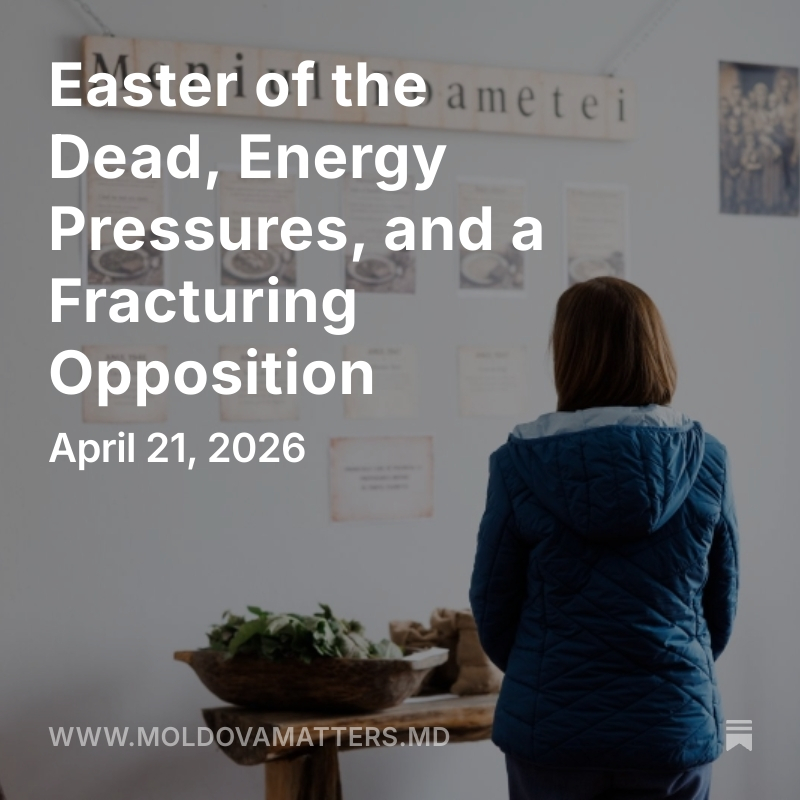
Picnics in the graveyard. Fractures in parliament.
Moldova’s unique “Easter of the Dead” marks a moment of reflection - but underneath, political alliances are breaking apart and energy pressures persist.
open.substack.com/pub/moldov…
2
62
Apr 14
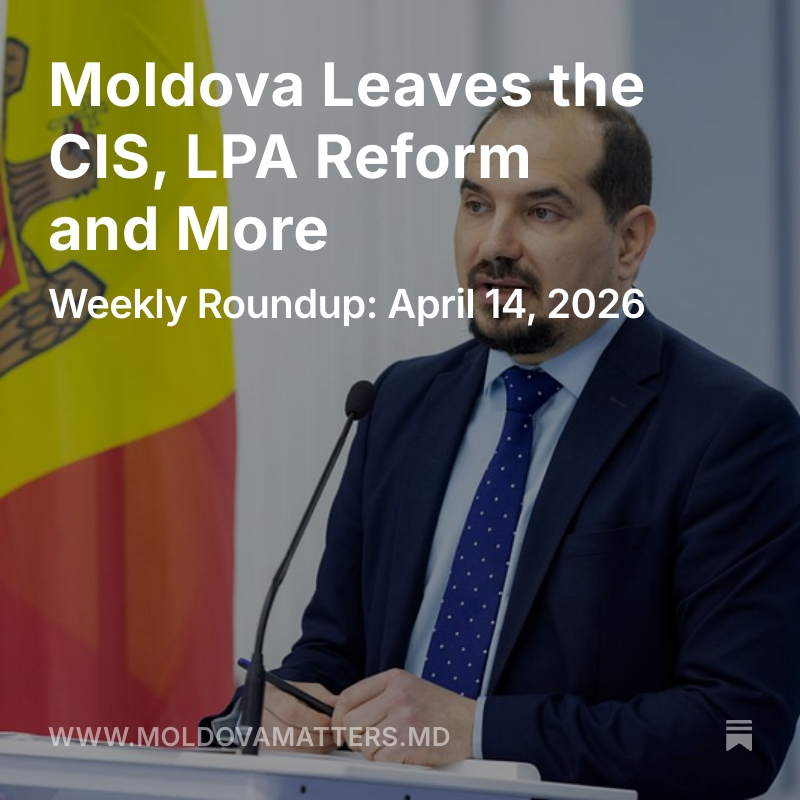
Over Easter, Moldova had a busy week.
From energy instability and regional tensions to ambitious (and controversial) plans to overhaul local government, plus big moves in foreign policy - there’s a lot to unpack.
open.substack.com/pub/moldov…
3
150
Apr 13
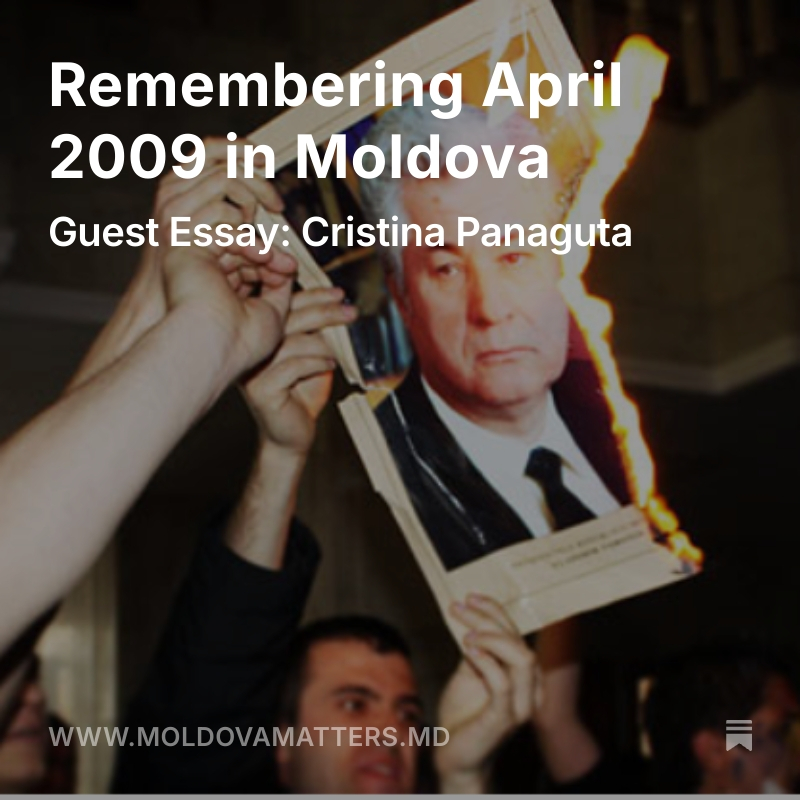
New on Moldova Matters: a guest post by Cristina Panaguta.
A powerful personal reflection on April 2009 - memory, identity, and Moldova’s unresolved past.
open.substack.com/pub/moldov…
1
83
Apr 11
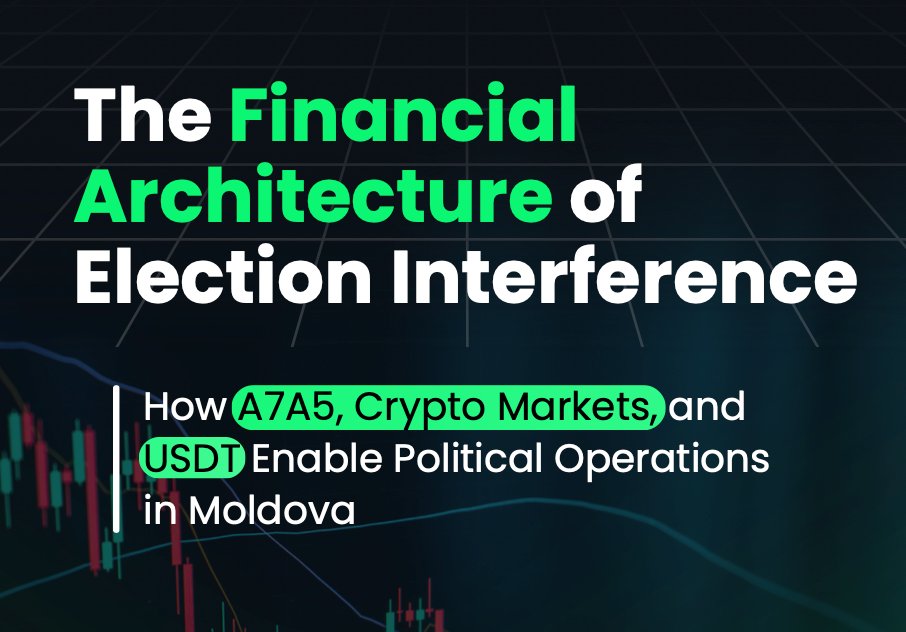
New report: how the Shor network uses crypto, A7, and a ruble-backed stablecoin (A7A5) to move money across borders and fund political operations.
open.substack.com/pub/moldov…
1
70
Apr 10
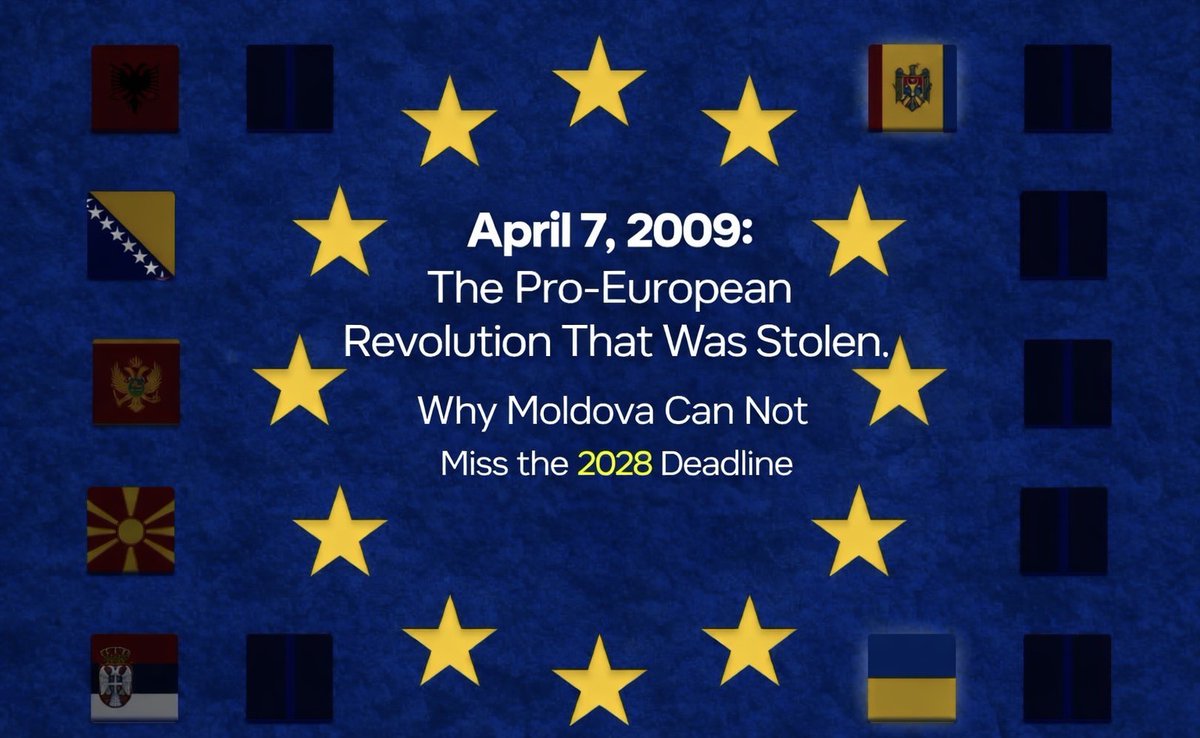
Guest post on Moldova Matters:
The 2009 pro-European revolution was real - but it was also a stolen opportunity.
Daniel Vodă on why 2028 is Moldova’s make-or-break moment for EU accession.
open.substack.com/pub/moldov…
1
95