Wanna B Farmer
Joined October 2009
- Tweets 12,841
- Following 91
- Followers 2,939
- Likes 15,830
48 Photos and videos
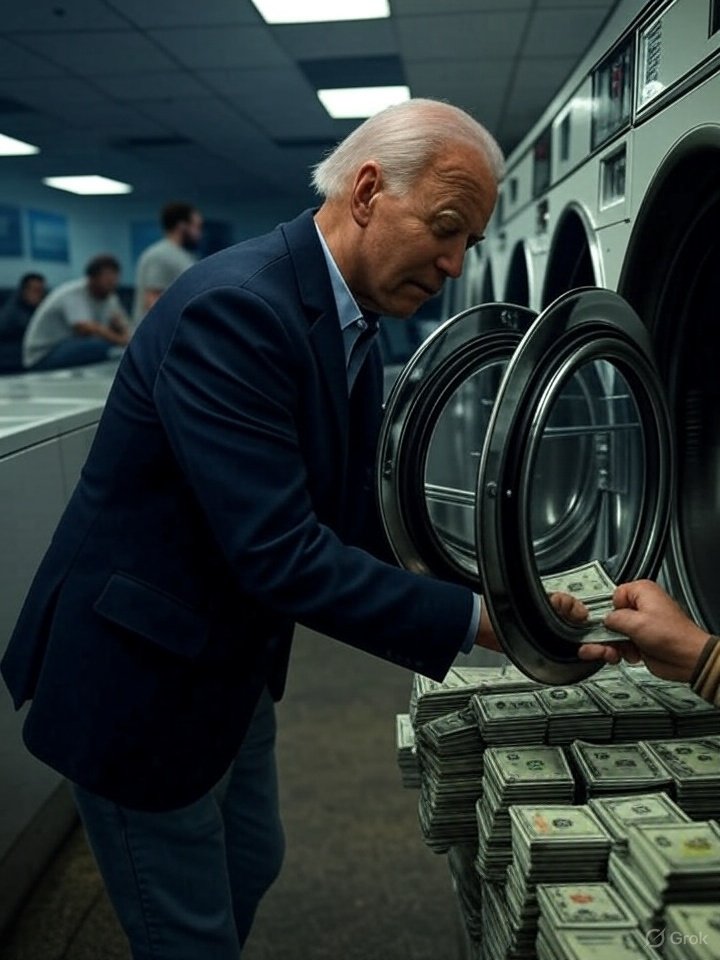
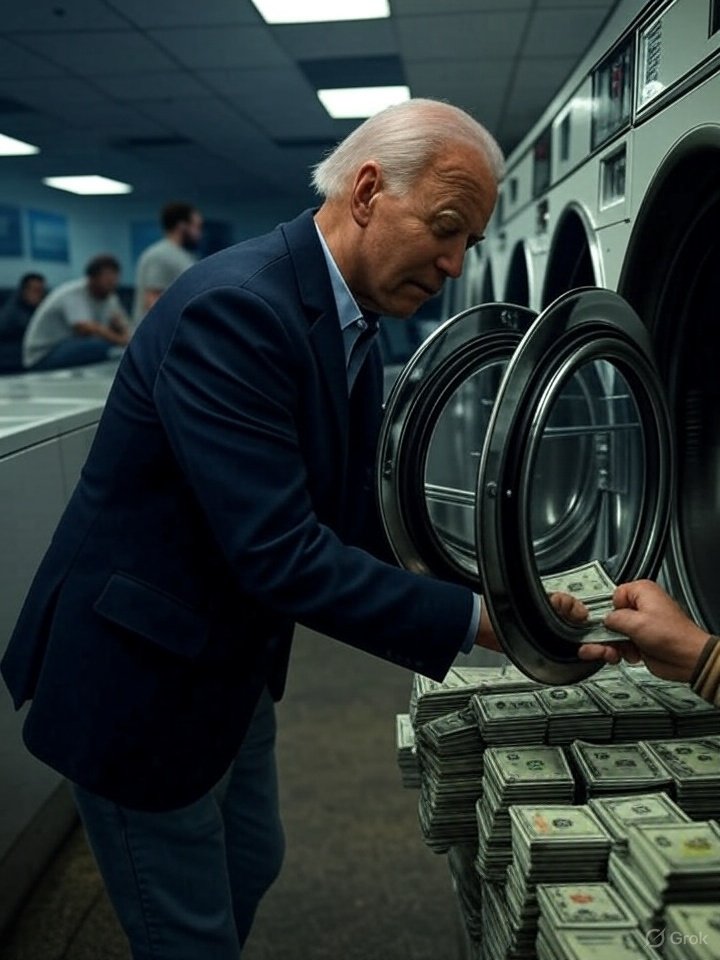
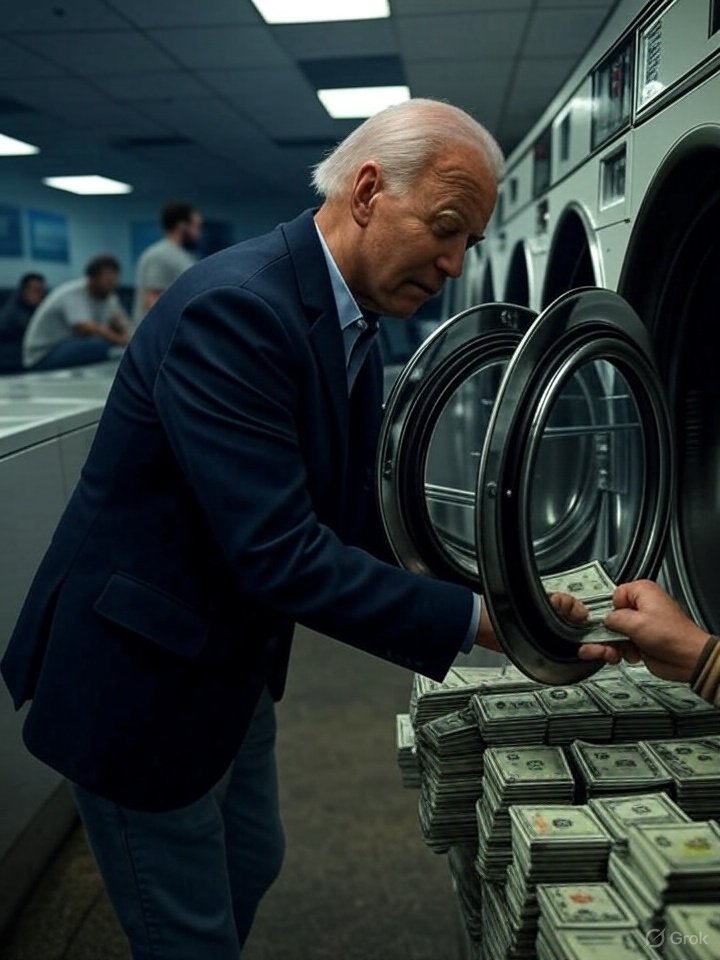

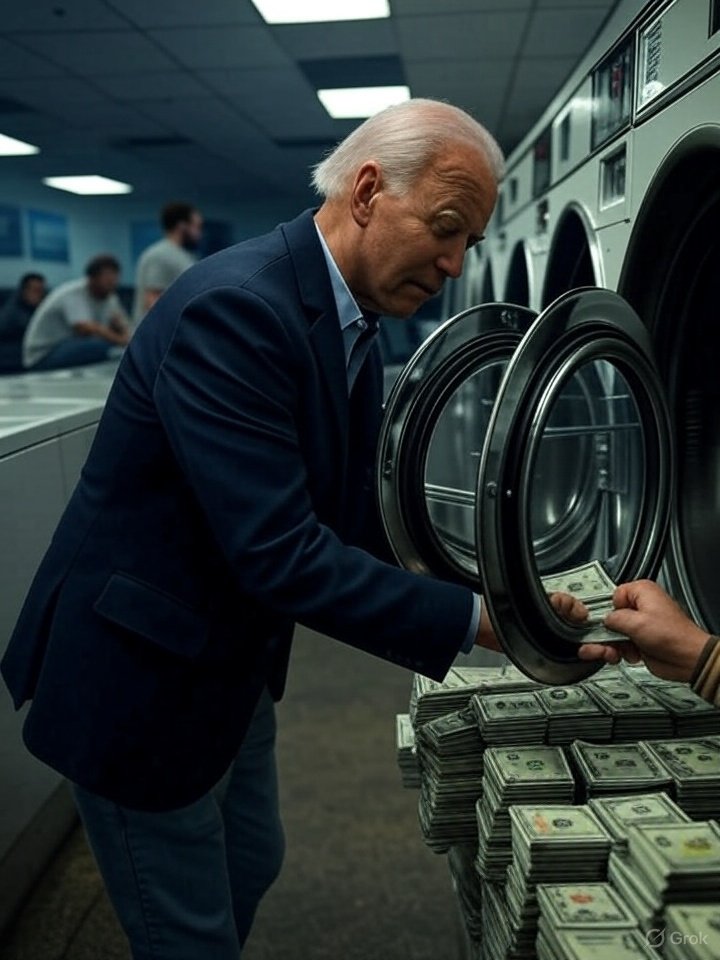
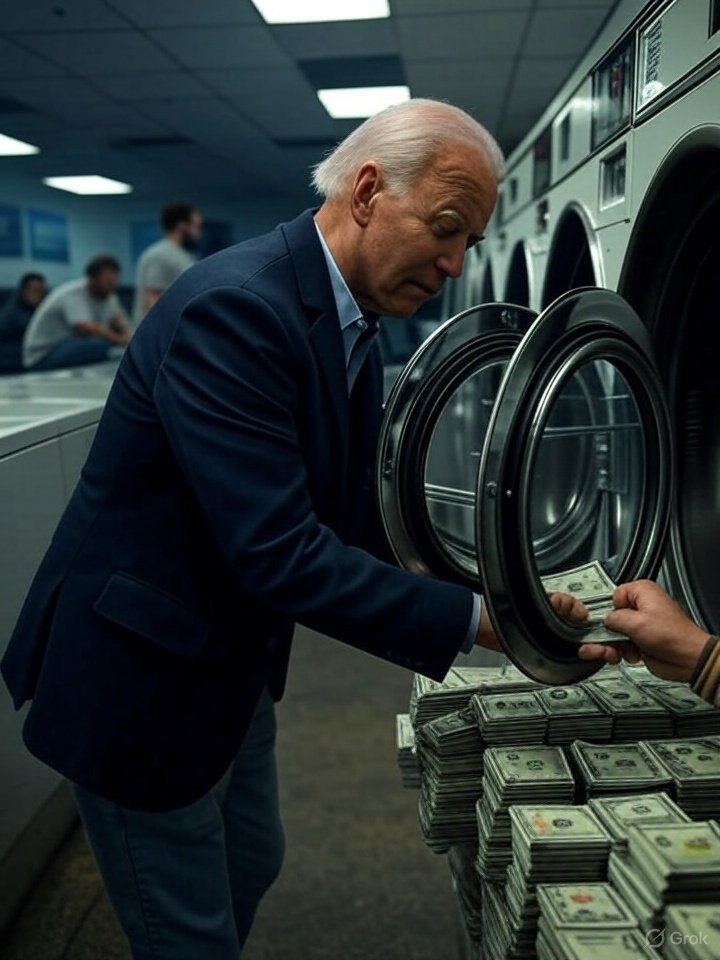
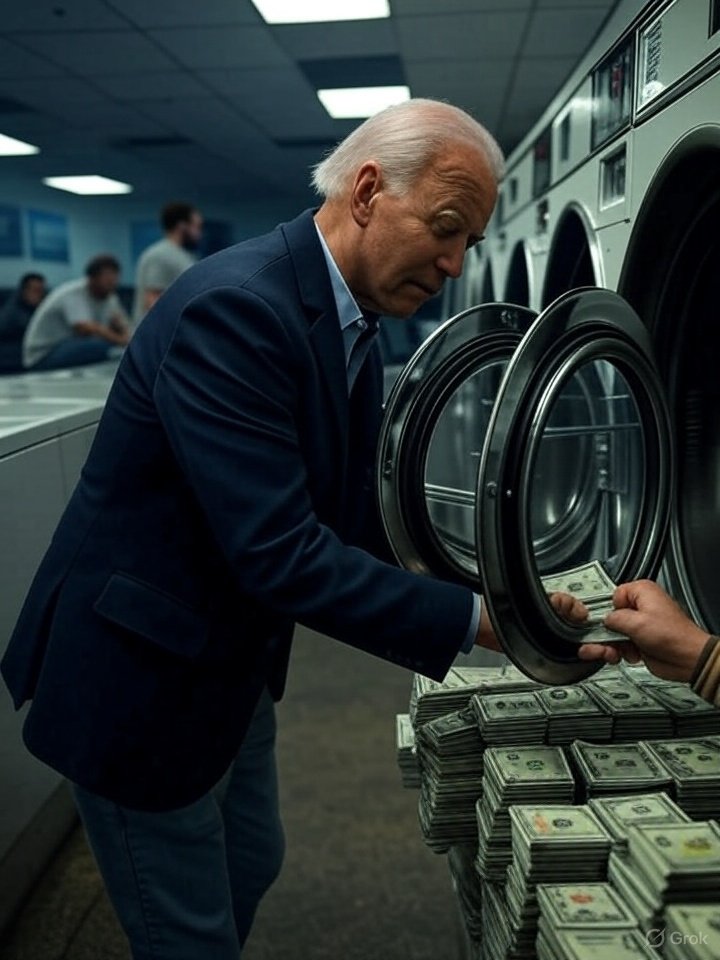
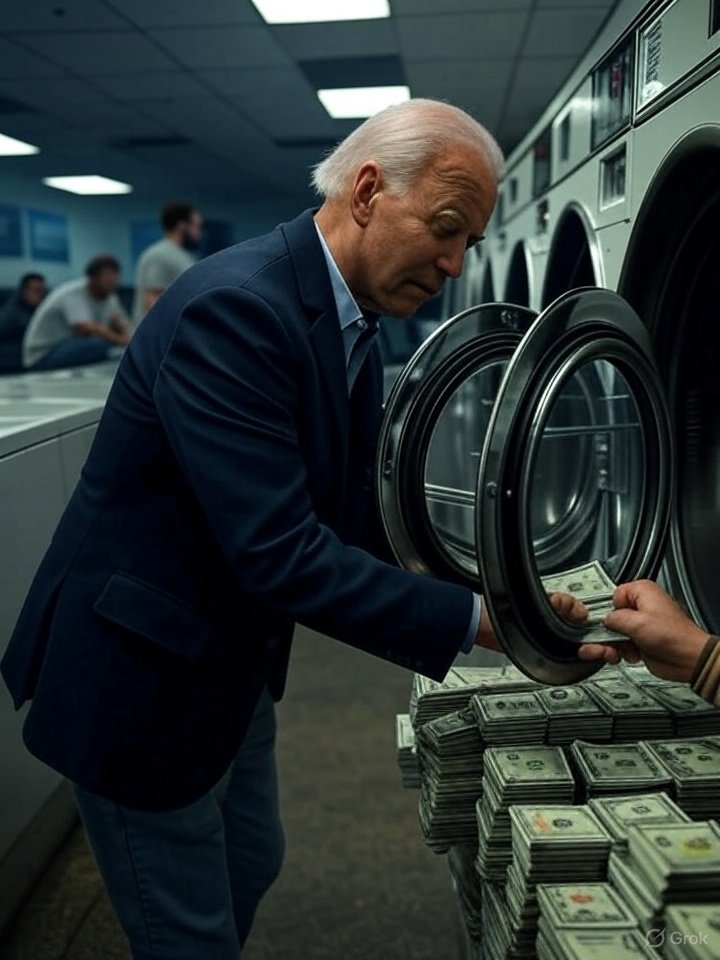
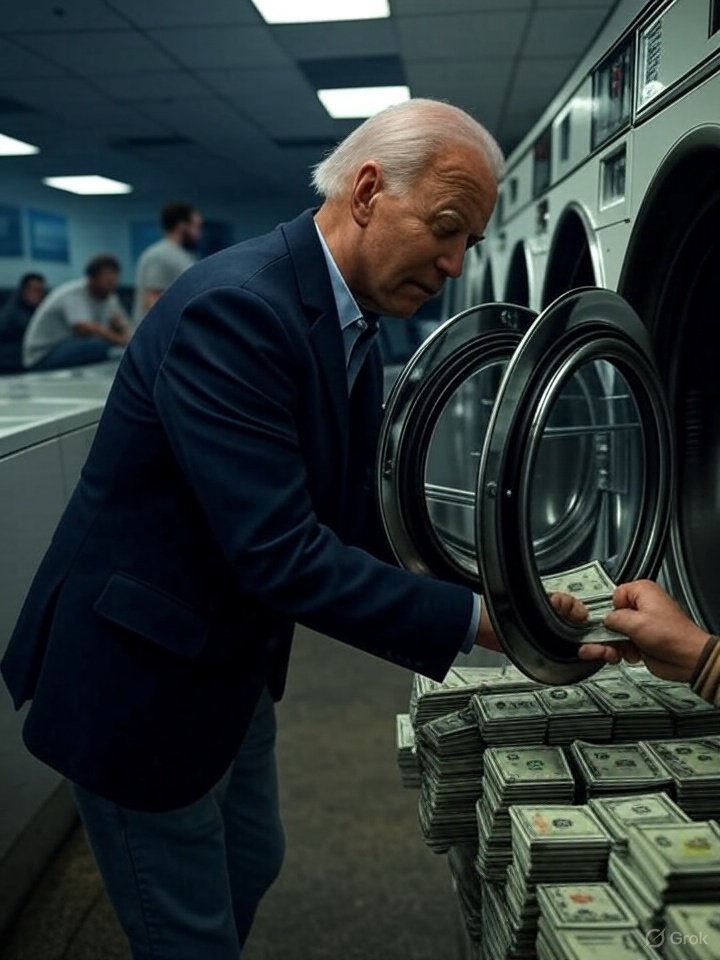

Feb 9
Who Wants The USA Winter Olympic Representatives Who Are Bad Mouthing the USA To Come Home Now
-- Stripped of The Uniform
1
5
189
14 Oct 2025
China's Rare Earths BAN Turns into DISASTER as NO ONE SURRENDERS youtu.be/fnsqVMjm9Gw?si=_r1t… via @YouTube
1
1
16
1,429
14 Oct 2025
See new posts
How can the US Free Itself from China's Corner On The Rare Earth Market. Now We Get Over 80% of our Rare Earth Products From China. These Are Critical For Defense, Technology and Car Production. What Are US Options
Thought for 49s
The United States currently relies on China for approximately 70-77% of its rare earth element (REE) imports, based on data from 2020-2024, though net import reliance on foreign sources overall has improved to around 80% in 2024.
cnn.com 4
This dependence poses risks to defense (e.g., magnets in fighter jets and missiles), technology (e.g., semiconductors and lasers), and automotive sectors (e.g., electric vehicle batteries and motors), especially amid escalating trade tensions and China's recent export restrictions on REEs and related products.
csis.org 2
Reducing this reliance is feasible but requires long-term commitment, as building a full domestic supply chain could take 10-20 years due to high costs, environmental regulations, and technical challenges.
econofact.org 1
Below, I outline key options, drawing from ongoing U.S. government initiatives, private sector efforts, and expert analyses as of 2025.1. Boost Domestic Production and ProcessingThe U.S. has significant untapped REE reserves (e.g., in California and Wyoming) but lacks refining capacity, with most ore currently sent to China for processing.
econofact.org 1
Strategies focus on expanding mining, building refineries, and integrating the full supply chain.
Strategy
Description
Examples/Initiatives
Expand Mining Operations
Increase extraction from domestic sites like Mountain Pass (California), the only active U.S. REE mine, which already supplies about 15% of global production.
MP Materials has ramped up output and produced purified dysprosium oxide samples in early 2025.
csis.org 1
Government executive orders in 2025 declared a national energy emergency to fast-track permitting and mineral production.
econofact.org 2
Build Refining and Magnet Facilities
Invest in separation, alloying, and magnet production to process raw ores domestically.
Department of Energy's 2025 Notice of Funding Opportunity (NOFO) targets REE magnet supply chains with subsidies for refining processes.
energy.gov
Pentagon's July 2025 deal with MP Materials includes a $110/lb floor price for neodymium and dysprosium, plus 10-year output guarantees.
csis.org 2
A frozen 2020 DoD-funded joint venture with Lynas Rare Earths and Blue Line aims for a Texas heavy REE separation plant by 2026.
aspistrategist.org.au
Government Subsidies and Incentives
Use federal funding, tax breaks, and price controls to offset high capital and environmental costs.
Defense Production Act invoked for subsidies; long-term support via Inflation Reduction Act extensions and 2025 energy policies.
econofact.org 2
Private deals like Apple's $500M offtake agreement with MP Materials provide market stability.
aspistrategist.org.au
Challenges include regulatory hurdles (e.g., wastewater permits) and public health risks from mining, but these efforts could make the U.S. a price-setter in REE markets.
econofact.org 1
2. Diversify Supply Chains Through International PartnershipsRather than full self-sufficiency, ally with friendly nations to create "friend-shored" networks, reducing China's 60-90% control over global refining.
forbes.com
Strategy
Description
Examples/Initiatives
Bilateral Agreements
Secure access to foreign reserves in exchange for aid or trade deals.
Proposed critical minerals deal with Ukraine for its untapped REEs; brokered access to reserves in the Democratic Republic of Congo and Rwanda via peace deals.
econofact.org 1
Partnerships with Kazakhstan (source of 17 critical minerals) and India for alternative manufacturing.
forbes.com
Multilateral Alliances
Leverage groups like AUKUS for funding and tech sharing.
2023 AUKUS legislation makes Australian and UK firms eligible for U.S. DoD funding; Australia offered guaranteed REE access in exchange for tariff relief (rejected but ongoing talks).
aspistrategist.org.au
U.S. investments in Australian mines for minerals not available domestically.
aspistrategist.org.au
Strategic Investments
Fund overseas mining with U.S. processing.
Government talks for investments in global operations; focus on allies like Canada (with its vast reserves) for joint supply chains.
discoveryalert.com.au 2
This approach de-risks vulnerabilities faster than domestic buildup alone, though it requires diplomatic maneuvering amid China's influence.
forbes.com
3. Invest in Innovation and AlternativesLong-term resilience comes from reducing REE needs through tech advances.
Recycling and Urban Mining: Develop programs to recover REEs from e-waste and end-of-life products, potentially supplying 20-40% of demand.forbes.comDoE initiatives fund recycling tech in 2025.energy.gov
Substitutes and Efficiency: Research alternatives (e.g., non-REE magnets) and efficient designs; U.S. labs like those under DoE are advancing this.forbes.com 1
Strategic Reserves: Build stockpiles for defense needs, as part of broader trade policy.forbes.com 1
4. Implement Trade and Policy Measures
Tariffs and Restrictions: Impose duties on Chinese imports to protect domestic producers; use Foreign Direct Product Rule (FDPR) to control tech exports involving U.S. components.econofact.org 3
Market Transparency: Reform global REE markets for better pricing and reduce dumping.forbes.com
Downstream Integration: Align policies for industries like EVs and semiconductors to prioritize secure sources.forbes.com
Overall, these options form a "grand strategy" prioritizing critical minerals security, with 2025 marking accelerated action through public-private partnerships.
forbes.com
Success depends on sustained bipartisan support, as short-term disruptions from China's restrictions (e.g., on military-use exports) underscore the urgency.
cnbc.com 1
11
635
3 Oct 2025
Could Kentucky Benefit From Rapid AI Development
Where in Kentucky could a Data Center be built. They need a good water source and energy source to function. The Energy could be modular nuclear reactors.
Thought for 23s
These sites align with Kentucky's data center incentives (e.g., sales tax rebates up to 50%) and utility pushes for 5-10 GW new capacity by 2030. Challenges include water permitting (to avoid ecological strain) and grid interconnection delays (6-18 months). For SMRs, sites like Paducah/Ghent could pioneer deployments, with KNEDA streamlining approvals. Consult local utilities (e.g., LG&E, EKPC) for site-specific feasibility.Potential Locations for Data Centers in KentuckyKentucky's geography, with its extensive river systems like the Ohio River and access to established power infrastructure, makes it attractive for data centers requiring reliable water for cooling and robust energy sources. The Ohio River, in particular, provides abundant freshwater (averaging over 200,000 cubic feet per second flow) suitable for once-through or recirculating cooling systems. For energy, the state has a mix of coal/natural gas plants transitioning to cleaner options, with growing interest in small modular reactors (SMRs) for baseload power—ideal for data centers' 24/7 demands of 100-500 MW per facility. SMRs, which can be factory-built and deployed in 3-5 years, also benefit from water proximity for their own cooling.Below are four high-potential sites, prioritized by current developments, water access, and energy feasibility (including SMR potential). These draw from economic development initiatives, utility plans, and federal designations.1. Paducah (McCracken County, Western Kentucky)Why Suitable: DOE-designated site at the former Paducah Gaseous Diffusion Plant (PGDP) for AI/data center infrastructure, with 3,500 acres of federally owned land. It's positioned for hyperscale facilities needing carbon-free power, with state incentives like a lifted nuclear moratorium and $40M in funding via the Kentucky Nuclear Energy Development Authority (KNEDA).
Water Source: Direct access to the Ohio River (at its confluence with the Tennessee River), providing unlimited cooling water volumes without straining local supplies.
Energy Source: Existing grid ties to TVA and EKPC; high SMR potential, with explicit DOE support for deploying units like X-energy's Xe-100 (80-320 MWe scalable packs) to meet zero-carbon goals. A $1.5B uranium enrichment facility is already planned onsite by 2030, bolstering nuclear fuel supply.
Other Factors: Low seismic risk, fiber connectivity via nearby interstates; economic boost projected at thousands of jobs.
2. Mason County / Maysville (Northeastern Kentucky)Why Suitable: Proposed 250 acre "technology campus" on farmland, eyed for a $1B data center by a Fortune 100 firm (details under NDA). Rural setting with zoning flexibility and proximity to I-275 for logistics.
Water Source: Ohio River (3 miles away), with developer commitments to fund intake infrastructure for cooling—potentially millions of gallons daily without impacting municipal supplies.
Energy Source: Adjacent to East Kentucky Power Cooperative's 1,300 MW Spurlock Station (coal-to-gas conversion underway); utilities are fast-tracking grid upgrades for data center loads. SMR viability unstudied here but feasible given river access and flat terrain.
Other Factors: Community pushback on transparency and noise, but officials promise mitigation; could include office/green space for hybrid campuses.
3. Louisville (Jefferson County, Central Kentucky)Why Suitable: 400 MW hyperscale campus by PowerHouse Data Centers and Poe Companies, with first building operational by Q4 2026. Urban edge location with low-latency fiber peering to Midwest/Atlantic hubs; 50-year tax exemptions approved in 2024.
Water Source: Ohio River (75B gallons daily flow) plus excess capacity from Louisville Water Company—pre-analyzed for cooling without shortages.
Energy Source: LG&E/KU securing 335-402 MW via new switchyard/substation (online 2026); draws from diverse mix including hydro/natural gas, with parent PPL exploring SMRs regionally. Not a primary nuclear site but expandable.
Other Factors: Construction starts 2025; strong workforce from nearby universities; minimal flood risk with elevated design.
4. Ghent / Carroll County (Northern Kentucky)Why Suitable: 2,300-acre site at the Ghent Generating Station, ideal for co-located data centers near industrial users. DOE-funded study confirms viability for advanced nuclear, supporting data center-scale loads.
Water Source: Direct Ohio River frontage for unlimited cooling intake, leveraging the river's thermal capacity.
Energy Source: Existing 1,919 MW coal plant (phased retirement by 2030s) with immediate grid access; highly suitable for SMRs like Xe-100 (per GAIN study), constrained only for larger reactors but perfect for modular 80-320 MWe units to serve nearby factories and data ops.
Other Factors: Within 5 miles of high-energy industries for heat reuse; I-71 proximity aids buildout.
LocationKey Water SourceEnergy Capacity (MW)SMR FeasibilityDevelopment StatusPaducahOhio/Tennessee RiversScalable to 500 (SMRs)High (DOE-backed)Federal site selected; uranium plant incomingMaysvilleOhio River1,300 (adjacent plant)MediumProposed $1B project; NDA secrecyLouisvilleOhio River400 (secured)Medium (regional)Under construction; 2026 opsGhentOhio River1,919 (existing)High (DOE study)Nuclear feasibility phase 2 ongoing
1
1
17
414
28 Sep 2025
What Is The "Great Attractor" and Where Is It Located
The Great Attractor is a mysterious gravitational anomaly that appears to be pulling galaxies, including our Milky Way, toward it at high speeds. It’s estimated to have a mass equivalent to tens of thousands of Milky Way galaxies, suggesting a massive concentration of matter, possibly a supercluster of galaxies or something even more exotic, like dark matter or a cosmic structure we don’t fully understand. Its exact nature is unclear because it lies in the "Zone of Avoidance," a region obscured by the Milky Way’s dust and stars, making direct observation difficult.Location: The Great Attractor is located roughly 150–250 million light-years away from Earth in the direction of the constellations Hydra and Centaurus, within the Laniakea Supercluster, which includes our Local Group. Its approximate coordinates are near the Centaurus Supercluster, with a redshift indicating a distance of about 200 million light-years. The Norma Cluster (Abell 3627) is often associated with its core.Observations are complicated by the Zone of Avoidance, but X-ray and radio telescope studies suggest a dense concentration of galaxies and possibly unseen matter in this region. If you’d like, I can search for more recent data or analyze specific posts or articles about it!
1
18
537
15 Sep 2025
Tribute Song for Charlie Kirk – Take Him Home, Lord youtu.be/jzqFK29Jg-I?si=aXxJ… via @YouTube
2
21
1,287
15 Sep 2025
Ed Sheeran – Rest in Peace, Charlie Kirk | Heartfelt Tribute Song youtu.be/X5HdaD4ImiY?si=vFZr… via @YouTube
2
13
737
15 Sep 2025
Adele – Tribute to Charlie Kirk, Rest in Peace | Official Tribute youtu.be/2v9SKcJRriE?si=PFGm… via @YouTube
2
10
579
12 Sep 2025
Grok, How Could We Lower The National Debt Without Massive Tax Increases Using Productivity As The Engine
Key Steps to Reduce Debt EffectivelyGenerate Budget Surpluses: The foundation is to stop adding to the debt by eliminating annual deficits (currently projected to drive interest costs toward $1 trillion annually by 2026). Use surpluses to retire debt without reissuing equivalent new securities. This requires a combination of revenue increases, spending reductions, and economic growth to boost GDP and improve the debt-to-GDP ratio (currently over 119%).
Prioritize Retiring High-Interest Debt: Apply surpluses to buy back or allow early retirement of the highest-rate securities first, minimizing long-term interest expenses. This could expand existing Treasury buyback operations (which in 2025 target off-the-run nominal coupons, up to $38 billion per quarter) to specifically focus on remaining high-coupon bonds from the 1990s and early 2000s. Short-term bills at 4-4.5% yields should be next, as they contribute significantly to rising interest payments (e.g., over $300 billion in 2024 alone).
Manage Maturing Debt Strategically: With about $9.3 trillion (one-third of public debt) maturing between April 2025 and March 2026, avoid rolling over high-cost portions into new issuances if rates remain elevated. If surpluses allow, reduce net issuance.
1
1
14
778
26 Aug 2025
NO To 600,000 Chinese Students In USA !!!
-- This Would Subsidize The Very Colleges That Are Teaching Propaganda and Anti-Semitism
-- The CCP Uses Students As Spies
-- The Students Go Back To China and Work Against
The USA
1
3
33
1,250
21 Aug 2025
Gavin Newsom is pissed off that Trump is trying to clean up DC #satire #... youtube.com/shorts/KHjPn8i7V… via @YouTube

1
2
30
2,214
11 Aug 2025
What is an Activist Judge that uses Judicial Over-Reach to attain a Political Agenda
Why It Matters:Judicial overreach can disrupt the balance of power in a government, raising questions about the judiciary’s role in a democracy. It fuels debates over how judges should be appointed, the scope of their authority, and how to ensure impartiality.If you’d like specific examples or a deeper dive into a particular case or judge, let me know, and I can analyze further or search for relevant information!An activist judge is a term often used to describe a judge who is perceived to interpret or apply the law in a way that aligns with their personal or ideological beliefs, rather than strictly adhering to the text of the law, precedent, or the original intent of the Constitution (in the U.S. context). When this is combined with judicial overreach, it refers to a judge making rulings that go beyond their constitutional or legal authority, effectively "legislating from the bench" to advance a political agenda.Key Characteristics:
Judicial Activism: This involves judges making decisions that shape public policy or create new legal interpretations, often seen as departing from established precedent or the plain meaning of statutes. Critics argue this can prioritize personal ideology over objective legal reasoning.Example: A judge might broadly interpret a constitutional right to include protections not explicitly stated, based on their view of societal needs.
Judicial Overreach: This occurs when a judge's ruling exceeds their jurisdictional authority or encroaches on the powers of other branches of government (legislative or executive). For instance, striking down laws or policies in a way that seems to rewrite them rather than interpret them.Example: A judge issuing a nationwide injunction on a policy when their jurisdiction is limited to a specific region.
Political Agenda: When critics label a judge as advancing a political agenda, they typically mean the judge’s rulings consistently align with a particular ideological or partisan goal, such as advancing progressive or conservative causes, rather than being grounded in neutral legal principles.Example: A judge might rule in favor of expanding environmental regulations or restricting gun rights based on personal convictions rather than strict legal reasoning.
Context and Controversy:Supporters of Activism: Some argue judicial activism is necessary to address evolving societal values or correct injustices not yet addressed by legislatures. For instance, landmark rulings like Brown v. Board of Education (1954), which ended school segregation, are often cited as positive examples of activism.
Critics of Activism: Others contend that activist judges undermine democracy by overriding the will of elected officials or the public. They argue judges should practice judicial restraint, sticking closely to the text of laws and the Constitution.
Examples of Alleged Judicial Overreach:Roe v. Wade (1973): Critics of this decision argued the Supreme Court overreached by finding a constitutional right to abortion in the Due Process Clause, which they claimed was not explicitly supported by the Constitution’s text.
Obergefell v. Hodges (2015): The ruling that legalized same-sex marriage nationwide was seen by some as judicial overreach, as it invalidated state laws and was viewed as the Court imposing a policy preference.
Nationwide Injunctions: Some federal judges have been accused of overreach by issuing injunctions that halt national policies, such as immigration or environmental regulations, when their authority is limited to a specific district.
How It’s Identified:Critics often point to:Rulings that seem to ignore precedent or statutory language.
Decisions that align consistently with a judge’s known ideological leanings.
Broad remedies (e.g., nationwide injunctions) that exceed a court’s typical scope.
Counterarguments:Judges accused of activism may argue they are interpreting the law in light of modern contexts or protecting constitutional principles.
The label "activist" is often subjective, used by those who disagree with a ruling’s outcome. Both liberal and conservative judges have been accused of activism depending on the case.
2
3
49
1,937
11 Aug 2025
What is an Activist Judge that uses Judicial Over-Reach to attain a Political Agenda
An activist judge is a term often used to describe a judge who is perceived to interpret or apply the law in a way that aligns with their personal or ideological beliefs, rather than strictly adhering to the text of the law, precedent, or the original intent of the Constitution (in the U.S. context). When this is combined with judicial overreach, it refers to a judge making rulings that go beyond their constitutional or legal authority, effectively "legislating from the bench" to advance a political agenda.
1
3
40
1,546
3 Aug 2025
Jumpspeak Is A Scam -- It Tries To Upsale You Over and Over Again / Difficult To Stop Charges
4
1
43
1,202
1 Aug 2025
The Federal Reserve Scam ----
The Federal Reserve has been deceiving us for a while. For instance, Jerome Powell has led us to believe that the Fed has been engaged in quantitative tightening but all evidence actually supports a loose or at very least a neutral lending policy. Not only has the money supply (M2) increased by $1.3 trillion in less than two years, but bank lending has been essentially flat during that period because banks would rather lend these additional funds to the Federal Reserve via a riskless overnight reverse repurchase agreement paying a current annual rate of 4.25% rather than to a restauranteur trying to open up a second location, which carries much higher risk.
So the Fed is giving newly printed money to the banks and then paying them a nightly privilege of holding it! “Mr. Powell, Can I get in that line?” Of course, Mr. Powell responds by revealing the truth, “No, it’s only for the privileged. You, as a taxpayer, get to pay for it. Thank you.”
2
1
34
1,073
30 Jul 2025
"Trump Did It… And Now They’re SCRAMBLING... | Victor Davis Hanson" youtu.be/Elk4t9C6pWI?si=0OlL… via @YouTube
1
28
1,614