
Elevate your AI journey with UnifyAI: Empowering organizations to build and scale AI-enabled Business Use Cases seamlessly.
Joined February 2020
- Tweets 1,439
- Following 50
- Followers 146
- Likes 33
918 Photos and videos
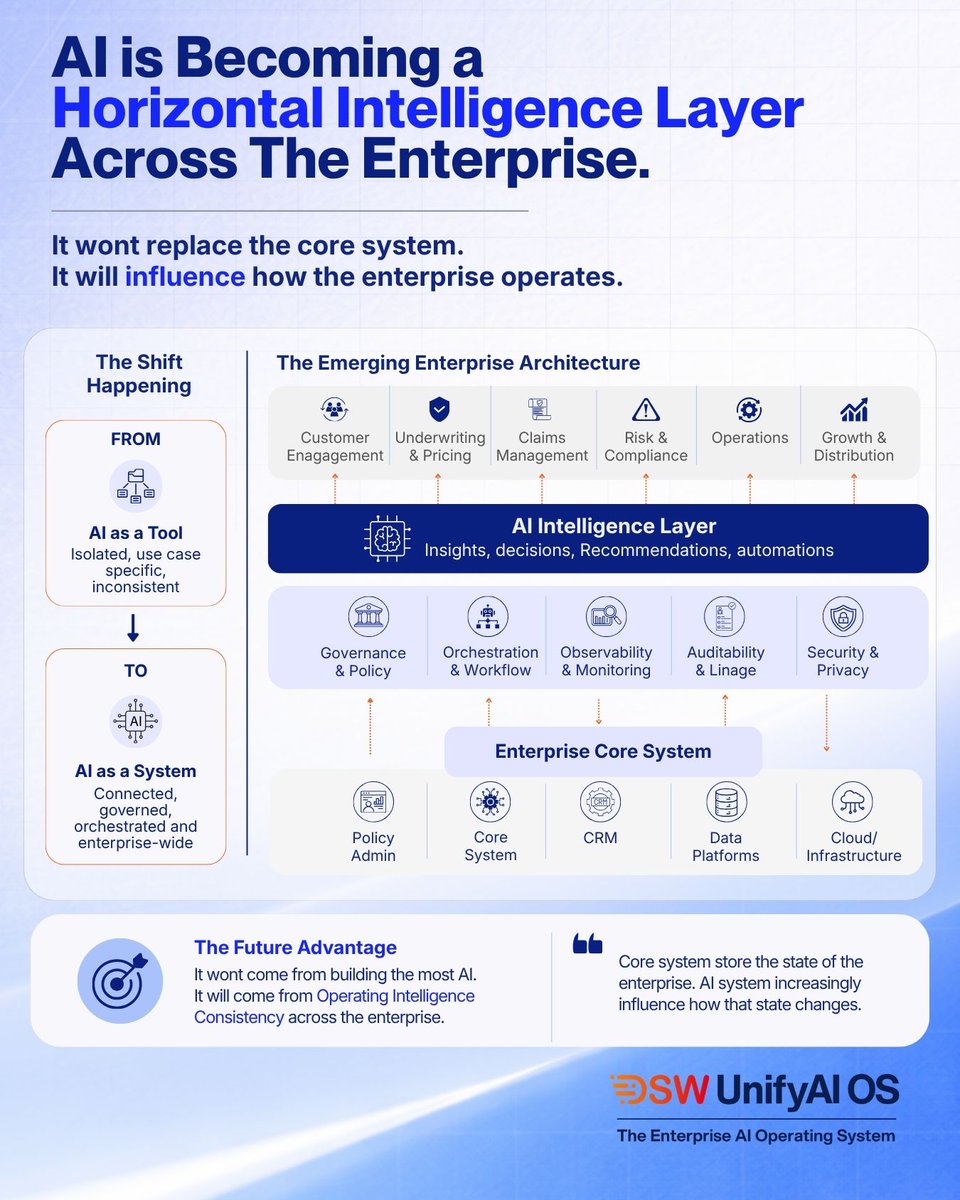
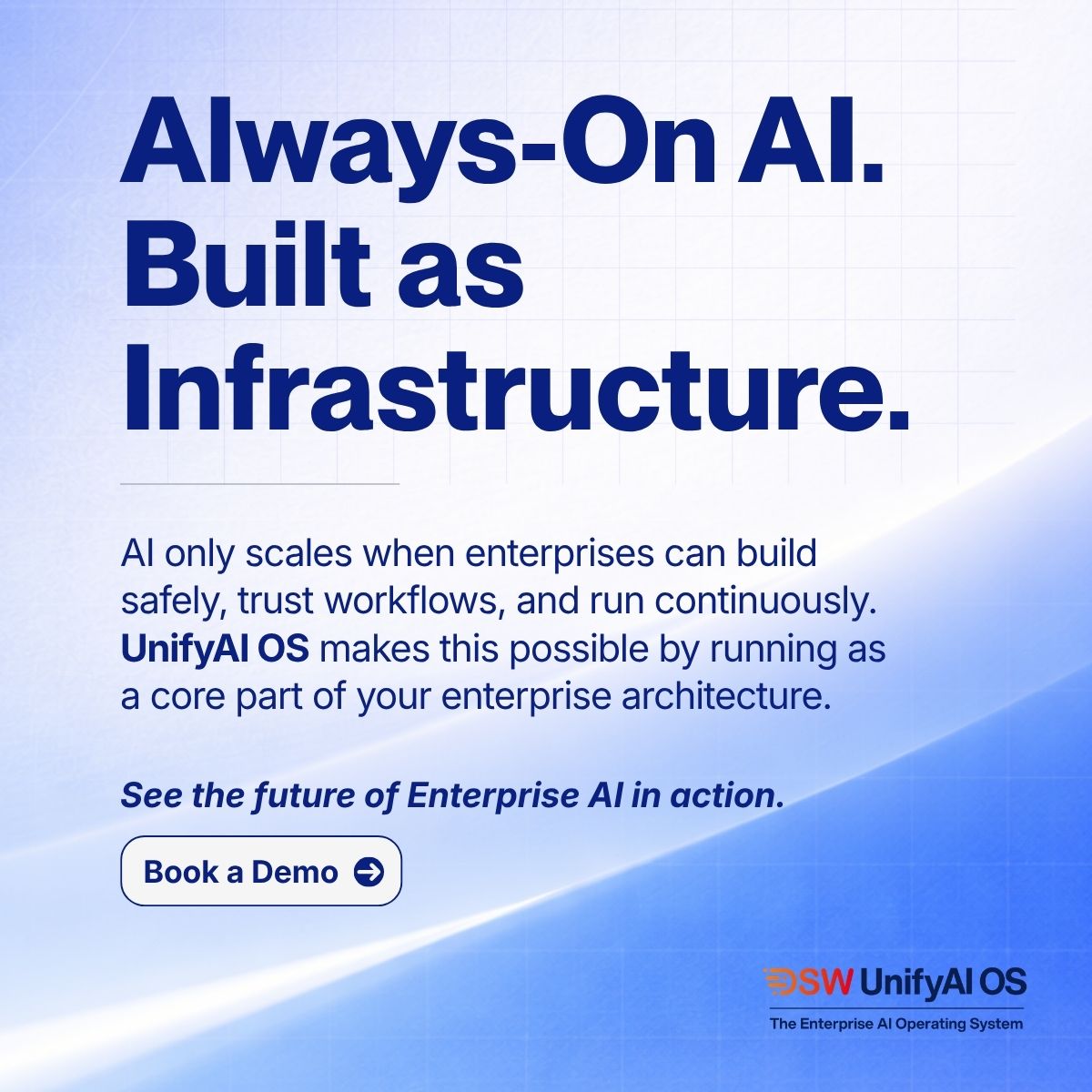
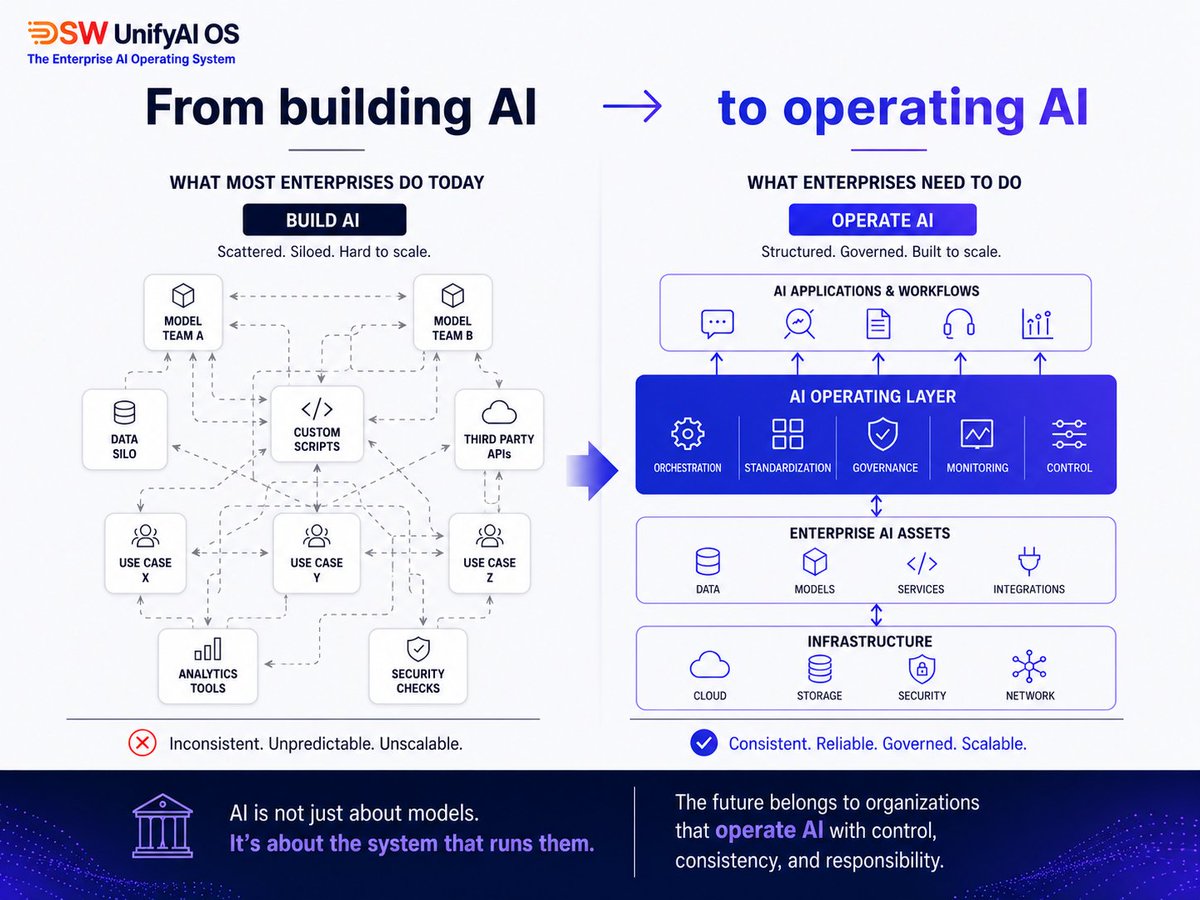

AI will not replace your core systems. It will change how the whole enterprise operates on top of them.
The edge will not come from building the most AI. It will come from running it with consistency, end to end.
That is what UnifyAI OS is built for.
datasciencewizards.ai
1
1
9
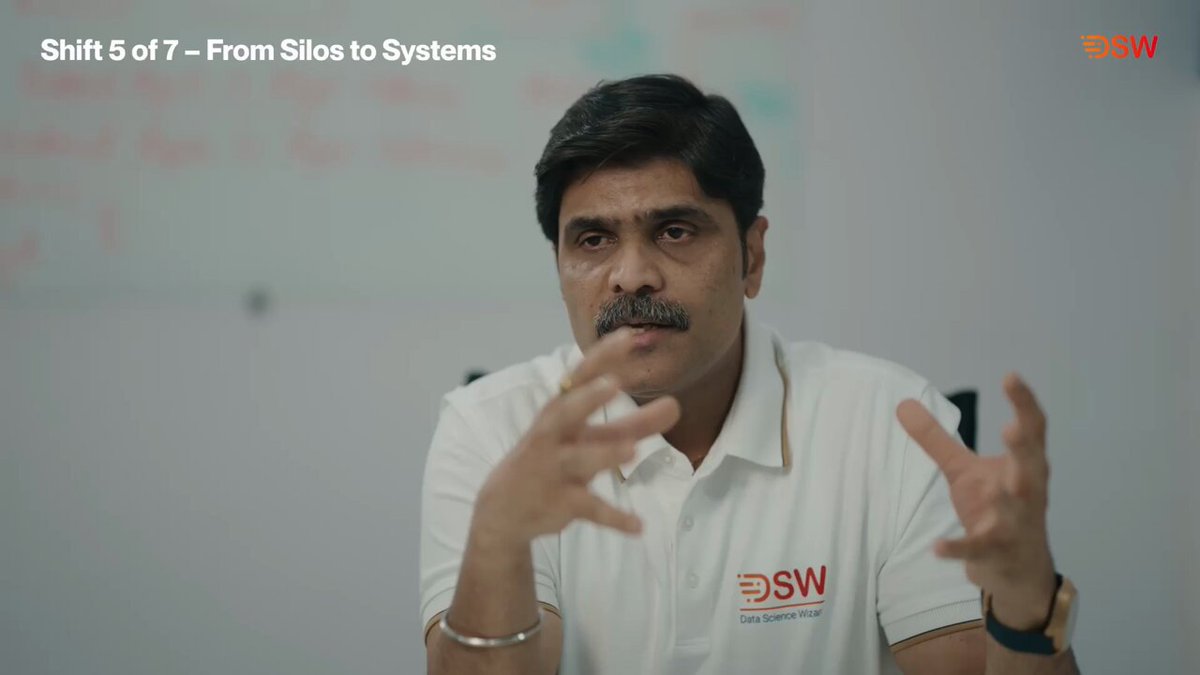
AI in the enterprise isn't one discipline. It's five or six running simultaneously, and they all need to connect.
No single tool solves that. It takes a system underneath.
datasciencewizards.ai
1
1
3
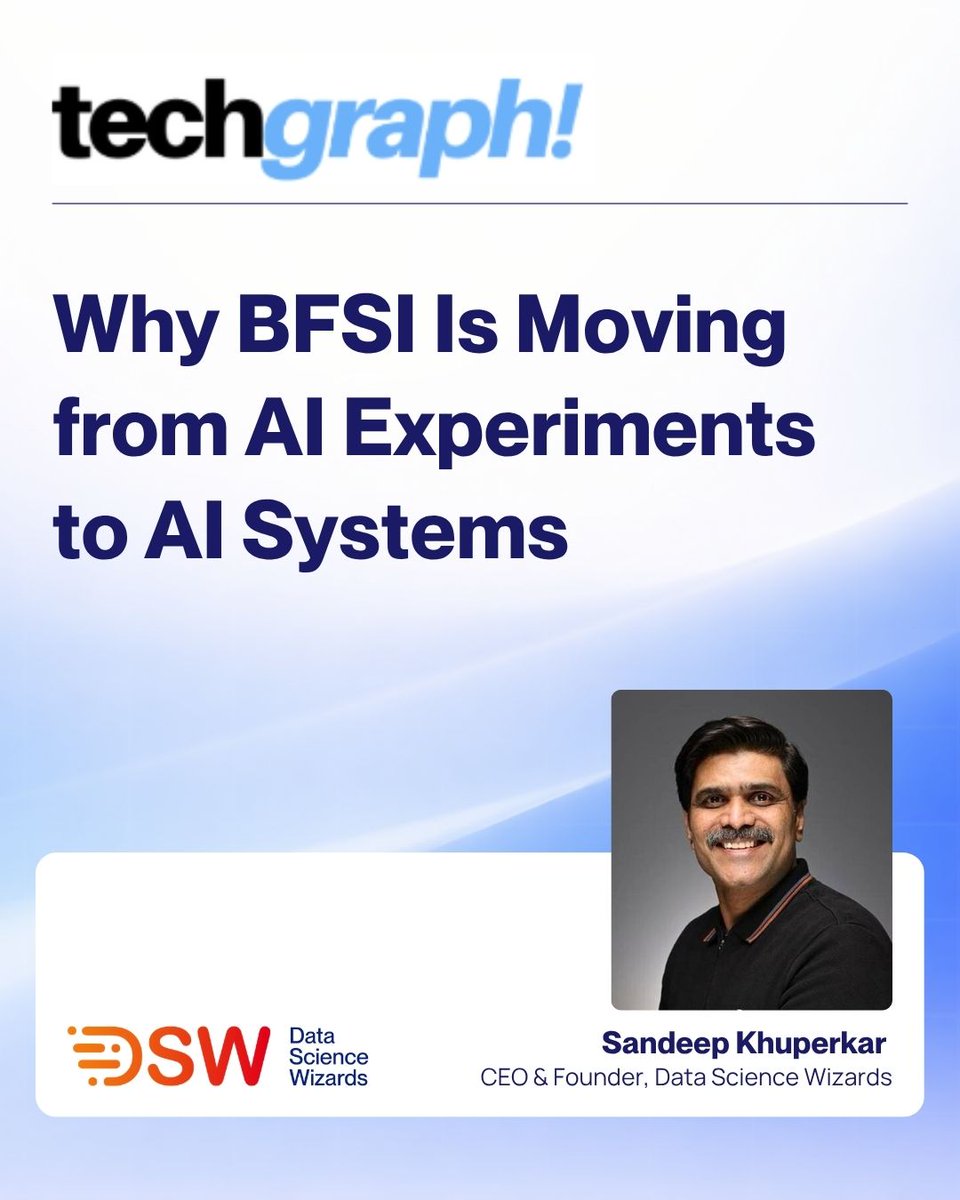
BFSI doesn't have an AI capability problem. It has an AI operations problem.
Sandeep Khuperkar on why the industry is moving from experiments to systems, and why execution, not software, is the real cost.
techgraph.co/opinions/why-bf…
1
1
9
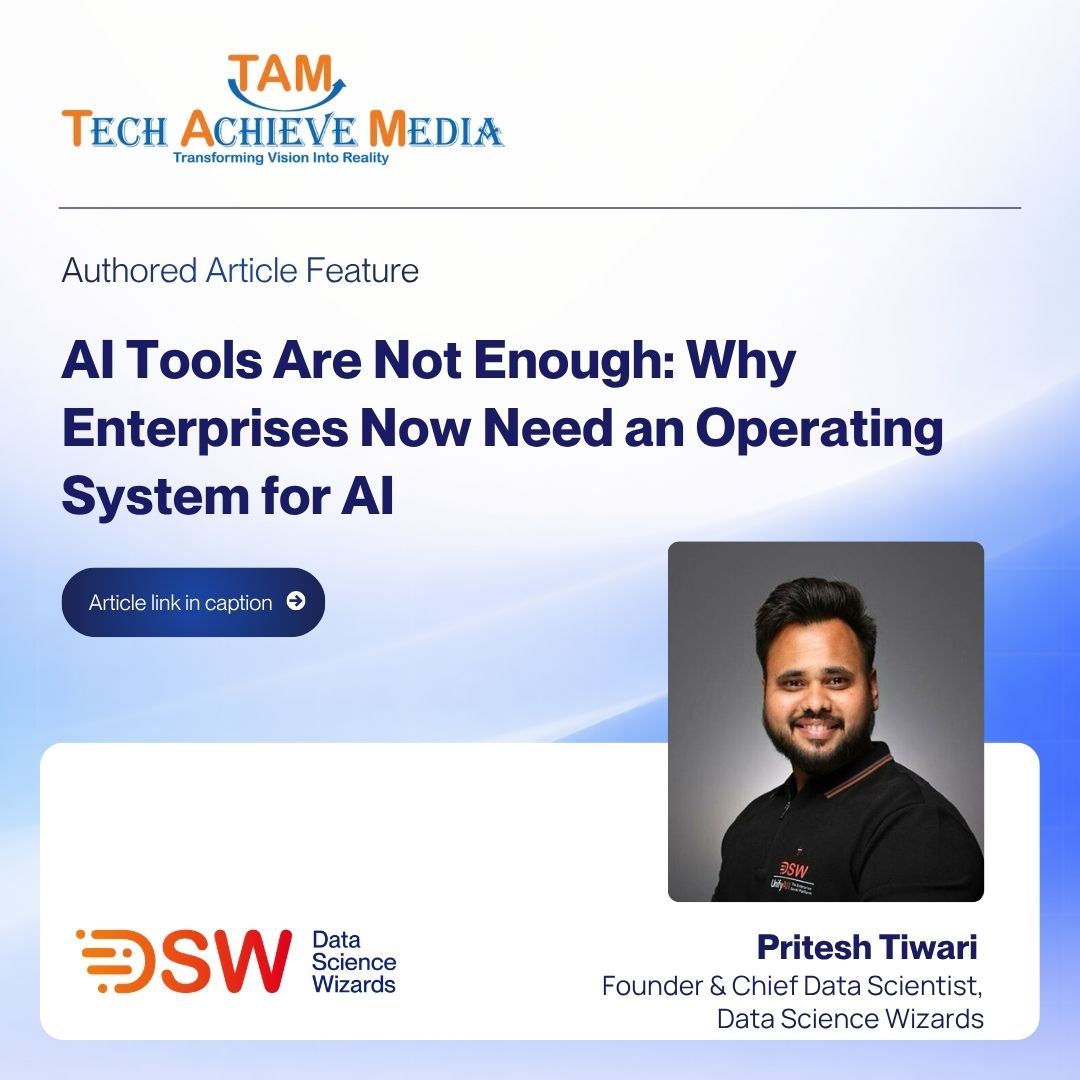
AI tools are everywhere. The ability to operate them as one governed system isn't.
Pritesh Tiwari on why enterprises need an operating system for AI, not more tools.
techachievemedia.com/future-…
1
1
5
AI in the enterprise isn't one discipline. It's five or six running simultaneously, and they all need to connect.
No single tool solves that. It takes a system underneath.
datasciencewizards.ai
1
1
9
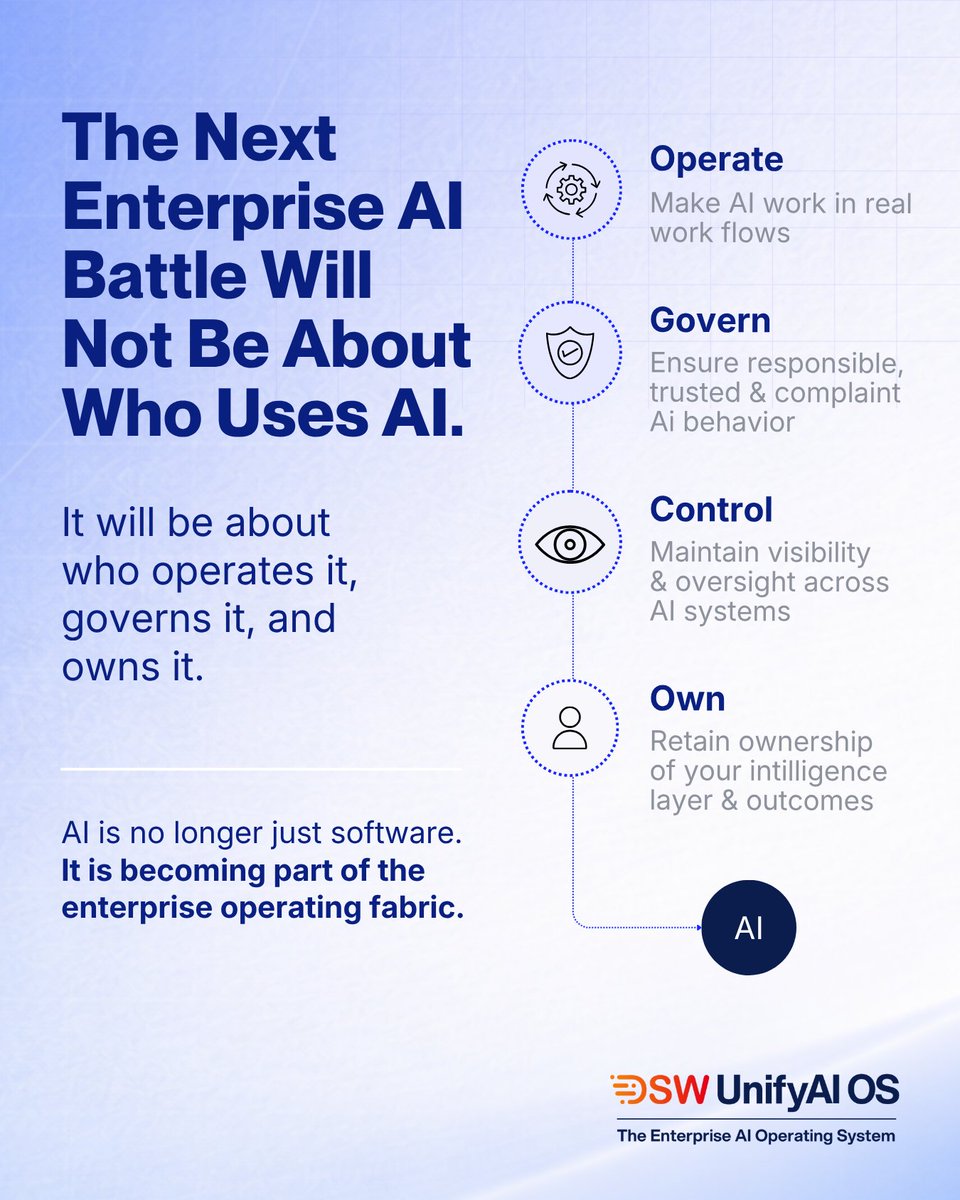
Everyone has AI now. Access is no longer the advantage.
What separates enterprises next: who can operate it, govern it, control it, and own it.
datasciencewizards.ai
3
Everyone has AI now. Access is no longer the advantage.
What separates enterprises next: who can operate it, govern it, control it, and own it.
datasciencewizards.ai
2
Most AI ecosystems keep the answer to "who owns what you build?" uncomfortably vague.
Your models. Your agents. Your workflows. Your source code. If you built it, you should own it. Fully.
datasciencewizards.ai
1
1
13
Buying AI tools makes you an AI consumer. Building an AI factory makes you AI-driven.
The difference is the operating layer underneath.
datasciencewizards.ai
3
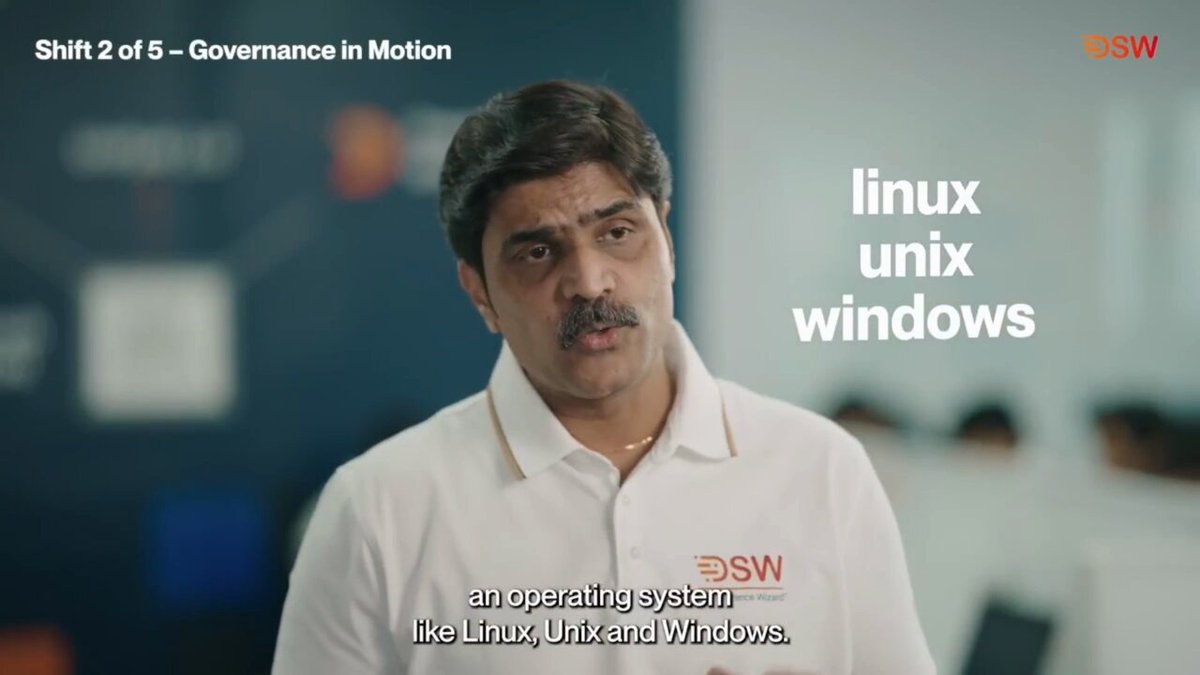
Linux solved it for compute. TCP/IP for networks. Kubernetes for containers.
Every critical enterprise technology eventually got a horizontal operating layer to govern it.
AI is at that exact moment right now.
datasciencewizards.ai
3
Enterprise AI won’t be won by who builds more models.
It’ll be won by who can operate AI reliably, govern it properly, and scale it systemically.
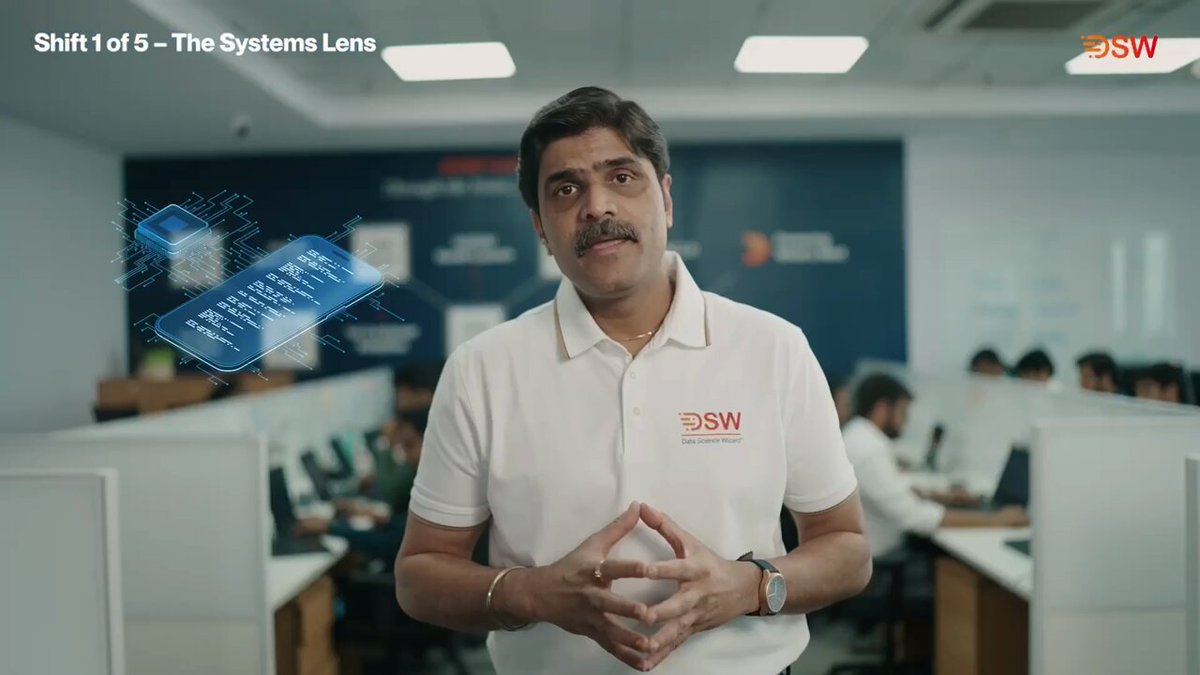
AI is becoming a systems conversation
You wouldn't run your ERP as a side project. You wouldn't run core banking without governance baked in.
So why is AI still treated as something you plug in and hope works?
Sandeep Khuperkar on the inflection point enterprises are at right now.
datasciencewizards.ai
8
Every enterprise is asking: how do we go from AI experiments to AI that runs as part of the business?
The answer isn't more tools. It's a different set of principles.
datasciencewizards.ai
3
Most enterprises run AI in fragments. It works until it doesn't.
One governed runtime changes everything. Governance in real time. Agents with boundaries. Every action traceable and reversible.
datasciencewizards.ai
5
Enterprises don't have an AI tool problem. They have an AI operating problem.
Dozens of tools. No common layer connecting them. No shared governance.
That's not a stack. That's sprawl. And sprawl doesn't scale.
datasciencewizards.ai
7
Every enterprise has AI. Few can actually operate it.
Models in one team. Agents in another. Tools scattered. No common layer.
That's not strategy. That's sprawl. AI needs an operating system.
datasciencewizards.ai
5
Governance in a document doesn't protect you when AI is running in production.
It needs to execute in real time. As code. As controls that cannot be bypassed.
That's governance in motion.
datasciencewizards.ai
7
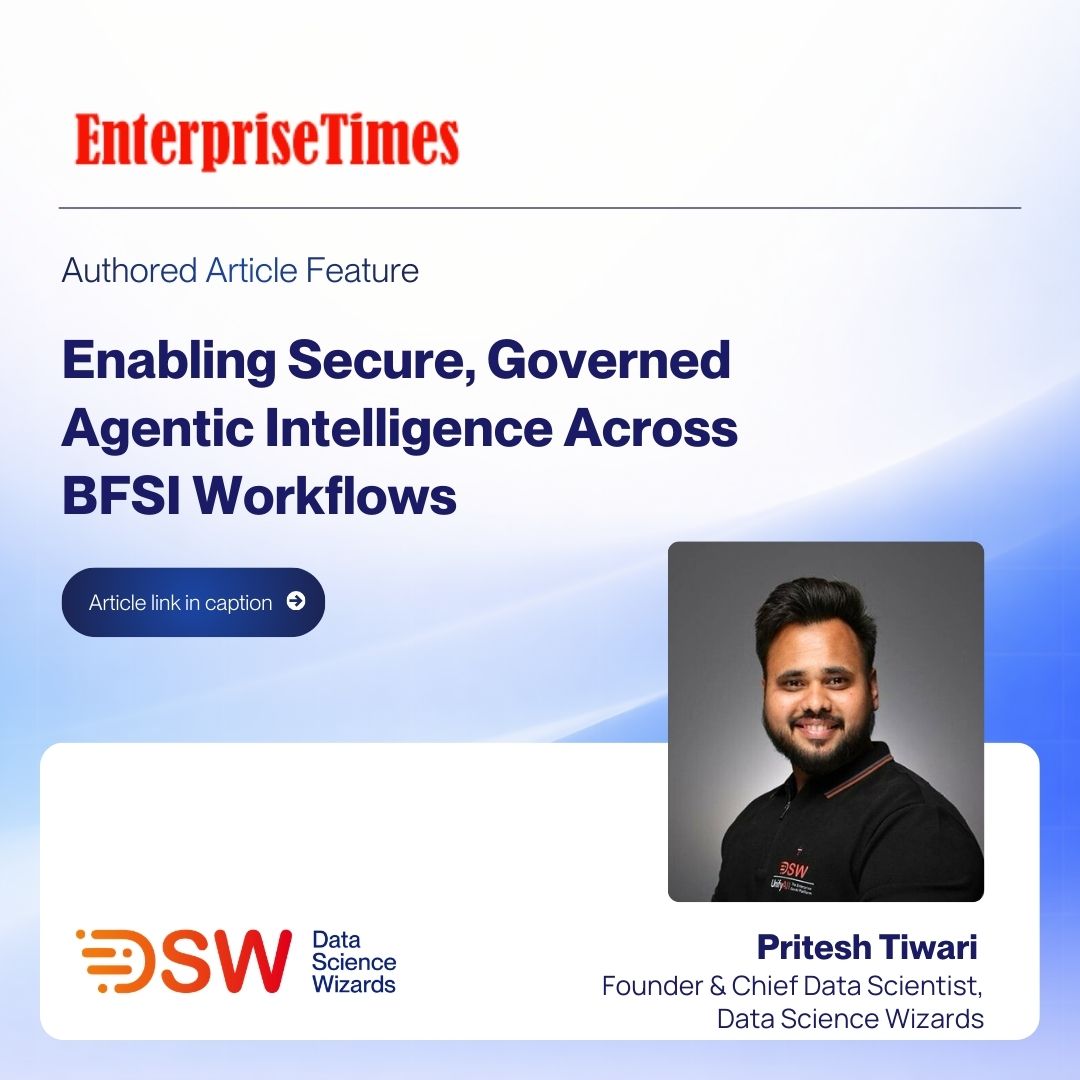
AI agents in BFSI are now executing underwriting, claims, and credit decisions autonomously.
Autonomy without governance isn't innovation. It's exposure.
Pritesh Tiwari on what governed agentic AI looks like in practice.
enterprisetimes.in/latest-ne…
1
1
17
Most enterprises run AI across scattered tools, disconnected models, and siloed teams. That's not strategy. That's sprawl.
One governed runtime. One foundation. Production-ready AI.
datasciencewizards.ai
1
2
14
Building AI fast isn't the hard part anymore. Operating it at scale is.
And when AI is core to your business, you need custody, freedom, and ownership of everything you build. Models, agents, workflows, source code. All of it.
datasciencewizards.ai
1
1
20